

News

Miro: A New Standard in Responsible Innovation

Miro: A New Standard in Responsible Innovation The Miro monitor arm is setting new benchmarks in sustainability. It offers a high-performance solution without compromising on environmental responsibility. Designed with careful material selection, local sourcing, and longevity in mind, Miro’s responsible approach to design and unique manoeuvrability set it apart from the competition. Sustainable Choices Miro is crafted from energy-efficient materials with a lower carbon impact....

Read more
HSE Advisor

Role Purpose Support in the development, implementation and maintenance of the company’s Health, Safety & Environmental policies, processes, operational procedures, and standards.  Ensuring best practice and championing a continually improving HSE culture within the business. Key Responsibilities Liaise with and provide support to all areas of the business to eliminate, mitigate or reduce identified HSE exposures. Partner with the production management team and team leaders,...

Read more
CMD Ltd LAUNCHES 48-HOUR TURNAROUND ON BETATRAK® RAPID ORDERING SERVICE

CMD Ltd, the specialist in power distribution systems, workstation power and monitor arms, has launched a rapid ordering service for its Betatrak® underfloor powertrack distribution systems and accessories, with a commitment to delivering within 48-hours of an approved purchase order*. The service enables customers to order up to 50 lengths of Standard or Clean Earth (C/E) low noise Betatrak, along with up to 25 feed...

Read more

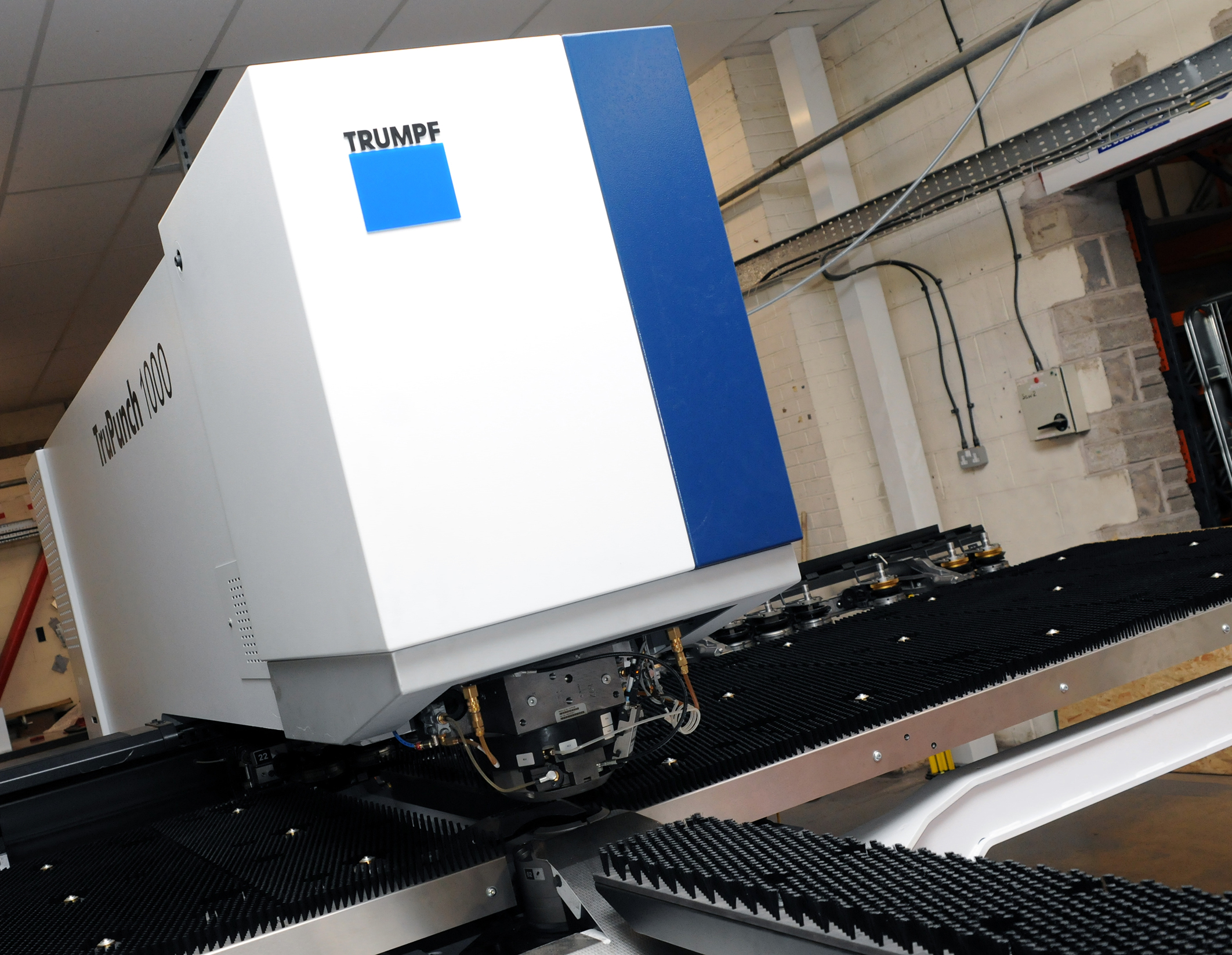
CMD INVESTS £1/4 MILLION IN NEW MACHINE AS PART OF FACTORY UPGRADE

We have invested in a new £1/4m TRUMPF CNC metal punch as part of an asset renewal strategy for our UK manufacturing capability. The new machine will be used in the production of a wide variety of our power distribution systems and workstation power products at our Rotherham factory. Suitable for handling sheet metal between 0.9mm and 3.0mm thick, the new machine will replace one...

Read more
CMD CATALOGUE PROVIDES TECHNICAL POWER DISTRIBUTION GUIDE

CMD Ltd has released a new catalogue, providing an easy to follow technical guide to our power distribution systems and plug and play desk modules. Detailing CMD’s full range of UK-manufactured power distribution systems and plug and play desk modules, the catalogue will be a helpful source of information to M&E engineers and contractors alike to understand how our power distribution systems connect together and...

Read more
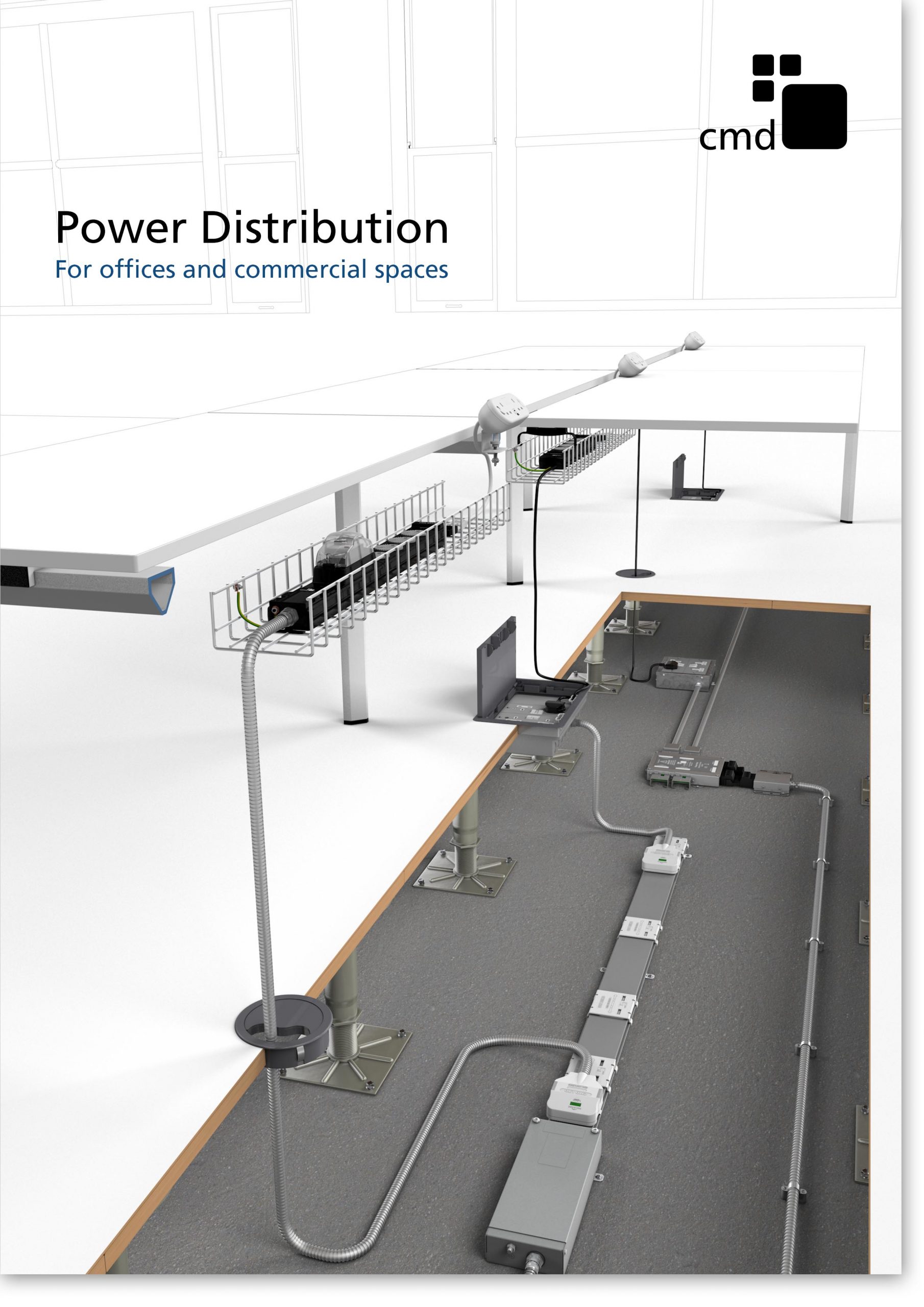
Power Distribution Catalogue
CMD Ltd PLAYS ESSENTIAL ROLE IN ELECTRICAL FIT OUT AT LONDON’S PRESTIGIOUS OFFICE DEVELOPMENT

CMD Ltd, specialist in workplace connectivity and ergonomic solutions, has provided a flexible and high-quality power distribution network for The Ray, a prestigious office development in London’s Farringdon. Well-known for being the former site of The Guardian newspaper, The Ray now stands as an 83,000ft² office development characterised by a modernised warehouse aesthetic, with level two now occupied by a global social media company. The...

Read more

The Ray
CMD plugs in to european opportunity with Schuko Capsule unit launch

CMD Ltd, the specialist in power and connectivity solutions for commercial environments, has launched a Schuko version of its popular fixed format Capsule workstation power module for export to mainland Europe and beyond. A popular on desk power module comprising two sockets and dual USB (type A and C) chargers, CMD’s Capsule unit is already widely specified in the UK as an off-the-shelf workstation power...

Read more
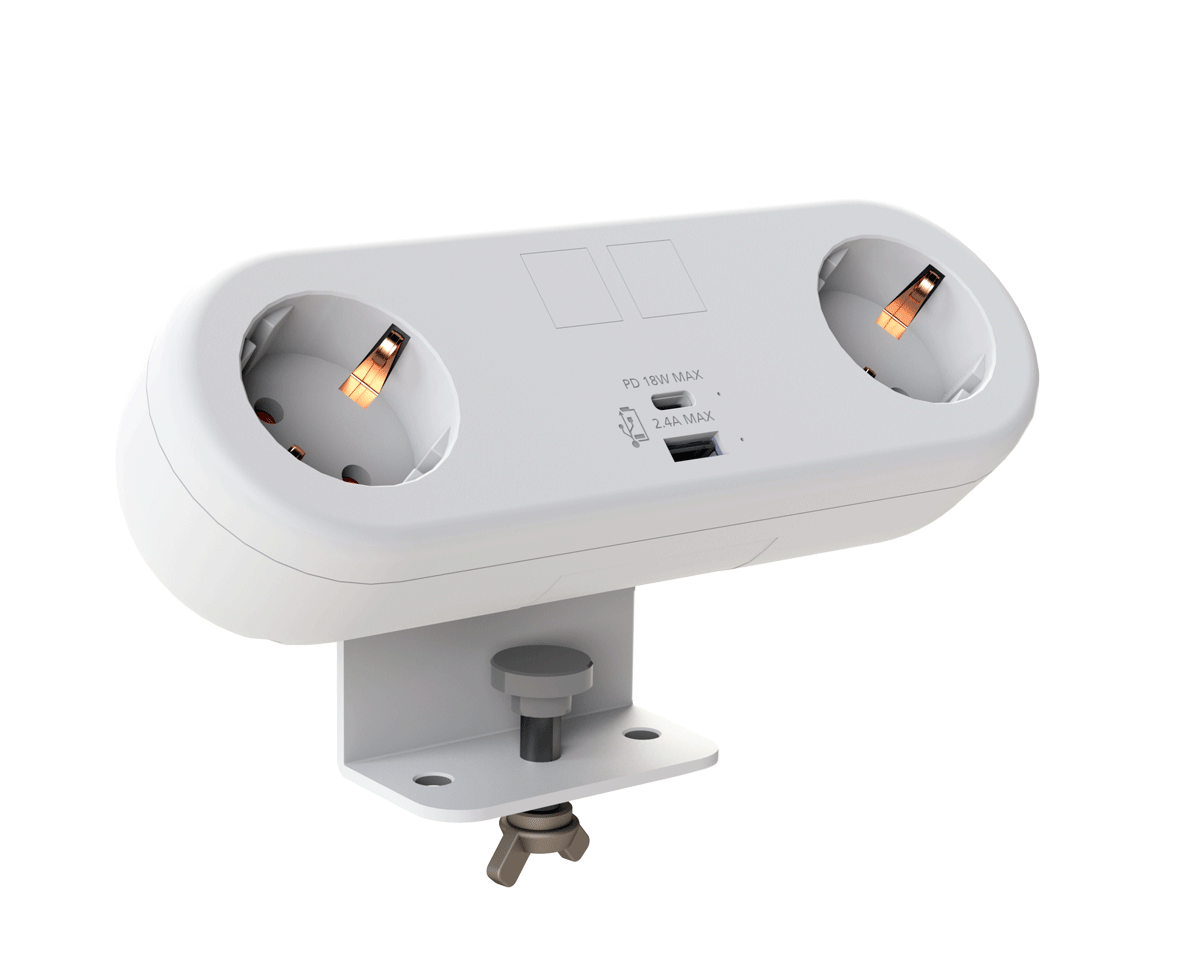
CMD White Schuko Capsule Desk Power Module
CMD LTD EXTENDS MONITOR ARM RANGE WITH THE LAUNCH OF REACH PLUS

CMD Ltd, the specialist in ergonomic and connectivity solutions for commercial interiors, has completed its Reach monitor arm range with the launch of the Reach Plus. Available in single or dual screen options, the Reach Plus has been designed to provide an ideal solution for both single and dual screen workstation configurations, or can be used with next generation of large format curved screens. Suitable...

Read more

CMD Ltd DEMONSTRATES THE ART OF POWER DISTRIBUTION AT THE UNIVERSITY OF WARWICK

CMD Ltd, the specialist in workplace connectivity and ergonomic solutions, has provided Betatrak busbar power distribution and a range of electrical accessories for two major capital investment projects at the University of Warwick. Designed by Fielden Clegg Bradley Studios, the £33 million Faculty of Arts building is a showpiece development comprising four interconnected structures set around a central atrium, which will enable inter-disciplinary collaboration across...

Read more

University of Warwick
CMD BRINGS HARMONY TO COVENTRY UNIVERSITY RESEARCH FACILITIES

CMD Ltd, the specialist in power distribution solutions and workstation power and ergonomics, has provided under desk and on desk power modules for the refurbishment of three Coventry University research buildings. Located on Coventry University Technology Park, a business park designed to encourage collaboration between the university and knowledge-based businesses, the three buildings are being repurposed as office accommodation for university research teams. The refurbishment...

Read more
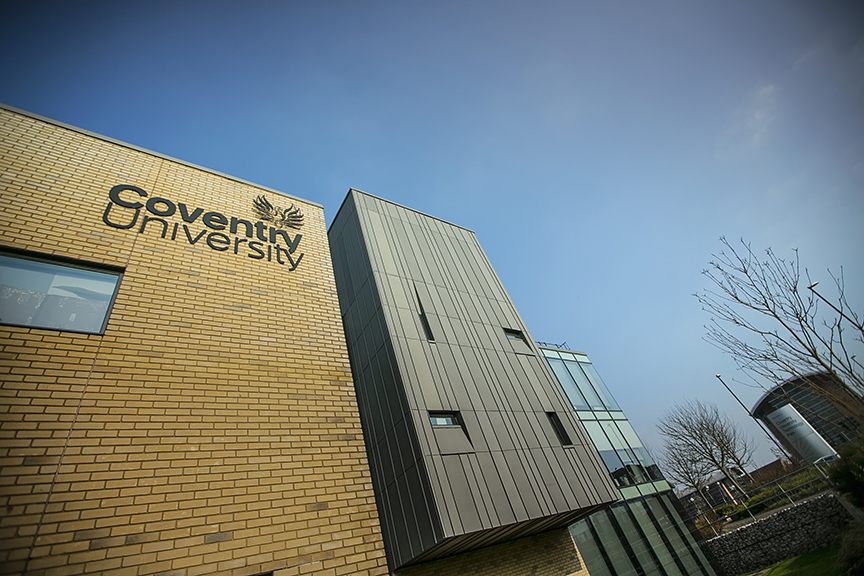
Coventry University

How to Choose the Best Transformer Substation Solutions?

Selecting the right Transformer Substation solution is crucial for efficient power distribution. In a recent industry report by the International Energy Agency, it was noted that transformer substations account for up to 40% of the total investment in electrical infrastructure. This reflects their pivotal role in enhancing energy reliability. Industry expert Dr. Emily Thompson, a recognized authority on power systems, states, "The choice of transformer substations can significantly impact grid efficiency and sustainability."

Transformer substations vary widely in design and functionality. Making the right choice involves understanding the specific needs of your project. Factors like load requirements, environmental conditions, and future scalability play critical roles. Accurate assessment can help prevent costly upgrades down the line. Sometimes, overlooked details like site location and local regulations can introduce unexpected challenges.

As demand for sustainable energy rises, transformer substations must adapt. Emerging technologies, such as smart grids, are reshaping the landscape. Buyers need to stay informed about these trends to make sound decisions. Choosing poorly can lead to inefficiencies and roadblocks that hinder long-term goals. A well-chosen transformer substation is an investment in the future of energy.

How to Choose the Best Transformer Substation Solutions?

Understanding Transformer Substations: Key Components and Functions

Transformer substations are vital in electrical systems. They facilitate voltage transformation and distribution to meet diverse energy demands. Understanding their key components is essential for selecting the right solution.

At the core of a transformer substation is the transformer itself. This device converts high voltage to low voltage for safer distribution. According to the International Energy Agency, around 50% of global electricity demand is managed through such transformers. Other essential components include switchgear, circuit breakers, and protection relays. These elements ensure system reliability and safety during operation.

However, selecting a transformer substation involves challenges. For instance, while aiming for efficiency, one must also consider environmental impact. Transformers can lead to energy losses. The U.S. Department of Energy estimates that transformers can lose up to 4% of energy in the form of heat. Regular maintenance is necessary to mitigate such inefficiencies. It's vital to balance performance and sustainability while designing substations. This ongoing reflection on efficiency and environmental responsibility shapes the future of energy distribution.

Assessing Power Requirements for Transformer Substation Solutions

Assessing the power requirements for transformer substation solutions is critical for effective energy management. The load demand can vary significantly based on factors such as industrial application, geographic location, and time of year. A study by the International Energy Agency indicated that peak electricity demand can surge by up to 30% during summer months. Planners must consider these fluctuations when designing substation infrastructures.

It's essential to determine not only the required capacity but also the anticipated growth in energy consumption. Research shows a projected annual increase of 2.5% in global electricity demand until 2030. This statistic underlines the importance of adaptable transformer solutions. Engineers should incorporate flexibility in their designs to accommodate future developments. Without this foresight, utilities may face inefficiencies and increased operational costs.

Another important factor is the selection of transformer types. Standard transformers may suffice for many applications, but specialized tasks often require custom solutions. Data from the Electric Power Research Institute suggests a growing preference for environmentally friendly options. These may reduce operating expenses and comply with stringent regulations. However, the upfront costs and installation complexity must be weighed against long-term benefits. Careful assessment and planning are vital to optimize performance and sustainability.

How to Choose the Best Transformer Substation Solutions? - Assessing Power Requirements for Transformer Substation Solutions

Criteria Description Importance Recommended Value
Load Capacity Determine the maximum electrical load the substation will handle. High 1000 kVA - 50000 kVA
Voltage Level The nominal voltage for input and output connections. High 11 kV, 33 kV, 66 kV
Cooling Method Type of cooling used to maintain optimal transformer temperature. Medium Forced Air, Oil Immersed
Environmental Considerations Assess local climate and terrain that may affect performance. Medium Temperature range: -10°C to 40°C
Regulatory Compliance Follow local and national regulations for transformer operation. High ANSI C57, IEC Standards

Evaluating Site Location and Environmental Considerations

Choosing the optimal location for a transformer substation involves several critical environmental considerations. Site selection significantly impacts operational efficiency and service reliability. According to a report by the International Energy Agency, over 30% of infrastructure projects face delays due to poor site assessments. This highlights the need for thorough environmental studies during the planning phase.

Factors such as land use, proximity to communities, and environmental protections are vital. Electric utilities should evaluate local geography, climate data, and ecological sensitivities. For instance, wetlands or protected habitats can complicate development, leading to potential legal and financial setbacks. Studies indicate that these factors can increase project costs by as much as 20%.

Accessibility to existing power lines and roads also plays a role in efficiency. Research shows that location choices can affect not only construction time but long-term maintenance as well. Unexpected environmental challenges often arise, necessitating continual assessment and strategy adjustments. Investing in comprehensive site evaluations can mitigate these risks and contribute to sustainable energy solutions.

Choosing Between Different Transformer Models and Types

Selecting the right transformer for substations is crucial due to its impacts on efficiency and reliability. Various types of transformers exist. They include oil-immersed, dry-type, and distribution transformers. Each type has distinct applications and advantages. According to the International Energy Agency, over 70% of electrical energy losses arise from transformer inefficiencies. Choosing the suitable model can mitigate these losses.

When evaluating different models, consider power ratings and voltage levels. Reportedly, dry-type transformers are preferable in urban settings due to their lower fire risk. Furthermore, oil-immersed models are often chosen for their durability in remote areas. However, they require extensive maintenance. The U.S. Department of Energy indicates that proper maintenance can enhance transformer life by up to 25%. Such insights reveal the necessity for thorough assessments before decisions are made.

In addition to technical specifications, environmental factors play a role. Some areas impose strict regulations on emissions. These factors could limit the choice of transformer types. It's essential to weigh these regulations against performance needs. However, the right choice can lead to reduced operational costs and enhanced system performance. Nonetheless, assessments should also reflect on potential oversights in initial evaluations. Balancing efficiency and compliance can be challenging yet rewarding.

Factors Influencing Cost and Maintenance of Transformer Substations

When considering transformer substation solutions, cost and maintenance are critical factors. The initial investment depends on the design, size, and technology chosen. Large substations may require significant funding. You must also account for land acquisition and installation costs. These components can inflate the initial budget.

Maintenance is often overlooked but is essential for long-term performance. Regular inspections and timely repairs can prevent costly failures. A well-maintained substation can extend its lifespan, reducing replacement costs. Yet, these services often add to the ongoing operational expenses. Finding a balance between upfront costs and future maintenance needs can be difficult.

One should also consider the environmental impact. Sustainable solutions might cost more initially but can lead to savings over time. Assessing local regulations is vital; compliance can influence both budget and maintenance. Choosing the right transformer substation requires careful planning and a detailed understanding of these variables. Each decision can shape the efficiency and reliability of the energy system.

Factors Influencing Cost and Maintenance of Transformer Substations