

News

Miro: A New Standard in Responsible Innovation

Miro: A New Standard in Responsible Innovation The Miro monitor arm is setting new benchmarks in sustainability. It offers a high-performance solution without compromising on environmental responsibility. Designed with careful material selection, local sourcing, and longevity in mind, Miro’s responsible approach to design and unique manoeuvrability set it apart from the competition. Sustainable Choices Miro is crafted from energy-efficient materials with a lower carbon impact....

Read more
HSE Advisor

Role Purpose Support in the development, implementation and maintenance of the company’s Health, Safety & Environmental policies, processes, operational procedures, and standards.  Ensuring best practice and championing a continually improving HSE culture within the business. Key Responsibilities Liaise with and provide support to all areas of the business to eliminate, mitigate or reduce identified HSE exposures. Partner with the production management team and team leaders,...

Read more
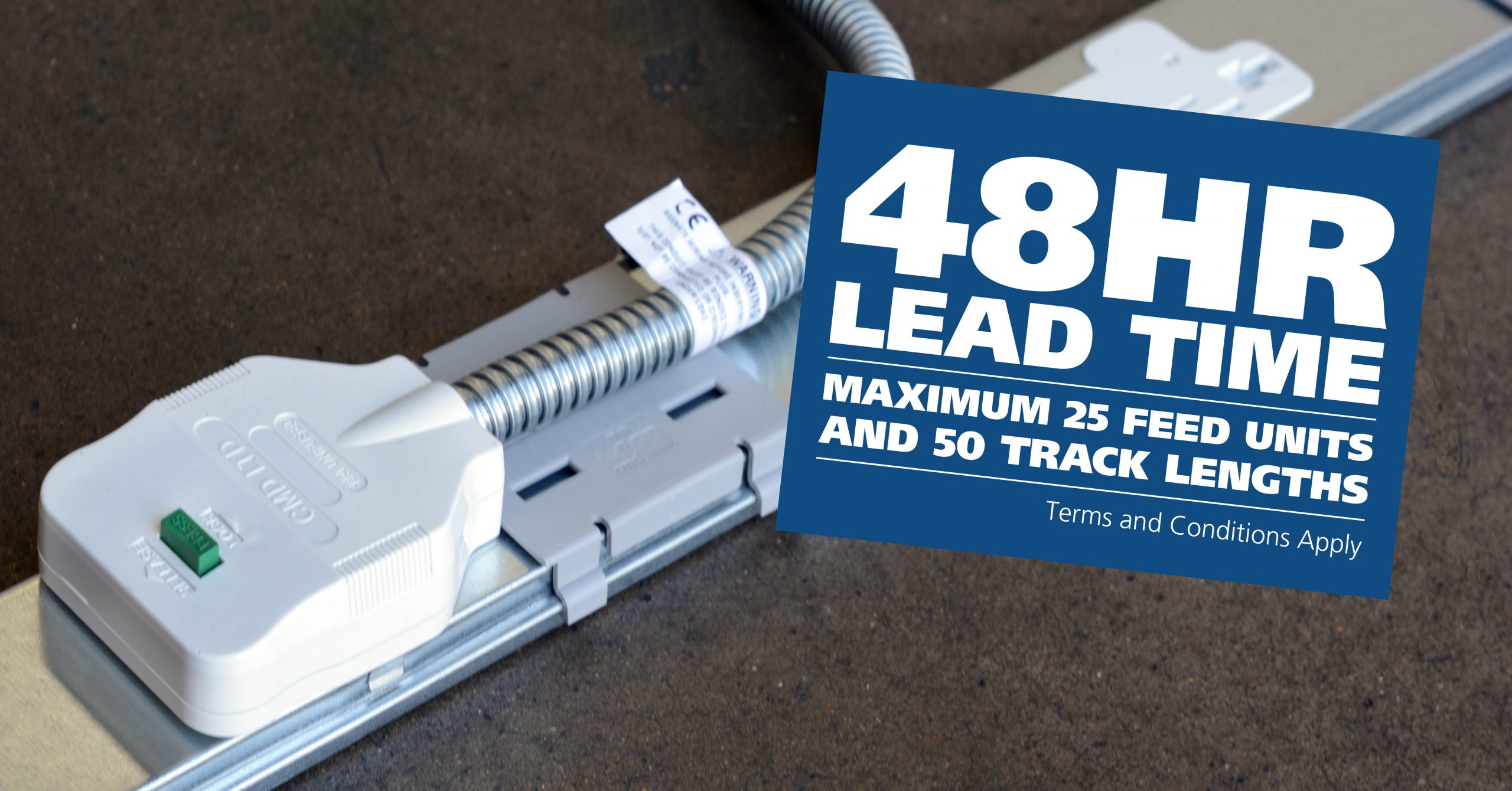
CMD Ltd LAUNCHES 48-HOUR TURNAROUND ON BETATRAK® RAPID ORDERING SERVICE

CMD Ltd, the specialist in power distribution systems, workstation power and monitor arms, has launched a rapid ordering service for its Betatrak® underfloor powertrack distribution systems and accessories, with a commitment to delivering within 48-hours of an approved purchase order*. The service enables customers to order up to 50 lengths of Standard or Clean Earth (C/E) low noise Betatrak, along with up to 25 feed...

Read more
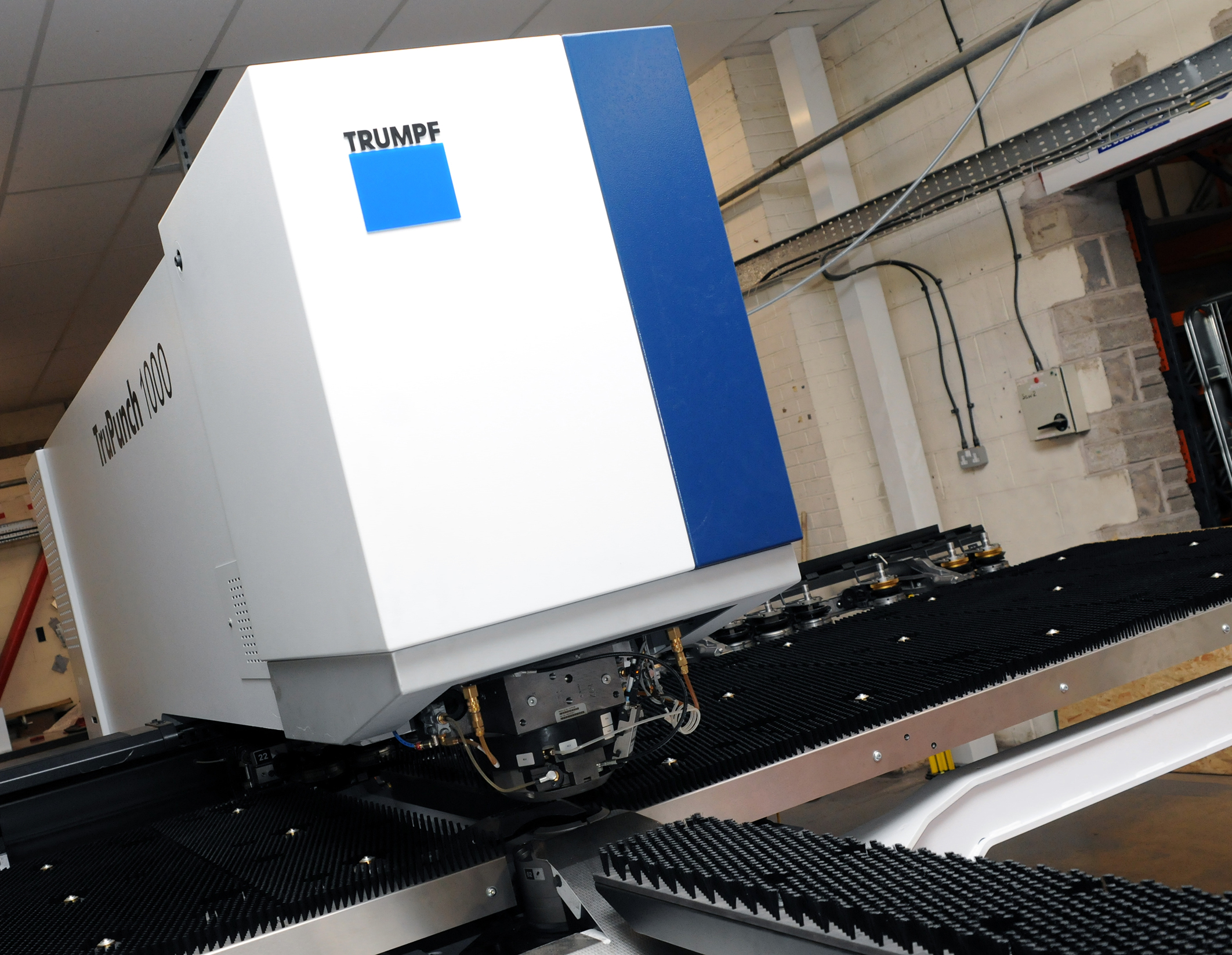
CMD INVESTS £1/4 MILLION IN NEW MACHINE AS PART OF FACTORY UPGRADE

We have invested in a new £1/4m TRUMPF CNC metal punch as part of an asset renewal strategy for our UK manufacturing capability. The new machine will be used in the production of a wide variety of our power distribution systems and workstation power products at our Rotherham factory. Suitable for handling sheet metal between 0.9mm and 3.0mm thick, the new machine will replace one...

Read more
CMD CATALOGUE PROVIDES TECHNICAL POWER DISTRIBUTION GUIDE

CMD Ltd has released a new catalogue, providing an easy to follow technical guide to our power distribution systems and plug and play desk modules. Detailing CMD’s full range of UK-manufactured power distribution systems and plug and play desk modules, the catalogue will be a helpful source of information to M&E engineers and contractors alike to understand how our power distribution systems connect together and...

Read more

Power Distribution Catalogue
CMD Ltd PLAYS ESSENTIAL ROLE IN ELECTRICAL FIT OUT AT LONDON’S PRESTIGIOUS OFFICE DEVELOPMENT

CMD Ltd, specialist in workplace connectivity and ergonomic solutions, has provided a flexible and high-quality power distribution network for The Ray, a prestigious office development in London’s Farringdon. Well-known for being the former site of The Guardian newspaper, The Ray now stands as an 83,000ft² office development characterised by a modernised warehouse aesthetic, with level two now occupied by a global social media company. The...

Read more

The Ray
CMD plugs in to european opportunity with Schuko Capsule unit launch

CMD Ltd, the specialist in power and connectivity solutions for commercial environments, has launched a Schuko version of its popular fixed format Capsule workstation power module for export to mainland Europe and beyond. A popular on desk power module comprising two sockets and dual USB (type A and C) chargers, CMD’s Capsule unit is already widely specified in the UK as an off-the-shelf workstation power...

Read more
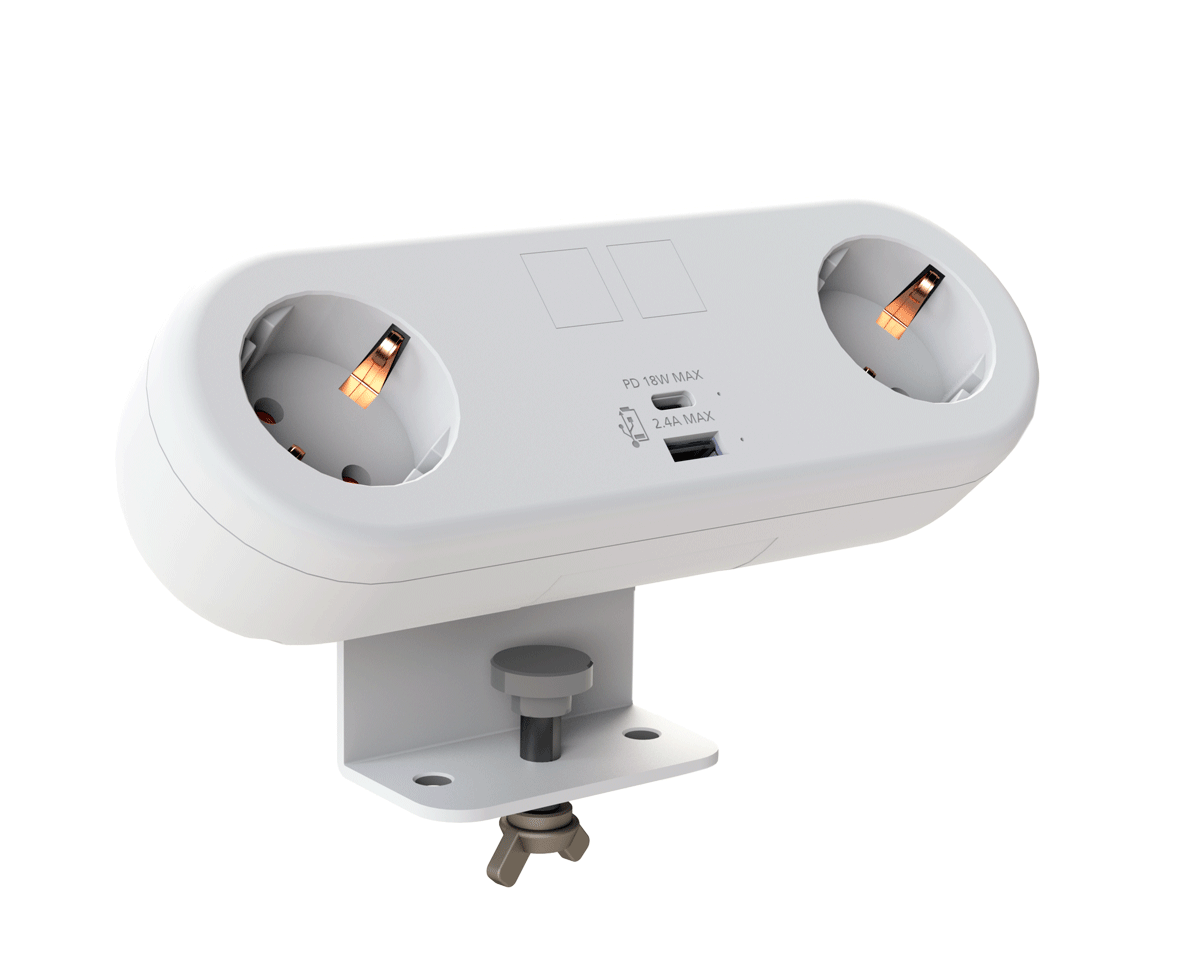
CMD White Schuko Capsule Desk Power Module
CMD LTD EXTENDS MONITOR ARM RANGE WITH THE LAUNCH OF REACH PLUS

CMD Ltd, the specialist in ergonomic and connectivity solutions for commercial interiors, has completed its Reach monitor arm range with the launch of the Reach Plus. Available in single or dual screen options, the Reach Plus has been designed to provide an ideal solution for both single and dual screen workstation configurations, or can be used with next generation of large format curved screens. Suitable...

Read more

CMD Ltd DEMONSTRATES THE ART OF POWER DISTRIBUTION AT THE UNIVERSITY OF WARWICK

CMD Ltd, the specialist in workplace connectivity and ergonomic solutions, has provided Betatrak busbar power distribution and a range of electrical accessories for two major capital investment projects at the University of Warwick. Designed by Fielden Clegg Bradley Studios, the £33 million Faculty of Arts building is a showpiece development comprising four interconnected structures set around a central atrium, which will enable inter-disciplinary collaboration across...

Read more

University of Warwick
CMD BRINGS HARMONY TO COVENTRY UNIVERSITY RESEARCH FACILITIES

CMD Ltd, the specialist in power distribution solutions and workstation power and ergonomics, has provided under desk and on desk power modules for the refurbishment of three Coventry University research buildings. Located on Coventry University Technology Park, a business park designed to encourage collaboration between the university and knowledge-based businesses, the three buildings are being repurposed as office accommodation for university research teams. The refurbishment...

Read more

Coventry University

How to Choose the Best Goat Deworming Drencher for Your Herd?

Choosing the right Goat Deworming Drencher is crucial for maintaining the health of your herd. According to the American Goat Federation, parasitic infections can reduce goat productivity by up to 20%. This shocking statistic underscores the importance of effective deworming practices. Notably, Dr. Laura Smith, an expert in livestock health, stated, “Selecting the ideal drencher can be the difference between thriving and struggling goat populations.”

Various dewormers are available, each with unique formulations and effectiveness. The best choice often depends on factors like goat age, weight, and prevalent parasite strains. A tailored approach is essential for maximizing health benefits. It is worth noting that improper use of dewormers can lead to resistance, complicating future deworming efforts.

Keeping informed about new products and industry standards is vital. The field of goat management is evolving. Regular consultation with veterinarians or livestock specialists can enhance your understanding of Goat Deworming Drenchers. It’s a journey that requires ongoing education and reflection on your practices. Aim to choose wisely for the well-being of your herd.

How to Choose the Best Goat Deworming Drencher for Your Herd?

Identifying Common Goat Parasites and Their Impact on Herd Health

Goat health relies heavily on managing internal parasites. Common culprits include Haemonchus contortus, Ostertagia, and Trichostrongylus. These parasites can significantly affect a goat's vitality, leading to weight loss, anemia, and reduced milk production. A study published in the "Veterinary Parasitology" journal states that up to 70% of goats may show clinical signs of parasitic infections during peak transmission seasons.

Regular monitoring is essential. Fecal egg counts are a reliable method to assess the parasite burden within your herd. Research suggests that a dramatic increase in egg counts can signal an infestation. Early intervention can prevent severe health issues and economic losses. Farmers should consider the environment and grazing practices when assessing risk; overgrazing and wet conditions often lead to higher parasite loads.

Investing in effective deworming strategies requires knowledge of the specific parasites affecting your herd. Resistance to common dewormers is a growing concern. Understanding the life cycle of each parasite helps in planning targeted treatment. Keeping records on deworming history can highlight trends and inform future decisions. This approach ensures a healthier herd and sustainable farming practices.

How to Choose the Best Goat Deworming Drencher for Your Herd?

Parasite Name Common Symptoms Impact on Herd Health Deworming Treatment
Haemonchus contortus Anemia, weakness, swelling of the belly Significant weight loss, decreased milk production Ivermectin, moxidectin
Ostertagia ostertagi Diarrhea, weight loss, poor coat condition Reduced growth rates, higher susceptibility to other diseases Fenbendazole, levamisole
Trichostrongylus colubriformis Weight loss, diarrhea, dehydration Poor feed conversion, lower productivity Albendazole, ivermectin
Eimeria spp. Bloody diarrhea, weight loss, lethargy Potentially lethal, especially in kids Coccidiostats like amprolium
Strongyloides papillosus Diarrhea, cough, skin lesions Impaired growth, respiratory problems Ivermectin, fenbendazole

Evaluating Different Deworming Agents: Types and Efficacy

When assessing different deworming agents for goats, it’s crucial to consider their types and efficacy. Several studies indicate that not all dewormers are equally effective. For instance, the American Consortium for Small Ruminant Parasite Control reported variations in efficacy rates, with some agents showing over 90% efficacy against common parasites, while others lag behind at around 60%. The choice of dewormer can significantly impact herd health.

Moreover, it's important to reflect on the potential development of resistance. Frequent use of a single class of dewormers may lead to reduced effectiveness over time. A study published in the Journal of Veterinary Internal Medicine noted that resistance rates in some goat populations have climbed to 70% for certain products. Therefore, rotating dewormers and incorporating non-chemical strategies can help mitigate this issue.

Farmers should also consider the specific parasites affecting their herd. Identifying parasite species through fecal testing enables targeted treatment. Data suggests that specific agents are more effective against certain parasites, such as Haemonchus contortus. Understanding these nuances can greatly improve herd management and health outcomes. Consideration of local conditions, parasite types, and dewormer efficacy is essential for responsible deworming practices.

Determining Optimal Dosing Strategies for Goat Dewormers

Choosing the right dosing strategy for goat dewormers is crucial for managing your herd’s health. Adapting these strategies can vary based on the specific needs of your goats. A recent study indicated that improper dosing can lead to drug resistance, a pressing issue in livestock health management. Overdosing or underdosing can compromise the treatment's effectiveness. It’s important to consider each goat's weight, age, and overall health when determining the dosage.

For accurate dosing, using a weight tape is recommended. Accurate weight estimates help ensure that each goat receives the correct amount of medication. The American Association of Small Ruminant Practitioners recommends weighing goats before treatment, as it enhances the precision of the dosage. Similarly, monitoring the herd's response to deworming treatments is essential. This monitoring helps to identify any deviations in health or reaction to the medication.

Finding a balance between efficacy and cost is often challenging. Consideration of local parasite prevalence and resistance patterns can guide deworming schedules. Educational resources highlight the importance of rotational therapies and fecal egg counts. This informed approach can optimize treatment outcomes while minimizing resistance development. Regular assessment of deworming protocols ensures the health of your herd remains a top priority.

Assessing the Role of Fecal Egg Counts in Deworming Decisions

Assessing fecal egg counts (FEC) is crucial in the decision-making process for deworming goats. FEC provides tangible evidence of parasite burdens in a herd. Regular testing allows producers to tailor deworming strategies based on actual needs rather than following a set schedule. A study indicated that only 25% of adult goats require deworming at any given time, emphasizing the need for this careful assessment.

In practice, high fecal egg counts often correlate with significant gastrointestinal issues. Monitoring these counts can inform whether or not deworming is necessary. Research shows that deworming without FEC data might lead to unnecessary treatments, increasing the risk of resistance. In contrast, targeted deworming can help maintain the effectiveness of available anthelmintics.

Moreover, FEC results prompt reflection. Some producers might rely too heavily on traditional methods rather than embracing FEC data. This reliance can lead to improper deworming practices. By balancing knowledge with actual data, producers can enhance their herd's health while minimizing the environmental impact of overuse of dewormers. Regular assessments through FEC can optimize flock management while ensuring the sustainability of deworming practices in the long term.

Fecal Egg Counts in Goat Herds

This bar chart shows the average fecal egg counts (FEC) for different deworming treatments in a goat herd over a 6-month period. Monitoring FEC helps determine the effectiveness of deworming strategies and the need for further treatments.

Understanding Withdrawal Times and Meat/Milk Safety Regulations

When considering deworming options for goats, understanding withdrawal times is crucial. Withdrawal time refers to the duration after treatment when meat or milk from treated animals should not enter the food supply. This is especially important for herds producing dairy or meat products. Knowing these times helps ensure consumer safety and compliance with regulations.

Each deworming product comes with specific withdrawal periods. These can vary based on the active ingredient. For example, some might require a few days, while others could need weeks. Always check the guidelines provided with the product. Ignoring these regulations can lead to unsafe levels of medication in the food chain.

Many farmers underestimate these requirements. A lack of compliance could damage a farm's reputation. Respecting withdrawal times builds trust with consumers. Regular training updates can help keep all members of the herd management team informed. In the end, prioritizing safety not only protects consumers but also safeguards the farmer's livelihood.