

News

Miro: A New Standard in Responsible Innovation

Miro: A New Standard in Responsible Innovation The Miro monitor arm is setting new benchmarks in sustainability. It offers a high-performance solution without compromising on environmental responsibility. Designed with careful material selection, local sourcing, and longevity in mind, Miro’s responsible approach to design and unique manoeuvrability set it apart from the competition. Sustainable Choices Miro is crafted from energy-efficient materials with a lower carbon impact....

Read more
HSE Advisor

Role Purpose Support in the development, implementation and maintenance of the company’s Health, Safety & Environmental policies, processes, operational procedures, and standards.  Ensuring best practice and championing a continually improving HSE culture within the business. Key Responsibilities Liaise with and provide support to all areas of the business to eliminate, mitigate or reduce identified HSE exposures. Partner with the production management team and team leaders,...

Read more
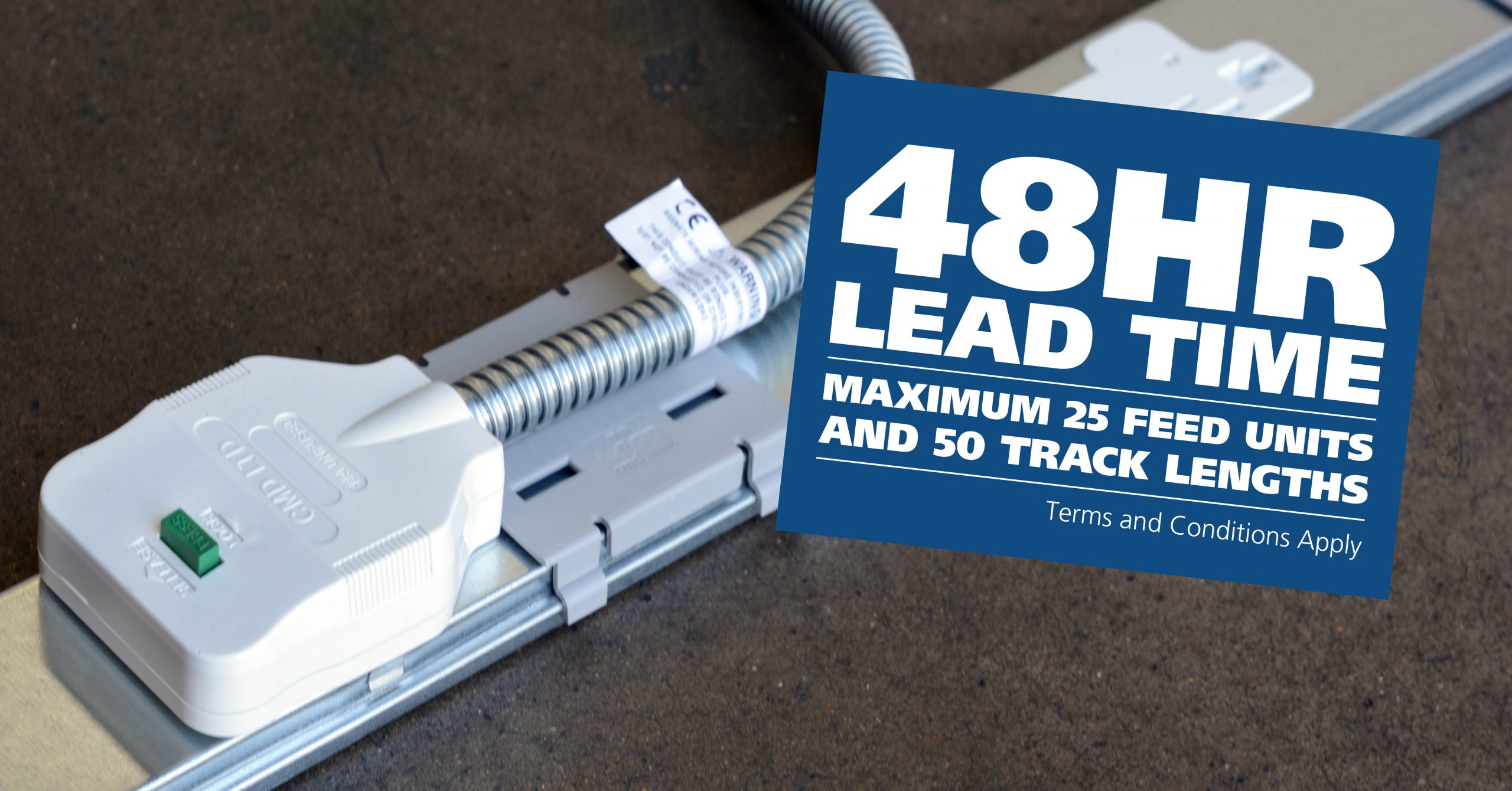
CMD Ltd LAUNCHES 48-HOUR TURNAROUND ON BETATRAK® RAPID ORDERING SERVICE

CMD Ltd, the specialist in power distribution systems, workstation power and monitor arms, has launched a rapid ordering service for its Betatrak® underfloor powertrack distribution systems and accessories, with a commitment to delivering within 48-hours of an approved purchase order*. The service enables customers to order up to 50 lengths of Standard or Clean Earth (C/E) low noise Betatrak, along with up to 25 feed...

Read more
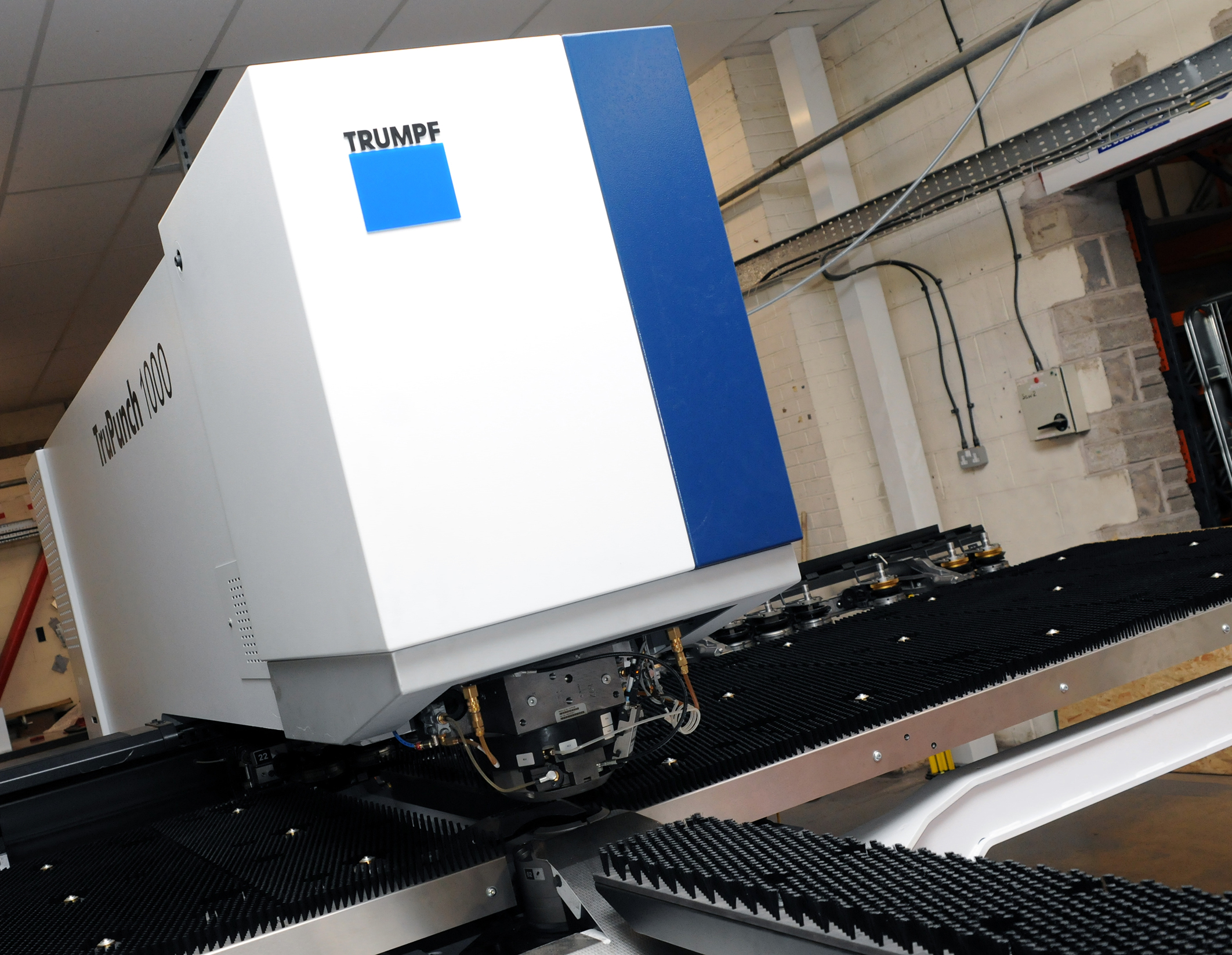
CMD INVESTS £1/4 MILLION IN NEW MACHINE AS PART OF FACTORY UPGRADE

We have invested in a new £1/4m TRUMPF CNC metal punch as part of an asset renewal strategy for our UK manufacturing capability. The new machine will be used in the production of a wide variety of our power distribution systems and workstation power products at our Rotherham factory. Suitable for handling sheet metal between 0.9mm and 3.0mm thick, the new machine will replace one...

Read more
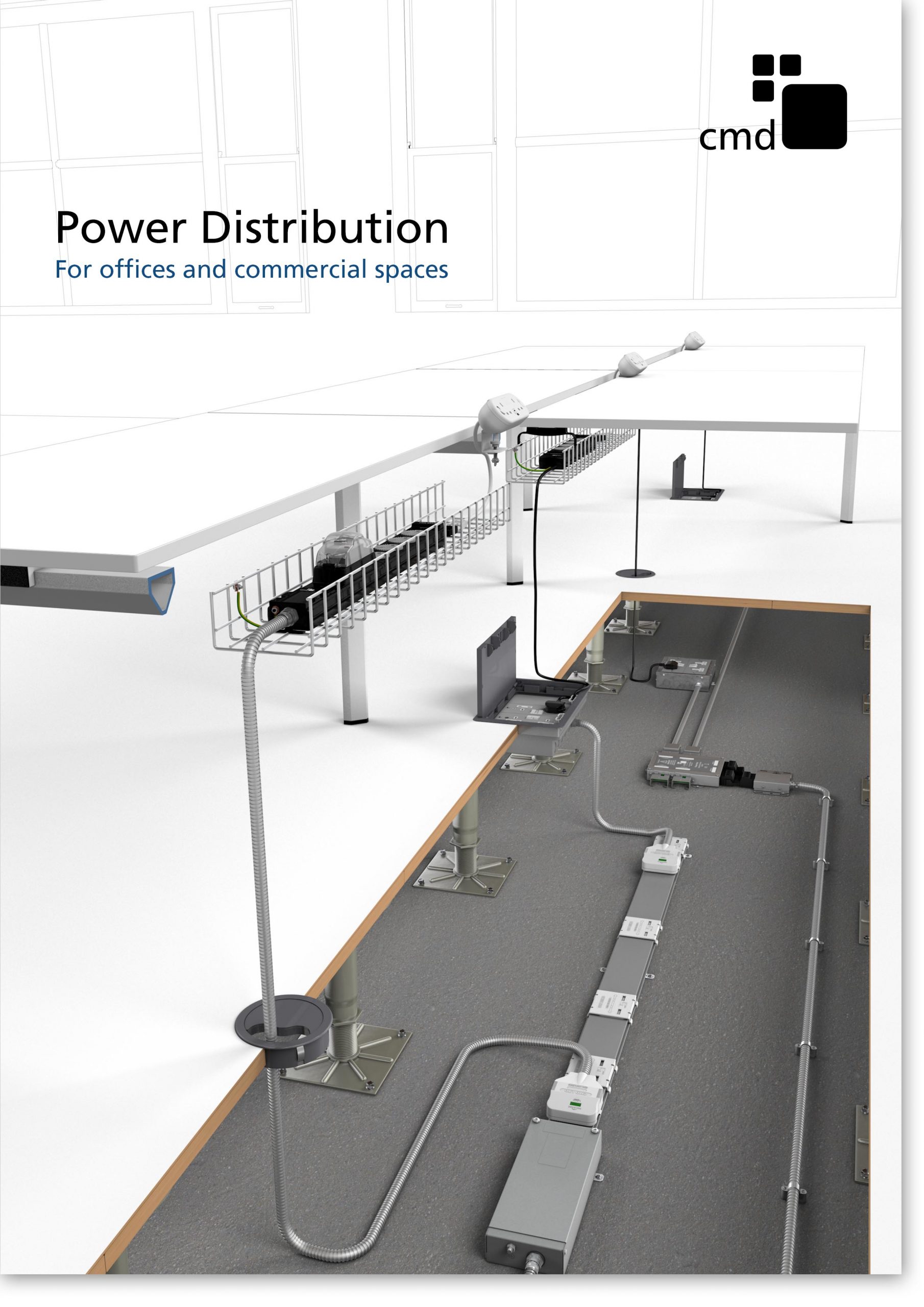
CMD CATALOGUE PROVIDES TECHNICAL POWER DISTRIBUTION GUIDE

CMD Ltd has released a new catalogue, providing an easy to follow technical guide to our power distribution systems and plug and play desk modules. Detailing CMD’s full range of UK-manufactured power distribution systems and plug and play desk modules, the catalogue will be a helpful source of information to M&E engineers and contractors alike to understand how our power distribution systems connect together and...

Read more
Power Distribution Catalogue
CMD Ltd PLAYS ESSENTIAL ROLE IN ELECTRICAL FIT OUT AT LONDON’S PRESTIGIOUS OFFICE DEVELOPMENT

CMD Ltd, specialist in workplace connectivity and ergonomic solutions, has provided a flexible and high-quality power distribution network for The Ray, a prestigious office development in London’s Farringdon. Well-known for being the former site of The Guardian newspaper, The Ray now stands as an 83,000ft² office development characterised by a modernised warehouse aesthetic, with level two now occupied by a global social media company. The...

Read more

The Ray
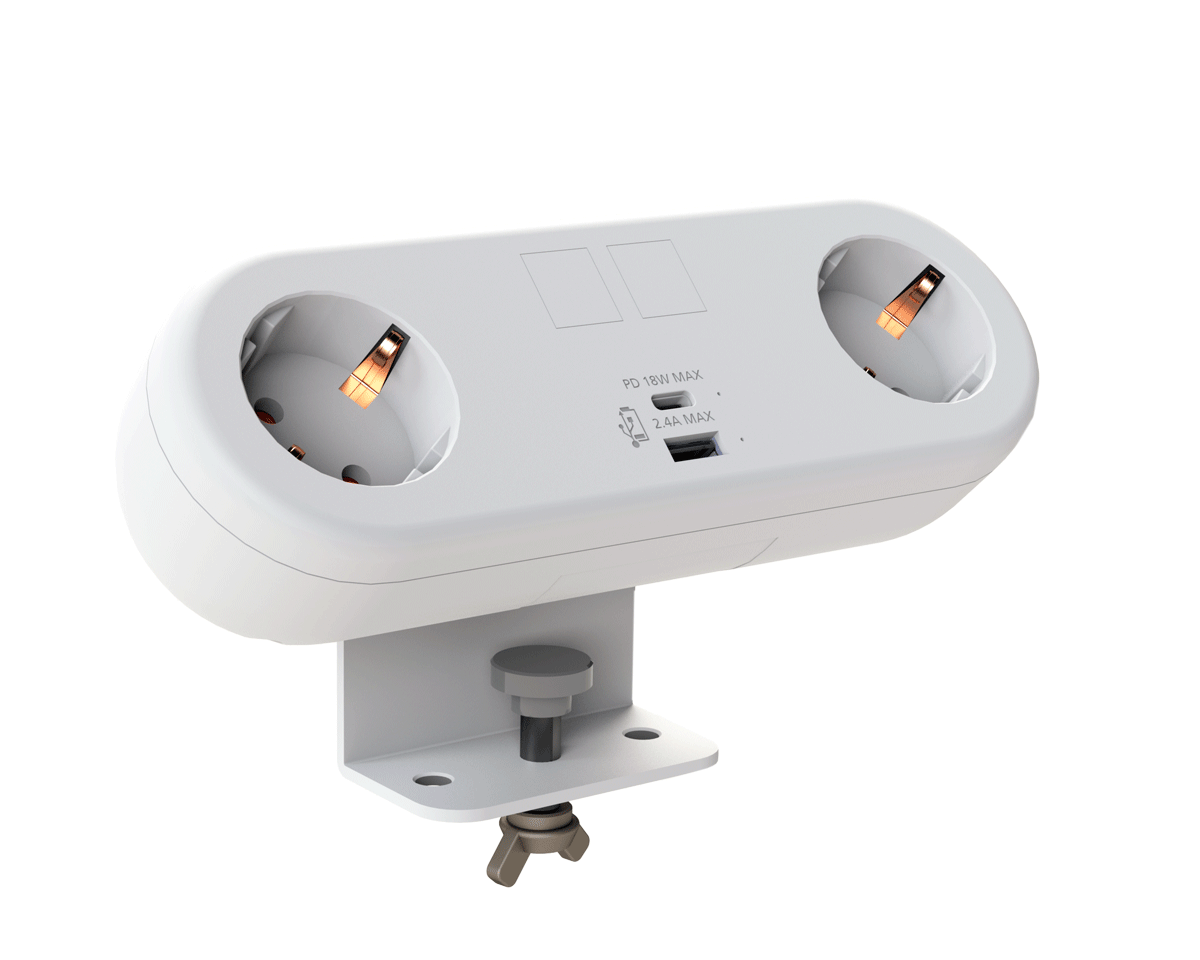
CMD plugs in to european opportunity with Schuko Capsule unit launch

CMD Ltd, the specialist in power and connectivity solutions for commercial environments, has launched a Schuko version of its popular fixed format Capsule workstation power module for export to mainland Europe and beyond. A popular on desk power module comprising two sockets and dual USB (type A and C) chargers, CMD’s Capsule unit is already widely specified in the UK as an off-the-shelf workstation power...

Read more
CMD White Schuko Capsule Desk Power Module
CMD LTD EXTENDS MONITOR ARM RANGE WITH THE LAUNCH OF REACH PLUS

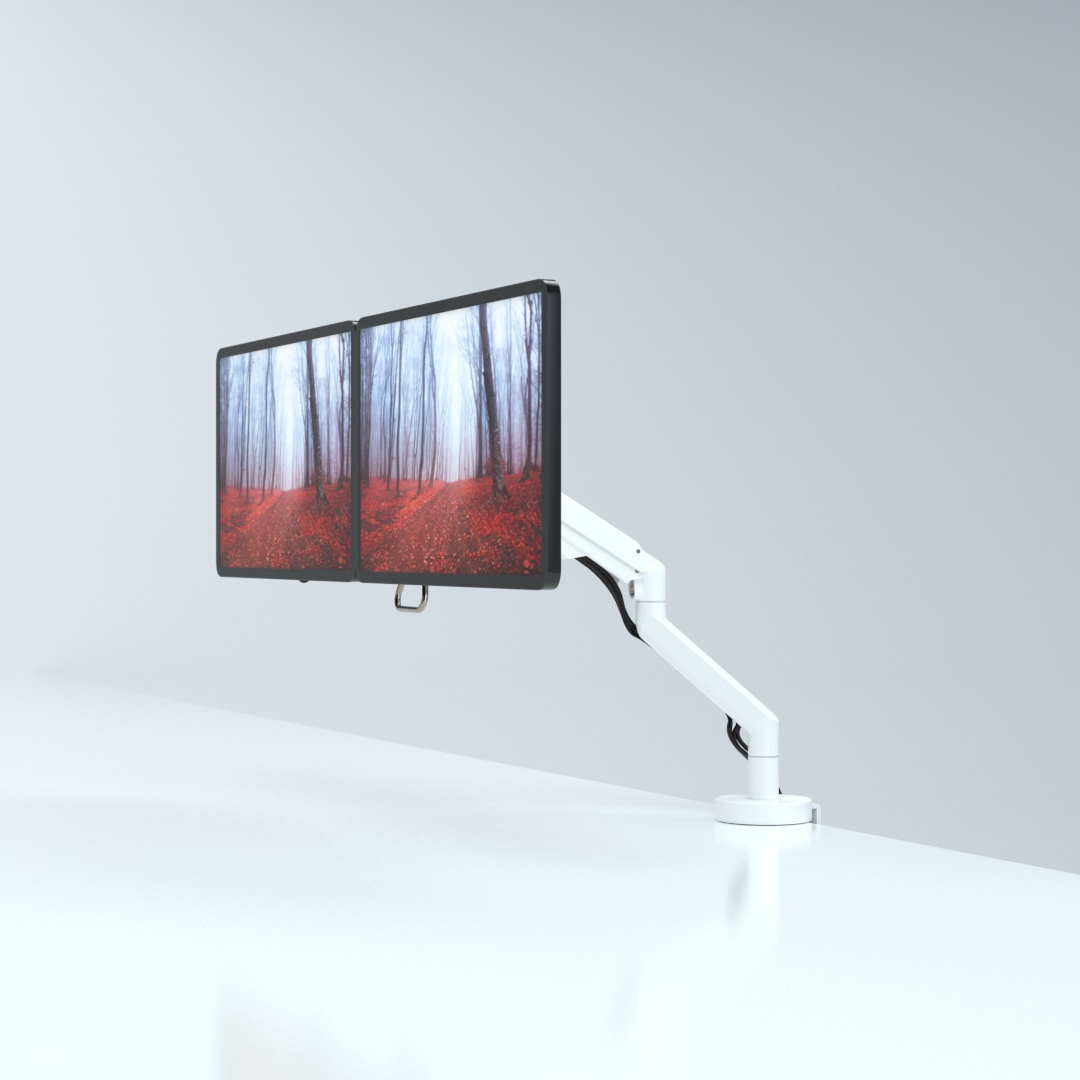
CMD Ltd, the specialist in ergonomic and connectivity solutions for commercial interiors, has completed its Reach monitor arm range with the launch of the Reach Plus. Available in single or dual screen options, the Reach Plus has been designed to provide an ideal solution for both single and dual screen workstation configurations, or can be used with next generation of large format curved screens. Suitable...

Read more
CMD Ltd DEMONSTRATES THE ART OF POWER DISTRIBUTION AT THE UNIVERSITY OF WARWICK

CMD Ltd, the specialist in workplace connectivity and ergonomic solutions, has provided Betatrak busbar power distribution and a range of electrical accessories for two major capital investment projects at the University of Warwick. Designed by Fielden Clegg Bradley Studios, the £33 million Faculty of Arts building is a showpiece development comprising four interconnected structures set around a central atrium, which will enable inter-disciplinary collaboration across...

Read more

University of Warwick
CMD BRINGS HARMONY TO COVENTRY UNIVERSITY RESEARCH FACILITIES

CMD Ltd, the specialist in power distribution solutions and workstation power and ergonomics, has provided under desk and on desk power modules for the refurbishment of three Coventry University research buildings. Located on Coventry University Technology Park, a business park designed to encourage collaboration between the university and knowledge-based businesses, the three buildings are being repurposed as office accommodation for university research teams. The refurbishment...

Read more

Coventry University

How to Choose the Best Automatic Welding Equipment for Your Needs?

Choosing the right Automatic Welding Equipment is crucial for any welder. Experienced industry expert, John Miller, once stated, "Investing in the right equipment can change the quality of your work." His insights remind us that making informed choices matters.

Automatic Welding Equipment varies greatly in features and capabilities. It is essential to know what suits your specific needs. Simple machines may suffice for basic tasks. However, advanced models offer precision and efficiency for complex projects. Selecting the wrong equipment might lead to frustration and wasted resources.

Quality and reliability are paramount when investing in Automatic Welding Equipment. Consider features like ease of use, maintenance, and support. The landscape is vast and often overwhelming. It's easy to get lost in specifications and jargon. Reflecting on your projects can help clarify your priorities and needs.

How to Choose the Best Automatic Welding Equipment for Your Needs?

Understanding Your Welding Requirements and Applications

Choosing the best automatic welding equipment starts with understanding your welding requirements and applications. Different projects demand unique approaches. For instance, industries such as automotive, aerospace, and construction have varying needs for material thickness and joint types. According to the American Welding Society, approximately 68% of welding activities require specific equipment tailored to the job. This statistic emphasizes the importance of knowing your application.

For instance, if you're working with thin sheet metal, a TIG welder may be necessary for precision. Conversely, MIG welding is often preferred for thicker materials, due to its speed and adaptability. The type of power source is also crucial. A report from Welding Journal indicates that about 55% of welders prefer inverter-based systems for their portability and efficiency. However, these systems can sometimes struggle with consistency. Regular maintenance and user training can help mitigate these issues.

In addition, consider the environment. Factors like temperature, humidity, and location can influence welding quality. Surveys show that nearly 40% of welders experience difficulties due to environmental conditions. This highlights the need for equipment suited to specific surroundings. Understanding these nuances can greatly impact your decision, ensuring the right choice for optimal performance and safety in your welding tasks.

Key Features to Consider in Automatic Welding Equipment

When choosing automatic welding equipment, several key features matter. First, consider the machine's duty cycle. This indicates how long the welder can operate before needing a break. A higher duty cycle is crucial for extensive projects. Look for equipment that can handle various metals easily. This versatility can prevent costly mistakes.

Next, examine the welder's controls and ease of use. User-friendly interfaces can enhance productivity. For beginners, training may be necessary to fully utilize the equipment. The learning curve can be steep, leading to potential frustration if not addressed early. Additionally, power options are essential. Ensure the equipment operates efficiently within your available power supply.

Don’t overlook safety features. Automatic welding can be hazardous. Equipment with built-in safety protocols can protect users from accidents. While features may seem attractive, overly complex systems can lead to confusion and mistakes. It's essential to evaluate these aspects closely. You may need to revisit your choices if the equipment does not meet your initial expectations.

Types of Automatic Welding Equipment Available on the Market

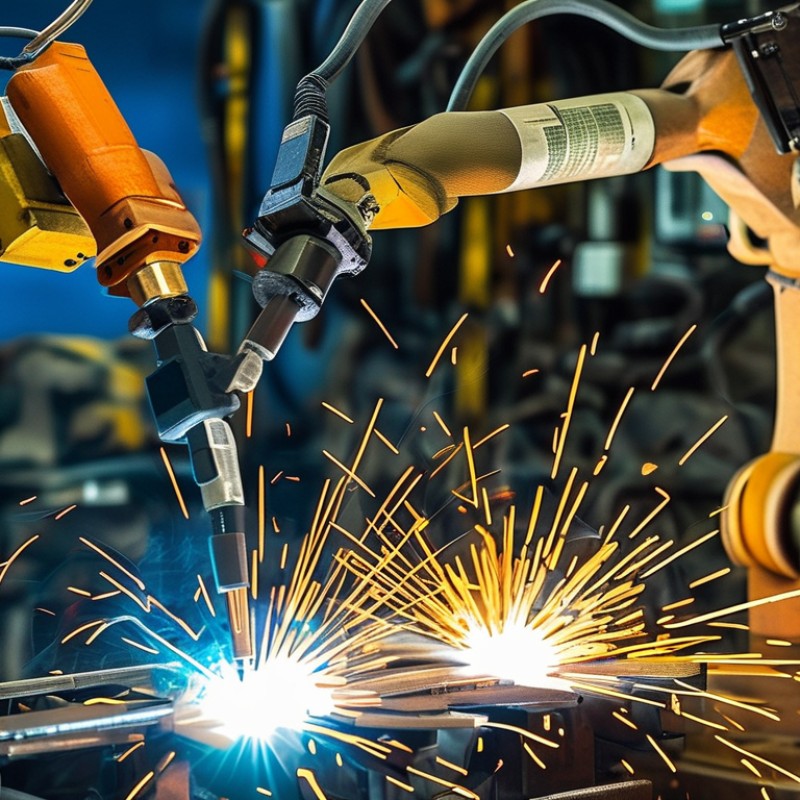
When selecting automatic welding equipment, understanding the types available is crucial. The market offers several options, including robotic welders, automatic TIG, and MIG systems. Industry reports indicate that the demand for robotic welding has grown by 15% annually over the past five years. This uptick reflects the industry's shift towards increased automation and efficiency.

Robotic welders are known for their precision and speed. They're ideal for large production runs and complex assemblies. However, initial costs can be significant. Automatic TIG welders provide excellent arc stability, making them suitable for thin materials. Yet, they may require skilled operators to fine-tune settings. MIG systems are versatile and easy to use, often chosen for general-purpose applications. Still, they can struggle with thicker metals.

Tip: Before investing, assess your production volume and types of materials. Choosing the wrong equipment can lead to costly mistakes. Additionally, consider the need for maintenance support to ensure minimal downtime. Having a plan in place for operator training can enhance your productivity. Reflection on your long-term needs can guide your decision-making process effectively.

Evaluating the Cost and Value of Welding Equipment Options

When evaluating the cost and value of automatic welding equipment, several key factors come into play. Industry reports indicate that the initial investment in high-quality Automatic Welding Machines can range from $7,000 to over $100,000. This varies significantly based on features, brand reliability, and machine capabilities. A comprehensive analysis revealed that investing in advanced equipment often yields a lower cost per weld due to increased efficiency and decreased labor requirements. For instance, automated systems can improve production rates by up to 40%, which directly influences overall profitability.

Moreover, the total cost of ownership includes not just purchase price but maintenance, training, and potential downtime. Some studies suggest that about 25% of welding operations face productivity losses due to equipment failures. Regular maintenance helps to mitigate this. In fact, companies that adopt preventive measures can reduce unexpected repair costs by approximately 30%. Therefore, while the upfront costs of advanced automatic welding equipment can be daunting, the long-term savings and productivity gains often justify this expenditure.

Choosing the right equipment also means considering operational needs. For small shops with limited budgets, it might feel like a gamble. Balancing between essential features and what you can afford is critical. Reflecting on whether your chosen equipment aligns with future growth and changing demands can help prevent costly regrets. Making informed decisions involves not just understanding market prices, but also recognizing how those machines will work in your specific environment.

Maintenance and Support Considerations for Welding Equipment

When choosing automatic welding equipment, maintenance and support are crucial considerations. Proper maintenance can extend the lifespan of your equipment, ensuring more productive operations. According to a report by the American Welding Society, equipment failure accounts for nearly 30% of downtime in welding operations. Regular care helps prevent this.

Effective maintenance includes routine inspections and cleaning. These tasks can significantly reduce wear and tear. Also, consider the availability of support services. A recent survey indicated that 78% of welding operators favor suppliers that provide comprehensive support. These services may include quick access to technical assistance and replacement parts.

Investing in maintenance training for your team is essential. Many companies overlook this aspect. A study revealed that companies with trained personnel experience a 20% reduction in equipment-related issues. Regular training keeps skills sharp and can identify potential problems early. A reactive approach can lead to costly repairs and extended disruptions. Prioritizing support and maintenance is key to optimizing your welding operations.

How to Choose the Best Automatic Welding Equipment for Your Needs? - Maintenance and Support Considerations for Welding Equipment

Features Best Practices Maintenance Frequency Support Options
Welding Method Compatibility Evaluate essential welding methods Daily inspection Online tutorials and FAQs
Power Source Select appropriate voltage/wattage Monthly testing and cleaning Phone support
Ease of Use Look for user-friendly controls Weekly calibration checks On-site assistance
Weight and Portability Assess transport needs As needed, based on mobility User forums
Warranty and Support Check warranty length and terms Annual service review Live chat support