

News

Miro: A New Standard in Responsible Innovation

Miro: A New Standard in Responsible Innovation The Miro monitor arm is setting new benchmarks in sustainability. It offers a high-performance solution without compromising on environmental responsibility. Designed with careful material selection, local sourcing, and longevity in mind, Miro’s responsible approach to design and unique manoeuvrability set it apart from the competition. Sustainable Choices Miro is crafted from energy-efficient materials with a lower carbon impact....

Read more
HSE Advisor

Role Purpose Support in the development, implementation and maintenance of the company’s Health, Safety & Environmental policies, processes, operational procedures, and standards.  Ensuring best practice and championing a continually improving HSE culture within the business. Key Responsibilities Liaise with and provide support to all areas of the business to eliminate, mitigate or reduce identified HSE exposures. Partner with the production management team and team leaders,...

Read more
CMD Ltd LAUNCHES 48-HOUR TURNAROUND ON BETATRAK® RAPID ORDERING SERVICE

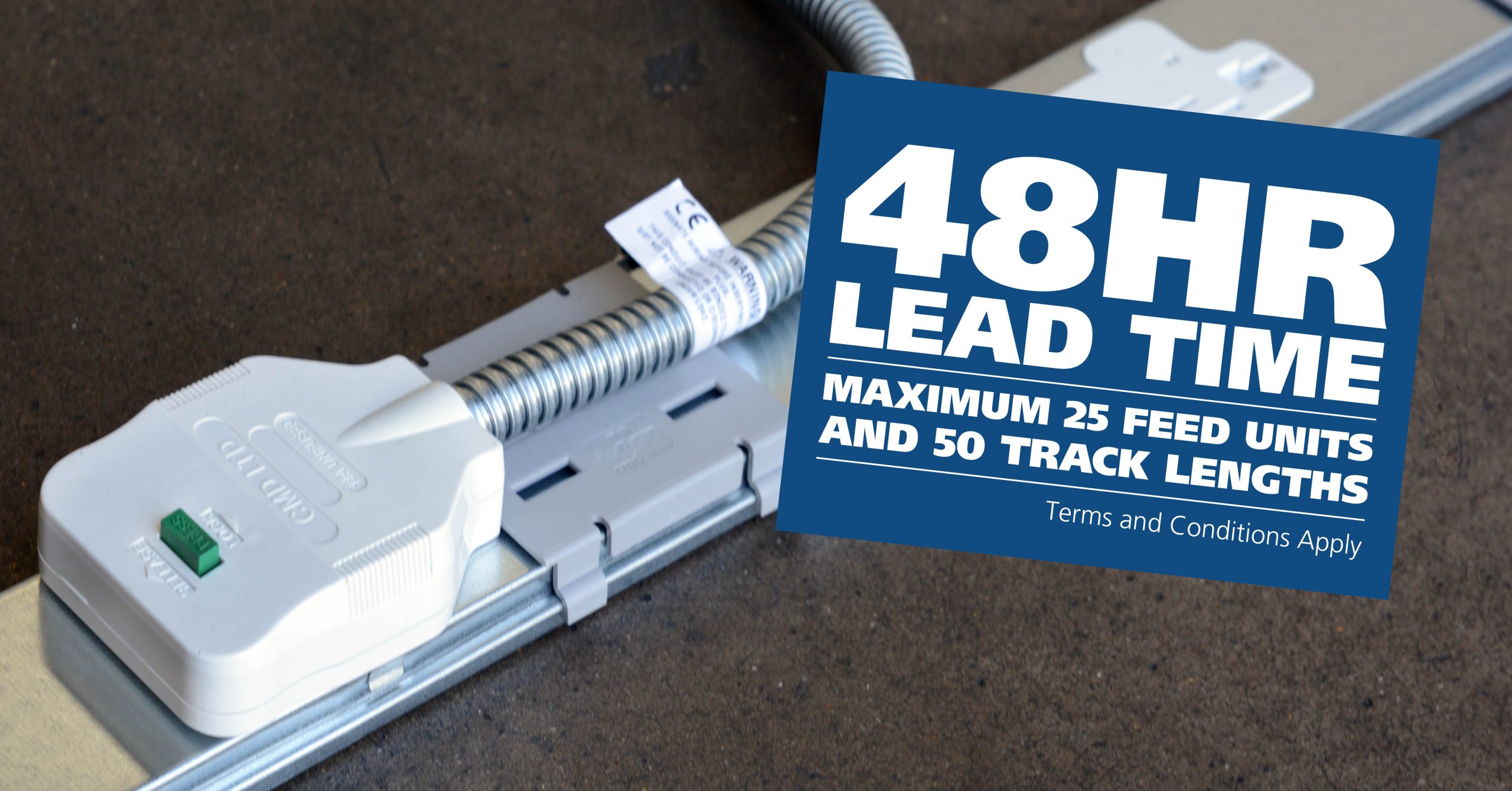
CMD Ltd, the specialist in power distribution systems, workstation power and monitor arms, has launched a rapid ordering service for its Betatrak® underfloor powertrack distribution systems and accessories, with a commitment to delivering within 48-hours of an approved purchase order*. The service enables customers to order up to 50 lengths of Standard or Clean Earth (C/E) low noise Betatrak, along with up to 25 feed...

Read more
CMD INVESTS £1/4 MILLION IN NEW MACHINE AS PART OF FACTORY UPGRADE

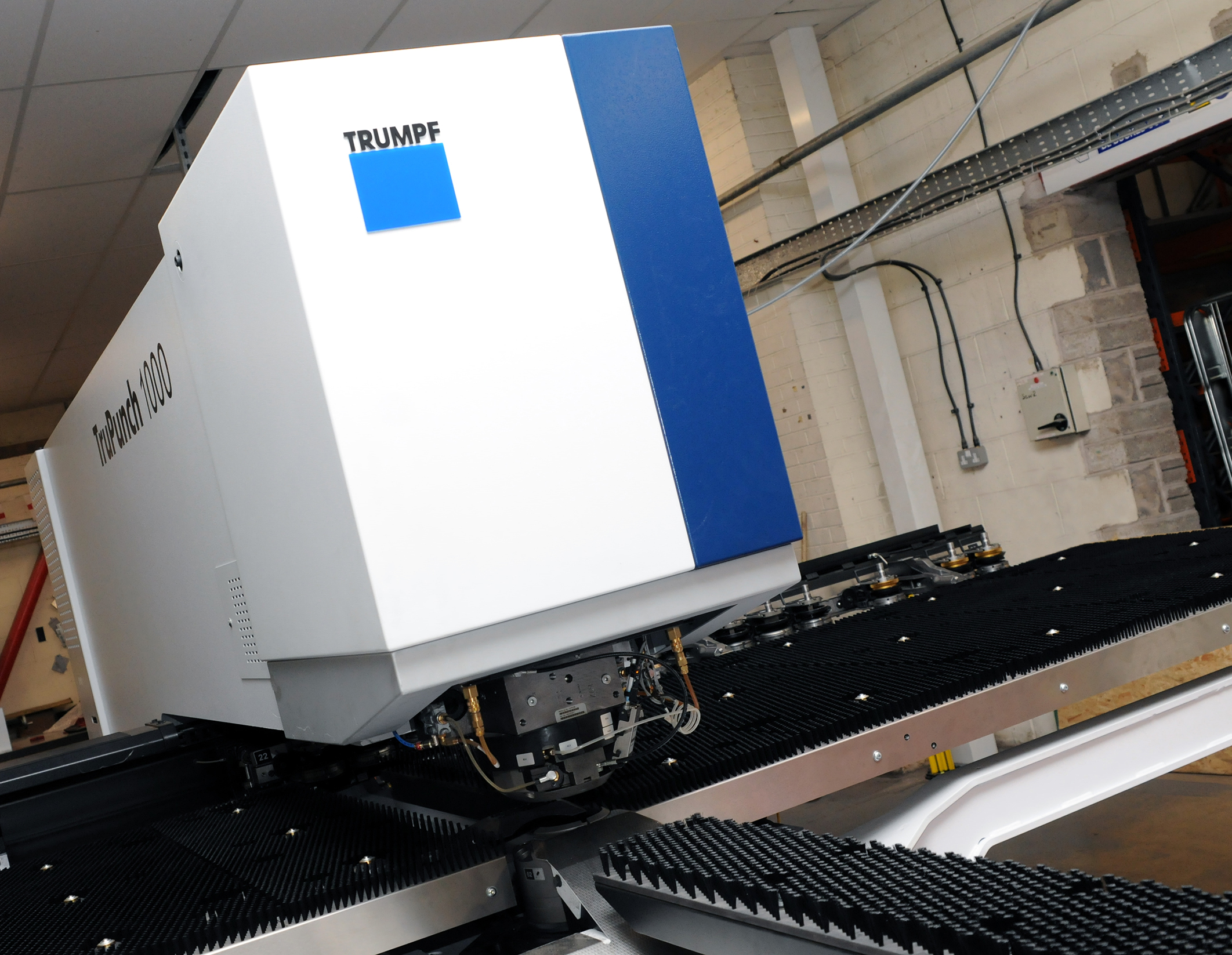
We have invested in a new £1/4m TRUMPF CNC metal punch as part of an asset renewal strategy for our UK manufacturing capability. The new machine will be used in the production of a wide variety of our power distribution systems and workstation power products at our Rotherham factory. Suitable for handling sheet metal between 0.9mm and 3.0mm thick, the new machine will replace one...

Read more
CMD CATALOGUE PROVIDES TECHNICAL POWER DISTRIBUTION GUIDE

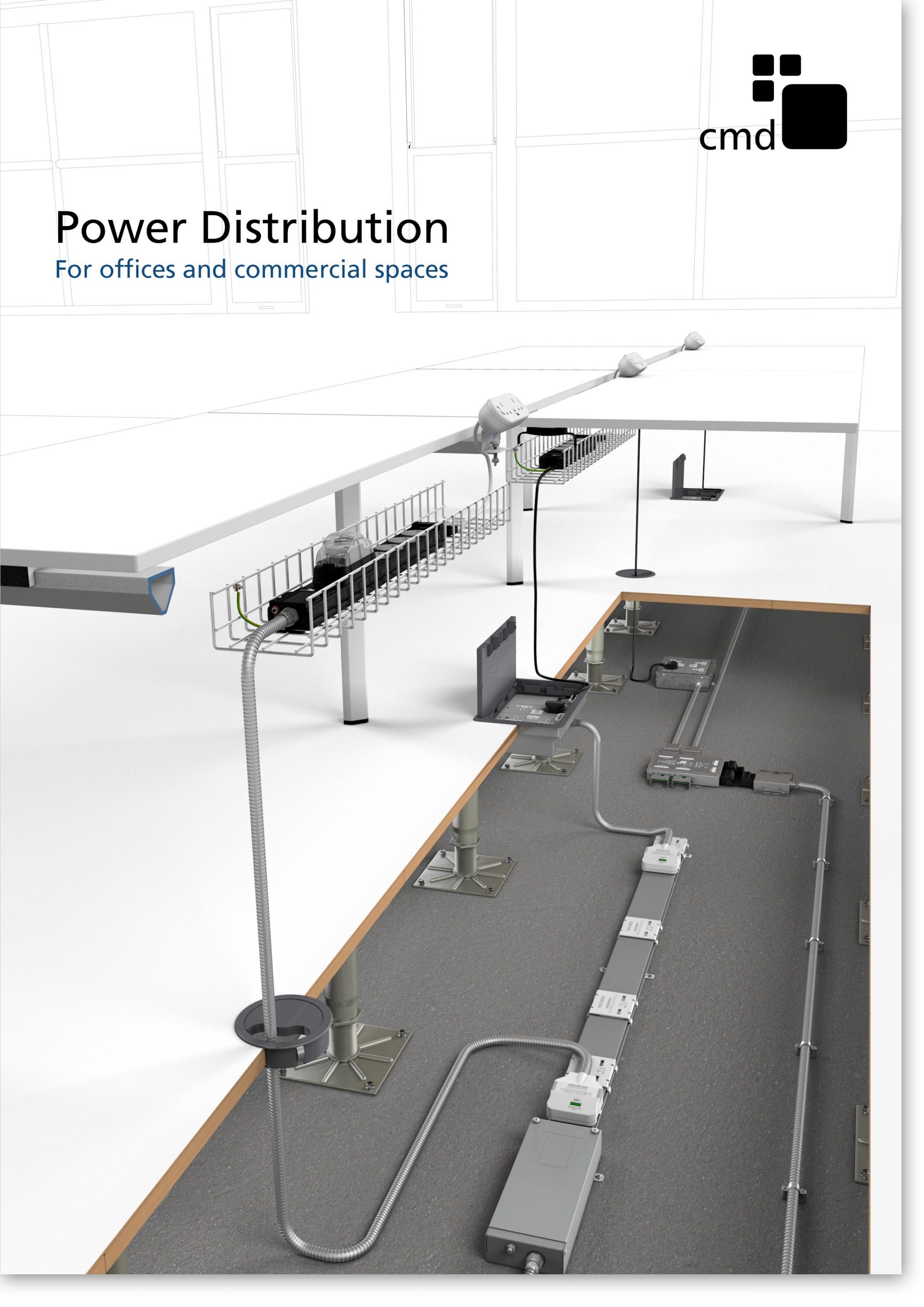
CMD Ltd has released a new catalogue, providing an easy to follow technical guide to our power distribution systems and plug and play desk modules. Detailing CMD’s full range of UK-manufactured power distribution systems and plug and play desk modules, the catalogue will be a helpful source of information to M&E engineers and contractors alike to understand how our power distribution systems connect together and...

Read more
Power Distribution Catalogue
CMD Ltd PLAYS ESSENTIAL ROLE IN ELECTRICAL FIT OUT AT LONDON’S PRESTIGIOUS OFFICE DEVELOPMENT

CMD Ltd, specialist in workplace connectivity and ergonomic solutions, has provided a flexible and high-quality power distribution network for The Ray, a prestigious office development in London’s Farringdon. Well-known for being the former site of The Guardian newspaper, The Ray now stands as an 83,000ft² office development characterised by a modernised warehouse aesthetic, with level two now occupied by a global social media company. The...

Read more

The Ray
CMD plugs in to european opportunity with Schuko Capsule unit launch

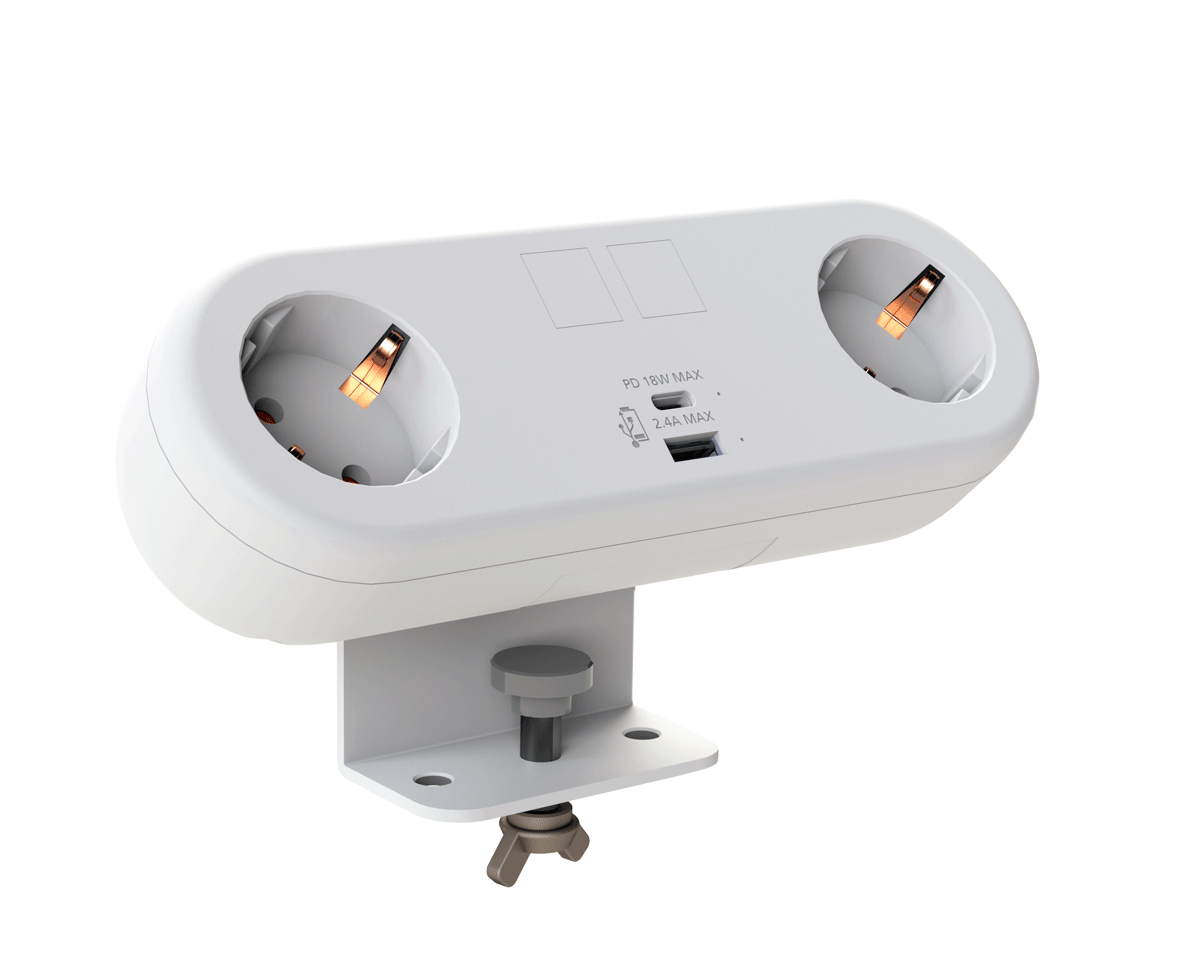
CMD Ltd, the specialist in power and connectivity solutions for commercial environments, has launched a Schuko version of its popular fixed format Capsule workstation power module for export to mainland Europe and beyond. A popular on desk power module comprising two sockets and dual USB (type A and C) chargers, CMD’s Capsule unit is already widely specified in the UK as an off-the-shelf workstation power...

Read more
CMD White Schuko Capsule Desk Power Module
CMD LTD EXTENDS MONITOR ARM RANGE WITH THE LAUNCH OF REACH PLUS

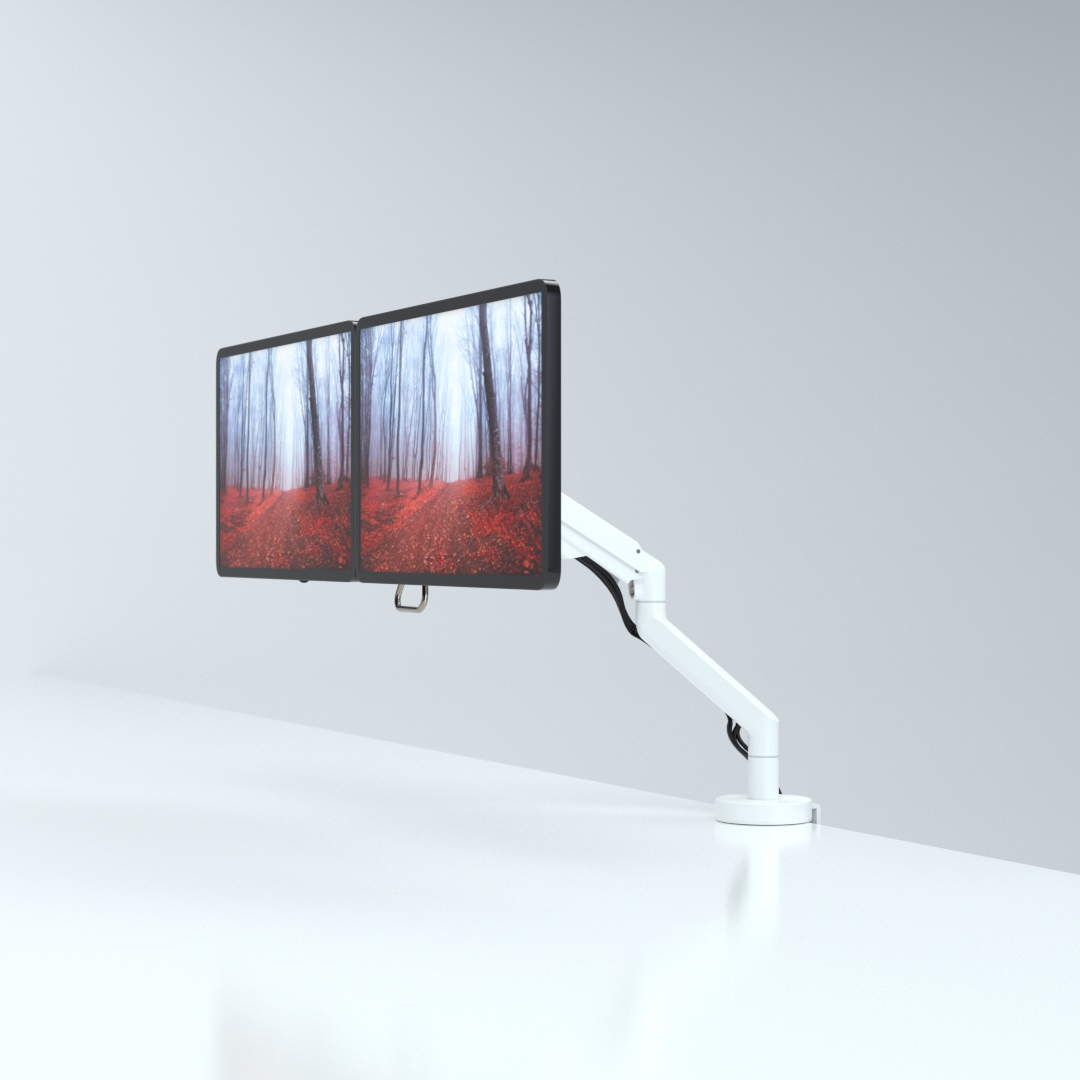
CMD Ltd, the specialist in ergonomic and connectivity solutions for commercial interiors, has completed its Reach monitor arm range with the launch of the Reach Plus. Available in single or dual screen options, the Reach Plus has been designed to provide an ideal solution for both single and dual screen workstation configurations, or can be used with next generation of large format curved screens. Suitable...

Read more
CMD Ltd DEMONSTRATES THE ART OF POWER DISTRIBUTION AT THE UNIVERSITY OF WARWICK

CMD Ltd, the specialist in workplace connectivity and ergonomic solutions, has provided Betatrak busbar power distribution and a range of electrical accessories for two major capital investment projects at the University of Warwick. Designed by Fielden Clegg Bradley Studios, the £33 million Faculty of Arts building is a showpiece development comprising four interconnected structures set around a central atrium, which will enable inter-disciplinary collaboration across...

Read more

University of Warwick
CMD BRINGS HARMONY TO COVENTRY UNIVERSITY RESEARCH FACILITIES

CMD Ltd, the specialist in power distribution solutions and workstation power and ergonomics, has provided under desk and on desk power modules for the refurbishment of three Coventry University research buildings. Located on Coventry University Technology Park, a business park designed to encourage collaboration between the university and knowledge-based businesses, the three buildings are being repurposed as office accommodation for university research teams. The refurbishment...

Read more

Coventry University

How to Choose the Best Rolling Tool Cabinets?

Choosing the right Rolling Tool Cabinets can transform a crowded workshop into a safer, more efficient workspace. A good cabinet keeps sockets, wrenches, and power-tool accessories visible and protected. It should also move smoothly across concrete floors without wobbling or tipping.

This guide examines practical features that matter during daily use. We will compare steel thickness, drawer capacity, ball-bearing slides, caster quality, and locking systems. Load ratings deserve careful attention. A drawer holding heavy ratchets should open smoothly, even when fully loaded. Large casters help the cabinet cross floor joints and small debris. A secure lock protects valuable tools during shared workshop hours.

Experience often reveals details that product photos hide. Thin drawer bottoms may flex under repeated weight. Poorly aligned drawers can become frustrating within months. Even a strong cabinet may have a weak handle or awkward drawer layout. No model is perfect. Buyers should measure available floor space and consider their working height before choosing. Manufacturer specifications, warranty terms, and verified user feedback provide useful evidence. However, specifications do not replace hands-on judgment.

Think beyond appearance. A glossy finish may look impressive, but corrosion resistance and structural strength matter more. Check whether replacement casters and drawer liners are available. Consider how the cabinet will be used every week. A home mechanic may need flexible storage, while a professional technician may require higher capacity and faster access. The best choice balances durability, mobility, organization, and budget. This article will help you evaluate those trade-offs with greater confidence.

How to Choose the Best Rolling Tool Cabinets?

Define Cabinet Types, Dimensions, and 500–2,000 lb Capacity Ranges

How to Choose the Best Rolling Tool Cabinets?

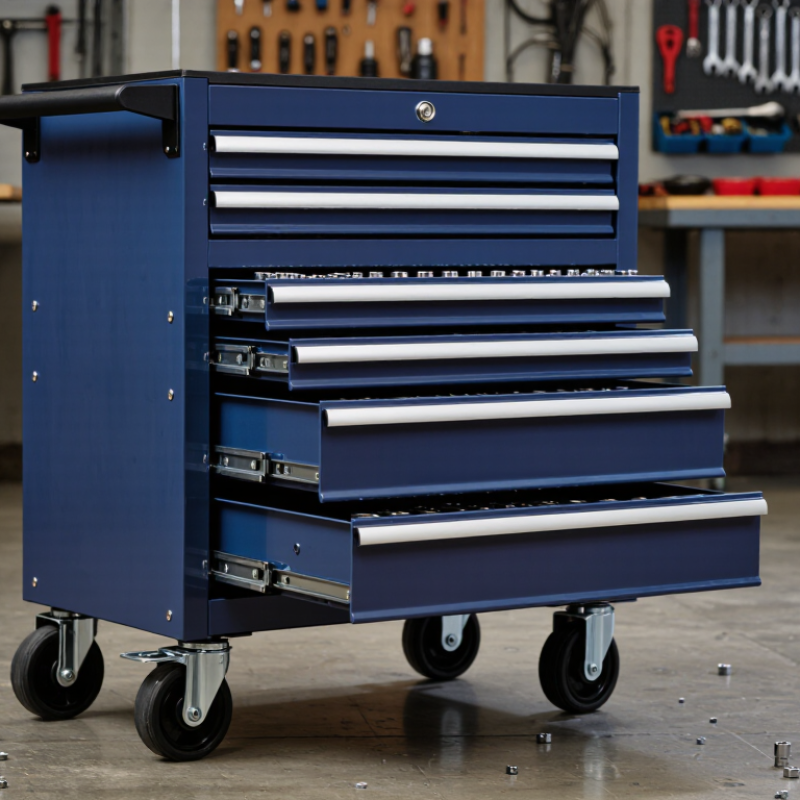
A rolling tool cabinet should match both your tools and your workspace. Common types include compact mobile cabinets, full-height roller chests, and modular work centers. Compact models suit hand tools and narrow aisles. Full-height cabinets provide more drawer space but need greater overhead clearance. Work centers add a solid surface for repairs and assembly.

Measure the available area before comparing capacity. Record cabinet width, depth, and height, including the handle and casters. Leave enough room to open drawers fully. A cabinet rated for 500 pounds may suit light maintenance tools. Heavier workshop equipment often needs a 1,000-pound model. Large professional storage systems can support 1,500 to 2,000 pounds.

Capacity can be confusing. Some ratings describe the entire cabinet, while others apply only to drawers. Check whether the rating assumes an even load. Heavy items should stay in lower drawers. This reduces tipping and makes movement safer.

Locking casters matter on smooth concrete floors, but they may struggle over thresholds or damaged surfaces.

I once chose a cabinet by drawer count alone. It looked efficient, yet the deep drawers became awkward when fully loaded. That mistake changed my approach.

Consider drawer depth, steel thickness, wheel size, and daily access together. A slightly smaller cabinet may work better when it rolls easily and keeps tools within reach.

Compare 16–18 Gauge Steel, Drawer Slides, and 100–200 lb Ratings

Choosing the best rolling tool cabinet starts with steel gauge, not appearance. A 16-gauge body offers more rigidity for heavy tools and frequent movement. An 18-gauge cabinet can work well in a garage with moderate loads. The thinner steel usually costs less and weighs less. Check welded corners, caster mounts, and the underside of the top. These areas reveal construction quality better than a glossy finish.

Drawer slides determine daily comfort and long-term reliability. Ball-bearing slides should open smoothly without grinding or side play. Match slide capacity to the drawer’s actual load, not its empty feel. A rating of 100 pounds suits common hand tools and small power tools. For socket sets, presses, or dense metal equipment, 200 pounds offers safer headroom. However, ratings may apply only when weight is evenly distributed. I once overloaded a deep drawer with loose steel parts. It opened, but the cabinet leaned forward.

Wheel and frame stability matter as much as drawer capacity. Locking casters should roll across concrete without wobbling or catching. Place heavy drawers low to reduce tipping risk. Measure the loaded cabinet’s total weight before choosing casters. Some published ratings describe one caster, not the complete cabinet. That detail is easy to miss. Compare warranty terms, service documentation, and replacement slide availability. Reliable specifications matter more than impressive numbers. My first estimate was wrong. A slightly smaller cabinet proved easier to control and safer to move.

Match 4–6 in Casters, Brake Systems, and Floor-Load Requirements

How to Choose the Best Rolling Tool Cabinets?

Caster size should match both the route and the load. Four-inch casters suit smooth concrete and keep the cabinet’s center of gravity lower. Six-inch casters roll more easily across thresholds, joints, and slightly uneven floors. The Institute of Caster and Wheel Manufacturers recommends checking rated capacity under uneven loading, not simply dividing weight across every caster. For a 900-pound loaded cabinet, divide by three rather than four. Each caster should therefore support at least 300 pounds, with additional safety margin.

Brake design matters during real work. A total-lock brake stops both wheel rotation and swivel movement. It is more stable than a wheel-only brake when drawers are opened quickly. Brakes are not a substitute for level flooring or anchoring. OSHA 29 CFR 1910.22 requires workplace surfaces to support their maximum intended load and remain free from hazardous conditions. In practice, I once treated a smooth floor as harmless; a small slope still allowed a cabinet to drift. That assumption was wrong.

Check floor loading before delivery. The 2024 International Building Code lists many manufacturing areas near 125 pounds per square foot, but actual buildings vary. Calculate the cabinet, tools, and stored materials together. A 1,050-pound cabinet footprint covering six square feet creates about 175 pounds per square foot. That may exceed the floor’s allowable load. Caster contact points can also create high point loads. Ask for structural records, use load-spreading plates when appropriate, and verify the finished floor can tolerate repeated rolling.

Measure 36–72 in Widths, 18–24 in Depths, and Workshop Clearance

Choosing the Best Rolling Tool Cabinets: Measure Width, Depth, and Workshop Clearance

A rolling tool cabinet should fit your workspace before it fits your tool collection. Common widths range from 36 to 72 inches, while depths usually measure 18 to 24 inches. Measure the cabinet body, not only the work surface. Handles, locks, side trays, and wheels may add several inches.

Start with a tape measure and record three dimensions: wall space, walking clearance, and doorway width. Leave enough room to open drawers fully without blocking a workbench or machine. In a narrow garage, an 18-inch-deep cabinet may preserve a safer walkway. A 24-inch model offers more storage, but it can make movement awkward. Small details matter.

Measure twice.

I once estimated cabinet space by looking at the empty floor. That was a mistake. The open drawer struck a nearby bench, and the cabinet could not turn through the doorway. Now I check the narrowest passage, ceiling height, outlet locations, and floor slope. A loaded cabinet also rolls differently from an empty one, especially across seams or rough concrete. Casters need practical clearance, not optimistic clearance.

For dependable planning, mark the cabinet footprint with masking tape. Place cardboard at the proposed depth and open each drawer path. Keep several inches near corners for steering. If the measurements feel tight, they probably are. Recheck them after adding wall storage, a stool, or another work surface. Clearance changes as the workshop evolves.

Verify Anti-Tip Locks, Security Features, and Warranty Coverage

When comparing rolling tool cabinets, test the anti-tip system with realistic weight. A loaded drawer changes the cabinet’s center of gravity. CPSC’s 2022 Furniture Tip-Over Report estimated 22,000 child injuries from furniture tip-overs during 2018–2020. It also reported 71 related deaths. The report covers furniture broadly, not tool cabinets, but it remains a useful safety warning.

Open one fully loaded drawer, then try another. The second drawer should stay locked. That interlock matters. Check whether the casters lock firmly and whether the cabinet resists a sharp sideways push. OSHA’s 29 CFR 1910.176(b) requires stored materials to avoid creating hazards. A lock should prevent casual access, but it should not replace stable placement. Tall cabinets may still need anchoring in busy workshops.

Security details deserve close inspection. Look for a protected cylinder, reinforced drawer fronts, and a lock bar that engages every drawer. Ask how lost keys are handled. Avoid vague claims such as “high security.” Warranty coverage should clearly include drawer slides, casters, locks, and corrosion. Check labor coverage, exclusions, repair timelines, and required proof of purchase. A long warranty can hide narrow exclusions. I once focused too much on the warranty length and missed the lock’s limited coverage. That was a poor comparison. Verify the written terms before purchase.