

News

Miro: A New Standard in Responsible Innovation

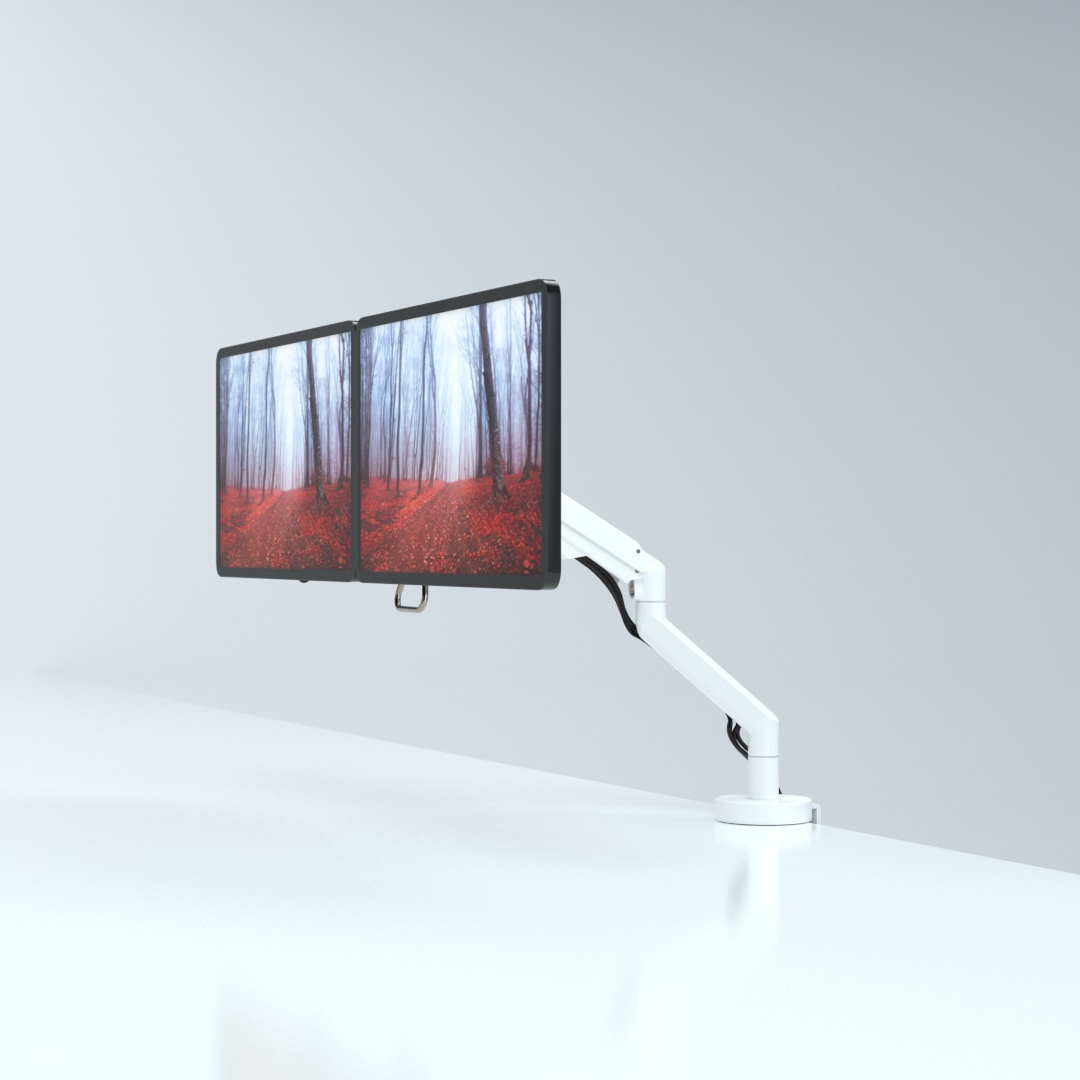
Miro: A New Standard in Responsible Innovation The Miro monitor arm is setting new benchmarks in sustainability. It offers a high-performance solution without compromising on environmental responsibility. Designed with careful material selection, local sourcing, and longevity in mind, Miro’s responsible approach to design and unique manoeuvrability set it apart from the competition. Sustainable Choices Miro is crafted from energy-efficient materials with a lower carbon impact....

Read more
HSE Advisor

Role Purpose Support in the development, implementation and maintenance of the company’s Health, Safety & Environmental policies, processes, operational procedures, and standards.  Ensuring best practice and championing a continually improving HSE culture within the business. Key Responsibilities Liaise with and provide support to all areas of the business to eliminate, mitigate or reduce identified HSE exposures. Partner with the production management team and team leaders,...

Read more
CMD Ltd LAUNCHES 48-HOUR TURNAROUND ON BETATRAK® RAPID ORDERING SERVICE

CMD Ltd, the specialist in power distribution systems, workstation power and monitor arms, has launched a rapid ordering service for its Betatrak® underfloor powertrack distribution systems and accessories, with a commitment to delivering within 48-hours of an approved purchase order*. The service enables customers to order up to 50 lengths of Standard or Clean Earth (C/E) low noise Betatrak, along with up to 25 feed...

Read more

CMD INVESTS £1/4 MILLION IN NEW MACHINE AS PART OF FACTORY UPGRADE

We have invested in a new £1/4m TRUMPF CNC metal punch as part of an asset renewal strategy for our UK manufacturing capability. The new machine will be used in the production of a wide variety of our power distribution systems and workstation power products at our Rotherham factory. Suitable for handling sheet metal between 0.9mm and 3.0mm thick, the new machine will replace one...

Read more

CMD CATALOGUE PROVIDES TECHNICAL POWER DISTRIBUTION GUIDE

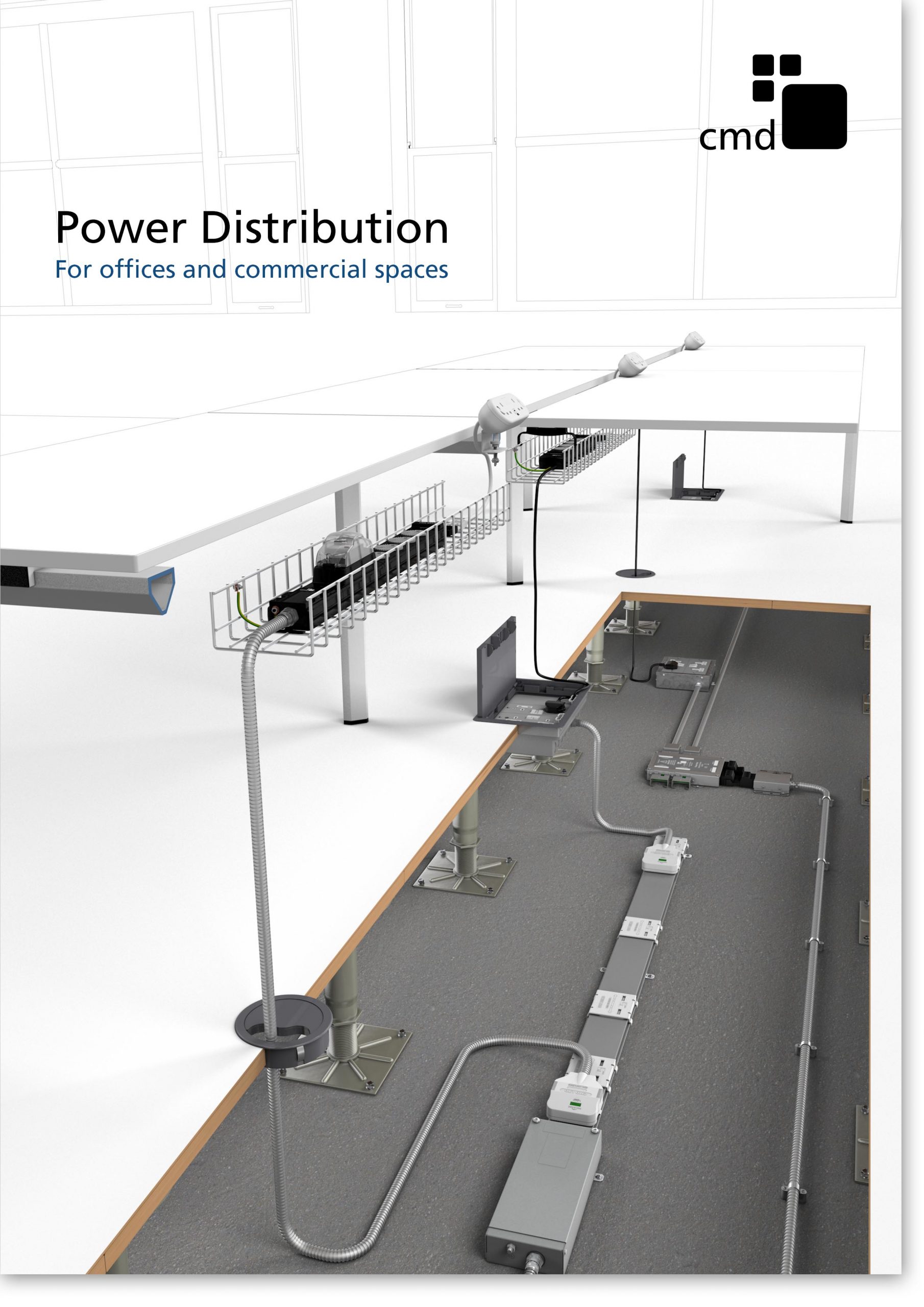
CMD Ltd has released a new catalogue, providing an easy to follow technical guide to our power distribution systems and plug and play desk modules. Detailing CMD’s full range of UK-manufactured power distribution systems and plug and play desk modules, the catalogue will be a helpful source of information to M&E engineers and contractors alike to understand how our power distribution systems connect together and...

Read more
Power Distribution Catalogue
CMD Ltd PLAYS ESSENTIAL ROLE IN ELECTRICAL FIT OUT AT LONDON’S PRESTIGIOUS OFFICE DEVELOPMENT

CMD Ltd, specialist in workplace connectivity and ergonomic solutions, has provided a flexible and high-quality power distribution network for The Ray, a prestigious office development in London’s Farringdon. Well-known for being the former site of The Guardian newspaper, The Ray now stands as an 83,000ft² office development characterised by a modernised warehouse aesthetic, with level two now occupied by a global social media company. The...

Read more

The Ray
CMD plugs in to european opportunity with Schuko Capsule unit launch

CMD Ltd, the specialist in power and connectivity solutions for commercial environments, has launched a Schuko version of its popular fixed format Capsule workstation power module for export to mainland Europe and beyond. A popular on desk power module comprising two sockets and dual USB (type A and C) chargers, CMD’s Capsule unit is already widely specified in the UK as an off-the-shelf workstation power...

Read more

CMD White Schuko Capsule Desk Power Module
CMD LTD EXTENDS MONITOR ARM RANGE WITH THE LAUNCH OF REACH PLUS

CMD Ltd, the specialist in ergonomic and connectivity solutions for commercial interiors, has completed its Reach monitor arm range with the launch of the Reach Plus. Available in single or dual screen options, the Reach Plus has been designed to provide an ideal solution for both single and dual screen workstation configurations, or can be used with next generation of large format curved screens. Suitable...

Read more
CMD Ltd DEMONSTRATES THE ART OF POWER DISTRIBUTION AT THE UNIVERSITY OF WARWICK

CMD Ltd, the specialist in workplace connectivity and ergonomic solutions, has provided Betatrak busbar power distribution and a range of electrical accessories for two major capital investment projects at the University of Warwick. Designed by Fielden Clegg Bradley Studios, the £33 million Faculty of Arts building is a showpiece development comprising four interconnected structures set around a central atrium, which will enable inter-disciplinary collaboration across...

Read more

University of Warwick
CMD BRINGS HARMONY TO COVENTRY UNIVERSITY RESEARCH FACILITIES

CMD Ltd, the specialist in power distribution solutions and workstation power and ergonomics, has provided under desk and on desk power modules for the refurbishment of three Coventry University research buildings. Located on Coventry University Technology Park, a business park designed to encourage collaboration between the university and knowledge-based businesses, the three buildings are being repurposed as office accommodation for university research teams. The refurbishment...

Read more

Coventry University

How to Choose the Right PCB Board for Your Project?

Choosing the right Pcb Board for your project can be a complex task. Expert Alex Johnson, a leading figure in the PCB industry, emphasizes, "The right PCB board is crucial for both design and performance." Selecting a suitable PCB board impacts not just functionality but also reliability and cost-effectiveness.

When considering options, you must evaluate specifications such as material type, layer count, and thickness. Each of these factors influences the board's durability and the project's success. Many underestimate the importance of choosing the right substrate for their specific needs, which can lead to mistakes and project delays.

It is critical to also reflect on the evolving technologies that can affect your choice. As Alex suggests, "Adaptability in PCB design will set projects apart." This insight urges designers to remain informed about advancements in the PCB field. With thoughtful consideration and expert advice, navigating the selection process can lead to optimal outcomes in your project.

How to Choose the Right PCB Board for Your Project?

Understanding Different Types of PCB Boards Available in the Market

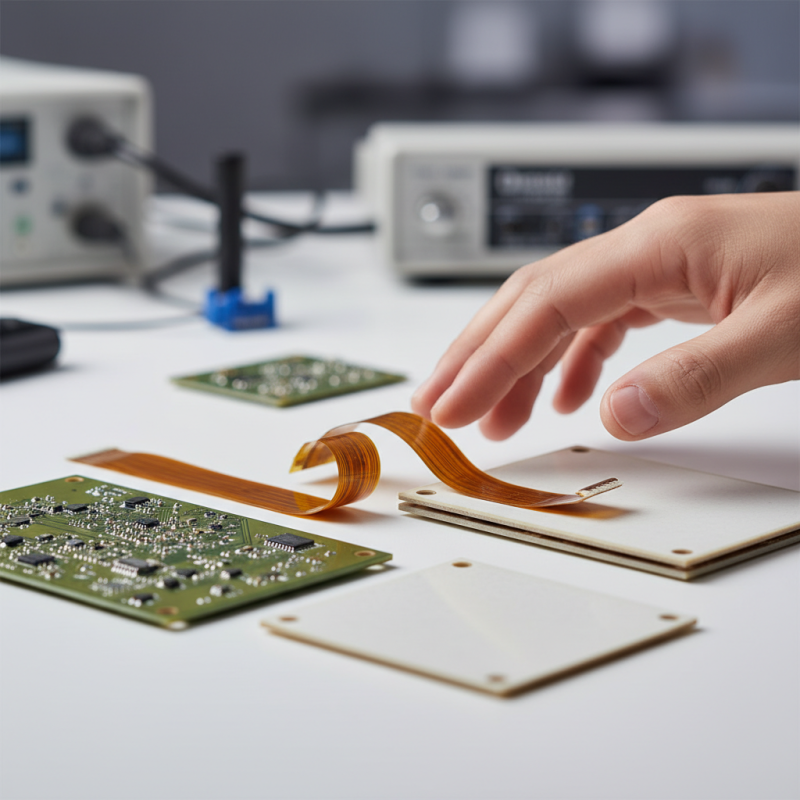
Choosing the right PCB board for your project can be daunting. The market offers several types of PCBs, each designed for different applications. Rigid PCBs are common in consumer electronics, while flexible PCBs excel in compact spaces. According to recent industry research, the global PCB market is projected to reach $80 billion by 2026, highlighting the growing demand for innovative designs.


When selecting a PCB, consider core features. Material composition plays a vital role; FR-4 epoxy is widely used for its durability. High-frequency applications often require materials like Rogers or Taconic. Additionally, multilayer PCBs can offer advanced circuit density. However, they can complicate manufacturing processes, leading to potential delays.


Tip 1: Always verify the thermal management properties of the chosen PCB. This impacts both performance and longevity.


Tip 2: Engage with a design engineer early in the process. Their insights can prevent costly revisions later.


While exploring options, reflect on your project needs. A mismatch in PCB type can lead to underperformance or failures. Understandably, making a decision under pressure can result in overlooking critical details, so take your time.

Key Factors to Consider When Selecting a PCB for Your Project

Choosing the right PCB board involves several critical factors. The design complexity is one major aspect. A report by IPC states that complex designs require advanced manufacturing capabilities. This means more layers and finer traces. Such designs can increase production costs significantly. Careful evaluation of your project requirements is essential.

Material selection is crucial, too. Common options include FR-4 and Polyimide. FR-4 is versatile, but Polyimide offers better thermal performance and flexibility. According to industry standards, using the right material can enhance the PCB longevity. Make sure to align materials with your project's operational environment.

Manufacturing processes also play a vital role in PCB selection. The choice between surface mount technology (SMT) and through-hole technology (THT) impacts size and assembly time. Trends indicate a shift towards SMT due to its efficiency. However, THT components are easier to handle. Every aspect requires reflection. The right choice is not always straightforward. A careful balance of these factors leads to a successful PCB for your project.

Evaluating PCB Specifications: Layers, Material, and Thickness

Choosing the right PCB board can significantly impact your project's success. One vital aspect is evaluating the specifications, including layers, material, and thickness. Multiple layers allow for more complex circuitry, while single-layer boards are simpler and cost-effective.

The typical thickness of PCBs ranges from 0.4mm to 3.2mm. A thinner board may be suitable for compact designs, while thicker options provide better durability. In recent studies, approximately 45% of designers found that the thickness of their PCB affected signal integrity and performance. Material choice also plays a crucial role. FR-4 is the most commonly used substrate, known for its stability and cost-effectiveness.

**Tip:** When selecting material and thickness, consider both the environment and stress levels the PCB may face. Ensure heat dissipation is taken into account, as poor management can lead to failures.

In evaluating layer count, aim for a balance between complexity and cost. Using too many layers can inflate production expenses. Conversely, fewer layers might restrict design possibilities. As noted by industry professionals, nearly 30% of projects over-complicated their designs, leading to increased manufacturing costs.

**Tip:** Be critical of complexity. Sometimes, simplicity leads to more reliable solutions. Analyze your project's needs honestly.

Design Considerations: Trace Width, Hole Size, and Component Layout

When choosing a PCB board, design considerations are vital. Trace width is one of the first things to think about. It determines how much current your board can handle safely. A wider trace can carry more current but takes up more space. If your design is compact, finding a balance is crucial. Consider using calculating tools to ensure you meet specifications without sacrificing space.


Another important factor is hole size. This affects the type of components you can use and their placement. A smaller hole might be suitable for surface-mounted components, while larger holes are necessary for through-hole components. Inadequate sizing can lead to poor connections and malfunctioning boards. Measure carefully and double-check every dimension to avoid costly mistakes.


Lastly, component layout plays a critical role in performance. Cluttering components can cause interference and signal issues. Group related components together to simplify wiring. Ensure that heat-sensitive parts are away from heat-generating components. This layout strategy requires careful planning and foresight. Revisit your design regularly to identify potential flaws.

Budgeting for Your PCB Project: Costs and Supply Chain Factors

Budgeting for a PCB project requires careful consideration of various factors. Start by assessing material costs. The type of PCB material affects pricing significantly. For instance, standard FR4 laminates are usually more affordable than specialized materials. Understand the core materials and their implications for your specific needs.

Next, evaluate manufacturing expenses. Different PCB manufacturers offer various services, which can impact your budget. Consider aspects like layer count, trace width, and finish options. Complex designs can lead to higher costs. Sometimes, a simpler design can be just as effective.

Supply chain factors also play a crucial role. Lead times can affect your budget. Long delivery periods may require you to order components in advance, altering cash flow. Currency fluctuations can influence prices when sourcing parts internationally. Be aware of these dynamics to avoid potential budget overruns.

Article Source: