

News

Miro: A New Standard in Responsible Innovation

Miro: A New Standard in Responsible Innovation The Miro monitor arm is setting new benchmarks in sustainability. It offers a high-performance solution without compromising on environmental responsibility. Designed with careful material selection, local sourcing, and longevity in mind, Miro’s responsible approach to design and unique manoeuvrability set it apart from the competition. Sustainable Choices Miro is crafted from energy-efficient materials with a lower carbon impact....

Read more
HSE Advisor

Role Purpose Support in the development, implementation and maintenance of the company’s Health, Safety & Environmental policies, processes, operational procedures, and standards.  Ensuring best practice and championing a continually improving HSE culture within the business. Key Responsibilities Liaise with and provide support to all areas of the business to eliminate, mitigate or reduce identified HSE exposures. Partner with the production management team and team leaders,...

Read more
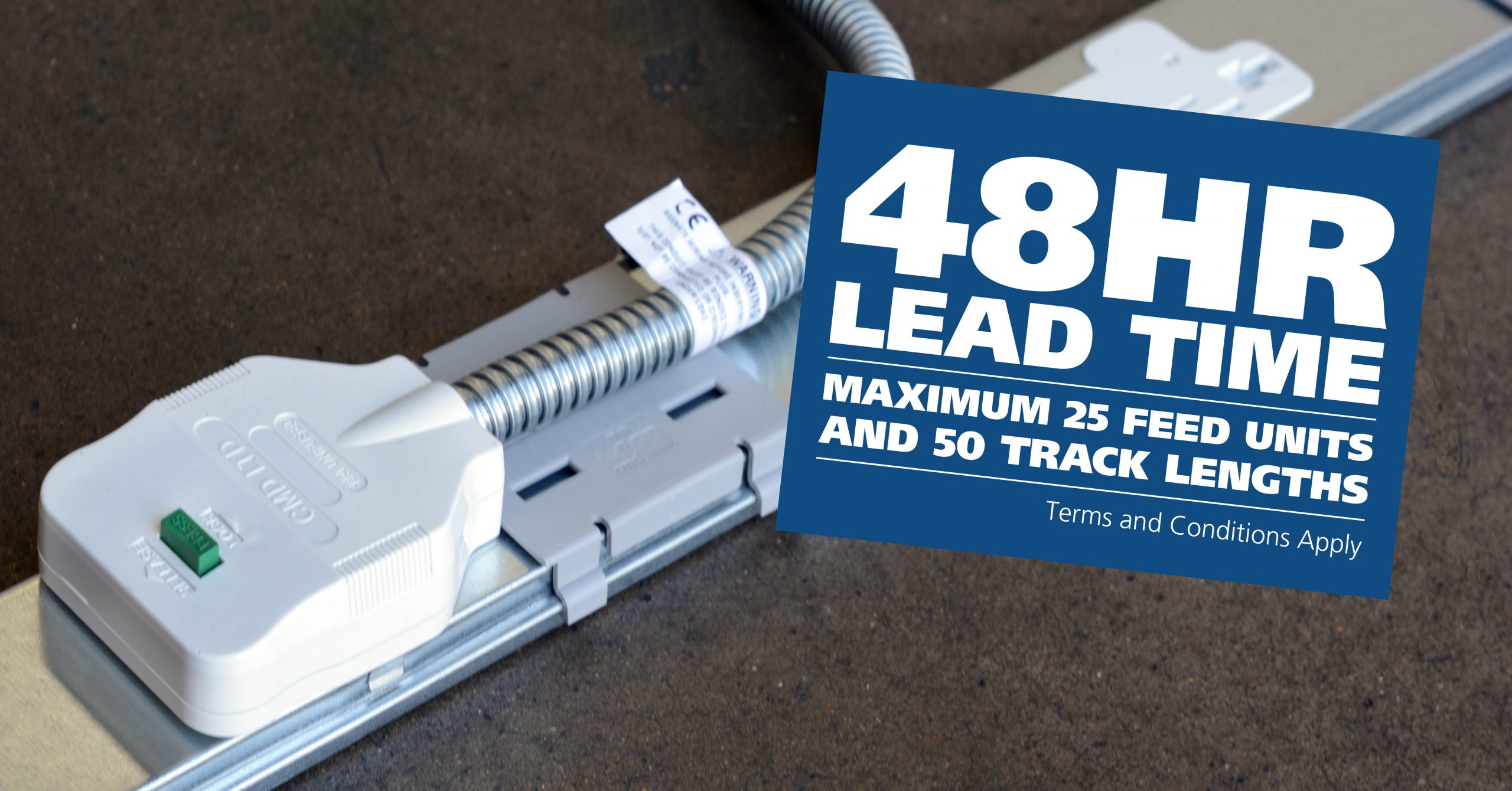
CMD Ltd LAUNCHES 48-HOUR TURNAROUND ON BETATRAK® RAPID ORDERING SERVICE

CMD Ltd, the specialist in power distribution systems, workstation power and monitor arms, has launched a rapid ordering service for its Betatrak® underfloor powertrack distribution systems and accessories, with a commitment to delivering within 48-hours of an approved purchase order*. The service enables customers to order up to 50 lengths of Standard or Clean Earth (C/E) low noise Betatrak, along with up to 25 feed...

Read more
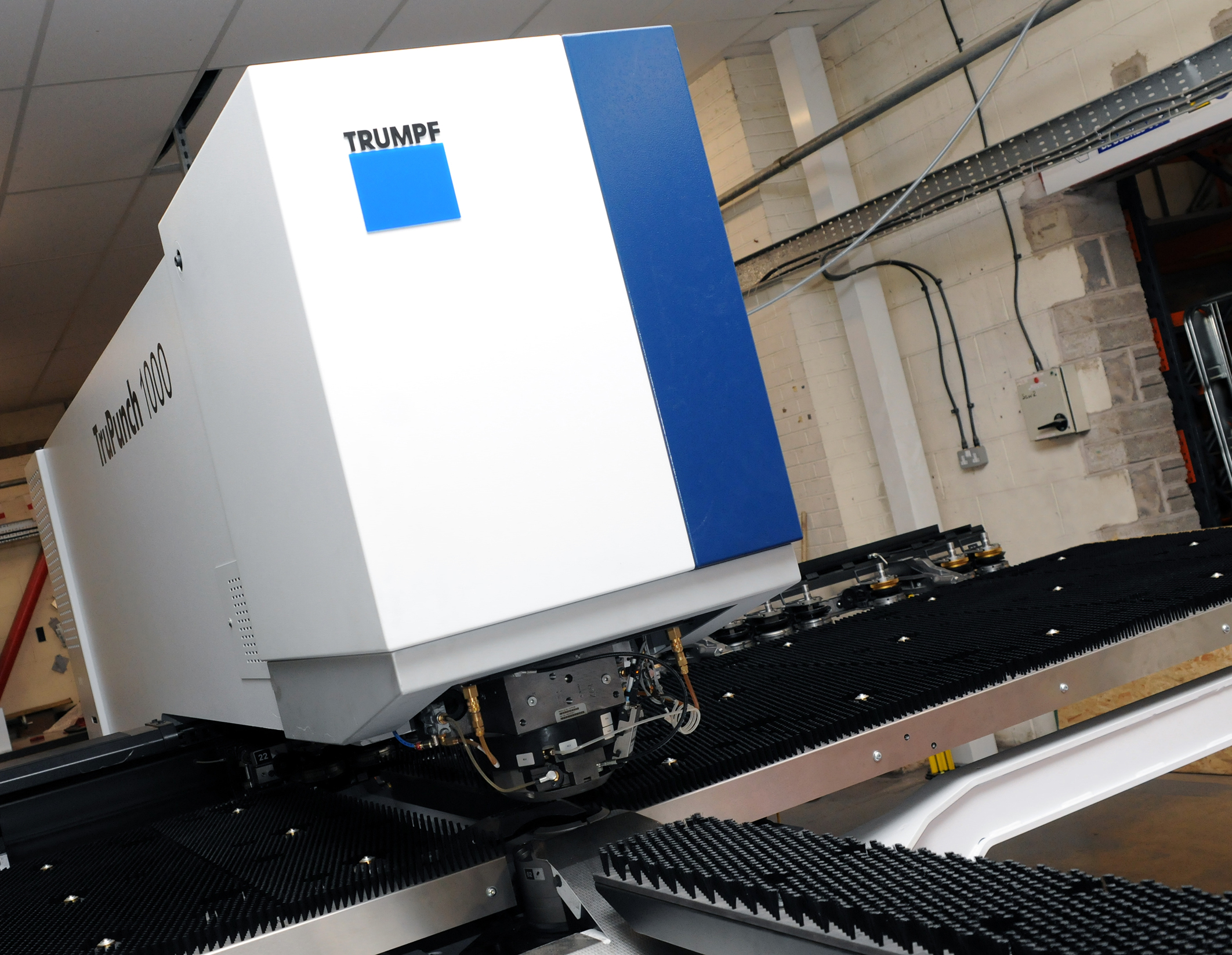
CMD INVESTS £1/4 MILLION IN NEW MACHINE AS PART OF FACTORY UPGRADE

We have invested in a new £1/4m TRUMPF CNC metal punch as part of an asset renewal strategy for our UK manufacturing capability. The new machine will be used in the production of a wide variety of our power distribution systems and workstation power products at our Rotherham factory. Suitable for handling sheet metal between 0.9mm and 3.0mm thick, the new machine will replace one...

Read more
CMD CATALOGUE PROVIDES TECHNICAL POWER DISTRIBUTION GUIDE

CMD Ltd has released a new catalogue, providing an easy to follow technical guide to our power distribution systems and plug and play desk modules. Detailing CMD’s full range of UK-manufactured power distribution systems and plug and play desk modules, the catalogue will be a helpful source of information to M&E engineers and contractors alike to understand how our power distribution systems connect together and...

Read more
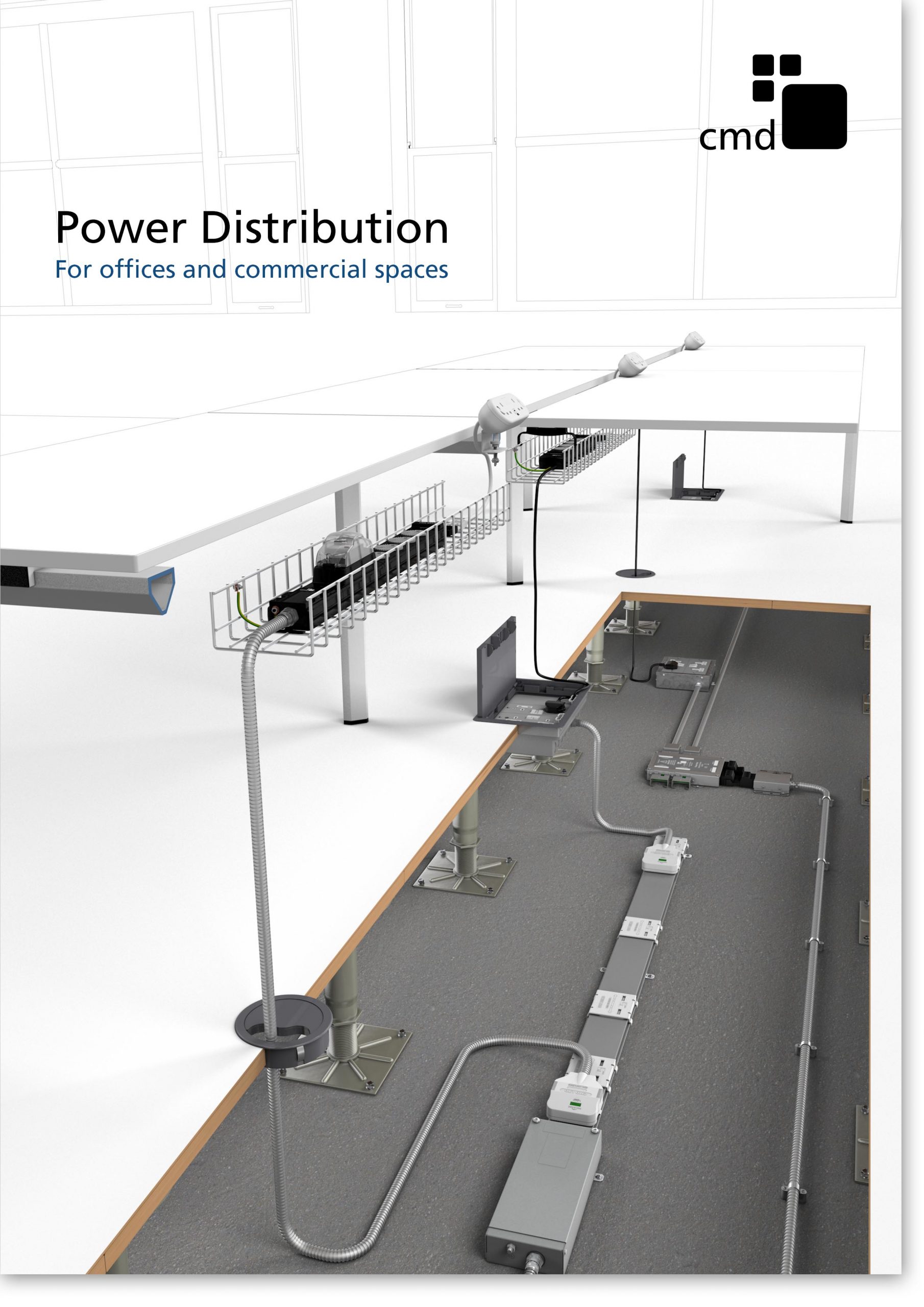
Power Distribution Catalogue
CMD Ltd PLAYS ESSENTIAL ROLE IN ELECTRICAL FIT OUT AT LONDON’S PRESTIGIOUS OFFICE DEVELOPMENT

CMD Ltd, specialist in workplace connectivity and ergonomic solutions, has provided a flexible and high-quality power distribution network for The Ray, a prestigious office development in London’s Farringdon. Well-known for being the former site of The Guardian newspaper, The Ray now stands as an 83,000ft² office development characterised by a modernised warehouse aesthetic, with level two now occupied by a global social media company. The...

Read more
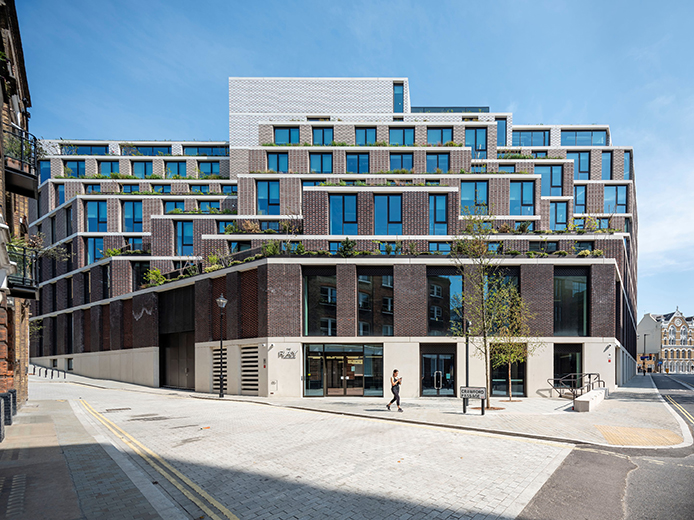
The Ray
CMD plugs in to european opportunity with Schuko Capsule unit launch

CMD Ltd, the specialist in power and connectivity solutions for commercial environments, has launched a Schuko version of its popular fixed format Capsule workstation power module for export to mainland Europe and beyond. A popular on desk power module comprising two sockets and dual USB (type A and C) chargers, CMD’s Capsule unit is already widely specified in the UK as an off-the-shelf workstation power...

Read more
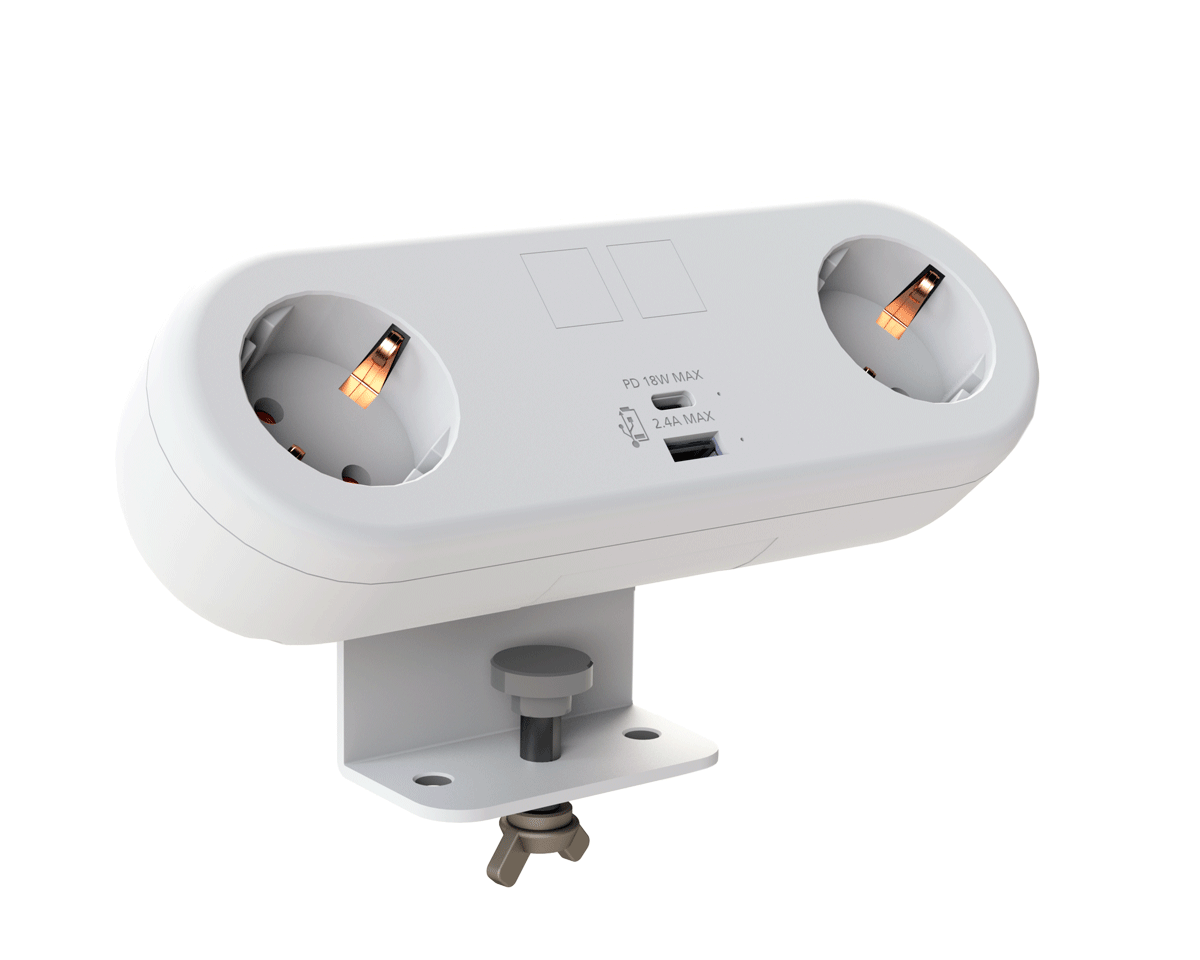
CMD White Schuko Capsule Desk Power Module
CMD LTD EXTENDS MONITOR ARM RANGE WITH THE LAUNCH OF REACH PLUS

CMD Ltd, the specialist in ergonomic and connectivity solutions for commercial interiors, has completed its Reach monitor arm range with the launch of the Reach Plus. Available in single or dual screen options, the Reach Plus has been designed to provide an ideal solution for both single and dual screen workstation configurations, or can be used with next generation of large format curved screens. Suitable...

Read more
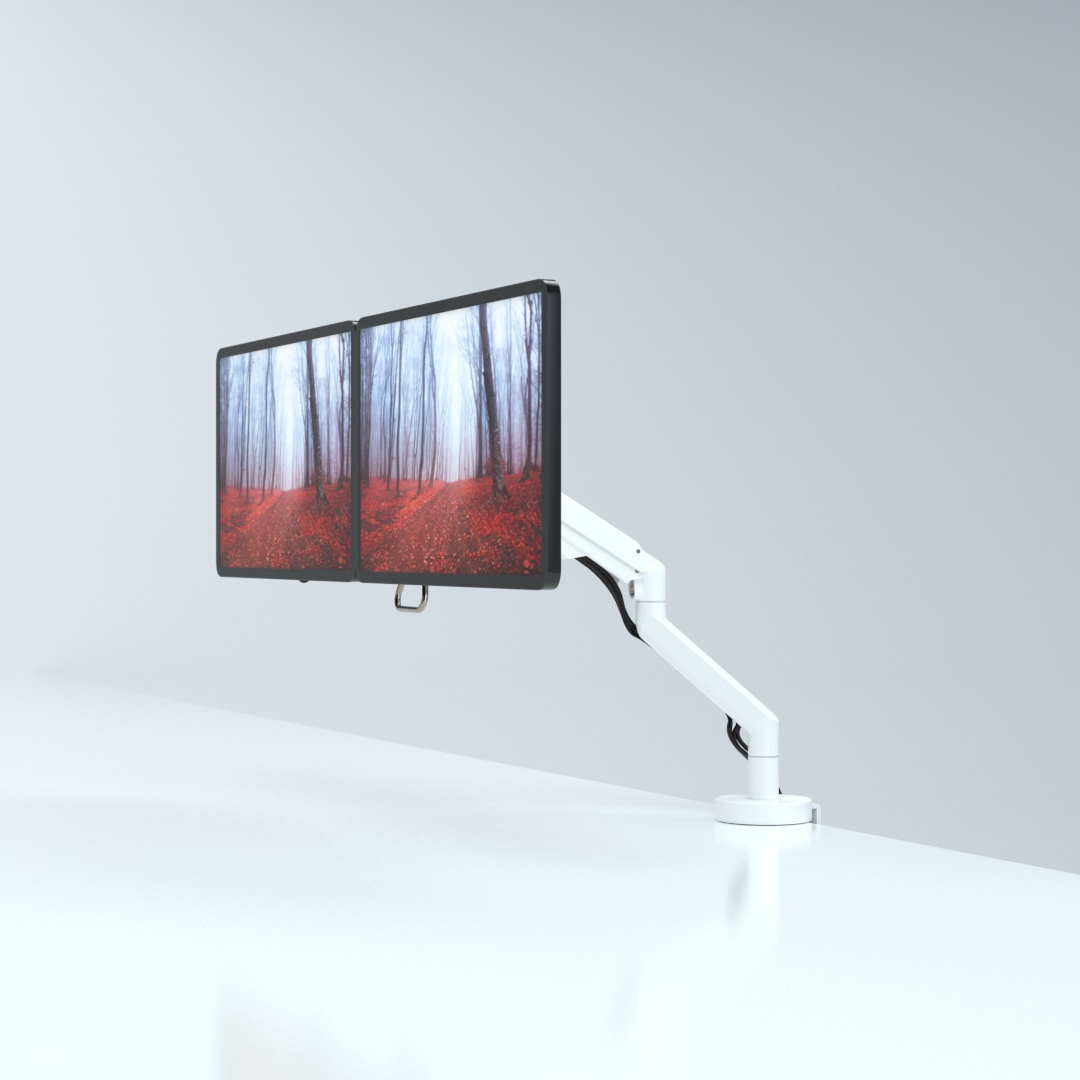
CMD Ltd DEMONSTRATES THE ART OF POWER DISTRIBUTION AT THE UNIVERSITY OF WARWICK

CMD Ltd, the specialist in workplace connectivity and ergonomic solutions, has provided Betatrak busbar power distribution and a range of electrical accessories for two major capital investment projects at the University of Warwick. Designed by Fielden Clegg Bradley Studios, the £33 million Faculty of Arts building is a showpiece development comprising four interconnected structures set around a central atrium, which will enable inter-disciplinary collaboration across...

Read more

University of Warwick
CMD BRINGS HARMONY TO COVENTRY UNIVERSITY RESEARCH FACILITIES

CMD Ltd, the specialist in power distribution solutions and workstation power and ergonomics, has provided under desk and on desk power modules for the refurbishment of three Coventry University research buildings. Located on Coventry University Technology Park, a business park designed to encourage collaboration between the university and knowledge-based businesses, the three buildings are being repurposed as office accommodation for university research teams. The refurbishment...

Read more
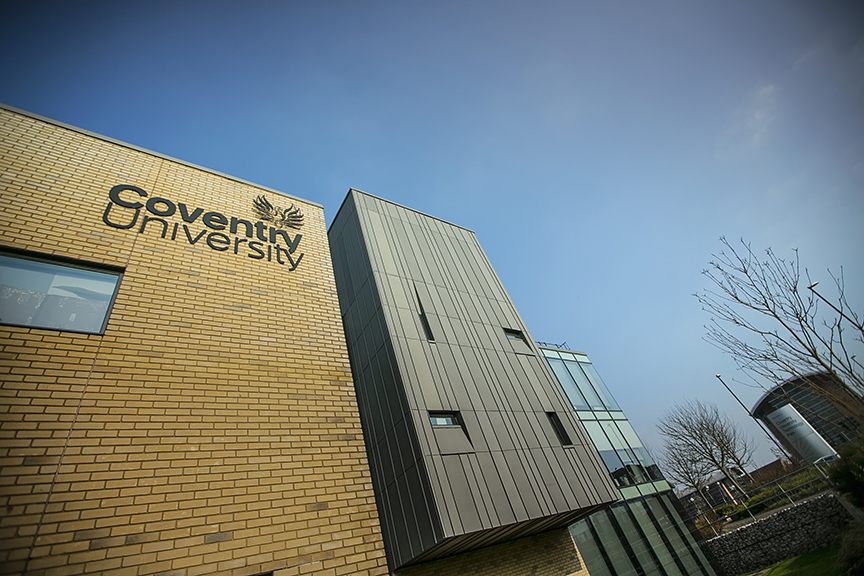
Coventry University

Why Choose Greenhouse LED Light for Your Plants Growth?

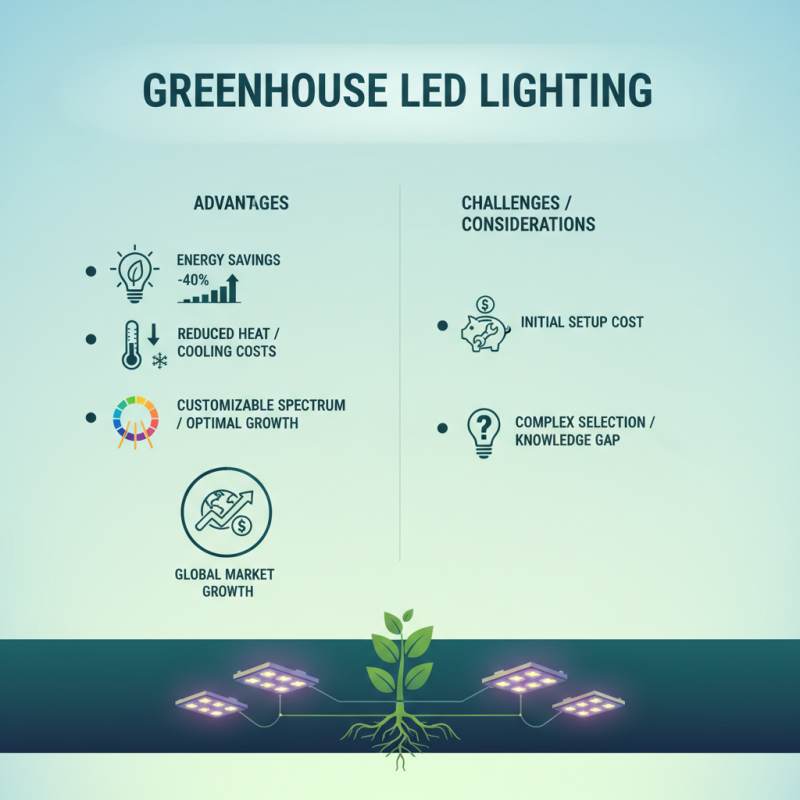
In recent years, the demand for efficient plant growth solutions has surged. The horticultural industry is increasingly turning towards technology-driven alternatives. Among these, Greenhouse LED Light has emerged as a leading choice. According to a report by Research and Markets, the global LED grow lights market is expected to reach USD 2.4 billion by 2027. This growth signifies a trend toward energy-efficient solutions.

Greenhouse LED Lights offer distinct advantages over traditional lighting. They consume approximately 40% less energy and produce less heat, which can reduce cooling costs. Moreover, these lights are customizable. They provide specific light spectrums required for various growth stages. Studies from NASA also highlight that plants respond favorably to specific wavelengths. However, not all LED systems are created equal. Choosing the right ones can be crucial for optimal results.

While the benefits are clear, there can be challenges. Initial setup costs may deter some growers. Furthermore, without proper knowledge, selecting the ideal light for specific needs can be overwhelming. Awareness of these factors is vital to harness the full potential of Greenhouse LED Light for efficient plant growth.

Why Choose Greenhouse LED Light for Your Plants Growth?

Benefits of LED Lighting for Greenhouse Plant Growth

Greenhouse LED lights have revolutionized the way we approach plant growth. According to a report by the U.S. Department of Energy, LED lighting can improve energy efficiency by up to 80% compared to traditional lighting methods. This efficiency leads to lower energy costs, making LED technology attractive for greenhouse operations. Reduced energy consumption means more resources can be allocated to other essential growth factors like nutrients and water.

The spectrum of light emitted by LEDs can also be fine-tuned to meet the specific needs of different plants. This adaptability is backed by research published in the journal "Horticulture Research," highlighting that plants like tomatoes and peppers grow faster under optimal blue and red light conditions. Some growers, however, may find it challenging to determine the best spectrum for their crops. Tailoring light not only enhances yields but also influences fruit quality and taste, raising questions about the best balance between efficiency and output.

Moreover, LED lights have a longer lifespan, typically lasting over 50,000 hours. This longevity means fewer replacements and less waste, but initial setup costs may remain high for some growers. While many have successfully adopted this technology, others may still be hesitant due to perceived difficulties in integrating new systems. Transitioning to well-designed LED systems requires careful consideration but can lead to substantial long-term benefits for plant growth and overall sustainability in greenhouse operations.

Energy Efficiency: Comparing LED Lights to Traditional Grow Lights

When considering energy efficiency, LED grow lights stand out against traditional options. Research shows that LED lights use up to 75% less energy than incandescent bulbs. This significant reduction in energy consumption can lead to lower electricity bills. Specifically, a report from the U.S. Department of Energy highlights that the lifespan of LED lights can reach 25,000 hours, compared to just 1,000 hours for incandescent lights. This means fewer replacements and less waste over time.

Moreover, LED lights emit less heat, which is crucial for plant growth. Overheating can stress plants and interfere with their development. A study published in the Journal of Applied Horticulture revealed that growers using LEDs achieved a 20% increase in yield compared to traditional lights, partly due to the optimal temperature management. The targeted spectrum of LED lights facilitates photosynthesis effectively, ensuring plants thrive while utilizing energy wisely.

While the benefits are clear, the initial investment for LED technology can be daunting. Some growers may hesitate to switch due to upfront costs. However, considering the longevity and energy savings, the return on investment is typically realized within the first year. Reflecting on these factors can lead to improved growth outcomes and a more sustainable growing environment.

Spectral Output: How LED Lights Enhance Photosynthesis Rates

LED grow lights are revolutionizing plant growth in greenhouses. The spectral output of LED lights is crucial for enhancing photosynthesis. Unlike traditional bulbs, LED lights can emit specific wavelengths. These wavelengths directly influence how plants absorb light. For instance, blue light encourages vegetative growth, while red light promotes blooming.

Photosynthesis relies heavily on light quality. Plants absorb red and blue light effectively, using it to convert carbon dioxide and water into glucose. A proper spectral output means faster growth rates and stronger plants. Many growers notice significant improvements in yield and health when using tailored LED solutions. However, understanding your plants' specific light needs is essential. Not all plants require the same intensity or spectrum.

Over-reliance on one type of light may lead to inefficiencies. For example, too much blue light can hinder flowering in some species. Balance is key; a mixed spectrum often yields the best results. Adapting light conditions to promote photosynthesis requires ongoing observation and adjustments. Smart growers continuously evaluate their strategies to maximize the benefits of LEDs in greenhouses.

Longevity and Cost-Effectiveness of LED Technology in Horticulture

When considering lighting for your greenhouse, LED technology stands out for its longevity and cost-effectiveness. LEDs last significantly longer than traditional bulbs. A typical LED can last over 25,000 hours, while other options may only last a fraction of that time. This durability means fewer replacements, saving both time and money.

The energy efficiency of LED lights is another major benefit. They consume less power while delivering the same, if not more, light intensity. This efficiency translates into lower electricity bills for horticulturists. In fact, some studies suggest that using LED lights can reduce energy costs by up to 50%. This can lead to a more sustainable operation, aligned with modern eco-friendly practices.

However, investing in LED technology may require a higher initial cost. Some growers hesitate due to this upfront investment. Yet, the long-term savings from reduced energy consumption and fewer bulb replacements often outweigh initial expenses. Overall, weighing these aspects carefully can help in making an informed decision regarding greenhouse lighting.

Impact of LED Lighting on Plant Health and Yield Quality

LED lighting has a significant impact on plant health and yield quality. Research shows that LED lights can enhance photosynthesis by providing specific wavelengths that plants utilize most effectively. A study published by the Journal of Horticulture Science indicates that plants exposed to LED lighting can achieve up to a 30% increase in growth rate compared to traditional lighting options. This is crucial for indoor and greenhouse growers looking to optimize their crop yields.

Moreover, the quality of produce is often linked to lighting conditions. An experiment conducted by the American Society for Horticultural Science found that the use of LED lights resulted in better flavor profiles and nutrient density in crops such as tomatoes and lettuce. Plants receiving full-spectrum LED light exhibited higher levels of vitamins and minerals. However, adjusting light intensity is crucial. Excessive light can create stress, even damaging tender plants.

In addition to growth and quality, energy efficiency is a critical factor. LEDs consume about 75% less energy than traditional bulbs while providing adequate brightness. This lowers operational costs yet demands careful management to prevent overuse. Understanding the right balance of light can lead to successful crop production. Better yet, it invites ongoing discussions on best practices and improving future horticultural techniques.