

News

Miro: A New Standard in Responsible Innovation

Miro: A New Standard in Responsible Innovation The Miro monitor arm is setting new benchmarks in sustainability. It offers a high-performance solution without compromising on environmental responsibility. Designed with careful material selection, local sourcing, and longevity in mind, Miro’s responsible approach to design and unique manoeuvrability set it apart from the competition. Sustainable Choices Miro is crafted from energy-efficient materials with a lower carbon impact....

Read more
HSE Advisor

Role Purpose Support in the development, implementation and maintenance of the company’s Health, Safety & Environmental policies, processes, operational procedures, and standards.  Ensuring best practice and championing a continually improving HSE culture within the business. Key Responsibilities Liaise with and provide support to all areas of the business to eliminate, mitigate or reduce identified HSE exposures. Partner with the production management team and team leaders,...

Read more
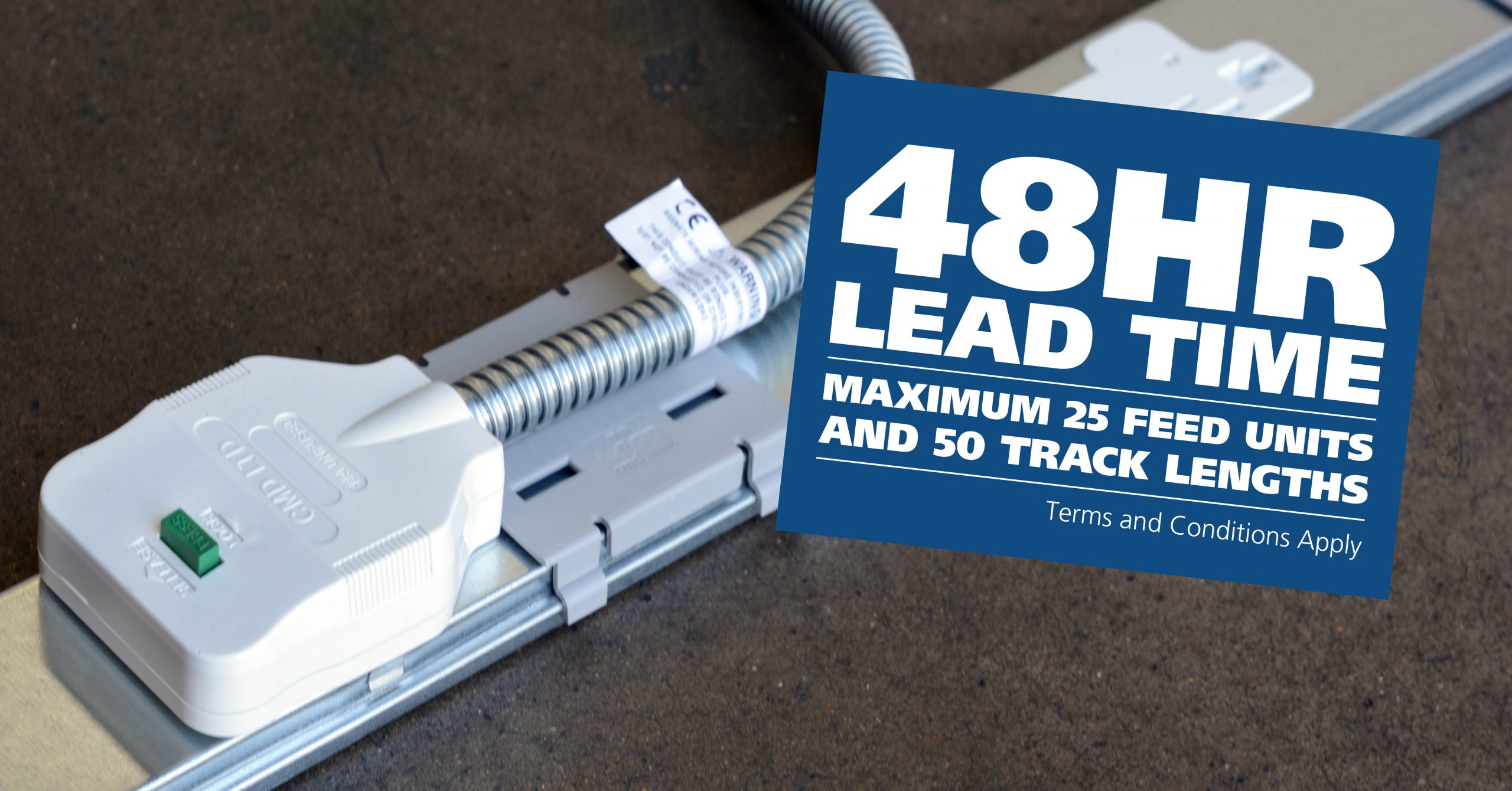
CMD Ltd LAUNCHES 48-HOUR TURNAROUND ON BETATRAK® RAPID ORDERING SERVICE

CMD Ltd, the specialist in power distribution systems, workstation power and monitor arms, has launched a rapid ordering service for its Betatrak® underfloor powertrack distribution systems and accessories, with a commitment to delivering within 48-hours of an approved purchase order*. The service enables customers to order up to 50 lengths of Standard or Clean Earth (C/E) low noise Betatrak, along with up to 25 feed...

Read more
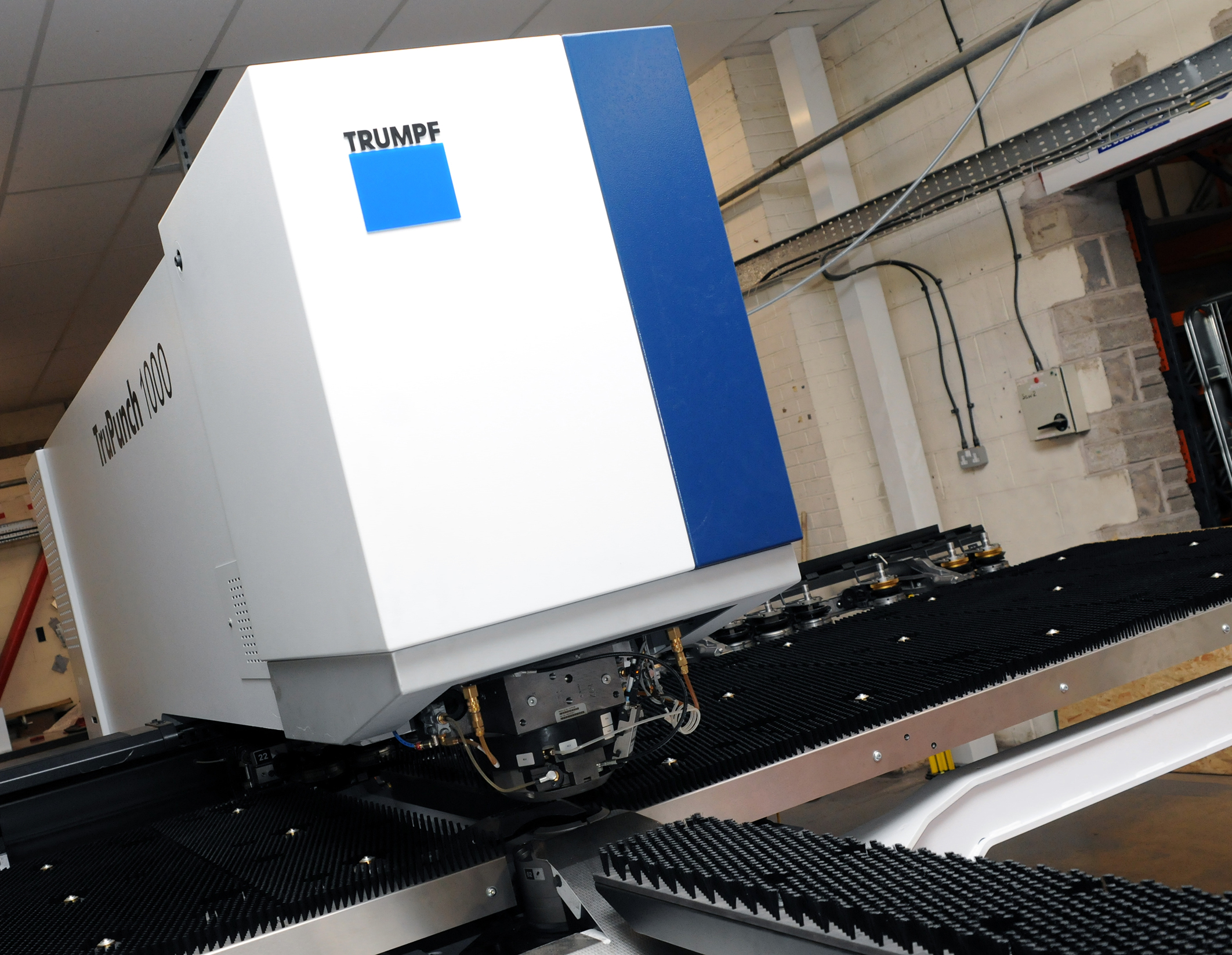
CMD INVESTS £1/4 MILLION IN NEW MACHINE AS PART OF FACTORY UPGRADE

We have invested in a new £1/4m TRUMPF CNC metal punch as part of an asset renewal strategy for our UK manufacturing capability. The new machine will be used in the production of a wide variety of our power distribution systems and workstation power products at our Rotherham factory. Suitable for handling sheet metal between 0.9mm and 3.0mm thick, the new machine will replace one...

Read more
CMD CATALOGUE PROVIDES TECHNICAL POWER DISTRIBUTION GUIDE

CMD Ltd has released a new catalogue, providing an easy to follow technical guide to our power distribution systems and plug and play desk modules. Detailing CMD’s full range of UK-manufactured power distribution systems and plug and play desk modules, the catalogue will be a helpful source of information to M&E engineers and contractors alike to understand how our power distribution systems connect together and...

Read more
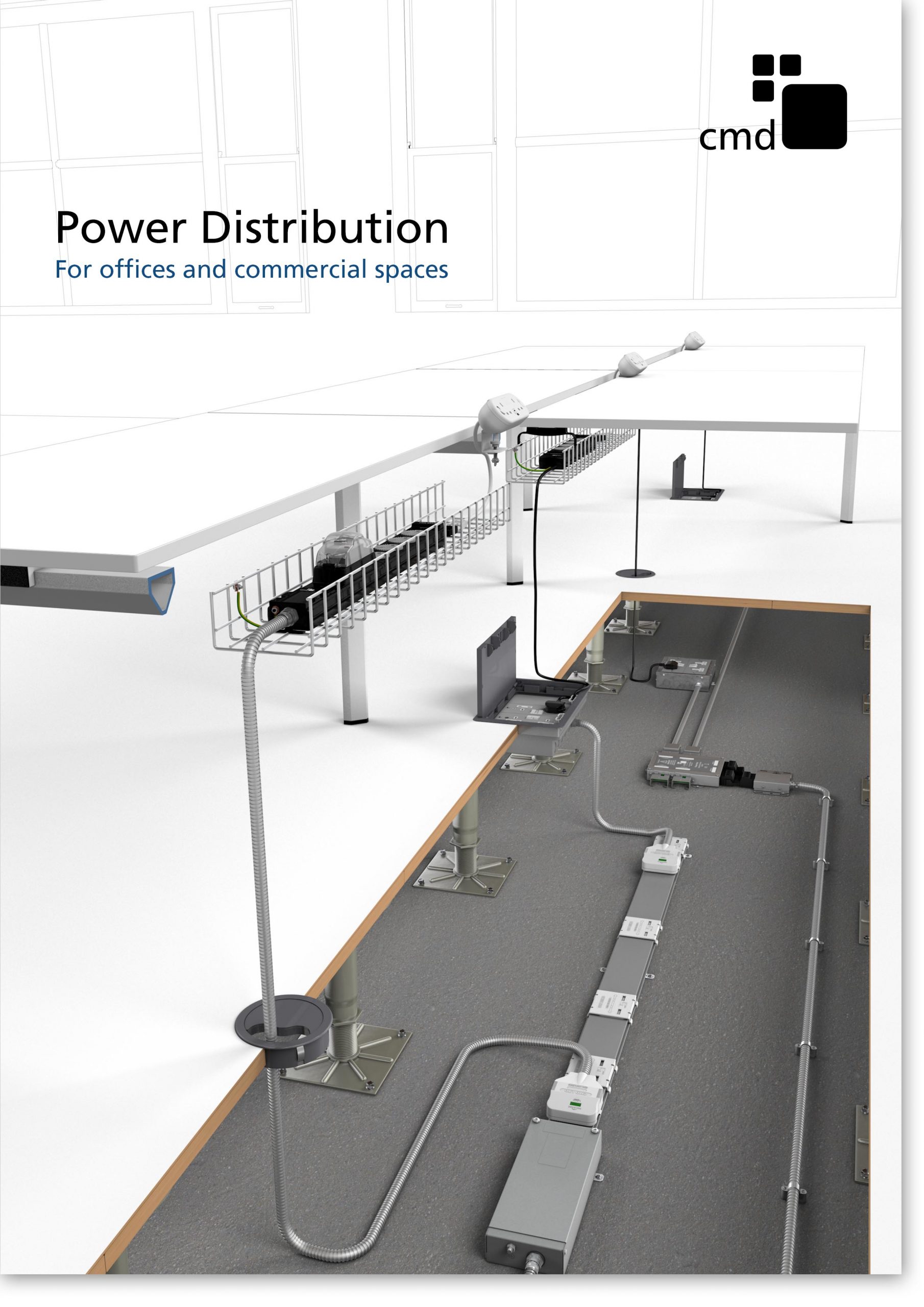
Power Distribution Catalogue
CMD Ltd PLAYS ESSENTIAL ROLE IN ELECTRICAL FIT OUT AT LONDON’S PRESTIGIOUS OFFICE DEVELOPMENT

CMD Ltd, specialist in workplace connectivity and ergonomic solutions, has provided a flexible and high-quality power distribution network for The Ray, a prestigious office development in London’s Farringdon. Well-known for being the former site of The Guardian newspaper, The Ray now stands as an 83,000ft² office development characterised by a modernised warehouse aesthetic, with level two now occupied by a global social media company. The...

Read more

The Ray
CMD plugs in to european opportunity with Schuko Capsule unit launch

CMD Ltd, the specialist in power and connectivity solutions for commercial environments, has launched a Schuko version of its popular fixed format Capsule workstation power module for export to mainland Europe and beyond. A popular on desk power module comprising two sockets and dual USB (type A and C) chargers, CMD’s Capsule unit is already widely specified in the UK as an off-the-shelf workstation power...

Read more
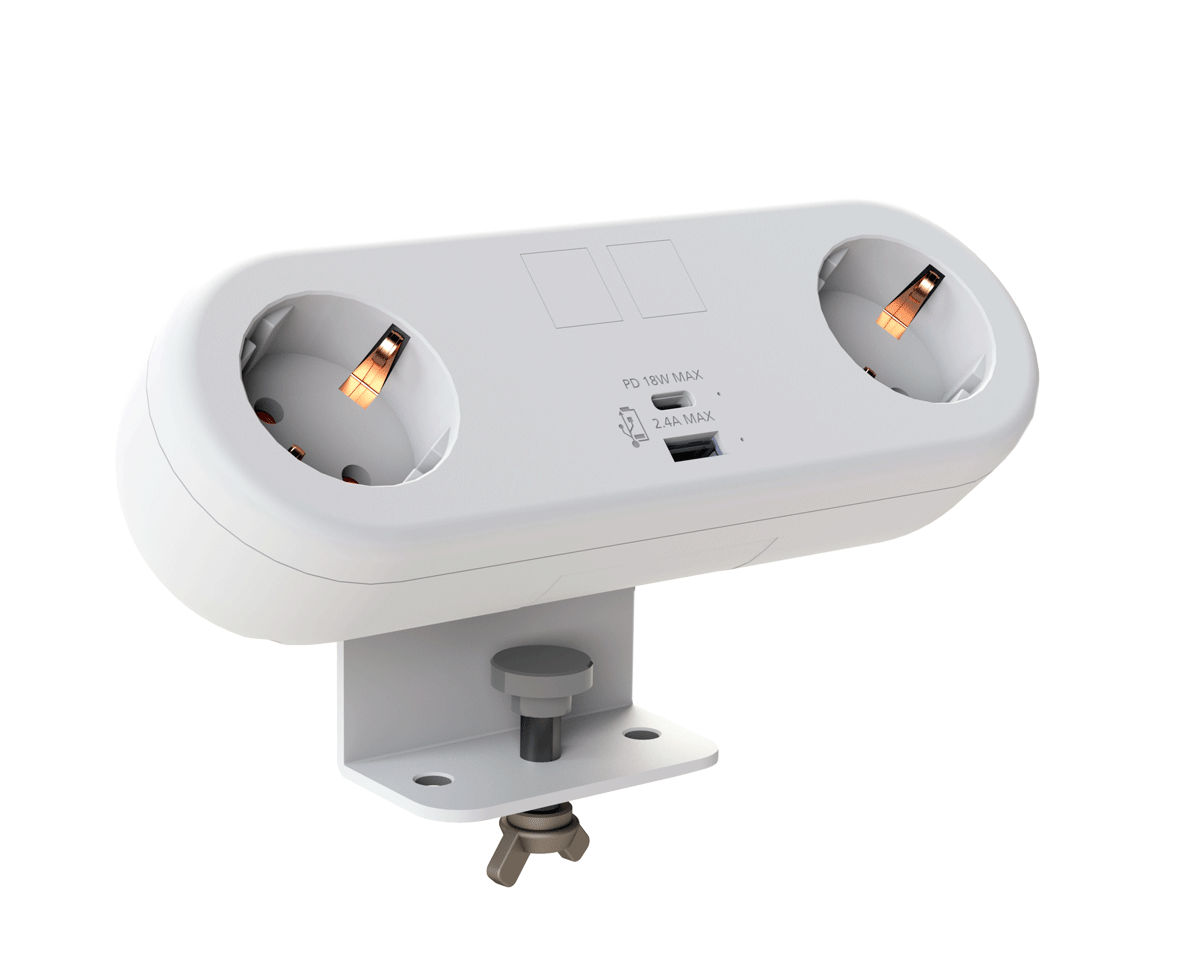
CMD White Schuko Capsule Desk Power Module
CMD LTD EXTENDS MONITOR ARM RANGE WITH THE LAUNCH OF REACH PLUS

CMD Ltd, the specialist in ergonomic and connectivity solutions for commercial interiors, has completed its Reach monitor arm range with the launch of the Reach Plus. Available in single or dual screen options, the Reach Plus has been designed to provide an ideal solution for both single and dual screen workstation configurations, or can be used with next generation of large format curved screens. Suitable...

Read more

CMD Ltd DEMONSTRATES THE ART OF POWER DISTRIBUTION AT THE UNIVERSITY OF WARWICK

CMD Ltd, the specialist in workplace connectivity and ergonomic solutions, has provided Betatrak busbar power distribution and a range of electrical accessories for two major capital investment projects at the University of Warwick. Designed by Fielden Clegg Bradley Studios, the £33 million Faculty of Arts building is a showpiece development comprising four interconnected structures set around a central atrium, which will enable inter-disciplinary collaboration across...

Read more

University of Warwick
CMD BRINGS HARMONY TO COVENTRY UNIVERSITY RESEARCH FACILITIES

CMD Ltd, the specialist in power distribution solutions and workstation power and ergonomics, has provided under desk and on desk power modules for the refurbishment of three Coventry University research buildings. Located on Coventry University Technology Park, a business park designed to encourage collaboration between the university and knowledge-based businesses, the three buildings are being repurposed as office accommodation for university research teams. The refurbishment...

Read more

Coventry University

How to Choose the Best Lithium Ion Battery for Your Needs?

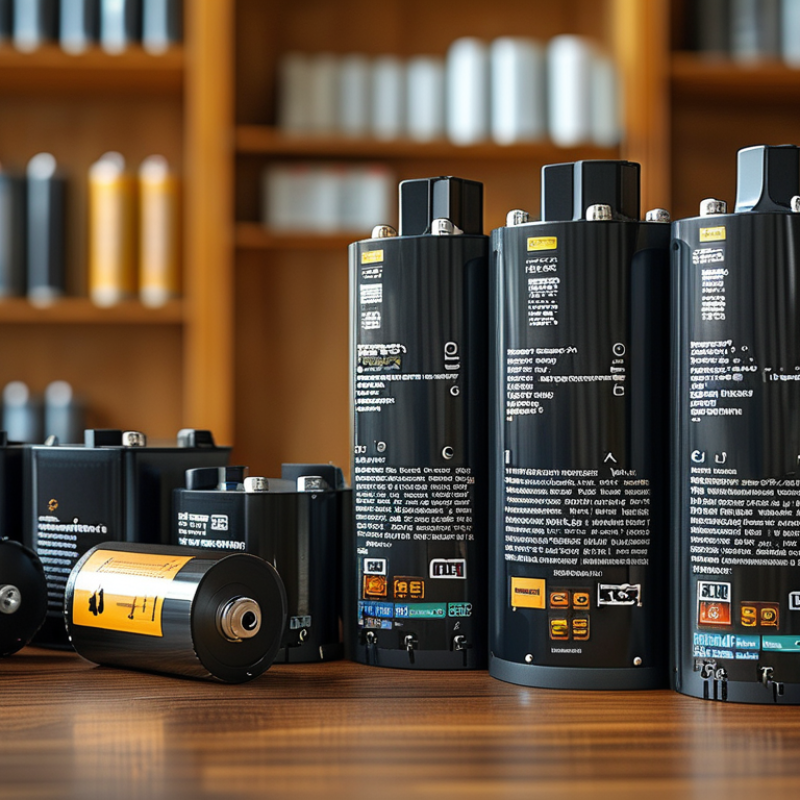
Choosing the right Lithium Ion Battery can be challenging. The market is filled with options, each claiming to be the best. This guide will help you navigate through the essential factors.

Consider your specific needs first. Different applications require different specifications. For example, battery capacity, size, and discharge rate matter significantly. A battery suited for a drone might not work for an electric vehicle.

Quality matters too. Not all Lithium Ion Batteries are created equal. Some offer better longevity and safety features than others. It’s crucial to research reputable brands. Reading reviews can be beneficial. However, not all user experiences are the same. Always weigh their feedback thoughtfully. Choosing a Lithium Ion Battery requires careful consideration, but doing due diligence can lead you to a suitable choice.

How to Choose the Best Lithium Ion Battery for Your Needs?

Understanding Lithium Ion Battery Basics and Types

When selecting a lithium-ion battery, understanding the basics and available types is essential. Lithium-ion batteries come in various chemistries, such as lithium cobalt oxide (LiCoO2), lithium iron phosphate (LiFePO4), and lithium manganese oxide (LiMn2O4). Each type has unique characteristics. For instance, LiFePO4 is known for its thermal stability and safety but has a lower energy density compared to other types.

Industry reports indicate that the demand for lithium-ion batteries is forecasted to grow at a CAGR of 20% over the next five years. This growth highlights the importance of choosing the right battery for your application, whether it's for electric vehicles, consumer electronics, or renewable energy storage.

Tips: Always assess your specific energy requirements. Consider the discharge rate and cycle life of the battery. A battery that lasts longer may save you money in the long run. Don't overlook temperature and environmental factors affecting performance. Real-world testing can reveal shortcomings that specifications might not cover.

Understanding the lifecycles and degradation patterns of different battery types helps inform your choice. Research suggests that batteries degrade faster in extreme temperatures. Adapting usage and storage conditions is crucial. Awareness of these factors leads to more reliable battery utilization.

Battery Capacity Comparison of Common Lithium-Ion Batteries

Identifying Your Specific Power Requirements and Applications

When choosing a lithium-ion battery, identifying your specific power requirements is crucial. Knowing how much power you need helps narrow down options. Think about the devices you’ll be using. For example, a camera, drone, or electric bicycle each has distinct power demands. A deep understanding of these needs allows you to select batteries that will perform reliably.

Applications also play a significant role in battery selection. Is your primary concern weight or durability? Lightweight batteries can be great for portable devices. However, if you need something for a stationary application, a heavier, more durable option might be better.

Evaluate the environment in which the battery will operate. Harsh conditions demand batteries built to withstand temperature variations.

Not all batteries are created equal. Some may have shorter lifespans or lower efficiencies. Researching specifications and reviews adds valuable insight. Ask yourself, are the manufacturer's claims supported by independent testing? Genuine user experiences often reveal strengths and weaknesses not found in lab reports.

Consider long-term usage too. A cheaper battery may cost more in the long run due to frequent replacements or poor performance.

Evaluating Battery Capacity, Voltage, and Depth of Discharge

When choosing a lithium-ion battery, it's crucial to evaluate three key factors: capacity, voltage, and depth of discharge. Capacity determines how much energy the battery can store. A higher capacity means longer usage times. However, you may not always need the maximum capacity. Balancing your energy needs with the battery size is essential.

Voltage is another critical aspect. Different devices require specific voltage levels. Using a battery with the wrong voltage can damage your device. Always check the requirements before making a purchase. Sometimes, mixing voltages can lead to problems. Ensure you understand your needs before selecting a battery.

Depth of discharge (DoD) reveals how much energy you can safely use from your battery. A higher DoD can lead to shorter battery life. It's tempting to use more energy, but this can cause more harm than good. Aim for a conservative approach when using your battery.

Tips: Always conduct thorough research. Read user reviews and seek expert recommendations. Take time to compare different options. Pay close attention to customer's feedback on performance and reliability. Testing in real-world scenarios can help you make informed decisions. Don't rush your choice; patience can lead to better results.

Comparing Lifespan, Performance, and Charging Characteristics

When selecting a lithium-ion battery, understanding its lifespan is crucial. Lifespan varies based on usage and charging cycles. Typically, a high-quality battery can last anywhere from 2 to 5 years. Factors like temperature and discharge rates play a significant role. Overcharging or extreme heat can drastically reduce longevity. Users must think about their specific needs and how often they will utilize the battery.

Performance is another vital consideration. A battery's energy density and discharge rates reflect its suitability for various applications. Some will need batteries that can deliver high power quickly, while others might require steady, long-lasting output. Evaluate how the battery performs under load. Real-world tests can provide insights into reliability and efficiency.

Charging characteristics are equally important. Fast charging options can be beneficial, but they may also affect battery health over time. It’s essential to balance speed with sustainability. Some users find themselves frustrated when batteries don’t reach expected charging speeds. Users should reflect on the trade-offs to decide what matters most for their situation. Exploring user reviews and seeking expert advice can enhance understanding.

How to Choose the Best Lithium Ion Battery for Your Needs? - Comparing Lifespan, Performance, and Charging Characteristics

Battery Type Lifespan (Cycles) Discharge Rate (C rate) Charging Time (Hours) Temperature Range (°C)
Standard Lithium Ion 500-1000 1-3 C 4-6 0 to 45
Lithium Iron Phosphate (LiFePO4) 2000-5000 0.5-1 C 5-8 -20 to 60
Lithium Polymer 300-500 2-5 C 2-4 0 to 60
High Energy Density Lithium Ion 800-1500 1-2 C 3-5 0 to 50

Considering Safety Features and Cost-Effectiveness in Your Choice

When selecting a lithium-ion battery, safety should be your top priority. Look for features like thermal cutoff and short-circuit protection. These prevent overheating and possible hazards. Batteries with built-in safety mechanisms can save you from potential accidents. Always check user reviews, as they often reveal insights about safety features in real-world scenarios.

Cost-effectiveness matters too. While cheaper batteries may seem attractive, they might lack essential safety features. Investing in a higher-quality battery can pay off in the long run. Reflect on the long-term benefits versus short-term savings.

Tips:
- Assess the battery's cycle life and warranty. A longer cycle life often means better durability.
- Understand the environmental impact. Some batteries are designed for recycling, reducing overall waste.
- Don’t overlook the compatibility with your devices. Mismatched specifications can lead to poor performance or damage.