

News

Miro: A New Standard in Responsible Innovation

Miro: A New Standard in Responsible Innovation The Miro monitor arm is setting new benchmarks in sustainability. It offers a high-performance solution without compromising on environmental responsibility. Designed with careful material selection, local sourcing, and longevity in mind, Miro’s responsible approach to design and unique manoeuvrability set it apart from the competition. Sustainable Choices Miro is crafted from energy-efficient materials with a lower carbon impact....

Read more
HSE Advisor

Role Purpose Support in the development, implementation and maintenance of the company’s Health, Safety & Environmental policies, processes, operational procedures, and standards.  Ensuring best practice and championing a continually improving HSE culture within the business. Key Responsibilities Liaise with and provide support to all areas of the business to eliminate, mitigate or reduce identified HSE exposures. Partner with the production management team and team leaders,...

Read more
CMD Ltd LAUNCHES 48-HOUR TURNAROUND ON BETATRAK® RAPID ORDERING SERVICE

CMD Ltd, the specialist in power distribution systems, workstation power and monitor arms, has launched a rapid ordering service for its Betatrak® underfloor powertrack distribution systems and accessories, with a commitment to delivering within 48-hours of an approved purchase order*. The service enables customers to order up to 50 lengths of Standard or Clean Earth (C/E) low noise Betatrak, along with up to 25 feed...

Read more

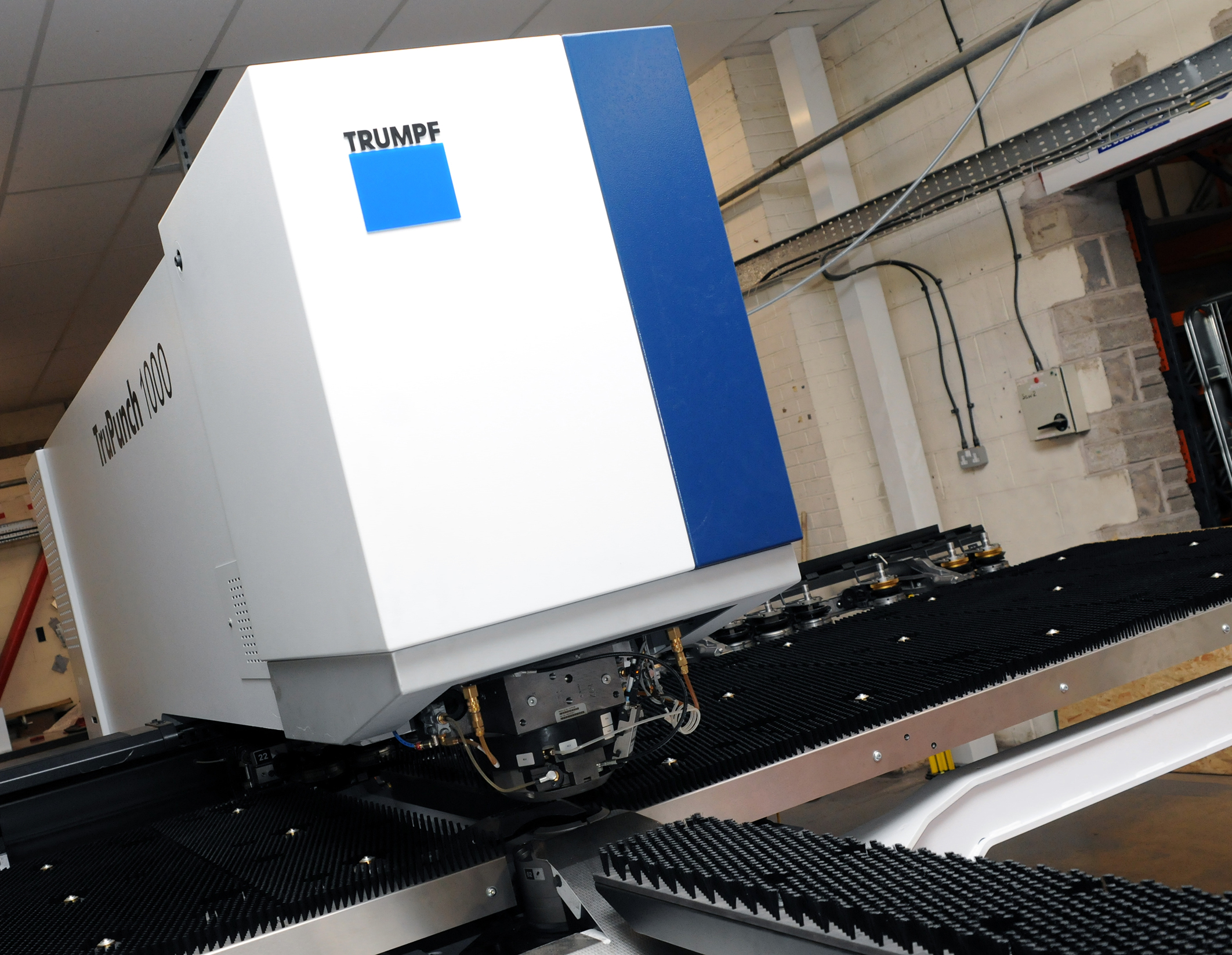
CMD INVESTS £1/4 MILLION IN NEW MACHINE AS PART OF FACTORY UPGRADE

We have invested in a new £1/4m TRUMPF CNC metal punch as part of an asset renewal strategy for our UK manufacturing capability. The new machine will be used in the production of a wide variety of our power distribution systems and workstation power products at our Rotherham factory. Suitable for handling sheet metal between 0.9mm and 3.0mm thick, the new machine will replace one...

Read more
CMD CATALOGUE PROVIDES TECHNICAL POWER DISTRIBUTION GUIDE

CMD Ltd has released a new catalogue, providing an easy to follow technical guide to our power distribution systems and plug and play desk modules. Detailing CMD’s full range of UK-manufactured power distribution systems and plug and play desk modules, the catalogue will be a helpful source of information to M&E engineers and contractors alike to understand how our power distribution systems connect together and...

Read more
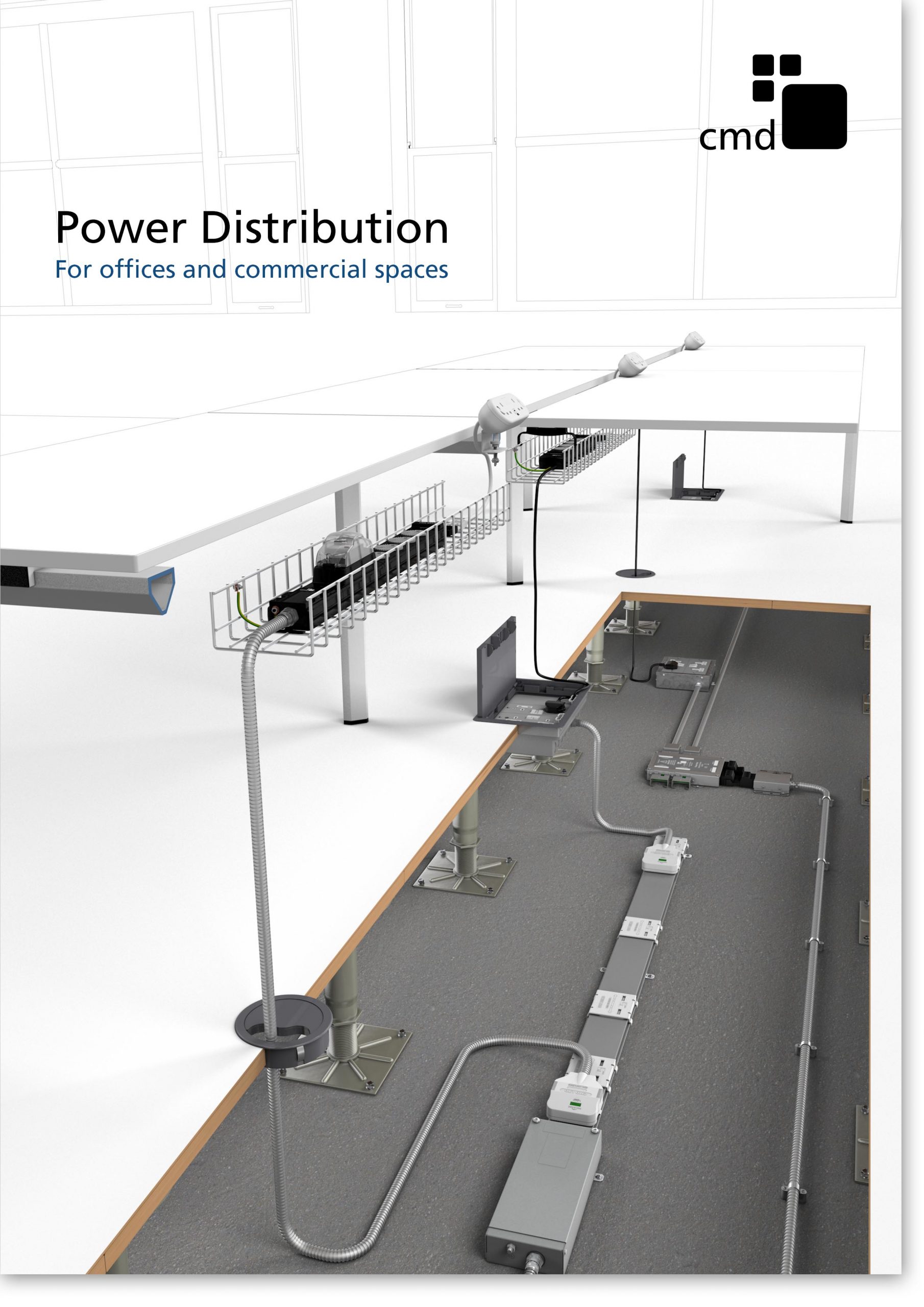
Power Distribution Catalogue
CMD Ltd PLAYS ESSENTIAL ROLE IN ELECTRICAL FIT OUT AT LONDON’S PRESTIGIOUS OFFICE DEVELOPMENT

CMD Ltd, specialist in workplace connectivity and ergonomic solutions, has provided a flexible and high-quality power distribution network for The Ray, a prestigious office development in London’s Farringdon. Well-known for being the former site of The Guardian newspaper, The Ray now stands as an 83,000ft² office development characterised by a modernised warehouse aesthetic, with level two now occupied by a global social media company. The...

Read more

The Ray
CMD plugs in to european opportunity with Schuko Capsule unit launch

CMD Ltd, the specialist in power and connectivity solutions for commercial environments, has launched a Schuko version of its popular fixed format Capsule workstation power module for export to mainland Europe and beyond. A popular on desk power module comprising two sockets and dual USB (type A and C) chargers, CMD’s Capsule unit is already widely specified in the UK as an off-the-shelf workstation power...

Read more
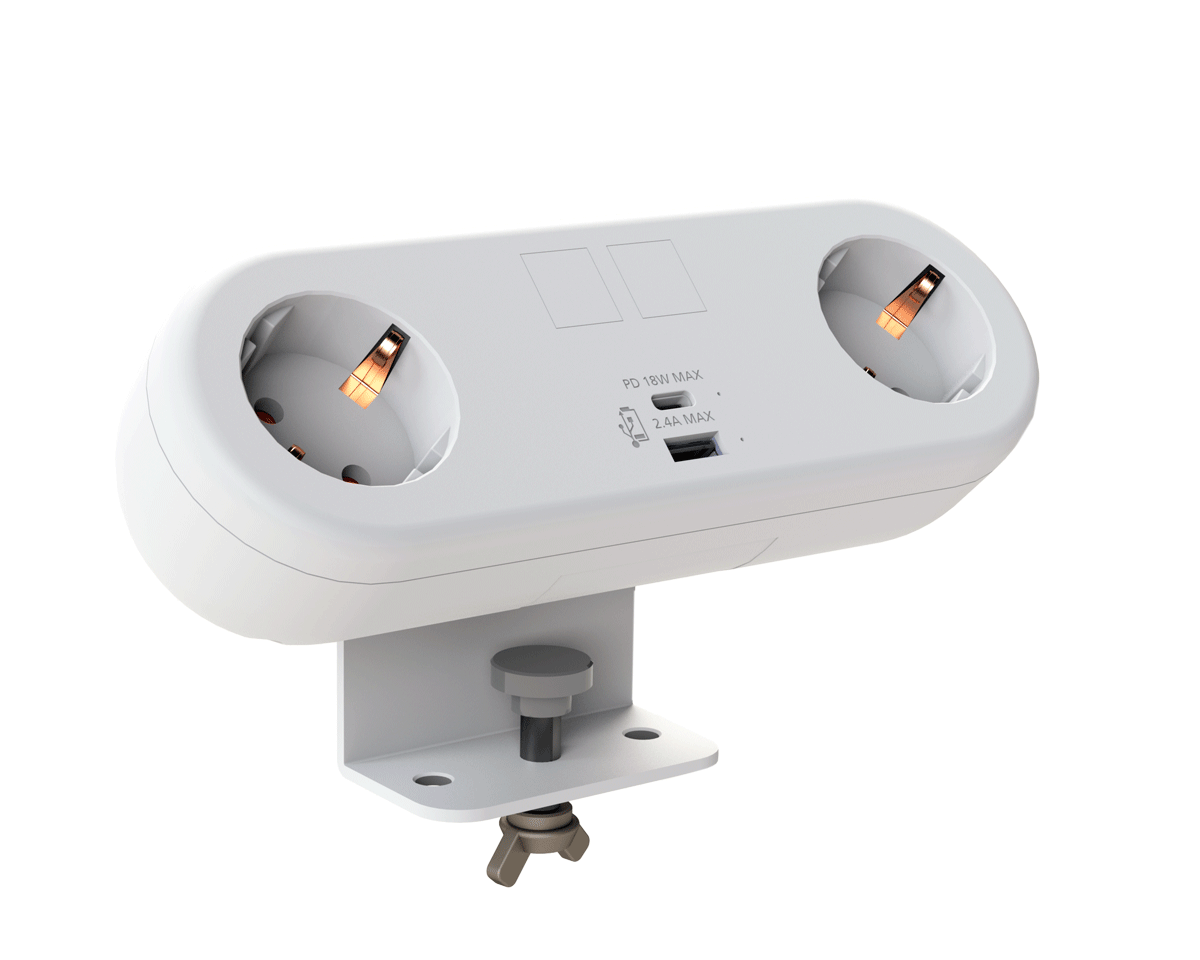
CMD White Schuko Capsule Desk Power Module
CMD LTD EXTENDS MONITOR ARM RANGE WITH THE LAUNCH OF REACH PLUS

CMD Ltd, the specialist in ergonomic and connectivity solutions for commercial interiors, has completed its Reach monitor arm range with the launch of the Reach Plus. Available in single or dual screen options, the Reach Plus has been designed to provide an ideal solution for both single and dual screen workstation configurations, or can be used with next generation of large format curved screens. Suitable...

Read more

CMD Ltd DEMONSTRATES THE ART OF POWER DISTRIBUTION AT THE UNIVERSITY OF WARWICK

CMD Ltd, the specialist in workplace connectivity and ergonomic solutions, has provided Betatrak busbar power distribution and a range of electrical accessories for two major capital investment projects at the University of Warwick. Designed by Fielden Clegg Bradley Studios, the £33 million Faculty of Arts building is a showpiece development comprising four interconnected structures set around a central atrium, which will enable inter-disciplinary collaboration across...

Read more

University of Warwick
CMD BRINGS HARMONY TO COVENTRY UNIVERSITY RESEARCH FACILITIES

CMD Ltd, the specialist in power distribution solutions and workstation power and ergonomics, has provided under desk and on desk power modules for the refurbishment of three Coventry University research buildings. Located on Coventry University Technology Park, a business park designed to encourage collaboration between the university and knowledge-based businesses, the three buildings are being repurposed as office accommodation for university research teams. The refurbishment...

Read more

Coventry University

How to Choose the Best Cleanroom Floor Drain for Your Facility?

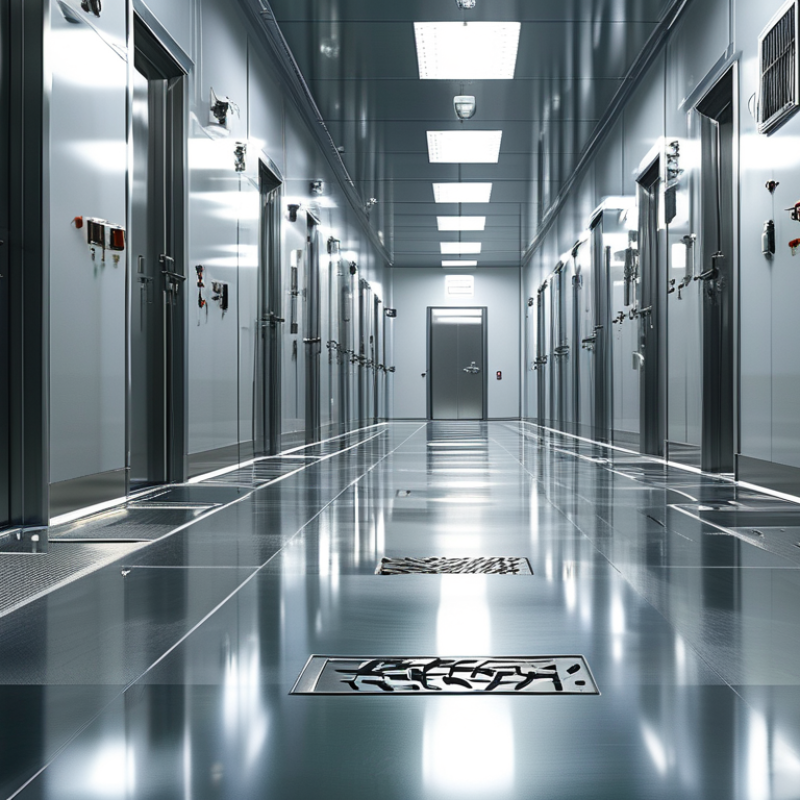
Selecting the right Cleanroom Floor Drain is crucial for maintaining a sterile environment. A well-chosen drain ensures seamless drainage while preventing contamination. It’s essential to recognize the unique needs of your facility. Cleanroom environments vary widely, with specific demands based on the industry and processes involved.

Different materials and designs serve various functions. Some drains are made from stainless steel, while others may use polymer materials. The choices can impact durability and cleanliness. Consider how easy the drain is to clean. Maintenance can often be overlooked, leading to potential issues. An improperly maintained drain can compromise the entire cleanroom's integrity.

Don't forget to think about installation. Some drains may require more complex setups, which can increase costs and labor. Also, you must evaluate the drain's performance ratings. These insights are vital for informed decision-making. A thorough understanding can help in avoiding common pitfalls, ensuring the selected Cleanroom Floor Drain meets both regulatory standards and your facility's specific needs.

How to Choose the Best Cleanroom Floor Drain for Your Facility?

Understanding Cleanroom Requirements and Standards

When selecting the best cleanroom floor drain, understanding cleanroom requirements is paramount. Cleanrooms must adhere to stringent standards for particle control, airflow, and cleanliness. According to ISO 14644, the classification of cleanrooms is based on the number of particles per cubic meter. Ensuring that floor drains meet these standards is crucial in maintaining the desired environment.

Floor drains in cleanrooms must be designed for easy cleaning and minimal contamination risk. Reports indicate that a well-designed drainage system can reduce the risk of microbial growth. Stainless steel is often preferred for its durability and resistance to corrosion. However, not all stainless steel drains are created equal. Some may not withstand the frequent cleaning required in cleanroom settings, leading to oversight in maintenance practices.

While many engineers focus on materials and design, they may overlook the importance of proper slope and placement. A poorly positioned drain could create puddles, fostering particle accumulation. Inadequate slope can lead to standing water, a concern for cleanrooms with strict humidity control. A thoughtful approach to placing drains can further enhance compliance and operational efficiency. It’s vital to frequently review and adapt drainage systems to stay aligned with evolving cleanroom standards and practices.

Evaluating Different Types of Cleanroom Floor Drains

When considering cleanroom floor drains, several factors must be evaluated. The type of drain is crucial. Some facilities may require grating systems, while others might need point drains. Data from the International Society for Pharmaceutical Engineering (ISPE) suggests that approximately 70% of contamination occurs at the point of drainage. This highlights the importance of selecting an appropriate drainage system.

Material choice also plays a significant role. Stainless steel is a common option due to its durability and resistance to corrosion. A study by the Cleanroom Technology magazine indicated that about 40% of cleanroom contamination comes from materials that degrade over time. This statistic emphasizes the need for reliable materials that can withstand the demanding environment of a cleanroom.

Hydraulic efficiency should not be overlooked. Drains must effectively manage water without creating puddles. Research shows that poorly designed drainage systems can lead to “trapped” water, which may foster microbial growth. It’s essential to consider both performance and maintenance when selecting a drain. Understanding these key factors can lead to better cleanliness standards and enhance operational efficiency in cleanroom environments.

Comparative Analysis of Cleanroom Floor Drain Types

Key Factors to Consider When Choosing Floor Drains

When selecting a cleanroom floor drain, a few key factors stand out. The material of the drain is critical. Stainless steel is often preferred for its durability and resistance to corrosion. However, it's more expensive. Plastic options may seem cost-effective, but they often lack longevity.

Another important consideration is the drain's design. Proper drainage flow is essential to prevent pooling. Look for models that facilitate smooth water movement. This helps maintain a clean surface in sensitive environments. Additionally, think about maintenance. Some designs are easier to clean than others. Regular upkeep can be a significant time commitment.

Lastly, compatibility with your facility's workflow is vital. The chosen drain should meet both industry standards and specific operational needs. Ignoring these factors can lead to costly mistakes. Balancing cost with functionality often requires careful thought, but it is necessary for long-term success.

How to Choose the Best Cleanroom Floor Drain for Your Facility? - Key Factors to Consider When Choosing Floor Drains

Factor Description Importance Level Recommended Material
Drain Size Select a size that accommodates the expected flow of liquids. High Stainless Steel
Design Type Choose between trench, point, or channel drains based on layout. Medium Polymer Concrete
Ease of Cleaning Opt for designs that allow for easy access and maintenance. High Stainless Steel
Chemical Resistance Ensure materials can withstand corrosive substances used in cleanrooms. High Epoxy Coated Steel
Installation Flexibility Look for designs that facilitate various installation scenarios. Medium Plastic
Drainage Capacity Evaluate the drain's ability to handle the maximum expected flow. Very High Stainless Steel

Comparing Materials and Their Impact on Sanitization

Choosing the right cleanroom floor drain involves careful consideration of materials. Different materials interact with sanitization processes in unique ways. Stainless steel drains are popular due to their durability and ease of cleaning. However, they may show wear and tear over time. On the other hand, plastic drains can resist corrosion but may not hold up under heavy loads.

When assessing drain materials, think about how they connect with your overall cleaning strategy. Regular maintenance is crucial. Any drain can become a breeding ground for contaminants if not properly maintained. Regular inspections ensure drains function optimally.

Tips for choosing the right material include assessing your facility's specific needs. Consider the type of chemicals used and the required sanitation processes. Opt for materials that can withstand frequent cleaning cycles. Always stay informed about the latest recommendations for your industry. This knowledge aids in making informed decisions that enhance your cleanroom environment.

Installation and Maintenance Considerations for Cleanroom Drains

When it comes to cleanroom drains, installation and maintenance are critical factors. The choice of material affects both performance and longevity. Stainless steel is commonly used due to its resistance to corrosion and ease of cleaning. However, it can be a more expensive option. Make sure the proper slope is maintained during installation to encourage effective drainage. A 1-2% slope is recommended for optimal flow, reducing stagnant areas that can harbor contaminants.

Regular maintenance is essential for cleanroom drains to function properly. It’s important to inspect the drainage system monthly. Dirt and debris can accumulate quickly, leading to blockages. According to industry standards, drains should be cleaned every week to prevent buildup. Innovative solutions, like sediment traps and strainers, improve efficiency but require diligence. Monitor the condition of seals and gaskets, as wear could lead to leaks, undermining your cleanroom’s integrity.

Training staff on maintenance protocols helps sustain cleanroom operations. Guidelines can vary based on facility needs. Overlooking minor maintenance tasks can lead to significant issues later. Keeping records of inspections and repairs also enhances accountability. Cleanroom drains, though often overlooked, play a crucial role in maintaining an uncontaminated environment.