

News

Miro: A New Standard in Responsible Innovation

Miro: A New Standard in Responsible Innovation The Miro monitor arm is setting new benchmarks in sustainability. It offers a high-performance solution without compromising on environmental responsibility. Designed with careful material selection, local sourcing, and longevity in mind, Miro’s responsible approach to design and unique manoeuvrability set it apart from the competition. Sustainable Choices Miro is crafted from energy-efficient materials with a lower carbon impact....

Read more
HSE Advisor

Role Purpose Support in the development, implementation and maintenance of the company’s Health, Safety & Environmental policies, processes, operational procedures, and standards.  Ensuring best practice and championing a continually improving HSE culture within the business. Key Responsibilities Liaise with and provide support to all areas of the business to eliminate, mitigate or reduce identified HSE exposures. Partner with the production management team and team leaders,...

Read more
CMD Ltd LAUNCHES 48-HOUR TURNAROUND ON BETATRAK® RAPID ORDERING SERVICE

CMD Ltd, the specialist in power distribution systems, workstation power and monitor arms, has launched a rapid ordering service for its Betatrak® underfloor powertrack distribution systems and accessories, with a commitment to delivering within 48-hours of an approved purchase order*. The service enables customers to order up to 50 lengths of Standard or Clean Earth (C/E) low noise Betatrak, along with up to 25 feed...

Read more

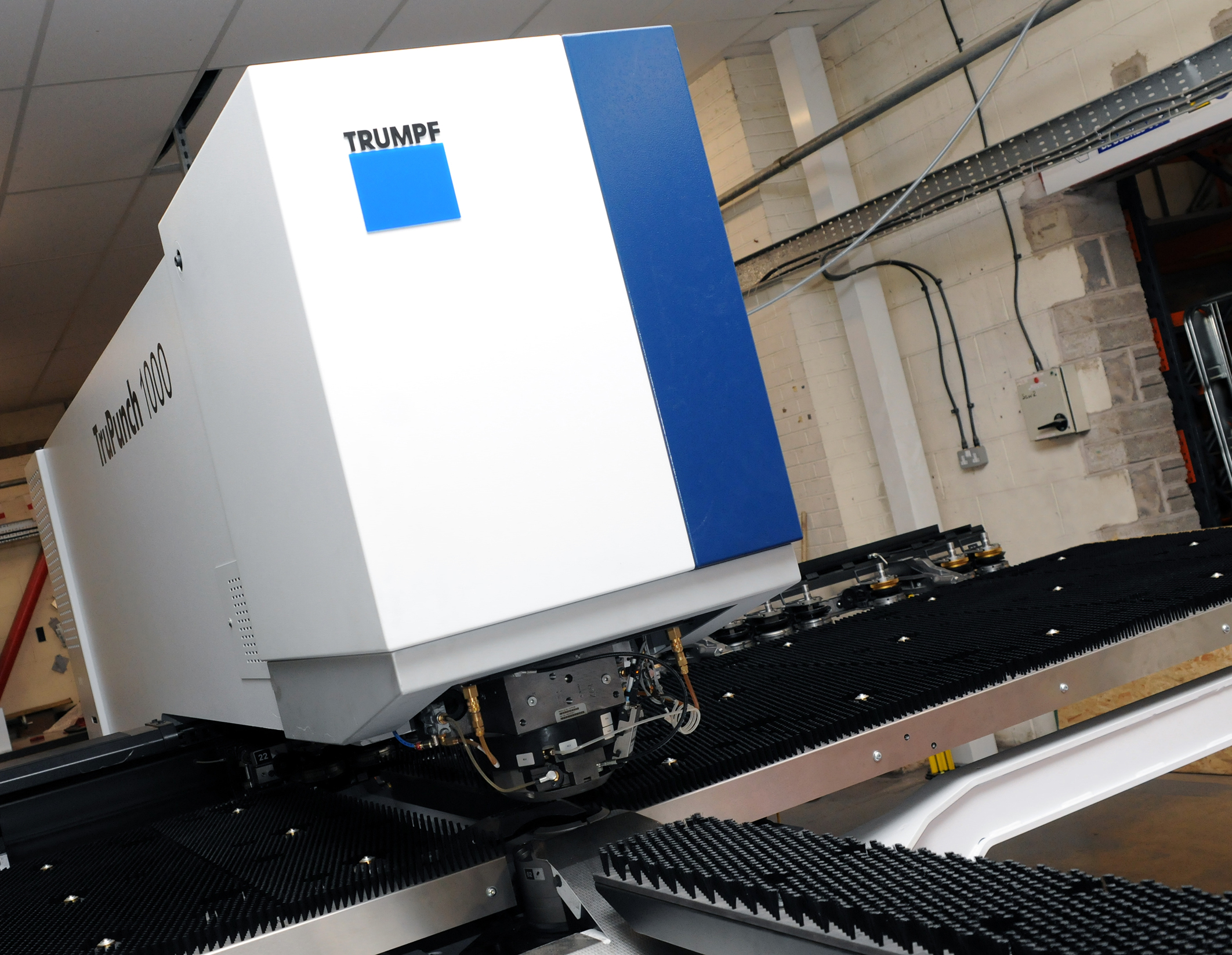
CMD INVESTS £1/4 MILLION IN NEW MACHINE AS PART OF FACTORY UPGRADE

We have invested in a new £1/4m TRUMPF CNC metal punch as part of an asset renewal strategy for our UK manufacturing capability. The new machine will be used in the production of a wide variety of our power distribution systems and workstation power products at our Rotherham factory. Suitable for handling sheet metal between 0.9mm and 3.0mm thick, the new machine will replace one...

Read more
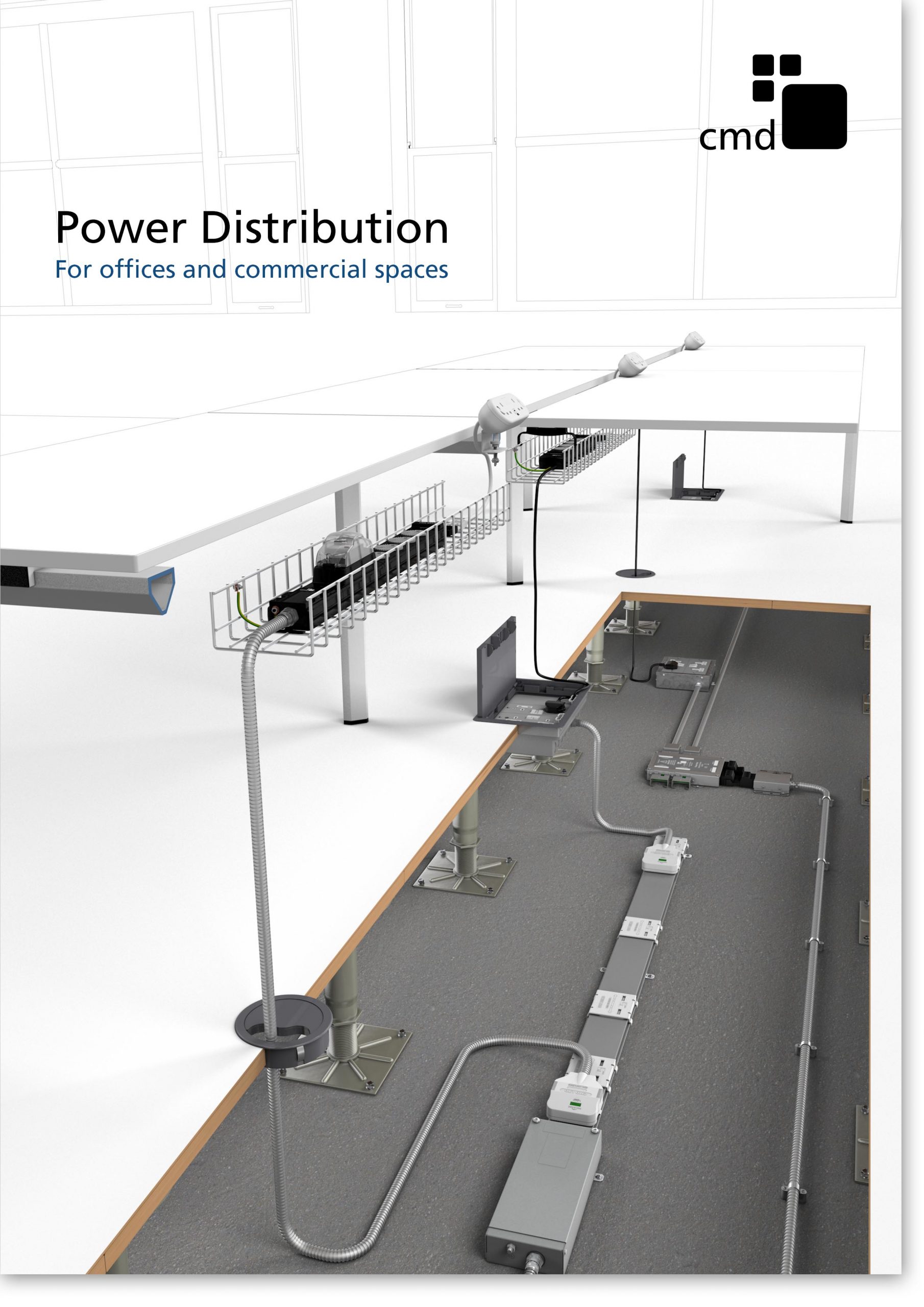
CMD CATALOGUE PROVIDES TECHNICAL POWER DISTRIBUTION GUIDE

CMD Ltd has released a new catalogue, providing an easy to follow technical guide to our power distribution systems and plug and play desk modules. Detailing CMD’s full range of UK-manufactured power distribution systems and plug and play desk modules, the catalogue will be a helpful source of information to M&E engineers and contractors alike to understand how our power distribution systems connect together and...

Read more
Power Distribution Catalogue
CMD Ltd PLAYS ESSENTIAL ROLE IN ELECTRICAL FIT OUT AT LONDON’S PRESTIGIOUS OFFICE DEVELOPMENT

CMD Ltd, specialist in workplace connectivity and ergonomic solutions, has provided a flexible and high-quality power distribution network for The Ray, a prestigious office development in London’s Farringdon. Well-known for being the former site of The Guardian newspaper, The Ray now stands as an 83,000ft² office development characterised by a modernised warehouse aesthetic, with level two now occupied by a global social media company. The...

Read more

The Ray
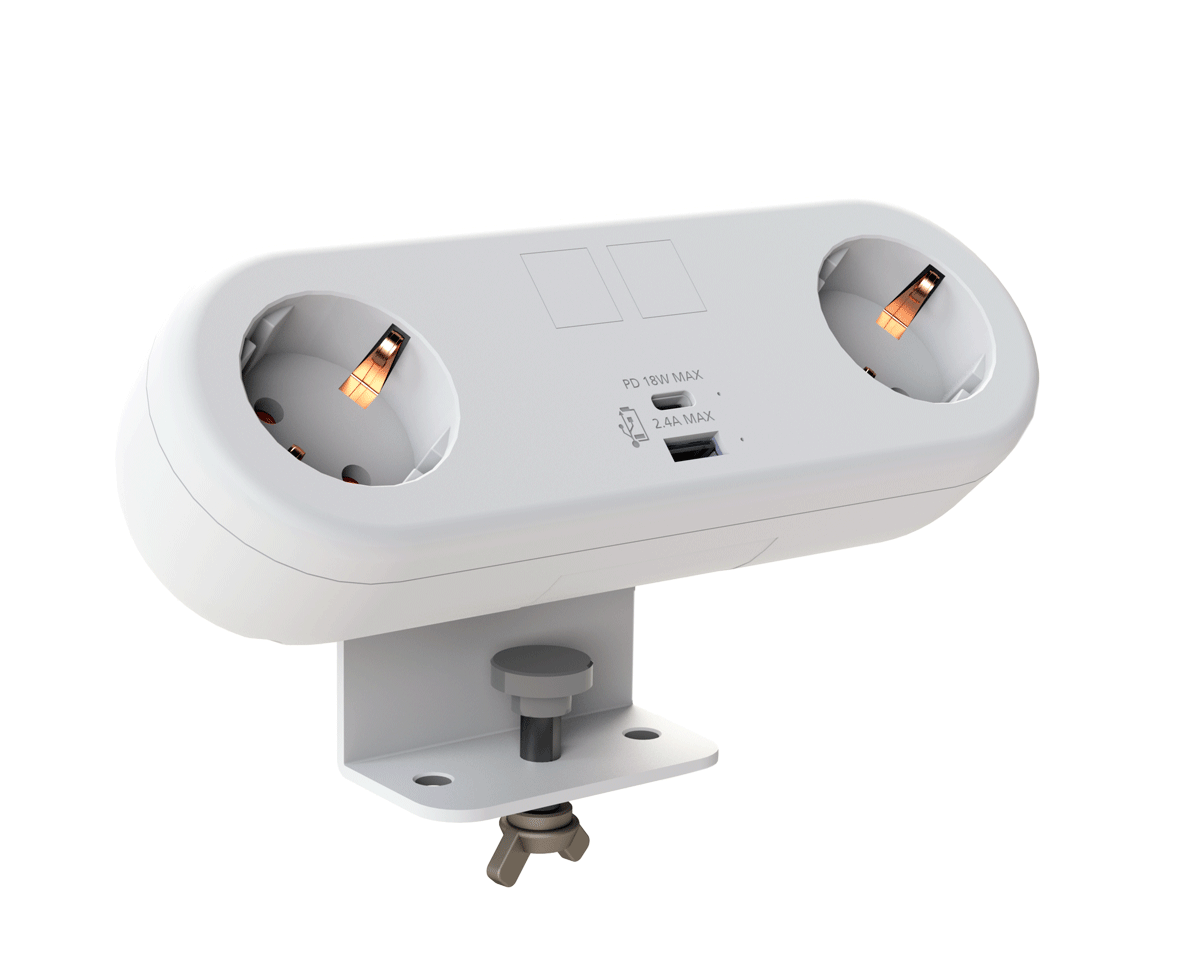
CMD plugs in to european opportunity with Schuko Capsule unit launch

CMD Ltd, the specialist in power and connectivity solutions for commercial environments, has launched a Schuko version of its popular fixed format Capsule workstation power module for export to mainland Europe and beyond. A popular on desk power module comprising two sockets and dual USB (type A and C) chargers, CMD’s Capsule unit is already widely specified in the UK as an off-the-shelf workstation power...

Read more
CMD White Schuko Capsule Desk Power Module
CMD LTD EXTENDS MONITOR ARM RANGE WITH THE LAUNCH OF REACH PLUS

CMD Ltd, the specialist in ergonomic and connectivity solutions for commercial interiors, has completed its Reach monitor arm range with the launch of the Reach Plus. Available in single or dual screen options, the Reach Plus has been designed to provide an ideal solution for both single and dual screen workstation configurations, or can be used with next generation of large format curved screens. Suitable...

Read more

CMD Ltd DEMONSTRATES THE ART OF POWER DISTRIBUTION AT THE UNIVERSITY OF WARWICK

CMD Ltd, the specialist in workplace connectivity and ergonomic solutions, has provided Betatrak busbar power distribution and a range of electrical accessories for two major capital investment projects at the University of Warwick. Designed by Fielden Clegg Bradley Studios, the £33 million Faculty of Arts building is a showpiece development comprising four interconnected structures set around a central atrium, which will enable inter-disciplinary collaboration across...

Read more

University of Warwick
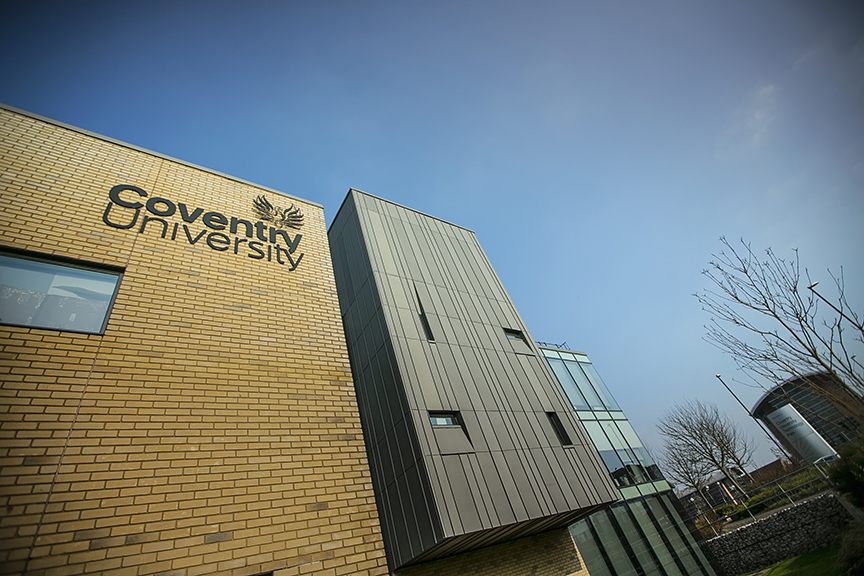
CMD BRINGS HARMONY TO COVENTRY UNIVERSITY RESEARCH FACILITIES

CMD Ltd, the specialist in power distribution solutions and workstation power and ergonomics, has provided under desk and on desk power modules for the refurbishment of three Coventry University research buildings. Located on Coventry University Technology Park, a business park designed to encourage collaboration between the university and knowledge-based businesses, the three buildings are being repurposed as office accommodation for university research teams. The refurbishment...

Read more
Coventry University

Top China Waste to Energy Plant Solutions for Global Buyers?

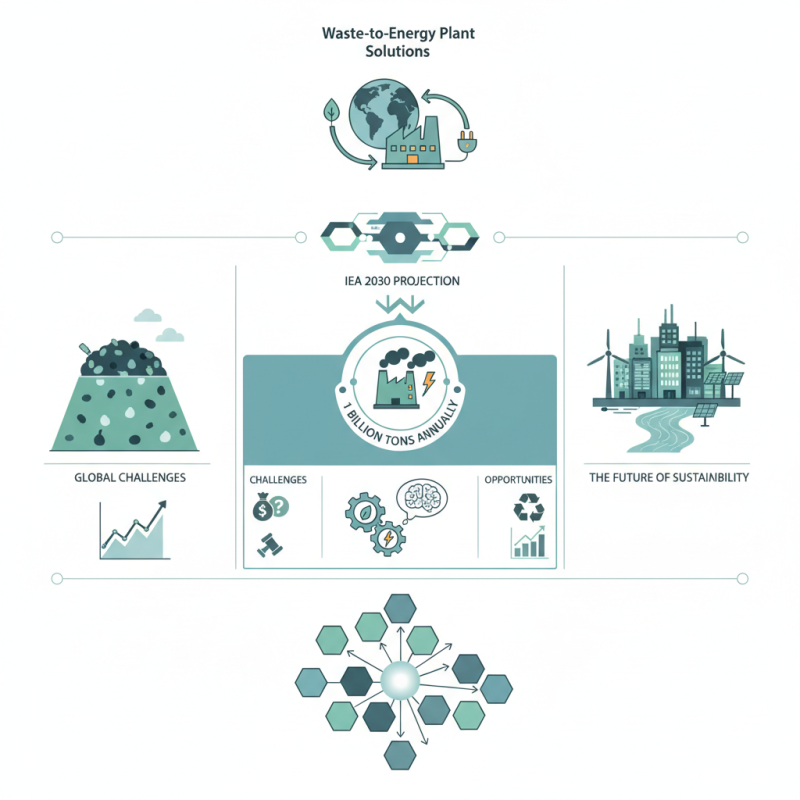
As global waste management challenges intensify, the role of Waste to Energy Plants is increasingly critical. The International Energy Agency (IEA) estimates that by 2030, waste-to-energy technologies could process up to 1 billion tons of waste annually. This transformation not only mitigates landfill overflow but also generates renewable energy. Industry expert Dr. Emily Chen, a leading figure in sustainable waste solutions, states, "Innovative Waste to Energy Plants can turn waste into a resource." Her insights highlight the intersection of sustainability and energy production.

However, despite technological advances, challenges remain. The efficiency of these plants varies significantly across different regions. Some facilities struggle with operational costs and regulatory hurdles while others thrive. There is a pressing need for global buyers to understand the specific capacities and limitations of Waste to Energy Plants. Partnering with the right solutions is essential for maximizing both environmental and economic benefits.

Discussions around these plants often overlook the complexities involved. Some designs may not adapt well to diverse waste types, leading to inefficiencies. As the sector evolves, ongoing research and development are vital for overcoming these obstacles. Only then can Waste to Energy Plants fulfill their promise to create a sustainable future.

Top China Waste to Energy Plant Solutions for Global Buyers?

Top China Waste to Energy Plant Solutions for Global Buyers

China has emerged as a leading player in waste-to-energy plant solutions. These facilities convert organic waste into energy, reducing landfill use. However, not all plants meet international standards. Quality varies, and buyers must conduct thorough research before investing.

The technology used in these plants is diverse. Some utilize advanced incineration methods, while others focus on anaerobic digestion. Each method has its benefits and drawbacks. For example, incineration is efficient but can produce harmful emissions if not properly managed. Anaerobic digestion is cleaner but may offer lower energy yields. Buyers should consider local regulations and environmental impacts.

Choosing the right solution requires expertise. Global buyers should collaborate with experts in waste management. They can offer guidance on sustainable practices and help navigate complex regulations. Additionally, it's essential to visit potential facilities and assess their operations firsthand. This approach will help ensure that the chosen technology aligns with environmental and energy goals.

Overview of Waste to Energy Technology and Its Importance

Waste-to-energy technology plays a crucial role in managing the world’s increasing waste problem. It transforms municipal solid waste into usable energy. This process reduces landfill usage and decreases greenhouse gas emissions. Energy production can take various forms: electricity, heat, or even fuel. Countries are increasingly investing in these technologies. They seek sustainable solutions to waste management challenges.

An effective waste-to-energy plant relies on advanced conversion technology. Incineration is one common method. It burns trash at high temperatures, producing steam to generate electricity. Gasification and anaerobic digestion are other methods gaining popularity. Each has unique benefits and drawbacks, which may not fit every community. Local needs and regulations often shape the decision.

However, not all waste-to-energy projects are perfect. Public acceptance can be a challenge. Some communities worry about emissions and environmental impact. Additionally, the initial investment for these facilities is significant. Long-term success requires ongoing evaluation and adaptation. Establishing transparent communication with the public can help build trust. This is vital for the sustained evolution of waste-to-energy solutions.

Key Players in China's Waste to Energy Sector

The waste-to-energy sector in China is rapidly evolving, driven by technology advancements and stricter environmental regulations. As of 2022, there were over 400 waste-to-energy plants operational across the country. This number reflects China's commitment to managing urban waste effectively. Yet, challenges remain, particularly regarding efficiency and emissions.

Key players in this sector include several domestic companies that have made significant strides. They focus on innovative technologies to improve energy recovery rates. Reports indicate that the average energy recovery in Chinese plants is around 400 kWh per ton of waste. However, some plants still lag, recovering only about 250 kWh per ton. This disparity highlights the need for ongoing technological investment and shared best practices.

Despite the growth, the sector faces hurdles in public perception and regulatory compliance. Transparency in operations can boost trust among communities. In some regions, waste-to-energy projects receive local resistance due to concerns over pollution. Regular assessments and engagement with residents can mitigate these issues. Continued innovation and collaboration among stakeholders will be crucial for future success in the waste-to-energy landscape in China.

Innovative Technologies in Waste to Energy Plants in China

China is transforming waste management through innovative waste-to-energy technologies. Many Chinese plants use advanced incineration and gasification methods. These technologies help reduce waste volume while generating energy. The integration of automation and real-time monitoring enhances efficiency. These innovations attract global buyers seeking reliable solutions.

When considering investment in waste-to-energy technologies, it's crucial to analyze local regulations. Each region has unique guidelines affecting project feasibility. Collaborating with local experts can illuminate potential challenges and streamline processes. Conducting thorough research before making decisions is essential.

Investors should also ask about the technology's scalability. Some systems may excel at small scales but struggle with larger operations. Monitoring performance post-installation is vital for long-term success. Engaging with operators can provide insights into best practices and maintenance needs. Exploring case studies can shed light on practical applications and potential issues.

Case Studies of Successful Waste to Energy Projects in China

China has emerged as a leader in waste-to-energy (WTE) technology. Several successful projects showcase innovative approaches. For instance, a plant in a coastal city processes over 1,000 tons of waste daily. This plant uses advanced incineration techniques. The energy generated powers thousands of homes. Local communities see reduced landfill use and cleaner surroundings.

Another project, located in an industrial area, features modular units. These units can be quickly deployed and scaled. They convert waste to energy efficiently, reducing greenhouse gas emissions. The emphasis on local waste management is crucial. Community involvement is often lacking. Education about the benefits of WTE is vital for acceptance. Engaging residents in discussions has proven beneficial.

However, challenges remain. Some projects faced technical hurdles during implementation. Public skepticism about emissions and pollution persists. Addressing these concerns is essential for future development. Transparency in operations can build trust. As China continues to expand its WTE initiatives, global buyers are paying attention. They see potential for collaboration in sustainable waste management.

Top China Waste to Energy Plant Solutions for Global Buyers

Project Location Annual Waste Processed (tons) Energy Output (MW) Technology Used Completion Year
Beijing 500,000 75 Incineration 2020
Shanghai 300,000 45 Gasification 2019
Guangzhou 600,000 90 Incineration 2021
Shenzhen 400,000 60 Anaerobic Digestion 2018
Suzhou 250,000 40 Incineration 2017

Conclusion

The article explores the growing importance of Waste to Energy Plant solutions, particularly in China, which has emerged as a leader in this sector. It provides an overview of the technology involved in converting waste into energy, highlighting its environmental and economic benefits. Key players in China's waste to energy industry are analyzed, showcasing their innovative approaches and contributions to sustainable development.

Additionally, the article presents case studies of successful waste to energy projects in China, illustrating how these solutions can effectively manage waste while generating renewable energy. For global buyers, the article emphasizes critical considerations in selecting waste to energy solutions that align with their operational goals and sustainability objectives. Overall, the focus remains on the transformative potential of Waste to Energy Plants in addressing global waste management and energy needs.