
News

Miro: A New Standard in Responsible Innovation

Miro: A New Standard in Responsible Innovation The Miro monitor arm is setting new benchmarks in sustainability. It offers a high-performance solution without compromising on environmental responsibility. Designed with careful material selection, local sourcing, and longevity in mind, Miro’s responsible approach to design and unique manoeuvrability set it apart from the competition. Sustainable Choices Miro is crafted from energy-efficient materials with a lower carbon impact....

Read more
HSE Advisor

Role Purpose Support in the development, implementation and maintenance of the company’s Health, Safety & Environmental policies, processes, operational procedures, and standards.  Ensuring best practice and championing a continually improving HSE culture within the business. Key Responsibilities Liaise with and provide support to all areas of the business to eliminate, mitigate or reduce identified HSE exposures. Partner with the production management team and team leaders,...

Read more
CMD Ltd LAUNCHES 48-HOUR TURNAROUND ON BETATRAK® RAPID ORDERING SERVICE

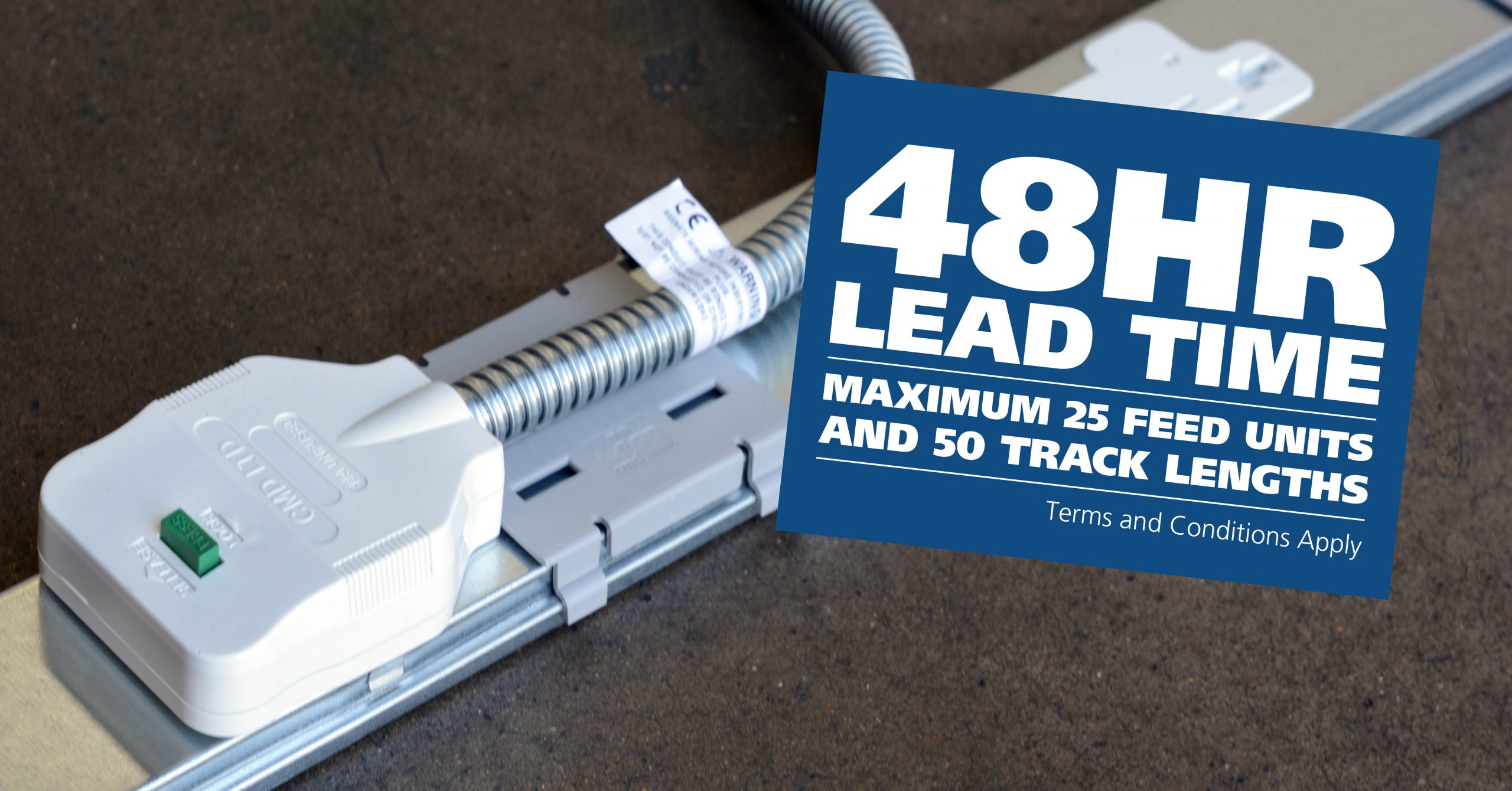
CMD Ltd, the specialist in power distribution systems, workstation power and monitor arms, has launched a rapid ordering service for its Betatrak® underfloor powertrack distribution systems and accessories, with a commitment to delivering within 48-hours of an approved purchase order*. The service enables customers to order up to 50 lengths of Standard or Clean Earth (C/E) low noise Betatrak, along with up to 25 feed...

Read more
CMD INVESTS £1/4 MILLION IN NEW MACHINE AS PART OF FACTORY UPGRADE

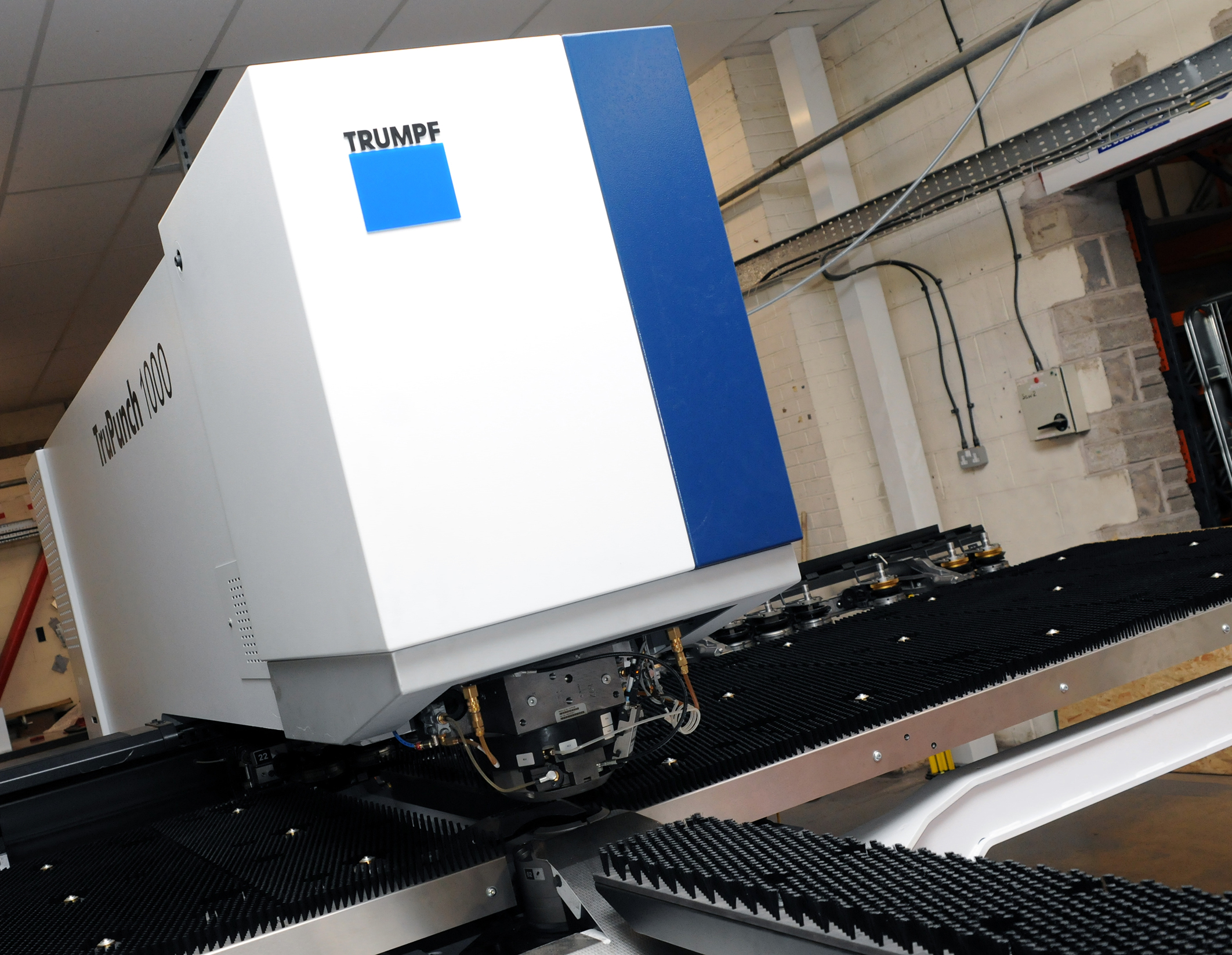
We have invested in a new £1/4m TRUMPF CNC metal punch as part of an asset renewal strategy for our UK manufacturing capability. The new machine will be used in the production of a wide variety of our power distribution systems and workstation power products at our Rotherham factory. Suitable for handling sheet metal between 0.9mm and 3.0mm thick, the new machine will replace one...

Read more
CMD CATALOGUE PROVIDES TECHNICAL POWER DISTRIBUTION GUIDE

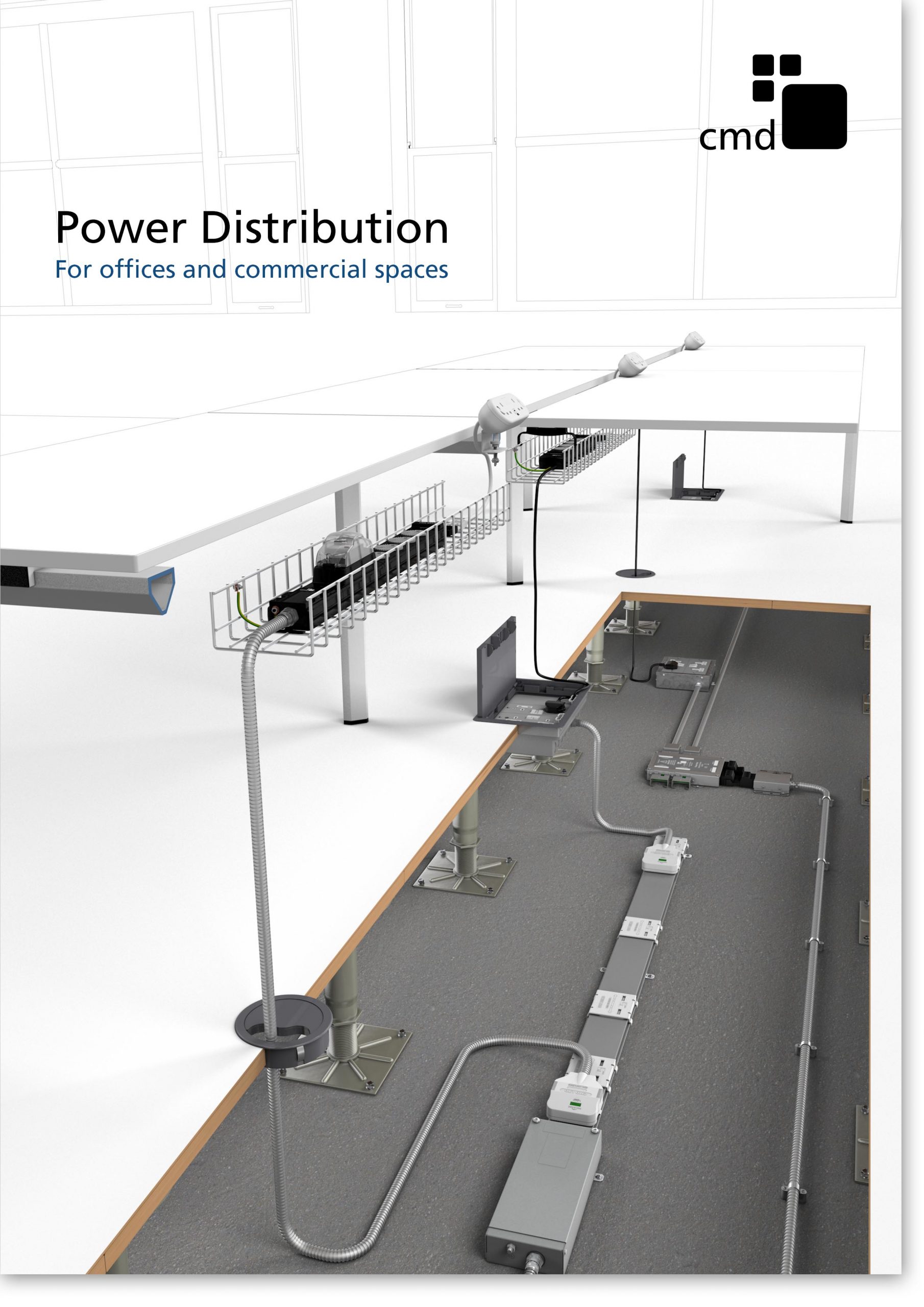
CMD Ltd has released a new catalogue, providing an easy to follow technical guide to our power distribution systems and plug and play desk modules. Detailing CMD’s full range of UK-manufactured power distribution systems and plug and play desk modules, the catalogue will be a helpful source of information to M&E engineers and contractors alike to understand how our power distribution systems connect together and...

Read more
Power Distribution Catalogue
CMD Ltd PLAYS ESSENTIAL ROLE IN ELECTRICAL FIT OUT AT LONDON’S PRESTIGIOUS OFFICE DEVELOPMENT

CMD Ltd, specialist in workplace connectivity and ergonomic solutions, has provided a flexible and high-quality power distribution network for The Ray, a prestigious office development in London’s Farringdon. Well-known for being the former site of The Guardian newspaper, The Ray now stands as an 83,000ft² office development characterised by a modernised warehouse aesthetic, with level two now occupied by a global social media company. The...

Read more

The Ray
CMD plugs in to european opportunity with Schuko Capsule unit launch

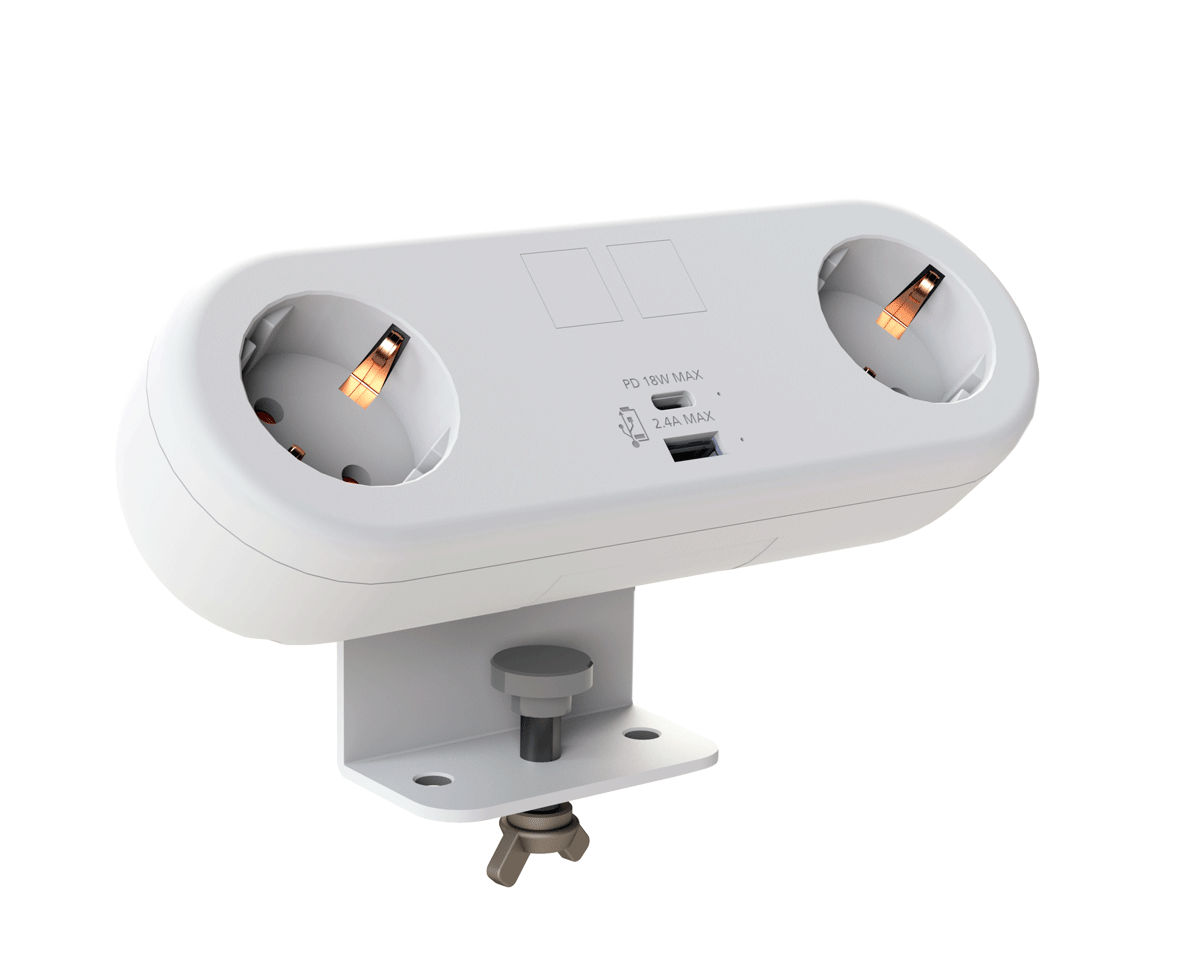
CMD Ltd, the specialist in power and connectivity solutions for commercial environments, has launched a Schuko version of its popular fixed format Capsule workstation power module for export to mainland Europe and beyond. A popular on desk power module comprising two sockets and dual USB (type A and C) chargers, CMD’s Capsule unit is already widely specified in the UK as an off-the-shelf workstation power...

Read more
CMD White Schuko Capsule Desk Power Module
CMD LTD EXTENDS MONITOR ARM RANGE WITH THE LAUNCH OF REACH PLUS

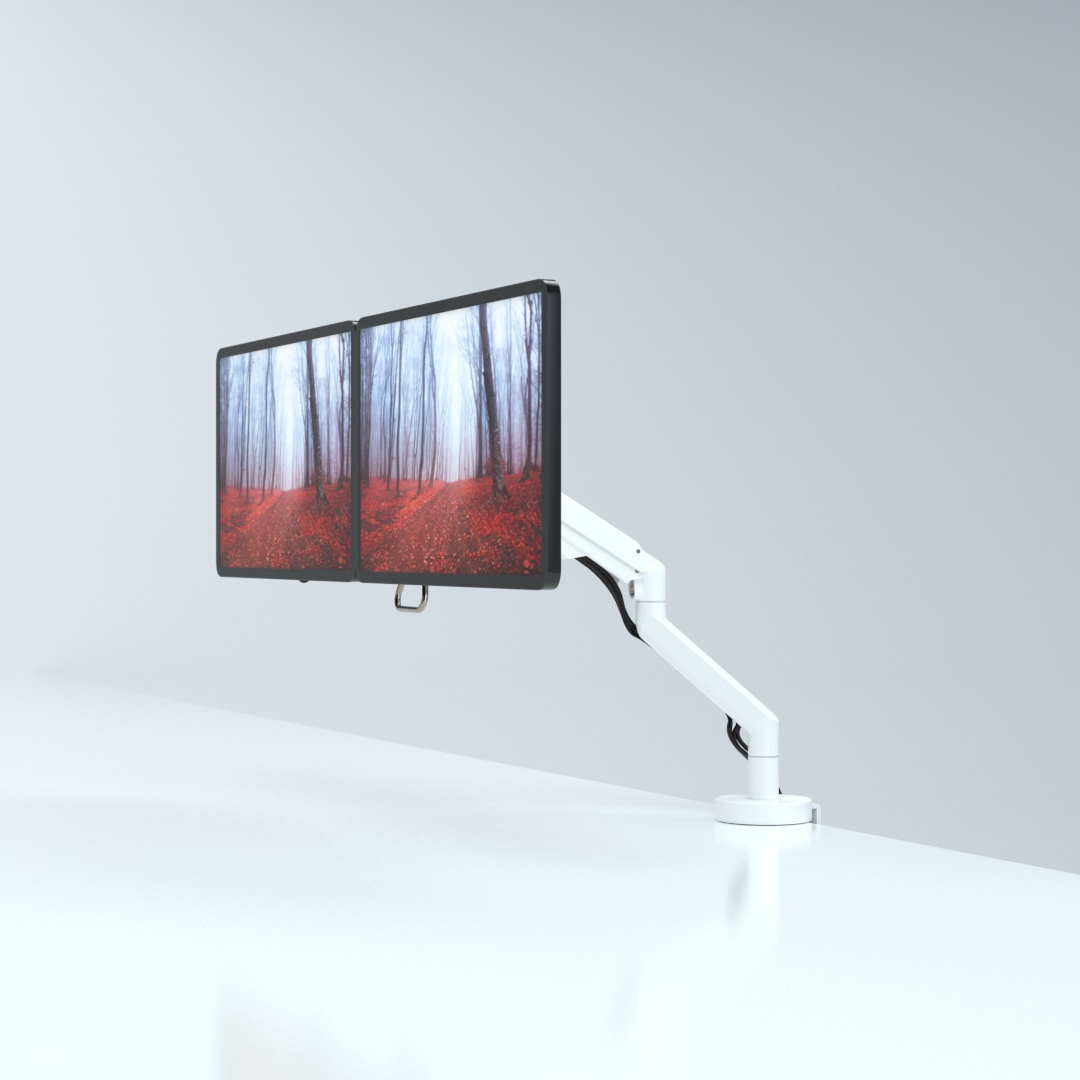
CMD Ltd, the specialist in ergonomic and connectivity solutions for commercial interiors, has completed its Reach monitor arm range with the launch of the Reach Plus. Available in single or dual screen options, the Reach Plus has been designed to provide an ideal solution for both single and dual screen workstation configurations, or can be used with next generation of large format curved screens. Suitable...

Read more
CMD Ltd DEMONSTRATES THE ART OF POWER DISTRIBUTION AT THE UNIVERSITY OF WARWICK

CMD Ltd, the specialist in workplace connectivity and ergonomic solutions, has provided Betatrak busbar power distribution and a range of electrical accessories for two major capital investment projects at the University of Warwick. Designed by Fielden Clegg Bradley Studios, the £33 million Faculty of Arts building is a showpiece development comprising four interconnected structures set around a central atrium, which will enable inter-disciplinary collaboration across...

Read more

University of Warwick
CMD BRINGS HARMONY TO COVENTRY UNIVERSITY RESEARCH FACILITIES

CMD Ltd, the specialist in power distribution solutions and workstation power and ergonomics, has provided under desk and on desk power modules for the refurbishment of three Coventry University research buildings. Located on Coventry University Technology Park, a business park designed to encourage collaboration between the university and knowledge-based businesses, the three buildings are being repurposed as office accommodation for university research teams. The refurbishment...

Read more

Coventry University

China Top In Desk Power Modules for Global Buyers?

For global buyers, China’s in desk power modules offer a practical blend of compact design, flexible configuration, and competitive manufacturing. These units can place AC outlets, USB-C charging, wireless charging, and data connections within easy reach. Picture a conference table with fewer loose cables and a cleaner working surface. That small improvement can influence daily productivity.

However, product selection requires more than comparing prices. Buyers should examine rated power, socket standards, surge protection, heat management, cable routing, surface thickness, and installation access. Factory experience matters too. A supplier should provide test records, clear specifications, stable component sourcing, and responsive after-sales support. Certifications must also match the destination market. A familiar logo alone proves little.

Power-electronics expert Dr. Alex Lidow has often emphasized a practical design truth: “Power conversion is always a compromise between efficiency, cost, size, and reliability.” That principle applies directly to in desk power modules. A thinner unit may simplify installation, yet offer less internal space for cooling. A high-output USB-C port may increase usefulness, but also raise thermal demands. No single module is perfect.

This guide examines leading Chinese suppliers for global buyers. It considers product engineering, customization, manufacturing consistency, documentation, and long-term support. Samples should be tested in real desks, not only reviewed in catalogues. Even careful comparisons can miss small issues, such as a stiff hinge or a short cable. Those details deserve attention before large orders begin.

China Top In Desk Power Modules for Global Buyers?

China’s In-Desk Power Module Market: 2024 Demand and 2030 Growth

China Top In-Desk Power Modules for Global Buyers?

China’s in-desk power module market gained practical momentum in 2024. Office renovations, flexible seating, and compact home workstations supported demand. Buyers increasingly want AC outlets, USB-C charging, cable access, and safe installation in one unit. In supplier discussions, common questions involved load ratings, cutout dimensions, heat control, and replacement parts. These details matter more than polished product photos.

Through 2030, growth should come from commercial fit-outs, education projects, hospitality, and denser work areas. China’s manufacturing base supports customization, short sampling cycles, and varied surface finishes. Yet growth will not be automatic. Compliance expectations, inconsistent component quality, and weak after-sales support may delay projects. A module that works on a test bench can fail after months of dust, repeated plugging, or careless cable pulling. Buyers should verify test records, material specifications, and production consistency before placing volume orders. Public forecasts differ, so treat CAGR claims as estimates, not guarantees.

Tips: Request a sample using your actual desk thickness and cable layout. Check socket standards for each destination market. Ask about thermal protection, grounding details, warranty terms, and spare-unit availability. Keep a written inspection checklist. It sounds basic. It prevents expensive surprises. Also, review packaging strength, because damaged corners can turn a good shipment into costly rework.

Chinese Supplier Standards: IEC 62368-1, UL 962, CE, and RoHS Compliance

China Top In Desk Power Modules for Global Buyers?

For global buyers, supplier compliance should guide every in-desk power module decision. IEC 62368-1 evaluates safety for audio, video, information, and communication technology equipment. It addresses electric shock, fire, energy hazards, insulation, and abnormal operation. Ask for a current test report, not only a certificate image. Documentation matters.

UL 962 is highly relevant to power modules integrated into household or commercial furnishings. Buyers should confirm that the tested construction matches the offered model, socket layout, enclosure, wiring, and mounting method. A small design change can affect certification scope. That gap is easy to miss. Request the certification file, critical component list, and production inspection records before approval.

CE marking indicates conformity with applicable European Union requirements, while RoHS controls restricted substances in electrical and electronic products. CE is not a universal safety certificate. Suppliers should provide the Declaration of Conformity, applicable standards, risk assessment, and technical documentation. RoHS evidence should include material declarations or reliable laboratory testing for cables, plastics, solder, and surface coatings. During sample checks, inspect grounding continuity, cable strain relief, screw torque, and heat around USB charging ports. These details often reveal manufacturing weaknesses. Even experienced buyers can overtrust polished paperwork. Independent verification and a pre-shipment inspection remain sensible for each production batch.

Key Specifications: USB-C PD 3.1 up to 240W and 100–240V Input

China’s top in-desk power modules are increasingly judged by electrical performance, not appearance alone. USB-IF’s USB Power Delivery 3.1 specification raises the Extended Power Range ceiling to 240W. That capacity can support powerful laptops, monitors, and compact workstation equipment through one USB-C port. However, 240W is a maximum capability, not a constant output promise. Cable rating, thermal design, and device negotiation still matter.

The 100–240V input range suits offices across different regions and reduces procurement complexity. It also requires careful protection against overvoltage, overload, short circuits, and abnormal temperature. IEC 62368-1 provides a relevant safety framework for information and communication technology equipment. Buyers should request test evidence, insulation details, and continuous-load results. Do not trust a label alone.

A 2024 Grand View Research assessment identifies continued expansion in the global USB charger market, driven by USB-C adoption and higher charging demand. The report supports the trend, but market growth does not guarantee reliable modules. In practical evaluations, I would check output stability at 20V, 28V, and 48V profiles. I would also inspect heat around the desk cutout after several hours. Small details matter.

One issue is easy to miss. A module may reach 240W briefly but perform less consistently in a crowded enclosure. That weakness deserves honest testing. Global buyers should compare efficiency, standby consumption, connector durability, certifications, and supplier quality records before approving production samples.

China Top In-Desk Power Modules for Global Buyers

USB-C PD 3.1 supports standardized Extended Power Range (EPR) levels up to 240W, while universal AC input commonly covers 100–240V for global deployment.

Maximum output values shown are based on common USB Power Delivery fixed voltage levels: up to 3A for Standard Power Range and up to 5A for Extended Power Range with a suitable electronically marked cable.

Supplier Comparison: MOQ, ISO 9001, 1,000V Hi-Pot Testing, and Warranty

For global buyers, comparing China-based in-desk power module suppliers requires more than checking unit price.

MOQ often ranges from 50 to 500 units, depending on tooling, sockets, finishes, and firmware. Ask for sample pricing separately. A low MOQ may hide higher engineering fees. It may also limit customization.

ISO 9001 matters, but certification alone proves little about electrical safety.

The ISO Survey 2022 recorded more than 1.2 million ISO 9001 certificates worldwide, making supplier verification essential. Request the current certificate, issuing body, scope, and factory address.

Then review incoming inspection records, calibration dates, and corrective-action reports. Small details matter. I would not treat a certificate PDF as final evidence.

A 1,000V hi-pot test should specify voltage type, test duration, leakage limit, and test points.

IEC 60664-1 addresses insulation coordination, while IEC 62368-1 applies risk-based safety principles to many equipment categories. Neither automatically makes every module a 1,000V product.

Request batch-level test logs, not only a factory declaration. A practical acceptance check can include visual inspection, grounding continuity, USB load testing, and a 30-minute power-up cycle.

Warranty offers commonly span 12 to 24 months, but buyers should define exclusions, response time, replacement procedures, and freight responsibility. The weak point is often after-sales handling, not the first shipment.

Global Buyer Checklist: Safety Certifications, Lead Times, Incoterms, and QC

China Top In-Desk Power Modules for Global Buyers

A reliable buying checklist starts with safety, not appearance. Ask suppliers which certifications apply in your destination market. Request current test reports, declarations, wiring diagrams, and product labels. Check voltage, frequency, grounding, overload protection, and fire-resistant materials. Certification marks alone are not enough. Documents may be incomplete or outdated.

Lead times need written definitions. Confirm sample time, production time, inspection time, and shipping time separately. A supplier may quote 20 days, excluding component shortages and port delays. Ask for a production schedule with milestone dates. Also clarify Incoterms, such as FOB, CIF, or DDP, because cost, insurance, customs duties, and risk transfer differ. Never compare two prices without comparing their delivery terms.

Quality control should use a signed golden sample. Inspect socket alignment, cable length, USB output, surface finish, and screw torque. For larger orders, require incoming inspection, assembly checks, functional testing, and random carton inspection. A short burn-in test can reveal unstable modules, but it cannot predict every field failure. Request batch numbers and defect records for traceability. I have found that buyers often focus on unit price and overlook packaging damage, replacement procedures, or spare parts. That is a costly gap. Ask for corrective-action reports when defects appear. Do not accept vague promises.

China Top In-Desk Power Modules for Global Buyers — Global Buyer Checklist: Safety Certifications, Lead Times, Incoterms, and QC
Checklist Dimension Buyer Requirement Practical Specification or Benchmark Documents or Evidence to Request Risk-Control Note
Product Configuration Specify the exact in-desk power module design before quotation. Desktop or conference-table installation; AC outlets, USB Type-C Power Delivery, USB charging ports, data or multimedia ports, cable length, cut-out size, mounting method, and finish. Approved product drawing, dimensional drawing, port layout, wiring diagram, and bill of materials. Do not compare quotations unless the port combination, power rating, and installation dimensions are identical.
Rated Electrical Input Match the module to the destination market and building supply. Common configurations include 100–240 V AC, 50/60 Hz, with the rated current clearly marked. Final ratings must be confirmed for the target market. Electrical rating label artwork, specification sheet, dielectric-strength test record, and abnormal-operation test report. Universal input does not automatically mean that every outlet, plug, or USB output is approved for every country.
Safety Certification Use safety approvals appropriate to the destination country. Typical international evaluation references IEC/EN 62368-1. European projects may also require Low Voltage Directive and EMC conformity; North American projects commonly require evaluation by an accepted national testing laboratory. Valid certificate or test report, certification scope, model list, factory address, critical-component list, and certificate validity information. Verify that the certificate covers the exact model, rated output, enclosure, plug type, and production site.
EMC Compliance Minimize interference with office, audio, video, and communication equipment. Typical test references include EN 55032 for emissions and EN 55035 for immunity, or the applicable local equivalents. EMC test report, conducted and radiated emissions results, immunity results, and test configuration photographs. Changing the power supply, USB charger, cable, or internal layout can invalidate previous EMC results.
Environmental Compliance Meet restricted-substance and chemical disclosure requirements. For many global buyers, RoHS and REACH declarations are standard procurement requirements; local legislation must be checked for the destination market. RoHS test report, REACH declaration, material declaration, and supplier declarations for plastics, cables, solder, and metal parts. Request updated documents when the bill of materials or component supplier changes.
USB-C Charging Output Define charging performance rather than listing only the connector type. Specify the required USB Power Delivery profile, maximum wattage, number of simultaneously active ports, thermal derating, and whether power is shared between ports. USB output test report, power-profile table, load-test data, over-current protection test, and thermal test record. A USB Type-C connector alone does not prove Power Delivery capability or the advertised wattage.
Lead Time Separate sampling, tooling, and mass-production schedules. Typical planning ranges: samples approximately 7–15 calendar days; standard production approximately 20–35 calendar days; customized tooling or finishes may add 15–30 calendar days. Written production schedule, sample approval date, tooling plan, capacity statement, and shipment-readiness milestone. Confirm whether lead time starts after payment, artwork approval, sample approval, or final certification approval.
Minimum Order Quantity Clarify commercial conditions for standard and customized versions. Standard configurations may support lower trial quantities; custom colors, logos, cable assemblies, and tooling commonly require higher minimum quantities. Formal quotation showing minimum order quantity, sample fee, tooling fee, artwork fee, and validity period. Ask whether unused packaging, custom components, or tooling costs remain payable if the order is reduced.
Incoterms Use the correct Incoterm for cost, risk, and customs responsibility. Common options include EXW, FOB, FCA, CIF, and DAP. The named place or port must be stated precisely in the purchase contract. Quotation with Incoterm and named place, packing list, commercial invoice, transport document, and export declaration responsibility. Incoterms do not define product quality, payment terms, title transfer, or warranty obligations.
Packaging and Logistics Protect finished modules, outlets, switches, and connector surfaces during transit. Individual protective bags or molded protection, carton drop resistance suitable for the shipping method, moisture control where required, and carton marking in English. Packaging specification, carton dimensions, gross and net weights, pallet plan, drop-test record, and shipping marks. Confirm whether the package is designed for parcel, palletized sea freight, air freight, or mixed-mode transport.
Incoming Quality Control Control critical components before assembly. Verify power supplies, sockets, switches, cables, terminals, housings, fasteners, and labels against approved specifications and samples. Incoming inspection procedure, component inspection records, supplier traceability, and nonconformance reports. Critical safety components should be traceable by batch or lot number.
In-Process Quality Control Prevent wiring, assembly, and polarity defects. Use documented torque checks, wiring verification, grounding continuity, insulation inspection, connector alignment, and visual workmanship standards. Process control plan, work instructions, torque records, first-article inspection, and operator training records. Require photographic evidence or a remote inspection for customized assemblies before mass production.
Final Quality Control Test every finished unit or define a statistically valid sampling plan. Recommended checks include visual inspection, functional test, earth continuity, insulation resistance, dielectric strength where applicable, USB output, polarity, and dimensional inspection. Final inspection report, sampling standard, test equipment calibration certificates, defect classification, and corrective-action records. Agree in advance on critical, major, and minor defect limits and the acceptance procedure.
Factory Acceptance Confirm production consistency before shipment. Pre-shipment inspection after production is complete and at least 80% of goods are packed; verify quantity, configuration, workmanship, packaging, and random functional samples. Pre-shipment inspection report, approved golden sample, production photos, carton count, and serial or batch records. Payment balance should not be released solely on photographs if the order contains safety-critical electrical assemblies.
Warranty and After-Sales Define support obligations in measurable terms. Specify warranty period, response time, replacement or repair procedure, spare-parts policy, failure-analysis process, and responsibility for transport costs. Signed warranty terms, RMA procedure, service contact, failure-report template, and corrective-action timeline. Warranty coverage should distinguish manufacturing defects from incorrect installation, overload, misuse, or unauthorized modification.
Buyer note: Certification requirements, plug standards, voltage ratings, EMC limits, customs documents, and labeling obligations vary by destination market. Treat the listed standards and lead times as procurement benchmarks and confirm the final requirements with the applicable authority, conformity-assessment body, or qualified testing laboratory before purchase.