

News

Miro: A New Standard in Responsible Innovation

Miro: A New Standard in Responsible Innovation The Miro monitor arm is setting new benchmarks in sustainability. It offers a high-performance solution without compromising on environmental responsibility. Designed with careful material selection, local sourcing, and longevity in mind, Miro’s responsible approach to design and unique manoeuvrability set it apart from the competition. Sustainable Choices Miro is crafted from energy-efficient materials with a lower carbon impact....

Read more
HSE Advisor

Role Purpose Support in the development, implementation and maintenance of the company’s Health, Safety & Environmental policies, processes, operational procedures, and standards.  Ensuring best practice and championing a continually improving HSE culture within the business. Key Responsibilities Liaise with and provide support to all areas of the business to eliminate, mitigate or reduce identified HSE exposures. Partner with the production management team and team leaders,...

Read more
CMD Ltd LAUNCHES 48-HOUR TURNAROUND ON BETATRAK® RAPID ORDERING SERVICE

CMD Ltd, the specialist in power distribution systems, workstation power and monitor arms, has launched a rapid ordering service for its Betatrak® underfloor powertrack distribution systems and accessories, with a commitment to delivering within 48-hours of an approved purchase order*. The service enables customers to order up to 50 lengths of Standard or Clean Earth (C/E) low noise Betatrak, along with up to 25 feed...

Read more

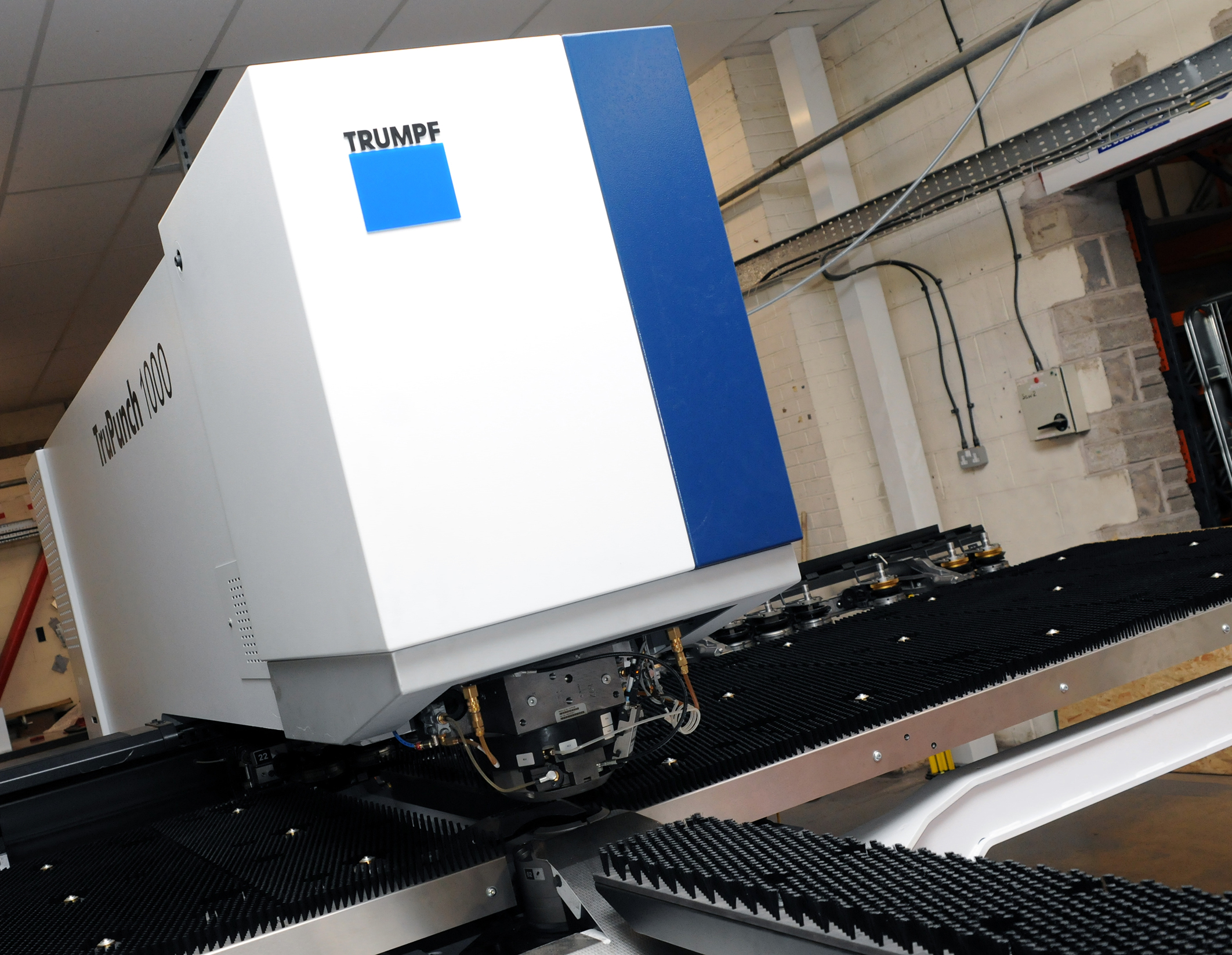
CMD INVESTS £1/4 MILLION IN NEW MACHINE AS PART OF FACTORY UPGRADE

We have invested in a new £1/4m TRUMPF CNC metal punch as part of an asset renewal strategy for our UK manufacturing capability. The new machine will be used in the production of a wide variety of our power distribution systems and workstation power products at our Rotherham factory. Suitable for handling sheet metal between 0.9mm and 3.0mm thick, the new machine will replace one...

Read more
CMD CATALOGUE PROVIDES TECHNICAL POWER DISTRIBUTION GUIDE

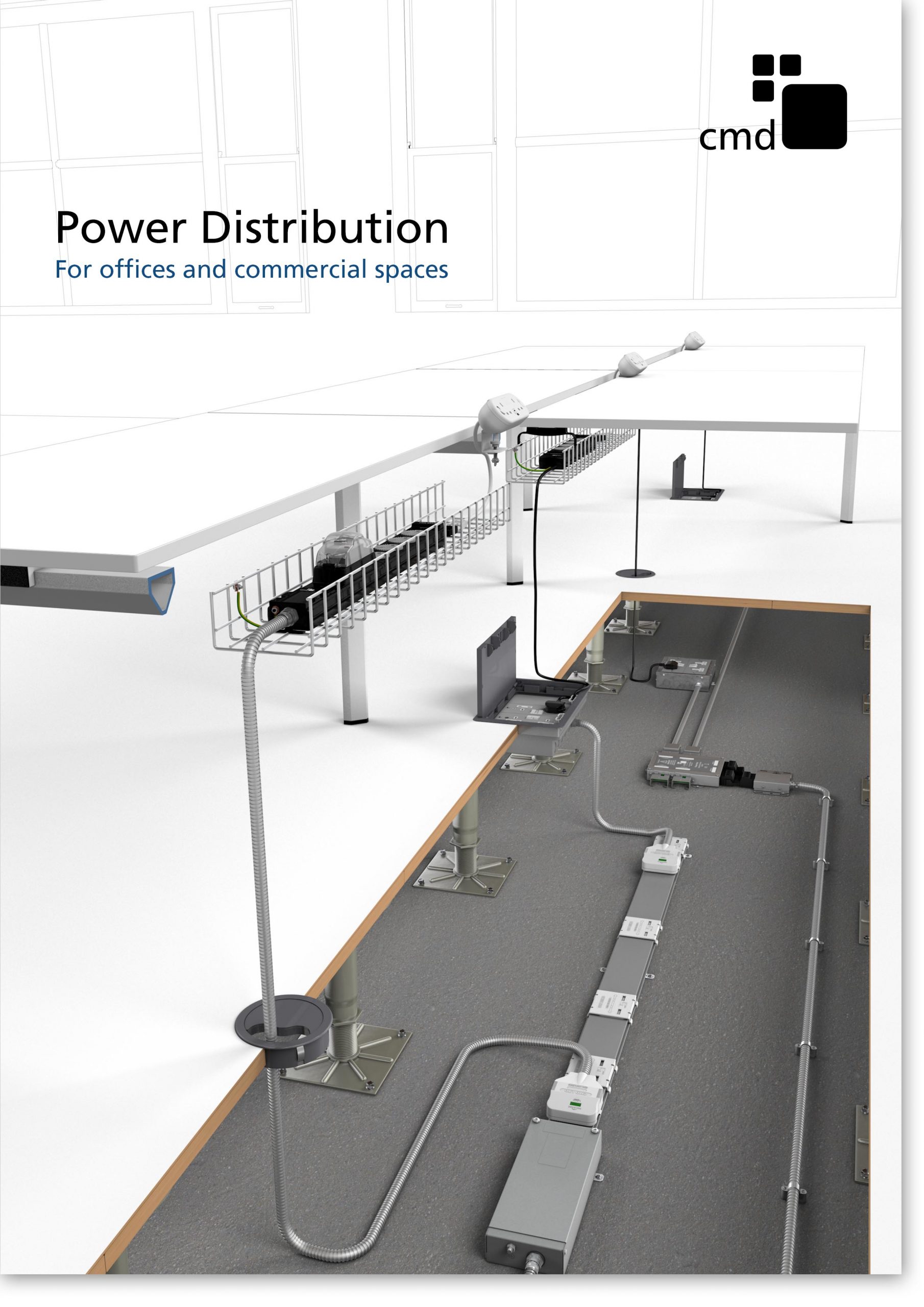
CMD Ltd has released a new catalogue, providing an easy to follow technical guide to our power distribution systems and plug and play desk modules. Detailing CMD’s full range of UK-manufactured power distribution systems and plug and play desk modules, the catalogue will be a helpful source of information to M&E engineers and contractors alike to understand how our power distribution systems connect together and...

Read more
Power Distribution Catalogue
CMD Ltd PLAYS ESSENTIAL ROLE IN ELECTRICAL FIT OUT AT LONDON’S PRESTIGIOUS OFFICE DEVELOPMENT

CMD Ltd, specialist in workplace connectivity and ergonomic solutions, has provided a flexible and high-quality power distribution network for The Ray, a prestigious office development in London’s Farringdon. Well-known for being the former site of The Guardian newspaper, The Ray now stands as an 83,000ft² office development characterised by a modernised warehouse aesthetic, with level two now occupied by a global social media company. The...

Read more

The Ray
CMD plugs in to european opportunity with Schuko Capsule unit launch

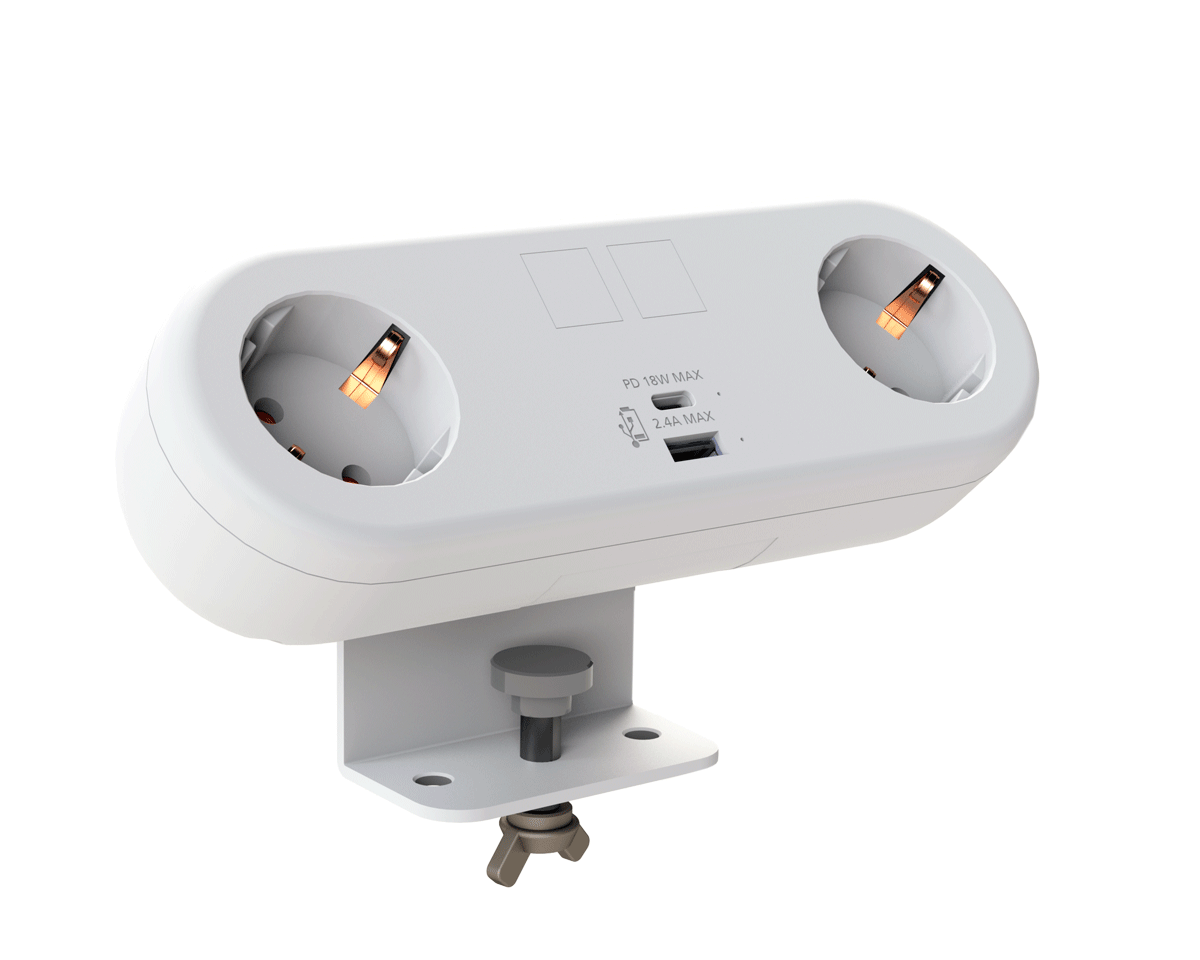
CMD Ltd, the specialist in power and connectivity solutions for commercial environments, has launched a Schuko version of its popular fixed format Capsule workstation power module for export to mainland Europe and beyond. A popular on desk power module comprising two sockets and dual USB (type A and C) chargers, CMD’s Capsule unit is already widely specified in the UK as an off-the-shelf workstation power...

Read more
CMD White Schuko Capsule Desk Power Module
CMD LTD EXTENDS MONITOR ARM RANGE WITH THE LAUNCH OF REACH PLUS

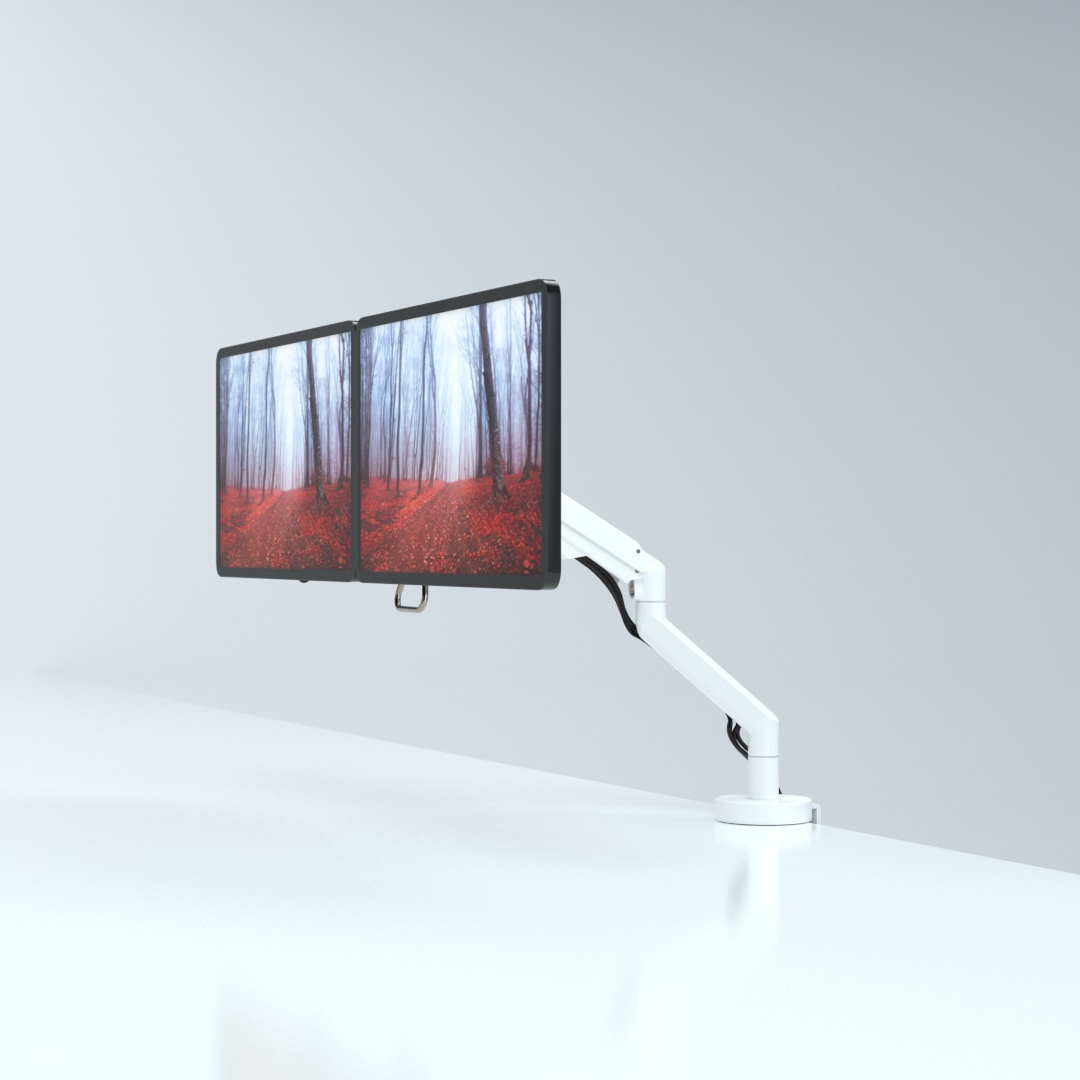
CMD Ltd, the specialist in ergonomic and connectivity solutions for commercial interiors, has completed its Reach monitor arm range with the launch of the Reach Plus. Available in single or dual screen options, the Reach Plus has been designed to provide an ideal solution for both single and dual screen workstation configurations, or can be used with next generation of large format curved screens. Suitable...

Read more
CMD Ltd DEMONSTRATES THE ART OF POWER DISTRIBUTION AT THE UNIVERSITY OF WARWICK

CMD Ltd, the specialist in workplace connectivity and ergonomic solutions, has provided Betatrak busbar power distribution and a range of electrical accessories for two major capital investment projects at the University of Warwick. Designed by Fielden Clegg Bradley Studios, the £33 million Faculty of Arts building is a showpiece development comprising four interconnected structures set around a central atrium, which will enable inter-disciplinary collaboration across...

Read more

University of Warwick
CMD BRINGS HARMONY TO COVENTRY UNIVERSITY RESEARCH FACILITIES

CMD Ltd, the specialist in power distribution solutions and workstation power and ergonomics, has provided under desk and on desk power modules for the refurbishment of three Coventry University research buildings. Located on Coventry University Technology Park, a business park designed to encourage collaboration between the university and knowledge-based businesses, the three buildings are being repurposed as office accommodation for university research teams. The refurbishment...

Read more
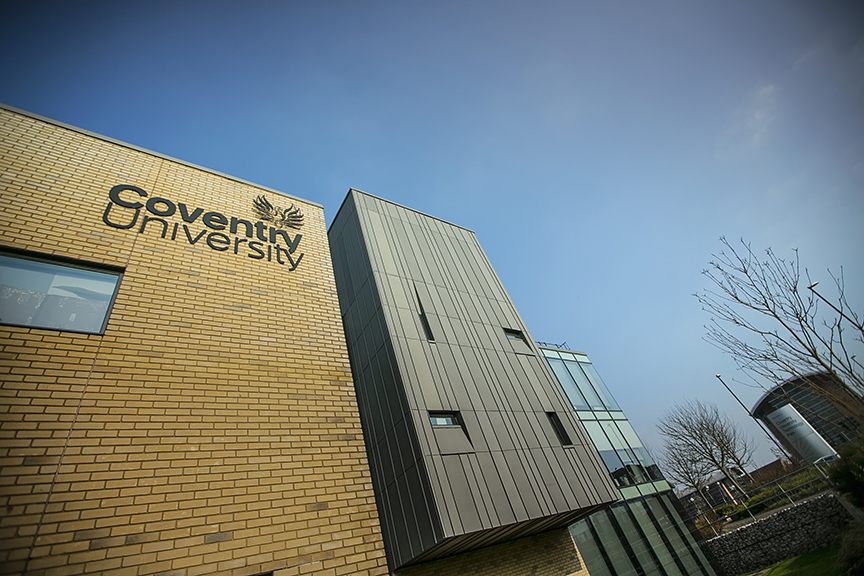

Coventry University

Why is Cellulose Fiber Essential for Sustainable Products?

Cellulose fiber plays a vital role in developing sustainable products. This natural fiber, derived from plant cell walls, offers numerous environmental benefits. It is biodegradable and reduces reliance on synthetic materials. As the demand for eco-friendly solutions increases, cellulose fiber becomes essential.

Consumers are increasingly seeking products made from natural resources. Cellulose fiber provides an alternative to plastic and other harmful materials. Its versatility allows it to be used in textiles, packaging, and building materials. However, more awareness is needed about its benefits and applications.

Many industries still overlook cellulose fiber. This lack of knowledge can hinder sustainable innovation. Companies must prioritize research to understand its potential fully. Embracing cellulose fiber can lead to greener practices and a healthier planet.

Why is Cellulose Fiber Essential for Sustainable Products?

Understanding Cellulose Fiber: Definition and Source

Cellulose fiber is a natural polymer found in the cell walls of plants. It provides structure and strength. This fiber is sourced from renewable resources like cotton, wood, and hemp. These materials are biodegradable, making them key in creating sustainable products.


Using cellulose fiber means we rely on materials that are plentiful and regenerate quickly. However, the process of extracting and processing cellulose can be energy-intensive. Manufacturers must strike a balance between sustainability and efficiency.


Tips: Choose products made with responsibly sourced cellulose fiber. Look for certifications that verify sustainability claims. Supporting brands that prioritize eco-friendly practices can drive demand for better solutions. Engaging with this industry requires mindfulness about the entire lifecycle of the products we use.

The Role of Cellulose Fiber in Sustainable Product Development

Cellulose fiber plays a vital role in sustainable product development. This renewable resource, derived from plants, is biodegradable and eco-friendly. It offers mechanical strength and versatility in various applications, such as textiles and packaging. By using cellulose fiber, manufacturers can reduce their reliance on synthetic materials that harm the planet.

The benefits of cellulose fiber are numerous. It helps in creating a lower carbon footprint. As a natural fiber, it decomposes without leaving harmful residues. It also contributes to energy savings in production processes. This makes it an attractive option for brands aiming for sustainability. However, sourcing cellulose responsibly is crucial. Deforestation and poor farming practices can undermine its benefits.

Tips: When selecting products, look for those that specify cellulose fiber content. Research brands that prioritize sustainable sourcing to ensure responsible practices. Small choices can lead to big change. Use cellulose-based materials for personal projects whenever possible. Embrace the shift towards greener alternatives.

Environmental Benefits of Using Cellulose Fiber in Manufacturing

Cellulose fiber is gaining recognition in sustainable manufacturing. Its environmental benefits are substantial, particularly for reducing waste and lowering emissions. According to the Textile Exchange, cellulose fibers, like lyocell, use up to 90% less water than conventional cotton. This efficiency is vital, given that the global textile industry accounts for about 20% of wastewater.

Additionally, cellulose fiber is biodegradable. Studies indicate that these plants can decompose within a few months in a natural environment. In contrast, synthetic fibers can linger for hundreds of years. This durability issue contributes to a growing microplastic problem, affecting aquatic ecosystems. Embracing cellulose fibers in production can mitigate these effects.

Moreover, using sustainably sourced cellulose can significantly lower carbon footprints. A report by the Ellen MacArthur Foundation highlights that substituting synthetic materials with plant-based fibers could reduce greenhouse gas emissions by 35%. While the transition to cellulose fibers shows promise, challenges remain. Sourcing sustainably, ensuring fair labor practices, and managing production costs require ongoing attention and innovation.

Why is Cellulose Fiber Essential for Sustainable Products? - Environmental Benefits of Using Cellulose Fiber in Manufacturing

Aspect Description Environmental Impact
Biodegradability Cellulose fibers are natural polymers and can break down easily in the environment. Reduces landfill waste and pollution levels.
Renewable Resource Cellulose is derived from plants, which are renewable and can be regrown. Promotes sustainable sourcing and ecosystem balance.
Low Energy Consumption Production of cellulose fiber typically requires less energy compared to synthetic fibers. Decreases carbon footprint during manufacturing.
Water Management Cellulose fibers can improve water retention in soil, benefiting agriculture. Supports healthier ecosystems and reduces irrigation needs.
Carbon Sequestration Trees and plants used for cellulose fiber absorb CO2 from the atmosphere. Helps mitigate climate change by reducing greenhouse gases.

Applications of Cellulose Fiber in Eco-Friendly Products

Cellulose fiber has gained attention in creating eco-friendly products. This natural fiber is derived from plant cell walls. It is biodegradable and sustainable, making it a great choice for various applications.

In textiles, cellulose fiber is used to make clothing that is both comfortable and environmentally friendly. Clothes made from this fiber are breathable and soft. They also decompose naturally, reducing landfill waste. Additionally, cellulose fibers can be found in packaging materials. These materials are strong yet lightweight, helping reduce plastic use.

In construction, cellulose fibers are appearing in insulation materials. They provide excellent thermal properties, keeping buildings warm in winter and cool in summer. This not only enhances comfort but also lowers energy consumption. However, challenges remain in scaling production sustainably. As the demand for green products grows, the industry must navigate resource limitations.

Challenges and Innovations in Cellulose Fiber Utilization

Cellulose fiber is vital for creating sustainable products. This natural material offers significant environmental benefits. However, challenges exist in its widespread utilization. One major issue is sourcing high-quality cellulose. Not all plants yield fibers suitable for commercial use. Sustainable forestry and agricultural practices are needed to ensure a consistent, high-quality supply.

Innovation plays a crucial role in overcoming these challenges. Researchers explore new processing techniques. These include improved methods for extracting cellulose fibers while reducing waste. Additionally, advancing recycling technologies can help create a circular economy. This minimizes reliance on virgin materials.

Despite these advances, challenges remain. Consumer awareness of cellulose’s benefits varies greatly. Education and marketing efforts are essential to promote its use. Moreover, technical limitations in production processes can hinder scalability. Striking a balance between innovation and sustainability is imperative for the future of cellulose fiber.