

News

Miro: A New Standard in Responsible Innovation

Miro: A New Standard in Responsible Innovation The Miro monitor arm is setting new benchmarks in sustainability. It offers a high-performance solution without compromising on environmental responsibility. Designed with careful material selection, local sourcing, and longevity in mind, Miro’s responsible approach to design and unique manoeuvrability set it apart from the competition. Sustainable Choices Miro is crafted from energy-efficient materials with a lower carbon impact....

Read more
HSE Advisor

Role Purpose Support in the development, implementation and maintenance of the company’s Health, Safety & Environmental policies, processes, operational procedures, and standards.  Ensuring best practice and championing a continually improving HSE culture within the business. Key Responsibilities Liaise with and provide support to all areas of the business to eliminate, mitigate or reduce identified HSE exposures. Partner with the production management team and team leaders,...

Read more
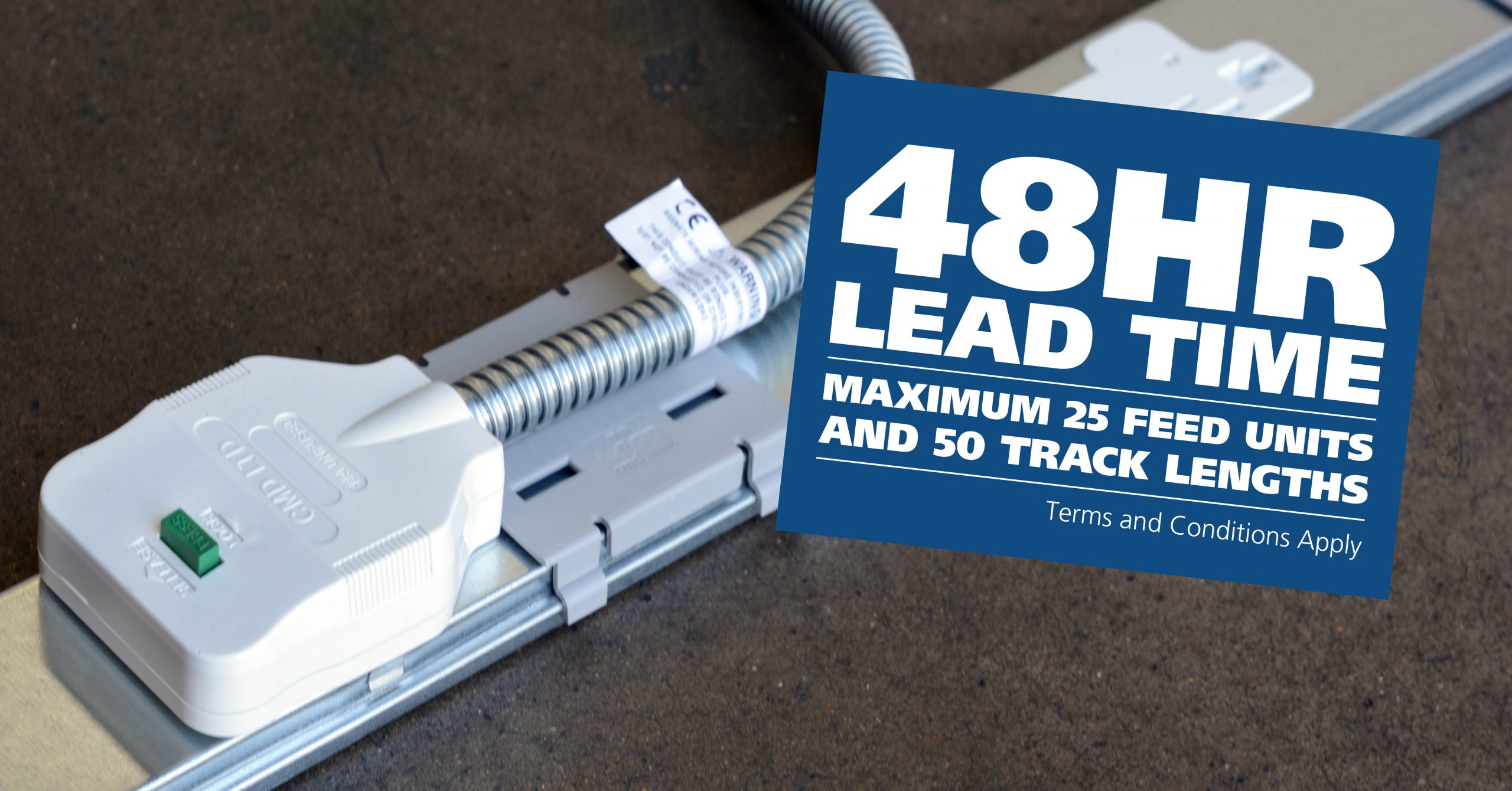
CMD Ltd LAUNCHES 48-HOUR TURNAROUND ON BETATRAK® RAPID ORDERING SERVICE

CMD Ltd, the specialist in power distribution systems, workstation power and monitor arms, has launched a rapid ordering service for its Betatrak® underfloor powertrack distribution systems and accessories, with a commitment to delivering within 48-hours of an approved purchase order*. The service enables customers to order up to 50 lengths of Standard or Clean Earth (C/E) low noise Betatrak, along with up to 25 feed...

Read more
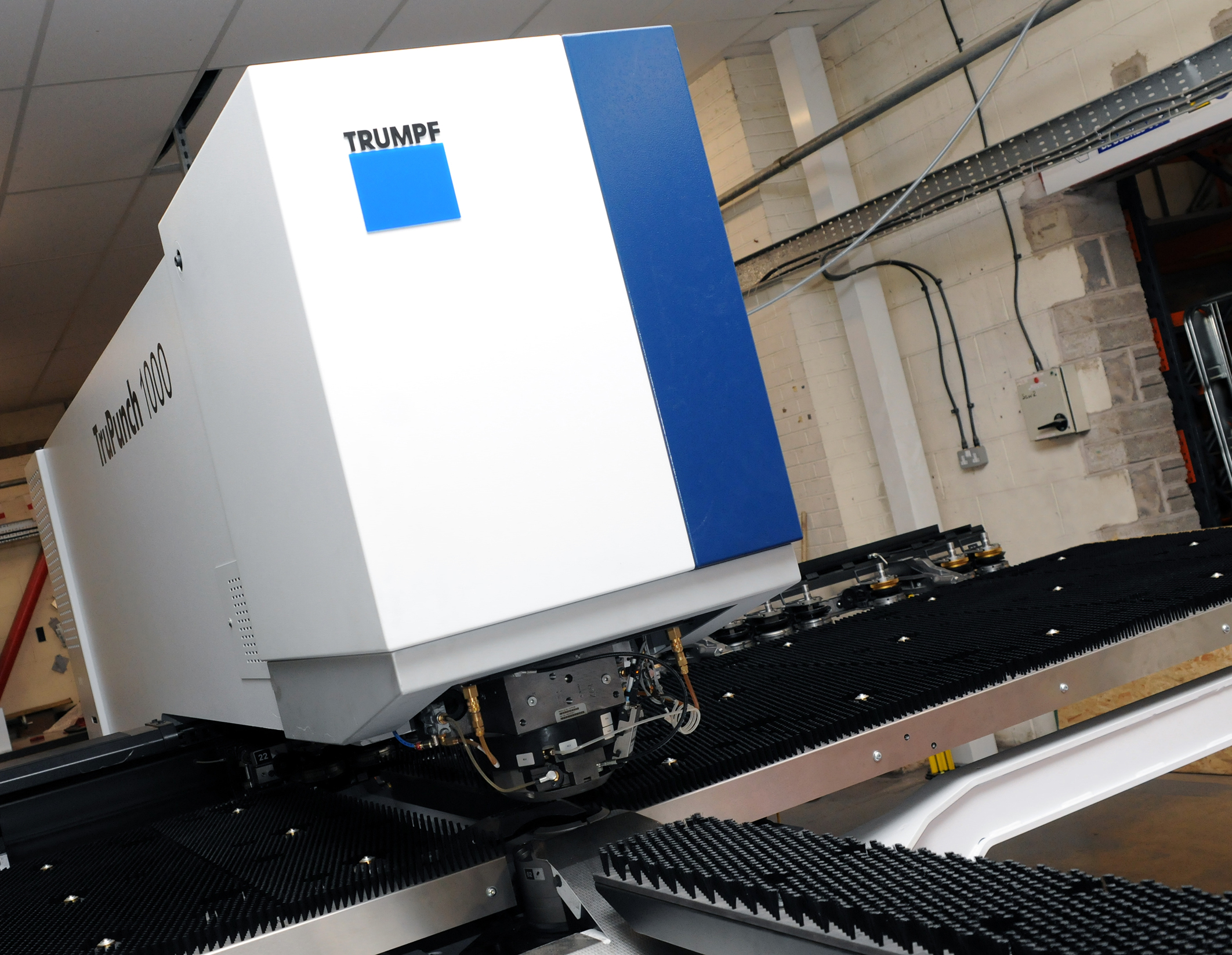
CMD INVESTS £1/4 MILLION IN NEW MACHINE AS PART OF FACTORY UPGRADE

We have invested in a new £1/4m TRUMPF CNC metal punch as part of an asset renewal strategy for our UK manufacturing capability. The new machine will be used in the production of a wide variety of our power distribution systems and workstation power products at our Rotherham factory. Suitable for handling sheet metal between 0.9mm and 3.0mm thick, the new machine will replace one...

Read more
CMD CATALOGUE PROVIDES TECHNICAL POWER DISTRIBUTION GUIDE

CMD Ltd has released a new catalogue, providing an easy to follow technical guide to our power distribution systems and plug and play desk modules. Detailing CMD’s full range of UK-manufactured power distribution systems and plug and play desk modules, the catalogue will be a helpful source of information to M&E engineers and contractors alike to understand how our power distribution systems connect together and...

Read more
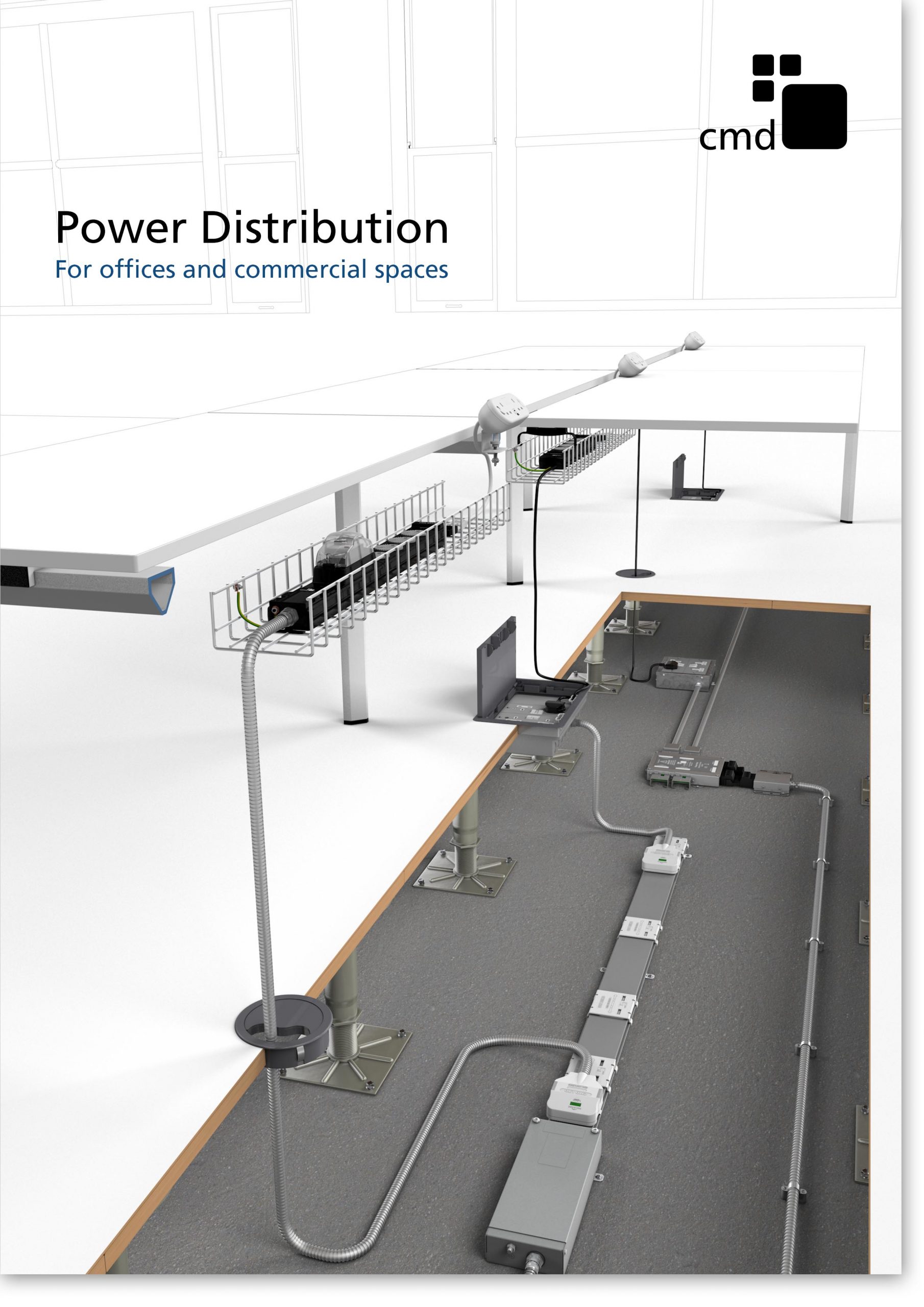
Power Distribution Catalogue
CMD Ltd PLAYS ESSENTIAL ROLE IN ELECTRICAL FIT OUT AT LONDON’S PRESTIGIOUS OFFICE DEVELOPMENT

CMD Ltd, specialist in workplace connectivity and ergonomic solutions, has provided a flexible and high-quality power distribution network for The Ray, a prestigious office development in London’s Farringdon. Well-known for being the former site of The Guardian newspaper, The Ray now stands as an 83,000ft² office development characterised by a modernised warehouse aesthetic, with level two now occupied by a global social media company. The...

Read more

The Ray
CMD plugs in to european opportunity with Schuko Capsule unit launch

CMD Ltd, the specialist in power and connectivity solutions for commercial environments, has launched a Schuko version of its popular fixed format Capsule workstation power module for export to mainland Europe and beyond. A popular on desk power module comprising two sockets and dual USB (type A and C) chargers, CMD’s Capsule unit is already widely specified in the UK as an off-the-shelf workstation power...

Read more
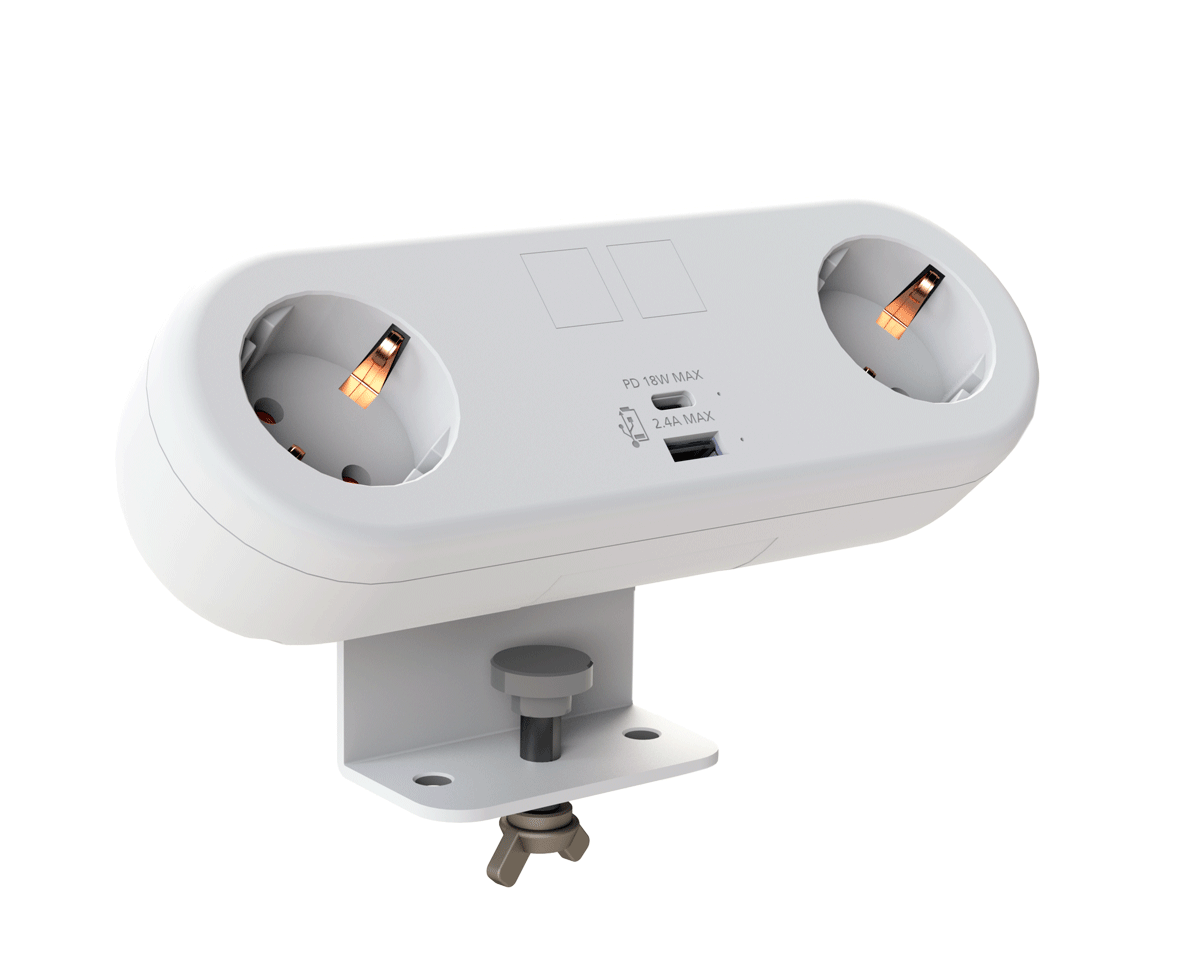
CMD White Schuko Capsule Desk Power Module
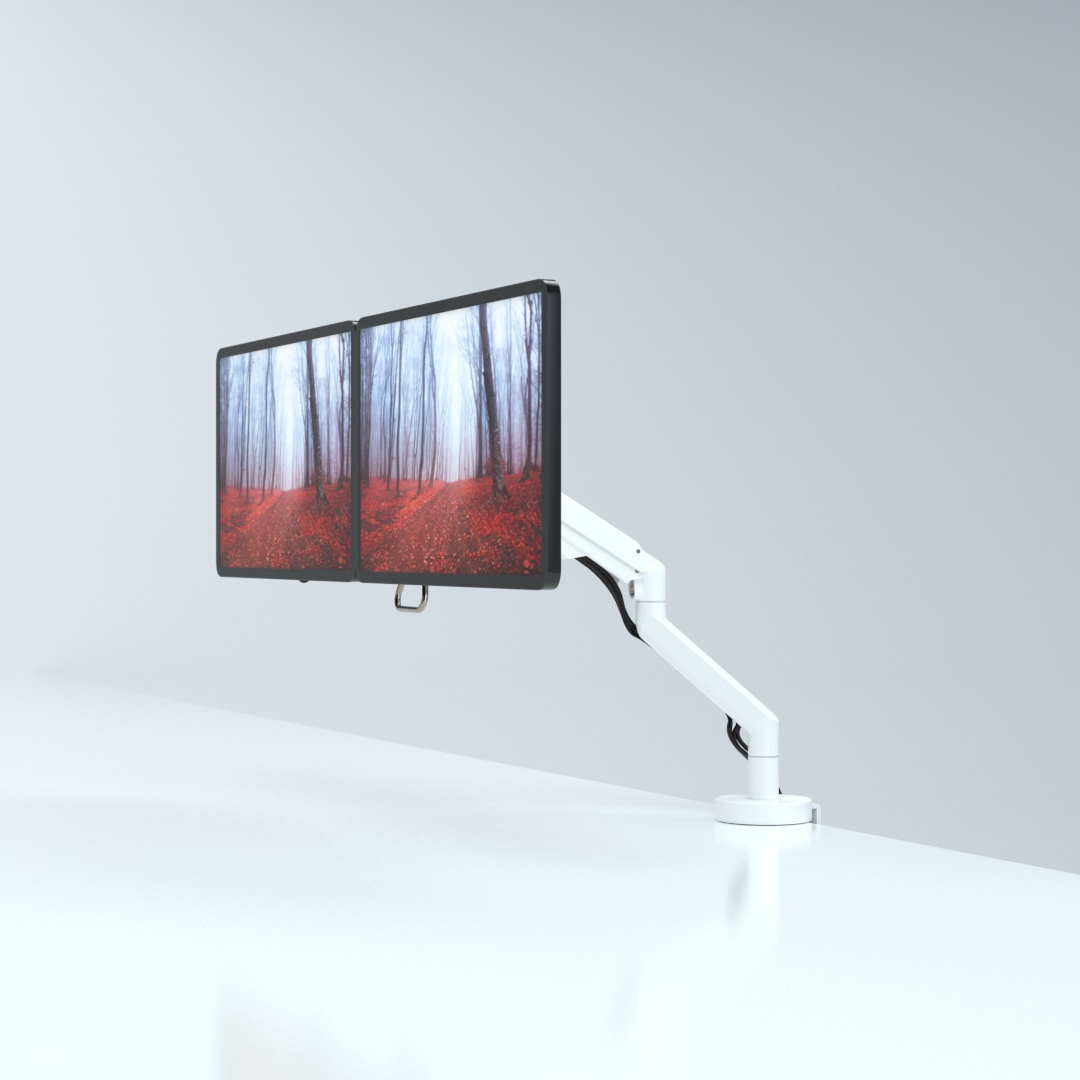
CMD LTD EXTENDS MONITOR ARM RANGE WITH THE LAUNCH OF REACH PLUS

CMD Ltd, the specialist in ergonomic and connectivity solutions for commercial interiors, has completed its Reach monitor arm range with the launch of the Reach Plus. Available in single or dual screen options, the Reach Plus has been designed to provide an ideal solution for both single and dual screen workstation configurations, or can be used with next generation of large format curved screens. Suitable...

Read more
CMD Ltd DEMONSTRATES THE ART OF POWER DISTRIBUTION AT THE UNIVERSITY OF WARWICK

CMD Ltd, the specialist in workplace connectivity and ergonomic solutions, has provided Betatrak busbar power distribution and a range of electrical accessories for two major capital investment projects at the University of Warwick. Designed by Fielden Clegg Bradley Studios, the £33 million Faculty of Arts building is a showpiece development comprising four interconnected structures set around a central atrium, which will enable inter-disciplinary collaboration across...

Read more

University of Warwick
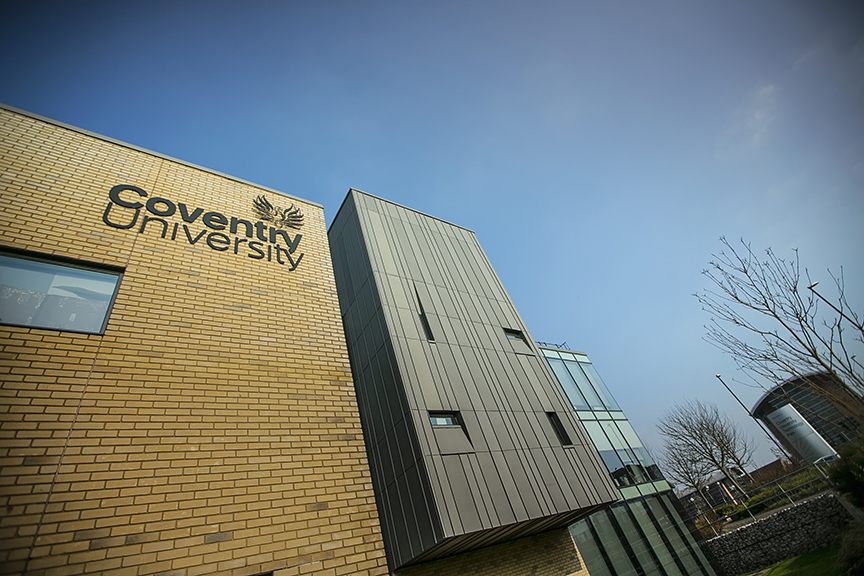
CMD BRINGS HARMONY TO COVENTRY UNIVERSITY RESEARCH FACILITIES

CMD Ltd, the specialist in power distribution solutions and workstation power and ergonomics, has provided under desk and on desk power modules for the refurbishment of three Coventry University research buildings. Located on Coventry University Technology Park, a business park designed to encourage collaboration between the university and knowledge-based businesses, the three buildings are being repurposed as office accommodation for university research teams. The refurbishment...

Read more
Coventry University

What is a CAD Dental Lab and How Does It Work?

The dental industry has witnessed a seismic shift with the emergence of CAD Dental Labs. This technology integrates computer-aided design and manufacturing to revolutionize how dental products are crafted. According to a report by ResearchAndMarkets, the global CAD/CAM dental market is projected to reach USD 5.5 billion by 2026, growing at a CAGR of 7.6%. This impressive growth reflects the increasing demand for precision, speed, and cost-efficiency in dental services.

In a CAD Dental Lab, digital scans replace traditional molds. Efficient workflows enable faster production of dental restorations. However, the reliance on technology can pose challenges. Over-reliance on software may hinder a technician's artistry, leading to production flaws. It is essential for labs to balance technology and handcrafted skills to ensure quality.

Moreover, while CAD Dental Labs offer many advantages, accessibility remains an issue. Smaller dental practices may struggle to invest in advanced systems. As innovations continue to evolve, the future of CAD Dental Labs will depend on finding ways to make technology more accessible without compromising quality. This balance is vital for the industry's growth and the satisfaction of dental patients.

What is a CAD Dental Lab and How Does It Work?

What is a CAD Dental Lab?

A CAD dental lab specializes in computer-aided design and manufacturing for dental applications. These labs utilize advanced technology to create everything from crowns to dentures efficiently. CAD systems allow technicians to design precise dental restorations. According to industry reports, CAD technology can reduce production time by up to 50%. This innovation has transformed how dental products are made.

The workflow in a CAD dental lab begins with digital impressions. Dentists send 3D scans of patients' teeth to the lab. This data is processed through specialized software. The design is then reviewed for accuracy; adjustments may be needed. After final approval, machines mill or 3D print the restoration. Such precision enhances fit and comfort, but not every design is perfect. Periodic calibration of equipment is essential to maintain quality.

Despite the advancements, challenges remain. Some dental technicians find the transition to CAD daunting. Traditional skills may decline if not practiced. Additionally, digital technology can sometimes overlook nuances of individual cases. Continuous training is essential to ensure that technicians adapt effectively. Data from industry surveys indicate that ongoing education is critical for maintaining standardization in dental manufacturing.

Key Technologies Used in CAD Dental Labs

CAD (Computer-Aided Design) Dental Labs are revolutionizing the dental industry. They leverage advanced technologies to enhance precision and efficiency in dental restoration processes. Key technologies used in these labs include 3D scanning, CAD software, and CNC machining. The integration of these tools allows for creating high-quality dental prosthetics with greater accuracy.

3D scanning is fundamental. It captures detailed digital impressions of patients' teeth. This technology has improved accuracy by nearly 40% compared to traditional methods, according to industry reports. CAD software assists in designing custom restorations. Dental professionals can create personalized solutions tailored to each patient's unique anatomy. CNC machines then fabricate the designs, ensuring consistent results every time.

**Tip:** Regular training for lab technicians on the latest software can greatly enhance workflow efficiency. Emphasizing the importance of quality control is crucial, as even small errors in design can lead to significant patient issues. Institutions might overlook this, resulting in a costly cycle of adjustments. Investing in updated technology is essential, but don’t forget about the human element; skilled technicians are irreplaceable.

What is a CAD Dental Lab and How Does It Work? - Key Technologies Used in CAD Dental Labs

Technology Description Benefits Applications
CAD Software Computer-Aided Design software used for creating precise dental prosthetics designs. Increased accuracy and efficiency in design process. Crowns, bridges, veneers, dentures.
3D Printing Additive manufacturing technology to create dental models and prosthetics layer by layer. Speed and cost-efficiency in producing custom dental devices. Orthodontic models, surgical guides, dental implants.
Milling Machines CNC milling machines that carve out dental restorations from blocks of material. High precision and customizable output with different materials. Crowns, inlays, onlays, implant abutments.
Digital Scanning Intraoral scanners that create detailed digital impressions of a patient's teeth. Improves patient comfort and accuracy in capturing tooth geometry. Restorations, orthodontic appliances, and custom fittings.
Material Technology Advanced materials used for creating durable and aesthetic dental products. Enhanced strength and aesthetic appearance of dental restorations. Ceramics, resins, composites, and metals.

The CAD Design Process in Dental Labs

The CAD design process in dental labs has transformed how dental professionals create prosthetics. This technology allows for precise modeling and fabrication of dental devices. According to a report by Grand View Research, the CAD/CAM dental market is projected to reach $4.5 billion by 2025. Such growth highlights the increasing reliance on digital design in dentistry.

In CAD dental labs, the design process begins with digital impressions. Dentists scan the patient's dental structure, capturing accurate details. These scans are then used to create 3D models. These models enable dental technicians to design crowns, bridges, and implants with high precision, reducing the margin for error. However, integrating this technology can be challenging. Dental technicians must undergo training to effectively use CAD software, which could lead to initial setbacks.

After the initial design, the data is sent to milling machines for fabrication. This process enhances consistency across products. However, there are still limitations, such as material compatibility and design intricacies. Continuous refinement of the design and manufacturing processes is crucial. Despite the technology's advantages, some dental labs may struggle to keep pace with advancements, necessitating ongoing efforts to improve both skills and equipment.

Dental CAD Design Process Overview

Manufacturing Techniques in CAD Dental Labs

CAD dental labs utilize advanced digital technologies for producing dental restorations. These labs streamline the manufacturing process using computer-aided design (CAD) and computer-aided manufacturing (CAM). Designs are created on software and then translated into physical products, like crowns, bridges, and dentures.

A key technique in CAD dental labs is 3D printing. This method allows for precise and complex shapes that traditional methods struggle to achieve. It enables quicker prototypes and reduces wasted materials. However, the technology still requires careful calibration to avoid errors, highlighting the need for skilled technicians.

Tips: Periodically assess your equipment. Calibration issues can arise, leading to flawed products. Training staff on new technologies can mitigate potential mistakes. Embrace a culture of continuous learning to keep up with advances in CAD techniques. Collaboration among design and production teams is vital for improving efficiency.

Benefits of Using CAD in Dental Dentistry

The adoption of CAD technology in dental labs is transforming the industry. A 2021 report by the American Dental Association indicates that over 60% of dental practices now utilize CAD/CAM systems. This surge highlights the growing recognition of the benefits these technologies provide.

One of the primary advantages of CAD in dentistry is precision. Digital impressions reduce human error. They create highly accurate models, leading to better fitting restorations and fewer adjustments. A study published in the "Journal of Prosthetic Dentistry" reported a 30% decrease in remakes due to improved fit with CAD design. Additionally, the speed of production has increased significantly. Labs can now produce crowns and bridges in hours rather than days.

However, there are challenges to consider. Transitioning to CAD systems may require hefty investments in technology and training. Not every dental practice is equipped to manage these costs. Moreover, digital workflows can sometimes lead to complications if not properly integrated. The reliance on technology raises questions about data security and the vulnerability of sensitive patient information. Understanding these issues can help practices navigate the transition to CAD technology effectively.

Article Source: