

News

Miro: A New Standard in Responsible Innovation

Miro: A New Standard in Responsible Innovation The Miro monitor arm is setting new benchmarks in sustainability. It offers a high-performance solution without compromising on environmental responsibility. Designed with careful material selection, local sourcing, and longevity in mind, Miro’s responsible approach to design and unique manoeuvrability set it apart from the competition. Sustainable Choices Miro is crafted from energy-efficient materials with a lower carbon impact....

Read more
HSE Advisor

Role Purpose Support in the development, implementation and maintenance of the company’s Health, Safety & Environmental policies, processes, operational procedures, and standards.  Ensuring best practice and championing a continually improving HSE culture within the business. Key Responsibilities Liaise with and provide support to all areas of the business to eliminate, mitigate or reduce identified HSE exposures. Partner with the production management team and team leaders,...

Read more
CMD Ltd LAUNCHES 48-HOUR TURNAROUND ON BETATRAK® RAPID ORDERING SERVICE

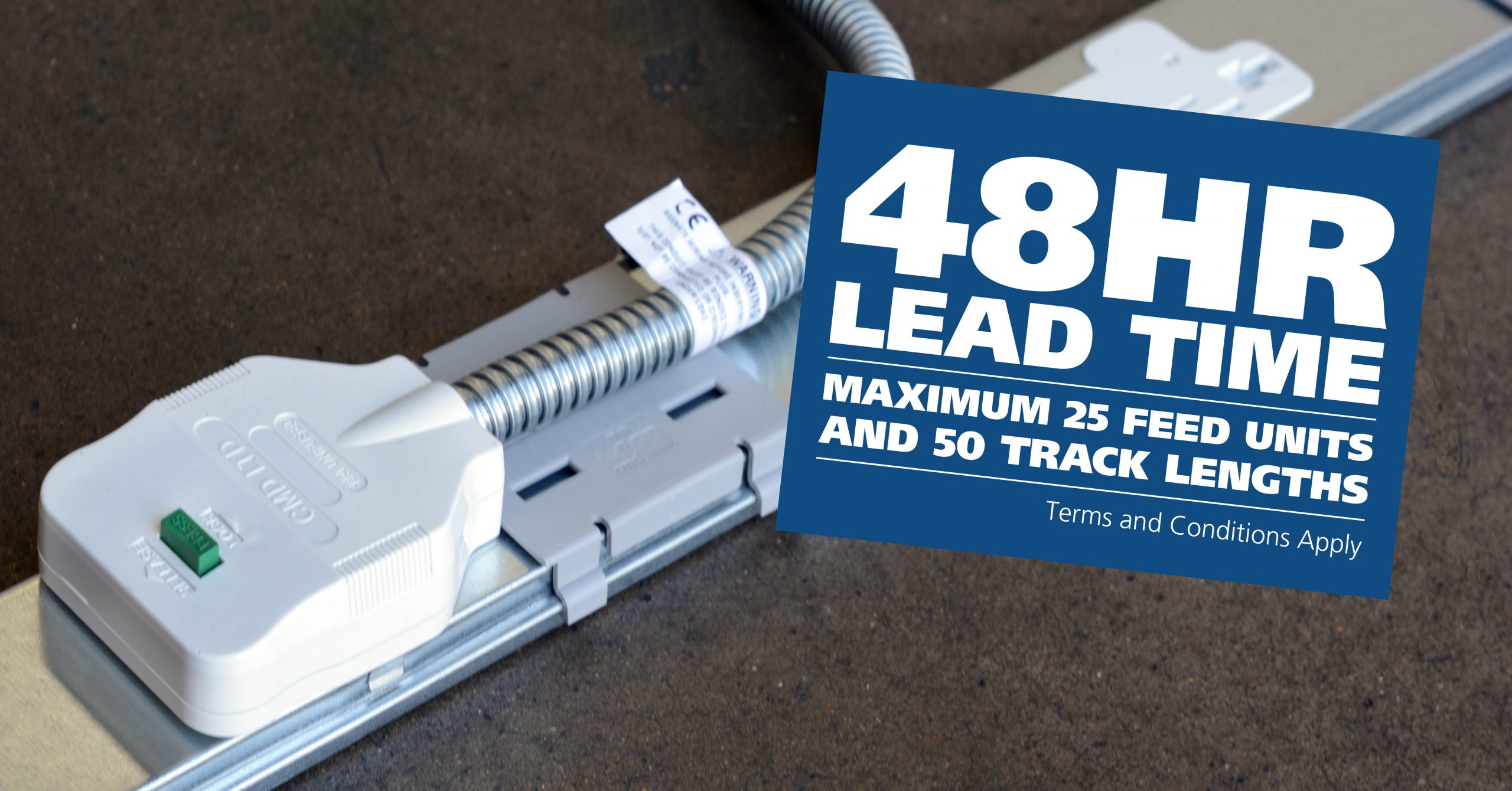
CMD Ltd, the specialist in power distribution systems, workstation power and monitor arms, has launched a rapid ordering service for its Betatrak® underfloor powertrack distribution systems and accessories, with a commitment to delivering within 48-hours of an approved purchase order*. The service enables customers to order up to 50 lengths of Standard or Clean Earth (C/E) low noise Betatrak, along with up to 25 feed...

Read more
CMD INVESTS £1/4 MILLION IN NEW MACHINE AS PART OF FACTORY UPGRADE

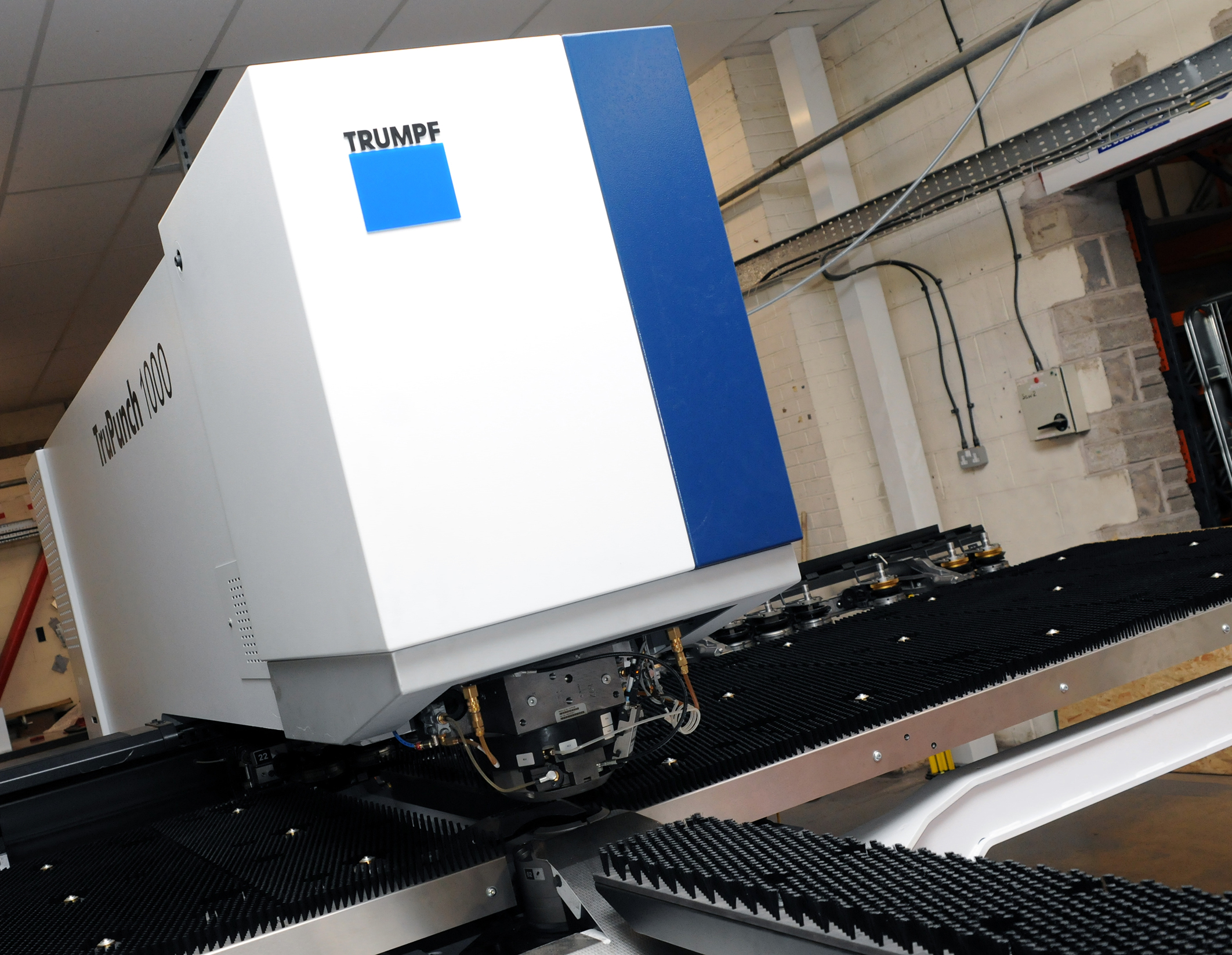
We have invested in a new £1/4m TRUMPF CNC metal punch as part of an asset renewal strategy for our UK manufacturing capability. The new machine will be used in the production of a wide variety of our power distribution systems and workstation power products at our Rotherham factory. Suitable for handling sheet metal between 0.9mm and 3.0mm thick, the new machine will replace one...

Read more
CMD CATALOGUE PROVIDES TECHNICAL POWER DISTRIBUTION GUIDE

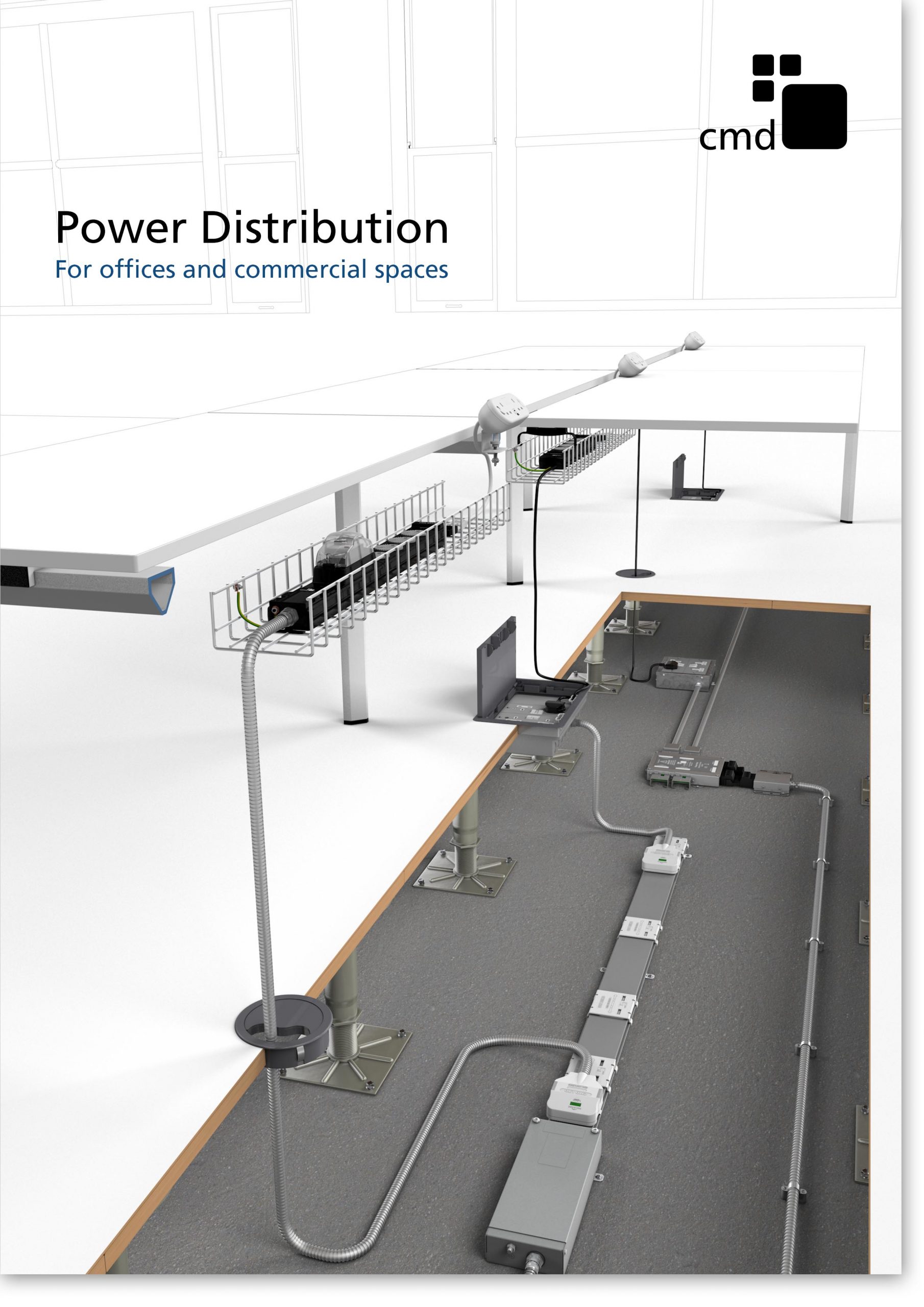
CMD Ltd has released a new catalogue, providing an easy to follow technical guide to our power distribution systems and plug and play desk modules. Detailing CMD’s full range of UK-manufactured power distribution systems and plug and play desk modules, the catalogue will be a helpful source of information to M&E engineers and contractors alike to understand how our power distribution systems connect together and...

Read more
Power Distribution Catalogue
CMD Ltd PLAYS ESSENTIAL ROLE IN ELECTRICAL FIT OUT AT LONDON’S PRESTIGIOUS OFFICE DEVELOPMENT

CMD Ltd, specialist in workplace connectivity and ergonomic solutions, has provided a flexible and high-quality power distribution network for The Ray, a prestigious office development in London’s Farringdon. Well-known for being the former site of The Guardian newspaper, The Ray now stands as an 83,000ft² office development characterised by a modernised warehouse aesthetic, with level two now occupied by a global social media company. The...

Read more

The Ray
CMD plugs in to european opportunity with Schuko Capsule unit launch

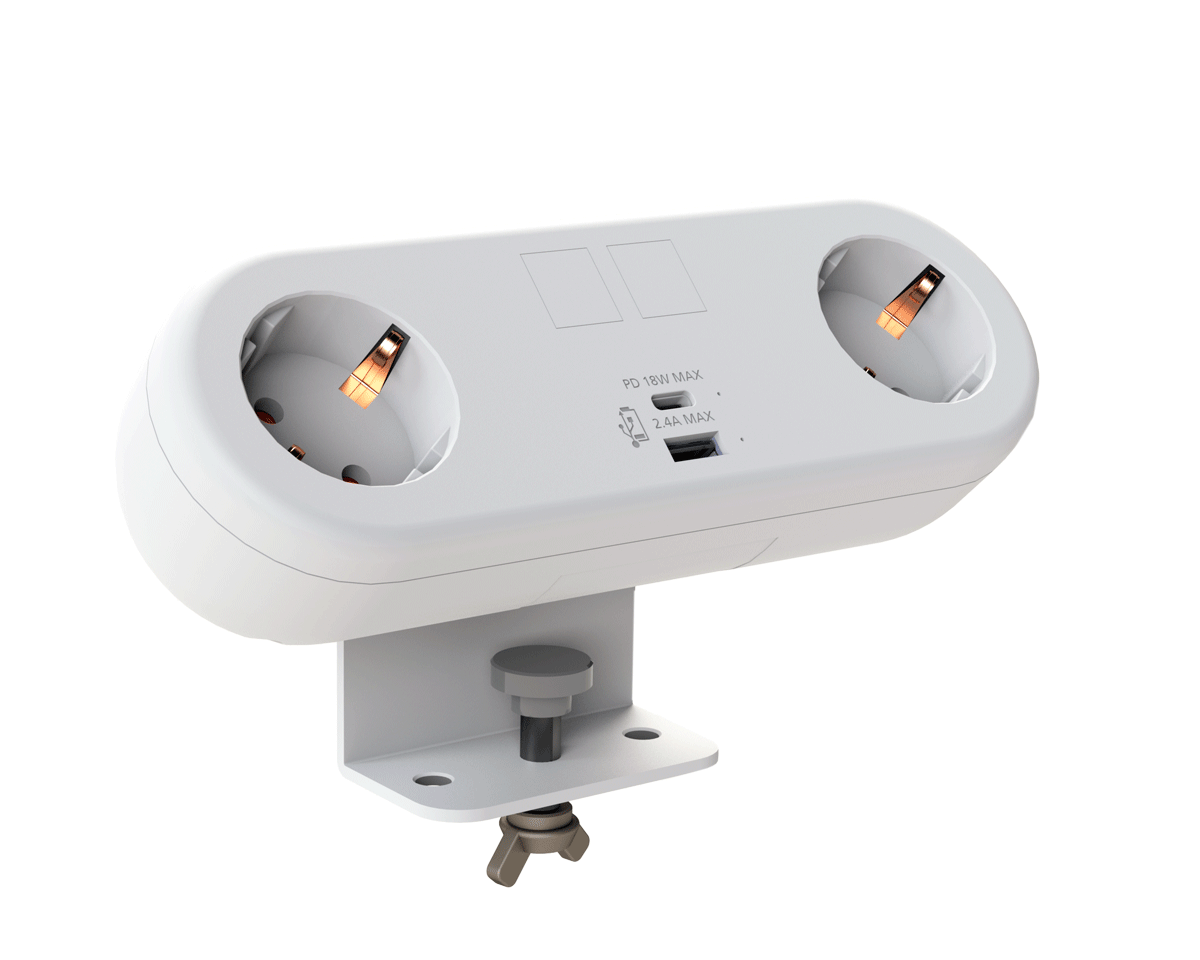
CMD Ltd, the specialist in power and connectivity solutions for commercial environments, has launched a Schuko version of its popular fixed format Capsule workstation power module for export to mainland Europe and beyond. A popular on desk power module comprising two sockets and dual USB (type A and C) chargers, CMD’s Capsule unit is already widely specified in the UK as an off-the-shelf workstation power...

Read more
CMD White Schuko Capsule Desk Power Module
CMD LTD EXTENDS MONITOR ARM RANGE WITH THE LAUNCH OF REACH PLUS

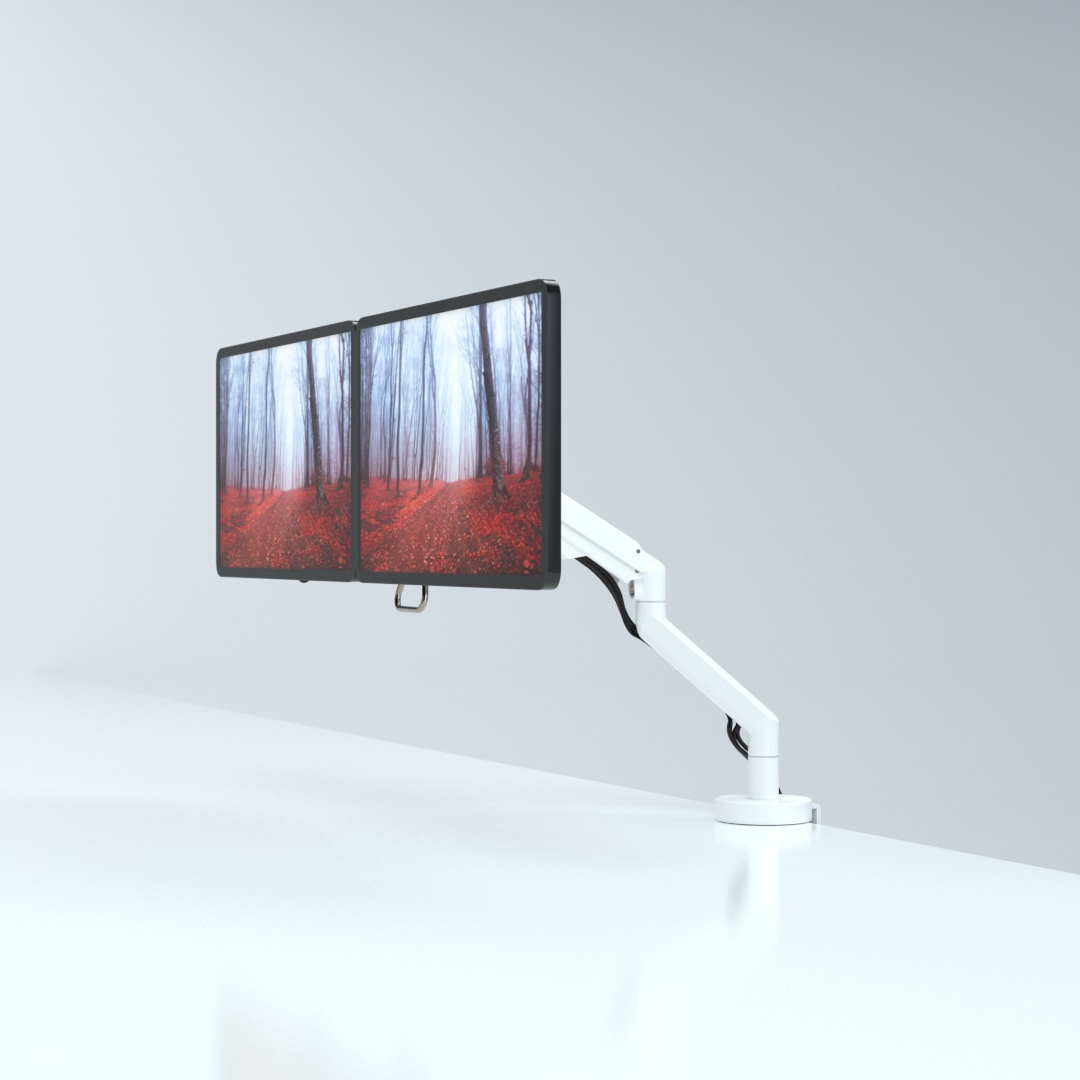
CMD Ltd, the specialist in ergonomic and connectivity solutions for commercial interiors, has completed its Reach monitor arm range with the launch of the Reach Plus. Available in single or dual screen options, the Reach Plus has been designed to provide an ideal solution for both single and dual screen workstation configurations, or can be used with next generation of large format curved screens. Suitable...

Read more
CMD Ltd DEMONSTRATES THE ART OF POWER DISTRIBUTION AT THE UNIVERSITY OF WARWICK

CMD Ltd, the specialist in workplace connectivity and ergonomic solutions, has provided Betatrak busbar power distribution and a range of electrical accessories for two major capital investment projects at the University of Warwick. Designed by Fielden Clegg Bradley Studios, the £33 million Faculty of Arts building is a showpiece development comprising four interconnected structures set around a central atrium, which will enable inter-disciplinary collaboration across...

Read more

University of Warwick
CMD BRINGS HARMONY TO COVENTRY UNIVERSITY RESEARCH FACILITIES

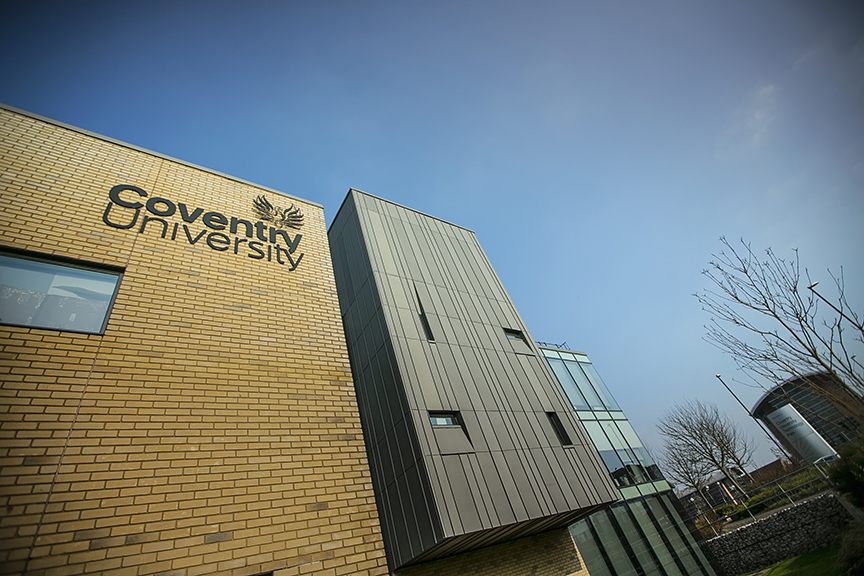
CMD Ltd, the specialist in power distribution solutions and workstation power and ergonomics, has provided under desk and on desk power modules for the refurbishment of three Coventry University research buildings. Located on Coventry University Technology Park, a business park designed to encourage collaboration between the university and knowledge-based businesses, the three buildings are being repurposed as office accommodation for university research teams. The refurbishment...

Read more
Coventry University

What is a Box Packing Machine and How Does it Work?

In today’s fast-paced manufacturing landscape, a Box Packing Machine is essential for streamlining packaging processes. According to a report by Smithers Pira, the global market for packaging machinery is projected to reach $50 billion by 2025, highlighting its growing significance. Experts like John Roberts, a leading figure in automation solutions, emphasize, "The efficiency of a Box Packing Machine can drastically reduce labor costs and increase output."

Box Packing Machines innovate how products are packed, offering solutions that enhance speed and accuracy. They utilize advanced technology to automate the packing process, minimizing human error. As companies adopt these machines, they face challenges, such as the initial investment and integration with existing systems. While these machines offer numerous advantages, operators must be trained to optimize their functionality.

However, many organizations still grapple with choosing the right model for their needs. The landscape of box packing technology is broad and varied. Striking the right balance between automation and manual processes remains a critical concern for manufacturers today. As the industry evolves, understanding the nuances of Box Packing Machines will become vital for maintaining competitive advantage.

What is a Box Packing Machine and How Does it Work?

What is a Box Packing Machine?

A box packing machine is an essential device in the packaging industry. It automates the process of packing goods into boxes, significantly improving efficiency. According to a recent report, the global packaging machinery market was valued at approximately $45 billion in 2022 and is projected to grow at a CAGR of about 4% over the next five years. This growth demonstrates the increasing reliance on packaging machines, particularly in sectors like food, pharmaceuticals, and electronics.

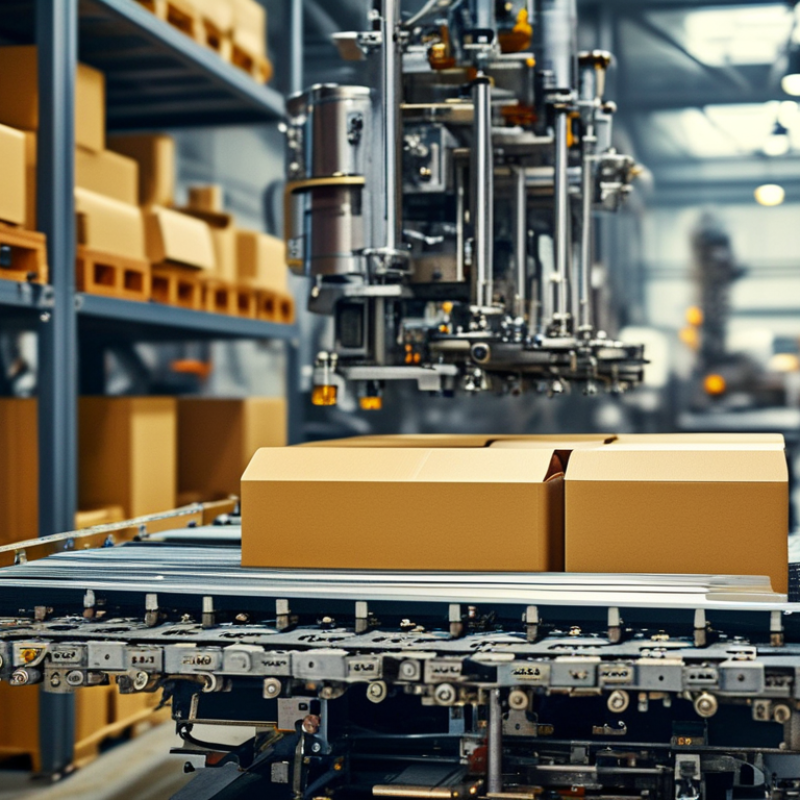
These machines operate by taking products from a conveyor belt, placing them in boxes, and sealing those boxes. They can handle various sizes and types of products with precision. For instance, a typical box packing machine can process up to 50 boxes per minute, depending on the model. This efficiency can alleviate labor costs but may raise concerns about job displacement.

Despite their advantages, companies face challenges. Machines require regular maintenance to prevent breakdowns, which can disrupt production. Additionally, initial investment costs can be substantial, making it difficult for smaller businesses to adopt this technology. Companies should carefully evaluate these factors before transitioning to automated packing solutions.

Components of a Box Packing Machine

Box packing machines are essential in modern packaging lines. They automate the process of packing products into boxes, which enhances efficiency. Understanding their components is crucial for businesses looking to optimize their operations.

Key components of a box packing machine include the feeding system, which brings products to the packing station. This system can either be belt-driven or gravity-fed. Additionally, the hopper stores products until they are ready for packing. The machine also features flaps that fold the box and sealing mechanisms, often using tape or glue. Research shows that utilizing automated systems can reduce labor costs by up to 30% and increase packing speed significantly.

Moreover, an important aspect to consider is the control panel. This component allows operators to adjust settings easily. Many machines today incorporate smart technology for real-time monitoring. However, reliance on technology poses challenges, such as breakdown risks and the need for skilled operators. Proper training minimizes these issues and maintains efficiency. Understanding these components helps businesses choose the right machinery and improve their packing processes.

How Box Packing Machines Operate

Box packing machines play a crucial role in modern packaging systems. They automate the process of packing products into boxes, enhancing efficiency and reducing labor costs. A study by Grand View Research reported that the global packaging machinery market is expected to grow significantly, reaching $50 billion by 2025. This growth reflects the increasing demand for packaging automation.

These machines operate by utilizing a series of mechanical components. They typically include conveyor belts, robotic arms, and sensors. The conveyor moves products to the packing station where they are oriented and placed into boxes. Robotic arms often seal or label the boxes once packed. In fact, around 75% of industries now rely on automation to enhance speed and precision, according to a report by Technavio.

Despite advancements, challenges remain. For instance, packing machines can face issues with product variability. This can lead to inefficiencies if the machines are not properly calibrated. Regular maintenance is essential to ensure optimal performance. Companies must also consider the initial investment in automation, which may be daunting. Yet, with a focus on long-term efficiency gains, the transition can prove beneficial.

Applications of Box Packing Machines in Industries

Box packing machines are vital in various industries. They automate the process of packing products into boxes, enhancing efficiency and reducing manual labor. Food and beverage sectors utilize these machines to package items ranging from snacks to beverages quickly. Pharmaceutical companies rely on them for precise packaging, ensuring compliance with safety standards. E-commerce businesses benefit significantly, as they require fast, reliable packaging solutions for shipping products.

Tips: Regular maintenance is crucial. Ensure that the machine functions smoothly. Check for any wear and tear, as neglecting this can lead to production halts.

Another area of application is the electronics industry. Here, box packing machines must handle fragile items with care. The design should minimize movement inside the box, preventing damage during transit. Ensuring the right fit is essential, requiring occasional adjustments to settings.

Tips: Train operators thoroughly. They should understand how to troubleshoot common issues. This can help keep the workflow uninterrupted.

In retail, efficient box packing enhances the customer experience. Attractive packaging can influence purchase decisions. Hence, collaboration between packaging design and machine operation is necessary. Naming the box's contents clearly can also improve inventory management.

Applications of Box Packing Machines in Various Industries

Benefits of Using Box Packing Machines in Packaging

Box packing machines play a crucial role in modern packaging processes. They significantly enhance efficiency and accuracy in numerous industries. Reports suggest that automating packing operations can boost productivity by up to 30%. This is essential in meeting consumer demand and reducing turnaround times. Using a box packing machine also minimizes manual errors, providing consistent quality in packaging.

The benefits extend beyond efficiency. These machines often result in cost savings. According to industry data, companies using automated box packing see a reduction in labor costs by around 20%. Additionally, automated packing can improve material usage, minimizing waste. Companies can optimize packaging dimensions and reduce excess materials, contributing to sustainability goals. However, transitioning to automation requires investment and training, which some businesses may find challenging. The initial costs can be daunting, but the long-term benefits often outweigh these hurdles.

Moreover, the integration of box packing machines can lead to safer work environments. Reducing manual labor decreases the risk of workplace injuries. Yet, it’s crucial to ensure that staff are trained properly. Employees need to understand how to operate these machines effectively. Without proper training, issues may arise, negating the advantages the machines offer.

What is a Box Packing Machine and How Does it Work? - Benefits of Using Box Packing Machines in Packaging

Feature Description Benefits
Automation Automates the process of packing products into boxes. Increases efficiency and reduces labor costs.
Speed Can pack products at high speeds compared to manual packing. Reduces time for packaging, accelerating the supply chain.
Versatility Suitable for various sizes and shapes of products. Enhances operational flexibility to accommodate different products.
Quality Control Ensures consistent box packing with minimal errors. Reduces waste and improves overall quality of packaging.
Cost-Effective Reduces need for manual labor and minimizes packaging material waste. Lowers long-term operational costs.