

News

Miro: A New Standard in Responsible Innovation

Miro: A New Standard in Responsible Innovation The Miro monitor arm is setting new benchmarks in sustainability. It offers a high-performance solution without compromising on environmental responsibility. Designed with careful material selection, local sourcing, and longevity in mind, Miro’s responsible approach to design and unique manoeuvrability set it apart from the competition. Sustainable Choices Miro is crafted from energy-efficient materials with a lower carbon impact....

Read more
HSE Advisor

Role Purpose Support in the development, implementation and maintenance of the company’s Health, Safety & Environmental policies, processes, operational procedures, and standards.  Ensuring best practice and championing a continually improving HSE culture within the business. Key Responsibilities Liaise with and provide support to all areas of the business to eliminate, mitigate or reduce identified HSE exposures. Partner with the production management team and team leaders,...

Read more
CMD Ltd LAUNCHES 48-HOUR TURNAROUND ON BETATRAK® RAPID ORDERING SERVICE

CMD Ltd, the specialist in power distribution systems, workstation power and monitor arms, has launched a rapid ordering service for its Betatrak® underfloor powertrack distribution systems and accessories, with a commitment to delivering within 48-hours of an approved purchase order*. The service enables customers to order up to 50 lengths of Standard or Clean Earth (C/E) low noise Betatrak, along with up to 25 feed...

Read more

CMD INVESTS £1/4 MILLION IN NEW MACHINE AS PART OF FACTORY UPGRADE

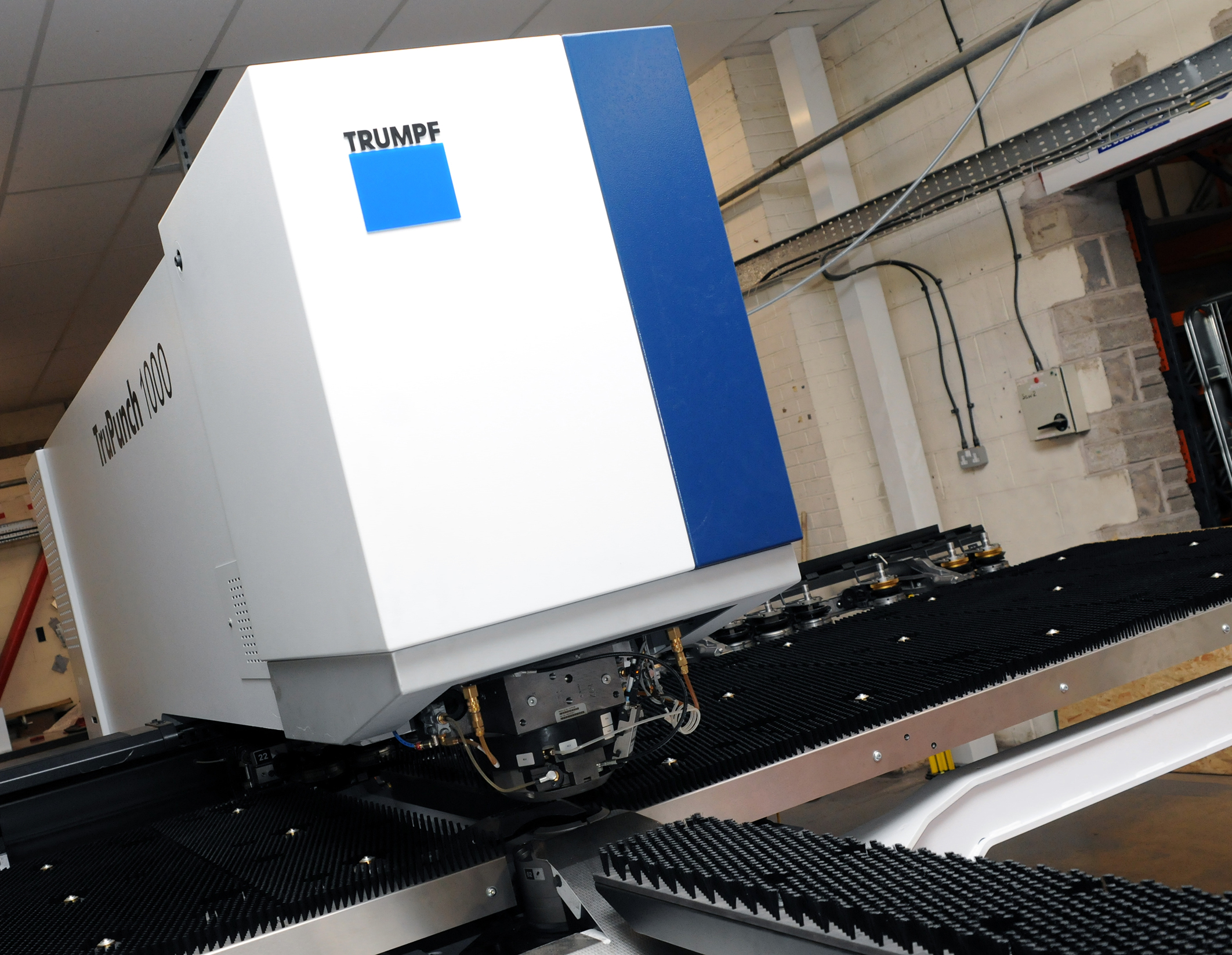
We have invested in a new £1/4m TRUMPF CNC metal punch as part of an asset renewal strategy for our UK manufacturing capability. The new machine will be used in the production of a wide variety of our power distribution systems and workstation power products at our Rotherham factory. Suitable for handling sheet metal between 0.9mm and 3.0mm thick, the new machine will replace one...

Read more
CMD CATALOGUE PROVIDES TECHNICAL POWER DISTRIBUTION GUIDE

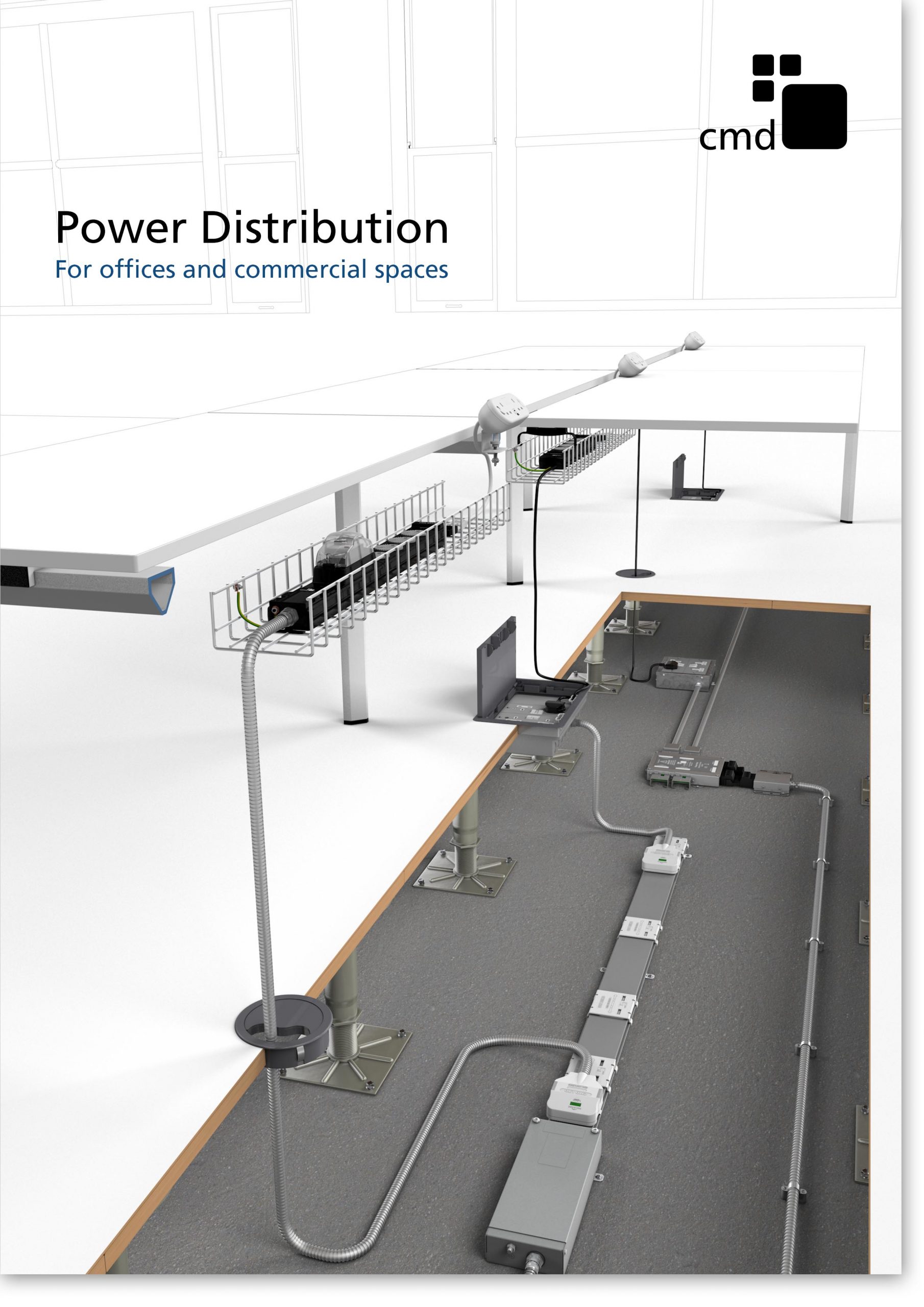
CMD Ltd has released a new catalogue, providing an easy to follow technical guide to our power distribution systems and plug and play desk modules. Detailing CMD’s full range of UK-manufactured power distribution systems and plug and play desk modules, the catalogue will be a helpful source of information to M&E engineers and contractors alike to understand how our power distribution systems connect together and...

Read more
Power Distribution Catalogue
CMD Ltd PLAYS ESSENTIAL ROLE IN ELECTRICAL FIT OUT AT LONDON’S PRESTIGIOUS OFFICE DEVELOPMENT

CMD Ltd, specialist in workplace connectivity and ergonomic solutions, has provided a flexible and high-quality power distribution network for The Ray, a prestigious office development in London’s Farringdon. Well-known for being the former site of The Guardian newspaper, The Ray now stands as an 83,000ft² office development characterised by a modernised warehouse aesthetic, with level two now occupied by a global social media company. The...

Read more

The Ray
CMD plugs in to european opportunity with Schuko Capsule unit launch

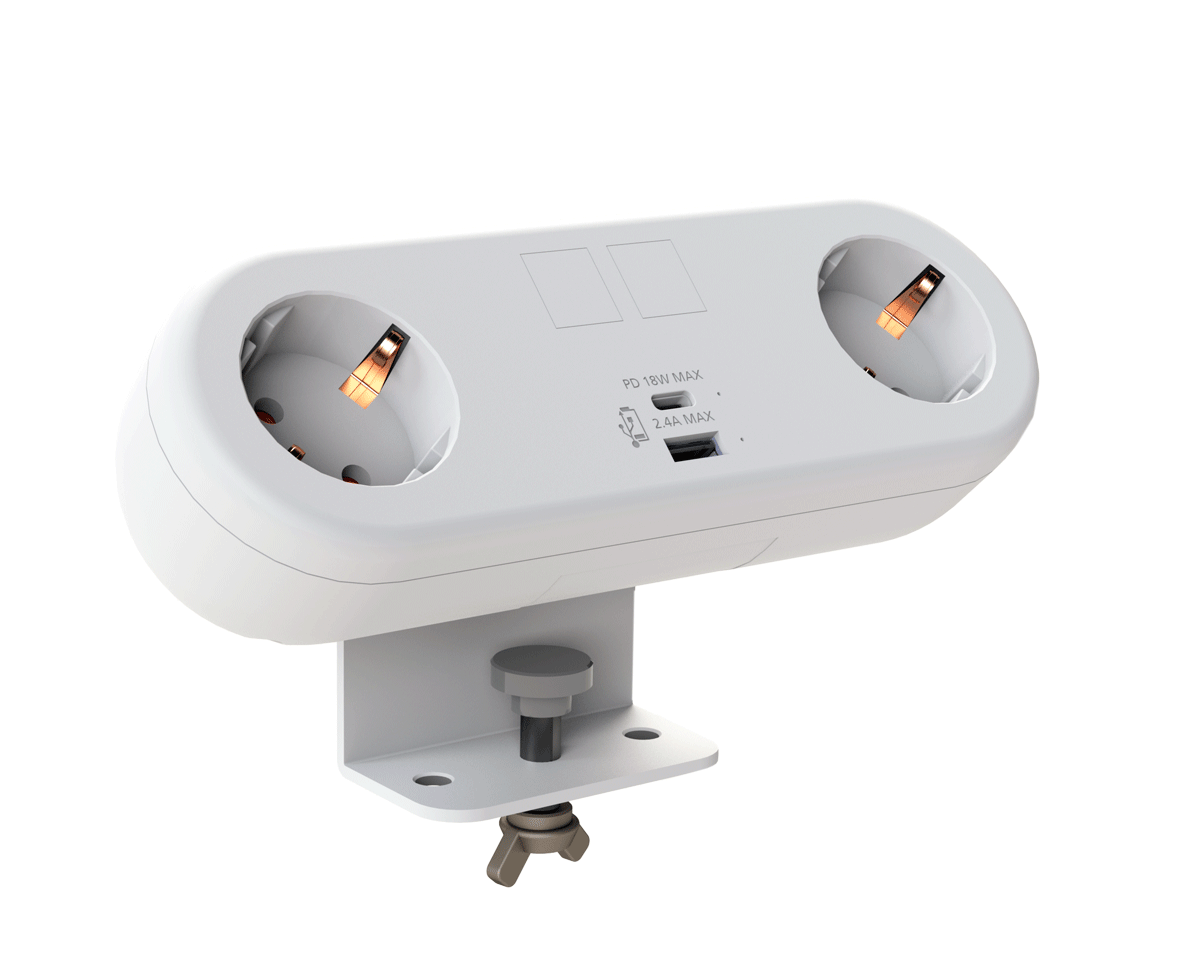
CMD Ltd, the specialist in power and connectivity solutions for commercial environments, has launched a Schuko version of its popular fixed format Capsule workstation power module for export to mainland Europe and beyond. A popular on desk power module comprising two sockets and dual USB (type A and C) chargers, CMD’s Capsule unit is already widely specified in the UK as an off-the-shelf workstation power...

Read more
CMD White Schuko Capsule Desk Power Module
CMD LTD EXTENDS MONITOR ARM RANGE WITH THE LAUNCH OF REACH PLUS

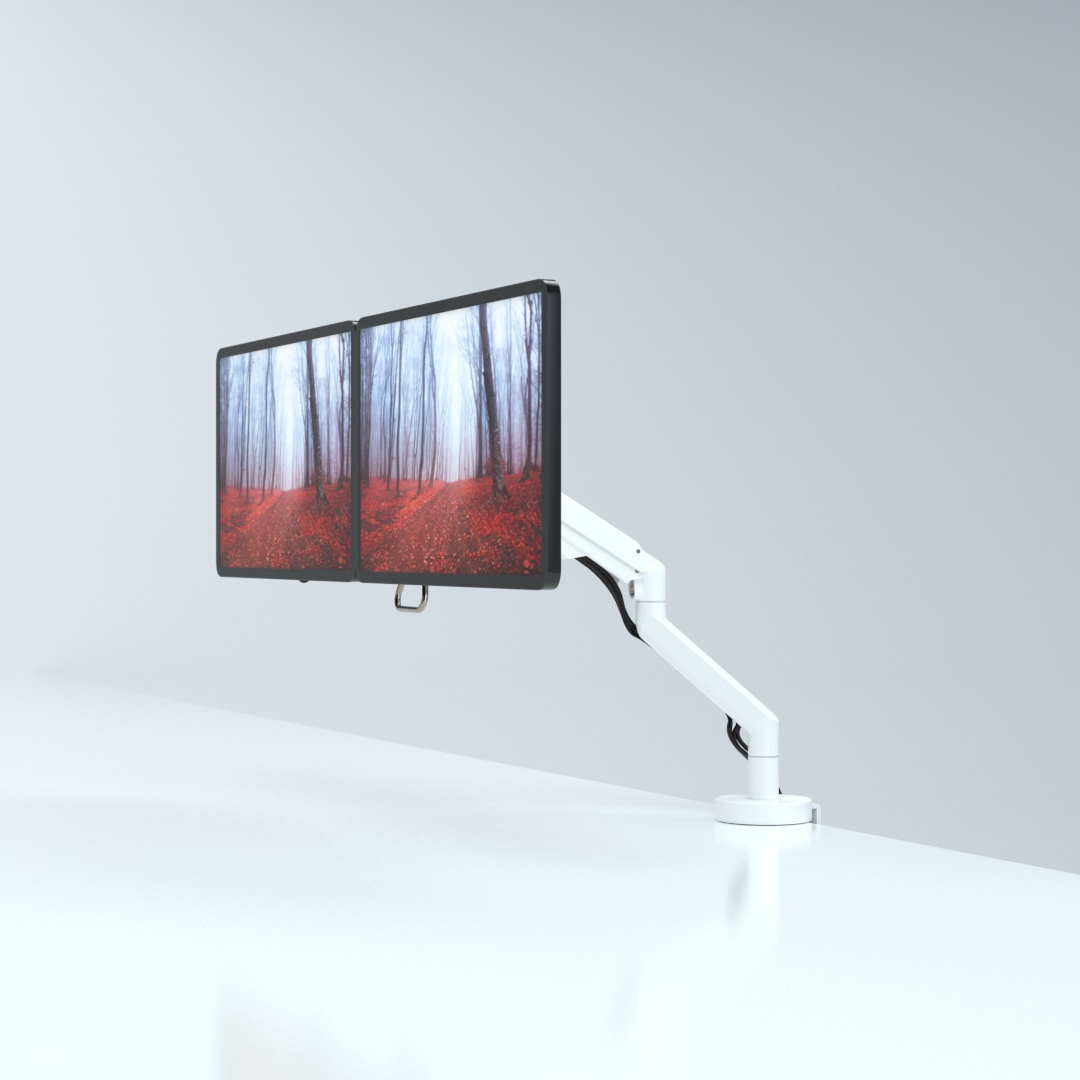
CMD Ltd, the specialist in ergonomic and connectivity solutions for commercial interiors, has completed its Reach monitor arm range with the launch of the Reach Plus. Available in single or dual screen options, the Reach Plus has been designed to provide an ideal solution for both single and dual screen workstation configurations, or can be used with next generation of large format curved screens. Suitable...

Read more
CMD Ltd DEMONSTRATES THE ART OF POWER DISTRIBUTION AT THE UNIVERSITY OF WARWICK

CMD Ltd, the specialist in workplace connectivity and ergonomic solutions, has provided Betatrak busbar power distribution and a range of electrical accessories for two major capital investment projects at the University of Warwick. Designed by Fielden Clegg Bradley Studios, the £33 million Faculty of Arts building is a showpiece development comprising four interconnected structures set around a central atrium, which will enable inter-disciplinary collaboration across...

Read more

University of Warwick
CMD BRINGS HARMONY TO COVENTRY UNIVERSITY RESEARCH FACILITIES

CMD Ltd, the specialist in power distribution solutions and workstation power and ergonomics, has provided under desk and on desk power modules for the refurbishment of three Coventry University research buildings. Located on Coventry University Technology Park, a business park designed to encourage collaboration between the university and knowledge-based businesses, the three buildings are being repurposed as office accommodation for university research teams. The refurbishment...

Read more

Coventry University

What are the Best Types of Airport Fences for Security?

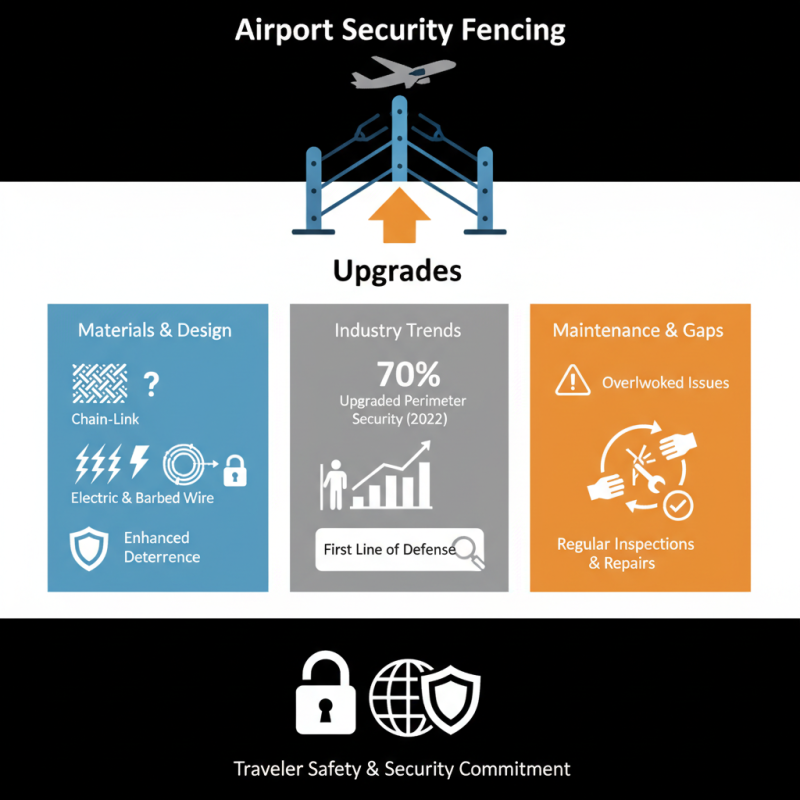
Airport security is a critical concern in today's fast-paced world. The type of airport fence used can significantly enhance safety and prevent unauthorized access. According to a 2022 report by the International Airport Council, over 70% of airports have upgraded their perimeter security in recent years. Industry expert John Smith, a consultant at SecureFences Inc., emphasizes, “An effective airport fence is the first line of defense against threats.”

Different materials and designs offer varying levels of protection. Chain-link fences are common but may not provide enough deterrence alone. Instead, many airports are opting for electric fencing and barbed wire to enhance their security. The choice of an airport fence should depend on specific threats and vulnerabilities they face.

However, maintaining these fences is often overlooked. Damage to a fence can create security gaps. Many airports struggle with keeping their fencing in optimal condition. Regular inspections and prompt repairs are essential for effective security. Addressing these issues can save airports from potential security breaches while ensuring traveler safety. The right airport fence is more than just a barrier; it reflects the commitment to security.

What are the Best Types of Airport Fences for Security?

Types of Airport Fences Commonly Used for Security Purposes

When it comes to airport security, the choice of fencing is crucial. Different types of fences serve varying purposes. Chain-link fences are common due to their visibility and affordability. They deter casual trespassers without fully blocking the view. However, they may not stop determined intruders. Higher and reinforced fences offer more security, but they can sometimes create a fortress-like feel.

Electrified fences are another option. These fences provide an additional layer of protection. They deter intruders with a harmless electric shock. Yet, they require regular maintenance to function well. Surveillance systems often accompany these fences for an added security measure. While effective, they can be costly and need monitoring.

Some airports opt for decorative fences. These can blend aesthetics with functionality. They are not as imposing, yet they need to be strong enough to deter breaches. It's a balance that can be hard to achieve. Airports must continually assess their needs and threats. Regular upgrades may be necessary to adapt to evolving security challenges.

Key Features of Effective Airport Security Fences

When considering airport security, fence selection is crucial. Effective airport fences should have specific features that enhance protection. Height is one significant factor. A fence that stands at least eight feet tall can deter most intruders. The material used is just as important. Chain link and welded wire are popular choices due to their durability and visibility.

Another key feature is the installation of anti-climb devices. These deter intruders attempting to scale the fence. Some designs include barbed wire at the top, creating another layer of defense. However, such features must be balanced with safety concerns for wildlife and personnel.

Regular maintenance is often overlooked. A well-maintained fence serves its purpose better. Weed growth or damage can compromise security. Creating regular inspection schedules is essential for maintaining effective barriers. While technology and design play significant roles, human oversight remains vital. Effectiveness is a blend of solid engineering and mindful management. There is always room for improvement in each airport's security measures.

What are the Best Types of Airport Fences for Security? - Key Features of Effective Airport Security Fences

Fence Type Height (ft) Material Key Features Cost per Linear Foot ($)
Chain Link 8 Steel Cost-effective, Visibility, Versatile 10-20
Electric Fences 6 Metal Deterrent, Alarm Integration, Active Security 20-40
Privacy Fencing 10 Vinyl/Wood Visibility Block, Aesthetic, Sound Barrier 15-30
Electrostatic Fences 8 Steel High Voltage, Alarm Systems, Durable 25-50
Barbed Wire 6 Steel Deterrent, Cost-effective 5-15

Comparative Analysis of Chain-Link Fences vs. Other Designs

When considering airport security, fence design plays a critical role. Chain-link fences are widely used due to their affordability and easy installation. They offer visibility, allowing security personnel to monitor activities. However, reports suggest that they may not deter determined intruders effectively.

Other designs, like solid panel fences, provide enhanced security but at a higher cost. According to the International Airport Review, these fences can reduce unauthorized access by up to 75%. Their solid structure prevents easy climbing or cutting, unlike chain-link designs. However, they can obstruct visibility, which can be a disadvantage during security patrols.

Barbed wire enhancements can increase the security level of chain-link fences. However, they also pose safety risks. Airports must balance the need for security with maintaining a welcoming environment for passengers. Finding the right type of fence is crucial for overall airport safety. Each option has strengths and weaknesses, necessitating careful consideration by airport authorities.

Integration of Technology in Airport Fence Security Systems

The integration of technology in airport fence security systems is transforming aviation safety. Traditional fences are getting smarter. For instance, sensors embedded in the fence can detect vibrations. If someone tries to breach the perimeter, the system sends immediate alerts.

Cameras play a crucial role as well. Modern surveillance systems can analyze movements around the fence. They use artificial intelligence to differentiate between animals and potential intruders. Real-time data is gathered, allowing teams to respond quickly. However, challenges remain. False alarms can still occur, leading to unnecessary panic.

Moreover, the effectiveness of these technologies often depends on proper maintenance. If cameras are not regularly checked, their effectiveness diminishes. The human element is essential. Personnel trained in interpreting data from these systems can enhance security. But, their workload can become overwhelming with false alerts. Balancing technology and human response is key.

Regulatory Standards and Guidelines for Airport Fence Installation

When it comes to airport security, proper fencing is crucial. Regulatory standards define how these fences should be built. Each airport must adhere to specific guidelines to ensure safety and security. These guidelines often vary from one region to another.

For instance, chain-link fences are commonly used due to their visibility and strength. They allow security personnel to see through easily. However, there are concerns about their effectiveness in deterring intruders. A solid solution involves using barriers that incorporate materials like barbed wire or reinforced steel. This combination could deter unauthorized access significantly.

Airports also need to consider height regulations. Fences must be tall enough to prevent climbing. Some regulations specify heights of at least eight feet. Nevertheless, this might not be enough in all scenarios. Regular assessments can reveal vulnerabilities. It's essential to adapt and update security measures over time. Airports must remain vigilant and aware of changing security threats.

Best Types of Airport Fences for Security

Article Source: