
News

Miro: A New Standard in Responsible Innovation

Miro: A New Standard in Responsible Innovation The Miro monitor arm is setting new benchmarks in sustainability. It offers a high-performance solution without compromising on environmental responsibility. Designed with careful material selection, local sourcing, and longevity in mind, Miro’s responsible approach to design and unique manoeuvrability set it apart from the competition. Sustainable Choices Miro is crafted from energy-efficient materials with a lower carbon impact....

Read more
HSE Advisor

Role Purpose Support in the development, implementation and maintenance of the company’s Health, Safety & Environmental policies, processes, operational procedures, and standards.  Ensuring best practice and championing a continually improving HSE culture within the business. Key Responsibilities Liaise with and provide support to all areas of the business to eliminate, mitigate or reduce identified HSE exposures. Partner with the production management team and team leaders,...

Read more
CMD Ltd LAUNCHES 48-HOUR TURNAROUND ON BETATRAK® RAPID ORDERING SERVICE

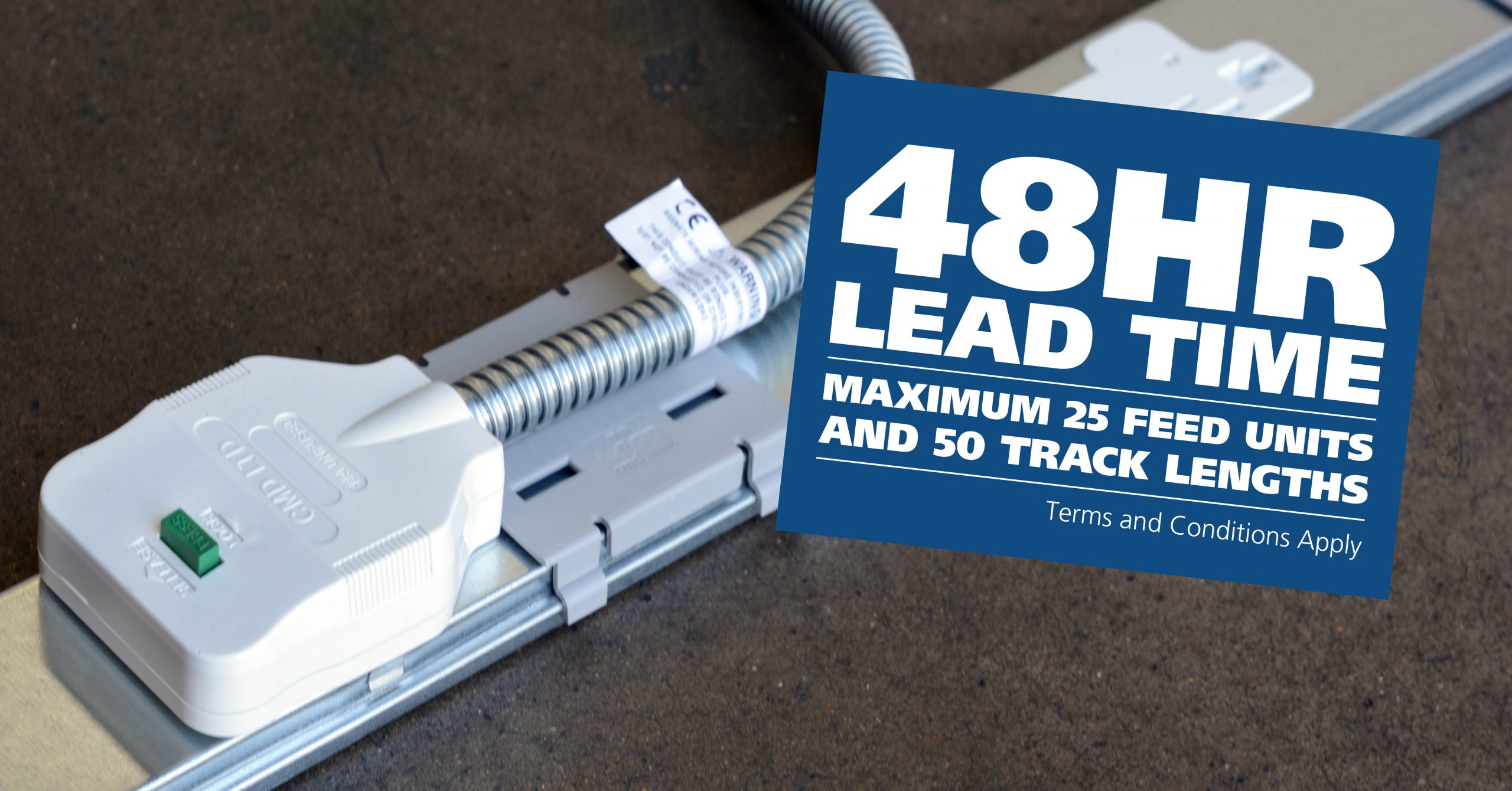
CMD Ltd, the specialist in power distribution systems, workstation power and monitor arms, has launched a rapid ordering service for its Betatrak® underfloor powertrack distribution systems and accessories, with a commitment to delivering within 48-hours of an approved purchase order*. The service enables customers to order up to 50 lengths of Standard or Clean Earth (C/E) low noise Betatrak, along with up to 25 feed...

Read more
CMD INVESTS £1/4 MILLION IN NEW MACHINE AS PART OF FACTORY UPGRADE

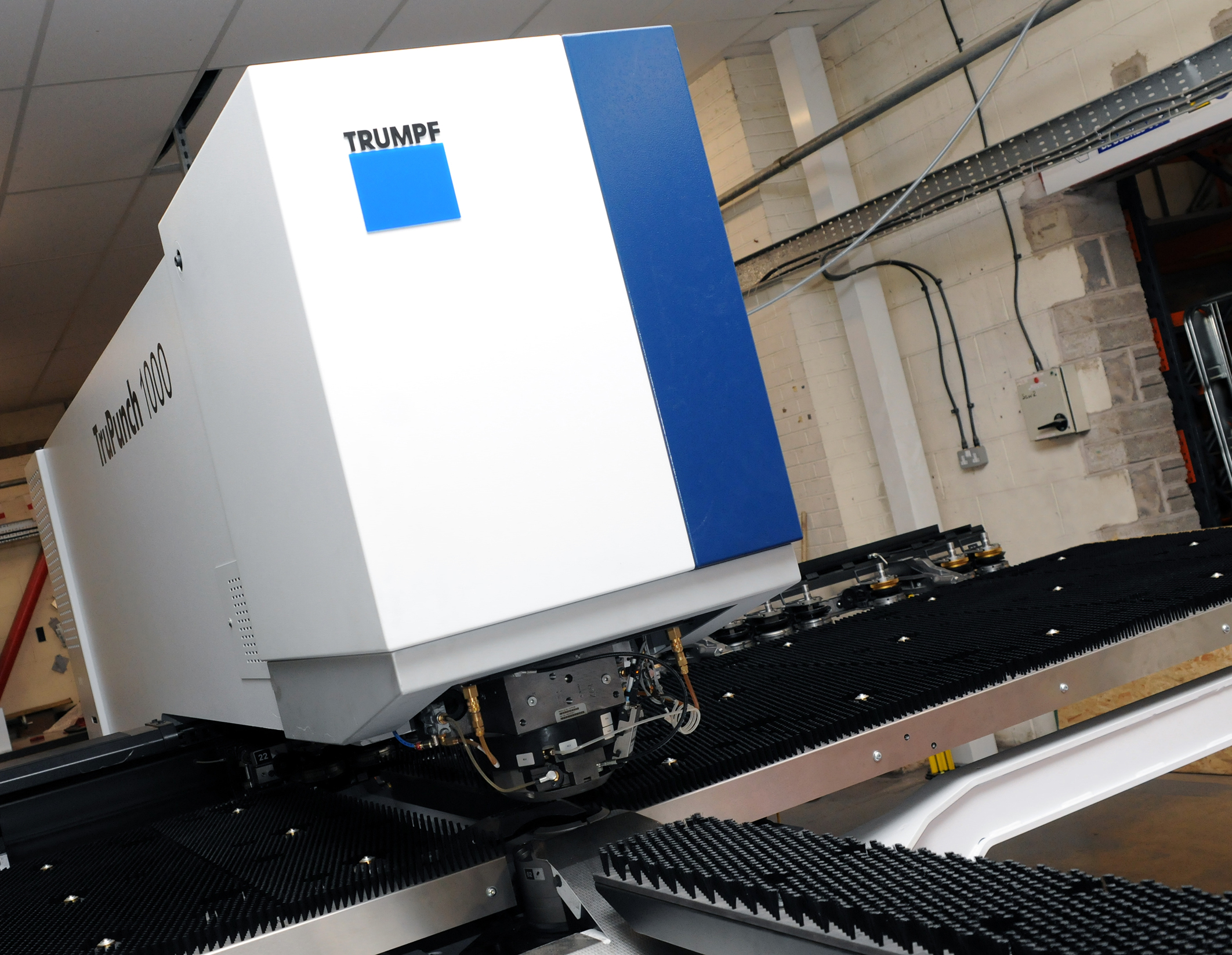
We have invested in a new £1/4m TRUMPF CNC metal punch as part of an asset renewal strategy for our UK manufacturing capability. The new machine will be used in the production of a wide variety of our power distribution systems and workstation power products at our Rotherham factory. Suitable for handling sheet metal between 0.9mm and 3.0mm thick, the new machine will replace one...

Read more
CMD CATALOGUE PROVIDES TECHNICAL POWER DISTRIBUTION GUIDE

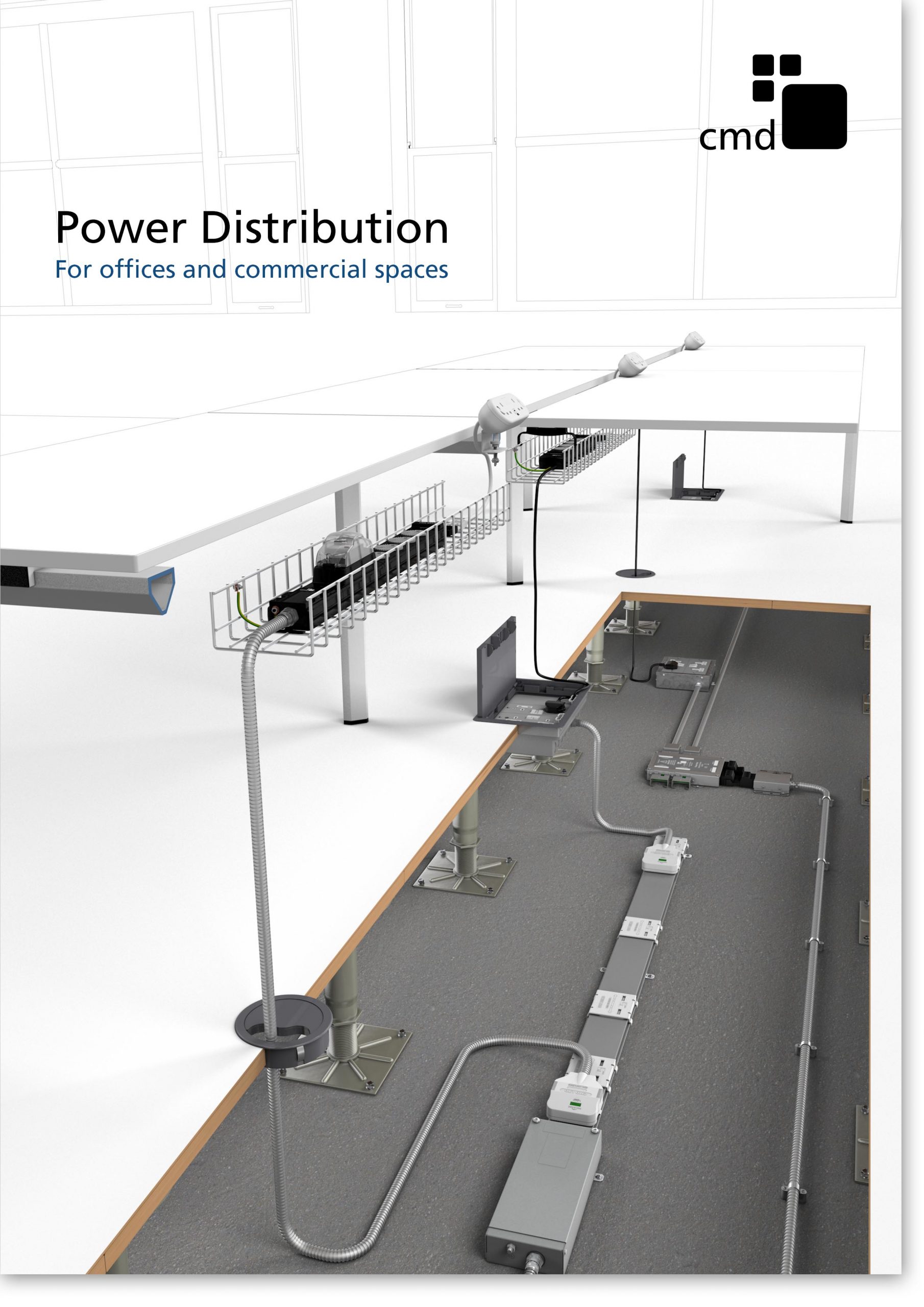
CMD Ltd has released a new catalogue, providing an easy to follow technical guide to our power distribution systems and plug and play desk modules. Detailing CMD’s full range of UK-manufactured power distribution systems and plug and play desk modules, the catalogue will be a helpful source of information to M&E engineers and contractors alike to understand how our power distribution systems connect together and...

Read more
Power Distribution Catalogue
CMD Ltd PLAYS ESSENTIAL ROLE IN ELECTRICAL FIT OUT AT LONDON’S PRESTIGIOUS OFFICE DEVELOPMENT

CMD Ltd, specialist in workplace connectivity and ergonomic solutions, has provided a flexible and high-quality power distribution network for The Ray, a prestigious office development in London’s Farringdon. Well-known for being the former site of The Guardian newspaper, The Ray now stands as an 83,000ft² office development characterised by a modernised warehouse aesthetic, with level two now occupied by a global social media company. The...

Read more

The Ray
CMD plugs in to european opportunity with Schuko Capsule unit launch

CMD Ltd, the specialist in power and connectivity solutions for commercial environments, has launched a Schuko version of its popular fixed format Capsule workstation power module for export to mainland Europe and beyond. A popular on desk power module comprising two sockets and dual USB (type A and C) chargers, CMD’s Capsule unit is already widely specified in the UK as an off-the-shelf workstation power...

Read more
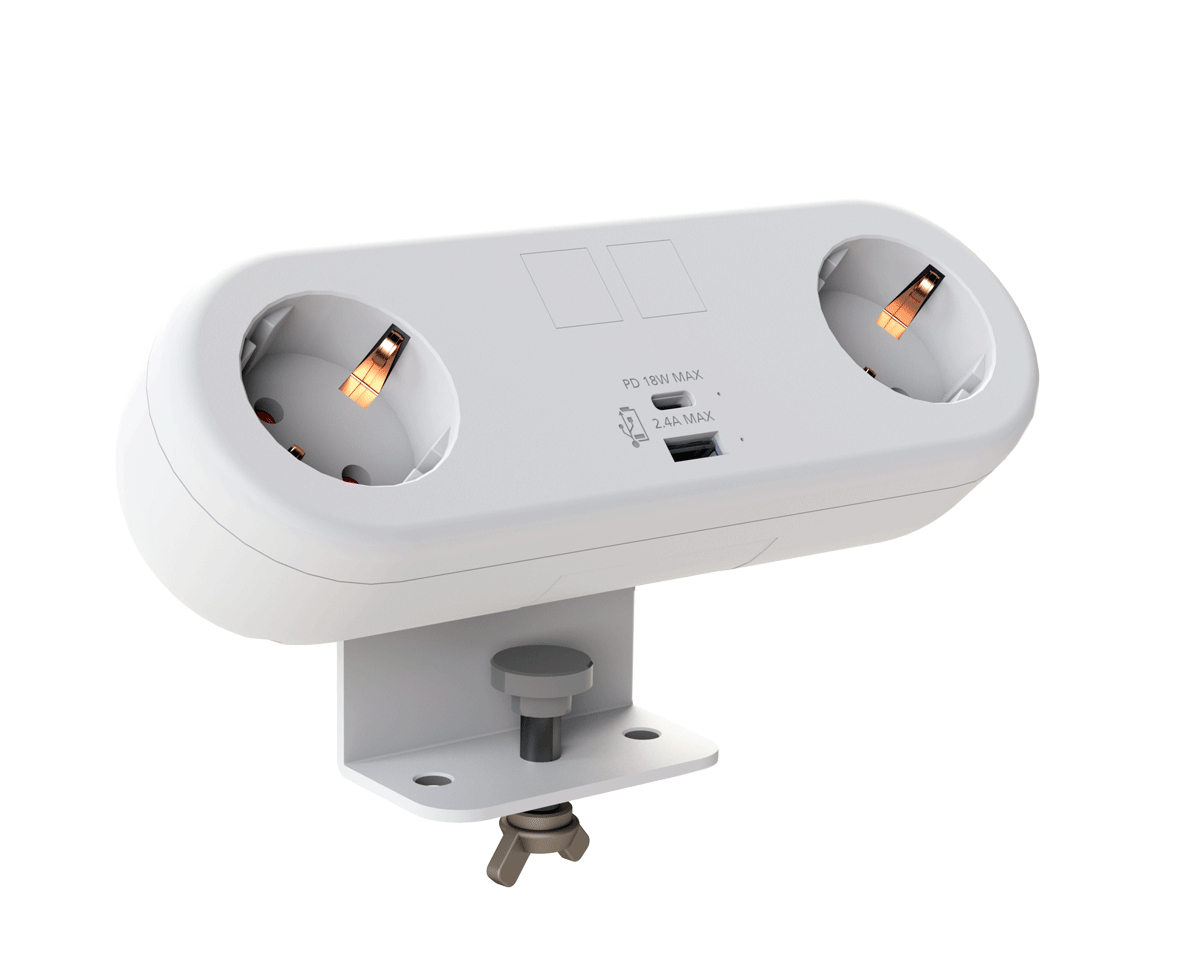
CMD White Schuko Capsule Desk Power Module
CMD LTD EXTENDS MONITOR ARM RANGE WITH THE LAUNCH OF REACH PLUS

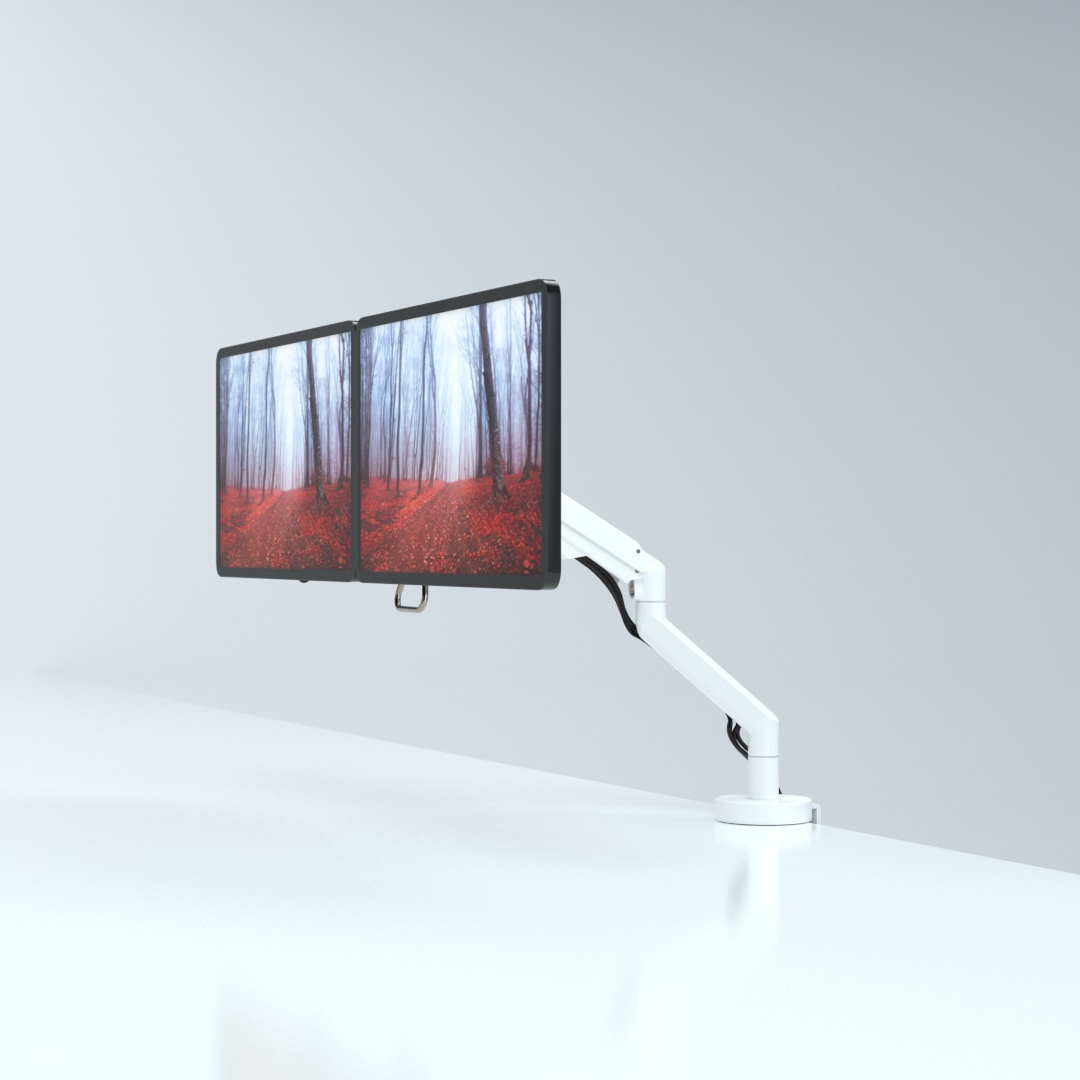
CMD Ltd, the specialist in ergonomic and connectivity solutions for commercial interiors, has completed its Reach monitor arm range with the launch of the Reach Plus. Available in single or dual screen options, the Reach Plus has been designed to provide an ideal solution for both single and dual screen workstation configurations, or can be used with next generation of large format curved screens. Suitable...

Read more
CMD Ltd DEMONSTRATES THE ART OF POWER DISTRIBUTION AT THE UNIVERSITY OF WARWICK

CMD Ltd, the specialist in workplace connectivity and ergonomic solutions, has provided Betatrak busbar power distribution and a range of electrical accessories for two major capital investment projects at the University of Warwick. Designed by Fielden Clegg Bradley Studios, the £33 million Faculty of Arts building is a showpiece development comprising four interconnected structures set around a central atrium, which will enable inter-disciplinary collaboration across...

Read more

University of Warwick
CMD BRINGS HARMONY TO COVENTRY UNIVERSITY RESEARCH FACILITIES

CMD Ltd, the specialist in power distribution solutions and workstation power and ergonomics, has provided under desk and on desk power modules for the refurbishment of three Coventry University research buildings. Located on Coventry University Technology Park, a business park designed to encourage collaboration between the university and knowledge-based businesses, the three buildings are being repurposed as office accommodation for university research teams. The refurbishment...

Read more

Coventry University

7 Best Type C Laptop Chargers for Global Buyers

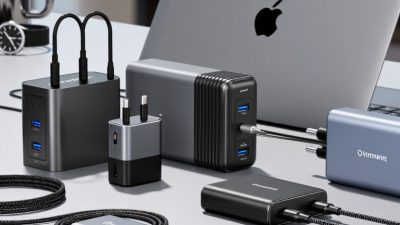
Choosing a type c laptop charger for international travel is rarely as simple as matching a connector. A slim charger may fit easily beside a passport, yet fail to deliver enough power for a demanding laptop. A 65W model may suit an ultrabook, while a gaming notebook could need 100W or more. Travel details matter too. Plug shape, voltage support, cable rating, heat, and warranty can change the buying decision.

USB-C engineer and compatibility reviewer Benson Leung has repeatedly warned, “Not all USB-C cables are created equal.” That reminder guides this selection. Each charger should be judged by USB Power Delivery support, sustained wattage, port performance, and safety documentation. Look for clear output labels, reliable thermal control, and suitable regional plug options. GaN construction can reduce size, but it does not automatically guarantee better performance. Small is not always stronger.

This guide compares seven chargers for global buyers. It considers airport use, hotel desks, crowded power strips, and long work sessions. It also examines whether a charger can power a laptop while charging a phone or tablet. No ranking is flawless. Device compatibility varies, and manufacturers sometimes change internal components without changing the product name. That deserves attention. A careful buyer should still check the laptop’s required wattage and the charger’s official specifications before purchasing. The best type c laptop charger is not merely compact. It should be predictable, properly documented, and practical across real travel conditions.

7 Best Type C Laptop Chargers for Global Buyers

Understanding USB-C Laptop Charging Standards and Power Requirements

A USB-C laptop charger is not defined by its plug alone. The charging standard matters more. USB Power Delivery negotiates voltage and current between the charger and computer. Many laptops request 20 volts, while smaller devices may use 5, 9, or 15 volts. A 65-watt adapter can supply 20V at 3.25A. That figure is more useful than a large number printed on the package.

For global buying, check the laptop’s required wattage in its manual or on its original adapter. A 45-watt charger may maintain power during light work, but video editing can require 65 watts or more. A weaker charger may charge slowly or lose battery during use. I have seen this happen during travel. The screen showed “plugged in,” yet the battery level fell. A charger supporting USB PD 3.1 can provide higher power, but both devices must support it. Compatibility is negotiated, not assumed.

Cable ratings are easy to overlook. A 100-watt setup needs a cable rated for that output, often with an electronic marker. Keep the cable reasonably short to reduce power loss. For international use, choose a charger accepting 100–240V input, then use the correct local plug adapter. Plug shape is not voltage protection. Warm is common. Painfully hot is not. I would recheck port fit, cable damage, airflow, and recognized safety certification before leaving the charger connected overnight. Product labels can remain vague, so measured output and clear specifications deserve more trust than appearance.

How to Choose the Right Charger for Different Laptop Models

Choosing among the seven best Type-C laptop chargers starts with your laptop model, not the charger’s appearance. Check the manual or original power label for the required wattage. A lightweight notebook may need 45W, while a powerful workstation can require 100W or more. Using a weaker charger may cause slow charging or battery drain during heavy work. I have seen this happen during video editing, especially when the laptop was connected to an external display.

Confirm that the charger supports USB Power Delivery and matches your laptop’s voltage and current requirements. Some models accept charging through only one Type-C port. Others support several ports but divide power between devices. A 100W charger may deliver less when a phone or tablet is connected. Choose a cable rated for the charger’s output, preferably with clear power markings. Look for recognized electrical safety certification and a plug suitable for your destination. International buyers should also check input voltage support before travelling. Small details matter.

Tips: Test the charger under real use. Open several applications and watch whether the battery level rises. Check for unusual heat, buzzing, or a loose connection. A warm surface can be normal, but excessive heat deserves attention. I sometimes choose a slightly larger charger for stability, although that adds weight. Recheck your laptop’s specifications before buying; assumptions are easy, and charger listings are not always perfectly clear.

Seven Top USB-C Laptop Chargers for International Buyers

Seven Top USB-C Laptop Chargers for International Buyers

International laptop users need more than high wattage. They need stable power across airports, hotels, and different electrical systems. IDC reported 262.7 million traditional PCs shipped worldwide in 2024, showing the scale of mobile computing demand. USB-IF’s USB Power Delivery 3.1 specification supports charging up to 240W, but wattage alone does not guarantee compatibility.

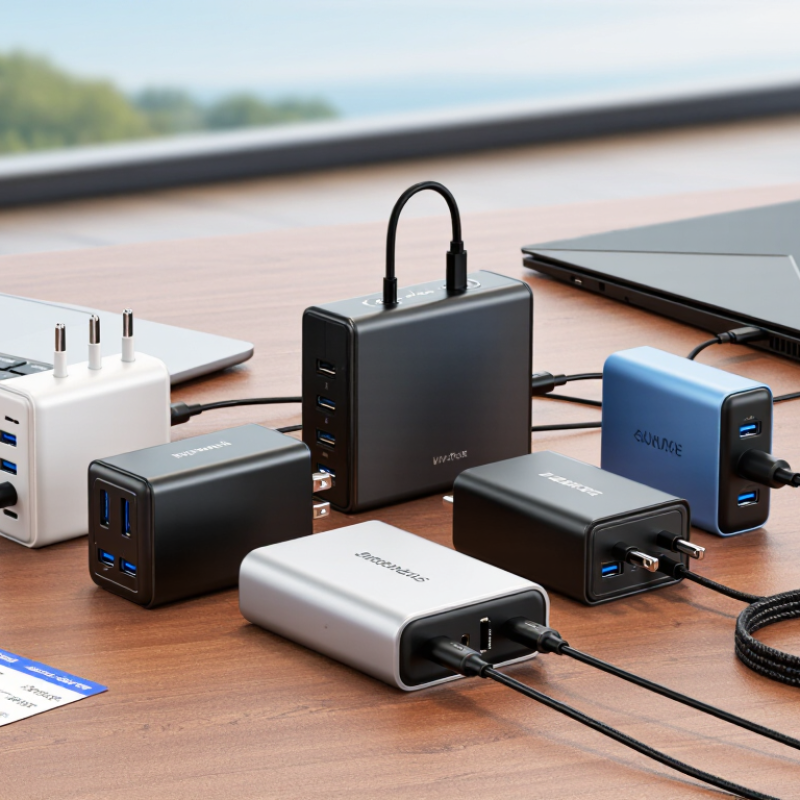
The seven strongest charger profiles are a 65W single-port model, a 65W dual-port model, a compact 100W travel model, a 100W multi-port desktop model, a 140W high-performance model, a foldable charger, and a universal-voltage travel kit. A 65W unit suits many office laptops. A 100W option offers more headroom for larger screens and demanding workloads. High-performance machines may require 140W or more. Check the laptop’s manual first.

Details matter. Look for 100–240V input support, over-temperature protection, short-circuit protection, and a certified cable rated for the charger’s output. The European Commission’s common-charger policy has also increased consumer attention toward USB-C compatibility across portable electronics. Regional plug adapters still matter, even when voltage support is universal. In practical travel checks, a short cable reduces desk clutter, but it can limit reach beside a hotel bed. I once valued the smallest charger too highly. It became warm under load. A larger housing may offer better thermal control. Keep it simple. Verify the port labels, cable rating, and local plug format before buying.

Comparing Charging Speed, Portability, Safety, and Compatibility

Choosing the seven best Type-C laptop chargers requires more than checking their wattage. Charging speed depends on USB Power Delivery support, the laptop’s input limit, and the cable’s rating. A 65W charger may work efficiently with an ultrabook, while a performance laptop may need 100W or more. Higher power does not always mean faster charging. The laptop controls the final intake.

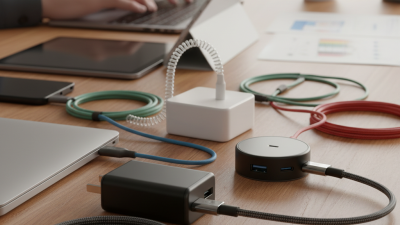
Portability matters during airport transfers and crowded desks. Compact GaN designs usually save space, but their smaller bodies can become warm under sustained loads. A single-port model often delivers steadier power, while a multi-port charger shares output between devices. I noticed this difference when charging a laptop and tablet together. The laptop slowed noticeably. That result may vary by charger design.

Safety and compatibility deserve equal attention. Look for overcurrent, overvoltage, overheating, and short-circuit protection. Chargers with 100–240V input suit many international travelers, but the correct wall-plug adapter may still be necessary. Check the laptop’s required wattage before buying. Confirm that the cable supports the charger’s full output, especially above 60W. Some listings claim universal compatibility, yet certain laptops reject unfamiliar power profiles. I would not trust a vague specification sheet. A certified charger, a clearly rated cable, and a return policy provide more reliable protection than impressive numbers alone.

7 Best Type-C Laptop Chargers for Global Buyers

Comparison of seven representative USB-C charger profiles using a 1–5 benchmark score. Scores are based on maximum USB-C output, approximate travel weight, common protection features, and laptop/device compatibility across international markets.

How to read the chart: Higher charging-speed scores indicate greater maximum USB-C Power Delivery output. Portability reflects lower travel weight and compactness, while safety and compatibility reflect the number of widely supported protection standards, voltage ranges, and USB-C PD profiles.

Global Buying Factors: Voltage, Plug Types, Warranty, and Travel Use

7 Best Type C Laptop Chargers for Global Buyers

A reliable Type-C laptop charger must match voltage, plug format, power output, and travel conditions. Most modern chargers accept 100–240V input, but buyers should confirm this on the label. A plug adapter changes the shape only. It does not convert voltage. USB Power Delivery 3.1 supports up to 240W, according to the USB Implementers Forum. However, a laptop may need far less power. Check the computer’s original wattage before buying.

Plug shapes vary across regions, and hotel sockets can be loose or poorly positioned. Choose a charger with interchangeable plugs or a compact travel adapter. Warranty terms also deserve attention. Look for clear international coverage, repair procedures, and at least a one-year warranty. The European Commission’s common-charger rules require USB-C charging for laptops sold in the EU from April 28, 2026. This improves compatibility, but it does not guarantee safe performance.

Tips: Read the input range first. Match or exceed the laptop’s required wattage. Carry a short extension cable for crowded airport sockets. A small plug may still block neighboring outlets. I learned this after packing a powerful charger that barely fitted a train compartment socket. That mistake remains easy to repeat.

The Global E-waste Monitor 2024 reported 62 million tonnes of electronic waste in 2022, so replaceable cables and durable construction matter. A cheaper charger can become expensive when its cable fails early.