

News

Miro: A New Standard in Responsible Innovation

Miro: A New Standard in Responsible Innovation The Miro monitor arm is setting new benchmarks in sustainability. It offers a high-performance solution without compromising on environmental responsibility. Designed with careful material selection, local sourcing, and longevity in mind, Miro’s responsible approach to design and unique manoeuvrability set it apart from the competition. Sustainable Choices Miro is crafted from energy-efficient materials with a lower carbon impact....

Read more
HSE Advisor

Role Purpose Support in the development, implementation and maintenance of the company’s Health, Safety & Environmental policies, processes, operational procedures, and standards.  Ensuring best practice and championing a continually improving HSE culture within the business. Key Responsibilities Liaise with and provide support to all areas of the business to eliminate, mitigate or reduce identified HSE exposures. Partner with the production management team and team leaders,...

Read more
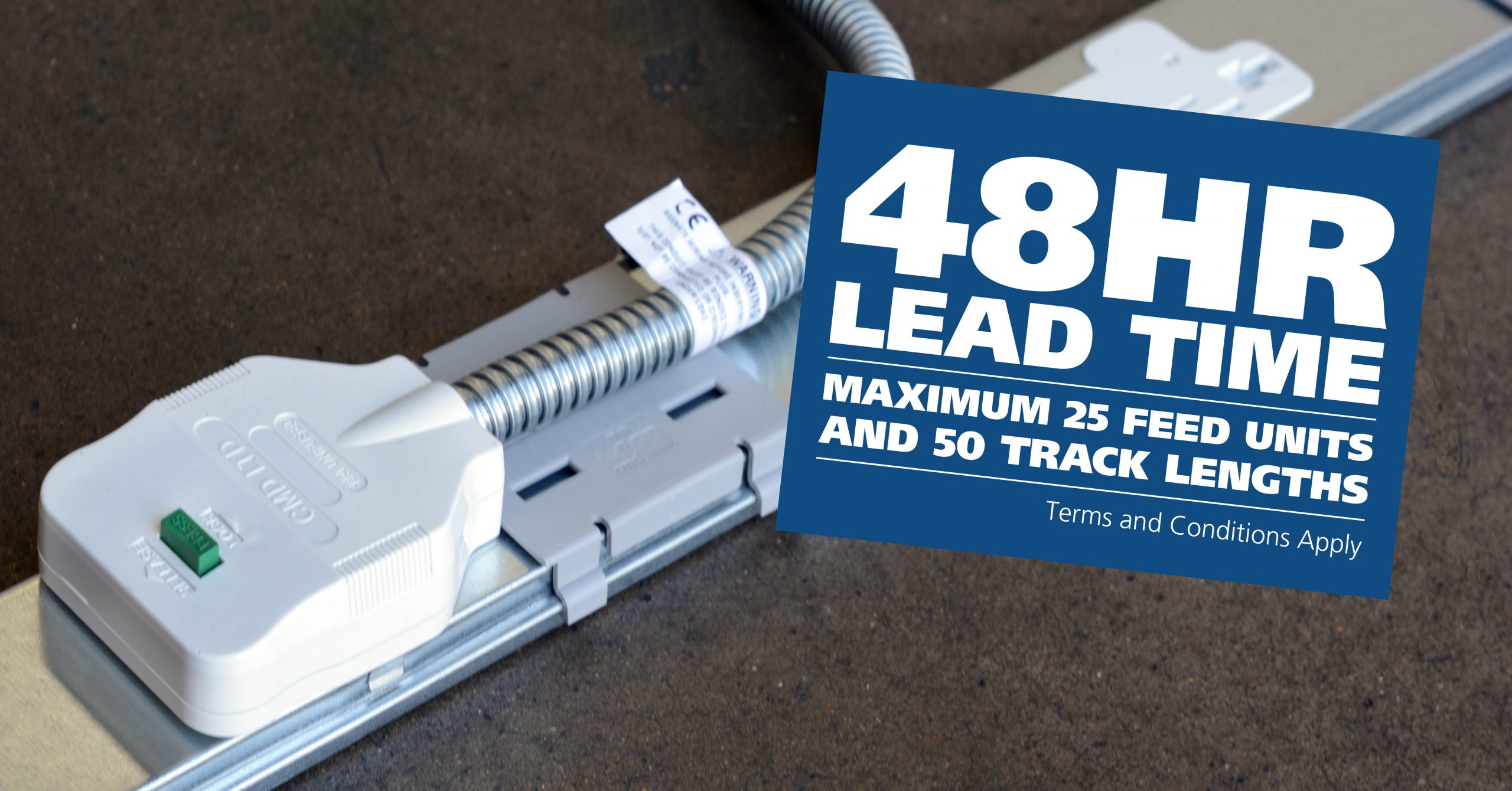
CMD Ltd LAUNCHES 48-HOUR TURNAROUND ON BETATRAK® RAPID ORDERING SERVICE

CMD Ltd, the specialist in power distribution systems, workstation power and monitor arms, has launched a rapid ordering service for its Betatrak® underfloor powertrack distribution systems and accessories, with a commitment to delivering within 48-hours of an approved purchase order*. The service enables customers to order up to 50 lengths of Standard or Clean Earth (C/E) low noise Betatrak, along with up to 25 feed...

Read more
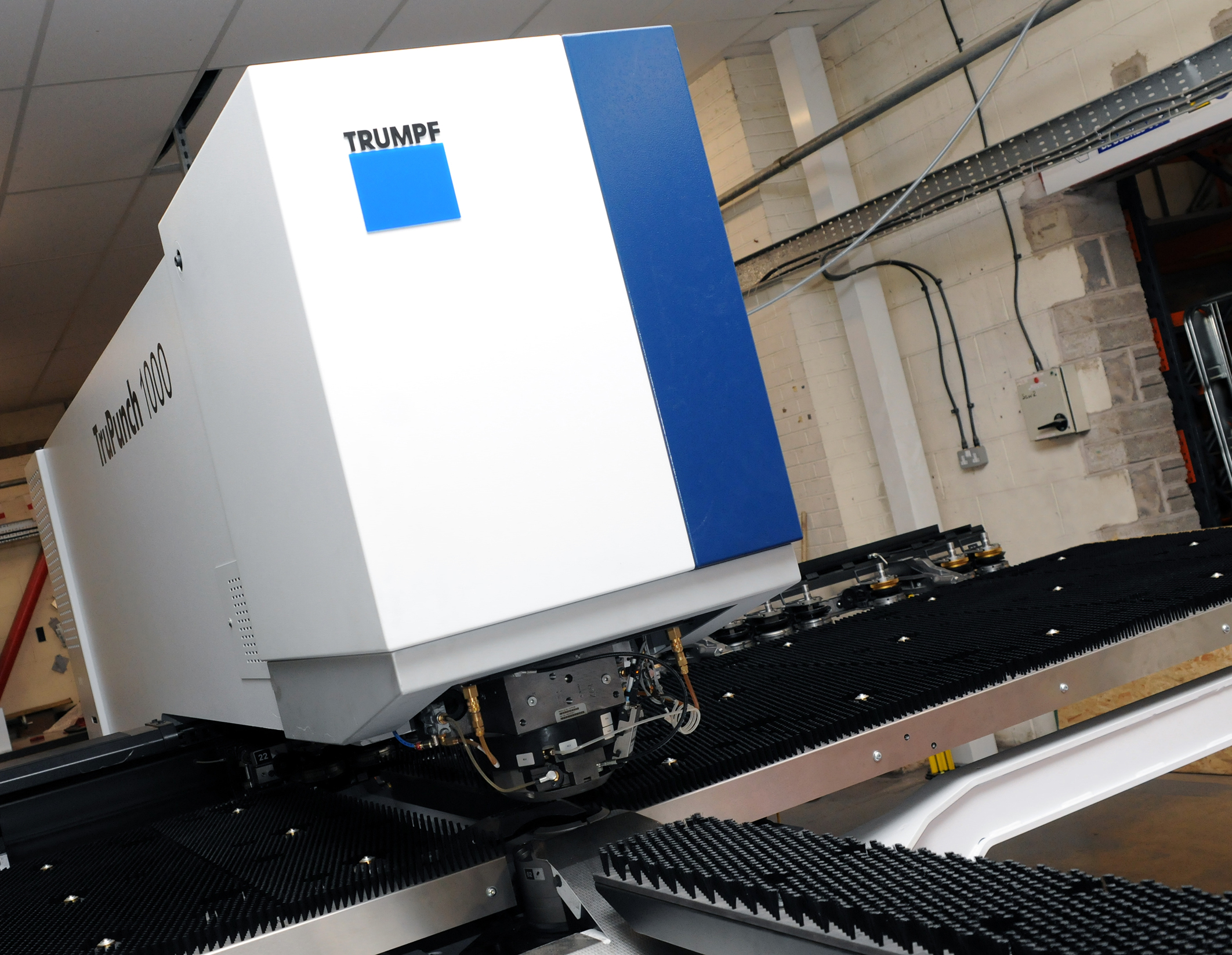
CMD INVESTS £1/4 MILLION IN NEW MACHINE AS PART OF FACTORY UPGRADE

We have invested in a new £1/4m TRUMPF CNC metal punch as part of an asset renewal strategy for our UK manufacturing capability. The new machine will be used in the production of a wide variety of our power distribution systems and workstation power products at our Rotherham factory. Suitable for handling sheet metal between 0.9mm and 3.0mm thick, the new machine will replace one...

Read more
CMD CATALOGUE PROVIDES TECHNICAL POWER DISTRIBUTION GUIDE

CMD Ltd has released a new catalogue, providing an easy to follow technical guide to our power distribution systems and plug and play desk modules. Detailing CMD’s full range of UK-manufactured power distribution systems and plug and play desk modules, the catalogue will be a helpful source of information to M&E engineers and contractors alike to understand how our power distribution systems connect together and...

Read more
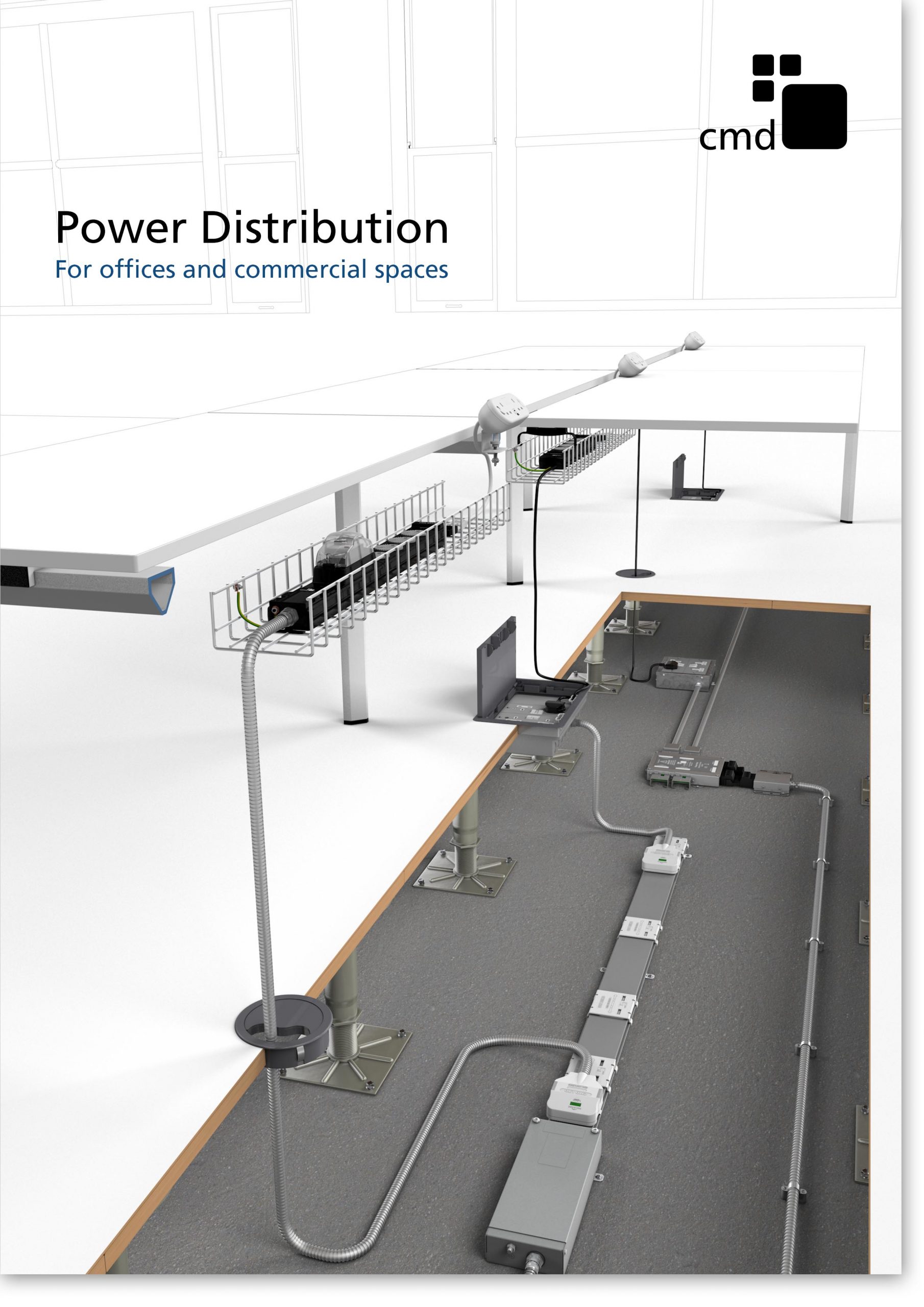
Power Distribution Catalogue
CMD Ltd PLAYS ESSENTIAL ROLE IN ELECTRICAL FIT OUT AT LONDON’S PRESTIGIOUS OFFICE DEVELOPMENT

CMD Ltd, specialist in workplace connectivity and ergonomic solutions, has provided a flexible and high-quality power distribution network for The Ray, a prestigious office development in London’s Farringdon. Well-known for being the former site of The Guardian newspaper, The Ray now stands as an 83,000ft² office development characterised by a modernised warehouse aesthetic, with level two now occupied by a global social media company. The...

Read more

The Ray
CMD plugs in to european opportunity with Schuko Capsule unit launch

CMD Ltd, the specialist in power and connectivity solutions for commercial environments, has launched a Schuko version of its popular fixed format Capsule workstation power module for export to mainland Europe and beyond. A popular on desk power module comprising two sockets and dual USB (type A and C) chargers, CMD’s Capsule unit is already widely specified in the UK as an off-the-shelf workstation power...

Read more
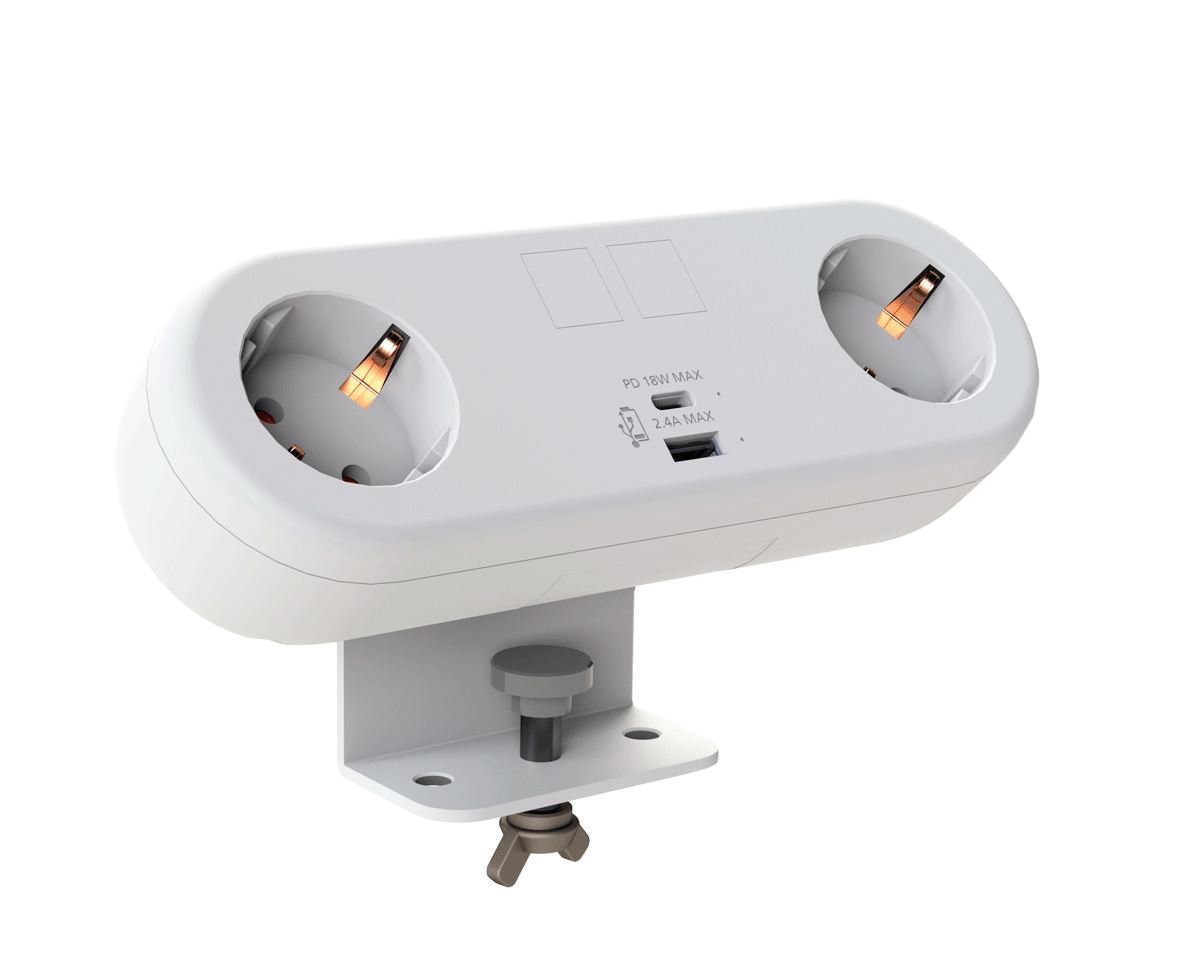
CMD White Schuko Capsule Desk Power Module
CMD LTD EXTENDS MONITOR ARM RANGE WITH THE LAUNCH OF REACH PLUS

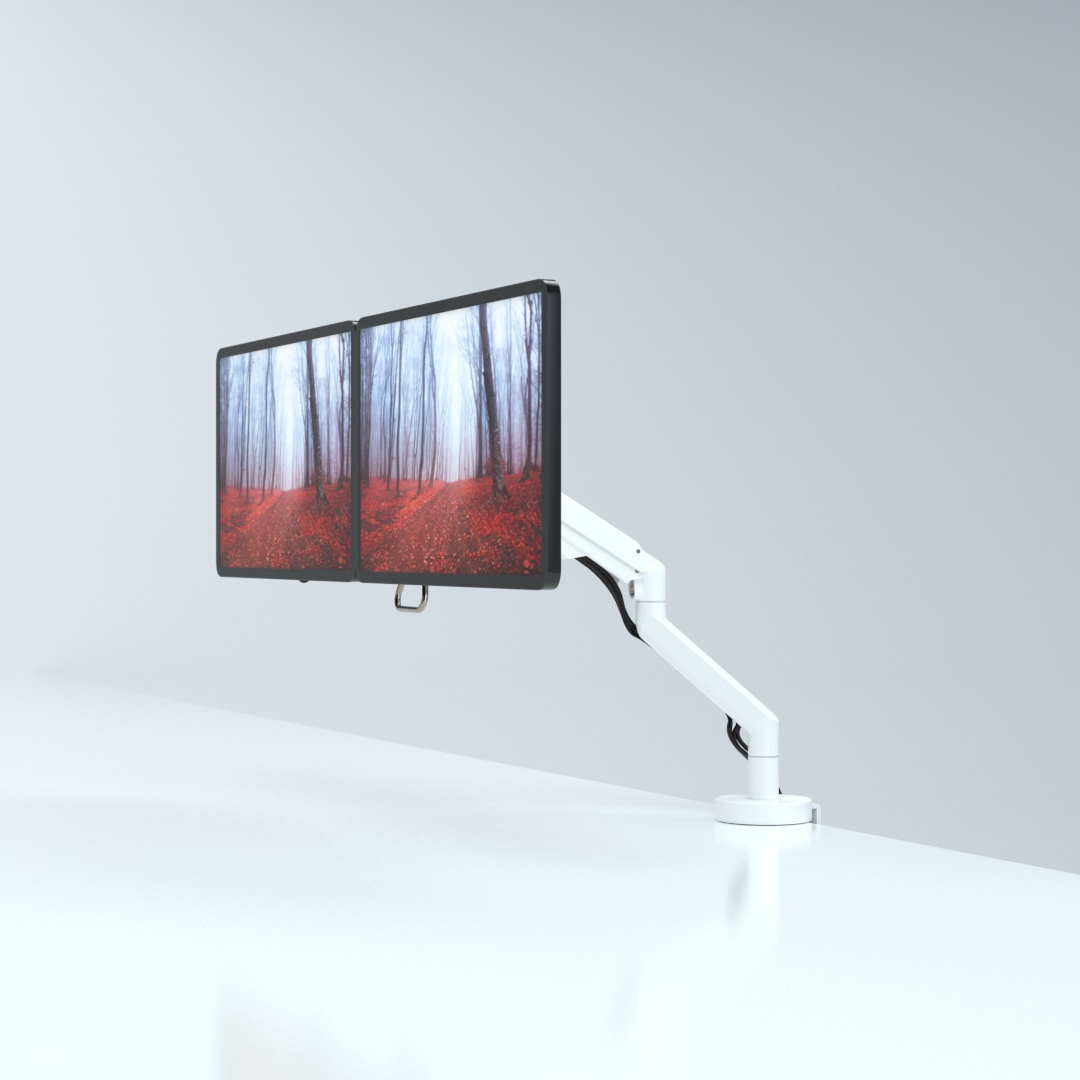
CMD Ltd, the specialist in ergonomic and connectivity solutions for commercial interiors, has completed its Reach monitor arm range with the launch of the Reach Plus. Available in single or dual screen options, the Reach Plus has been designed to provide an ideal solution for both single and dual screen workstation configurations, or can be used with next generation of large format curved screens. Suitable...

Read more
CMD Ltd DEMONSTRATES THE ART OF POWER DISTRIBUTION AT THE UNIVERSITY OF WARWICK

CMD Ltd, the specialist in workplace connectivity and ergonomic solutions, has provided Betatrak busbar power distribution and a range of electrical accessories for two major capital investment projects at the University of Warwick. Designed by Fielden Clegg Bradley Studios, the £33 million Faculty of Arts building is a showpiece development comprising four interconnected structures set around a central atrium, which will enable inter-disciplinary collaboration across...

Read more

University of Warwick
CMD BRINGS HARMONY TO COVENTRY UNIVERSITY RESEARCH FACILITIES

CMD Ltd, the specialist in power distribution solutions and workstation power and ergonomics, has provided under desk and on desk power modules for the refurbishment of three Coventry University research buildings. Located on Coventry University Technology Park, a business park designed to encourage collaboration between the university and knowledge-based businesses, the three buildings are being repurposed as office accommodation for university research teams. The refurbishment...

Read more


Coventry University

2026 Best Textile Equipment for Global Buyers to Consider?

In the evolving world of manufacturing, the Textile Equipment industry plays a crucial role. Experts emphasize the importance of innovation in this sector. Dr. James Taylor, a leading textile engineer, stated, "The right textile equipment significantly influences production efficiency and quality." This insight highlights the necessity for global buyers to evaluate their equipment choices carefully.

As we approach 2026, advancements in textile machinery are evident. These innovations aim to enhance productivity and reduce waste. Buyers face challenges in selecting the most suitable equipment. This requires understanding their specific needs and the capabilities of available technologies. The textile equipment landscape is diverse, featuring both traditional and cutting-edge solutions.

Investing in modern textile equipment is essential for staying competitive. With many options available, buyers must conduct thorough research. Each choice carries potential risks and rewards. Thoughtful consideration will lead to effective investments that drive success in the dynamic textile market. Finding the balance between cost and quality is key for any buyer.

2026 Best Textile Equipment for Global Buyers to Consider?

Overview of the Textile Equipment Market for 2026

As we look toward 2026, the textile equipment market shows promising advancements and opportunities. Rapid technological developments will shape how businesses operate. Automation and sustainability have become focal points. Companies must adapt to these trends to remain competitive.

Investing in modern equipment can significantly enhance production efficiency. However, it’s crucial to choose machinery that aligns with your specific needs. Assess your production volume and the fabric types you work with. This evaluation will guide your decision-making process.

Tips: Evaluate the long-term benefits of equipment investments. Consider energy efficiency and maintenance costs. Not every advanced machine will suit your operation. Engage with industry experts for insights on best practices in equipment selection. Understanding your limitations is key to making informed choices.

Key Factors Driving Textile Equipment Innovation and Demand

The textile equipment industry is evolving rapidly. Key factors driving innovation include sustainability, automation, and advanced materials technology. According to a 2023 report by Technavio, the global textile machinery market is projected to grow by $7.5 billion between 2023 and 2027, reflecting a surge in demand for efficient, eco-friendly solutions.

Sustainability is at the forefront. Manufacturers are increasingly adopting equipment that minimizes waste and enhances energy efficiency. The International Textile Manufacturers Federation (ITMF) reported that 64% of textile companies are investing in sustainable production technologies. Such investments not only reduce environmental impact but also align with consumer preferences for sustainable practices.

Automation is transforming traditional processes. Smart machinery offers increased precision and faster turnaround times. The McKinsey Global Institute predicts that automation could boost productivity in textile manufacturing by up to 30% by 2026. However, companies often grapple with integrating these new systems into existing workflows, indicating a need for ongoing training and adaptation.

2026 Best Textile Equipment Innovations: Key Factors Driving Demand

Top Textile Equipment Categories to Explore for Global Buyers

In the dynamic world of textiles, global buyers have a wealth of equipment options to explore. One prominent category is weaving machinery. High-quality looms can significantly improve production efficiency. They offer features like automatic tension control and quick-change setups. These advancements help in reducing downtime, a critical factor for any textile business.

Another important category is dyeing equipment. Equipment that ensures consistent color application is key for maintaining quality. Modern dyeing machines now provide energy-efficient options that are more eco-friendly. However, understanding the setup can be a challenge for many buyers. It's essential to ensure that the machinery aligns with specific fabric types and dye processes.

Finishing equipment is equally vital. This category encompasses a range of tools that enhance the final product's feel and appearance. Calenders and dryers, for example, play a crucial role in achieving desired outcomes. The learning curve is steep, and sometimes, mismatches occur. Buyers must consider the implications of these choices carefully. Identifying the right equipment for unique needs can lead to better efficiency and product quality in the long run.

Sustainability Trends in Textile Equipment for Future Investments

Sustainability is transforming the textile equipment industry. Global buyers increasingly prioritize eco-friendly solutions in their investments. According to a 2023 report by McKinsey & Company, sustainable practices can reduce operational costs by up to 15%. This statistic highlights the financial benefits of adopting green technologies.

Investors are keen on innovations that minimize environmental impact. A recent survey found that 78% of textile firms plan to invest in sustainable equipment by 2026. This trend aligns with consumer demand for sustainable products. The shift towards renewable energy sources and recycled materials is crucial. However, some equipment still prioritizes traditional methods over greener alternatives. This inconsistency poses challenges for the industry.

Textile manufacturers must embrace responsible sourcing practices. Data from a 2022 Textile World report shows that companies meeting sustainability standards can achieve a 20% increase in market share. Yet, not all manufacturers comply. There is a clear need for improved transparency and accountability. By addressing these shortcomings, the industry can better align with sustainability goals for future success.

Emerging Technologies Shaping the Future of Textile Manufacturing

Emerging technologies are transforming textile manufacturing. Automation and smart technologies are leading the way. Factories are now incorporating robots for repetitive tasks. This reduces labor costs and increases precision. Yet, reliance on automation raises concerns about job displacement.

Sustainability is another key focus. Innovations in materials are allowing for greener textile production. Biodegradable fibers and recycled materials are gaining popularity. However, the scalability of these options remains a challenge. Businesses must balance environmental impact with profitability.

Digital textile printing is gaining traction, offering customization at lower costs. This method reduces waste but can be complex to manage. Companies must invest in training to utilize these technologies effectively. As we move forward, the integration of these emerging methods will shape the future of textile manufacturing, but careful consideration is essential.

2026 Best Textile Equipment for Global Buyers to Consider

Equipment Type Key Features Emerging Technology Expected Impact
Automated Looms High-speed weaving, minimal manual input AI Integration Increased efficiency and reduced labor costs
3D Knitting Machines Customization, rapid prototyping Additive Manufacturing Reduced waste and faster turnaround times
Digital Printing Equipment Vivid colors, complex patterns Software Automation Lower costs for small runs and personalized designs
Sustainable Dyeing Machines Less water, environmentally friendly Eco-friendly Technologies Mitigation of environmental impact
Robotic Textile Handling Precision placement, reduced handling time Collaborative Robotics Increased production speed and quality

Article Source: