

News

Miro: A New Standard in Responsible Innovation

Miro: A New Standard in Responsible Innovation The Miro monitor arm is setting new benchmarks in sustainability. It offers a high-performance solution without compromising on environmental responsibility. Designed with careful material selection, local sourcing, and longevity in mind, Miro’s responsible approach to design and unique manoeuvrability set it apart from the competition. Sustainable Choices Miro is crafted from energy-efficient materials with a lower carbon impact....

Read more
HSE Advisor

Role Purpose Support in the development, implementation and maintenance of the company’s Health, Safety & Environmental policies, processes, operational procedures, and standards.  Ensuring best practice and championing a continually improving HSE culture within the business. Key Responsibilities Liaise with and provide support to all areas of the business to eliminate, mitigate or reduce identified HSE exposures. Partner with the production management team and team leaders,...

Read more
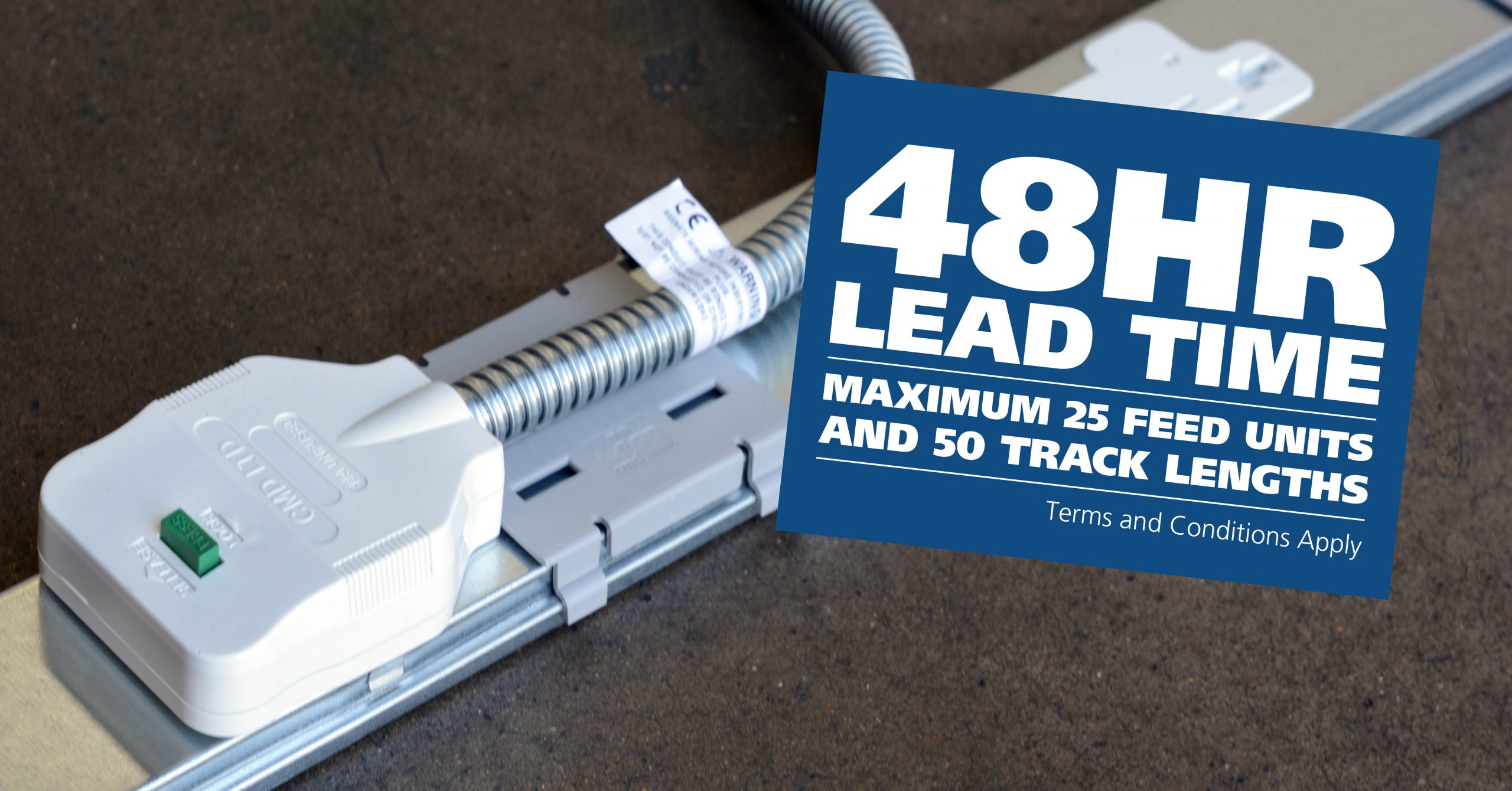
CMD Ltd LAUNCHES 48-HOUR TURNAROUND ON BETATRAK® RAPID ORDERING SERVICE

CMD Ltd, the specialist in power distribution systems, workstation power and monitor arms, has launched a rapid ordering service for its Betatrak® underfloor powertrack distribution systems and accessories, with a commitment to delivering within 48-hours of an approved purchase order*. The service enables customers to order up to 50 lengths of Standard or Clean Earth (C/E) low noise Betatrak, along with up to 25 feed...

Read more
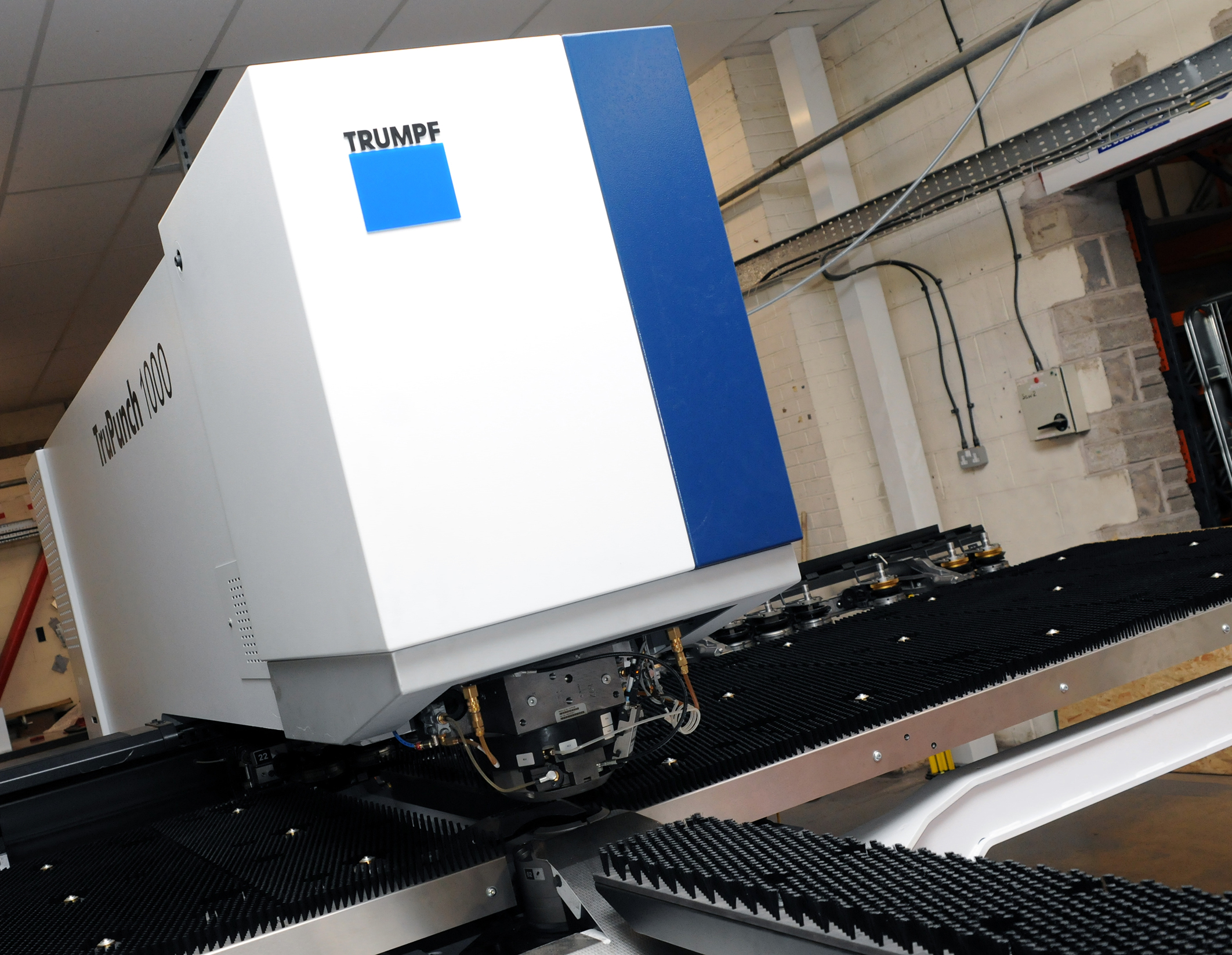
CMD INVESTS £1/4 MILLION IN NEW MACHINE AS PART OF FACTORY UPGRADE

We have invested in a new £1/4m TRUMPF CNC metal punch as part of an asset renewal strategy for our UK manufacturing capability. The new machine will be used in the production of a wide variety of our power distribution systems and workstation power products at our Rotherham factory. Suitable for handling sheet metal between 0.9mm and 3.0mm thick, the new machine will replace one...

Read more
CMD CATALOGUE PROVIDES TECHNICAL POWER DISTRIBUTION GUIDE

CMD Ltd has released a new catalogue, providing an easy to follow technical guide to our power distribution systems and plug and play desk modules. Detailing CMD’s full range of UK-manufactured power distribution systems and plug and play desk modules, the catalogue will be a helpful source of information to M&E engineers and contractors alike to understand how our power distribution systems connect together and...

Read more
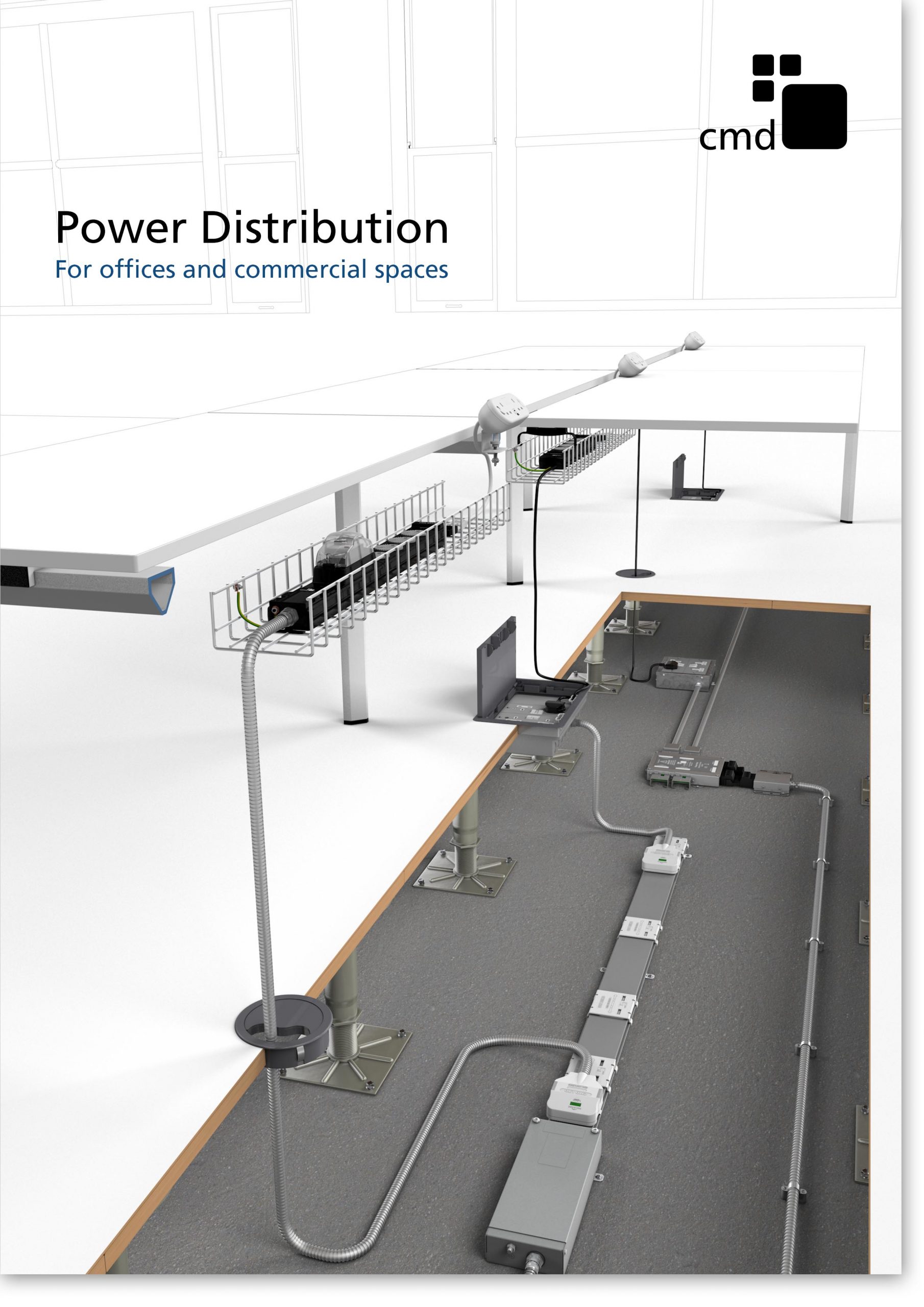
Power Distribution Catalogue
CMD Ltd PLAYS ESSENTIAL ROLE IN ELECTRICAL FIT OUT AT LONDON’S PRESTIGIOUS OFFICE DEVELOPMENT

CMD Ltd, specialist in workplace connectivity and ergonomic solutions, has provided a flexible and high-quality power distribution network for The Ray, a prestigious office development in London’s Farringdon. Well-known for being the former site of The Guardian newspaper, The Ray now stands as an 83,000ft² office development characterised by a modernised warehouse aesthetic, with level two now occupied by a global social media company. The...

Read more

The Ray
CMD plugs in to european opportunity with Schuko Capsule unit launch

CMD Ltd, the specialist in power and connectivity solutions for commercial environments, has launched a Schuko version of its popular fixed format Capsule workstation power module for export to mainland Europe and beyond. A popular on desk power module comprising two sockets and dual USB (type A and C) chargers, CMD’s Capsule unit is already widely specified in the UK as an off-the-shelf workstation power...

Read more
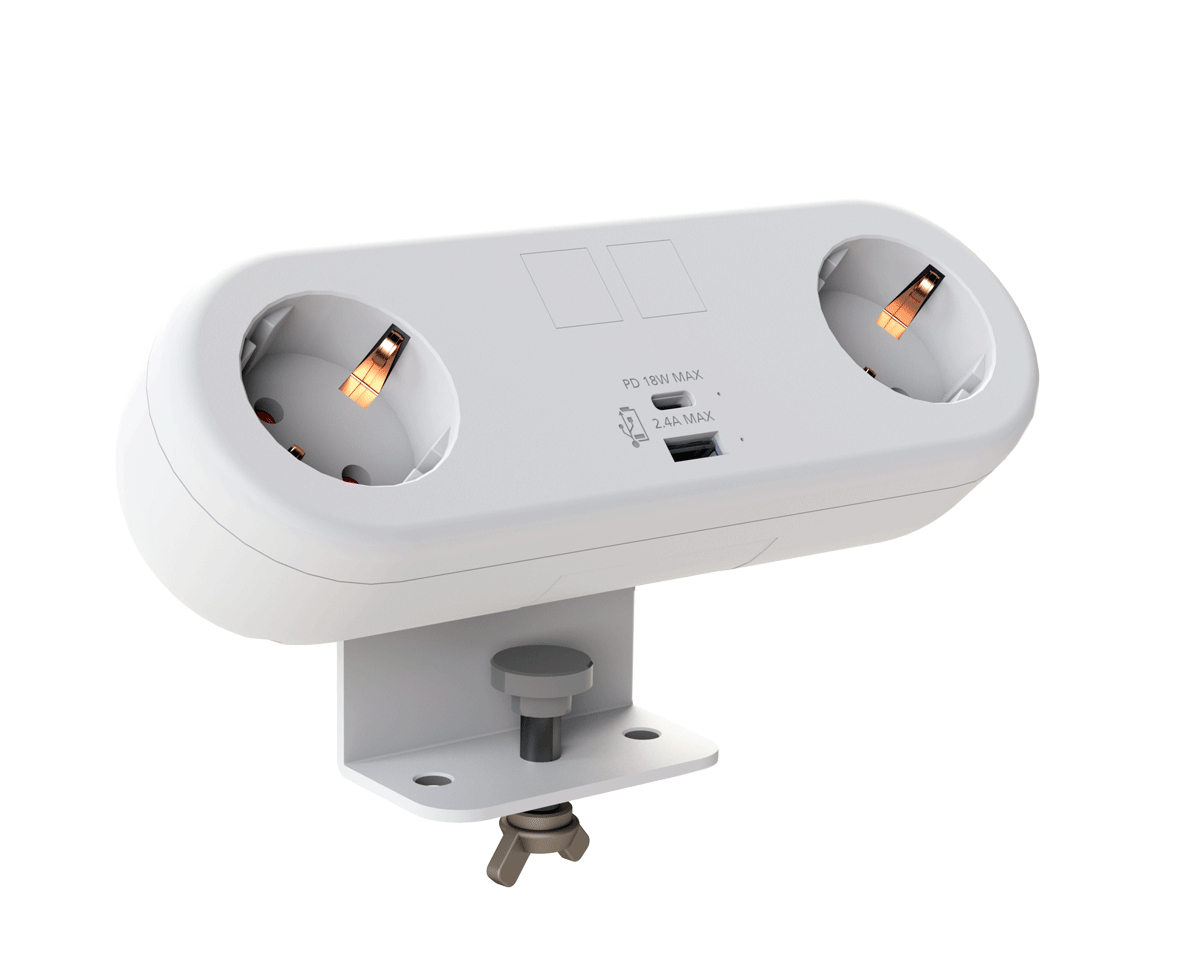
CMD White Schuko Capsule Desk Power Module
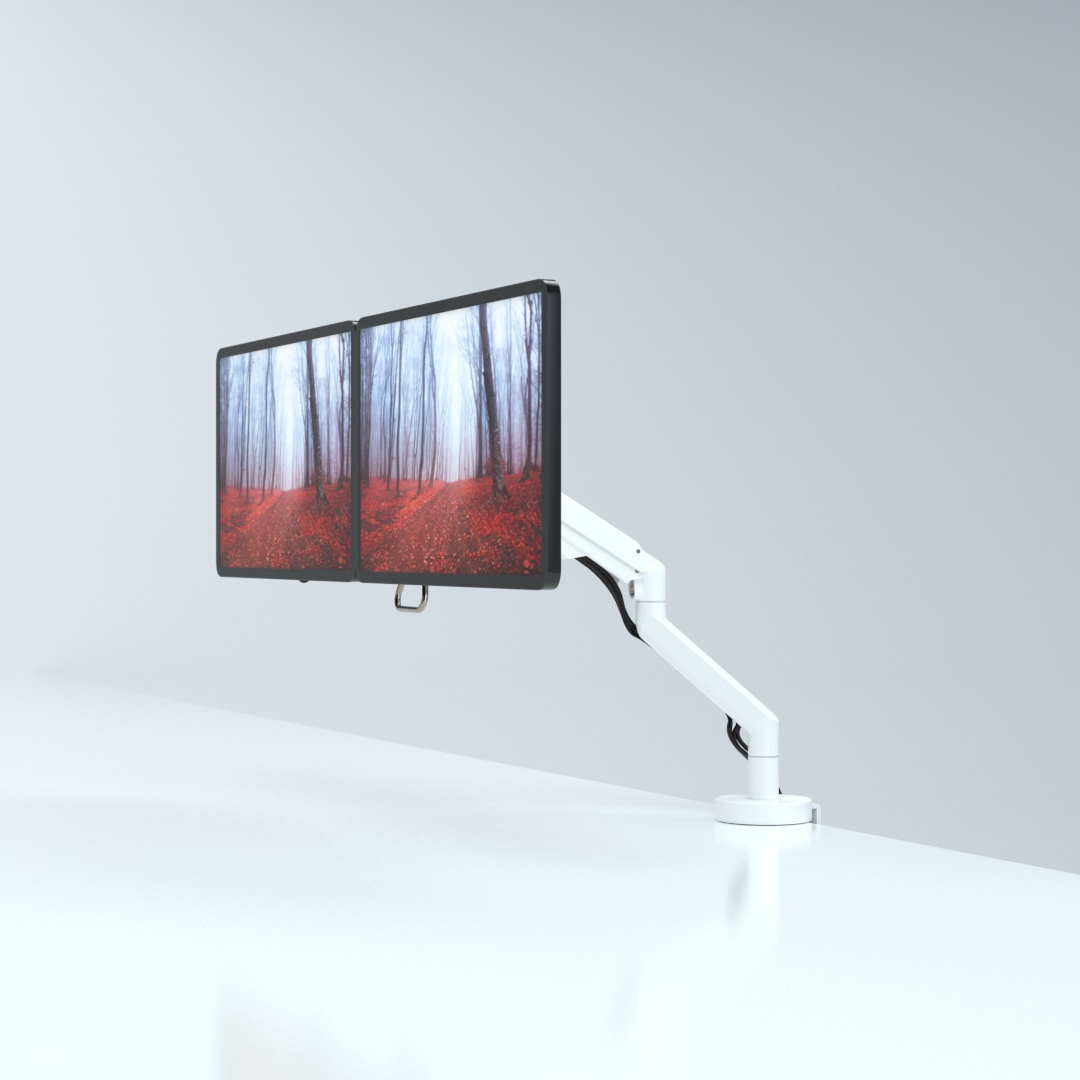
CMD LTD EXTENDS MONITOR ARM RANGE WITH THE LAUNCH OF REACH PLUS

CMD Ltd, the specialist in ergonomic and connectivity solutions for commercial interiors, has completed its Reach monitor arm range with the launch of the Reach Plus. Available in single or dual screen options, the Reach Plus has been designed to provide an ideal solution for both single and dual screen workstation configurations, or can be used with next generation of large format curved screens. Suitable...

Read more
CMD Ltd DEMONSTRATES THE ART OF POWER DISTRIBUTION AT THE UNIVERSITY OF WARWICK

CMD Ltd, the specialist in workplace connectivity and ergonomic solutions, has provided Betatrak busbar power distribution and a range of electrical accessories for two major capital investment projects at the University of Warwick. Designed by Fielden Clegg Bradley Studios, the £33 million Faculty of Arts building is a showpiece development comprising four interconnected structures set around a central atrium, which will enable inter-disciplinary collaboration across...

Read more

University of Warwick
CMD BRINGS HARMONY TO COVENTRY UNIVERSITY RESEARCH FACILITIES

CMD Ltd, the specialist in power distribution solutions and workstation power and ergonomics, has provided under desk and on desk power modules for the refurbishment of three Coventry University research buildings. Located on Coventry University Technology Park, a business park designed to encourage collaboration between the university and knowledge-based businesses, the three buildings are being repurposed as office accommodation for university research teams. The refurbishment...

Read more

Coventry University

10 Best Telecentric Lens C Mounts for Global Buyers

Choosing among the 10 Best telecentric lens c mounts for Global Buyers requires more than comparing prices or megapixels. A suitable telecentric lens c mount must match the camera sensor, working distance, object size, and required measurement tolerance. Its C-mount thread should fit securely, without forcing the adapter or introducing tilt. Even a small alignment error can turn a sharp laboratory image into a misleading measurement.

Optical metrology specialist Dr. John E. Greivenkamp explains the central principle: “Telecentric imaging is valuable when measurement accuracy matters more than ordinary visual inspection.” That idea guides this comparison. Each lens should be examined under practical conditions, including edge-to-edge sharpness, depth of field, distortion control, light compatibility, and mechanical stability. A production line may need a compact lens for inspecting bottle caps. A research laboratory may require longer working distance for fragile samples. Global buyers also face different camera standards, shipping conditions, supplier support, and replacement needs.

The strongest choice is not always the most expensive one. Sometimes, a modest lens performs better with the correct coaxial illumination and rigid mounting bracket. That detail is easy to miss. Some specifications also appear impressive until tested on the actual sensor. This guide therefore compares useful evidence, not only catalogue claims. Results can vary.

No shortlist is flawless. Real installations include vibration, dust, thermal changes, and hurried adjustments. Buyers should verify drawings, thread dimensions, image-circle coverage, and calibration requirements before ordering. A careful telecentric lens c mount decision protects measurement reliability and reduces costly rework.

10 Best Telecentric Lens C Mounts for Global Buyers

What Telecentric C-Mount Lenses Are and How They Work

Telecentric C-mount lenses are built for measurement, not ordinary photography. A C-mount uses a 1-inch, 32-thread interface and a 17.526 mm flange distance. Inside, the aperture stop sits near the front focal point. This arrangement keeps chief rays nearly parallel, so object size changes very little when distance shifts. A useful detail. Edges stay stable.

Object-space telecentric lenses preserve magnification across a defined working-distance range. They reduce perspective errors on machined parts, glass edges, connectors, and printed components.

Image-space designs keep projected rays parallel at the sensor, while bi-telecentric models control both sides. Choose based on measurement geometry. Check sensor coverage, working distance, numerical aperture, distortion, and lighting clearance. A C mount alone proves little.

Grand View Research estimated the machine-vision market at about USD 20.6 billion in 2023, with continued growth through 2030.

The International Federation of Robotics recorded 541,302 industrial robot installations worldwide in 2023.

More automated inspection means tighter optical requirements. Yet telecentric lenses are not magic. They often offer smaller fields of view, reduced light efficiency, and higher costs than standard lenses. Some catalog data also assumes ideal lighting, which can mislead buyers. Test a lens with the real sensor, part surface, and mounting tolerance before ranking the ten best options.

Key Specifications for Comparing Telecentric Lens C Mounts

10 Best Telecentric Lens C Mounts for Global Buyers

Key Specifications for Comparing Telecentric Lens C Mounts

Choosing a telecentric C-mount lens starts with the measurement task, not the product label. Define magnification, working distance, sensor size, and object dimensions before comparing models. Magnification determines whether a 1/2-inch or larger sensor uses the available image circle. A mismatch can create dark corners or missing edge details. Measure twice.

Telecentricity error is critical when object height must be measured accurately. Lower error helps keep apparent size stable across depth changes. Check distortion values, especially near the field edges. A stated distortion below 0.1% may suit precision inspection, but actual results depend on lighting and calibration. Working distance should leave room for fixtures, cables, and protective glass. A few extra millimeters can prevent mechanical interference.

Confirm the C-mount thread, flange distance, and camera clearance before ordering internationally. Standard C-mount systems commonly use a 1-inch, 32-thread interface, but mechanical tolerances still vary. Review the aperture range and depth of field for moving production lines. A smaller aperture may improve depth coverage, yet diffraction can soften fine marks. Compare MTF performance at the intended wavelength and sensor resolution. Not always better. Test images at the real distance reveal practical limits. I have seen acceptable specifications fail when vibration, uneven illumination, or an overlooked filter changed the measurement result. Include calibration stability, mounting rigidity, and supplier documentation in the comparison record.

10 Best Telecentric Lens C Mounts for Global Buyers - Key Specifications for Comparing Telecentric Lens C Mounts
No. Representative Configuration Magnification Working Distance Maximum Sensor Format Telecentricity Typical Distortion Resolution Optical Interface Recommended Application
1 Compact 0.5× C-Mount Telecentric Lens 0.5× 110 mm 2/3 in. sensor <0.1° <0.05% Approximately 100 lp/mm 1 in.-32 C-mount thread Dimensional inspection of small mechanical parts
2 Extended-Working-Distance 0.5× Lens 0.5× 180 mm 1 in. sensor <0.1° <0.05% Approximately 80 lp/mm 1 in.-32 C-mount thread Inspection where lighting or grippers require extra clearance
3 High-Resolution 0.75× C-Mount Lens 0.75× 95 mm 2/3 in. sensor <0.08° <0.03% Approximately 120 lp/mm 1 in.-32 C-mount thread Electronic component and connector inspection
4 Low-Magnification 0.3× Lens 0.3× 150 mm 1 in. sensor <0.1° <0.05% Approximately 75 lp/mm 1 in.-32 C-mount thread Large field-of-view measurement and surface inspection
5 Balanced 1.0× Telecentric Lens 1.0× 100 mm 2/3 in. sensor <0.08° <0.03% Approximately 110 lp/mm 1 in.-32 C-mount thread Precision gauging of machined components
6 High-Magnification 1.5× Lens 1.5× 90 mm 1/1.8 in. sensor <0.1° <0.05% Approximately 100 lp/mm 1 in.-32 C-mount thread Small-part metrology and fine feature verification
7 Large-Sensor 0.4× Telecentric Lens 0.4× 130 mm 1.1 in. sensor <0.12° <0.08% Approximately 70 lp/mm 1 in.-32 C-mount thread Wide-field inspection with higher pixel coverage
8 Coaxial-Illumination 0.5× Lens 0.5× 100 mm 2/3 in. sensor <0.1° <0.05% Approximately 90 lp/mm 1 in.-32 C-mount thread; coaxial-light port Flat, reflective surfaces such as wafers, glass, and polished metal
9 Low-Distortion 0.8× Lens 0.8× 105 mm 1 in. sensor <0.08° <0.02% Approximately 100 lp/mm 1 in.-32 C-mount thread Contour measurement, hole inspection, and dimensional gauging
10 Long-Working-Distance 1.0× Lens 1.0× 200 mm 2/3 in. sensor <0.12° <0.08% Approximately 85 lp/mm 1 in.-32 C-mount thread Robotic inspection with restricted access or moving tooling
Specifications are representative nominal values for comparing C-mount telecentric lens configurations. Actual performance can vary with aperture, sensor format, illumination, camera pixel size, and the selected optical design.

Ten Leading Telecentric Lens C Mounts for Global Buyers

Ten Leading Telecentric Lens C Mounts for Global Buyers

Ten leading telecentric lens C mounts can support accurate inspection across many machine-vision applications. Their main advantage is stable magnification, even when object height changes slightly. This helps measure edges, holes, and small parts with less perspective distortion.

A reliable C mount should match the camera sensor, working distance, and required field of view. Check the image circle carefully. A mismatch may create dark corners or wasted resolution.

Mechanical details also matter, including thread accuracy, flange distance, locking strength, and housing durability. In global purchasing, clear optical drawings and consistent test data deserve serious attention. They reduce installation surprises.

Tips: Compare real samples before placing a large order. Ask for distortion data, resolution charts, and coating information. Keep the camera, lens, lighting, and mounting plate aligned during testing. Small alignment errors can look like lens defects. They are not always lens defects.

Ten leading options may differ in aperture, magnification range, sensor coverage, and tolerance control. High magnification is not automatically the best choice. It can reduce working distance and make lighting more difficult.

Practical evaluation should include repeated measurements, temperature changes, and slight assembly variation. Datasheets are useful, but they cannot reveal every vibration issue. Some decisions remain imperfect.

That is why a documented trial, with measured results, is more reliable than a quick specification comparison.

Application Matching by Magnification, Sensor Size, and Working Distance

10 Best Telecentric Lens C Mounts for Global Buyers

Application Matching by Magnification, Sensor Size, and Working Distance

Selecting a telecentric C mount lens starts with the object, not the camera. Magnification determines how much detail appears in each pixel. A 0.5× lens views a wider area than a 1× lens, but it shows smaller features less clearly. Match the lens magnification with the sensor resolution and the part’s actual dimensions. Fit is not enough. A tiny target may still look soft if the camera has limited pixel density.

Sensor size also controls usable image coverage. A lens designed for a smaller sensor can create dark corners on a larger format. Check the optical image circle before comparing prices or specifications. C mount compatibility only confirms the thread connection. It does not guarantee coverage, focus range, or mechanical clearance. Leave space for adapters, protective glass, and lighting hardware around the camera.

Working distance deserves practical testing. Measure from the lens reference surface to the inspection plane, then allow tolerance for fixtures and part variation. A longer working distance may simplify lighting, while a shorter distance can reduce system size. In production trials, inspect reflective edges, holes, and raised surfaces, not only flat samples. Telecentric performance often changes near the limits of the specified range. I have seen a seemingly correct match fail after the fixture moved two millimeters. That small error matters. Compare distortion, edge sharpness, and repeatability under real illumination before final selection.

Global Buying Factors: Compatibility, Calibration, Price, and Support

10 Best Telecentric Lens C Mounts for Global Buyers

Choosing a telecentric C-mount lens requires more than comparing magnification and price. Check the C-mount thread, flange focal distance, sensor coverage, and camera clearance. A lens may fit physically but still create dark corners or unstable focus. In practical inspections, accurate working distance matters greatly. Even a small mounting error can change measurement results. Calibration should use a certified target, controlled lighting, and a fixed camera position. Record the setup conditions for repeatable testing. I have seen teams skip this step, then blame the lens for inconsistent dimensions.

Global buyers should calculate the full ownership cost. Include shipping, replacement adapters, calibration tools, and technical training. The cheapest option may demand more adjustment time. That is not always a saving. Ask for optical drawings, distortion data, tolerance information, and sample images before ordering. Reliable support should answer technical questions clearly and provide usable manuals. Response time also matters when production equipment stops.

Tips: Confirm the sensor size first. Request a calibration procedure. Test at your real working distance. Compare warranty terms, spare-part access, and service coverage. Keep written records of every measurement. Some specifications remain unclear until testing begins, so leave room for a trial unit and honest evaluation.

10 Best Telecentric Lens C Mounts for Global Buyers

Global buying factors: compatibility, calibration, price, and support

This neutral 100-point procurement model prioritizes C-mount and sensor compatibility, calibration consistency, total purchase cost, and after-sales support. Compatibility and calibration receive the highest weighting because telecentric imaging performance depends on correct mechanical fit, sensor coverage, working distance, and repeatable optical measurement.