

News

Miro: A New Standard in Responsible Innovation

Miro: A New Standard in Responsible Innovation The Miro monitor arm is setting new benchmarks in sustainability. It offers a high-performance solution without compromising on environmental responsibility. Designed with careful material selection, local sourcing, and longevity in mind, Miro’s responsible approach to design and unique manoeuvrability set it apart from the competition. Sustainable Choices Miro is crafted from energy-efficient materials with a lower carbon impact....

Read more
HSE Advisor

Role Purpose Support in the development, implementation and maintenance of the company’s Health, Safety & Environmental policies, processes, operational procedures, and standards.  Ensuring best practice and championing a continually improving HSE culture within the business. Key Responsibilities Liaise with and provide support to all areas of the business to eliminate, mitigate or reduce identified HSE exposures. Partner with the production management team and team leaders,...

Read more
CMD Ltd LAUNCHES 48-HOUR TURNAROUND ON BETATRAK® RAPID ORDERING SERVICE

CMD Ltd, the specialist in power distribution systems, workstation power and monitor arms, has launched a rapid ordering service for its Betatrak® underfloor powertrack distribution systems and accessories, with a commitment to delivering within 48-hours of an approved purchase order*. The service enables customers to order up to 50 lengths of Standard or Clean Earth (C/E) low noise Betatrak, along with up to 25 feed...

Read more

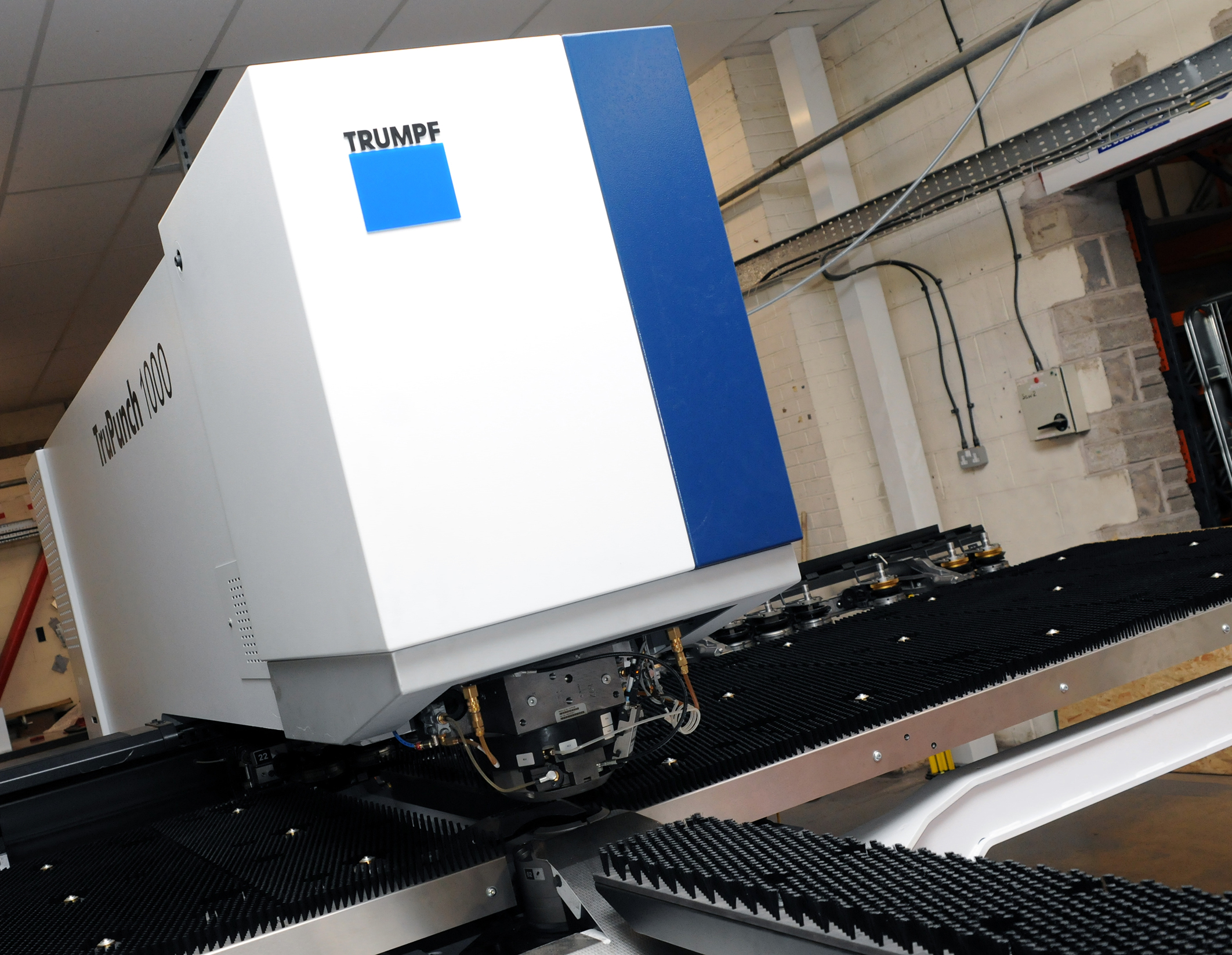
CMD INVESTS £1/4 MILLION IN NEW MACHINE AS PART OF FACTORY UPGRADE

We have invested in a new £1/4m TRUMPF CNC metal punch as part of an asset renewal strategy for our UK manufacturing capability. The new machine will be used in the production of a wide variety of our power distribution systems and workstation power products at our Rotherham factory. Suitable for handling sheet metal between 0.9mm and 3.0mm thick, the new machine will replace one...

Read more
CMD CATALOGUE PROVIDES TECHNICAL POWER DISTRIBUTION GUIDE

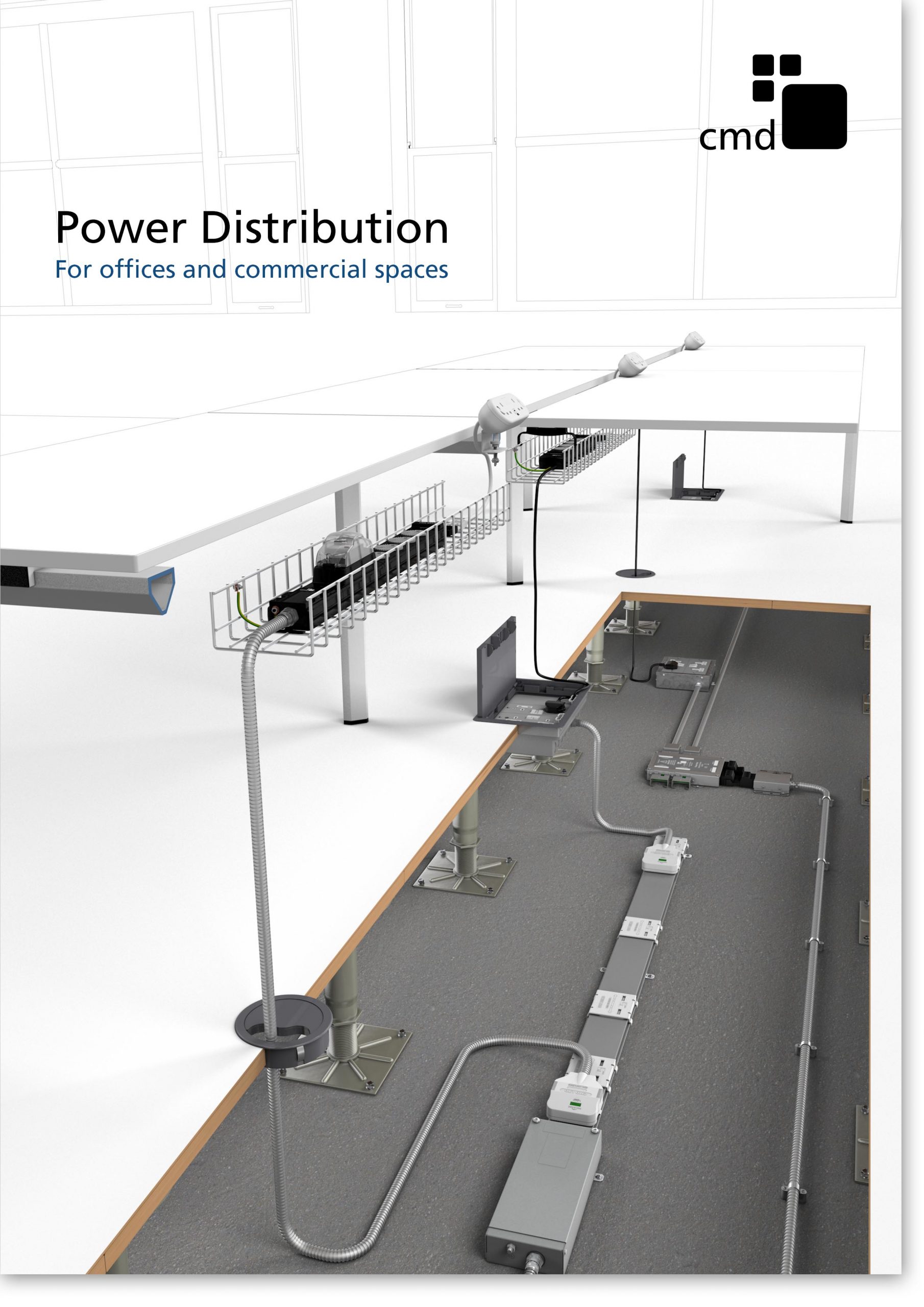
CMD Ltd has released a new catalogue, providing an easy to follow technical guide to our power distribution systems and plug and play desk modules. Detailing CMD’s full range of UK-manufactured power distribution systems and plug and play desk modules, the catalogue will be a helpful source of information to M&E engineers and contractors alike to understand how our power distribution systems connect together and...

Read more
Power Distribution Catalogue
CMD Ltd PLAYS ESSENTIAL ROLE IN ELECTRICAL FIT OUT AT LONDON’S PRESTIGIOUS OFFICE DEVELOPMENT

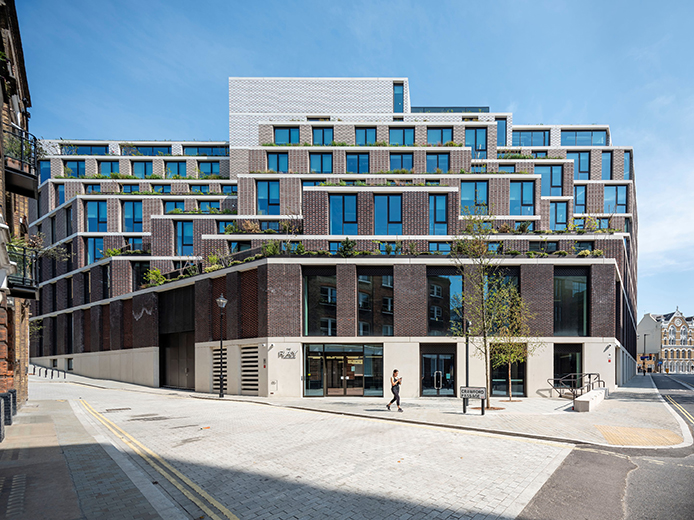
CMD Ltd, specialist in workplace connectivity and ergonomic solutions, has provided a flexible and high-quality power distribution network for The Ray, a prestigious office development in London’s Farringdon. Well-known for being the former site of The Guardian newspaper, The Ray now stands as an 83,000ft² office development characterised by a modernised warehouse aesthetic, with level two now occupied by a global social media company. The...

Read more
The Ray
CMD plugs in to european opportunity with Schuko Capsule unit launch

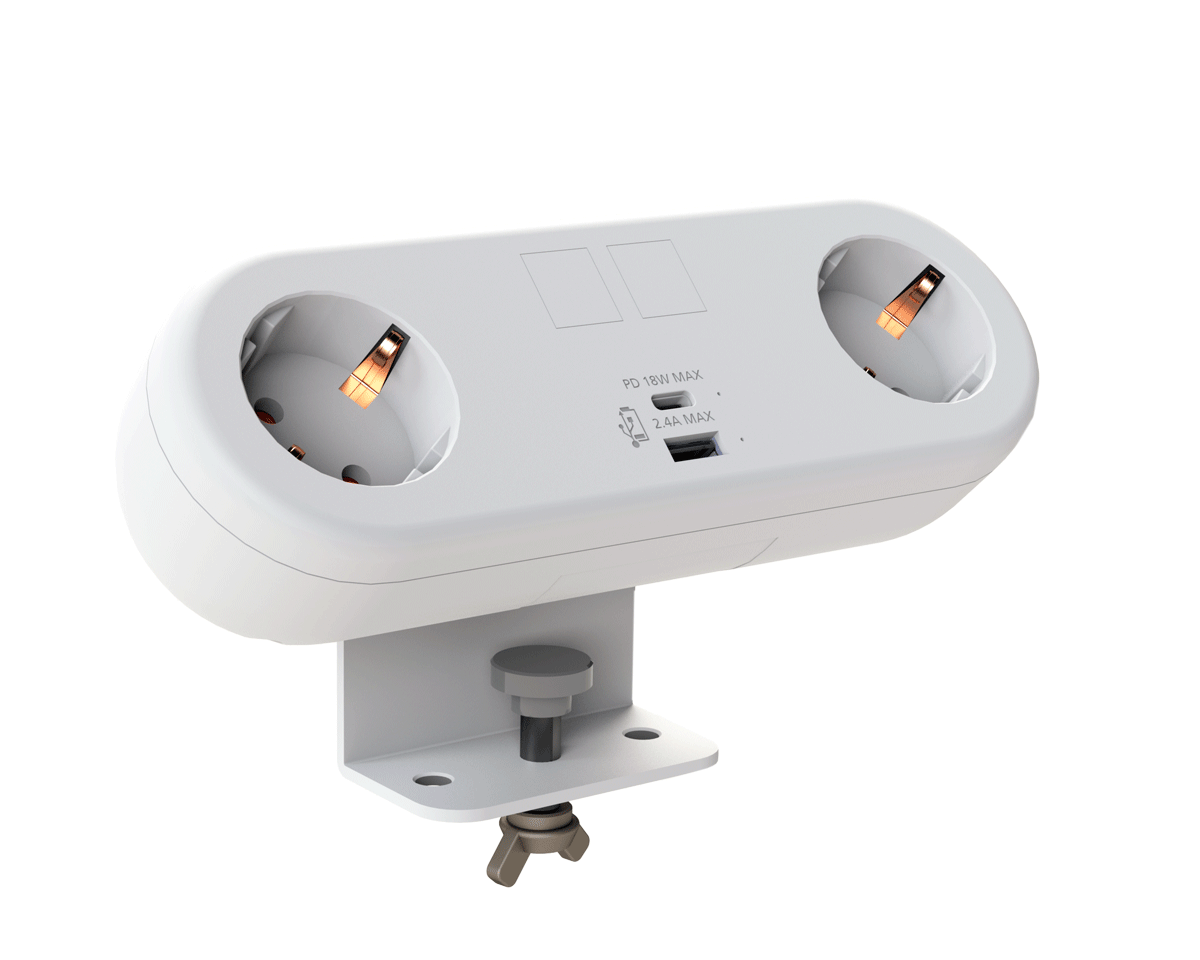
CMD Ltd, the specialist in power and connectivity solutions for commercial environments, has launched a Schuko version of its popular fixed format Capsule workstation power module for export to mainland Europe and beyond. A popular on desk power module comprising two sockets and dual USB (type A and C) chargers, CMD’s Capsule unit is already widely specified in the UK as an off-the-shelf workstation power...

Read more
CMD White Schuko Capsule Desk Power Module
CMD LTD EXTENDS MONITOR ARM RANGE WITH THE LAUNCH OF REACH PLUS

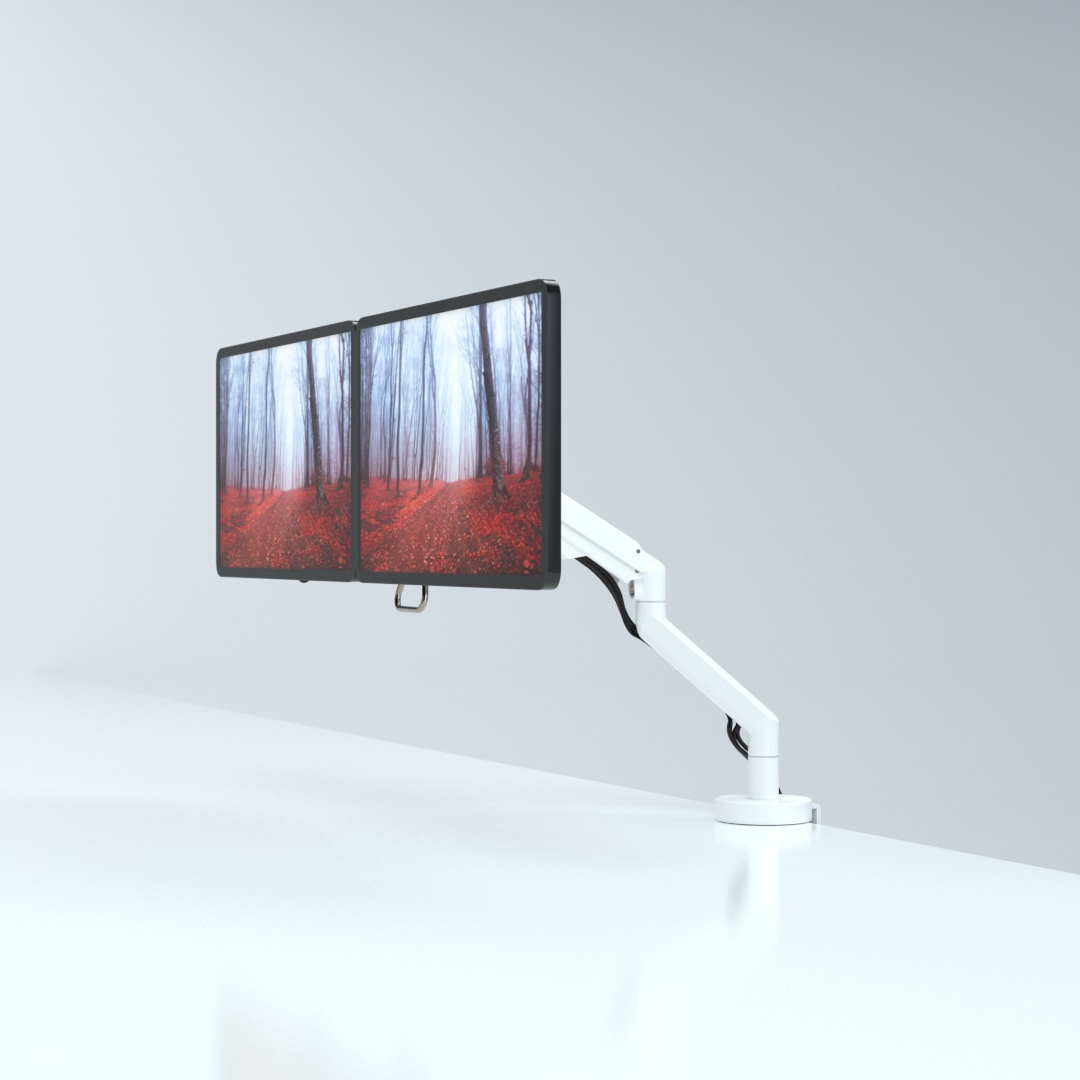
CMD Ltd, the specialist in ergonomic and connectivity solutions for commercial interiors, has completed its Reach monitor arm range with the launch of the Reach Plus. Available in single or dual screen options, the Reach Plus has been designed to provide an ideal solution for both single and dual screen workstation configurations, or can be used with next generation of large format curved screens. Suitable...

Read more
CMD Ltd DEMONSTRATES THE ART OF POWER DISTRIBUTION AT THE UNIVERSITY OF WARWICK

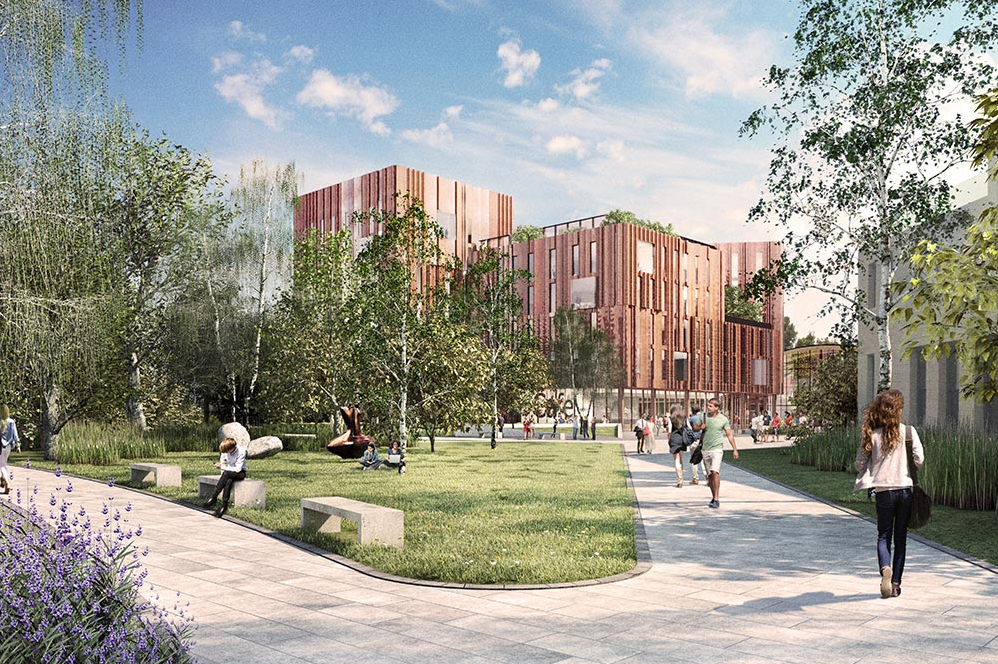
CMD Ltd, the specialist in workplace connectivity and ergonomic solutions, has provided Betatrak busbar power distribution and a range of electrical accessories for two major capital investment projects at the University of Warwick. Designed by Fielden Clegg Bradley Studios, the £33 million Faculty of Arts building is a showpiece development comprising four interconnected structures set around a central atrium, which will enable inter-disciplinary collaboration across...

Read more
University of Warwick
CMD BRINGS HARMONY TO COVENTRY UNIVERSITY RESEARCH FACILITIES

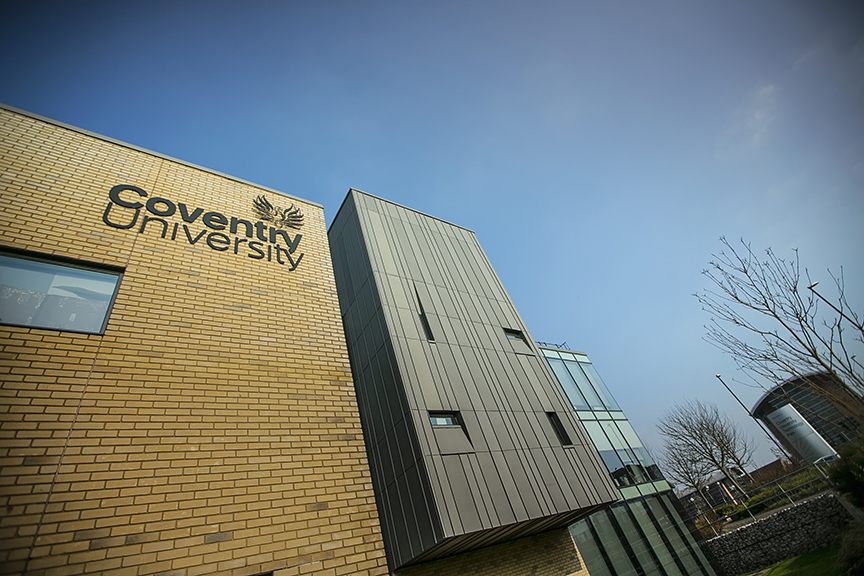
CMD Ltd, the specialist in power distribution solutions and workstation power and ergonomics, has provided under desk and on desk power modules for the refurbishment of three Coventry University research buildings. Located on Coventry University Technology Park, a business park designed to encourage collaboration between the university and knowledge-based businesses, the three buildings are being repurposed as office accommodation for university research teams. The refurbishment...

Read more
Coventry University

Best Render Architecture Techniques for Stunning Results?

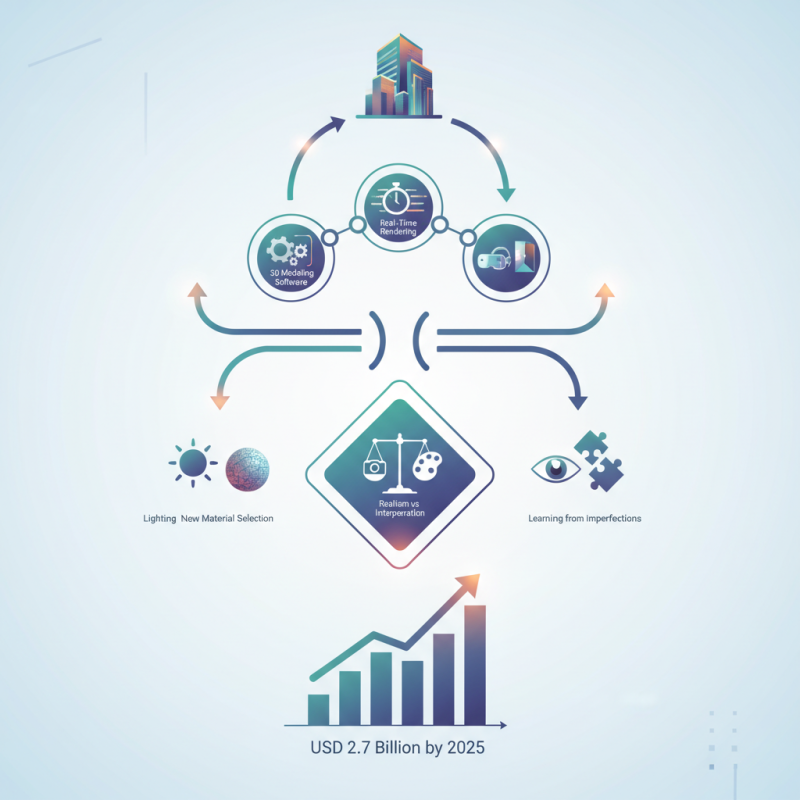
In the world of architecture, achieving the best render architecture is crucial for captivating presentations. Architectural visualization has evolved, integrating advanced technologies that enhance design clarity and engagement. According to a recent report by marketsandmarkets.com, the global architectural visualization market is projected to reach USD 2.7 billion by 2025, highlighting a growing demand for high-quality visual outputs.

Effective rendering techniques can transform concepts into lifelike images. Professionals now employ tools like 3D modeling software, real-time rendering, and virtual reality. These technologies create immersive experiences that were once unimaginable. However, it is essential to acknowledge that even the best render architecture techniques can deliver inconsistent results. Factors such as lighting, material selection, and viewer perspective can significantly influence the final output.

Knowing how to balance realism and artistic interpretation remains a challenge. While many architects strive for photorealism, the essence of the design can sometimes be lost. This raises the question: how do we harness the best render architecture techniques while maintaining the project's vision? As the industry progresses, exploring new methodologies and learning from imperfections will be vital for continuous improvement.

Best Render Architecture Techniques for Stunning Results?

Understanding Render Architecture Techniques

Understanding render architecture techniques enhances visual representation significantly. Professionals often discuss the importance of lighting, textures, and composition. According to a 2022 industry report from the Render Society, 85% of experts believe effective lighting can elevate a rendering's quality. Properly planned light placement adds depth and realism, transforming flat images into vivid scenes.

Textures play a crucial role in creating believable environments. A detailed study from Creative Insights stated that 70% of viewers notice the quality of textures first. High-resolution imagery can make a scene immersive. Experiment with various materials and their interactions with light. This approach leads to more dynamic renderings.

Tip: Always analyze your compositions. Some angles may not resonate as intended. Don’t shy away from experimenting with unconventional settings. Evaluate your results critically. What works? What doesn't? Learning from those reflections is essential for growth in rendering skills.

Types of Rendering Techniques in Architecture

Rendering techniques in architecture have evolved significantly, providing architects with diverse options to create stunning visualizations. One popular technique is photorealistic rendering, where advanced software simulates real-world lighting and textures. According to the Architectural Visualization Market Report 2023, this approach enhances client communication, making designs more tangible and relatable. It allows stakeholders to visualize projects in realistic contexts, which can streamline decision-making processes.

Another noteworthy rendering technique is 3D modeling. This method provides a comprehensive view of the structure before actual construction begins. Statista reported that the adoption of 3D modeling in architectural projects has increased by over 30% in the last five years. However, while 3D modeling offers clarity, it can lead to unrealistic expectations if not managed properly. Not every detail translates seamlessly from model to real life. Realistic rendering is crucial to bridging this gap and ensuring clients grasp true outcomes.

Lastly, concept sketches remain valuable despite the technological advancements. They foster creativity and allow architects to explore ideas without excessive detail. However, relying solely on sketches can mislead clients. Therefore, integrating sketches with more advanced techniques is key. Balancing various methods can elevate architectural presentations, yet awareness of each technique's limitations is vital for success.

Best Practices for Achieving Realistic Textures and Materials

To achieve realistic textures and materials in rendering, attention to detail is crucial. Start by analyzing real-world surfaces. Observe how light interacts with different materials. For instance, wood has unique grain patterns and slight imperfections. Incorporating these features enhances authenticity. Avoid perfectly smooth surfaces; they often appear artificial.

Lighting plays a significant role in texture perception. Use a variety of light sources to mimic natural conditions. Experiment with shadows and highlights. This helps to create depth and dimension. Remember, textures should not glow unnaturally. Test your settings repeatedly to find the right balance.

Using high-resolution textures is essential, but be cautious. Not every texture needs to be photo-realistic. Sometimes, a slight blur can add a touch of realism. Additionally, make use of bump and normal maps to define surface detail without overwhelming processing power. Strive for a balance between realistic and stylized textures, allowing for creative expression. Regular feedback can help identify areas needing improvement.

Best Render Architecture Techniques for Stunning Results

Technique Description Best Use Case Texture Example Material Type
Physically Based Rendering (PBR) Simulates how light interacts with surfaces. Realistic visualizations in gaming and film. Metal, Wood, Fabric Metals, Plastics, Glass
Bump Mapping Adds surface detail without increasing polygon count. Simulating fine textures on surfaces like rock or brick. Stone, Asphalt Faux surfaces
Displacement Mapping Physically alters the geometry based on a texture map. High detail environments or character models. Terrain, Detailed Character Skin Natural materials
Ambient Occlusion Adds depth by simulating shadow effects in corners and crevices. Enhancing realism in interior architecture renderings. Interior Spaces, Furniture Various
Subsurface Scattering Simulates light passing through materials like skin, wax, or jade. Realistic character models and organic materials. Human Skin, Leaves Organic materials

Lighting Techniques for Enhanced Architectural Visualization

Lighting plays a crucial role in architectural visualization. It can dramatically affect the mood, aesthetics, and realism of a render. Research shows that 70% of viewers prefer images with superior lighting. Proper use of light can create depth and highlight architectural details that might go unnoticed otherwise.

Using natural light is often more appealing than artificial sources. Position your light source to mimic how sunlight interacts with spaces throughout the day. This technique not only enhances realism but also helps capture the essence of the architecture. Avoid relying solely on one type of light. Mixing ambient, direct, and indirect lighting creates a dynamic visual experience.

Tips: Experiment with shadows. They can help define shapes and add interest. Also, consider using HDRI images for background environments. This technique can enhance the realism of your render. Remember, subtlety often wins over extravagance. Balance is key to creating stunning visual narratives.

Evaluating the Impact of Render Quality on Project Presentation

When evaluating the impact of render quality on project presentation, details matter. High-quality renders can transform a project from an idea into a compelling visual story. Poor rendering may confuse viewers or dilute the message. The clarity of textures and lighting can either impress or hinder the viewer's experience.

A great technique is to focus on realistic lighting. This can enhance depth and dimension in your design. Use natural light sources when possible. Consider the time of day for the best effects. Shadows can add drama but be mindful. Too harsh can overshadow essential elements.

Textures play a vital role too. Always use high-resolution assets that reflect real-world materials. It’s okay if some surfaces don't perfectly fit. Experimentation leads to discovery. Sometimes a less-polished look can evoke emotion or create a specific atmosphere. Don't shy away from using imperfect elements to tell your unique story.