

News

Miro: A New Standard in Responsible Innovation

Miro: A New Standard in Responsible Innovation The Miro monitor arm is setting new benchmarks in sustainability. It offers a high-performance solution without compromising on environmental responsibility. Designed with careful material selection, local sourcing, and longevity in mind, Miro’s responsible approach to design and unique manoeuvrability set it apart from the competition. Sustainable Choices Miro is crafted from energy-efficient materials with a lower carbon impact....

Read more
HSE Advisor

Role Purpose Support in the development, implementation and maintenance of the company’s Health, Safety & Environmental policies, processes, operational procedures, and standards.  Ensuring best practice and championing a continually improving HSE culture within the business. Key Responsibilities Liaise with and provide support to all areas of the business to eliminate, mitigate or reduce identified HSE exposures. Partner with the production management team and team leaders,...

Read more
CMD Ltd LAUNCHES 48-HOUR TURNAROUND ON BETATRAK® RAPID ORDERING SERVICE

CMD Ltd, the specialist in power distribution systems, workstation power and monitor arms, has launched a rapid ordering service for its Betatrak® underfloor powertrack distribution systems and accessories, with a commitment to delivering within 48-hours of an approved purchase order*. The service enables customers to order up to 50 lengths of Standard or Clean Earth (C/E) low noise Betatrak, along with up to 25 feed...

Read more

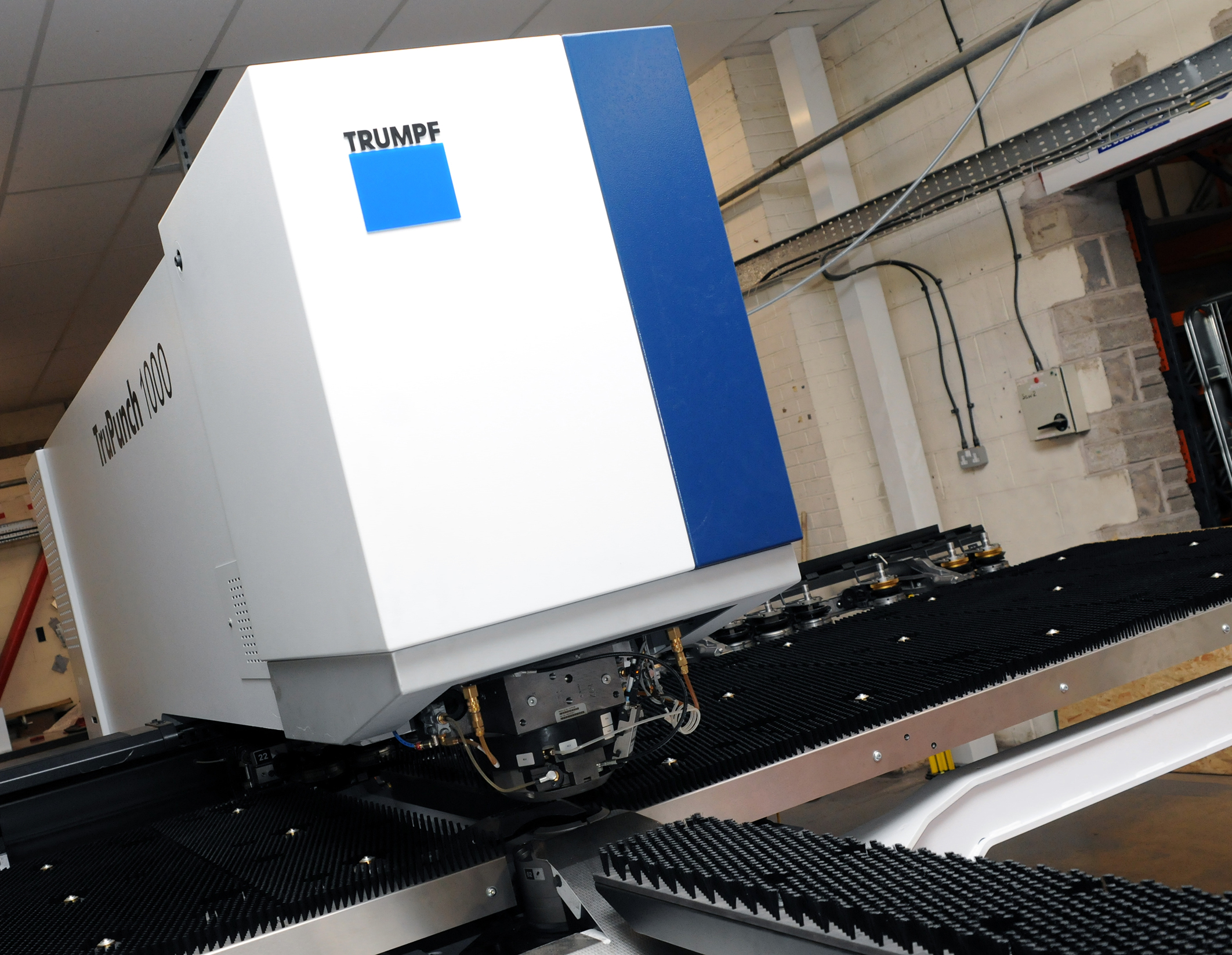
CMD INVESTS £1/4 MILLION IN NEW MACHINE AS PART OF FACTORY UPGRADE

We have invested in a new £1/4m TRUMPF CNC metal punch as part of an asset renewal strategy for our UK manufacturing capability. The new machine will be used in the production of a wide variety of our power distribution systems and workstation power products at our Rotherham factory. Suitable for handling sheet metal between 0.9mm and 3.0mm thick, the new machine will replace one...

Read more
CMD CATALOGUE PROVIDES TECHNICAL POWER DISTRIBUTION GUIDE

CMD Ltd has released a new catalogue, providing an easy to follow technical guide to our power distribution systems and plug and play desk modules. Detailing CMD’s full range of UK-manufactured power distribution systems and plug and play desk modules, the catalogue will be a helpful source of information to M&E engineers and contractors alike to understand how our power distribution systems connect together and...

Read more
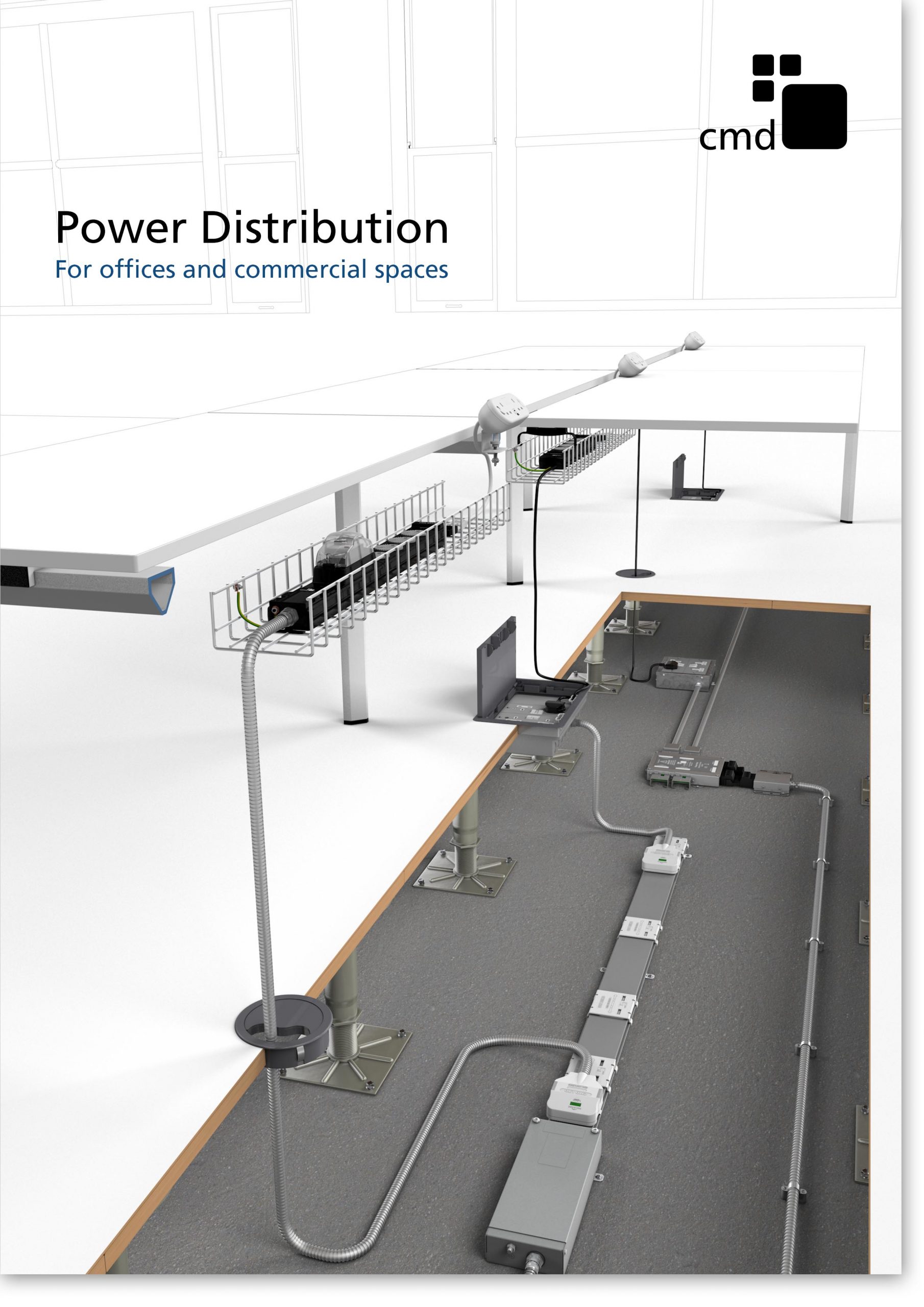
Power Distribution Catalogue
CMD Ltd PLAYS ESSENTIAL ROLE IN ELECTRICAL FIT OUT AT LONDON’S PRESTIGIOUS OFFICE DEVELOPMENT

CMD Ltd, specialist in workplace connectivity and ergonomic solutions, has provided a flexible and high-quality power distribution network for The Ray, a prestigious office development in London’s Farringdon. Well-known for being the former site of The Guardian newspaper, The Ray now stands as an 83,000ft² office development characterised by a modernised warehouse aesthetic, with level two now occupied by a global social media company. The...

Read more

The Ray
CMD plugs in to european opportunity with Schuko Capsule unit launch

CMD Ltd, the specialist in power and connectivity solutions for commercial environments, has launched a Schuko version of its popular fixed format Capsule workstation power module for export to mainland Europe and beyond. A popular on desk power module comprising two sockets and dual USB (type A and C) chargers, CMD’s Capsule unit is already widely specified in the UK as an off-the-shelf workstation power...

Read more
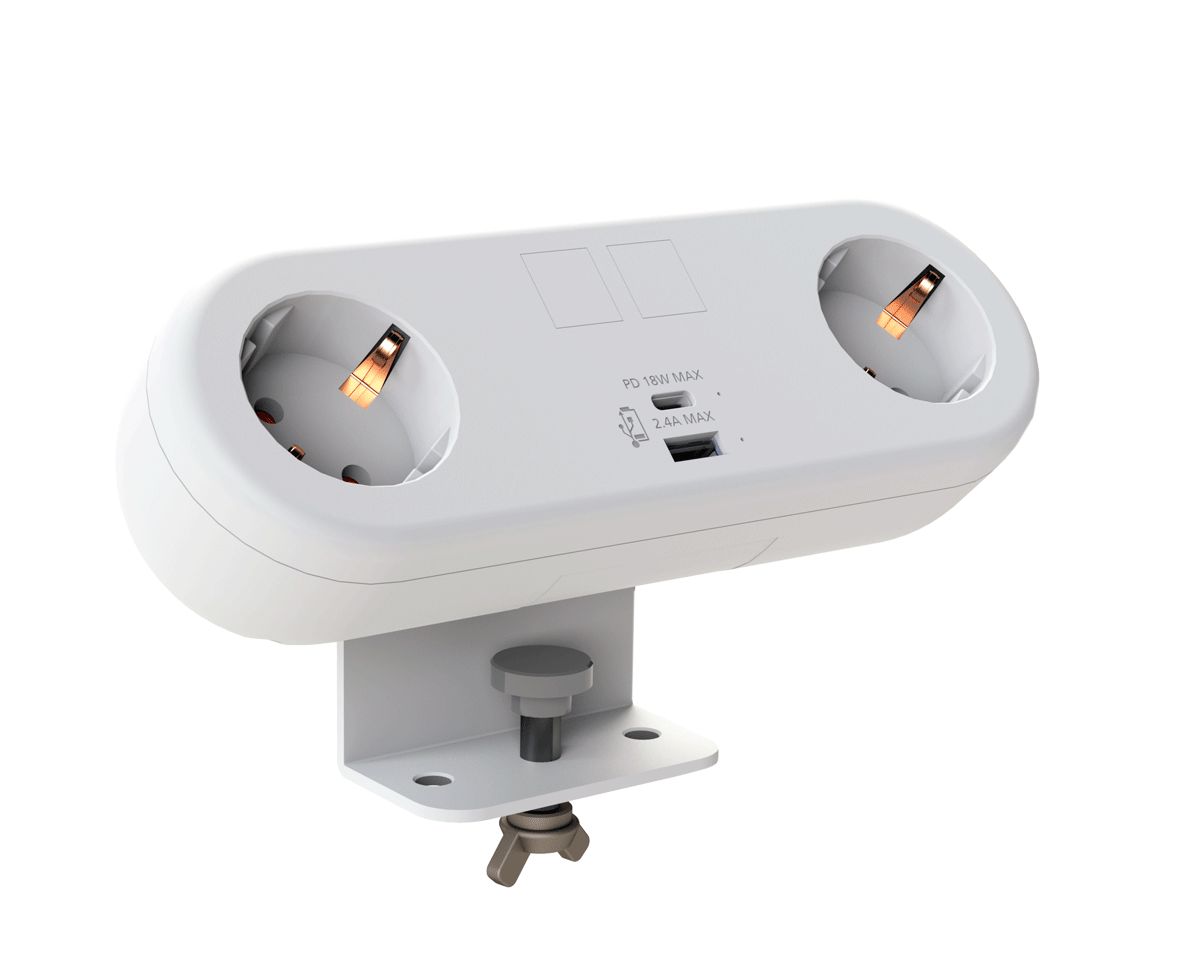
CMD White Schuko Capsule Desk Power Module
CMD LTD EXTENDS MONITOR ARM RANGE WITH THE LAUNCH OF REACH PLUS

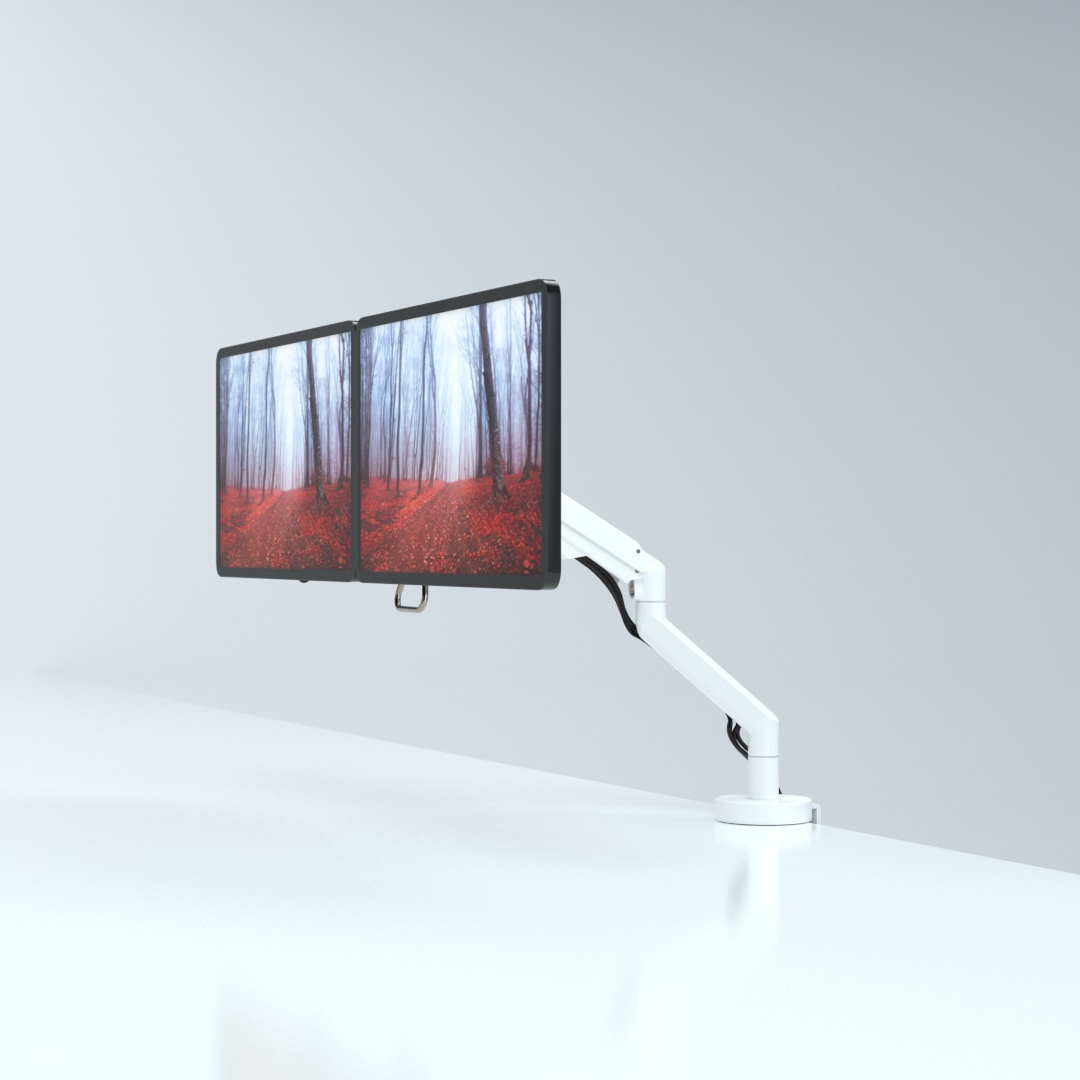
CMD Ltd, the specialist in ergonomic and connectivity solutions for commercial interiors, has completed its Reach monitor arm range with the launch of the Reach Plus. Available in single or dual screen options, the Reach Plus has been designed to provide an ideal solution for both single and dual screen workstation configurations, or can be used with next generation of large format curved screens. Suitable...

Read more
CMD Ltd DEMONSTRATES THE ART OF POWER DISTRIBUTION AT THE UNIVERSITY OF WARWICK

CMD Ltd, the specialist in workplace connectivity and ergonomic solutions, has provided Betatrak busbar power distribution and a range of electrical accessories for two major capital investment projects at the University of Warwick. Designed by Fielden Clegg Bradley Studios, the £33 million Faculty of Arts building is a showpiece development comprising four interconnected structures set around a central atrium, which will enable inter-disciplinary collaboration across...

Read more

University of Warwick
CMD BRINGS HARMONY TO COVENTRY UNIVERSITY RESEARCH FACILITIES

CMD Ltd, the specialist in power distribution solutions and workstation power and ergonomics, has provided under desk and on desk power modules for the refurbishment of three Coventry University research buildings. Located on Coventry University Technology Park, a business park designed to encourage collaboration between the university and knowledge-based businesses, the three buildings are being repurposed as office accommodation for university research teams. The refurbishment...

Read more

Coventry University

2026 Best Precision Metal Component Manufacturer Guide

The world of Precision Metal Component Manufacture is constantly evolving. As industries grow, the demand for highly accurate and reliable components increases. Companies need to select the right manufacturer to ensure quality and precision. Understanding this landscape is vital for decision-makers.

Manufacturers play a crucial role in various sectors. These include aerospace, automotive, and medical devices. However, not all manufacturers meet the highest standards. Some may lack the necessary experience or advanced technology. This can lead to significant issues in production and design.

When evaluating potential partners, consider their certifications and track record. Reviews and testimonials can provide insights into their reliability. Transparency in manufacturing processes is also essential. Reflecting on these factors helps identify the best players in Precision Metal Component Manufacture. Ultimately, informed choices lead to successful outcomes in any project.

2026 Best Precision Metal Component Manufacturer Guide

2026 Overview of Precision Metal Component Manufacturing Industry

The precision metal component manufacturing industry plays a crucial role in modern production. It encompasses various processes, including machining, stamping, and mold-making. These processes ensure that components meet tight tolerances and specific material requirements. In 2026, advancements in technology are expected to drive innovations in precision metal components. Companies may adopt automation and artificial intelligence to enhance efficiency.

Tips: Choose suppliers who prioritize quality control. Investigate their testing methods and certifications to ensure compliance with industry standards.

The demand for precision metal components spans multiple sectors, from automotive to aerospace. Each sector has unique needs, pushing manufacturers to evolve rapidly. Staying updated with new technologies can be a challenge. However, it's necessary for those hoping to remain competitive. Some manufacturers may struggle to adapt to rapid changes in customer expectations.

Tips: Regularly review industry trends and investment opportunities. This practice helps identify areas for improvement and growth, ensuring long-term success.

Key Factors Driving Growth in Precision Metal Component Manufacturing

The precision metal component manufacturing industry is experiencing robust growth. Several key factors are driving this expansion. Technological advancements in manufacturing processes enhance efficiency and quality. Automation and robotics are adopted widely, reducing human error and improving production speed. This creates opportunities for businesses to scale operations.

Material innovations also play a crucial role. New alloys and composites provide enhanced durability and performance. These materials cater to various industries, including aerospace, automotive, and electronics. As industries evolve, so do their demands for high-quality components. Manufacturers must stay adaptive to fulfill these needs.

Tips: Invest in workforce training. Skilled workers are essential for leveraging new technologies. Regular training ensures your team can handle advanced equipment and methodologies. Don’t overlook collaborations with industry experts. Their insights can guide your strategy and help identify future trends.

Keeping an eye on sustainability is also vital. Consumers and businesses alike prefer eco-friendly practices. Implementing green protocols may require an upfront cost, but the long-term benefits are substantial. Evaluate your processes regularly. Reflect on how they can align with sustainable goals while maintaining quality.

Leading Technologies Influencing Precision Metal Component Production

As we look towards 2026, several leading technologies are reshaping precision metal component production. Automation and robotics are at the forefront. According to a recent report, 75% of manufacturers are investing in automated systems. These innovations enhance accuracy and reduce labor costs. However, the transition to automation poses challenges. Companies must retrain staff and adapt workflows.

Additive manufacturing is another significant influence. This technology allows for complex designs that traditional methods cannot achieve. A recent study indicated that 30% of companies utilize this process for prototyping. While the benefits are clear, the material costs can be prohibitive. Companies are often hesitant to fully integrate additive methods without thorough cost analysis.

Lastly, advancements in materials science are crucial. New alloys and composites are being developed to meet higher demands for strength and durability. Reports suggest that 65% of manufacturers are exploring these new materials. However, implementing them requires careful testing and validation. This can slow down production timelines, highlighting a need for a balanced approach in adopting new technologies.

Top 5 Precision Metal Component Manufacturers and Their Market Shares

The precision metal component manufacturing industry is thriving. According to industry reports, the market is projected to reach $200 billion by 2026. This growth is driven by advancements in technology and increased demand in various sectors. Automotive, aerospace, and medical equipment industries are primary consumers of precision metal components.

Top manufacturers dominate this market. The largest companies command significant market shares, each exceeding 15% of total industry revenue. Their technological capabilities allow them to produce intricate designs with exceptional precision. However, innovation is a constant race. Smaller manufacturers must invest in new techniques to compete effectively.

Despite this growth, challenges persist. Supply chain disruptions have impacted production schedules. Moreover, high-quality standards mean that manufacturers must continuously assess their processes. Compliance with regulations adds another layer of complexity. Balancing cost efficiency with quality remains a critical concern for many players in the market.

2026 Best Precision Metal Component Manufacturers Market Shares

Future Trends and Innovations in Precision Metal Component Manufacturing

As we look toward the future of precision metal component manufacturing, innovative trends are shaping the industry. According to a report by MarketsandMarkets, the global precision metal manufacturing market is projected to reach $23.1 billion by 2027, reflecting a CAGR of 7.6% from 2022. This growth is driven by increasing automation and advanced manufacturing techniques.

One key trend is the integration of Industry 4.0 technologies. Smart manufacturing systems enhance efficiency and reduce waste. IoT devices collect data that inform real-time adjustments. This connectivity also fosters predictive maintenance, increasing production uptime. Companies are investing heavily in these areas, but the transition can pose challenges. Many firms struggle with legacy systems and resistance to change.

Another notable innovation is the rise of additive manufacturing. Techniques like 3D printing offer customization at lower costs. This capability allows for complex geometries that were previously unachievable. However, the quality of additive processes must be consistently monitored. Variability can lead to defects, undermining reliability. Balancing innovation with quality assurance remains a crucial focus for manufacturers.