

News

Miro: A New Standard in Responsible Innovation

Miro: A New Standard in Responsible Innovation The Miro monitor arm is setting new benchmarks in sustainability. It offers a high-performance solution without compromising on environmental responsibility. Designed with careful material selection, local sourcing, and longevity in mind, Miro’s responsible approach to design and unique manoeuvrability set it apart from the competition. Sustainable Choices Miro is crafted from energy-efficient materials with a lower carbon impact....

Read more
HSE Advisor

Role Purpose Support in the development, implementation and maintenance of the company’s Health, Safety & Environmental policies, processes, operational procedures, and standards.  Ensuring best practice and championing a continually improving HSE culture within the business. Key Responsibilities Liaise with and provide support to all areas of the business to eliminate, mitigate or reduce identified HSE exposures. Partner with the production management team and team leaders,...

Read more
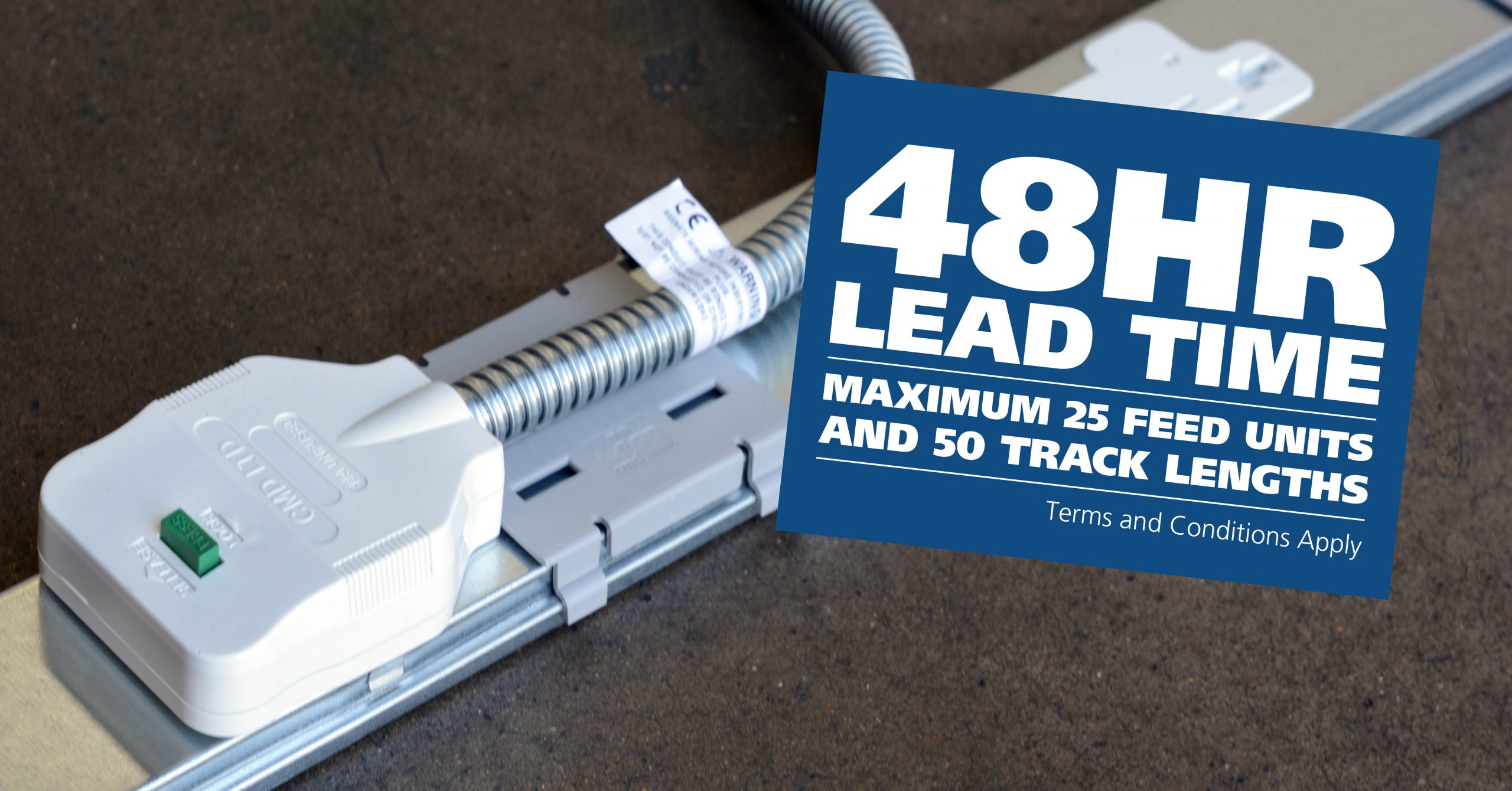
CMD Ltd LAUNCHES 48-HOUR TURNAROUND ON BETATRAK® RAPID ORDERING SERVICE

CMD Ltd, the specialist in power distribution systems, workstation power and monitor arms, has launched a rapid ordering service for its Betatrak® underfloor powertrack distribution systems and accessories, with a commitment to delivering within 48-hours of an approved purchase order*. The service enables customers to order up to 50 lengths of Standard or Clean Earth (C/E) low noise Betatrak, along with up to 25 feed...

Read more
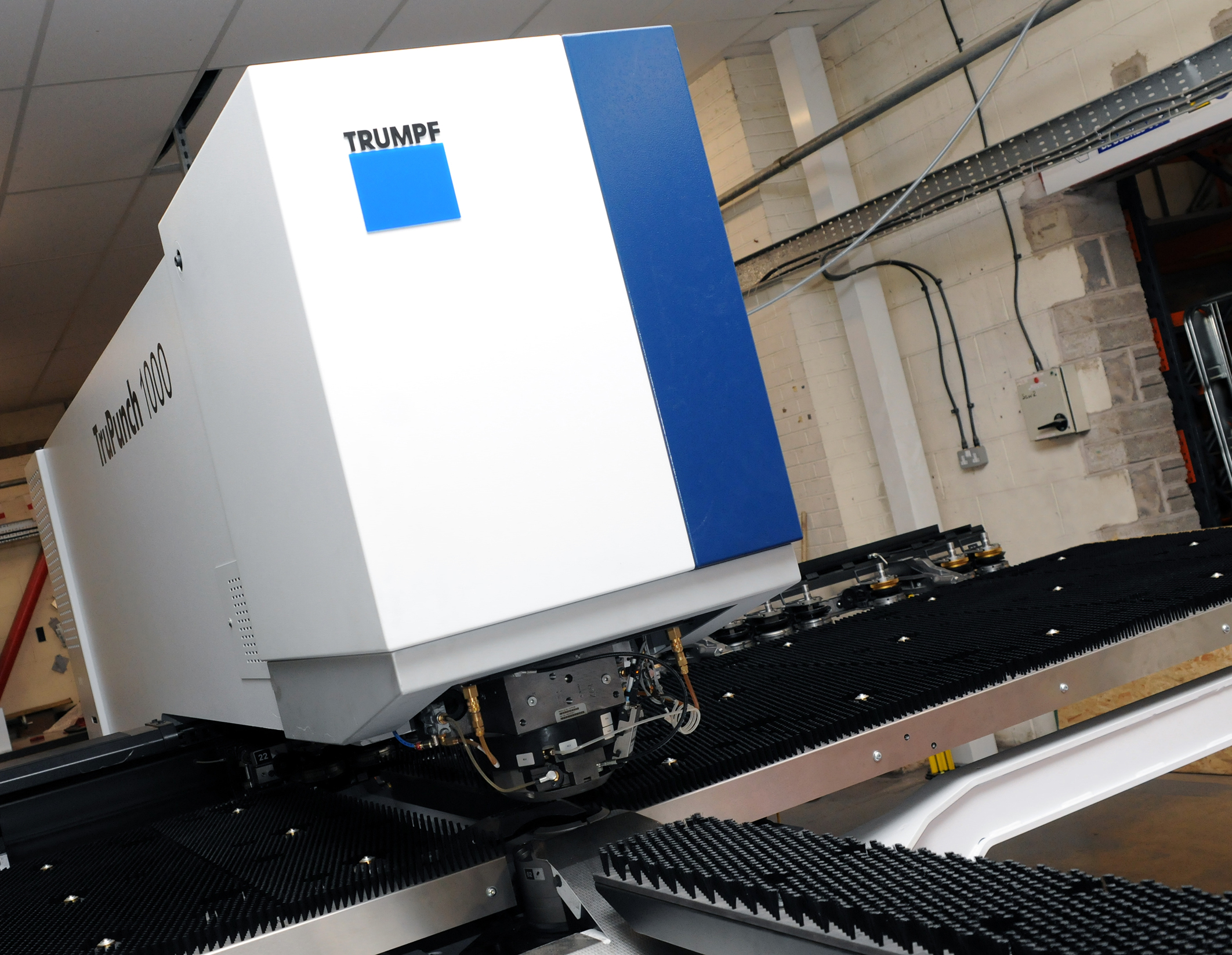
CMD INVESTS £1/4 MILLION IN NEW MACHINE AS PART OF FACTORY UPGRADE

We have invested in a new £1/4m TRUMPF CNC metal punch as part of an asset renewal strategy for our UK manufacturing capability. The new machine will be used in the production of a wide variety of our power distribution systems and workstation power products at our Rotherham factory. Suitable for handling sheet metal between 0.9mm and 3.0mm thick, the new machine will replace one...

Read more
CMD CATALOGUE PROVIDES TECHNICAL POWER DISTRIBUTION GUIDE

CMD Ltd has released a new catalogue, providing an easy to follow technical guide to our power distribution systems and plug and play desk modules. Detailing CMD’s full range of UK-manufactured power distribution systems and plug and play desk modules, the catalogue will be a helpful source of information to M&E engineers and contractors alike to understand how our power distribution systems connect together and...

Read more
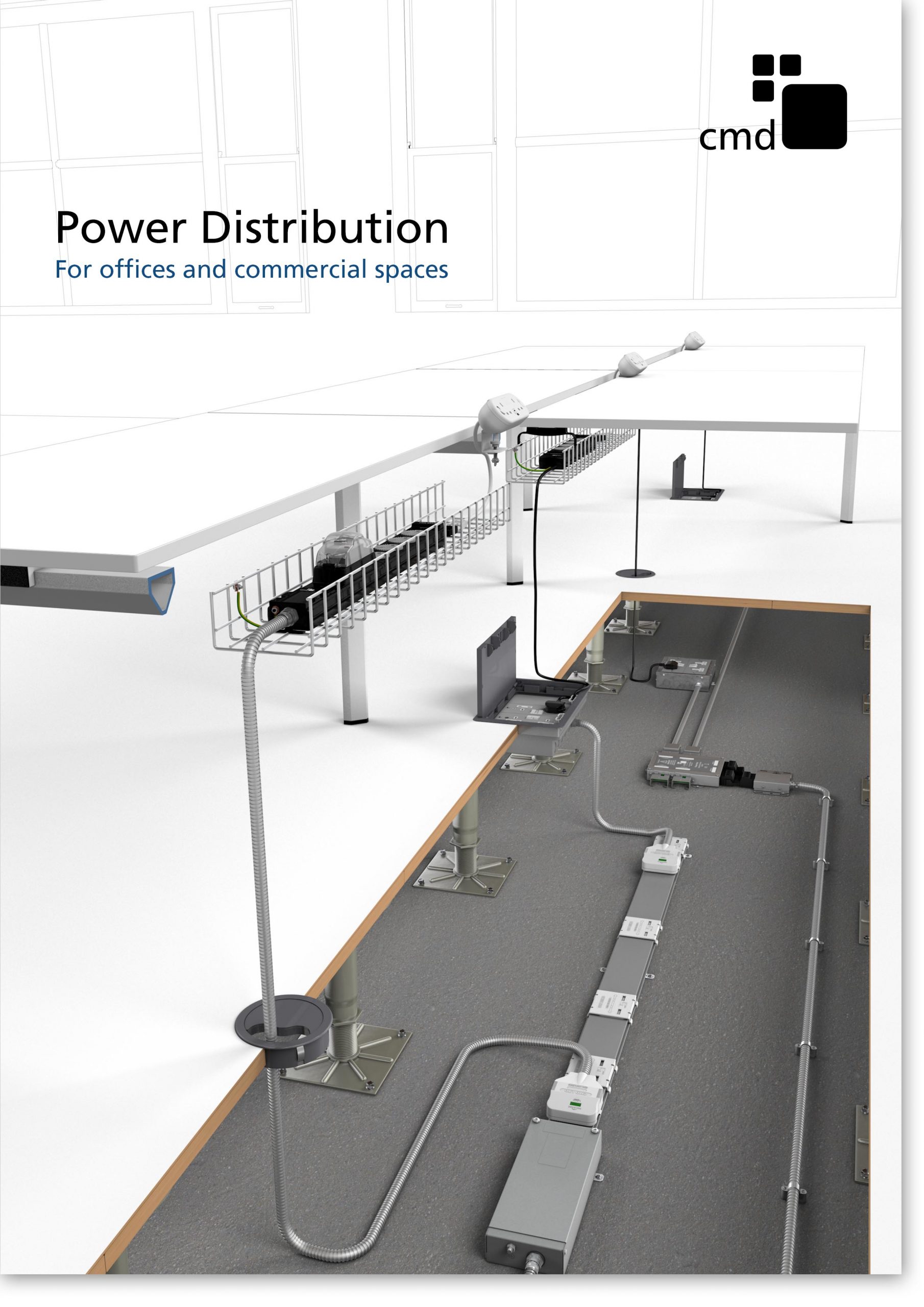
Power Distribution Catalogue
CMD Ltd PLAYS ESSENTIAL ROLE IN ELECTRICAL FIT OUT AT LONDON’S PRESTIGIOUS OFFICE DEVELOPMENT

CMD Ltd, specialist in workplace connectivity and ergonomic solutions, has provided a flexible and high-quality power distribution network for The Ray, a prestigious office development in London’s Farringdon. Well-known for being the former site of The Guardian newspaper, The Ray now stands as an 83,000ft² office development characterised by a modernised warehouse aesthetic, with level two now occupied by a global social media company. The...

Read more

The Ray
CMD plugs in to european opportunity with Schuko Capsule unit launch

CMD Ltd, the specialist in power and connectivity solutions for commercial environments, has launched a Schuko version of its popular fixed format Capsule workstation power module for export to mainland Europe and beyond. A popular on desk power module comprising two sockets and dual USB (type A and C) chargers, CMD’s Capsule unit is already widely specified in the UK as an off-the-shelf workstation power...

Read more
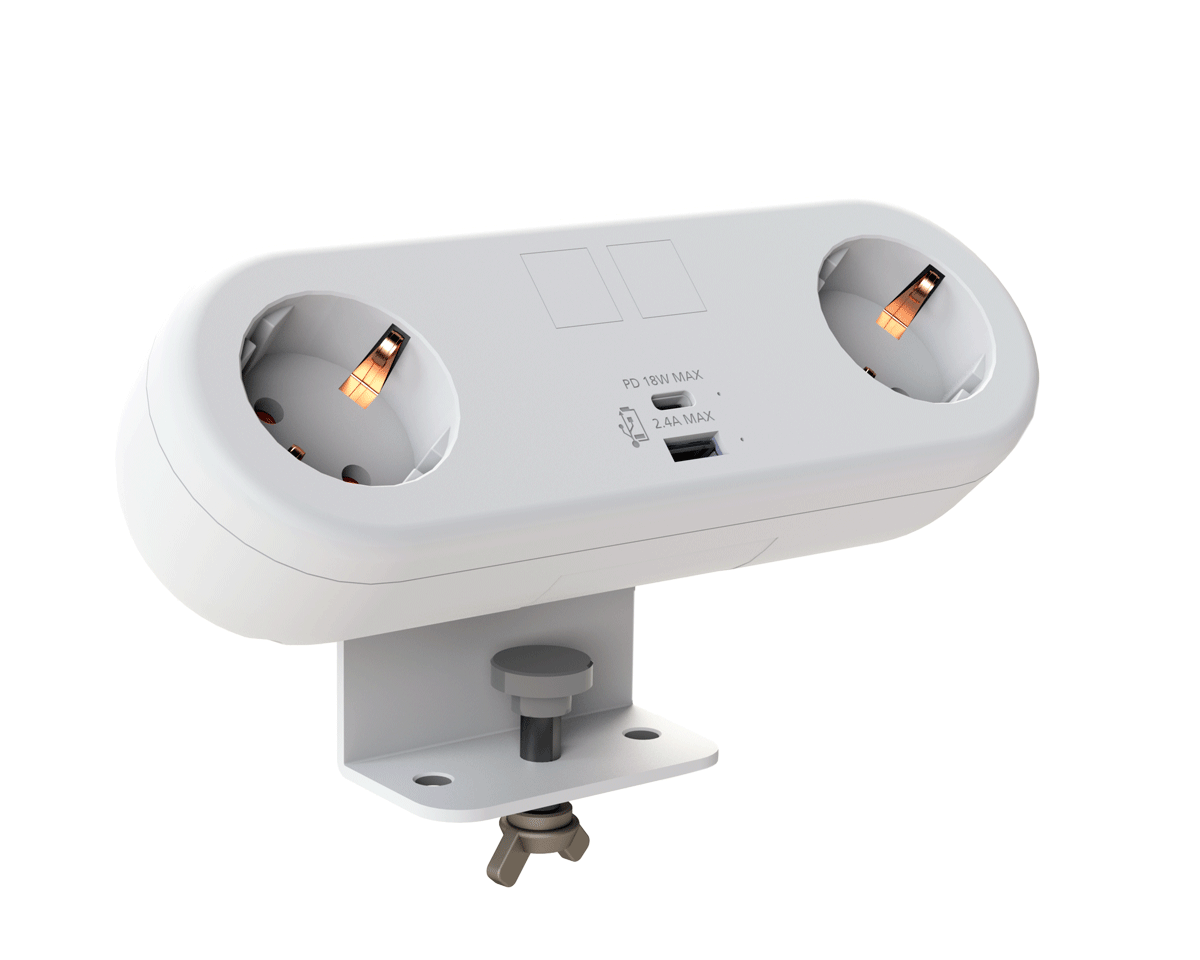
CMD White Schuko Capsule Desk Power Module
CMD LTD EXTENDS MONITOR ARM RANGE WITH THE LAUNCH OF REACH PLUS

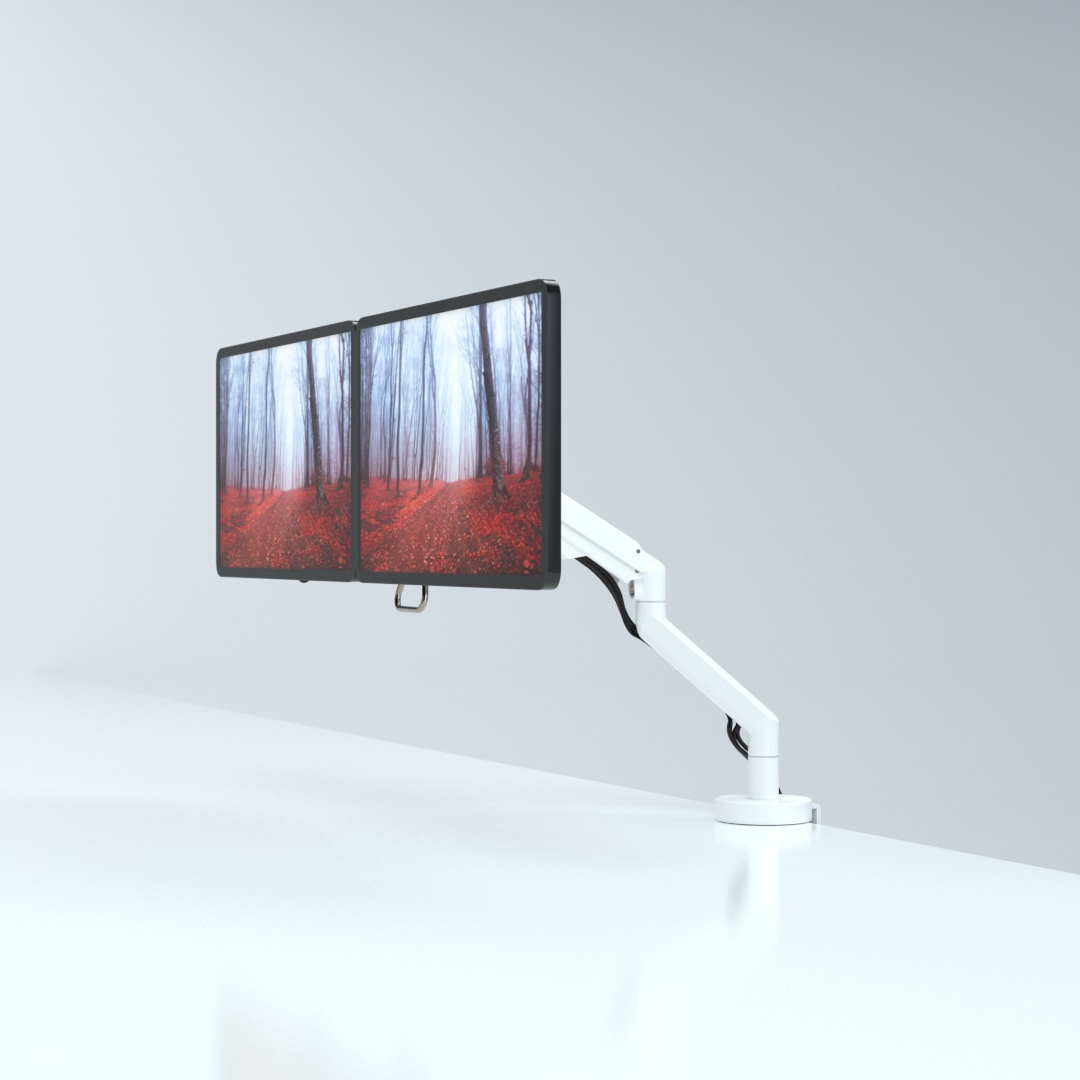
CMD Ltd, the specialist in ergonomic and connectivity solutions for commercial interiors, has completed its Reach monitor arm range with the launch of the Reach Plus. Available in single or dual screen options, the Reach Plus has been designed to provide an ideal solution for both single and dual screen workstation configurations, or can be used with next generation of large format curved screens. Suitable...

Read more
CMD Ltd DEMONSTRATES THE ART OF POWER DISTRIBUTION AT THE UNIVERSITY OF WARWICK

CMD Ltd, the specialist in workplace connectivity and ergonomic solutions, has provided Betatrak busbar power distribution and a range of electrical accessories for two major capital investment projects at the University of Warwick. Designed by Fielden Clegg Bradley Studios, the £33 million Faculty of Arts building is a showpiece development comprising four interconnected structures set around a central atrium, which will enable inter-disciplinary collaboration across...

Read more

University of Warwick
CMD BRINGS HARMONY TO COVENTRY UNIVERSITY RESEARCH FACILITIES

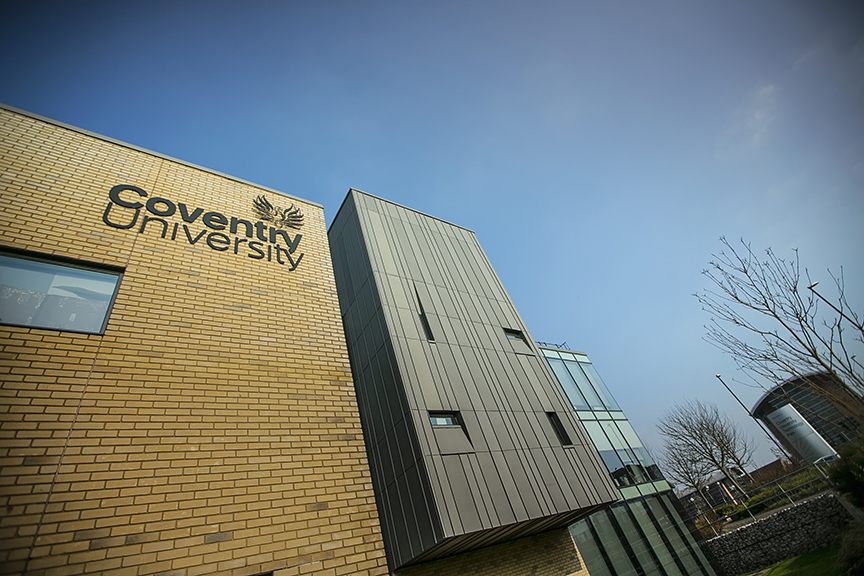
CMD Ltd, the specialist in power distribution solutions and workstation power and ergonomics, has provided under desk and on desk power modules for the refurbishment of three Coventry University research buildings. Located on Coventry University Technology Park, a business park designed to encourage collaboration between the university and knowledge-based businesses, the three buildings are being repurposed as office accommodation for university research teams. The refurbishment...

Read more
Coventry University

Best Practices for Managing Fracturing Flowback Fluid Disposal?

Effective disposal of Fracturing Flowback Fluid is crucial in the oil and gas industry. Experts highlight the environmental risks associated with improper management. Dr. Jane Smith, a leading authority in hydraulic fracturing, emphasizes, "Sustainable practices in fluid disposal are key to protecting our resources."

Fracturing Flowback Fluid contains various chemicals and contaminants. Its disposal requires expertise and strict adherence to regulations. Companies must prioritize safe and responsible methods. This includes recycling and proper treatment to minimize environmental impact. However, many firms still rely on outdated practices, posing risks to ecosystems.

The challenge lies in balancing operational efficiency and environmental stewardship. Industry leaders must continuously seek innovative solutions. Addressing these issues could significantly enhance public trust and community health. The path to improved practices is complex, yet necessary for sustainable progress.

Best Practices for Managing Fracturing Flowback Fluid Disposal?

Best Practices for Fracturing Flowback Fluid Management

Fracturing flowback fluid management is a crucial aspect of the hydraulic fracturing process. Effective disposal and treatment of this fluid requires a robust strategy grounded in industry best practices. According to the U.S. Environmental Protection Agency, approximately 15 to 80 percent of the injected fluid returns to the surface, necessitating careful handling to mitigate environmental impacts.

One best practice involves recycling flowback fluids. Studies indicate that over 90% of the flowback can be recycled if managed effectively. This process not only reduces the volume of waste but also conserves freshwater resources. Operators can implement advanced technologies that treat and repurpose these fluids for subsequent fracturing jobs. However, this approach requires careful monitoring to ensure the recycled fluid meets safety and regulatory standards.

Another important consideration is the use of underground injection wells for fluid disposal. The American Petroleum Institute highlights that proper site selection and monitoring can minimize risks associated with potential contamination. Despite regulations in place, there are instances of inadequate oversight leading to environmental concerns. Continuous improvement in monitoring practices and regulatory compliance is essential to address these challenges. Addressing the complexities of flowback fluid management will benefit both operators and surrounding communities.

Understanding the Composition of Flowback Fluids in Hydraulic Fracturing

Hydraulic fracturing generates flowback fluids rich in various components. These fluids often contain water, proppants, and chemicals used during the fracking process. A study published in the journal "Environmental Science & Technology" indicates that flowback fluids can contain up to 10,000 mg/L of total dissolved solids (TDS). This high concentration poses a challenge for disposal.

Understanding the composition is crucial for effective management. Recent data shows that flowback fluids may also contain heavy metals, organic compounds, and radioactivity. A report by the U.S. Geological Survey revealed that nearly 25% of the analyzed samples exceeded contaminant thresholds. Effective management practices must account for these risks.

Disposal methods often face scrutiny. Many operators resort to underground injection, yet numerous studies highlight potential environmental impacts. Options such as recycling flowback fluids can reduce risk. Research suggests that around 30% of flowback can be treated and reused. However, the treatment process needs further development. Addressing the complexities of flowback fluid composition is essential for sustainable practices in hydraulic fracturing.

Regulatory Framework and Guidelines for Flowback Fluid Disposal

Disposing of fracturing flowback fluid requires a careful understanding of regulatory frameworks. Each region enforces specific guidelines that dictate how this fluid should be handled. Operators must remain informed about state and federal regulations. Missteps can lead to significant fines or legal issues.

Collaboration with local authorities is crucial. Engaging with regulatory bodies ensures compliance and fosters a transparent relationship. Proper documentation of fluid disposal practices should be maintained. This transparency enhances the operator's credibility.

In some instances, operators may employ disposal methods that lack comprehensive research. Relying on outdated practices can lead to environmental risks. Addressing these shortcomings requires continuous training and education on the latest technologies and regulations. The commitment to responsible disposal reflects an operator's dedication to environmental stewardship.

Best Practices for Managing Fracturing Flowback Fluid Disposal

Dimension Guideline/Best Practice Regulatory Requirement Monitoring Frequency
Fluid Composition Conduct comprehensive chemical analysis Must adhere to local/state regulations on chemical disclosures Before disposal
Disposal Method Utilize approved deep well injection sites Compliance with EPA regulations Monthly inspections
Worker Safety Implement PPE requirements and training OSHA standards Weekly safety drills
Environmental Impact Conduct environmental impact assessments State environmental regulations Annually
Record Keeping Maintain detailed disposal records Federal and state documentation requirements Ongoing

Technologies and Methods for Treating Flowback Fluids Efficiently

Effective management of fracturing flowback fluids is critical in the oil and gas industry. Technologies and methods for treating these fluids must be efficient and environmentally responsible. One common technology used is advanced separation techniques. These methods help in isolating volatile compounds and solids from the fluids. However, their efficiency can vary based on the specific composition of the flowback fluids.

Another effective method includes biological treatment systems. These systems utilize microorganisms to break down harmful substances in the fluids. While promising, they often require careful monitoring and can have limitations regarding temperature and salinity. These factors can impact the effectiveness of biological treatments. Companies must remain vigilant and continuously assess the performance of these technologies.

Membrane filtration is also gaining traction. It can concentrate contaminants into smaller volumes, making disposal easier. However, membrane fouling remains a challenge. Regular cleaning and maintenance can help, but this adds operational costs. Organizations must balance the benefits of these technologies with their long-term sustainability implications. Evaluation and adaptation are key to successful fluid management strategies in this evolving landscape.

Evaluating Environmental Impact and Risks of Flowback Disposal Practices

The disposal of fracturing flowback fluids presents significant environmental challenges. These fluids often contain a mix of water, chemicals, and natural gas components. When not managed properly, they can contaminate soil and water resources. Understanding the composition and properties of these fluids is critical in assessing risks.

Different disposal methods are used, including deep well injection and treatment facilities. Each method carries its own environmental impact. For example, well injection can potentially lead to seismic activity. Treatment facilities may release harmful byproducts if not adequately monitored. Evaluating these risks is essential for informed decision-making.

Stakeholder engagement plays a crucial role in improving disposal practices. Local communities often face health and environmental risks. Their input can guide safer disposal strategies. Continuous assessment and improvement of disposal methods can lead to better environmental outcomes. Long-term studies are needed to fully understand the implications of current practices.

Environmental Impact of Fracturing Flowback Fluid Disposal