

News

Miro: A New Standard in Responsible Innovation

Miro: A New Standard in Responsible Innovation The Miro monitor arm is setting new benchmarks in sustainability. It offers a high-performance solution without compromising on environmental responsibility. Designed with careful material selection, local sourcing, and longevity in mind, Miro’s responsible approach to design and unique manoeuvrability set it apart from the competition. Sustainable Choices Miro is crafted from energy-efficient materials with a lower carbon impact....

Read more
HSE Advisor

Role Purpose Support in the development, implementation and maintenance of the company’s Health, Safety & Environmental policies, processes, operational procedures, and standards.  Ensuring best practice and championing a continually improving HSE culture within the business. Key Responsibilities Liaise with and provide support to all areas of the business to eliminate, mitigate or reduce identified HSE exposures. Partner with the production management team and team leaders,...

Read more
CMD Ltd LAUNCHES 48-HOUR TURNAROUND ON BETATRAK® RAPID ORDERING SERVICE

CMD Ltd, the specialist in power distribution systems, workstation power and monitor arms, has launched a rapid ordering service for its Betatrak® underfloor powertrack distribution systems and accessories, with a commitment to delivering within 48-hours of an approved purchase order*. The service enables customers to order up to 50 lengths of Standard or Clean Earth (C/E) low noise Betatrak, along with up to 25 feed...

Read more

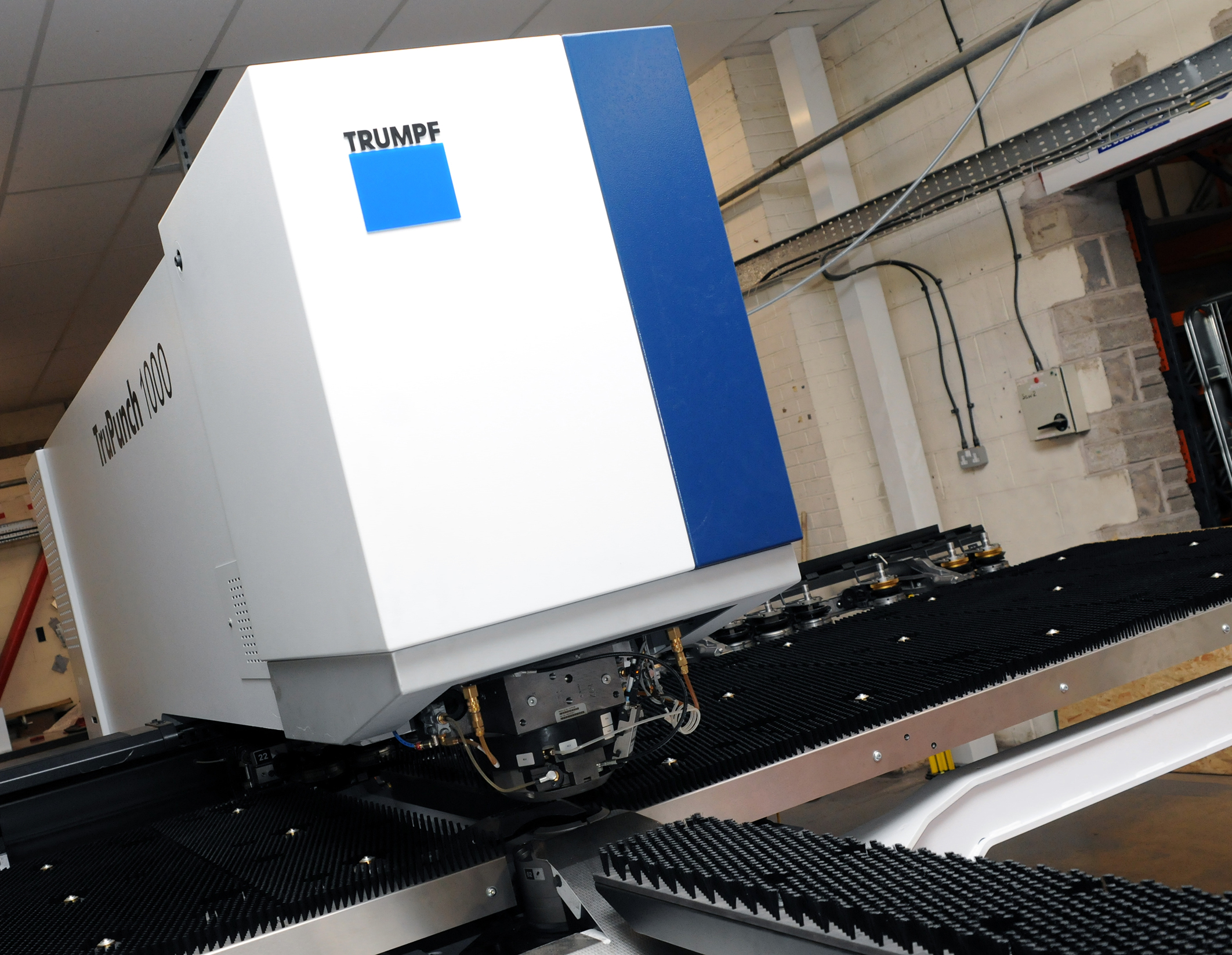
CMD INVESTS £1/4 MILLION IN NEW MACHINE AS PART OF FACTORY UPGRADE

We have invested in a new £1/4m TRUMPF CNC metal punch as part of an asset renewal strategy for our UK manufacturing capability. The new machine will be used in the production of a wide variety of our power distribution systems and workstation power products at our Rotherham factory. Suitable for handling sheet metal between 0.9mm and 3.0mm thick, the new machine will replace one...

Read more
CMD CATALOGUE PROVIDES TECHNICAL POWER DISTRIBUTION GUIDE

CMD Ltd has released a new catalogue, providing an easy to follow technical guide to our power distribution systems and plug and play desk modules. Detailing CMD’s full range of UK-manufactured power distribution systems and plug and play desk modules, the catalogue will be a helpful source of information to M&E engineers and contractors alike to understand how our power distribution systems connect together and...

Read more

Power Distribution Catalogue
CMD Ltd PLAYS ESSENTIAL ROLE IN ELECTRICAL FIT OUT AT LONDON’S PRESTIGIOUS OFFICE DEVELOPMENT

CMD Ltd, specialist in workplace connectivity and ergonomic solutions, has provided a flexible and high-quality power distribution network for The Ray, a prestigious office development in London’s Farringdon. Well-known for being the former site of The Guardian newspaper, The Ray now stands as an 83,000ft² office development characterised by a modernised warehouse aesthetic, with level two now occupied by a global social media company. The...

Read more

The Ray
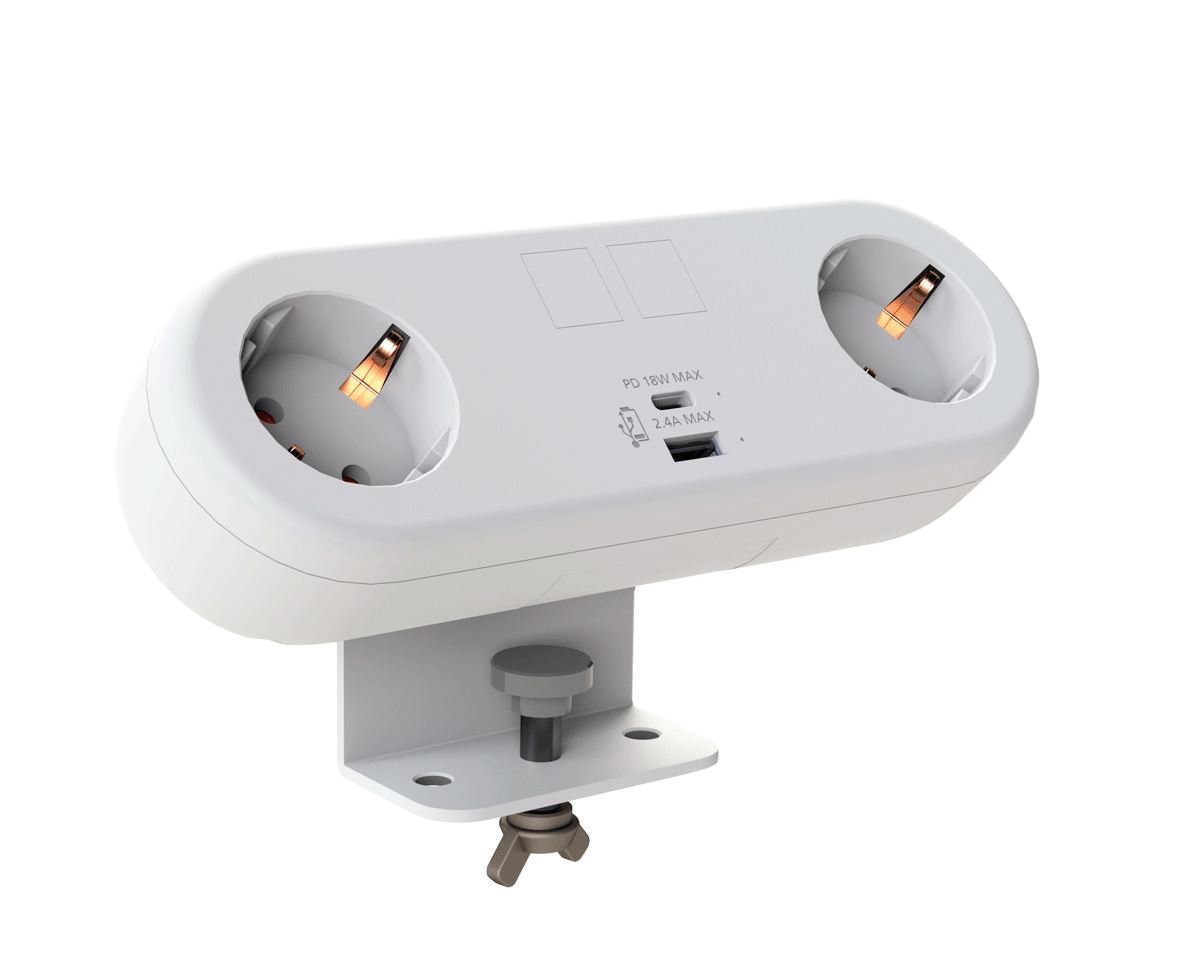
CMD plugs in to european opportunity with Schuko Capsule unit launch

CMD Ltd, the specialist in power and connectivity solutions for commercial environments, has launched a Schuko version of its popular fixed format Capsule workstation power module for export to mainland Europe and beyond. A popular on desk power module comprising two sockets and dual USB (type A and C) chargers, CMD’s Capsule unit is already widely specified in the UK as an off-the-shelf workstation power...

Read more
CMD White Schuko Capsule Desk Power Module
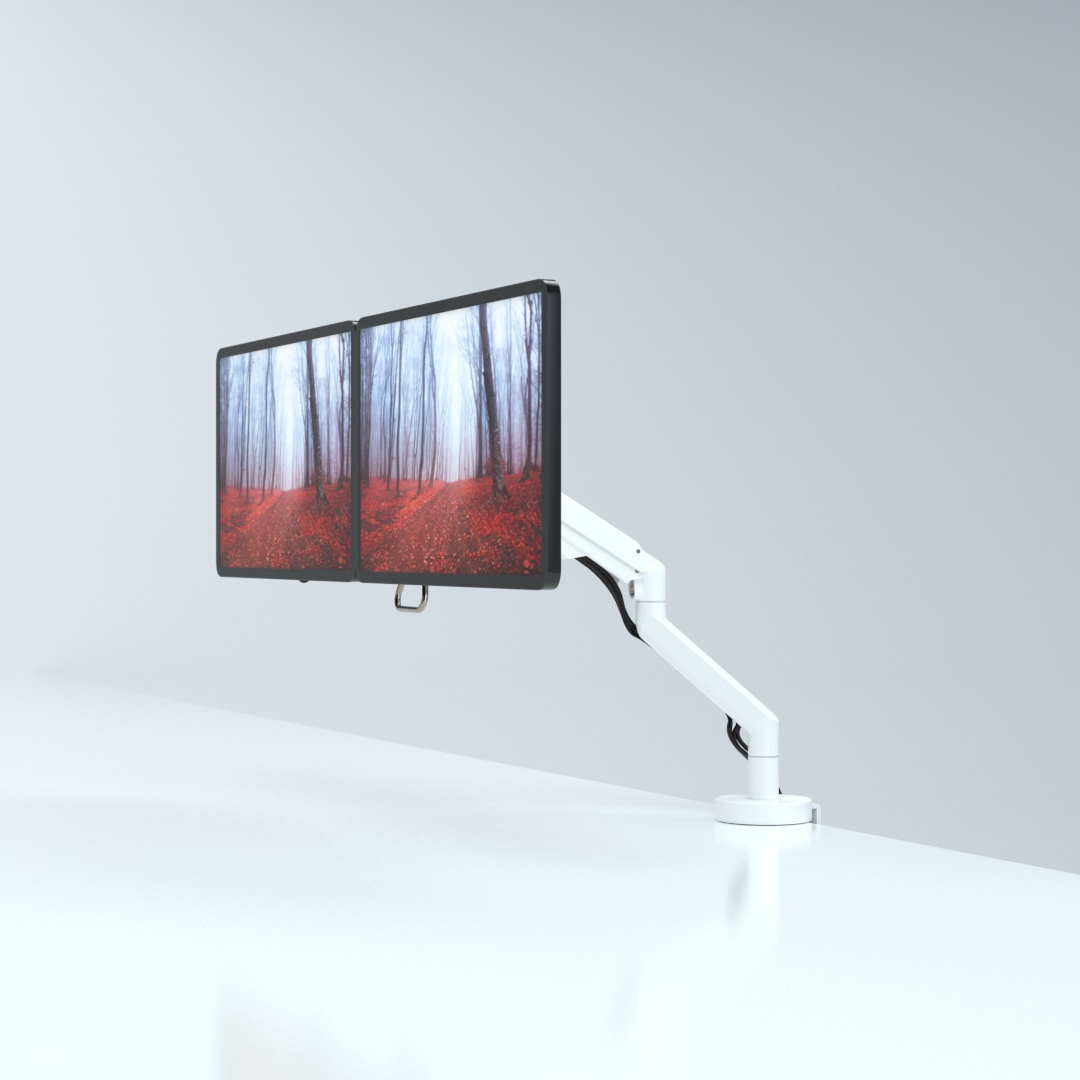
CMD LTD EXTENDS MONITOR ARM RANGE WITH THE LAUNCH OF REACH PLUS

CMD Ltd, the specialist in ergonomic and connectivity solutions for commercial interiors, has completed its Reach monitor arm range with the launch of the Reach Plus. Available in single or dual screen options, the Reach Plus has been designed to provide an ideal solution for both single and dual screen workstation configurations, or can be used with next generation of large format curved screens. Suitable...

Read more
CMD Ltd DEMONSTRATES THE ART OF POWER DISTRIBUTION AT THE UNIVERSITY OF WARWICK

CMD Ltd, the specialist in workplace connectivity and ergonomic solutions, has provided Betatrak busbar power distribution and a range of electrical accessories for two major capital investment projects at the University of Warwick. Designed by Fielden Clegg Bradley Studios, the £33 million Faculty of Arts building is a showpiece development comprising four interconnected structures set around a central atrium, which will enable inter-disciplinary collaboration across...

Read more

University of Warwick
CMD BRINGS HARMONY TO COVENTRY UNIVERSITY RESEARCH FACILITIES

CMD Ltd, the specialist in power distribution solutions and workstation power and ergonomics, has provided under desk and on desk power modules for the refurbishment of three Coventry University research buildings. Located on Coventry University Technology Park, a business park designed to encourage collaboration between the university and knowledge-based businesses, the three buildings are being repurposed as office accommodation for university research teams. The refurbishment...

Read more


Coventry University

Best 2 SM 2 MM Optical Fiber Solutions for Global Buyers?

In the rapidly evolving technology landscape, the choice of optical fiber solutions can significantly impact connectivity and performance. The “2 SM + 2 MM Optical Fiber” configuration stands out, balancing strengths of both single-mode (SM) and multi-mode (MM) fibers. This flexibility makes it a compelling choice for global buyers seeking efficiency.

When selecting the right optical fiber solution, considerations like transmission distance and bandwidth are crucial. Single-mode fibers excel in long-distance data transmission, while multi-mode fibers are ideal for shorter runs, offering high data rates over lesser distances. The ideal configuration can optimize network design, but it may also expose limitations in certain environments.

Buyers must reflect on their unique requirements. Factors like budget, deployment area, and future scalability should be weighed carefully. Mistakes in fiber selection could lead to costly upgrades or performance bottlenecks. Thus, thorough research and professional consultation are recommended to make informed decisions, ensuring reliability and a solid return on investment.

Best 2 SM 2 MM Optical Fiber Solutions for Global Buyers?

Best 2 SM 2 MM Optical Fiber Solutions for Global Buyers

When looking for optical fiber solutions, understanding the differences between single-mode (SM) and multimode (MM) fibers is crucial. SM fibers are ideal for long-distance communication. They transmit data using a single light path, minimizing signal loss and distortion. This makes them suitable for telecommunications and high-bandwidth applications.

On the other hand, MM fibers are better for shorter distances. They can transmit multiple light waves simultaneously, which increases bandwidth but can lead to modal dispersion. This dispersion can affect signal quality over long distances. Choosing the right type depends on the specific needs of your project and the required transmission distances.

However, selecting the best solution is not always straightforward. Many factors come into play, such as cost, installation, and maintenance. Buyers should consider the total cost of ownership rather than just the initial purchase price. Consulting with experienced professionals can help clarify these complexities and guide you toward a reliable choice. Don’t be afraid to ask questions. It's essential to understand what works best for your unique requirements.

Understanding SM and MM Fiber Types: Key Differences and Applications

When choosing between single-mode (SM) and multi-mode (MM) optical fibers, understanding their core differences is crucial. SM fibers have a smaller core diameter, typically around 8-10 microns. They allow light to travel long distances with minimal loss, making them ideal for telecommunications. In contrast, MM fibers have larger cores, about 50-62.5 microns, which support multiple light modes. This makes them suitable for shorter distances, such as within a building.

Tips: Consider the distance before selecting fiber types. For long-distance communication, SM fibers are preferred. MM fibers work best for local networks.

The applications of SM and MM fibers highlight their strengths. SM is widely used in backbone connections and long-haul communications. It supports higher bandwidths and is more efficient over vast distances. MM fibers excel in local area networks, data centers, and audio-visual applications. Their capability to handle multiple data streams makes them versatile for varied settings.

Tips: Assess your specific needs. MM fibers can be more cost-effective for short networks. SM fibers provide better performance for extensive setups. Remember that installation setups may require different connectors and handling techniques.

Market Trends: Demand for SM and MM Optical Fiber Solutions Globally

The global demand for single-mode (SM) and multi-mode (MM) optical fiber solutions is experiencing significant growth. According to a recent market analysis, the optical fiber market is projected to reach $10.8 billion by 2025, with a compound annual growth rate (CAGR) of 10.3%. This surge is driven by the increasing need for high-speed internet and robust telecommunications infrastructure as 5G networks roll out worldwide.

Fiber-optic cables offer advantages such as higher bandwidth and lower signal loss compared to traditional copper cables. SM fibers are particularly favored for long-distance communication due to their ability to maintain signal integrity over large distances. On the other hand, MM fibers are utilized in local area networks (LANs) and data centers where short-distance data transfer is essential. The demand for MM solutions is increasing as enterprises seek faster data communication within their facilities.

While the growth potential is vast, challenges remain. The high cost of fiber installation and maintenance can deter investment. Additionally, not all regions have the infrastructure to support advanced optical technologies. This uneven development creates market disparities. Buyers must carefully evaluate their local conditions and needs before making investments in SM or MM solutions. Balancing cost and technological capability is crucial for success in this evolving market.

Global demand for Single-Mode (SM) and Multi-Mode (MM) optical fiber solutions is witnessing significant growth, driven by advancements in telecommunications and data centers. The following chart illustrates the projected market trends for SM and MM optical fibers from 2023 to 2027, highlighting the increasing adoption in various sectors.

Top Manufacturers of SM and MM Fiber: Quality and Performance Analysis

In today's fast-paced digital landscape, understanding the nuances of single-mode (SM) and multimode (MM) optical fiber is essential for global buyers. The choice between these two types hinges on various factors, including distance, application, and budget. SM fibers excel in long-distance transmissions, offering lower attenuation rates. They are ideal for telecommunications and data networks. Conversely, MM fibers provide high bandwidth over shorter distances, making them suitable for local area networks (LANs) and data centers.

Top manufacturers prioritize quality and performance in their fiber solutions. They utilize advanced materials and innovative technologies to enhance the longevity and efficiency of their products. It’s crucial for buyers to assess certifications and industry standards compliance when selecting fiber optic solutions. However, not all manufacturers consistently meet these standards, which can result in variable performance. Quality assurance and rigorous testing mechanisms are pivotal in ensuring that consumers receive reliable products.

Many industry players might boast about their offerings, yet the emphasis should be on actual performance metrics. Comparing factors like installation ease, signal strength, and durability can reveal discrepancies. Buyers must also remain cautious of misleading marketing claims. The landscape is rife with options, but due diligence is vital to make informed decisions. Balancing between performance needs and budget constraints can lead to better outcomes in fiber optic solutions.

Cost Comparison of SM vs. MM Optical Fiber Solutions

When it comes to optical fiber solutions, buyers often face the decision between single-mode (SM) and multimode (MM) fibers. The cost comparison is crucial, as it can significantly impact project budgets. SM fibers are generally more expensive due to their advanced technology. They offer higher bandwidth and are suitable for long-distance transmissions. This means fewer repeaters are needed, saving costs in the long run.

On the other hand, MM fibers are more affordable. They are ideal for shorter distances and have a larger core, allowing more light to pass through. However, this means they have limitations in bandwidth over long distances. For buyers, understanding these differences is essential. A seemingly lower initial cost for MM fiber could lead to higher expenses if upgrades or replacements are needed sooner.

While SM fibers promise better performance, they may not always be the best choice for every application. Some projects might not require the long-range capabilities of SM fibers. Thus, buyers need to reflect on their specific needs and constraints. Making an informed choice between SM and MM fibers involves balancing cost and performance while considering future-proofing investments.

Conclusion

The article titled "Best 2 SM 2 MM Optical Fiber Solutions for Global Buyers" provides an in-depth look at the two primary types of optical fibers — single-mode (SM) and multi-mode (MM) fiber. It highlights the key differences between these fiber types, including their respective applications and performance capabilities. As demand for efficient and reliable optical fiber solutions continues to rise globally, understanding these distinctions is crucial for buyers looking to make informed decisions.

Furthermore, the article discusses current market trends, emphasizing the need for both SM and MM optical fibers in various industries. A comparative analysis of costs reveals important considerations for buyers, while future innovations in these technologies promise to enhance performance and usability. Overall, the insights provided in this article serve as a comprehensive guide for global buyers seeking the best 2 SM 2 MM Optical Fiber solutions to meet their specific needs.