

News

Miro: A New Standard in Responsible Innovation

Miro: A New Standard in Responsible Innovation The Miro monitor arm is setting new benchmarks in sustainability. It offers a high-performance solution without compromising on environmental responsibility. Designed with careful material selection, local sourcing, and longevity in mind, Miro’s responsible approach to design and unique manoeuvrability set it apart from the competition. Sustainable Choices Miro is crafted from energy-efficient materials with a lower carbon impact....

Read more
HSE Advisor

Role Purpose Support in the development, implementation and maintenance of the company’s Health, Safety & Environmental policies, processes, operational procedures, and standards.  Ensuring best practice and championing a continually improving HSE culture within the business. Key Responsibilities Liaise with and provide support to all areas of the business to eliminate, mitigate or reduce identified HSE exposures. Partner with the production management team and team leaders,...

Read more
CMD Ltd LAUNCHES 48-HOUR TURNAROUND ON BETATRAK® RAPID ORDERING SERVICE

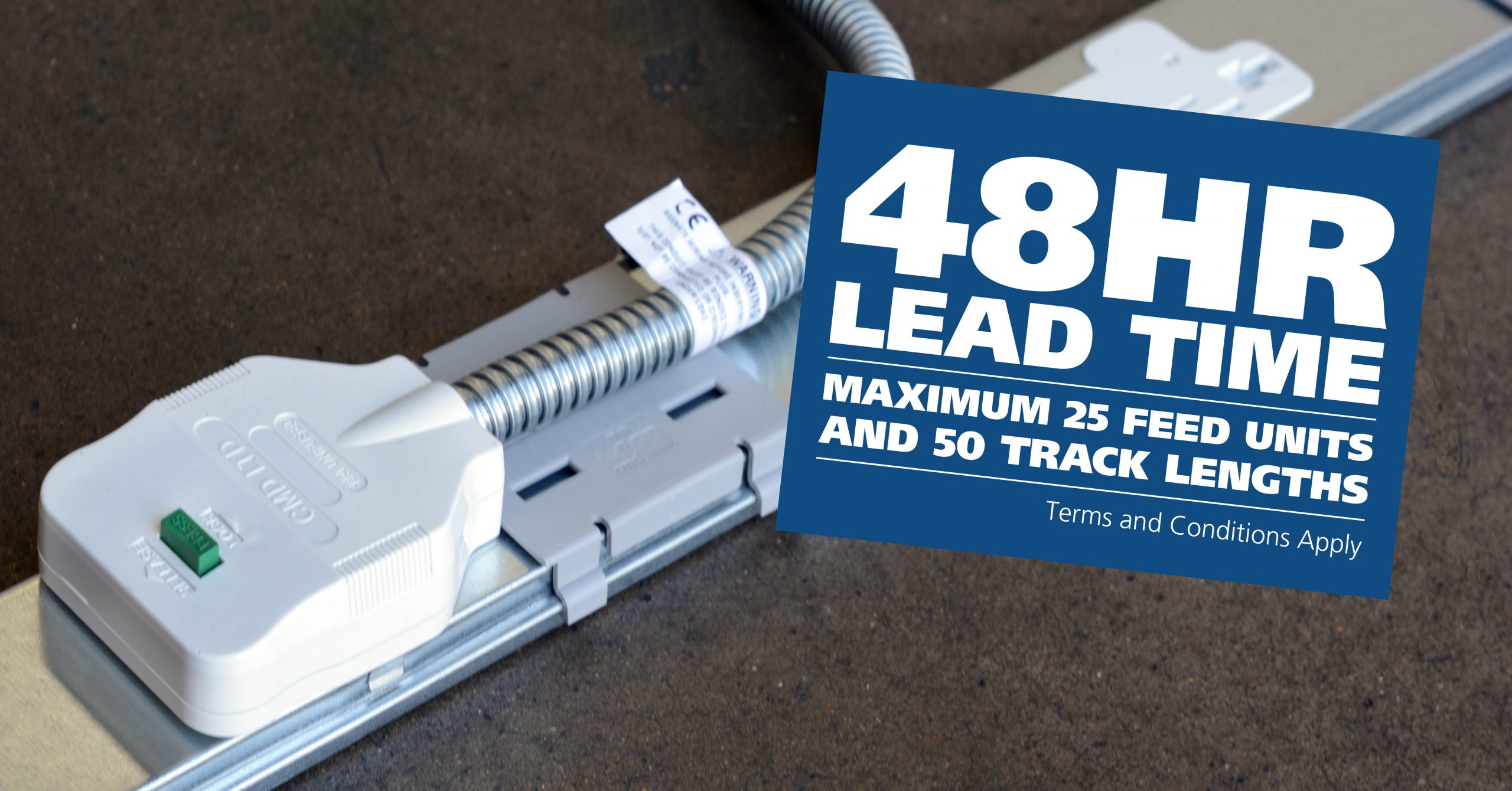
CMD Ltd, the specialist in power distribution systems, workstation power and monitor arms, has launched a rapid ordering service for its Betatrak® underfloor powertrack distribution systems and accessories, with a commitment to delivering within 48-hours of an approved purchase order*. The service enables customers to order up to 50 lengths of Standard or Clean Earth (C/E) low noise Betatrak, along with up to 25 feed...

Read more
CMD INVESTS £1/4 MILLION IN NEW MACHINE AS PART OF FACTORY UPGRADE

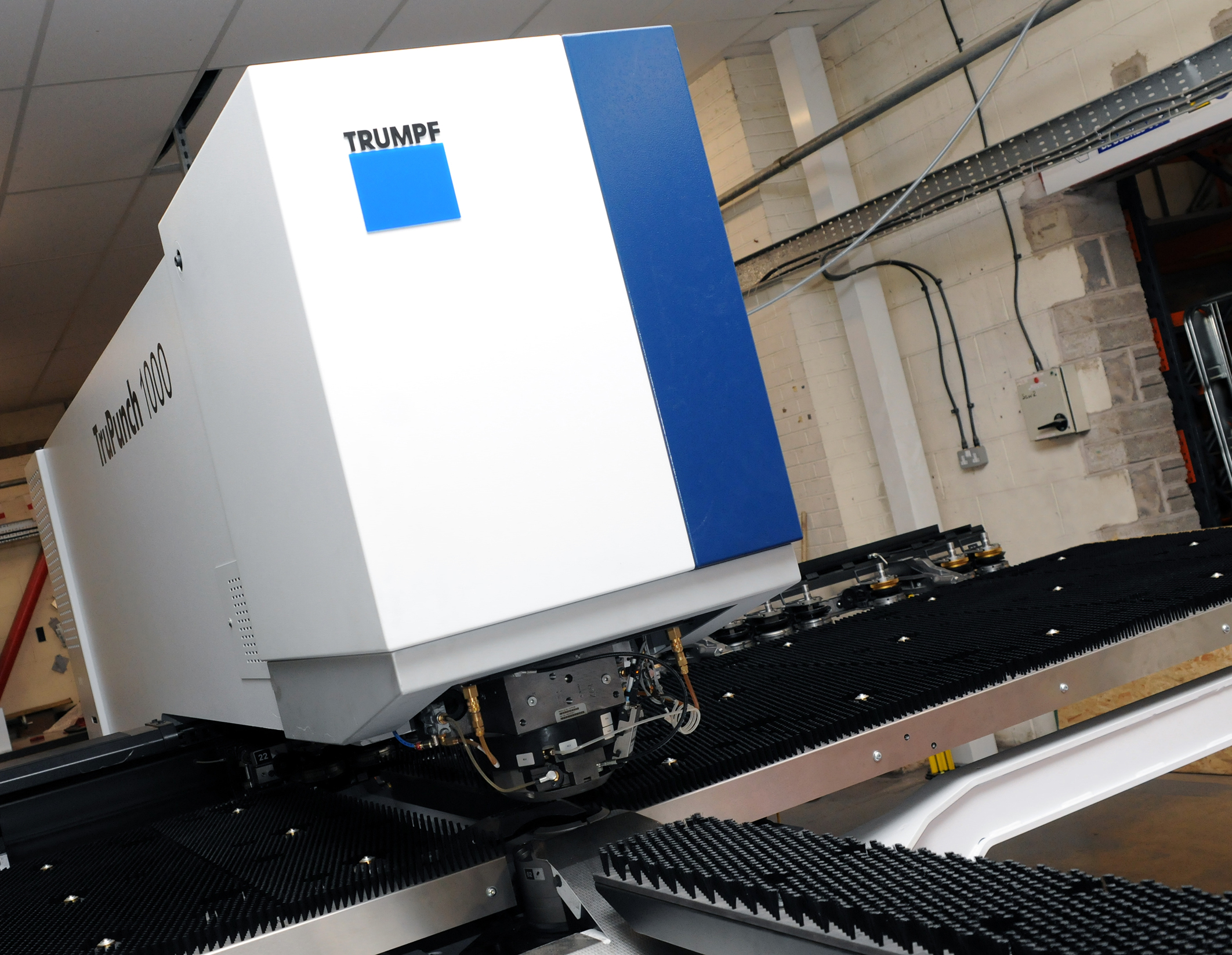
We have invested in a new £1/4m TRUMPF CNC metal punch as part of an asset renewal strategy for our UK manufacturing capability. The new machine will be used in the production of a wide variety of our power distribution systems and workstation power products at our Rotherham factory. Suitable for handling sheet metal between 0.9mm and 3.0mm thick, the new machine will replace one...

Read more
CMD CATALOGUE PROVIDES TECHNICAL POWER DISTRIBUTION GUIDE

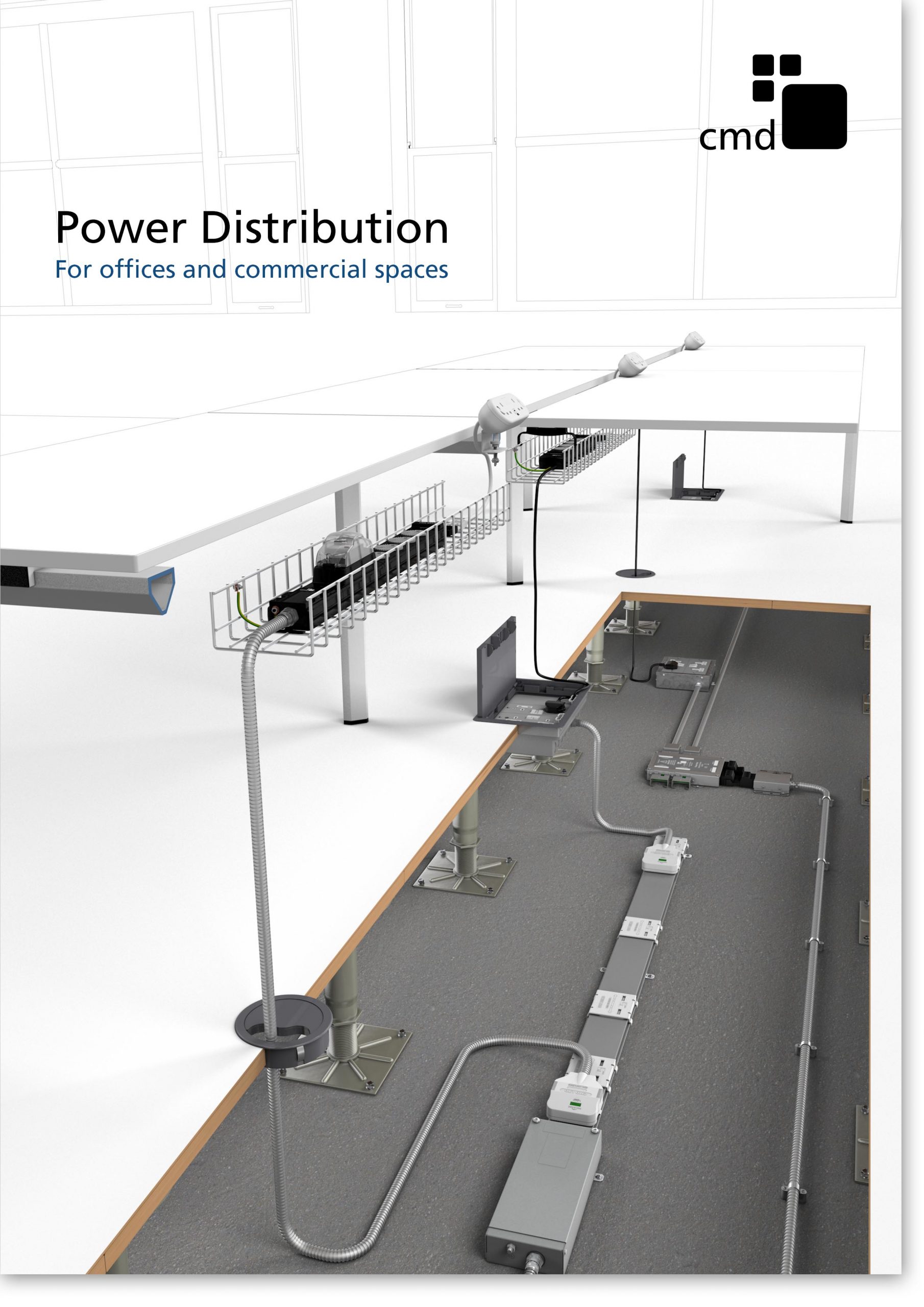
CMD Ltd has released a new catalogue, providing an easy to follow technical guide to our power distribution systems and plug and play desk modules. Detailing CMD’s full range of UK-manufactured power distribution systems and plug and play desk modules, the catalogue will be a helpful source of information to M&E engineers and contractors alike to understand how our power distribution systems connect together and...

Read more
Power Distribution Catalogue
CMD Ltd PLAYS ESSENTIAL ROLE IN ELECTRICAL FIT OUT AT LONDON’S PRESTIGIOUS OFFICE DEVELOPMENT

CMD Ltd, specialist in workplace connectivity and ergonomic solutions, has provided a flexible and high-quality power distribution network for The Ray, a prestigious office development in London’s Farringdon. Well-known for being the former site of The Guardian newspaper, The Ray now stands as an 83,000ft² office development characterised by a modernised warehouse aesthetic, with level two now occupied by a global social media company. The...

Read more

The Ray
CMD plugs in to european opportunity with Schuko Capsule unit launch

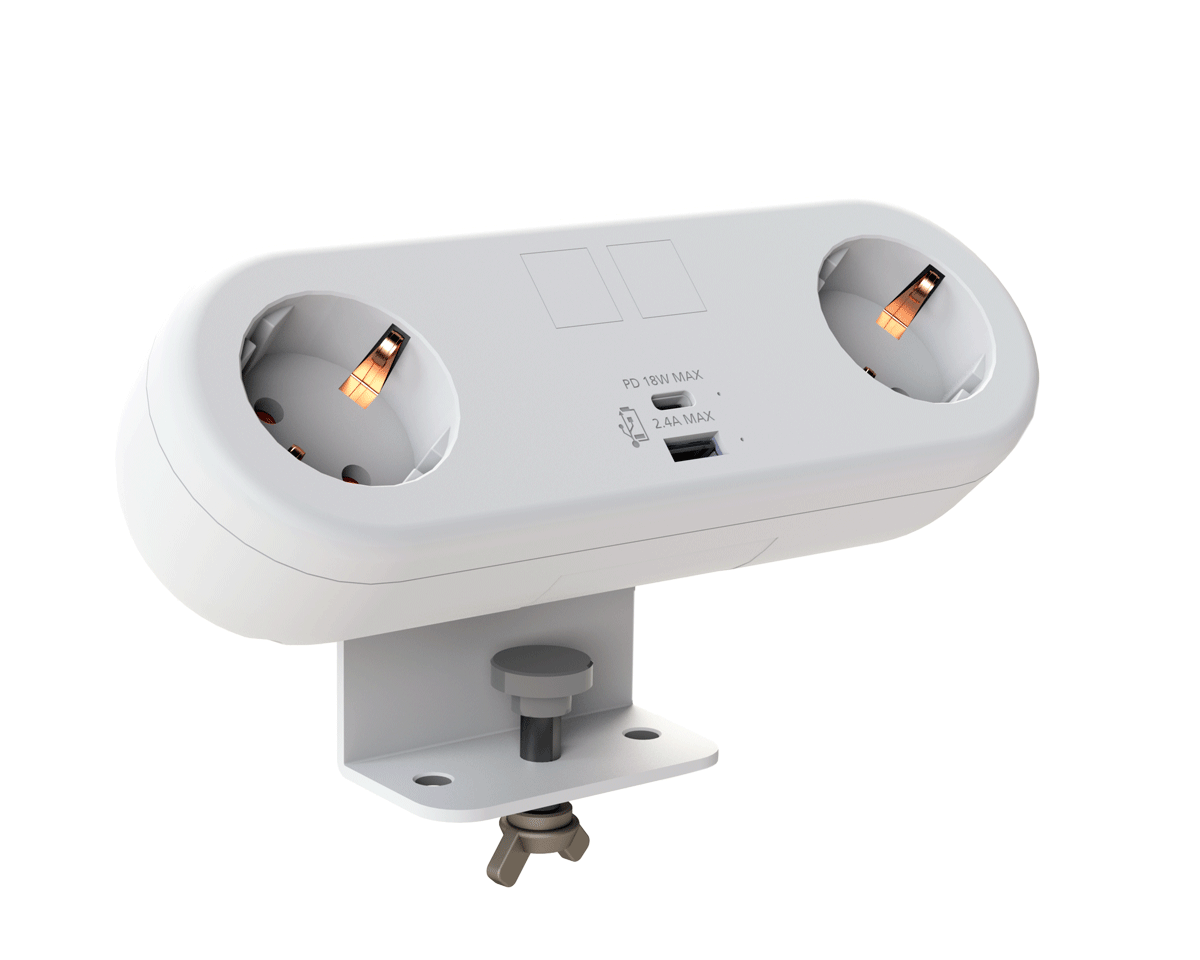
CMD Ltd, the specialist in power and connectivity solutions for commercial environments, has launched a Schuko version of its popular fixed format Capsule workstation power module for export to mainland Europe and beyond. A popular on desk power module comprising two sockets and dual USB (type A and C) chargers, CMD’s Capsule unit is already widely specified in the UK as an off-the-shelf workstation power...

Read more
CMD White Schuko Capsule Desk Power Module
CMD LTD EXTENDS MONITOR ARM RANGE WITH THE LAUNCH OF REACH PLUS

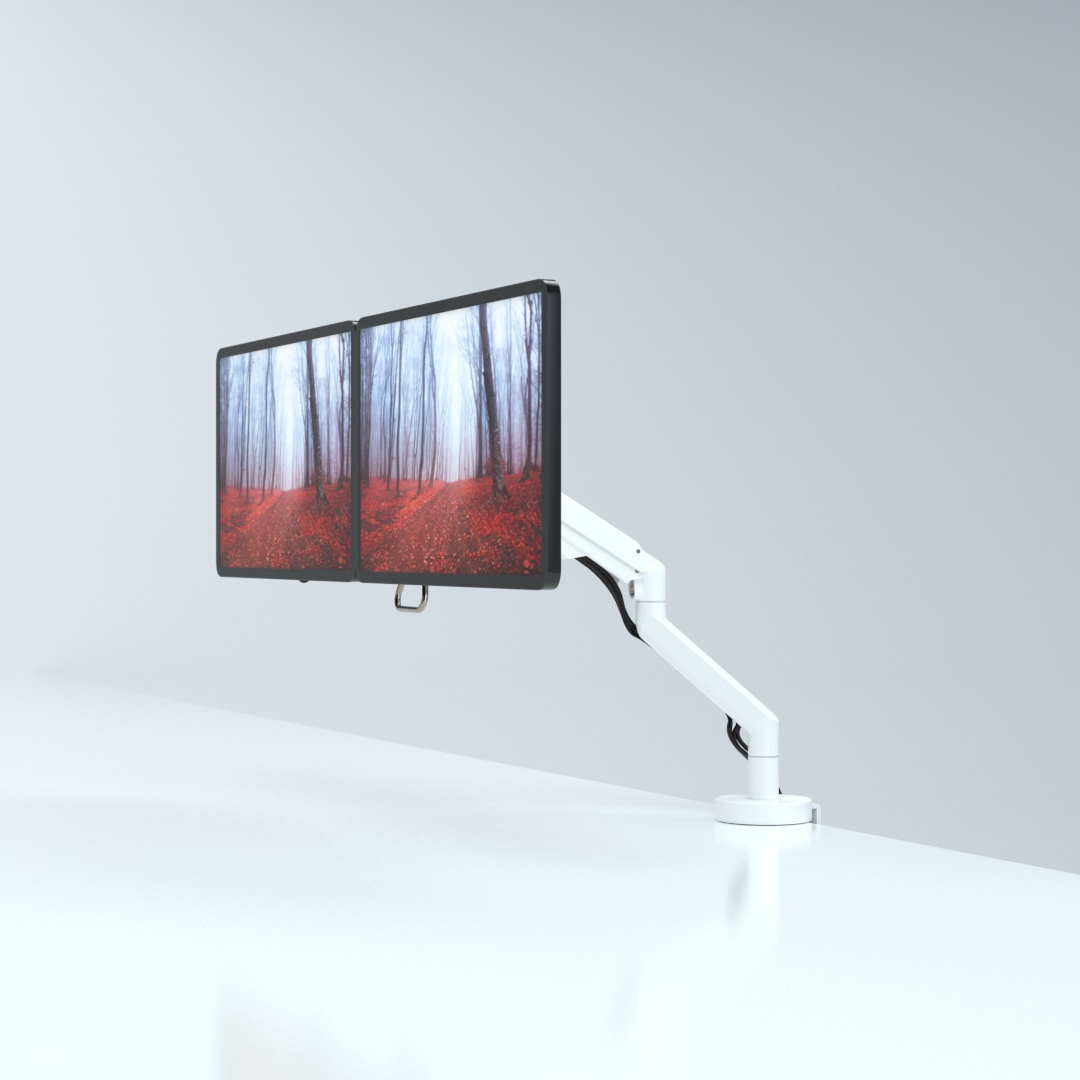
CMD Ltd, the specialist in ergonomic and connectivity solutions for commercial interiors, has completed its Reach monitor arm range with the launch of the Reach Plus. Available in single or dual screen options, the Reach Plus has been designed to provide an ideal solution for both single and dual screen workstation configurations, or can be used with next generation of large format curved screens. Suitable...

Read more
CMD Ltd DEMONSTRATES THE ART OF POWER DISTRIBUTION AT THE UNIVERSITY OF WARWICK

CMD Ltd, the specialist in workplace connectivity and ergonomic solutions, has provided Betatrak busbar power distribution and a range of electrical accessories for two major capital investment projects at the University of Warwick. Designed by Fielden Clegg Bradley Studios, the £33 million Faculty of Arts building is a showpiece development comprising four interconnected structures set around a central atrium, which will enable inter-disciplinary collaboration across...

Read more

University of Warwick
CMD BRINGS HARMONY TO COVENTRY UNIVERSITY RESEARCH FACILITIES

CMD Ltd, the specialist in power distribution solutions and workstation power and ergonomics, has provided under desk and on desk power modules for the refurbishment of three Coventry University research buildings. Located on Coventry University Technology Park, a business park designed to encourage collaboration between the university and knowledge-based businesses, the three buildings are being repurposed as office accommodation for university research teams. The refurbishment...

Read more

Coventry University

What Is the Best On Grid Solar System in 2026?

An On Grid Solar System connects rooftop panels to the utility network, supplying daytime electricity while drawing power from the grid when production falls. Its appeal is clear: fewer moving parts than an off-grid setup, and no battery required for basic operation. But “best” depends on the roof, local electricity rates, export compensation, and household consumption. There is no universal winner. Not even close.

The market is expanding rapidly. IRENA’s Renewable Capacity Statistics 2025 reports that solar added approximately 452 gigawatts of capacity worldwide in 2024, helping drive a record year for renewable power growth. That scale brings more equipment choices, but it does not make every panel or inverter suitable for every home. A system facing morning shade may perform differently from one with an unobstructed south-facing roof. Small details matter. Inverter efficiency, monitoring quality, warranty terms, and access to qualified installation support deserve close attention. An on-grid system also typically shuts down during a grid outage unless it includes specifically designed backup equipment. This surprises some buyers. The comparison that follows examines system components, performance, costs, and practical trade-offs, using industry data and real-world selection criteria. Some estimates still vary by region, and that uncertainty deserves a candid look.

What Is the Best On Grid Solar System in 2026?

What an On-Grid Solar System Is and How It Works

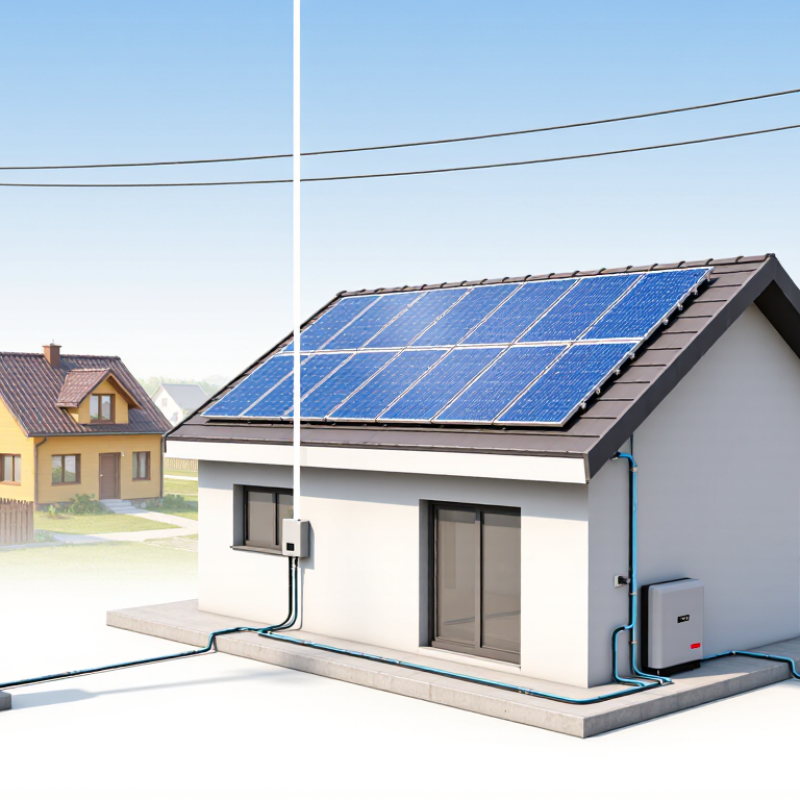
An on-grid solar system connects rooftop panels to a building’s electrical system and the local utility grid. Sunlight makes the panels produce direct-current electricity. An inverter converts it into alternating current, which household appliances can use. The refrigerator may draw solar power at noon, while lights and other loads use the same supply. Simple in principle.

When panels produce more electricity than the home needs, the excess may flow to the grid. At night or during cloudy periods, the home can draw electricity back from the utility. How exported power is credited depends on the local tariff and connection terms, so projected savings should use actual bills and site conditions. Most standard on-grid systems do not store energy. No sun, no rooftop production.

A key detail is outage protection. Many grid-connected inverters shut down during a power cut, even when the sun is shining. This helps prevent electricity from feeding into lines that workers may be repairing. A battery-ready or hybrid system with approved backup equipment can provide power to selected circuits, but that is a different setup. It is easy to overlook this limitation when comparing system sizes. For 2026, the best fit depends less on a headline panel rating and more on roof shade, daytime consumption, utility rules, and whether backup power matters.

Key Components of a Modern Grid-Tied Solar System

A modern grid-tied solar system is more than panels on a roof. Modules convert sunlight into direct current, while an inverter changes it into grid-compatible alternating current. In NREL’s PVWatts model, the default inverter efficiency is 96%, and the default DC-to-AC sizing ratio is 1.2. These are modeling assumptions, not promises for every home. Real output depends on heat, shade, wiring, and system design. Small details matter.

Mounting rails secure the modules, and electrical protection equipment helps isolate faults or shut down the system when needed. A bidirectional meter records electricity flowing to and from the grid; monitoring software can reveal falling output before it becomes obvious on a bill.

The IEA PVPS Snapshot 2024 reported roughly 447 GW of new solar capacity worldwide in 2023, underscoring how quickly grid integration is expanding.

Yet a large market does not make every installation equally reliable. Ask how the installer accounts for roof orientation, local grid requirements, and inverter replacement over time. A neat cable run is reassuring. It is not a performance guarantee. I would also question a design that looks perfect on paper but leaves little room for future maintenance.

How to Evaluate On-Grid Solar Systems in 2026

Evaluating an on-grid solar system in 2026 starts with your roof, not its advertised wattage. Check the direction and pitch, then note when nearby trees shade the panels. Ask for an hourly or monthly production estimate using local weather data. A single annual figure can hide weak winter output or afternoon shading. Small details matter.

Compare the forecast with your electricity use and the system’s export limit. NREL’s PVWatts documentation uses default assumptions of 14% system losses and 96% inverter efficiency. These are modeling inputs, not promises. Ask the installer to explain any major differences from your estimate, including shading, heat, wiring, and inverter clipping. I would also check monitoring access, equipment warranties, and who handles service. A neat payback number can mislead.

Scale provides context, not a quality score. The IEA PVPS report Trends in Photovoltaic Applications 2024 estimated that global solar capacity reached about 1.6 terawatts in 2023, with roughly 447 gigawatts added that year. For your own system, compare expected annual generation against recent bills, not a generic national average. Confirm whether the design shuts down during a grid outage; standard grid-connected systems generally do, unless configured with suitable backup equipment. Read the assumptions twice. One overlooked shade line can change the estimate.

Comparing System Sizes, Inverters, and Panel Options

Choosing the best on-grid solar system in 2026 starts with matching system size to real household use. Berkeley Lab’s Tracking the Sun 2024 report puts the median US residential system at about 7.4 kW for 2023 installations. That is a reference point, not a prescription. A home with afternoon air-conditioning, an electric vehicle, or shaded roof sections may need a different design. Compare annual electricity use with a roof-specific production estimate, not just the system’s rated capacity.

Inverter choice changes how the system handles shade and maintenance. A central string inverter is often simpler, while module-level inverters can help limit the effect of shade on individual panels. The trade-off is extra equipment on the roof. Ask for estimated annual output, component warranties, and replacement assumptions in writing. Small details matter.

Panel technology deserves a careful comparison, too. IEA PVPS’s Trends in Photovoltaic Applications 2024 reports that crystalline silicon accounts for about 98% of the global module market. Within that broad category, compare warranted output, dimensions, and performance in high temperatures. Higher rated power alone may not fit a narrow roof well. It depends. And estimates are still estimates; request the assumptions behind them, including roof orientation, shading, and local weather data.

How to Choose a System for Your Home and Energy Needs

What Is the Best On Grid Solar System in 2026?

The best on-grid solar system is the one that fits your home’s actual usage, roof, and utility arrangement. Start with twelve months of electricity bills, not a neighbor’s panel count.

The U.S. Energy Information Administration’s Electric Power Annual reports average residential use of about 10,791 kWh in 2022, or roughly 899 kWh monthly. Your home may differ sharply.

Small details matter. Note when you use power, too. A household running air conditioning on sunny afternoons can use solar energy directly; evening-heavy use may rely more on grid imports.

The National Renewable Energy Laboratory’s PVWatts model estimates production using location, system size, roof tilt, and orientation. Use it to compare realistic layouts, then ask an installer to check local shading and roof conditions. A cloudy winter week can change the picture.

Match system output to annual use, but treat full bill offset as a starting point, not a promise. Export credits and electricity rates vary by utility, and they affect the value of extra panels.

Check inverter sizing, warranties, and projected monthly production. An on-grid system usually shuts down during a power outage unless designed with suitable backup equipment. That detail is easy to miss.

Keep some allowance for imperfect estimates; actual production will not follow a tidy spreadsheet.