

News

Miro: A New Standard in Responsible Innovation

Miro: A New Standard in Responsible Innovation The Miro monitor arm is setting new benchmarks in sustainability. It offers a high-performance solution without compromising on environmental responsibility. Designed with careful material selection, local sourcing, and longevity in mind, Miro’s responsible approach to design and unique manoeuvrability set it apart from the competition. Sustainable Choices Miro is crafted from energy-efficient materials with a lower carbon impact....

Read more
HSE Advisor

Role Purpose Support in the development, implementation and maintenance of the company’s Health, Safety & Environmental policies, processes, operational procedures, and standards.  Ensuring best practice and championing a continually improving HSE culture within the business. Key Responsibilities Liaise with and provide support to all areas of the business to eliminate, mitigate or reduce identified HSE exposures. Partner with the production management team and team leaders,...

Read more
CMD Ltd LAUNCHES 48-HOUR TURNAROUND ON BETATRAK® RAPID ORDERING SERVICE

CMD Ltd, the specialist in power distribution systems, workstation power and monitor arms, has launched a rapid ordering service for its Betatrak® underfloor powertrack distribution systems and accessories, with a commitment to delivering within 48-hours of an approved purchase order*. The service enables customers to order up to 50 lengths of Standard or Clean Earth (C/E) low noise Betatrak, along with up to 25 feed...

Read more

CMD INVESTS £1/4 MILLION IN NEW MACHINE AS PART OF FACTORY UPGRADE

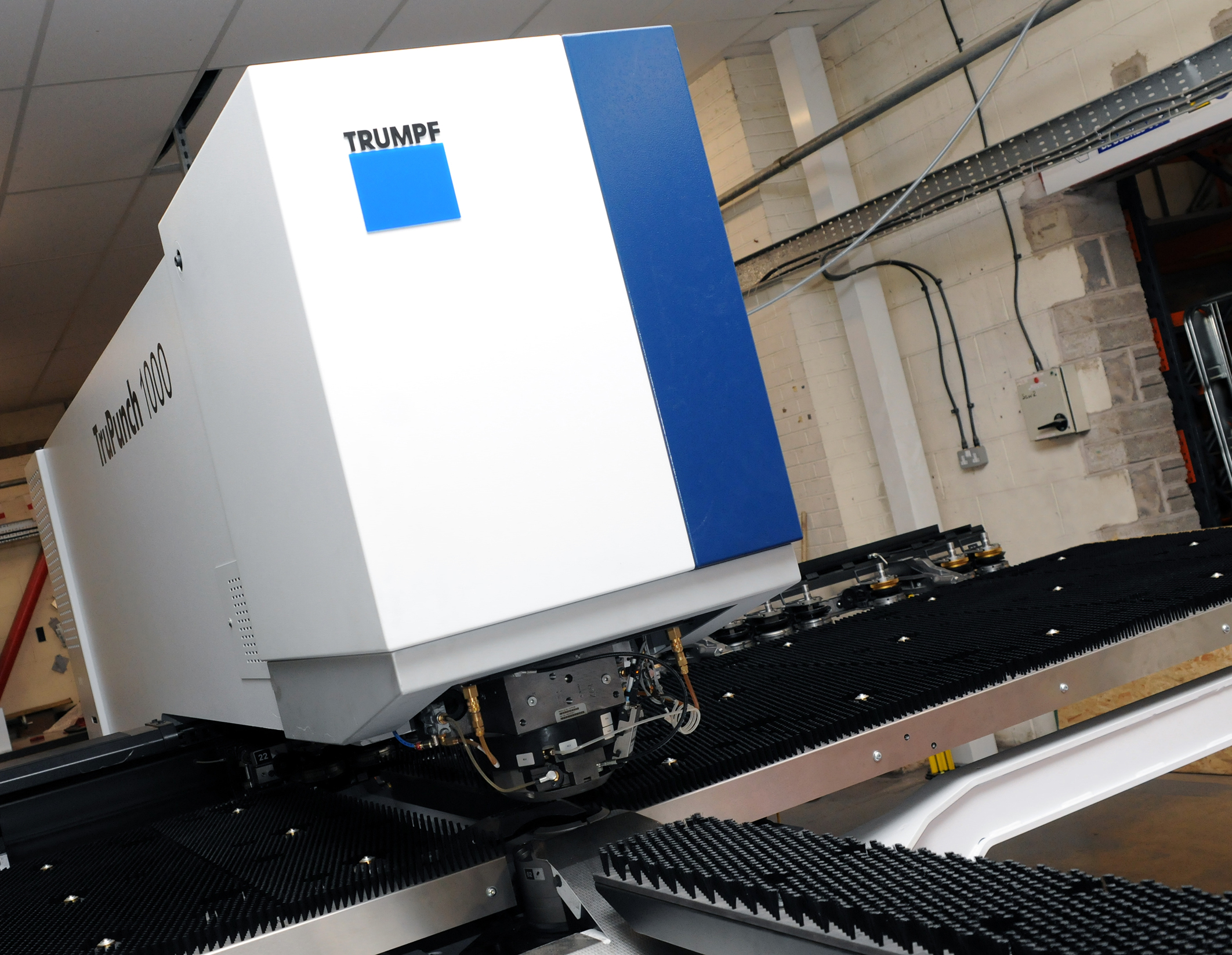
We have invested in a new £1/4m TRUMPF CNC metal punch as part of an asset renewal strategy for our UK manufacturing capability. The new machine will be used in the production of a wide variety of our power distribution systems and workstation power products at our Rotherham factory. Suitable for handling sheet metal between 0.9mm and 3.0mm thick, the new machine will replace one...

Read more
CMD CATALOGUE PROVIDES TECHNICAL POWER DISTRIBUTION GUIDE

CMD Ltd has released a new catalogue, providing an easy to follow technical guide to our power distribution systems and plug and play desk modules. Detailing CMD’s full range of UK-manufactured power distribution systems and plug and play desk modules, the catalogue will be a helpful source of information to M&E engineers and contractors alike to understand how our power distribution systems connect together and...

Read more
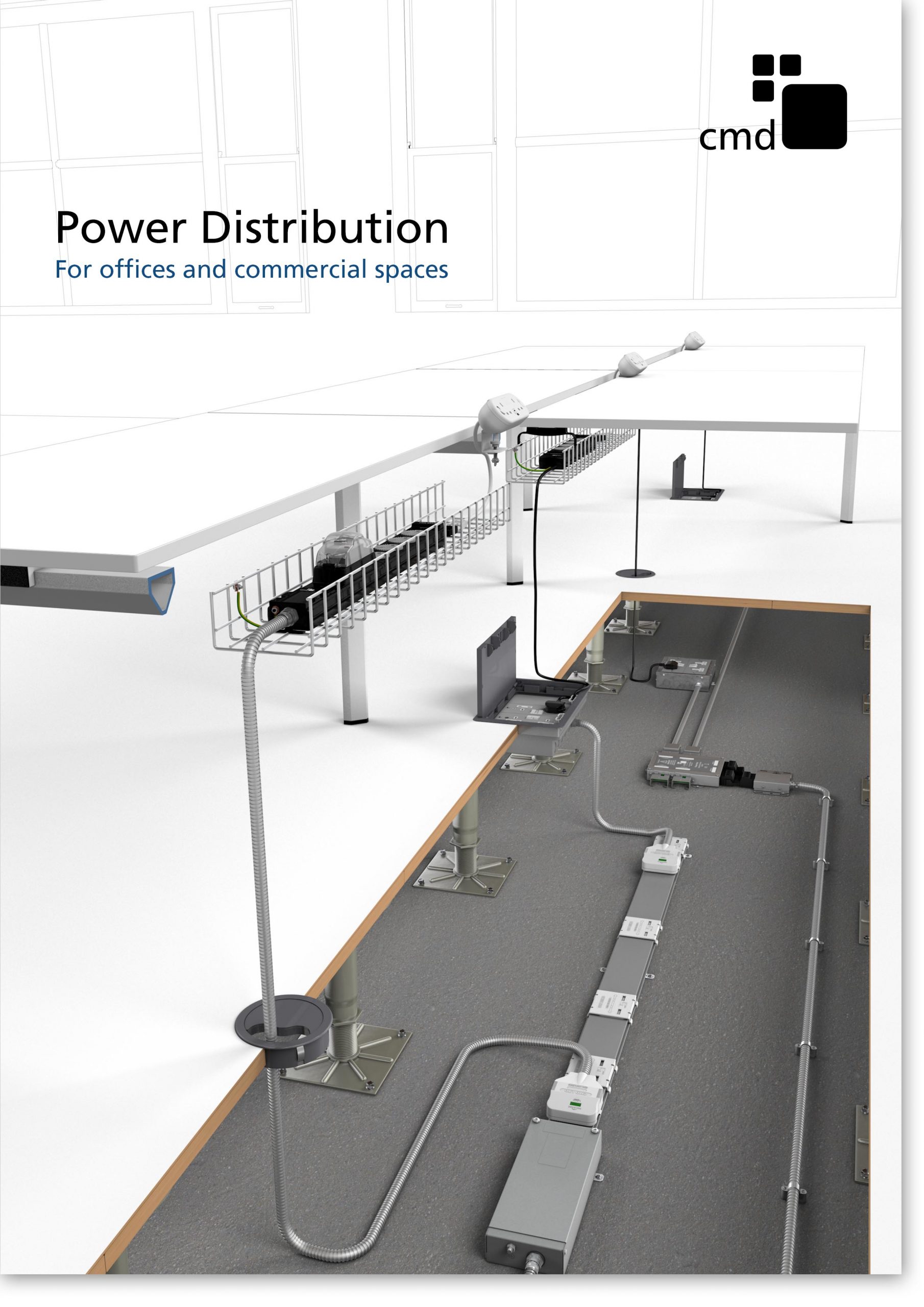
Power Distribution Catalogue
CMD Ltd PLAYS ESSENTIAL ROLE IN ELECTRICAL FIT OUT AT LONDON’S PRESTIGIOUS OFFICE DEVELOPMENT

CMD Ltd, specialist in workplace connectivity and ergonomic solutions, has provided a flexible and high-quality power distribution network for The Ray, a prestigious office development in London’s Farringdon. Well-known for being the former site of The Guardian newspaper, The Ray now stands as an 83,000ft² office development characterised by a modernised warehouse aesthetic, with level two now occupied by a global social media company. The...

Read more

The Ray
CMD plugs in to european opportunity with Schuko Capsule unit launch

CMD Ltd, the specialist in power and connectivity solutions for commercial environments, has launched a Schuko version of its popular fixed format Capsule workstation power module for export to mainland Europe and beyond. A popular on desk power module comprising two sockets and dual USB (type A and C) chargers, CMD’s Capsule unit is already widely specified in the UK as an off-the-shelf workstation power...

Read more
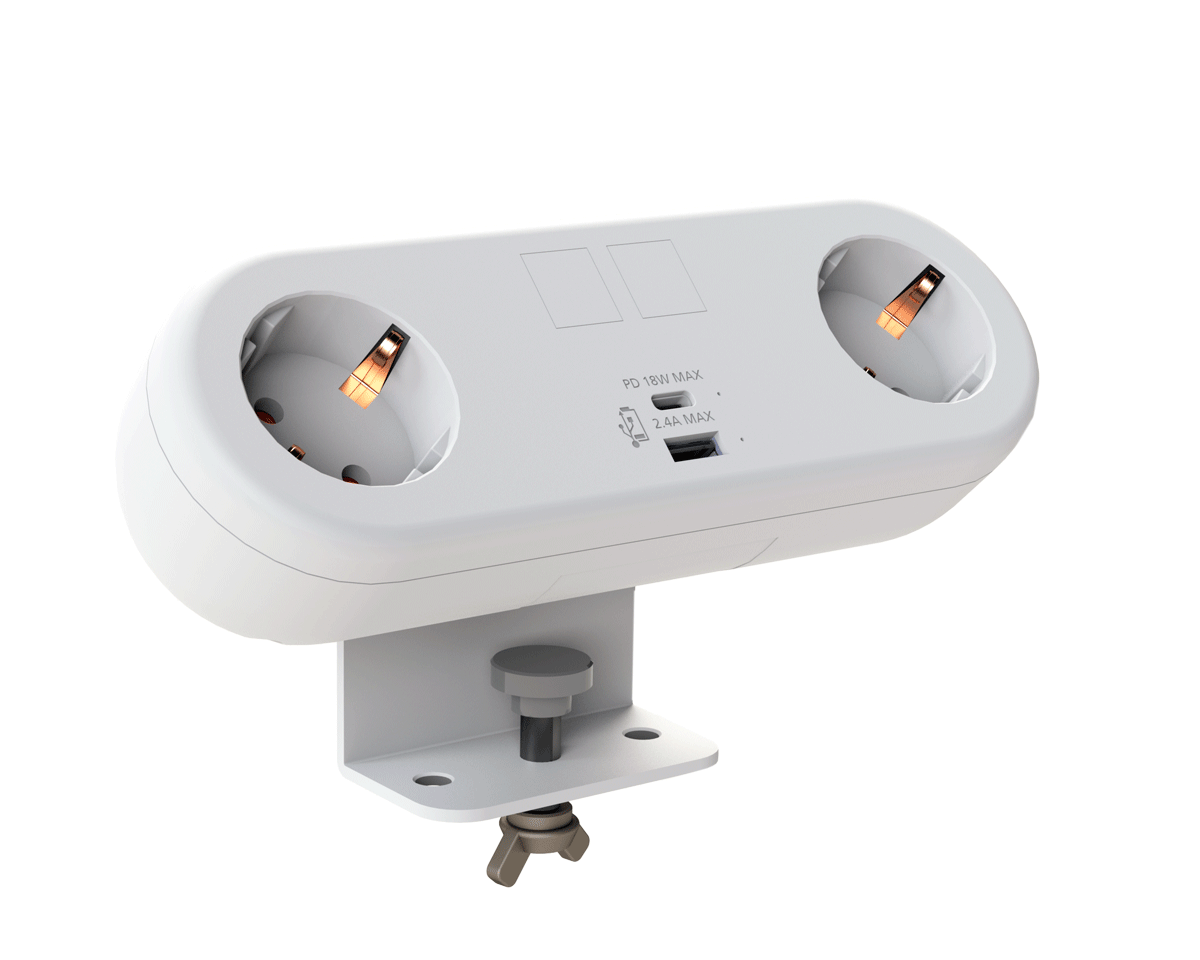
CMD White Schuko Capsule Desk Power Module
CMD LTD EXTENDS MONITOR ARM RANGE WITH THE LAUNCH OF REACH PLUS

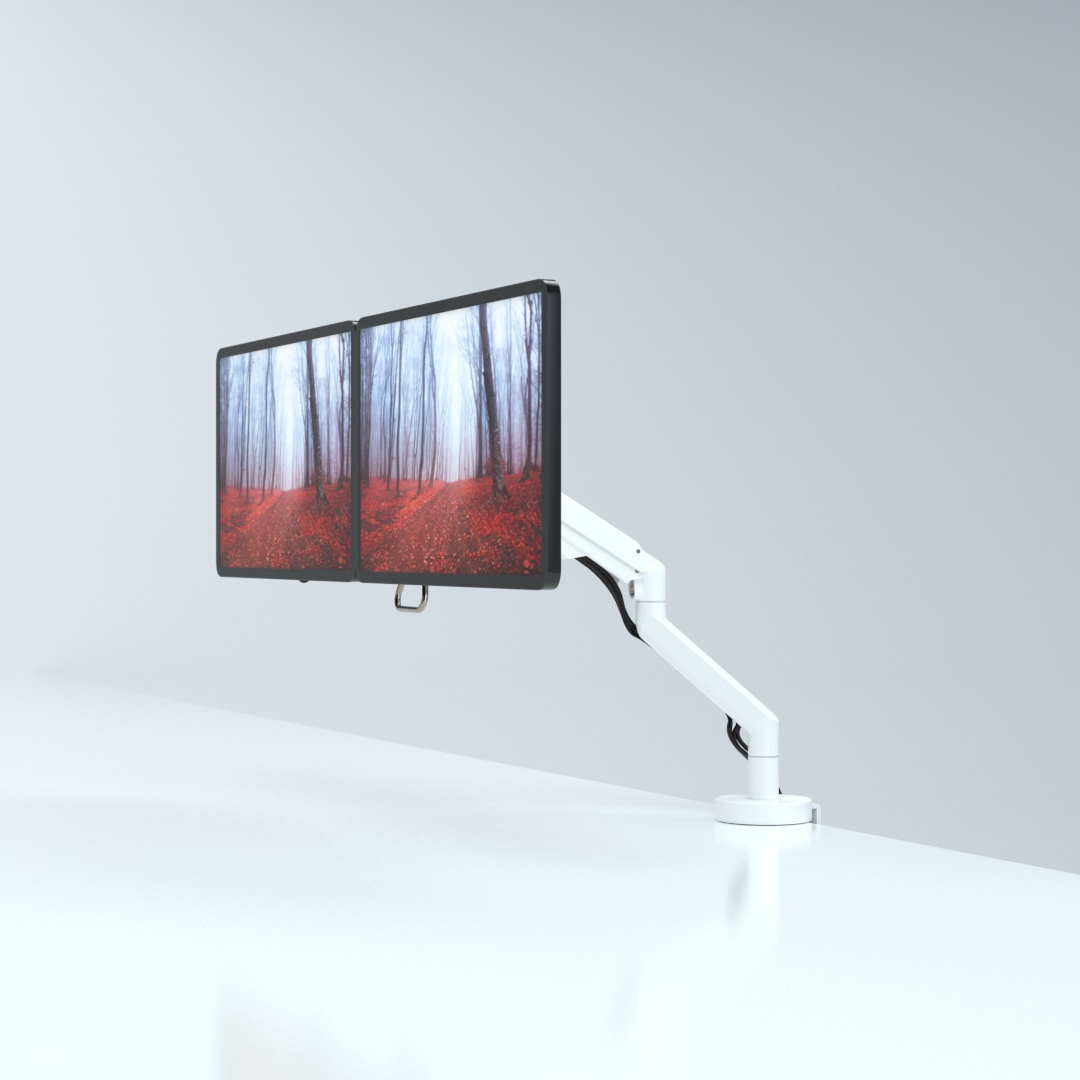
CMD Ltd, the specialist in ergonomic and connectivity solutions for commercial interiors, has completed its Reach monitor arm range with the launch of the Reach Plus. Available in single or dual screen options, the Reach Plus has been designed to provide an ideal solution for both single and dual screen workstation configurations, or can be used with next generation of large format curved screens. Suitable...

Read more
CMD Ltd DEMONSTRATES THE ART OF POWER DISTRIBUTION AT THE UNIVERSITY OF WARWICK

CMD Ltd, the specialist in workplace connectivity and ergonomic solutions, has provided Betatrak busbar power distribution and a range of electrical accessories for two major capital investment projects at the University of Warwick. Designed by Fielden Clegg Bradley Studios, the £33 million Faculty of Arts building is a showpiece development comprising four interconnected structures set around a central atrium, which will enable inter-disciplinary collaboration across...

Read more

University of Warwick
CMD BRINGS HARMONY TO COVENTRY UNIVERSITY RESEARCH FACILITIES

CMD Ltd, the specialist in power distribution solutions and workstation power and ergonomics, has provided under desk and on desk power modules for the refurbishment of three Coventry University research buildings. Located on Coventry University Technology Park, a business park designed to encourage collaboration between the university and knowledge-based businesses, the three buildings are being repurposed as office accommodation for university research teams. The refurbishment...

Read more


Coventry University

Best Millet Color Sorter for Global Buyers in 2026?

The demand for high-quality grains is rising globally, leading to advanced sorting technologies. One key player in this industry is Dr. Emily Zhang, a leading expert in grain processing technology. She states, “The right Millet color sorter can dramatically enhance product quality and market value.”

In 2026, the importance of a millet color sorter will be undeniable. Buyers around the world seek efficient methods to ensure their grains are not only pure but also visually appealing. Color sorting significantly impacts consumer choices. The ability to remove defective or discolored grains can elevate a product's reputation in a competitive market.

However, choosing the best millet color sorter is not straightforward. With numerous options available, understanding the specific needs of each grain processor is critical. While some sorters excel in speed, others may offer better precision and reliability. Buyers must balance these factors carefully.

Best Millet Color Sorter for Global Buyers in 2026?

Best Millet Color Sorter Technologies in 2026: Trends and Innovations

In 2026, technologies for millet color sorting are set for innovative transformations. As global demand for millet rises, sorting precision becomes crucial. Data from the International Grain Council indicates that efficient sorting is a key factor in maintaining export quality. Advanced sensors and AI algorithms are now being integrated into sorting machines. This helps in identifying even subtle color differences, ensuring high-quality yield.

One concern in the industry is the adaptation of these technologies by smaller farms. They often lack the resources to invest in cutting-edge machinery. While large operations can afford sophisticated equipment, smaller producers might struggle with initial costs. This disparity can affect overall market efficiency. It highlights a need for accessible financing options or cooperative purchasing models.

Make sure to assess your current sorting processes. Are they meeting the rising demand for quality? Investing in technology could enhance your operations. Regular training on new systems can help staff adapt and maximize efficiency. Engaging with industry reports may reveal valuable insights into emerging technologies. Embrace innovation, but be mindful of the complexities it brings.

Key Features to Consider in a Millet Color Sorter for Global Markets

When selecting a millet color sorter for global markets in 2026, several key features are essential. Precision in sorting is vital. Studies indicate that high-quality color sorters can achieve an accuracy rate exceeding 98%. This level of precision is necessary to meet increasing market demands. A sorter’s ability to differentiate millet based on subtle color differences can significantly impact the final product quality.

The sorting speed also plays a critical role. Advanced models can process up to 6 tons of millet per hour. This efficiency is crucial for large-scale operations, allowing producers to maintain competitive pricing and meet supply chain demands. However, users should consider machine setup and calibration ease to ensure optimal functioning. A sophisticated sorter that is complex to operate can lead to increased downtime and higher operational costs.

Durability and maintenance are additional aspects to reflect on. Data shows that regular maintenance can prolong the lifespan of sorters, but the initial design quality matters greatly. Sorters made with high-grade materials tend to perform better over time, reducing the need for frequent repairs. Investing in a robust design may seem costly initially, but it can pay off in the long run. Understanding these features will guide buyers in making informed decisions in the global market.

Market Demand Analysis for Millet Color Sorters: Insights for 2026

The global demand for millet color sorters is projected to grow significantly in 2026. Recent industry reports indicate a market growth rate of about 7% annually. Factors contributing to this rise include increased millet production and emphasis on quality control. Farmers are investing in advanced sorting technologies to enhance efficiency.

Market analysis reveals that regions like Asia and Africa will drive most of the demand. In India, for example, millet production has nearly doubled in the past five years. This growth creates a pressing need for reliable sorting equipment. Companies that prioritize quality assurance can capitalize on this trend. However, the challenge remains in educating farmers on the benefits of color sorting technology.

Yet, not all innovations guarantee success. Some color sorters require excellent calibration skills and regular maintenance. A lack of technical support can lead to frustrations. Buyers must weigh these considerations when entering the market. Awareness of these potential pitfalls could save costs and enhance productivity in the long run.

Leading Manufacturers of Millet Color Sorters: A Competitive Landscape

The global market for millet color sorters is evolving rapidly. Key manufacturers are striving to enhance their technology to meet diverse buyer needs. The competitive landscape is characterized by innovation and adaptability. As demand rises, companies are focusing on improving sorting accuracy and speed.

Many manufacturers are investing in R&D. They aim to integrate artificial intelligence into their color sorting machines. Such advancements promise to increase efficiency and reduce waste. However, not all innovations are equally effective. Some technologies still face challenges in handling different millet varieties.

Buyers should consider the reputation of manufacturers when choosing a color sorter. This ensures they receive reliable and efficient machines. The experience of a manufacturer often reflects in product quality. Evaluating past performance and customer feedback can guide informed decisions. While options may appear abundant, not every machine will meet specific operational needs.

Technological Advancements: AI and Sensor Integration in Sorting Machines

The integration of artificial intelligence and advanced sensors in millet color sorting machines marks a significant shift in the agricultural sector. As farmers and processors seek to enhance quality, these technologies play a crucial role. A report from the International Society for Horticultural Science indicates that AI-based sorting technology can improve accuracy by up to 98%, drastically reducing processing time and waste.

Incorporating machine learning algorithms allows color sorters to identify and separate millet grains with unmatched precision. Advanced sensors can detect subtle color variations, which human eyes might miss. However, there are concerns regarding the initial investment costs. Many small-scale farmers may find it challenging to adopt this technology due to high upfront expenses. This reluctance could slow down the overall adoption of innovative sorting machines.

Moreover, while these advancements offer significant benefits, they also require ongoing training and maintenance. Operators must understand how to interpret data generated by AI systems. The complexity of these machines can deter some potential users. Emphasizing user-friendly interfaces and comprehensive training programs will be essential to overcome these barriers. As the industry progresses, the challenge lies in ensuring that all producers can access and benefit from these technological advancements.