

News

Miro: A New Standard in Responsible Innovation

Miro: A New Standard in Responsible Innovation The Miro monitor arm is setting new benchmarks in sustainability. It offers a high-performance solution without compromising on environmental responsibility. Designed with careful material selection, local sourcing, and longevity in mind, Miro’s responsible approach to design and unique manoeuvrability set it apart from the competition. Sustainable Choices Miro is crafted from energy-efficient materials with a lower carbon impact....

Read more
HSE Advisor

Role Purpose Support in the development, implementation and maintenance of the company’s Health, Safety & Environmental policies, processes, operational procedures, and standards.  Ensuring best practice and championing a continually improving HSE culture within the business. Key Responsibilities Liaise with and provide support to all areas of the business to eliminate, mitigate or reduce identified HSE exposures. Partner with the production management team and team leaders,...

Read more
CMD Ltd LAUNCHES 48-HOUR TURNAROUND ON BETATRAK® RAPID ORDERING SERVICE

CMD Ltd, the specialist in power distribution systems, workstation power and monitor arms, has launched a rapid ordering service for its Betatrak® underfloor powertrack distribution systems and accessories, with a commitment to delivering within 48-hours of an approved purchase order*. The service enables customers to order up to 50 lengths of Standard or Clean Earth (C/E) low noise Betatrak, along with up to 25 feed...

Read more

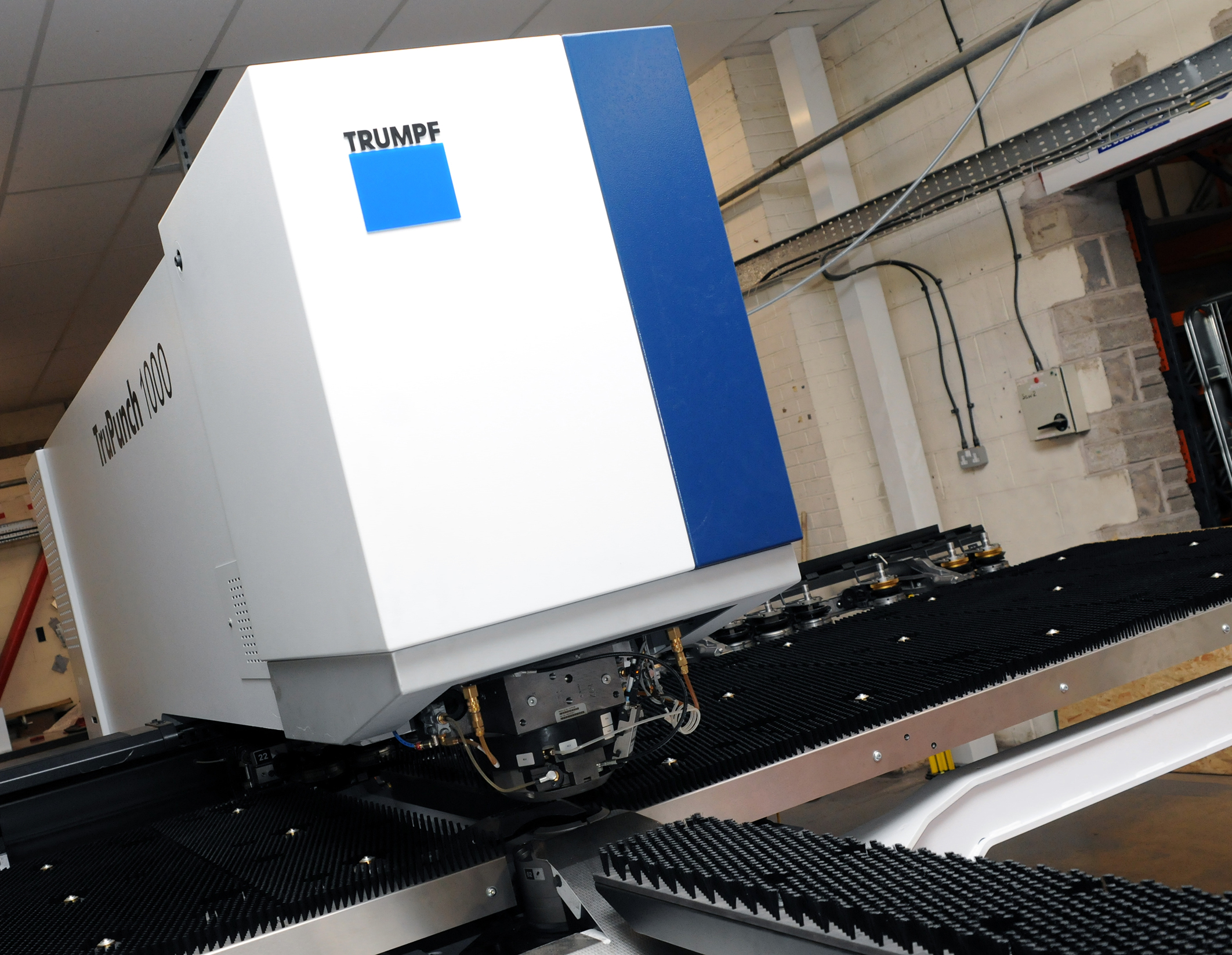
CMD INVESTS £1/4 MILLION IN NEW MACHINE AS PART OF FACTORY UPGRADE

We have invested in a new £1/4m TRUMPF CNC metal punch as part of an asset renewal strategy for our UK manufacturing capability. The new machine will be used in the production of a wide variety of our power distribution systems and workstation power products at our Rotherham factory. Suitable for handling sheet metal between 0.9mm and 3.0mm thick, the new machine will replace one...

Read more
CMD CATALOGUE PROVIDES TECHNICAL POWER DISTRIBUTION GUIDE

CMD Ltd has released a new catalogue, providing an easy to follow technical guide to our power distribution systems and plug and play desk modules. Detailing CMD’s full range of UK-manufactured power distribution systems and plug and play desk modules, the catalogue will be a helpful source of information to M&E engineers and contractors alike to understand how our power distribution systems connect together and...

Read more
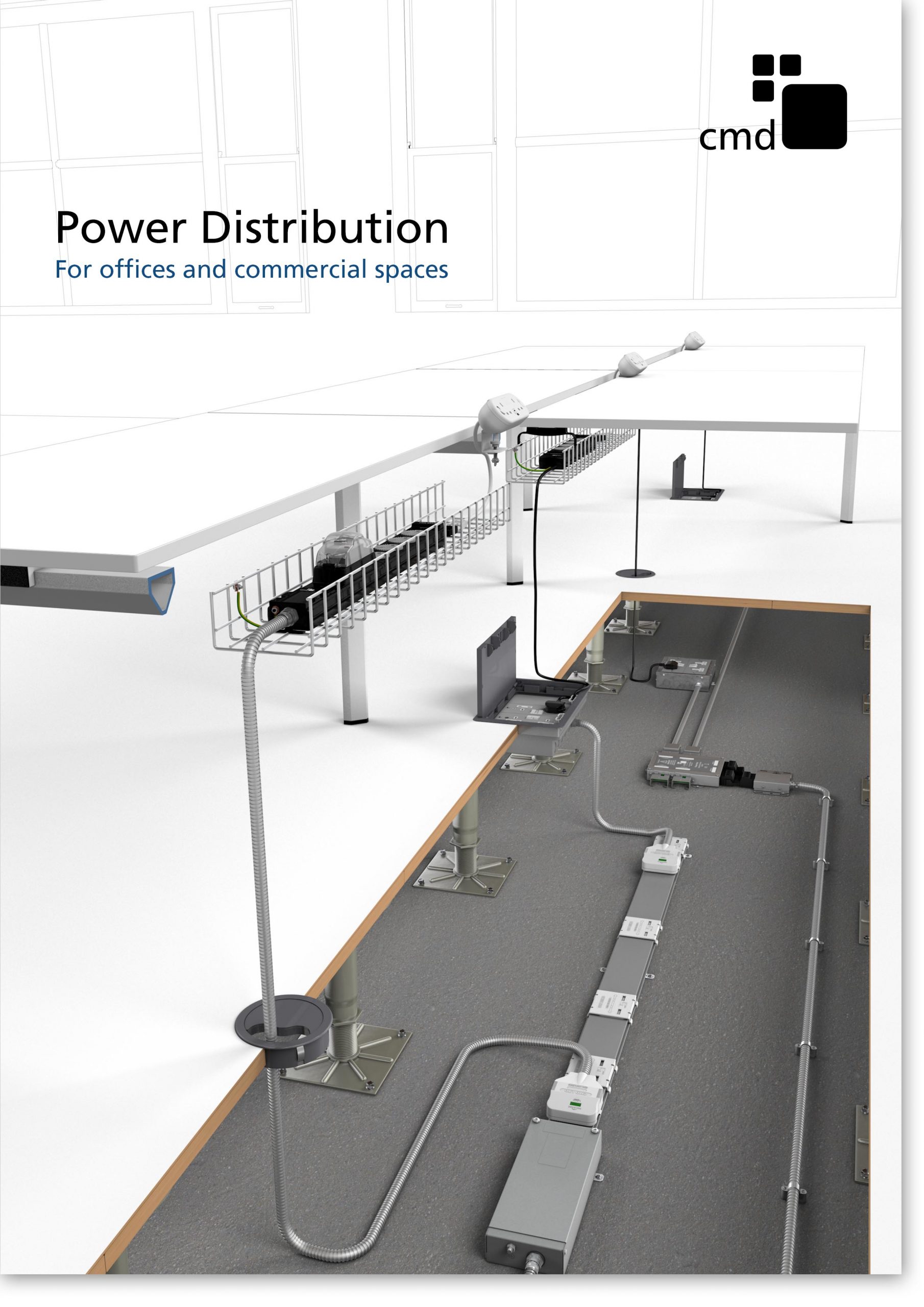
Power Distribution Catalogue
CMD Ltd PLAYS ESSENTIAL ROLE IN ELECTRICAL FIT OUT AT LONDON’S PRESTIGIOUS OFFICE DEVELOPMENT

CMD Ltd, specialist in workplace connectivity and ergonomic solutions, has provided a flexible and high-quality power distribution network for The Ray, a prestigious office development in London’s Farringdon. Well-known for being the former site of The Guardian newspaper, The Ray now stands as an 83,000ft² office development characterised by a modernised warehouse aesthetic, with level two now occupied by a global social media company. The...

Read more

The Ray
CMD plugs in to european opportunity with Schuko Capsule unit launch

CMD Ltd, the specialist in power and connectivity solutions for commercial environments, has launched a Schuko version of its popular fixed format Capsule workstation power module for export to mainland Europe and beyond. A popular on desk power module comprising two sockets and dual USB (type A and C) chargers, CMD’s Capsule unit is already widely specified in the UK as an off-the-shelf workstation power...

Read more
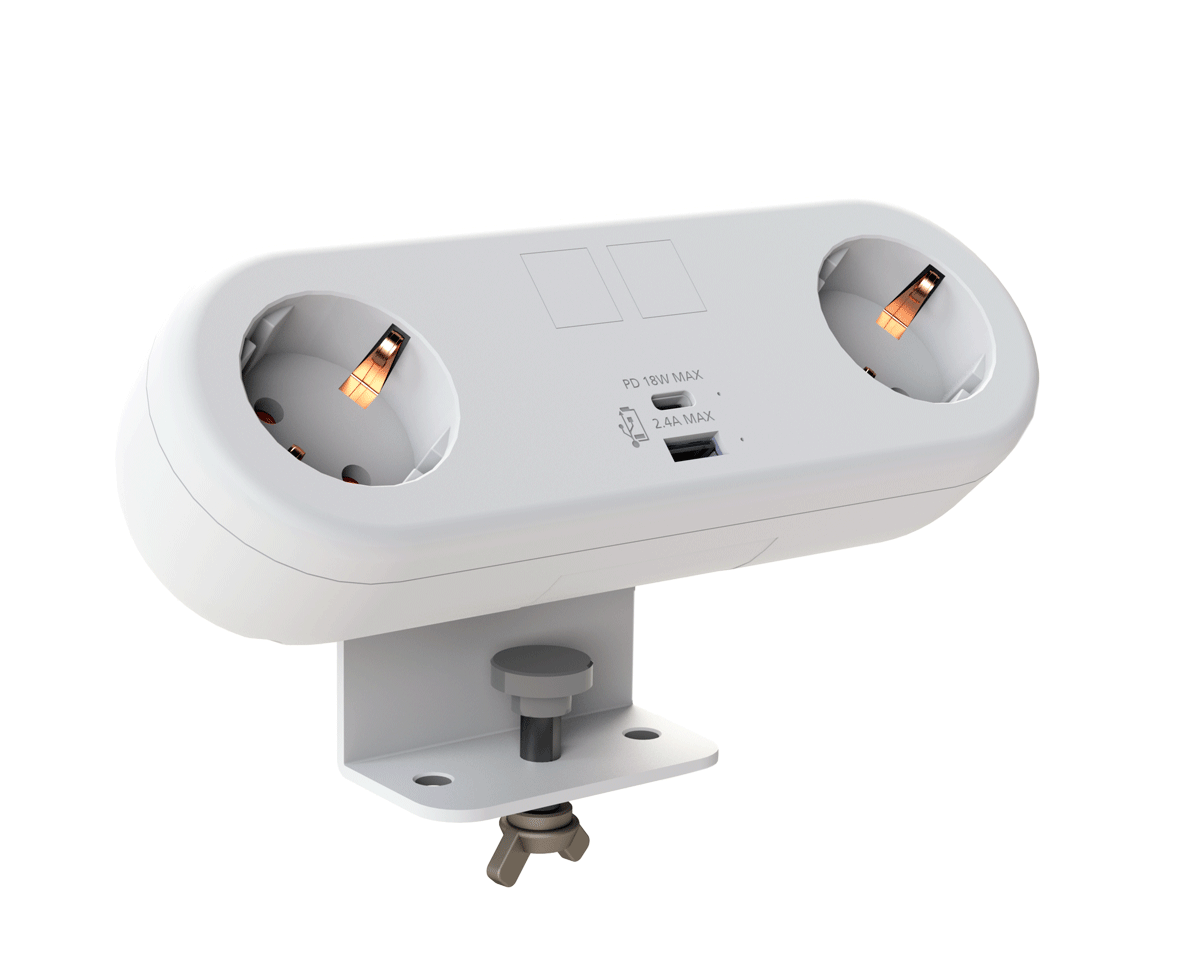
CMD White Schuko Capsule Desk Power Module
CMD LTD EXTENDS MONITOR ARM RANGE WITH THE LAUNCH OF REACH PLUS

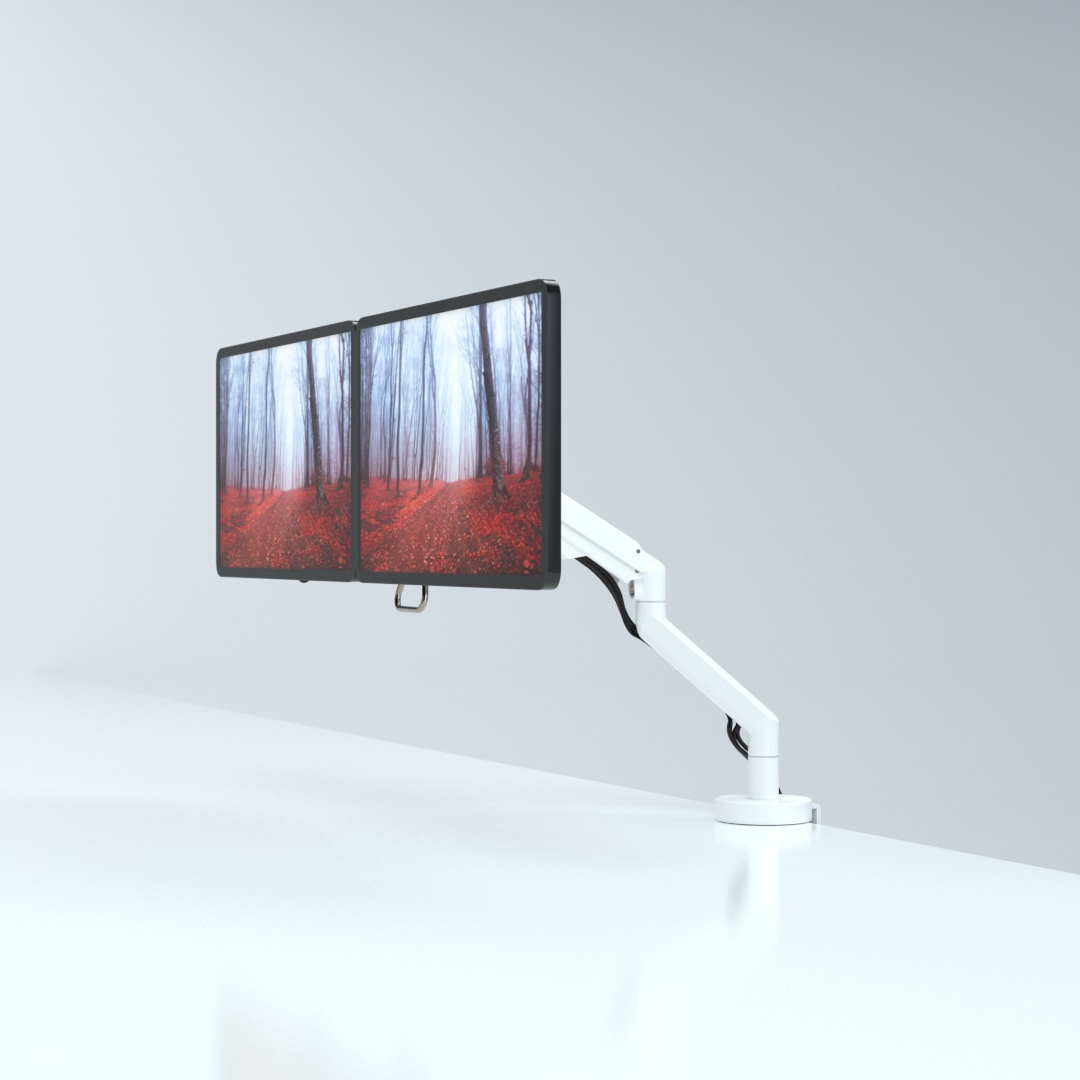
CMD Ltd, the specialist in ergonomic and connectivity solutions for commercial interiors, has completed its Reach monitor arm range with the launch of the Reach Plus. Available in single or dual screen options, the Reach Plus has been designed to provide an ideal solution for both single and dual screen workstation configurations, or can be used with next generation of large format curved screens. Suitable...

Read more
CMD Ltd DEMONSTRATES THE ART OF POWER DISTRIBUTION AT THE UNIVERSITY OF WARWICK

CMD Ltd, the specialist in workplace connectivity and ergonomic solutions, has provided Betatrak busbar power distribution and a range of electrical accessories for two major capital investment projects at the University of Warwick. Designed by Fielden Clegg Bradley Studios, the £33 million Faculty of Arts building is a showpiece development comprising four interconnected structures set around a central atrium, which will enable inter-disciplinary collaboration across...

Read more

University of Warwick
CMD BRINGS HARMONY TO COVENTRY UNIVERSITY RESEARCH FACILITIES

CMD Ltd, the specialist in power distribution solutions and workstation power and ergonomics, has provided under desk and on desk power modules for the refurbishment of three Coventry University research buildings. Located on Coventry University Technology Park, a business park designed to encourage collaboration between the university and knowledge-based businesses, the three buildings are being repurposed as office accommodation for university research teams. The refurbishment...

Read more

Coventry University

What Are the Best Methods for Fertilizer Granulation?

Fertilizer Granulation is a crucial process in modern agriculture. It transforms raw materials into manageable granules that enhance efficiency in nutrient application. According to Dr. John Smith, a renowned expert in the fertilizer industry, “Effective granulation not only increases the nutrient efficiency but also minimizes environmental impact.” His insights highlight the importance of proper techniques.

Granulation methods vary widely. Each technique has its benefits and challenges. Some are more efficient but may require larger investments. Others might be cost-effective but less efficient. Every method must be evaluated based on specific needs and available resources.

Understanding the nuances of fertilizer granulation is essential. It impacts crop yields and soil health. Septic systems can be strained if granules are not well designed. Therefore, exploring the best methods can yield more sustainable agricultural practices.

What Are the Best Methods for Fertilizer Granulation?

Overview of Fertilizer Granulation Methods

Fertilizer granulation methods are crucial in producing high-quality fertilizers. These methods impact the efficiency of nutrient delivery to plants. There are several key techniques used in the industry.

The first method is extrusion granulation. This process combines materials under high pressure to form granules. Studies show that extruded fertilizers can have better nutrient release. According to industry reports, this method improves nutrient utilization rates by up to 30%. Another technique is the agglomeration process, which involves the formation of granules by sticking smaller particles together. This method is effective for creating uniform granule sizes, essential for consistent application.

Tips: Ensure the humidity levels during granulation are optimal. Too much moisture can cause clumping. Monitor temperature closely as well, since extremes can degrade nutrient quality.

Fluidized bed granulation is also widely used. This allows for precise control over granule size and density. Research indicates that this method can produce up to 90% of granules within the desired size range. However, this method requires careful maintenance of equipment and monitoring of conditions.

Evaluating the granulation method's efficiency is vital. Some techniques may yield faster results but compromise quality. Regularly analyze the nutrient profiles of finished products to maintain standards.

Fertilizer Granulation Methods Performance Comparison

Physical Process Techniques in Fertilizer Granulation

Fertilizer granulation is crucial for efficient agricultural practices. The physical process techniques enhance the quality of the granules. Key methods include extrusion, pan granulation, and drum granulation. Each method has its unique benefits and drawbacks.

Extrusion is a common technique. It involves forcing a mixture through a die. This process creates uniform granules. However, it can require significant energy input, which might be a concern for some operations. Pan granulation relies on rotating pans to agglomerate materials. It's effective for larger quantities but may produce inconsistencies in granule size.

Here are some tips for successful granulation processes. Ensure the feed moisture level is optimized. Too much moisture can lead to clumping, while too little can yield dry granules. Regularly monitor the temperature during the process. Excessive heat can degrade nutrients. Lastly, test the granule strength and solubility. This ensures they meet the desired standards for crop uptake.

Drum granulation is efficient but may produce heavier granules. Check if this fits your crop needs. Different farming practices might call for different granule sizes. Experimentation could lead to better product formulations. Each method offers a range of possibilities for enhanced productivity.

Chemical Methods for Effective Fertilizer Granulation

Chemical methods play a crucial role in effective fertilizer granulation. These methods can create granules that improve nutrient delivery. According to a report by the Food and Agriculture Organization, granular fertilizers enhance crop yields by 10-20% compared to powdered forms. Chemicals like ammonium sulfate and potassium chloride are commonly used to enhance granulation processes.

One popular method is the use of spray-drying techniques. This involves spraying a nutrient solution onto a hot surface. It leads to rapid evaporation, forming uniform granules. Researchers from the International Fertilizer Association observed that spray-dried granules provide better flow characteristics. Better flow reduces clumping and allows for efficient spreading.

Tip: Always consider moisture levels during granulation. High moisture can lead to undesirable clumping or uneven granules. Maintaining optimal levels is critical for success.

Another effective chemical approach involves pelletizing, where materials are agglomerated with the help of binders. This process often results in stronger granules. However, challenges arise when selecting appropriate binders. Not all binders work well for every type of fertilizer. A study published in the Journal of Plant Nutrition recommended testing different binders to find the best match for specific nutrients.

Tip: Test small batches before large-scale production. This ensures you choose the right formulation and prevent costly mistakes. Adjusting variables early can save time and resources later.

Impact of Granulation on Nutrient Release and Soil Health

Granulation plays a crucial role in how fertilizers release nutrients. Proper granulation can enhance how quickly plants access these nutrients. When fertilizers are granulated, they create uniform particles. This uniformity helps in even distribution across the soil. As a result, plants receive a balanced nutrient supply.

The granulation process can influence soil health significantly. Well-granulated fertilizers often reduce nutrient leaching. This means that nutrients stay in the soil longer, providing consistent availability to plants. However, not all granulation methods yield the same benefits. Some methods may lead to compacted granules, limiting water penetration. This inefficiency can harm root development and overall plant health.

Farmers should evaluate the granulation method used to ensure their fertilizers benefit soil health. It's essential to consider the specific needs of crops and soil types. Discrepancies can arise depending on local environmental conditions. Understanding these factors can lead to better farming practices. Ultimately, seeking a balance between nutrient release and soil well-being requires careful thought and experimentation.

What Are the Best Methods for Fertilizer Granulation? - Impact of Granulation on Nutrient Release and Soil Health

Granulation Method Nutrient Release Rate Soil Health Impact Advantages Disadvantages
Dry Granulation Controlled release over 3-6 months Improves microbial activity Energy efficient, low moisture requirement Limited to certain fertilizers
Wet Granulation Quick release within 1-2 months Enhances soil structure Highly customizable formulations High energy and water usage
Extrusion Granulation Medium release over 2-4 months Supports nutrient retention Suitable for complex fertilizers Requires specialized equipment
Coating Granulation Extended release 6-12 months Minimizes nutrient leaching Highly effective for slow release Higher costs and complexity

Emerging Technologies in Fertilizer Granulation Processes

Emerging technologies in fertilizer granulation processes are reshaping the industry. Traditional methods often face challenges like inconsistent particle sizes and low efficiency. Recent advancements focus on enhancing granulation quality while minimizing environmental impact. For instance, a study highlighted that new formulations can increase nutrient release efficiency by up to 30%.

Among innovative technologies, 3D printing stands out. This method allows for precise control over granule shape and size, leading to better nutrient delivery. Additionally, the integration of IoT devices helps monitor granulation parameters in real time. This reduces waste and enhances product consistency. However, relying solely on technology requires constant evaluation. The complexity of machinery could lead to potential downtime if not properly maintained.

Another notable trend is the use of biochar in granulation. Combining biochar with fertilizers can enhance soil health and carbon sequestration. A report indicated that incorporating biochar could improve soil moisture retention by 50%. Yet, industry players must tread carefully. The cost of production and scalability of these methods need further exploration. Balancing innovation with practical implementation remains a critical task for the fertilizer sector.