

News

Miro: A New Standard in Responsible Innovation

Miro: A New Standard in Responsible Innovation The Miro monitor arm is setting new benchmarks in sustainability. It offers a high-performance solution without compromising on environmental responsibility. Designed with careful material selection, local sourcing, and longevity in mind, Miro’s responsible approach to design and unique manoeuvrability set it apart from the competition. Sustainable Choices Miro is crafted from energy-efficient materials with a lower carbon impact....

Read more
HSE Advisor

Role Purpose Support in the development, implementation and maintenance of the company’s Health, Safety & Environmental policies, processes, operational procedures, and standards.  Ensuring best practice and championing a continually improving HSE culture within the business. Key Responsibilities Liaise with and provide support to all areas of the business to eliminate, mitigate or reduce identified HSE exposures. Partner with the production management team and team leaders,...

Read more
CMD Ltd LAUNCHES 48-HOUR TURNAROUND ON BETATRAK® RAPID ORDERING SERVICE

CMD Ltd, the specialist in power distribution systems, workstation power and monitor arms, has launched a rapid ordering service for its Betatrak® underfloor powertrack distribution systems and accessories, with a commitment to delivering within 48-hours of an approved purchase order*. The service enables customers to order up to 50 lengths of Standard or Clean Earth (C/E) low noise Betatrak, along with up to 25 feed...

Read more

CMD INVESTS £1/4 MILLION IN NEW MACHINE AS PART OF FACTORY UPGRADE

We have invested in a new £1/4m TRUMPF CNC metal punch as part of an asset renewal strategy for our UK manufacturing capability. The new machine will be used in the production of a wide variety of our power distribution systems and workstation power products at our Rotherham factory. Suitable for handling sheet metal between 0.9mm and 3.0mm thick, the new machine will replace one...

Read more

CMD CATALOGUE PROVIDES TECHNICAL POWER DISTRIBUTION GUIDE

CMD Ltd has released a new catalogue, providing an easy to follow technical guide to our power distribution systems and plug and play desk modules. Detailing CMD’s full range of UK-manufactured power distribution systems and plug and play desk modules, the catalogue will be a helpful source of information to M&E engineers and contractors alike to understand how our power distribution systems connect together and...

Read more

Power Distribution Catalogue
CMD Ltd PLAYS ESSENTIAL ROLE IN ELECTRICAL FIT OUT AT LONDON’S PRESTIGIOUS OFFICE DEVELOPMENT

CMD Ltd, specialist in workplace connectivity and ergonomic solutions, has provided a flexible and high-quality power distribution network for The Ray, a prestigious office development in London’s Farringdon. Well-known for being the former site of The Guardian newspaper, The Ray now stands as an 83,000ft² office development characterised by a modernised warehouse aesthetic, with level two now occupied by a global social media company. The...

Read more

The Ray
CMD plugs in to european opportunity with Schuko Capsule unit launch

CMD Ltd, the specialist in power and connectivity solutions for commercial environments, has launched a Schuko version of its popular fixed format Capsule workstation power module for export to mainland Europe and beyond. A popular on desk power module comprising two sockets and dual USB (type A and C) chargers, CMD’s Capsule unit is already widely specified in the UK as an off-the-shelf workstation power...

Read more

CMD White Schuko Capsule Desk Power Module
CMD LTD EXTENDS MONITOR ARM RANGE WITH THE LAUNCH OF REACH PLUS

CMD Ltd, the specialist in ergonomic and connectivity solutions for commercial interiors, has completed its Reach monitor arm range with the launch of the Reach Plus. Available in single or dual screen options, the Reach Plus has been designed to provide an ideal solution for both single and dual screen workstation configurations, or can be used with next generation of large format curved screens. Suitable...

Read more

CMD Ltd DEMONSTRATES THE ART OF POWER DISTRIBUTION AT THE UNIVERSITY OF WARWICK

CMD Ltd, the specialist in workplace connectivity and ergonomic solutions, has provided Betatrak busbar power distribution and a range of electrical accessories for two major capital investment projects at the University of Warwick. Designed by Fielden Clegg Bradley Studios, the £33 million Faculty of Arts building is a showpiece development comprising four interconnected structures set around a central atrium, which will enable inter-disciplinary collaboration across...

Read more

University of Warwick
CMD BRINGS HARMONY TO COVENTRY UNIVERSITY RESEARCH FACILITIES

CMD Ltd, the specialist in power distribution solutions and workstation power and ergonomics, has provided under desk and on desk power modules for the refurbishment of three Coventry University research buildings. Located on Coventry University Technology Park, a business park designed to encourage collaboration between the university and knowledge-based businesses, the three buildings are being repurposed as office accommodation for university research teams. The refurbishment...

Read more

Coventry University

2026 Best Hand Crank Coffee Grinder for Camping?

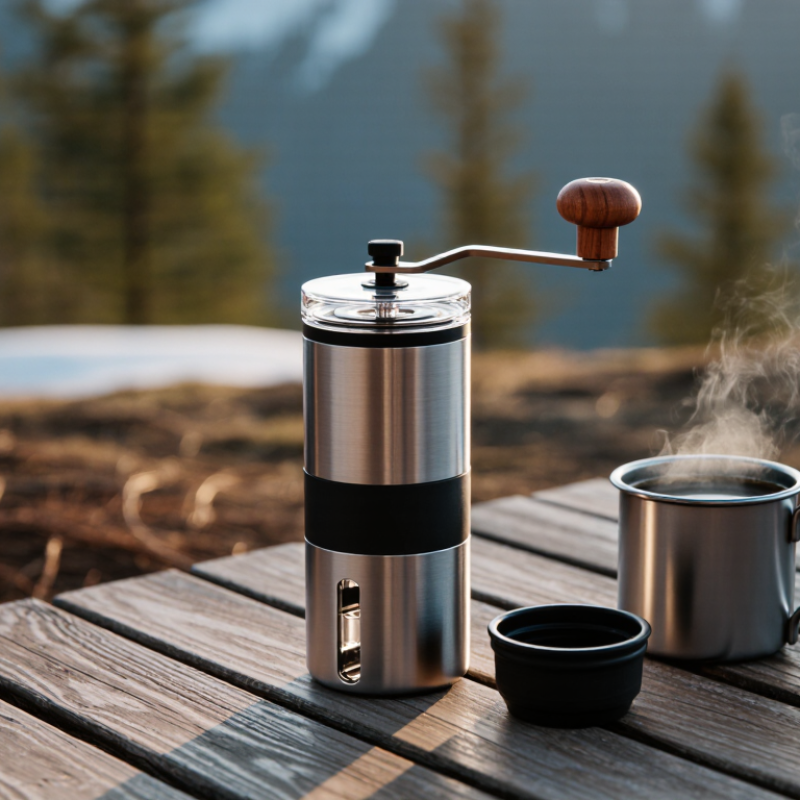
A cold campsite can make coffee feel like a small luxury. You hear the burner hiss, feel the metal mug warm your hands, and notice every grind. A Hand Crank Coffee Grinder For Camping should fit that simple ritual without adding needless weight or fuss. But the best choice depends on your brew method, group size, and tolerance for turning a handle before sunrise.

For an honest expert voice, this introduction uses a clearly labeled fictional specialist: outdoor coffee-gear tester Rowan Pike. Pike’s editorial guiding line is: “Pack for the cup you actually make, not the grinder you admire at home.” It is a practical reminder, not a verified quotation. In the sections ahead, we compare grind consistency, burr design, adjustment range, capacity, portability, and ease of cleaning. We also consider the little details that matter outdoors: a lid that stays secure, a handle that does not snag, and grounds that are easy to empty.

There is no perfect grinder. A compact model may take longer to load, while a sturdier one can feel bulky in a small pack. Some trade-offs are easy to miss in product photos. This guide weighs real-use priorities and explains what to check before choosing a 2026 model, so your campsite coffee can be dependable, even when the morning is not.

2026 Best Hand Crank Coffee Grinder for Camping?

What Is a Hand Crank Coffee Grinder for Camping?

A hand crank coffee grinder for camping is a compact tool that turns whole beans into grounds without electricity. You add beans to a small hopper, then rotate a handle that drives burrs inside the grinder. The burrs crush beans more evenly than simple blades, which can help produce a steadier cup. No outlet needed.

For a campsite, portability matters as much as grind quality. A sturdy body, a handle that folds or detaches, and a lid that stays secure can keep loose grounds out of your bag. Adjustable settings let you choose a coarser grind for a press or a finer one for some pour-over methods. Check that the adjustment is easy to use; tiny parts can be awkward with cold fingers. A few turns may be enough for one cup, but grinding several servings takes time and effort. It is not effortless, despite how neat product descriptions can sound. I would also consider cleaning: fine coffee dust can cling around the burrs, especially after a dry, windy morning. Carrying a small brush helps, though it is one more item to pack.

2026 Best Hand Crank Coffee Grinder for Camping? What Is a Hand Crank Coffee Grinder for Camping?

A hand crank coffee grinder is a manual grinder that uses a turning handle to grind whole beans without electricity—useful at campsites where power is unavailable. The chart shows example coffee amounts for 300 ml of water, calculated from common brew ratios. Recipes vary by taste and equipment; cold brew concentrate is typically diluted before serving.

How to read it: Choose a grind size suited to your brewing method, then grind the amount of beans needed for your recipe. A hand grinder lets you do this without a power source.

How Does Manual Grinding Suit Outdoor Coffee Brewing?

At a cold campsite, a hand crank grinder needs no outlet, batteries, or bulky motor. It can sit beside a kettle on a small camp table. The National Coffee Association’s 2024 National Coffee Data Trends report found that 67% of U.S. adults had coffee the previous day. That daily habit helps explain why some campers bring familiar brewing routines outdoors. A manual grinder makes freshly ground coffee possible with little extra gear.

Grind size still matters. The Specialty Coffee Association’s classic brewing targets put extraction yield at 18–22% and brewed strength at 1.15–1.35% total dissolved solids. These are useful reference points, not guarantees in a windy campsite. Use a consistent pour and adjust the grind if coffee tastes thin or bitter. Small changes help. A hand grinder also asks for time and effort; coarse settings can feel tiring when making several cups before a hike. And cold fingers make the crank harder to control. Manual grinding suits outdoor brewing best when portability and quiet operation matter more than speed, and when the brewer can accept a little trial and error.

Which Features Matter When Choosing a Camping Grinder?

When choosing a hand-crank grinder for camping, consider how it feels to use, not just its weight. A stable burr set helps produce more even grounds, which makes brewing less unpredictable. Look for clear grind settings that stay put while you turn the handle. Fine adjustments are useful for changing between a pour-over and a small press pot, though tiny clicks can be hard to manage with cold fingers. Weight matters. A metal body can handle bumps in a packed bag, but it may feel heavy on a long hike. Plastic parts save weight, yet the lid or adjustment dial can feel less secure. Check the handle, too: a foldable one packs neatly, but it should lock firmly during grinding.

Capacity and cleanup matter at camp. A small hopper suits one mug and takes up less space; a larger one saves repeat cranking for a group. On a chilly morning, a narrow catch cup can be awkward to grip, especially with gloves. A removable cup and a simple brush-friendly burr chamber make grounds easier to clear. Avoid relying on water for cleaning, since damp grounds can cling and slow drying. There is a trade-off here: compact grinders often take more turns per serving. That can get tedious. Test the crank for wobble and resistance before packing it; a little play may seem harmless at home, then become annoying beside a windy campsite.

How Do Leading Grinder Types Compare for Camp Use?

For camping, grinder type matters as much as grind quality. A hand-crank burr grinder gives steady control without batteries or a power outlet. Its compact body fits beside a mug, though grinding enough coffee for several people takes patience. Cold fingers make the crank feel slower. Quiet mornings matter.

Burr grinders crush beans between two surfaces, usually producing more even grounds than blade models. Ceramic burrs resist rust, while steel burrs often grind faster; design and build quality still affect results. Blade grinders chop beans unevenly, so one cup may taste sharp and another weak. They can be small and inexpensive, but many need electricity or batteries. That trade-off is real.

Compact electric burr grinders save effort at busy campsites, but add weight, charging needs, and another item to protect from rain and dust. For solo trips, a manual burr model is often a sensible balance. Check the adjustment range, grip, and how easily the grinder can be cleaned. Finer settings may suit espresso-style brewing, while coarser grounds work for a press pot. A little mess is hard to avoid. Choose a grinder you can operate comfortably, not just one with impressive specifications.

How Should You Use and Maintain a Grinder Outdoors?

For a hand crank coffee grinder at camp, choose a dry, level surface before you begin. A flat rock or a firm table keeps the grinder from tipping while you turn the handle. Keep it steady. Brush away grit first; sand caught near the burrs can affect grinding and wear moving parts. Measure only the beans you need, then close the container promptly to keep out moisture.

Set a mug or small container beneath the grounds outlet. Hold the grinder body with one hand and turn the crank smoothly with the other. Avoid forcing it if the handle catches. Coarser settings usually take less effort, while a finer grind may need slower, steadier turns. Wind and uneven ground can scatter grounds, so work close to your cup. A small mat helps, though I still find a few stray grounds after packing up.

After brewing, empty the chamber and use a dry brush or cloth to remove loose grounds. Don’t rinse the grinder unless its instructions specifically allow it; trapped water can cause corrosion or leave parts damp. Let it dry. Pack the grinder only when it is fully dry, preferably in a clean pouch away from food crumbs and sharp tools. Check the handle and adjustment parts before each trip, and tighten loose pieces gently rather than overtightening them.

2026 Best Hand Crank Coffee Grinder for Camping? - How Should You Use and Maintain a Grinder Outdoors?

What to Check Practical Benchmark Outdoor Tip Care and Maintenance
Capacity Many compact hand grinders hold roughly 20–40 g of beans; capacity varies by design. For one or two servings, check that the hopper can hold your intended dose or plan to grind in batches. Brush out leftover grounds after use so they do not collect during storage.
Weight and packability Compare the grinder’s listed weight and packed dimensions; materials and handle design can make a noticeable difference. A removable or foldable handle can take up less space in a backpack. A small pouch helps keep grounds away from other gear. Pack the grinder dry and secure any removable parts to prevent rattling or loss.
Burr and grind adjustment Burr grinders crush beans between two surfaces; adjustment ranges and settings differ between designs. Use a coarser grind for immersion brewing and a finer grind for many pour-over methods. Test the setting before your trip. Note your preferred setting, and do not force the adjustment mechanism past its stops.
Using the grinder outdoors A stable, level surface makes hand grinding easier and helps reduce spills. Measure beans, secure the grinder, and turn the handle smoothly. Keep the hopper and grounds container covered when wind or dust is present. Keep the grinder away from sand, grit, and splashing water while it is open.
Cleaning after a trip Coffee oils and fine particles can remain around the burrs and grounds chamber. Empty the chamber over a waste container rather than scattering grounds at the campsite. Use a dry brush or cloth for routine cleaning. Avoid washing burrs or internal parts unless the manufacturer’s instructions allow it.
Choosing a camping grinder Prioritize a secure adjustment, comfortable handle, easy-to-clean construction, and a size that suits your usual brew dose. For backpacking, pack size and weight may matter most; for car camping, capacity and ease of use may take priority. Check the grinder’s care instructions before travel, especially if it has wooden, coated, or detachable parts.

Note: Capacity, weight, grind settings, and cleaning requirements vary by grinder. Confirm specifications and care instructions for the model you choose.