

News

Miro: A New Standard in Responsible Innovation

Miro: A New Standard in Responsible Innovation The Miro monitor arm is setting new benchmarks in sustainability. It offers a high-performance solution without compromising on environmental responsibility. Designed with careful material selection, local sourcing, and longevity in mind, Miro’s responsible approach to design and unique manoeuvrability set it apart from the competition. Sustainable Choices Miro is crafted from energy-efficient materials with a lower carbon impact....

Read more
HSE Advisor

Role Purpose Support in the development, implementation and maintenance of the company’s Health, Safety & Environmental policies, processes, operational procedures, and standards.  Ensuring best practice and championing a continually improving HSE culture within the business. Key Responsibilities Liaise with and provide support to all areas of the business to eliminate, mitigate or reduce identified HSE exposures. Partner with the production management team and team leaders,...

Read more
CMD Ltd LAUNCHES 48-HOUR TURNAROUND ON BETATRAK® RAPID ORDERING SERVICE

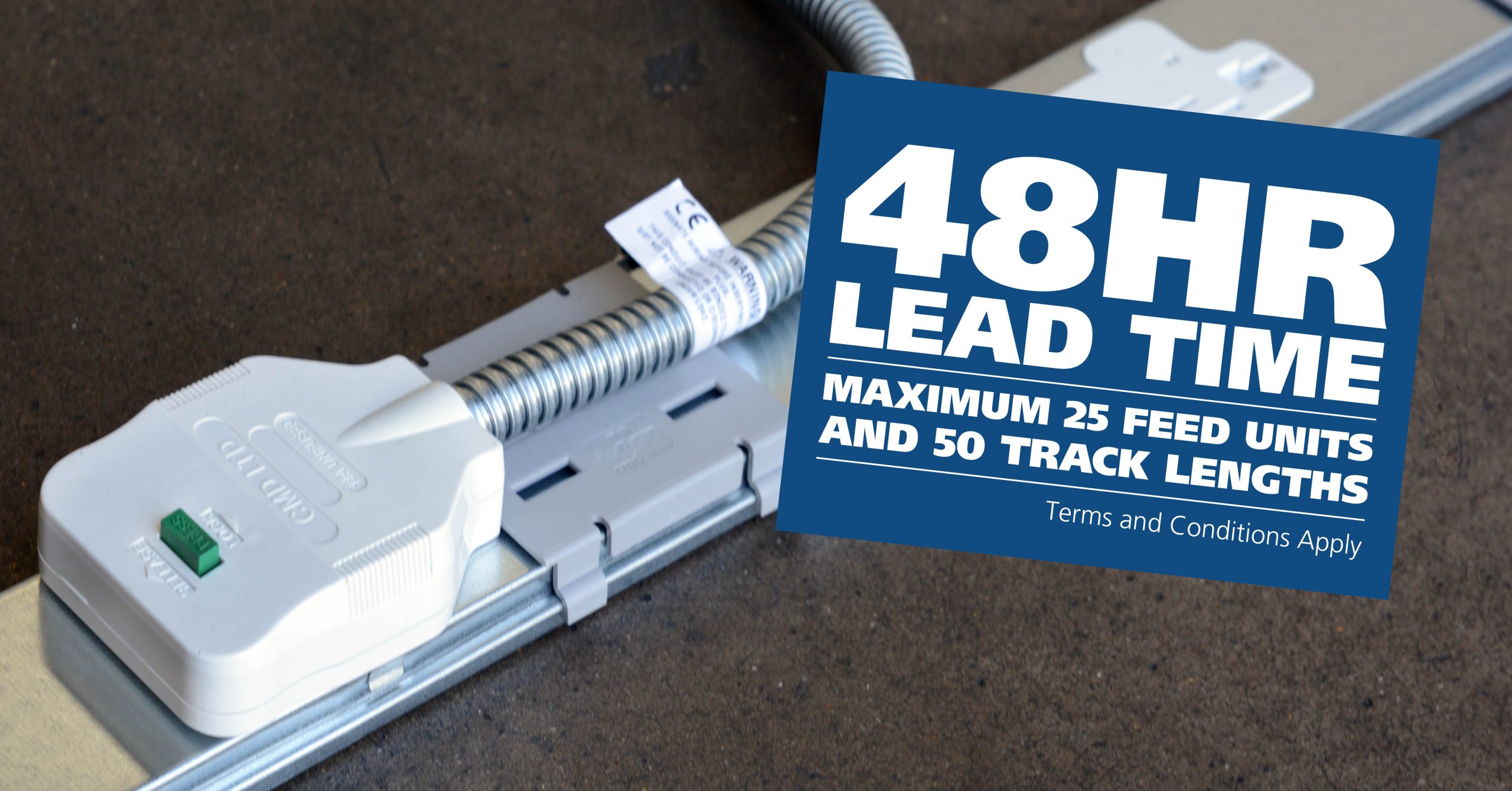
CMD Ltd, the specialist in power distribution systems, workstation power and monitor arms, has launched a rapid ordering service for its Betatrak® underfloor powertrack distribution systems and accessories, with a commitment to delivering within 48-hours of an approved purchase order*. The service enables customers to order up to 50 lengths of Standard or Clean Earth (C/E) low noise Betatrak, along with up to 25 feed...

Read more
CMD INVESTS £1/4 MILLION IN NEW MACHINE AS PART OF FACTORY UPGRADE

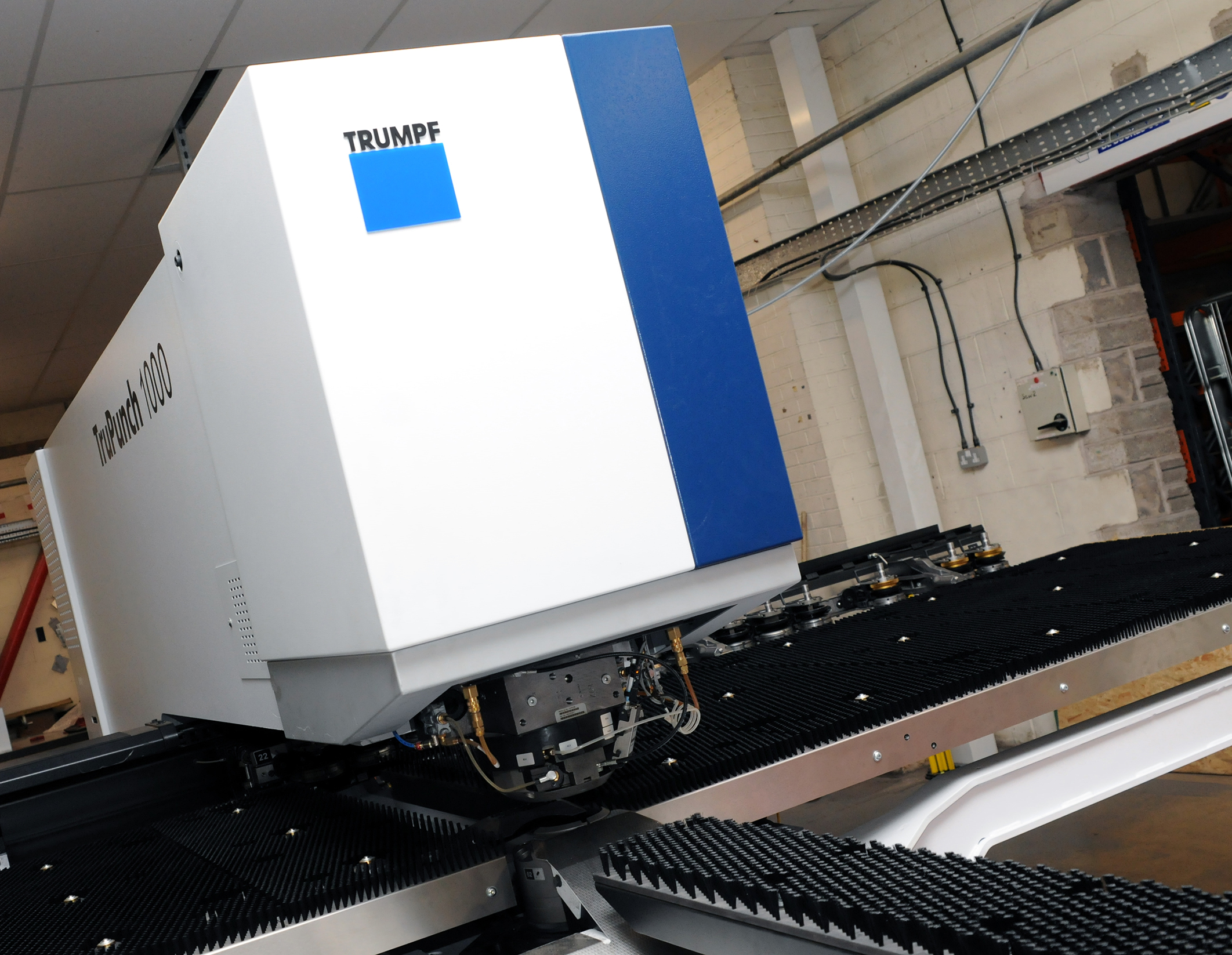
We have invested in a new £1/4m TRUMPF CNC metal punch as part of an asset renewal strategy for our UK manufacturing capability. The new machine will be used in the production of a wide variety of our power distribution systems and workstation power products at our Rotherham factory. Suitable for handling sheet metal between 0.9mm and 3.0mm thick, the new machine will replace one...

Read more
CMD CATALOGUE PROVIDES TECHNICAL POWER DISTRIBUTION GUIDE

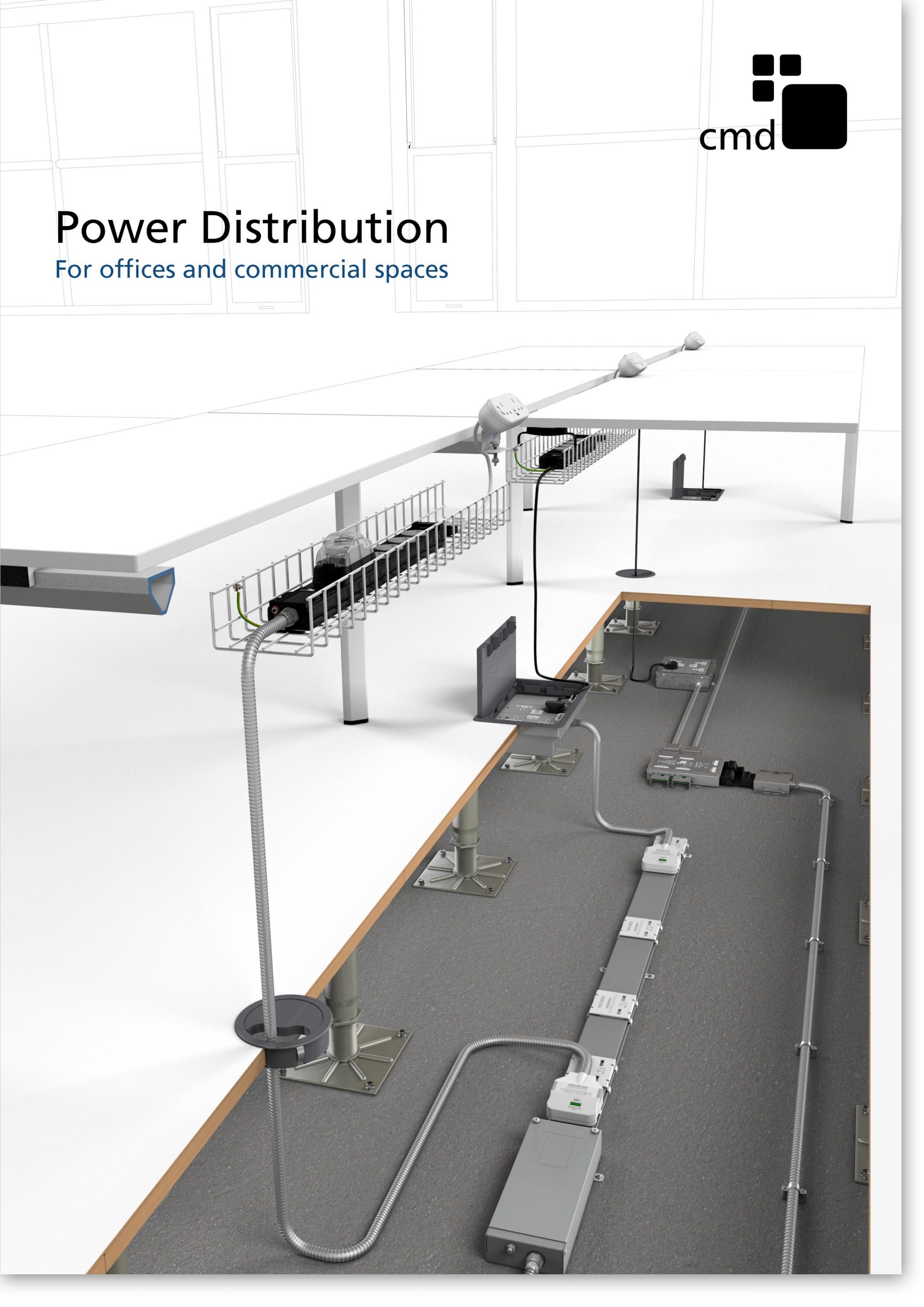
CMD Ltd has released a new catalogue, providing an easy to follow technical guide to our power distribution systems and plug and play desk modules. Detailing CMD’s full range of UK-manufactured power distribution systems and plug and play desk modules, the catalogue will be a helpful source of information to M&E engineers and contractors alike to understand how our power distribution systems connect together and...

Read more
Power Distribution Catalogue
CMD Ltd PLAYS ESSENTIAL ROLE IN ELECTRICAL FIT OUT AT LONDON’S PRESTIGIOUS OFFICE DEVELOPMENT

CMD Ltd, specialist in workplace connectivity and ergonomic solutions, has provided a flexible and high-quality power distribution network for The Ray, a prestigious office development in London’s Farringdon. Well-known for being the former site of The Guardian newspaper, The Ray now stands as an 83,000ft² office development characterised by a modernised warehouse aesthetic, with level two now occupied by a global social media company. The...

Read more

The Ray
CMD plugs in to european opportunity with Schuko Capsule unit launch

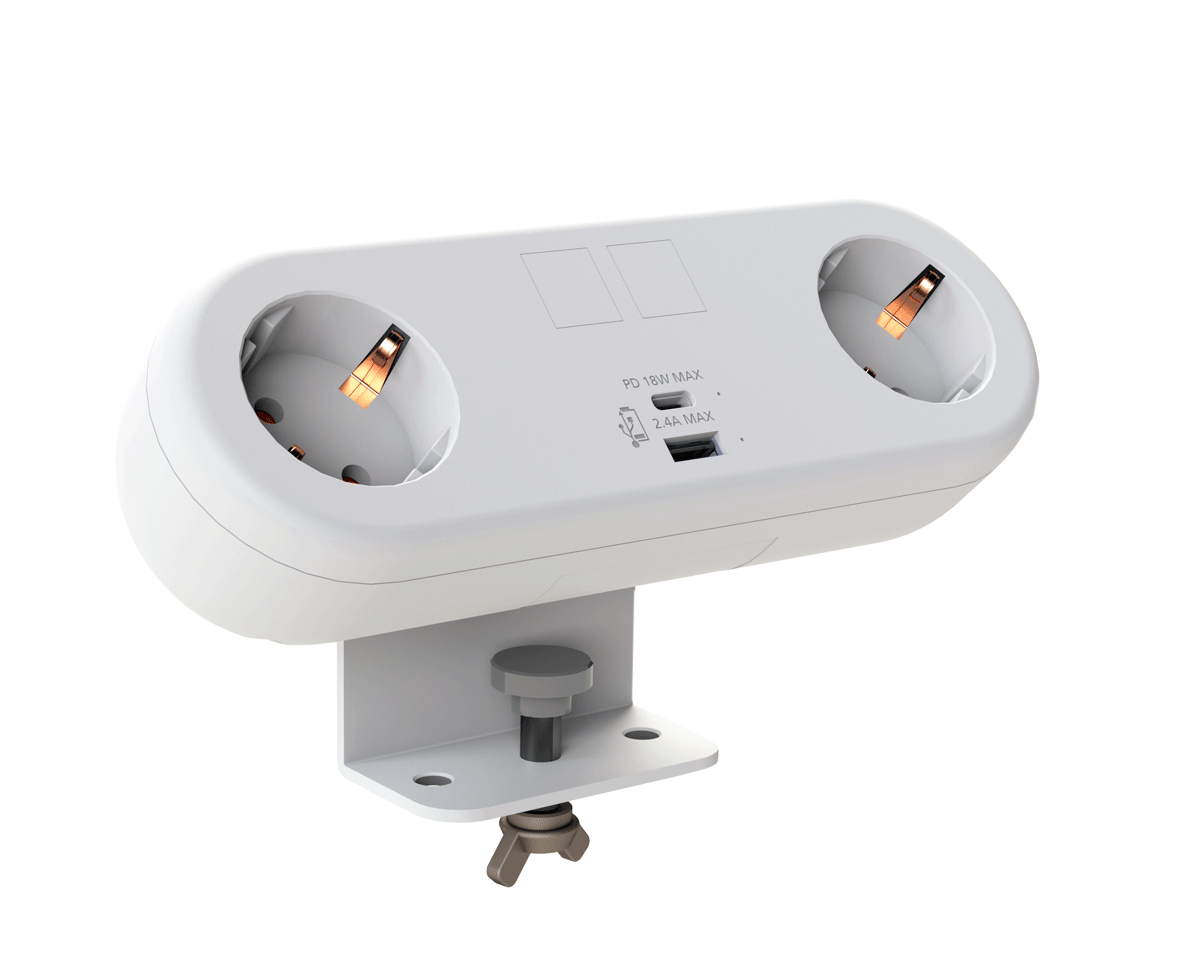
CMD Ltd, the specialist in power and connectivity solutions for commercial environments, has launched a Schuko version of its popular fixed format Capsule workstation power module for export to mainland Europe and beyond. A popular on desk power module comprising two sockets and dual USB (type A and C) chargers, CMD’s Capsule unit is already widely specified in the UK as an off-the-shelf workstation power...

Read more
CMD White Schuko Capsule Desk Power Module
CMD LTD EXTENDS MONITOR ARM RANGE WITH THE LAUNCH OF REACH PLUS

CMD Ltd, the specialist in ergonomic and connectivity solutions for commercial interiors, has completed its Reach monitor arm range with the launch of the Reach Plus. Available in single or dual screen options, the Reach Plus has been designed to provide an ideal solution for both single and dual screen workstation configurations, or can be used with next generation of large format curved screens. Suitable...

Read more

CMD Ltd DEMONSTRATES THE ART OF POWER DISTRIBUTION AT THE UNIVERSITY OF WARWICK

CMD Ltd, the specialist in workplace connectivity and ergonomic solutions, has provided Betatrak busbar power distribution and a range of electrical accessories for two major capital investment projects at the University of Warwick. Designed by Fielden Clegg Bradley Studios, the £33 million Faculty of Arts building is a showpiece development comprising four interconnected structures set around a central atrium, which will enable inter-disciplinary collaboration across...

Read more

University of Warwick
CMD BRINGS HARMONY TO COVENTRY UNIVERSITY RESEARCH FACILITIES

CMD Ltd, the specialist in power distribution solutions and workstation power and ergonomics, has provided under desk and on desk power modules for the refurbishment of three Coventry University research buildings. Located on Coventry University Technology Park, a business park designed to encourage collaboration between the university and knowledge-based businesses, the three buildings are being repurposed as office accommodation for university research teams. The refurbishment...

Read more

Coventry University

10 Best Generator Sets for Every Power Need

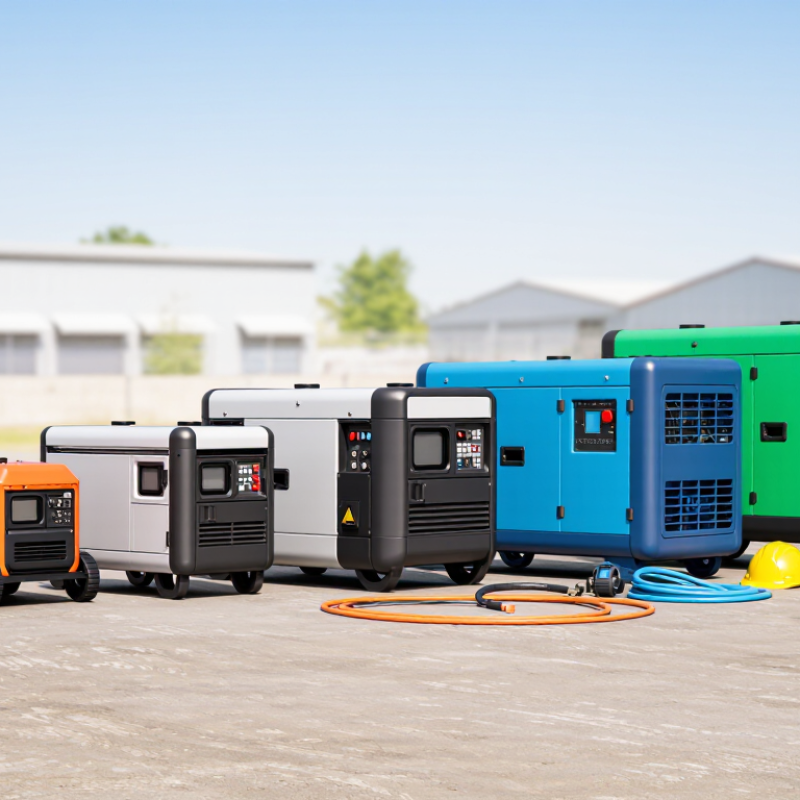
Choosing the right Generator Sets starts with the work they must perform, not the largest number on a product label. A refrigerator, sump pump, and several lights need a different setup from a construction crew running tools all day. List essential equipment, check each item’s starting and running wattage, and allow room for simultaneous use. That matters.

Fuel type, runtime, and maintenance needs can shape the choice just as much as output. Portable gasoline models may suit occasional tasks, while diesel or natural-gas systems can fit longer operating schedules or fixed installations. No option is perfect. Fuel availability, storage, service access, and local noise limits all deserve a practical check before purchase. A generator that looks ideal on paper may be inconvenient beside a bedroom window or far from its fuel supply.

This guide compares ten generator sets for different power needs, from home backup to demanding worksite use. It considers capacity, portability, fuel, operating features, and likely applications, while recognizing that specifications vary by model and configuration. Small details count. Review the manufacturer’s manual for operating limits, placement, and maintenance intervals, and consult a qualified installer for fixed electrical connections. The best match is the one that handles essential loads reliably without adding unnecessary cost or complexity. There is room for judgment: a little extra capacity can help, but buying far beyond the real load may not be worthwhile.

10 Best Generator Sets for Every Power Need

Generator Set Basics: Types, Capacity, and Common Applications

Generator sets pair an engine with an alternator to produce electricity when utility power is unavailable or impractical. Portable sets suit temporary needs, such as powering tools at a remote worksite. Standby units remain connected to a building’s electrical system and can start automatically during an outage. Inverter sets provide steadier output for sensitive electronics, though their available capacity varies. Each serves a different rhythm.

Capacity is more than a single wattage figure. Add the running watts of the equipment you expect to use, then account for brief starting surges from motors in refrigerators, pumps, or compressors. Check appliance labels and the generator’s continuous-output rating. A tidy load list can still miss a rarely used device. That happens. Fuel choice, runtime, ventilation, and noise also shape the decision. A small unit may suit lights and a router, while a workshop may need greater output for several tools. For a home connection, use properly installed transfer equipment and follow the unit’s operating instructions. Outdoor placement matters; exhaust must stay away from doors and windows. A little planning prevents overloaded circuits and frustrating interruptions.

10 Best Generator Sets for Every Power Need - Generator Set Basics: Types, Capacity, and Common Applications
Generator Set Type Typical Output Common Fuel Typical Configuration Common Applications Key Selection Consideration
Portable gasoline generator About 2–10 kW Gasoline Single-phase; manually started or electric-start models Temporary home backup, outdoor events, and small jobsite tools Check running and starting wattage; operate outdoors, away from doors and windows.
Portable inverter generator About 1–5 kW Gasoline; some models use propane Single-phase; electronically regulated output Camping, recreational vehicles, sensitive electronics, and light-duty backup Quiet operation and fuel efficiency are useful, but available output is usually lower than larger conventional sets.
Residential standby generator About 7–26 kW Natural gas or propane Fixed installation with automatic transfer switch Automatic backup for selected household circuits or much of a home Size the system to the loads being backed up and confirm local fuel supply and installation requirements.
Commercial standby diesel generator About 10–200 kW Diesel Stationary, typically three-phase, with an automatic transfer switch Small commercial buildings, clinics, retail sites, and essential building services Account for starting loads, fuel storage, ventilation, exhaust routing, and maintenance access.
Towable rental generator About 20–500 kW Diesel Trailer-mounted; commonly three-phase Construction sites, temporary events, emergency response, and planned outages Match voltage, phase, connectors, and distribution equipment to the site; observe noise and emissions rules.
Industrial stationary diesel generator About 100–3,000 kW Diesel Fixed installation; commonly three-phase Factories, infrastructure, large facilities, and critical-load backup Choose a rating appropriate to standby or prime duty and plan for fuel logistics and periodic load testing.
Natural-gas combined heat and power set About 50–2,000 kW Natural gas; some systems use biogas Stationary engine-generator with heat recovery Facilities with steady electrical demand and a useful need for recovered heat Overall efficiency depends on using the recovered heat; assess the site’s year-round heat demand.
Dual-fuel generator set About 100–2,000 kW Diesel with natural gas, depending on system design Usually stationary and three-phase Industrial or remote sites seeking fuel flexibility and backup capability Available output and fuel consumption can vary by operating mode; verify the manufacturer’s ratings for each fuel configuration.
Tractor PTO generator About 15–100 kW Tractor fuel, typically diesel Driven by a tractor’s power take-off (PTO); often three-phase options are available Farms, rural properties, and temporary agricultural power Confirm tractor PTO power, shaft speed, voltage, and phase compatibility before connecting loads.
Marine generator set About 3–100 kW Diesel or gasoline, depending on vessel and system Compact marine installation; single-phase or three-phase options Electrical power aboard workboats, yachts, and other vessels Account for vessel space, ventilation, cooling, exhaust, vibration, and applicable marine safety requirements.

Note: Capacity ranges are approximate examples, not universal limits. Actual output depends on the model, rating, fuel, altitude, temperature, and installation. Size a generator by assessing both continuous demand and the starting requirements of connected equipment.

How to Match Generator Output to Your Power Requirements

Choosing a generator starts with the loads you need to run at the same time. Check each appliance’s nameplate for running watts, then account for higher startup demand from refrigerators, pumps, and power tools. A refrigerator may use modest power once running, yet its compressor can briefly draw much more when it starts. Add the running watts for your essential devices and identify the largest startup surge. Small detail, big difference.

Compare that figure with the generator’s continuous rated output, not just its peak or “starting” wattage. Leave roughly 20 percent of capacity unused when practical; this gives the system breathing room as loads change. If the total is close, stagger use: run a pump before switching on a microwave, for example. It is easy to overlook a heater or battery charger until everything is plugged in. I would recheck the list after a day of use, because estimates rarely capture every habit. For backup wiring, have a qualified electrician select and install the appropriate transfer equipment. Run portable generators outdoors, well away from doors and windows.

The 10 Best Generator Sets for Home, Work, and Recreation

Choosing a generator set starts with the job, not the headline wattage. EIA reliability data show U.S. customers averaged about 5.5 hours without power in 2022, including major events. For home backup, list essential loads: a refrigerator, a few lights, a router, and perhaps a sump pump. Add their starting and running wattages before selecting capacity. A larger unit can handle more, but it may use more fuel and produce more noise than a small household needs.

Small loads matter. At work, match the set to real equipment demands, including motor startup surges from compressors or saws. For a mobile crew, wheels, accessible controls, and clear output labeling can save time on a wet morning. Check runtime at a stated load, not just the advertised maximum. That figure is easy to overlook.

Recreation calls for a different balance: manageable weight, modest noise, and enough output for lights, device charging, or a small cooler. KOA’s 2024 North American Camping Report counted 58 million households camping in 2023, suggesting a broad range of outdoor power needs. But a generator that suits a trailer may feel excessive at a quiet campsite. Keep any portable unit outdoors, well away from doors and windows, and follow its manual. The right choice is rarely perfect; fuel storage and sound can still be awkward.

Comparing Fuel Options, Runtime, Noise, and Portability

Fuel choice shapes more than the refill routine. Gasoline is widely available, but stored fuel needs attention; propane can be stored longer, while dual-fuel models offer flexibility. Check the rated output for each fuel, because propane may deliver less power. Runtime depends heavily on load, not just tank size. The U.S. Energy Information Administration reported an average customer interruption duration of about 5.6 hours in 2022. That figure is a useful planning prompt, not a promise about your next outage. Compare runtime at the same load, such as 25% or 50%, and leave room for real-world variation.

Noise figures need equal care. The National Institute for Occupational Safety and Health recommends limiting exposure to 85 dBA over an eight-hour workday, but a generator’s measured sound depends on distance and operating load. Compare noise ratings taken at the same distance. A quiet rating is not the whole story. For portability, check the listed weight, handle design, and whether one person can move the unit across gravel or a doorstep. Wheel kits help on pavement; they do less on uneven ground. A tidy comparison chart can still mislead if its measurements use different conditions. The best fit depends on what you will power, how long you expect to run it, and where the unit will sit.

Safe Installation, Operation, and Routine Maintenance

A generator set is only useful when it can operate safely where power is needed. Place it outdoors on firm, level ground, away from doors, windows, and vents. Keep the exhaust pointed away from people and buildings. Never run it in a garage, even with the door open. Carbon monoxide is invisible and can build up quickly. Have a qualified electrician install a transfer switch; never connect a generator directly to a wall outlet. Keep the unit dry, and use only outdoor-rated extension cords with undamaged insulation.

Routine care helps prevent failures during an outage. Check the oil before starting, and inspect the air filter, fuel lines, and cords regularly. Follow the manufacturer’s schedule for service and fuel storage. Run the generator periodically under load, then let it cool before refueling. Small details matter. It is tempting to postpone a filter check when the unit starts easily, but that habit can hide a problem until power is out.

Tips: Keep a working carbon monoxide alarm near occupied areas. Store fuel in approved containers, away from heat and ignition sources. Write service dates on a simple maintenance log; it is easy to forget.