

News

Miro: A New Standard in Responsible Innovation

Miro: A New Standard in Responsible Innovation The Miro monitor arm is setting new benchmarks in sustainability. It offers a high-performance solution without compromising on environmental responsibility. Designed with careful material selection, local sourcing, and longevity in mind, Miro’s responsible approach to design and unique manoeuvrability set it apart from the competition. Sustainable Choices Miro is crafted from energy-efficient materials with a lower carbon impact....

Read more
HSE Advisor

Role Purpose Support in the development, implementation and maintenance of the company’s Health, Safety & Environmental policies, processes, operational procedures, and standards.  Ensuring best practice and championing a continually improving HSE culture within the business. Key Responsibilities Liaise with and provide support to all areas of the business to eliminate, mitigate or reduce identified HSE exposures. Partner with the production management team and team leaders,...

Read more
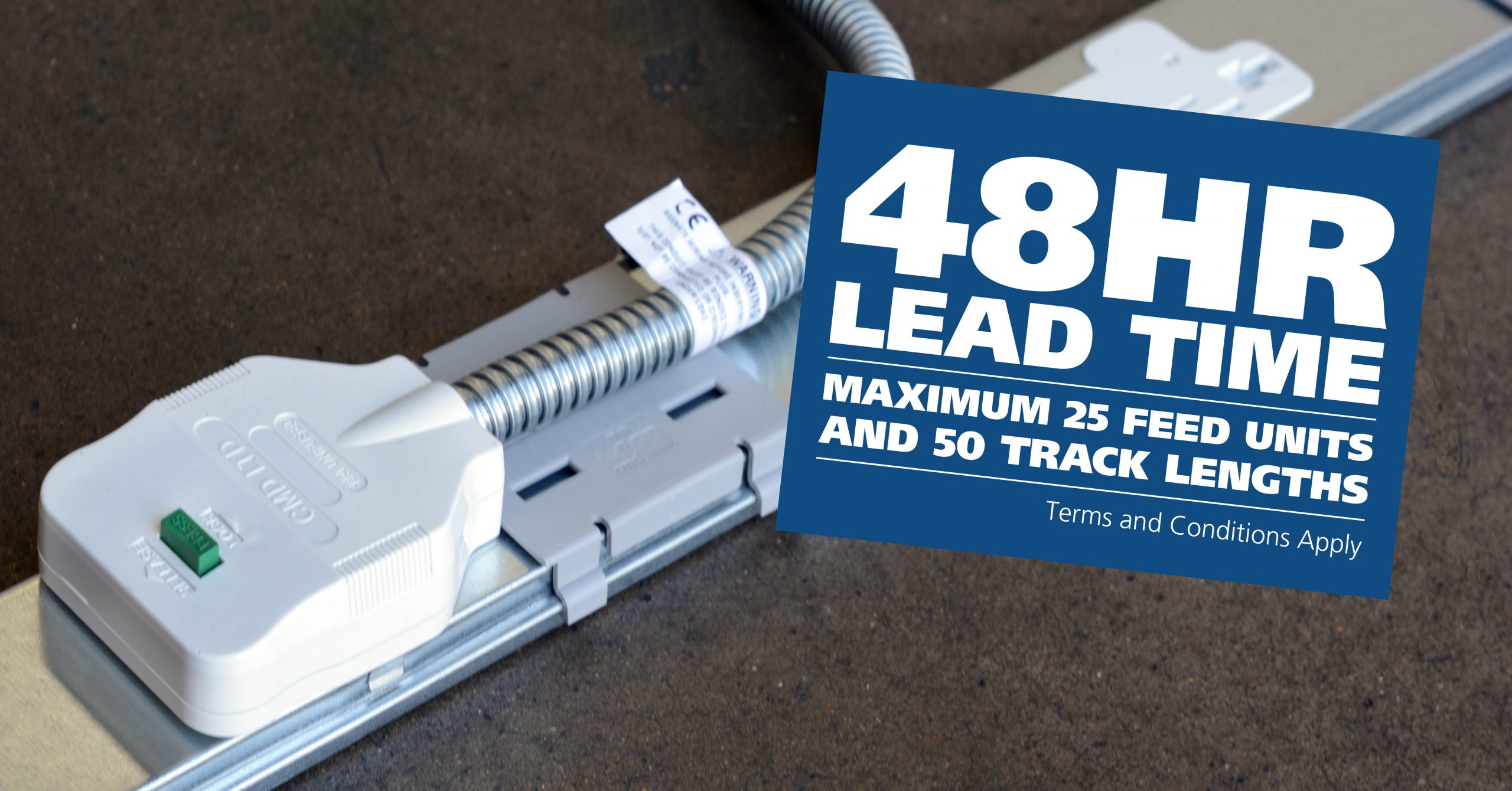
CMD Ltd LAUNCHES 48-HOUR TURNAROUND ON BETATRAK® RAPID ORDERING SERVICE

CMD Ltd, the specialist in power distribution systems, workstation power and monitor arms, has launched a rapid ordering service for its Betatrak® underfloor powertrack distribution systems and accessories, with a commitment to delivering within 48-hours of an approved purchase order*. The service enables customers to order up to 50 lengths of Standard or Clean Earth (C/E) low noise Betatrak, along with up to 25 feed...

Read more
CMD INVESTS £1/4 MILLION IN NEW MACHINE AS PART OF FACTORY UPGRADE

We have invested in a new £1/4m TRUMPF CNC metal punch as part of an asset renewal strategy for our UK manufacturing capability. The new machine will be used in the production of a wide variety of our power distribution systems and workstation power products at our Rotherham factory. Suitable for handling sheet metal between 0.9mm and 3.0mm thick, the new machine will replace one...

Read more

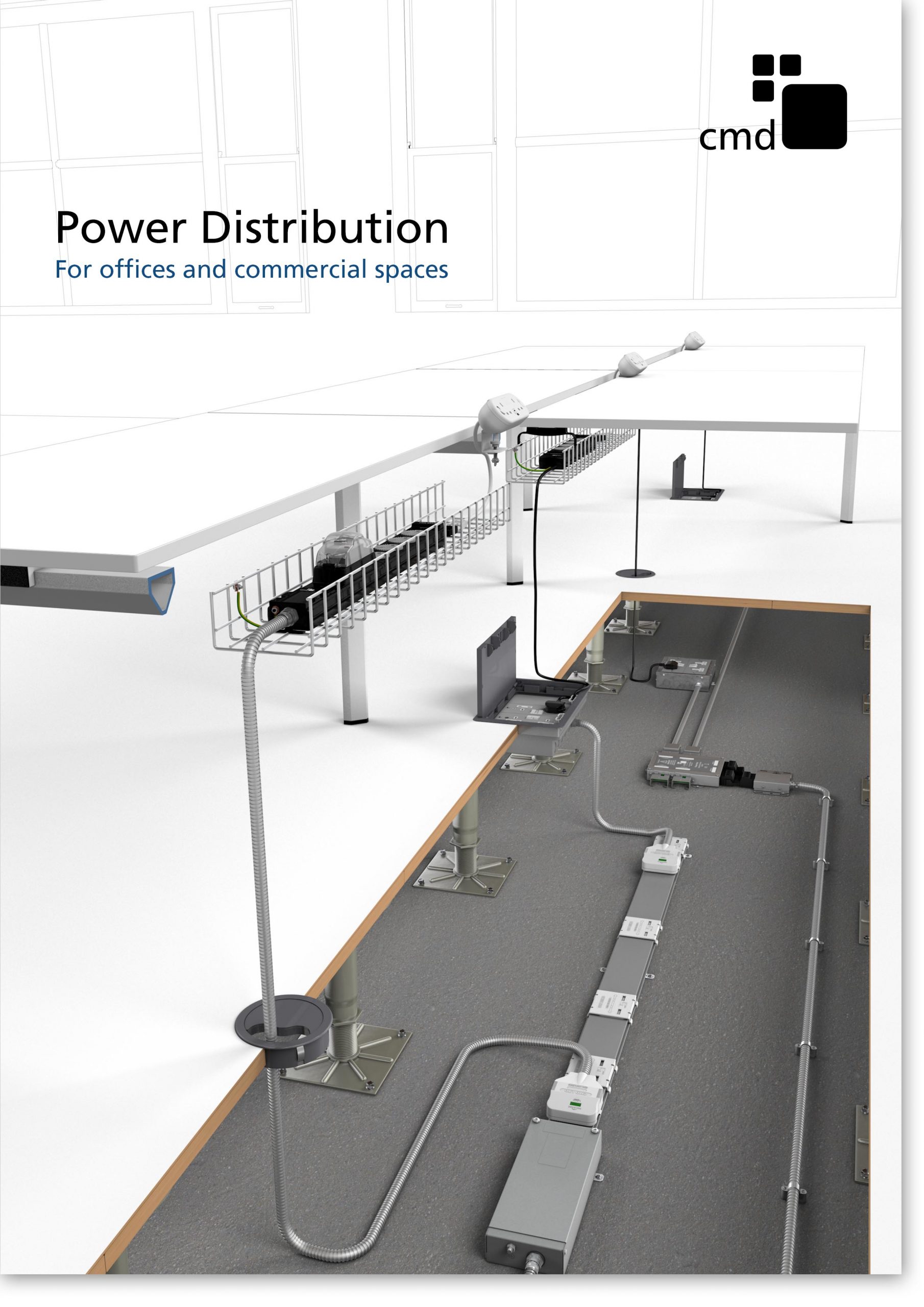
CMD CATALOGUE PROVIDES TECHNICAL POWER DISTRIBUTION GUIDE

CMD Ltd has released a new catalogue, providing an easy to follow technical guide to our power distribution systems and plug and play desk modules. Detailing CMD’s full range of UK-manufactured power distribution systems and plug and play desk modules, the catalogue will be a helpful source of information to M&E engineers and contractors alike to understand how our power distribution systems connect together and...

Read more
Power Distribution Catalogue
CMD Ltd PLAYS ESSENTIAL ROLE IN ELECTRICAL FIT OUT AT LONDON’S PRESTIGIOUS OFFICE DEVELOPMENT

CMD Ltd, specialist in workplace connectivity and ergonomic solutions, has provided a flexible and high-quality power distribution network for The Ray, a prestigious office development in London’s Farringdon. Well-known for being the former site of The Guardian newspaper, The Ray now stands as an 83,000ft² office development characterised by a modernised warehouse aesthetic, with level two now occupied by a global social media company. The...

Read more

The Ray
CMD plugs in to european opportunity with Schuko Capsule unit launch

CMD Ltd, the specialist in power and connectivity solutions for commercial environments, has launched a Schuko version of its popular fixed format Capsule workstation power module for export to mainland Europe and beyond. A popular on desk power module comprising two sockets and dual USB (type A and C) chargers, CMD’s Capsule unit is already widely specified in the UK as an off-the-shelf workstation power...

Read more

CMD White Schuko Capsule Desk Power Module
CMD LTD EXTENDS MONITOR ARM RANGE WITH THE LAUNCH OF REACH PLUS

CMD Ltd, the specialist in ergonomic and connectivity solutions for commercial interiors, has completed its Reach monitor arm range with the launch of the Reach Plus. Available in single or dual screen options, the Reach Plus has been designed to provide an ideal solution for both single and dual screen workstation configurations, or can be used with next generation of large format curved screens. Suitable...

Read more

CMD Ltd DEMONSTRATES THE ART OF POWER DISTRIBUTION AT THE UNIVERSITY OF WARWICK

CMD Ltd, the specialist in workplace connectivity and ergonomic solutions, has provided Betatrak busbar power distribution and a range of electrical accessories for two major capital investment projects at the University of Warwick. Designed by Fielden Clegg Bradley Studios, the £33 million Faculty of Arts building is a showpiece development comprising four interconnected structures set around a central atrium, which will enable inter-disciplinary collaboration across...

Read more

University of Warwick
CMD BRINGS HARMONY TO COVENTRY UNIVERSITY RESEARCH FACILITIES

CMD Ltd, the specialist in power distribution solutions and workstation power and ergonomics, has provided under desk and on desk power modules for the refurbishment of three Coventry University research buildings. Located on Coventry University Technology Park, a business park designed to encourage collaboration between the university and knowledge-based businesses, the three buildings are being repurposed as office accommodation for university research teams. The refurbishment...

Read more

Coventry University

10 Best Garbage Bags for Bulk Buyers?

Buying waste bags in bulk sounds simple until weak seams, poor sizing, and inconsistent rolls disrupt daily operations. The right Garbage Bags should match your waste volume, bin dimensions, loading habits, and storage conditions. A restaurant may need thick liners for wet food scraps, while an office may prefer lighter bags for paper and packaging. One product rarely fits every workplace.

This guide examines ten options selected for bulk buyers, including janitorial suppliers, property managers, retailers, and large households. Each choice is considered through practical details: bag capacity, thickness, closure style, leak resistance, roll count, and overall value. We also consider how bags perform when pulled from crowded cartons or fitted over sharp-edged bins. Small details matter.

Real-world experience often reveals weaknesses that product labels hide. A bag may claim impressive capacity but stretch poorly under heavy loads. Another may feel thin yet perform reliably with dry waste. We will highlight those differences using clear buying criteria and realistic use cases. No product is perfect. That deserves attention.

Readers should still confirm local waste policies, facility requirements, and supplier specifications before ordering large quantities. Storage also matters; heat and moisture can weaken plastic packaging over time. A dependable bulk purchase should reduce replacement costs, spills, and staff frustration. The cheapest carton may not be the best value. This comparison aims to make that decision more informed, practical, and reliable.

10 Best Garbage Bags for Bulk Buyers?

Garbage Bag Types and Their Uses for Bulk Buyers

Garbage bags vary by material, thickness, size, and closure style. Bulk buyers should match each type to the waste it will hold.

Lightweight bags work well for offices, bedrooms, and dry paper waste.

Medium-duty bags suit kitchens, classrooms, and routine commercial cleanup.

Heavy-duty bags handle sharp packaging, wet debris, and dense garden waste more reliably.

However, thickness alone does not guarantee performance. A poorly fitted bag can tear, even when it looks strong.

Drawstring bags offer quick removal and cleaner handling in busy areas. Flat-seal bags are often practical for bins with wide openings.

Compostable bags may suit approved organic-waste programs, but their storage conditions and local disposal rules require careful checking.

Clear bags support visible sorting, while colored bags can separate waste streams.

Bulk buyers should measure bin height, rim width, and average daily volume before ordering. Buying the largest size is not always efficient; excess plastic can slip into the bin and waste space.

Tips:

Test a small case before placing a large order. Fill sample bags with the heaviest typical waste, then lift them carefully.

Check leaks, seam strength, odor control, and storage life. Keep cartons dry and away from direct heat.

One detail is often missed: bag thickness may be measured differently by suppliers, so compare specifications, not labels alone.

How to Compare Bag Capacity, Thickness, and Load Strength

For bulk buyers, bag capacity should match the waste stream, not just the printed volume. A 60-liter bag may hold less when its rim fits a narrow bin. Measure the container opening, height, and usable depth before ordering. Leave room for tying. An overfilled bag often tears at the knot.

Thickness is usually listed in microns or mils, but thickness alone can mislead. A thicker film may still fail if its seams are weak or its stretch is limited. Check whether the material suits sharp edges, wet waste, or heavy loose items. I press a filled sample against a bin corner and lift it slowly. This simple test reveals seam weakness. I once chose a thicker bag and still had leaks because the bottom seal was poorly formed. That mistake changed my buying checklist.

Tips: Compare at least three samples under the same load. Use identical weights, tie each bag consistently, and record tears, stretching, and leakage. For load strength, test static weight and handling stress. A bag may hold 20 kilograms on the floor but fail when dragged across concrete. Ask suppliers for film thickness, seam construction, load guidance, and batch consistency. Request recent samples. Specifications can vary.

Materials, Closures, and Features That Affect Performance

For bulk buyers, the best garbage bags are not always the thickest. Material, closure style, and daily handling often matter more than a bold thickness claim. Low-density polyethylene suits bulky, sharp-edged waste because it stretches before tearing. High-density polyethylene feels thinner but handles lighter loads efficiently. Recycled content can improve sustainability, though quality may vary between batches. Test samples before ordering a truckload.

Closures affect speed and leakage control. Drawstring bags close quickly and remain easy to carry. Flap-tie bags may cost less but require more hand movement. Star-sealed bottoms distribute weight well and reduce corner leaks. Flat-sealed bags can work for dry, light waste, but they deserve closer inspection. I once overestimated a bag’s capacity because its dimensions looked generous. Actual usable space was smaller after the liner settled inside the bin.

Tips: Match the bag to the waste, not just the container. Check thickness, dimensions, seal strength, and roll packaging. For kitchens, offices, and warehouses, trial bags under realistic weight. Include wet material, awkward shapes, and repeated lifting. A simple tear test helps, but it cannot replace field use. Also inspect storage conditions. Heat and sunlight can weaken plastic over time. Keep cartons dry and elevated. Bulk pricing is useful only when rejected bags, leaks, and slow handling do not erase the savings.

10 Best Garbage Bags for Bulk Buyers: Materials, Closures, and Performance Features

Film thickness is a practical indicator of tear and puncture resistance. In general, HDPE bags are thinner and economical, while LDPE and LLDPE bags are thicker and more flexible. Drawstring and wave-top closures improve handling, whereas star-seal designs help reduce leakage. The thickness ranges shown are typical commercial specifications and can vary by bag size, recycled content, and manufacturing process.

How to Evaluate the Ten Best Garbage Bags for Bulk Purchasing

10 Best Garbage Bags for Bulk Buyers?

Evaluating the ten best garbage bags for bulk purchasing requires more than comparing carton prices. Start with the waste your facility actually produces. Food scraps need leak resistance, while paper waste needs strength and generous capacity. Measure the bin opening and depth before reviewing bag dimensions. A bag that fits poorly can waste material every day.

During warehouse trials, test each option with the same load. Use broken packaging, damp towels, and lightweight containers to imitate routine waste. Check seam strength, stretch, puncture resistance, and handle design. Lift every filled bag several times. Small tears near the bottom often appear only after movement.

Keep notes on bag thickness, roll count, storage space, and dispensing speed. Cheap rolls can become expensive when workers need two bags.

Material consistency also matters. Review the product specification, recycled content claims, and available quality documentation. Ask suppliers for sample cartons before placing a large order. Compare the usable bag count, not only the package price. A thinner bag may perform well, but not in every department.

That is where evaluations can become imperfect. One test load cannot represent a busy kitchen, warehouse, or office. Repeat trials during different shifts, and include feedback from the staff who handle the bags daily. Their comments may reveal awkward ties, poor sizing, or difficult opening. Bulk purchasing works best when performance records support the final choice.

Choosing the Right Bags for Cost, Waste Type, and Storage Needs

Bulk buying works only when bag design matches the waste stream. Kitchen scraps need leak resistance, while dry packaging needs volume more than thickness. Sharp debris demands reinforced construction and cautious handling. The U.S. EPA reported 292.4 million tons of municipal solid waste in 2018, its latest comprehensive national dataset. That scale makes small specification errors expensive.

Compare cost per usable bag, not carton price alone. A thinner bag may reduce costs, but frequent splitting creates double handling and cleanup. I have seen teams overbuy heavy-duty bags for light office waste. It looked safer, but storage space disappeared quickly. UNEP’s 2024 Global Waste Management Outlook estimates 2.3 billion tonnes of municipal waste in 2023. It projects 3.8 billion tonnes by 2050. Select bags by capacity, seal strength, and expected load, rather than thickness alone. For wet waste, check bottom seams and leak performance. For bulky waste, measure the bin opening first. A perfect volume is still useless if the bag slips inside.

Tips: Order a small trial carton before committing to ten bulk cases. Fill sample bags with the heaviest expected waste. Check tearing, odor retention, tie strength, and storage stability after one week. Store cartons above damp floors and rotate older stock first. Keep a simple usage log. It may reveal that your “cheapest” bag is not the lowest-cost option.