

News

Miro: A New Standard in Responsible Innovation

Miro: A New Standard in Responsible Innovation The Miro monitor arm is setting new benchmarks in sustainability. It offers a high-performance solution without compromising on environmental responsibility. Designed with careful material selection, local sourcing, and longevity in mind, Miro’s responsible approach to design and unique manoeuvrability set it apart from the competition. Sustainable Choices Miro is crafted from energy-efficient materials with a lower carbon impact....

Read more
HSE Advisor

Role Purpose Support in the development, implementation and maintenance of the company’s Health, Safety & Environmental policies, processes, operational procedures, and standards.  Ensuring best practice and championing a continually improving HSE culture within the business. Key Responsibilities Liaise with and provide support to all areas of the business to eliminate, mitigate or reduce identified HSE exposures. Partner with the production management team and team leaders,...

Read more
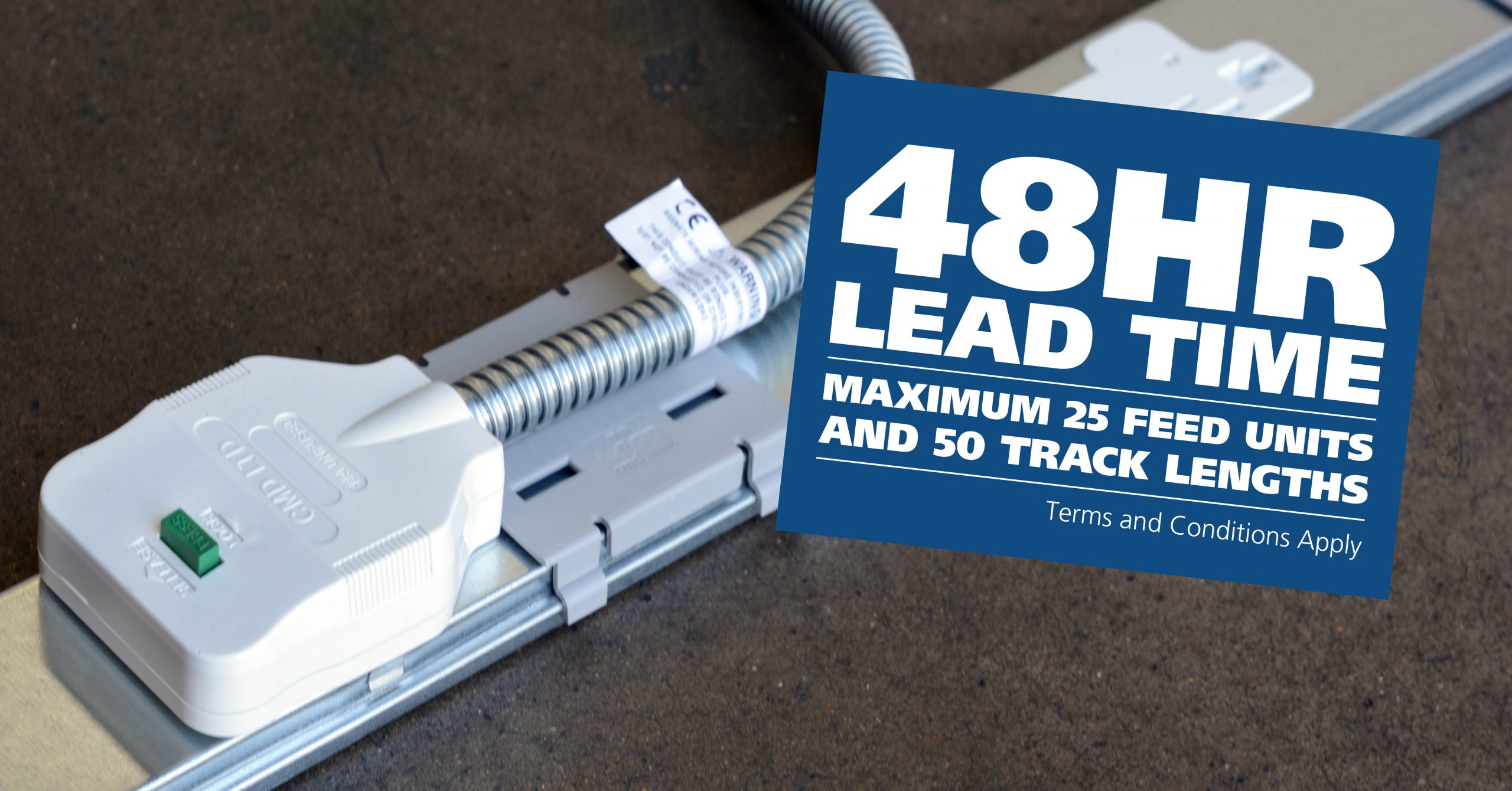
CMD Ltd LAUNCHES 48-HOUR TURNAROUND ON BETATRAK® RAPID ORDERING SERVICE

CMD Ltd, the specialist in power distribution systems, workstation power and monitor arms, has launched a rapid ordering service for its Betatrak® underfloor powertrack distribution systems and accessories, with a commitment to delivering within 48-hours of an approved purchase order*. The service enables customers to order up to 50 lengths of Standard or Clean Earth (C/E) low noise Betatrak, along with up to 25 feed...

Read more
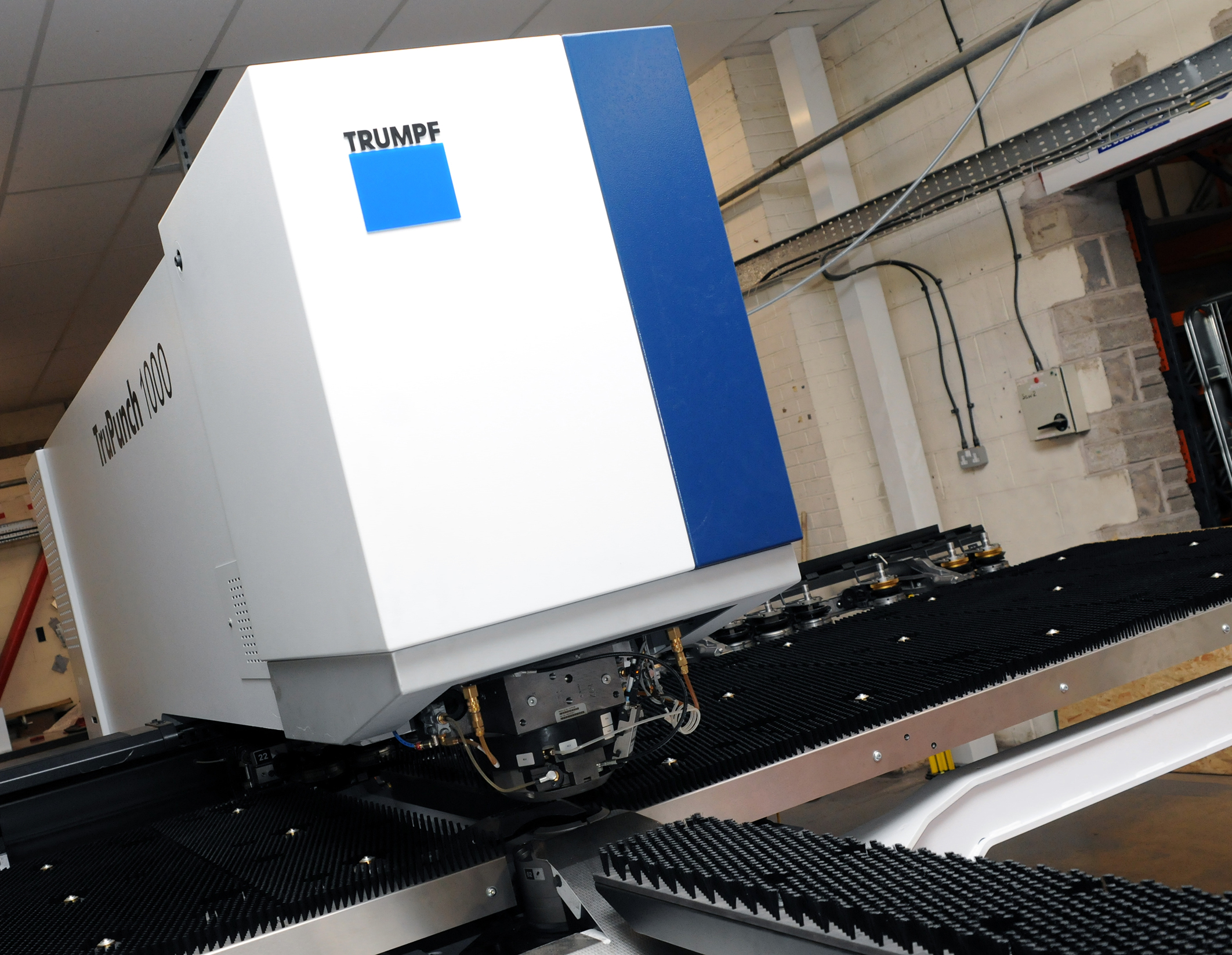
CMD INVESTS £1/4 MILLION IN NEW MACHINE AS PART OF FACTORY UPGRADE

We have invested in a new £1/4m TRUMPF CNC metal punch as part of an asset renewal strategy for our UK manufacturing capability. The new machine will be used in the production of a wide variety of our power distribution systems and workstation power products at our Rotherham factory. Suitable for handling sheet metal between 0.9mm and 3.0mm thick, the new machine will replace one...

Read more
CMD CATALOGUE PROVIDES TECHNICAL POWER DISTRIBUTION GUIDE

CMD Ltd has released a new catalogue, providing an easy to follow technical guide to our power distribution systems and plug and play desk modules. Detailing CMD’s full range of UK-manufactured power distribution systems and plug and play desk modules, the catalogue will be a helpful source of information to M&E engineers and contractors alike to understand how our power distribution systems connect together and...

Read more

Power Distribution Catalogue
CMD Ltd PLAYS ESSENTIAL ROLE IN ELECTRICAL FIT OUT AT LONDON’S PRESTIGIOUS OFFICE DEVELOPMENT

CMD Ltd, specialist in workplace connectivity and ergonomic solutions, has provided a flexible and high-quality power distribution network for The Ray, a prestigious office development in London’s Farringdon. Well-known for being the former site of The Guardian newspaper, The Ray now stands as an 83,000ft² office development characterised by a modernised warehouse aesthetic, with level two now occupied by a global social media company. The...

Read more

The Ray
CMD plugs in to european opportunity with Schuko Capsule unit launch

CMD Ltd, the specialist in power and connectivity solutions for commercial environments, has launched a Schuko version of its popular fixed format Capsule workstation power module for export to mainland Europe and beyond. A popular on desk power module comprising two sockets and dual USB (type A and C) chargers, CMD’s Capsule unit is already widely specified in the UK as an off-the-shelf workstation power...

Read more
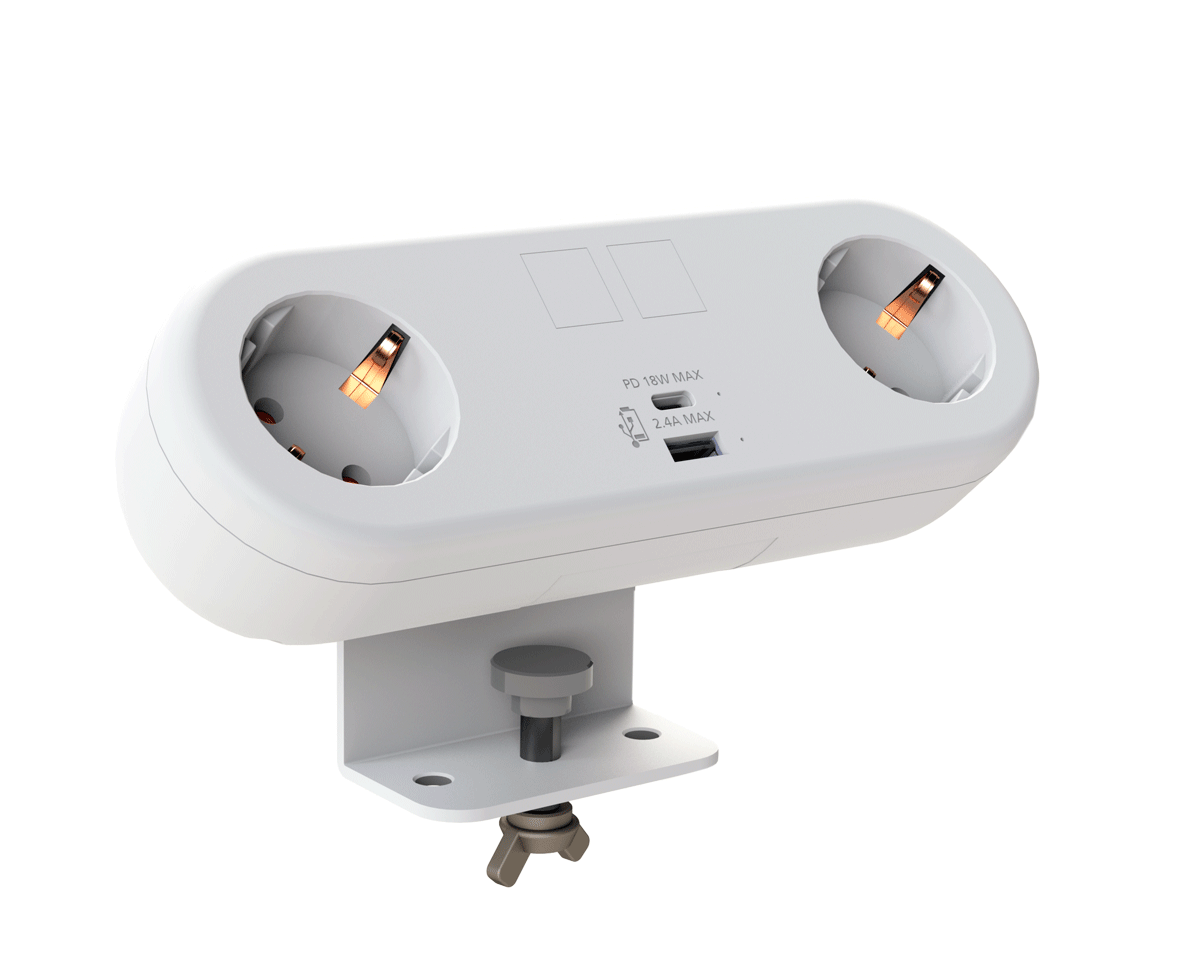
CMD White Schuko Capsule Desk Power Module
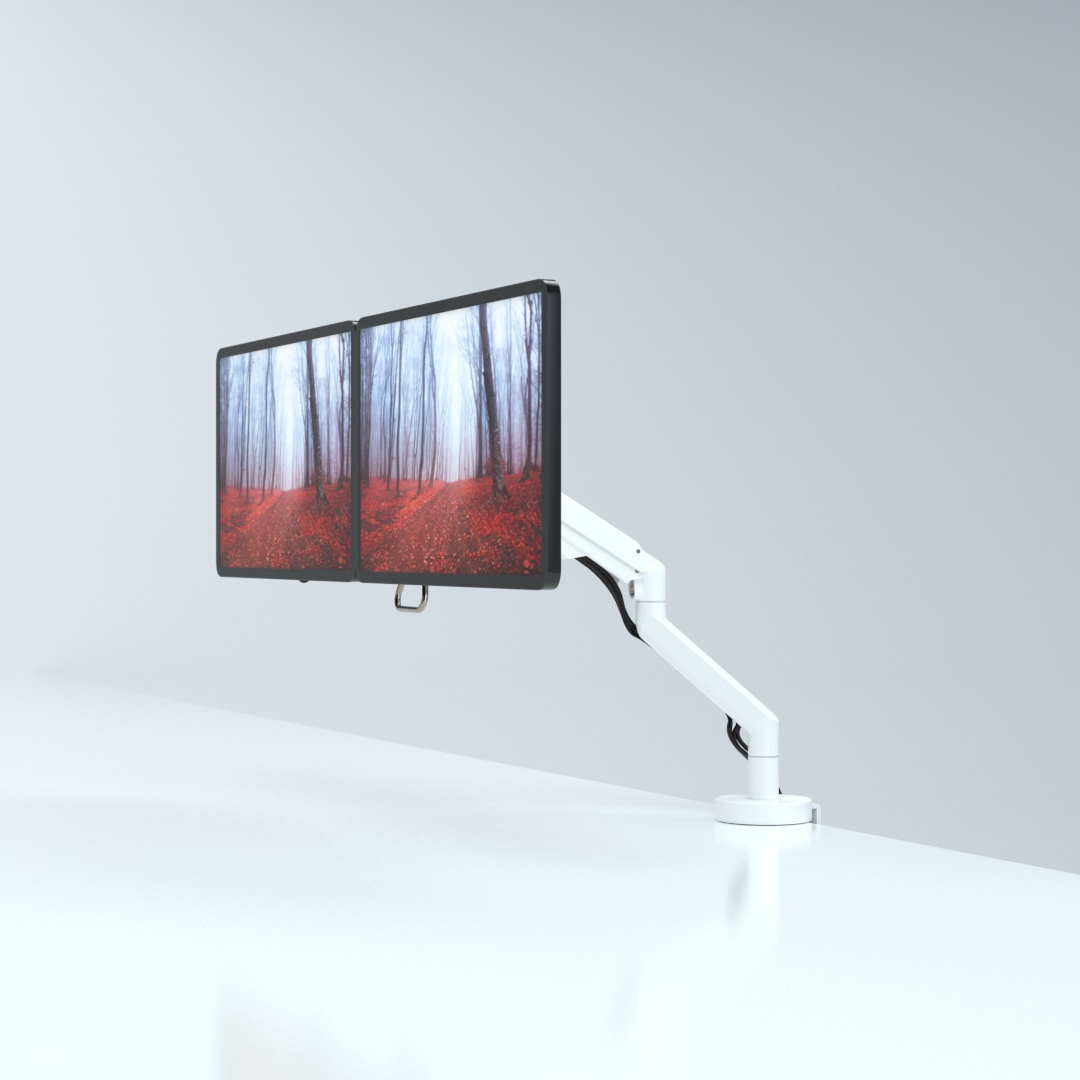
CMD LTD EXTENDS MONITOR ARM RANGE WITH THE LAUNCH OF REACH PLUS

CMD Ltd, the specialist in ergonomic and connectivity solutions for commercial interiors, has completed its Reach monitor arm range with the launch of the Reach Plus. Available in single or dual screen options, the Reach Plus has been designed to provide an ideal solution for both single and dual screen workstation configurations, or can be used with next generation of large format curved screens. Suitable...

Read more
CMD Ltd DEMONSTRATES THE ART OF POWER DISTRIBUTION AT THE UNIVERSITY OF WARWICK

CMD Ltd, the specialist in workplace connectivity and ergonomic solutions, has provided Betatrak busbar power distribution and a range of electrical accessories for two major capital investment projects at the University of Warwick. Designed by Fielden Clegg Bradley Studios, the £33 million Faculty of Arts building is a showpiece development comprising four interconnected structures set around a central atrium, which will enable inter-disciplinary collaboration across...

Read more

University of Warwick
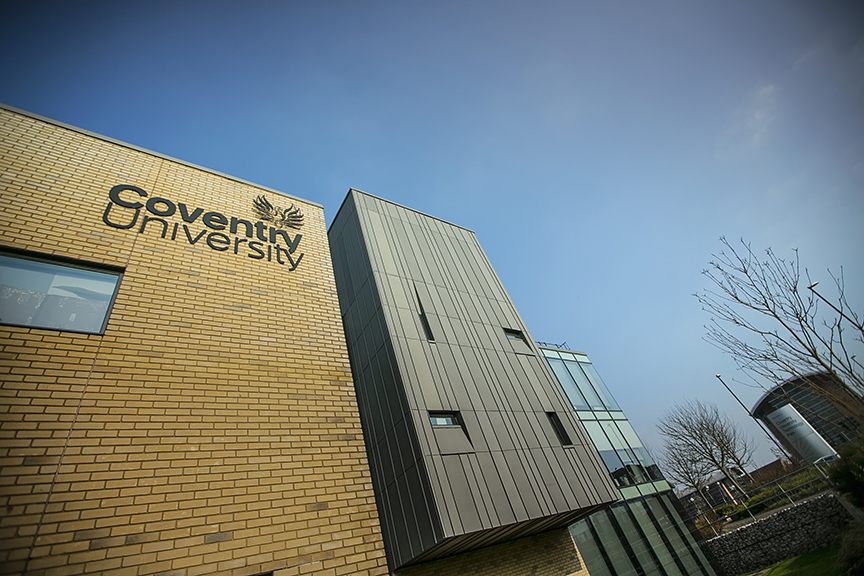
CMD BRINGS HARMONY TO COVENTRY UNIVERSITY RESEARCH FACILITIES

CMD Ltd, the specialist in power distribution solutions and workstation power and ergonomics, has provided under desk and on desk power modules for the refurbishment of three Coventry University research buildings. Located on Coventry University Technology Park, a business park designed to encourage collaboration between the university and knowledge-based businesses, the three buildings are being repurposed as office accommodation for university research teams. The refurbishment...

Read more
Coventry University

Best Fabrics for Work Wear Tips for Global Buyers

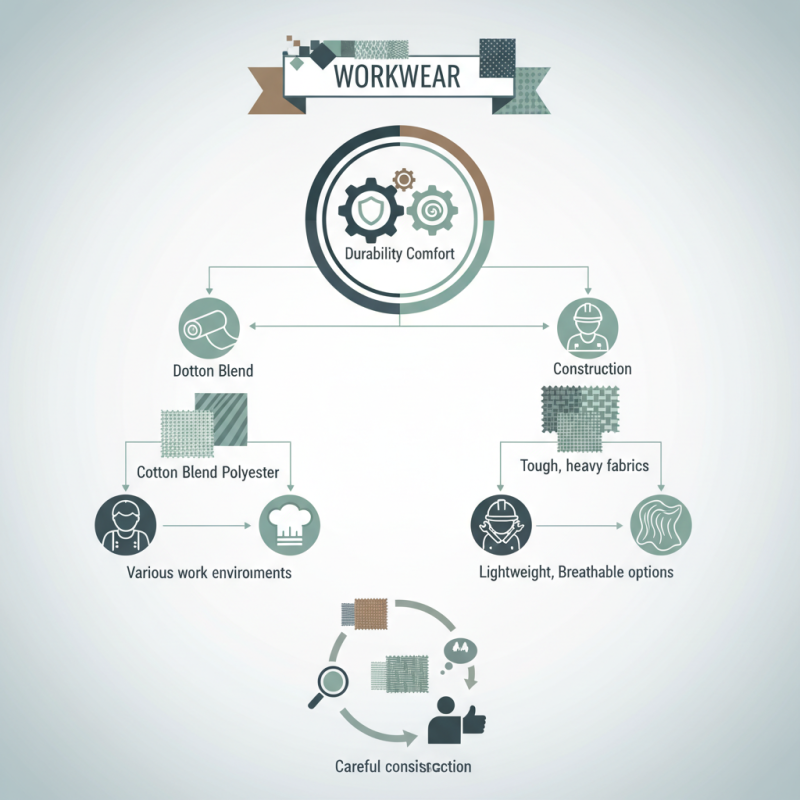
When it comes to work wear fabric, choosing the right material is crucial for comfort and durability. According to Dr. Sarah Thompson, a renowned textile engineer, "The fabric you choose for work wear can make all the difference in performance and comfort." This insight highlights the importance of understanding different fabrics available in the market.

work wear fabric should resist wear and tear while providing flexibility. Fabrics like cotton blends and polyester are popular choices. They offer breathability and resilience, making them ideal for various work environments. However, some buyers overlook these essential factors, often opting for aesthetics over functionality.

It’s also important to consider the specific needs of different occupations. For instance, those in construction may require tougher, heavier fabrics, while hospitality workers might prefer lightweight, breathable options. This disparity can lead some buyers to make choices that do not align with their needs, ultimately impacting worker satisfaction and performance. Therefore, exploring the right work wear fabric is an ongoing journey that demands careful consideration and expert guidance.

Best Fabrics for Work Wear Tips for Global Buyers

Understanding Work Wear Fabric Requirements for Different Industries

When considering workwear, different industries have unique fabric requirements. The construction industry favors durable, heavy-duty materials. Fabrics like canvas and denim withstand wear and tear. They also offer protection against environmental elements. On the other hand, the healthcare sector requires fabrics that can withstand frequent washing. Cotton blends with polyester are common. They are soft yet durable, providing comfort to staff working long hours.

In the office environment, lightweight materials such as polyester and rayon are preferable. These fabrics allow for breathability and flexibility. However, they can sometimes lack durability. Buyers must weigh comfort against longevity. The service industry often demands fabrics that repel stains and can endure spills. Synthetic blends are often recommended. They are easier to clean, making them practical for fast-paced settings.

Buyers should also consider safety regulations. Industries like manufacturing have strict guidelines on protective clothing. Fabrics that are flame-resistant or high-visibility are essential. This reflects an ongoing challenge: achieving safety without sacrificing comfort. Each industry presents its own complexities in fabric selection. Balancing these needs requires thoughtful consideration and expertise. Choosing the right fabric is crucial in ensuring functionality and compliance while maintaining a professional appearance.

Overview of Popular Fabrics Suitable for Work Wear Applications

When selecting fabrics for work wear, several popular options stand out. Cotton is a top choice due to its breathability and comfort. It absorbs moisture well, making it ideal for various environments. However, it can wrinkle easily, which is a point to consider.

Polyester is another widely used fabric. It offers durability and resistance to shrinking and stretching. Many work wear garments combine polyester with other fibers for enhanced performance. On the downside, polyester can trap heat, making it uncomfortable in warm conditions.

Wool is also gaining traction for work wear. It is naturally insulating and resists stains, which makes it suitable for outdoor settings. Yet, wool can be quite expensive and may require special care. Choosing the right fabric often involves weighing these pros and cons carefully. Understanding your specific work environment and needs can guide your choice effectively.

Best Fabrics for Work Wear Applications

Key Properties of Fabrics: Durability, Comfort, and Breathability

When selecting fabrics for work wear, durability, comfort, and breathability are essential properties to consider. Durable fabrics can withstand daily wear and tear. Look for materials that resist fading, fraying, and wrinkles. This feature ensures that your work attire maintains a professional appearance throughout the day.

Comfort is another critical factor. Fabrics should feel good against the skin. Natural fibers like cotton and linen offer softness and can absorb moisture effectively. However, blending these fibers with synthetic materials can enhance stretch and durability. It's crucial to find the right balance between softness and resilience.

Breathability often gets overlooked. Fabrics that allow air circulation keep you cool. This is especially important in warmer climates or during physical activities. Lightweight synthetic options may not always provide breathability. Be mindful when selecting these materials for your work wardrobe.

When buying fabrics, test them out. Feel their texture and weight. Check how they respond to movement. Keep your work environment in mind. Fabrics should serve practical purposes, yet also reflect your personal style. Make informed choices for a comfortable workday.

Choosing Fabrics Based on Climate and Work Environment

Choosing the right fabrics for work wear is crucial, especially when considering climate and work environments. In warm climates, lightweight and breathable materials like cotton or linen can be ideal. These fabrics help in moisture absorption and promote airflow, creating a comfortable atmosphere for long hours at work. However, it’s important to regularly check for durability. Thinner fabrics may wear out faster than expected, leading to a need for frequent replacements.

In contrast, colder environments often require heavier fabrics such as wool or technical synthetics. These materials provide insulation and can wick moisture away, keeping workers warm and dry. Yet, it’s essential to be mindful of potential overheating indoors. Layering can be an effective strategy to prevent discomfort. Additionally, consider the specific tasks performed at work. Fabrics with a bit of stretch can allow for better movement, but they might not always offer the best protection. Balancing comfort and functionality is key.

Lastly, personal preferences play a vital role. Some may find certain fabrics irritating against their skin, while others may prioritize style over practicality. Regularly evaluating fabric performance can enhance work wear choices. Reflect on what has and hasn’t worked well in the past. Experiment with different options to find a combination that suits both your work environment and personal comfort.

Best Fabrics for Work Wear Tips for Global Buyers

Fabric Type Best for Climate Work Environment Care Instructions
Cotton Warm, Mild Office, Casual Machine wash, tumble dry
Wool Cold Formal, Outdoor Dry clean recommended
Polyester All climates Industrial, Uniforms Machine wash, quick drying
Linen Hot, Humid Casual, Outdoor Machine wash, air dry
Nylon Warm, Wet Active, Sports Machine wash, resistant to wrinkles

Sustainable Fabric Options for Eco-Conscious Work Wear Buyers

Choosing sustainable fabrics for workwear is a vital step towards creating an eco-conscious wardrobe. Many global consumers are now looking for options that minimize environmental impact. Organic cotton is a popular choice. It's grown without harmful pesticides and promotes healthier soil. Linen is another excellent option. It's made from the flax plant, requiring less water and chemicals.

Recycled materials are also gaining traction. Fabrics made from post-consumer plastics reduce waste in landfills. These options often feature the durability needed for workwear. However, not all brands disclose information about their sourcing practices, which can leave buyers feeling uncertain. Transparency is key when making sustainable choices.

Also, consider the life cycle of fabrics. It’s important to think about how they will wear over time. Some sustainable materials may not be as durable as traditional fabrics. This can lead to faster replacement and negate their environmental benefits. It's essential to reflect on these trade-offs when selecting your workwear. Sustainable choices require careful thought and informed decision-making.