

News

Miro: A New Standard in Responsible Innovation

Miro: A New Standard in Responsible Innovation The Miro monitor arm is setting new benchmarks in sustainability. It offers a high-performance solution without compromising on environmental responsibility. Designed with careful material selection, local sourcing, and longevity in mind, Miro’s responsible approach to design and unique manoeuvrability set it apart from the competition. Sustainable Choices Miro is crafted from energy-efficient materials with a lower carbon impact....

Read more
HSE Advisor

Role Purpose Support in the development, implementation and maintenance of the company’s Health, Safety & Environmental policies, processes, operational procedures, and standards.  Ensuring best practice and championing a continually improving HSE culture within the business. Key Responsibilities Liaise with and provide support to all areas of the business to eliminate, mitigate or reduce identified HSE exposures. Partner with the production management team and team leaders,...

Read more
CMD Ltd LAUNCHES 48-HOUR TURNAROUND ON BETATRAK® RAPID ORDERING SERVICE

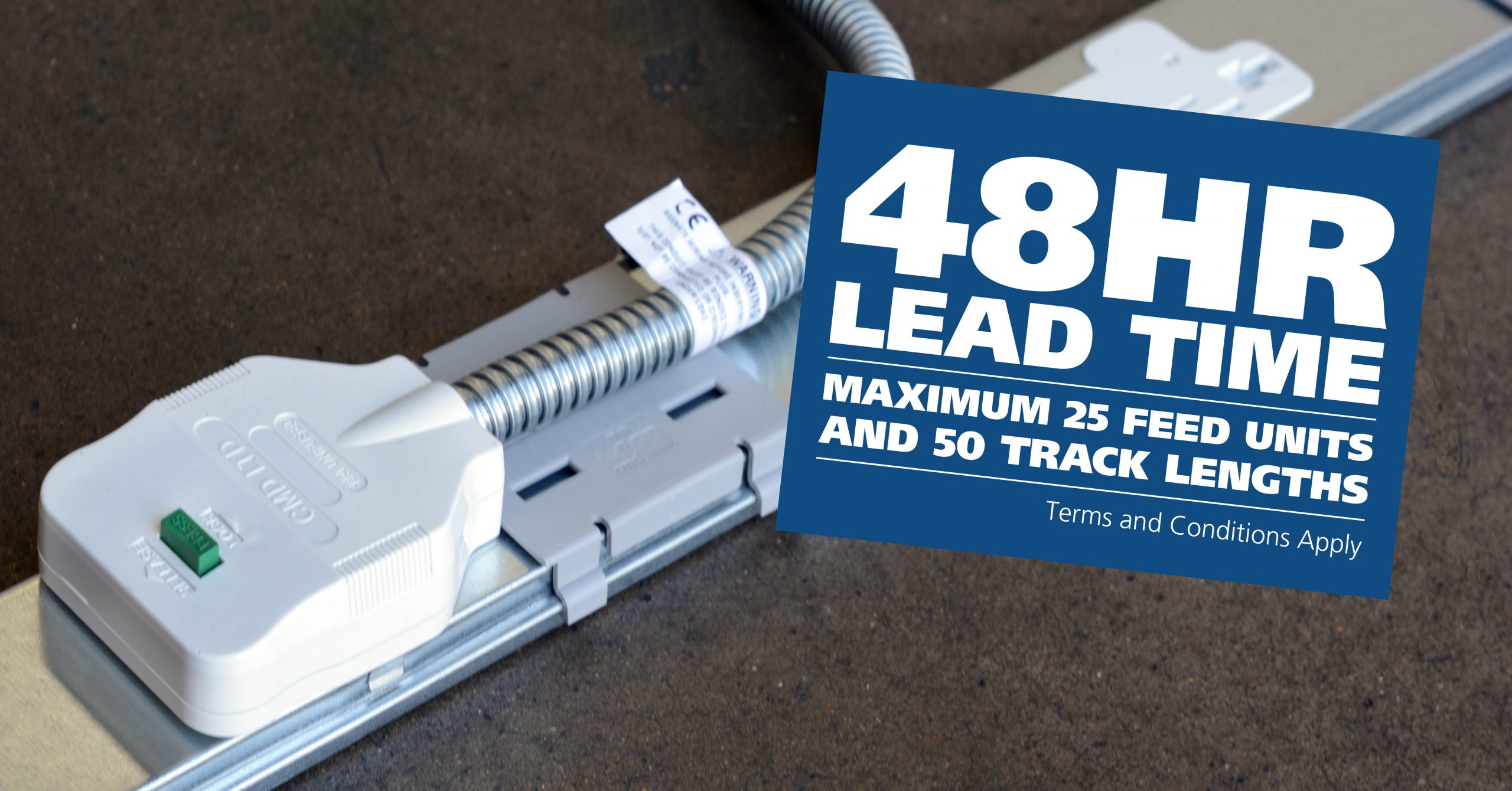
CMD Ltd, the specialist in power distribution systems, workstation power and monitor arms, has launched a rapid ordering service for its Betatrak® underfloor powertrack distribution systems and accessories, with a commitment to delivering within 48-hours of an approved purchase order*. The service enables customers to order up to 50 lengths of Standard or Clean Earth (C/E) low noise Betatrak, along with up to 25 feed...

Read more
CMD INVESTS £1/4 MILLION IN NEW MACHINE AS PART OF FACTORY UPGRADE

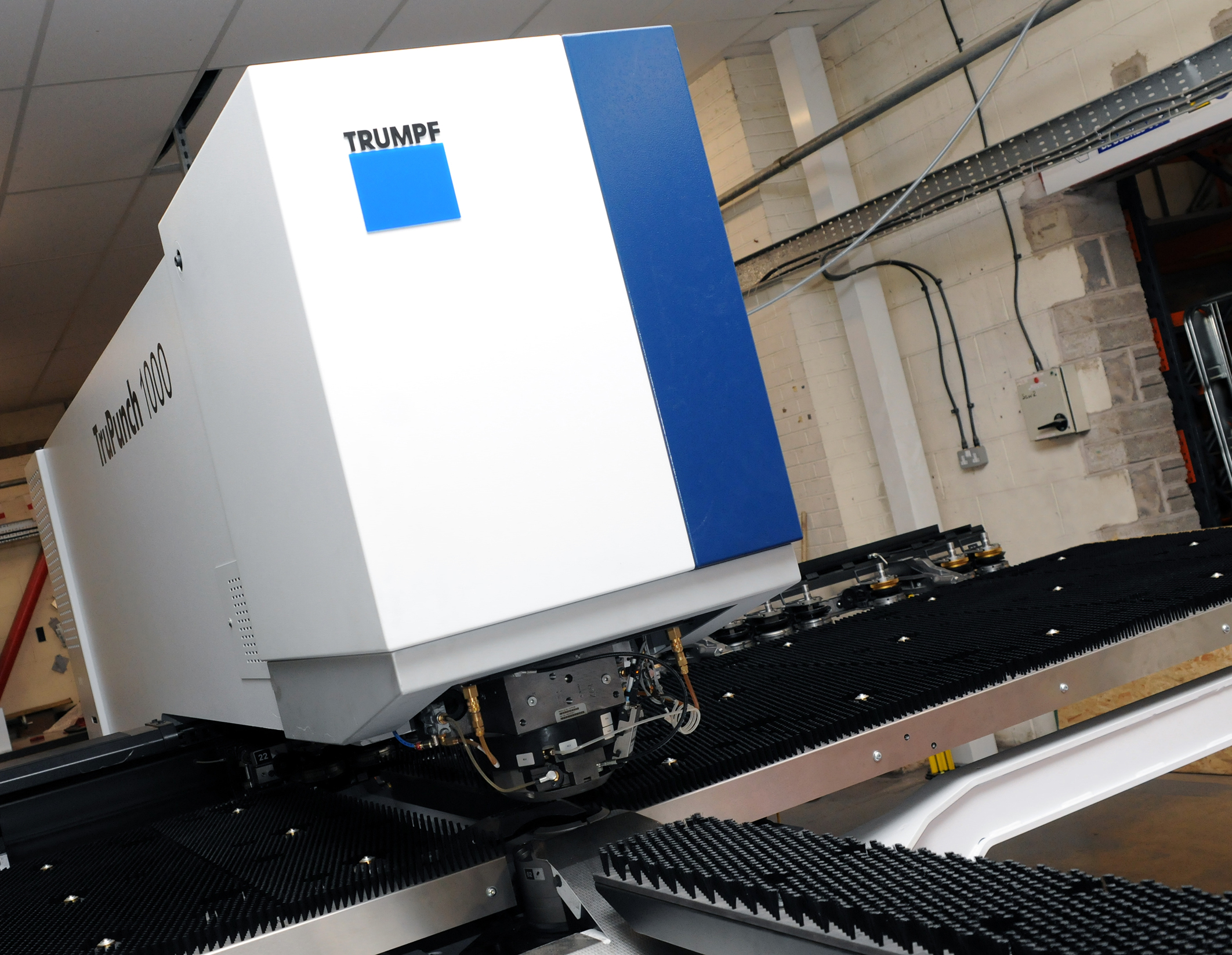
We have invested in a new £1/4m TRUMPF CNC metal punch as part of an asset renewal strategy for our UK manufacturing capability. The new machine will be used in the production of a wide variety of our power distribution systems and workstation power products at our Rotherham factory. Suitable for handling sheet metal between 0.9mm and 3.0mm thick, the new machine will replace one...

Read more
CMD CATALOGUE PROVIDES TECHNICAL POWER DISTRIBUTION GUIDE

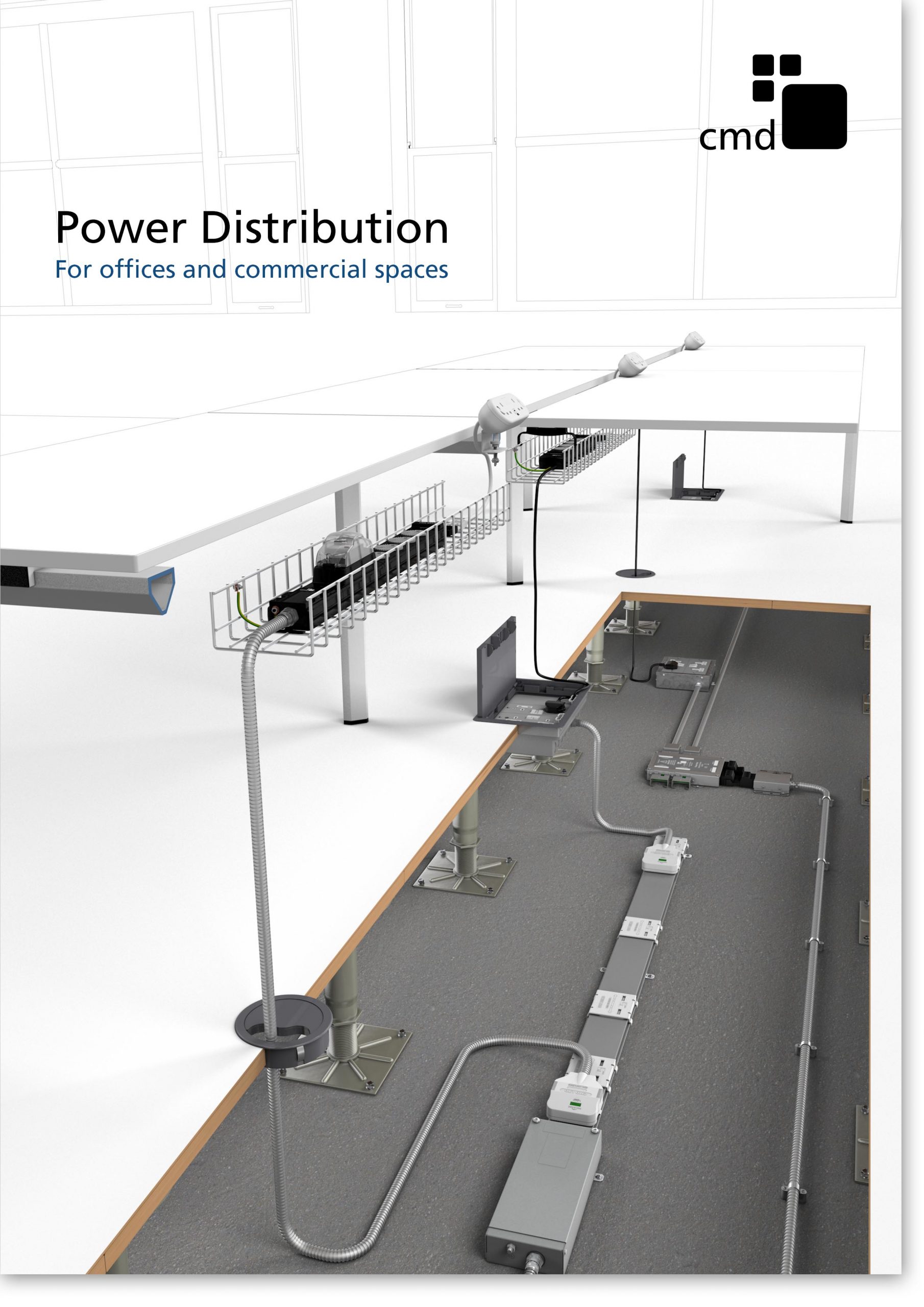
CMD Ltd has released a new catalogue, providing an easy to follow technical guide to our power distribution systems and plug and play desk modules. Detailing CMD’s full range of UK-manufactured power distribution systems and plug and play desk modules, the catalogue will be a helpful source of information to M&E engineers and contractors alike to understand how our power distribution systems connect together and...

Read more
Power Distribution Catalogue
CMD Ltd PLAYS ESSENTIAL ROLE IN ELECTRICAL FIT OUT AT LONDON’S PRESTIGIOUS OFFICE DEVELOPMENT

CMD Ltd, specialist in workplace connectivity and ergonomic solutions, has provided a flexible and high-quality power distribution network for The Ray, a prestigious office development in London’s Farringdon. Well-known for being the former site of The Guardian newspaper, The Ray now stands as an 83,000ft² office development characterised by a modernised warehouse aesthetic, with level two now occupied by a global social media company. The...

Read more

The Ray
CMD plugs in to european opportunity with Schuko Capsule unit launch

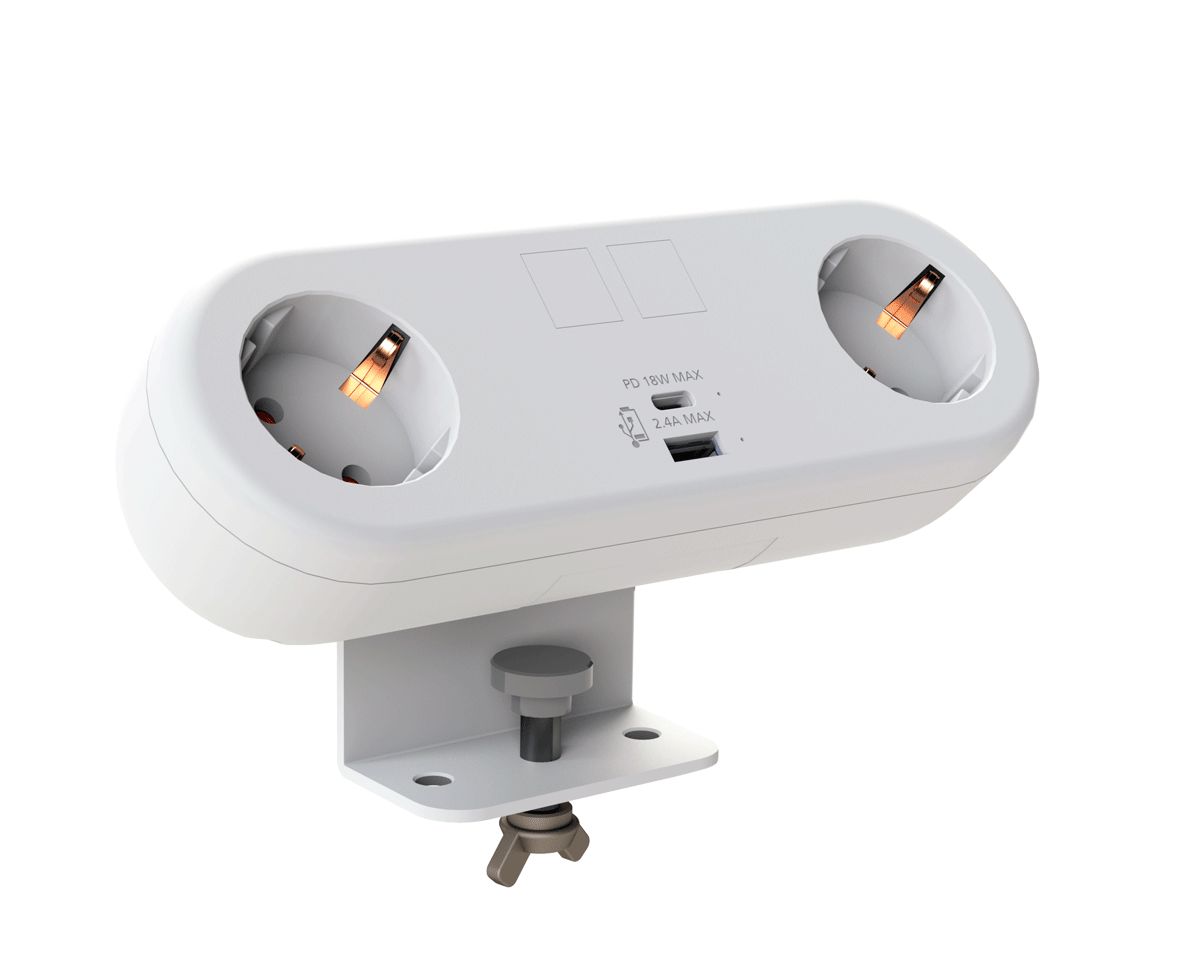
CMD Ltd, the specialist in power and connectivity solutions for commercial environments, has launched a Schuko version of its popular fixed format Capsule workstation power module for export to mainland Europe and beyond. A popular on desk power module comprising two sockets and dual USB (type A and C) chargers, CMD’s Capsule unit is already widely specified in the UK as an off-the-shelf workstation power...

Read more
CMD White Schuko Capsule Desk Power Module
CMD LTD EXTENDS MONITOR ARM RANGE WITH THE LAUNCH OF REACH PLUS

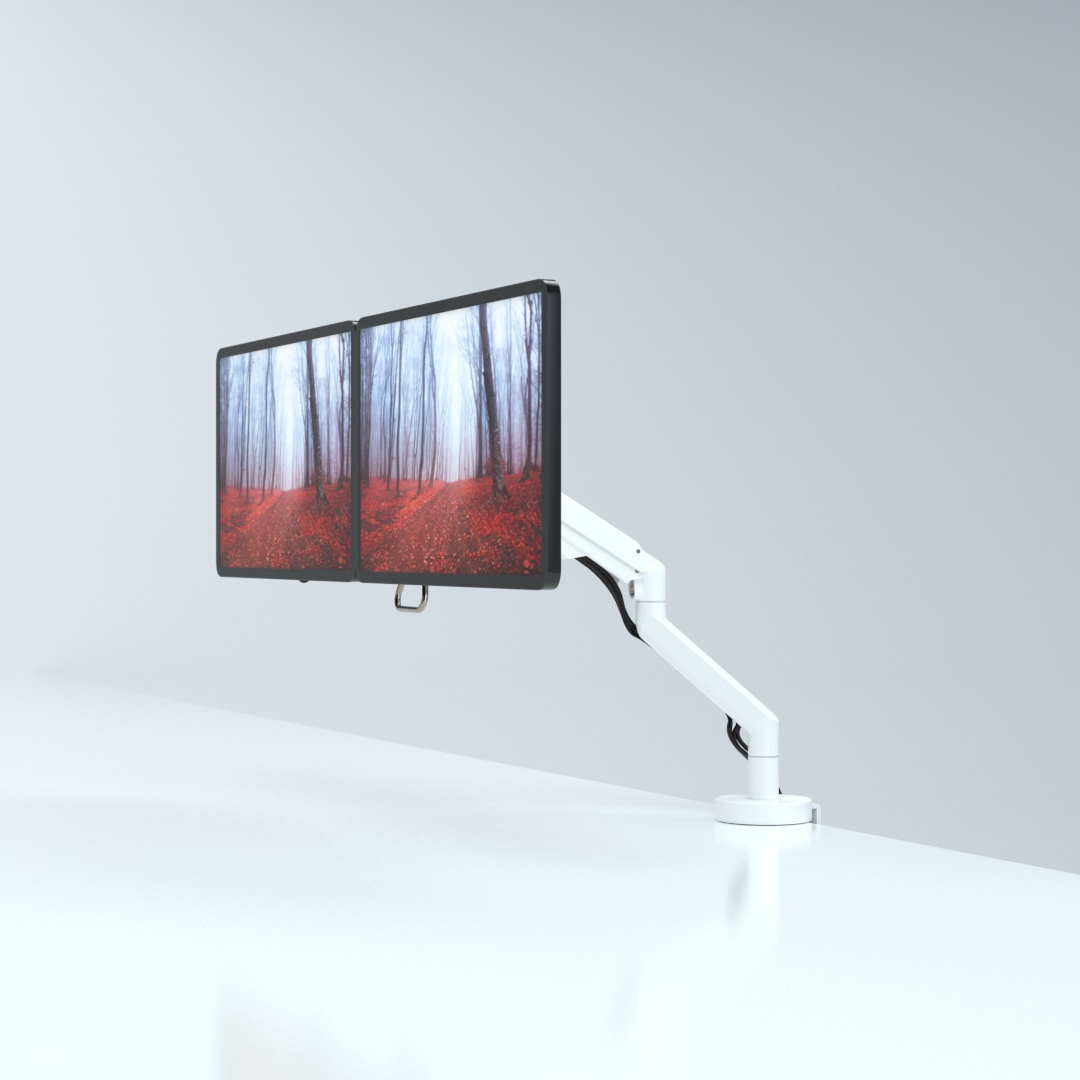
CMD Ltd, the specialist in ergonomic and connectivity solutions for commercial interiors, has completed its Reach monitor arm range with the launch of the Reach Plus. Available in single or dual screen options, the Reach Plus has been designed to provide an ideal solution for both single and dual screen workstation configurations, or can be used with next generation of large format curved screens. Suitable...

Read more
CMD Ltd DEMONSTRATES THE ART OF POWER DISTRIBUTION AT THE UNIVERSITY OF WARWICK

CMD Ltd, the specialist in workplace connectivity and ergonomic solutions, has provided Betatrak busbar power distribution and a range of electrical accessories for two major capital investment projects at the University of Warwick. Designed by Fielden Clegg Bradley Studios, the £33 million Faculty of Arts building is a showpiece development comprising four interconnected structures set around a central atrium, which will enable inter-disciplinary collaboration across...

Read more

University of Warwick
CMD BRINGS HARMONY TO COVENTRY UNIVERSITY RESEARCH FACILITIES

CMD Ltd, the specialist in power distribution solutions and workstation power and ergonomics, has provided under desk and on desk power modules for the refurbishment of three Coventry University research buildings. Located on Coventry University Technology Park, a business park designed to encourage collaboration between the university and knowledge-based businesses, the three buildings are being repurposed as office accommodation for university research teams. The refurbishment...

Read more


Coventry University

2026 Best DNA Genome Sequencing Solutions for Global Buyers?

In recent years, Dna Genome Sequencing has emerged as a transformative technology in the field of genomics. Global buyers are increasingly seeking the best solutions to meet their unique needs. This guide aims to spotlight the top DNA genome sequencing options available in 2026.

Innovations in sequencing technology have made it more accessible. However, not all solutions are created equal. Some might be cost-effective but lack accuracy or depth of analysis. Buyers must consider factors like reliability, turnaround time, and support services. The right choice can significantly impact research and healthcare outcomes. Understanding these variables is essential.

Navigating the world of DNA genome sequencing can feel overwhelming. Many options exist, each with distinct pros and cons. Buyers must reflect on their specific requirements and long-term goals. Engaging with experienced suppliers is crucial. This ensures informed decisions are made, aligning technology with the diverse needs of global customers.

2026 Best DNA Genome Sequencing Solutions for Global Buyers?

2026 Overview of DNA Genome Sequencing Technologies and Trends

The landscape of DNA genome sequencing continues to evolve rapidly. As of 2023, the global market size is projected to reach approximately $12 billion by 2026, driven by advancements in technology and declining costs. New platforms and methods are enhancing the accuracy and accessibility of genome sequencing. Innovations like nanopore sequencing and PCR-free methods are gaining traction, enabling researchers to conduct analyses more swiftly and comprehensively.

In terms of trends, the push for personalized medicine is reshaping how sequencing technology is applied. Approximately 70% of healthcare professionals agree that genomic data can enhance patient outcomes through targeted therapies. Moreover, ethical considerations surrounding data privacy and consent remain critical as more health data is generated. These concerns are not always adequately addressed, leading to potential risks in public trust and data utilization.

Furthermore, the transition to cloud-based solutions is becoming essential. Many genomic data tools are now leveraging artificial intelligence to analyze large data sets efficiently. However, integrating these technologies poses challenges, such as ensuring interoperability and maintaining data security. Thus, while the future looks promising, there are significant hurdles that the industry must overcome to ensure accurate, ethical, and effective use of genome sequencing technologies.

Key Players in the Global Genome Sequencing Market for 2026

The global genome sequencing market is rapidly evolving. By 2026, several key players will define this landscape. These companies focus on innovation and technology. They invest significantly in research and development. This effort drives more accurate sequencing solutions.

Affordable pricing is crucial for many buyers. Emerging players are introducing competitive options. However, some solutions may sacrifice quality. It is essential to assess the reliability of services. Not all offerings meet the same standards. Users should consider factors like turnaround time and data accuracy.

Institutional buyers desire robust support. This includes technical assistance and user training. Yet, not all providers offer adequate resources. Potential gaps in customer service can affect user experience. Understanding these strengths and weaknesses will guide informed choices.

2026 Best DNA Genome Sequencing Solutions for Global Buyers

Sequencing Technology Read Length Accuracy Typical Cost (USD) Turnaround Time
Single-Cell RNA Sequencing 200-300 bp >99% 5,000 - 8,000 3-5 days
Whole Genome Sequencing 150 bp - 600 bp 99.9% 1,000 - 1,500 2-4 weeks
Targeted Sequencing 100-150 bp 98% 300 - 700 1-2 weeks
Exome Sequencing 75-150 bp >99% 500 - 1,000 1-3 weeks

Evaluation Criteria for Selecting DNA Sequencing Solutions

When selecting a DNA sequencing solution, buyers should consider several evaluation criteria. Quality and accuracy are paramount. Reports indicate that high-quality sequencing can detect variants with an accuracy rate over 99%. Understanding the technology behind the sequencing process is crucial. Many platforms utilize different methodologies that yield varying results. For instance, while some may excel at whole-genome sequencing, others might perform better in targeted sequencing.

Another key criterion is throughput capacity. According to a recent industry analysis, some platforms can sequence over a million genomes per year. This capacity is essential for large-scale studies, especially for genomic epidemiology. Pricing transparency also plays a significant role. Buyers need clarity on the overall costs involved, including consumables and maintenance.

Buyers should not overlook the significance of customer support and community engagement. A robust support system can significantly impact the user experience. Reports have indicated that companies with strong customer feedback mechanisms tend to have higher user satisfaction. Challenges can arise when new technologies are introduced. Thus, understanding the learning curve and available training resources can help in effective implementation.

Comparative Analysis of Cost-Effectiveness of Sequencing Technologies

As the demand for DNA genome sequencing solutions grows, buyers face a complex landscape of options. Cost-effectiveness is a crucial factor in this decision-making process. Various sequencing technologies offer different price points, with some being surprisingly affordable while others carry significant expenses. Analyzing these costs requires a solid understanding of both initial investment and long-term expenses such as maintenance and consumables.

The differences in sequencing technologies can be vast. For example, some methods yield high accuracy and depth, but come with a high price tag. Others may be cheaper, yet compromise on quality, leading to potential re-sequencing costs. Evaluating these trade-offs helps organizations make informed choices. However, it's vital to consider the specific needs of the project. A less expensive option might suffice for preliminary research but fail under the scrutiny of critical clinical applications.

Another aspect to reflect on is the learning curve associated with new technologies. Some methods may require extensive training for effective use, adding to overall costs. Researchers often overlook this factor. An efficient technology with an outdated interface can lead to frustration and wasted time. Therefore, a well-rounded evaluation includes not just cost but also usability and integration into existing workflows. The right balance ensures that investment leads to meaningful outcomes in genome analysis.

Future Prospects and Innovations in Genome Sequencing Solutions

The landscape of genome sequencing is evolving rapidly. Innovations in this field promise to unlock new potentials for healthcare and personalized medicine. According to a recent report by MarketsandMarkets, the global genome sequencing market is projected to reach $27.5 billion by 2026, reflecting a compound annual growth rate of 20.6%. This growth is fueled by advancements in technology and decreasing sequencing costs.

One of the most notable trends is the development of portable sequencers. These devices allow for real-time data collection and analysis in remote locations. The implications for research and patient care are significant. However, the challenge remains in ensuring data accuracy and security. With more data being generated, the potential risks associated with handling sensitive genetic information increase.

Tips: Consider investing in bioinformatics tools. They play a crucial role in analyzing sequencing data. They can enhance your research efficiency dramatically. A focus on quality control is also essential. Regular audits of sequencing processes can help mitigate errors and improve reliability. As genomic technology continues to advance, stakeholders must remain vigilant in addressing ethical considerations and data governance to ensure public trust in this powerful tool.