

News

Miro: A New Standard in Responsible Innovation

Miro: A New Standard in Responsible Innovation The Miro monitor arm is setting new benchmarks in sustainability. It offers a high-performance solution without compromising on environmental responsibility. Designed with careful material selection, local sourcing, and longevity in mind, Miro’s responsible approach to design and unique manoeuvrability set it apart from the competition. Sustainable Choices Miro is crafted from energy-efficient materials with a lower carbon impact....

Read more
HSE Advisor

Role Purpose Support in the development, implementation and maintenance of the company’s Health, Safety & Environmental policies, processes, operational procedures, and standards.  Ensuring best practice and championing a continually improving HSE culture within the business. Key Responsibilities Liaise with and provide support to all areas of the business to eliminate, mitigate or reduce identified HSE exposures. Partner with the production management team and team leaders,...

Read more
CMD Ltd LAUNCHES 48-HOUR TURNAROUND ON BETATRAK® RAPID ORDERING SERVICE

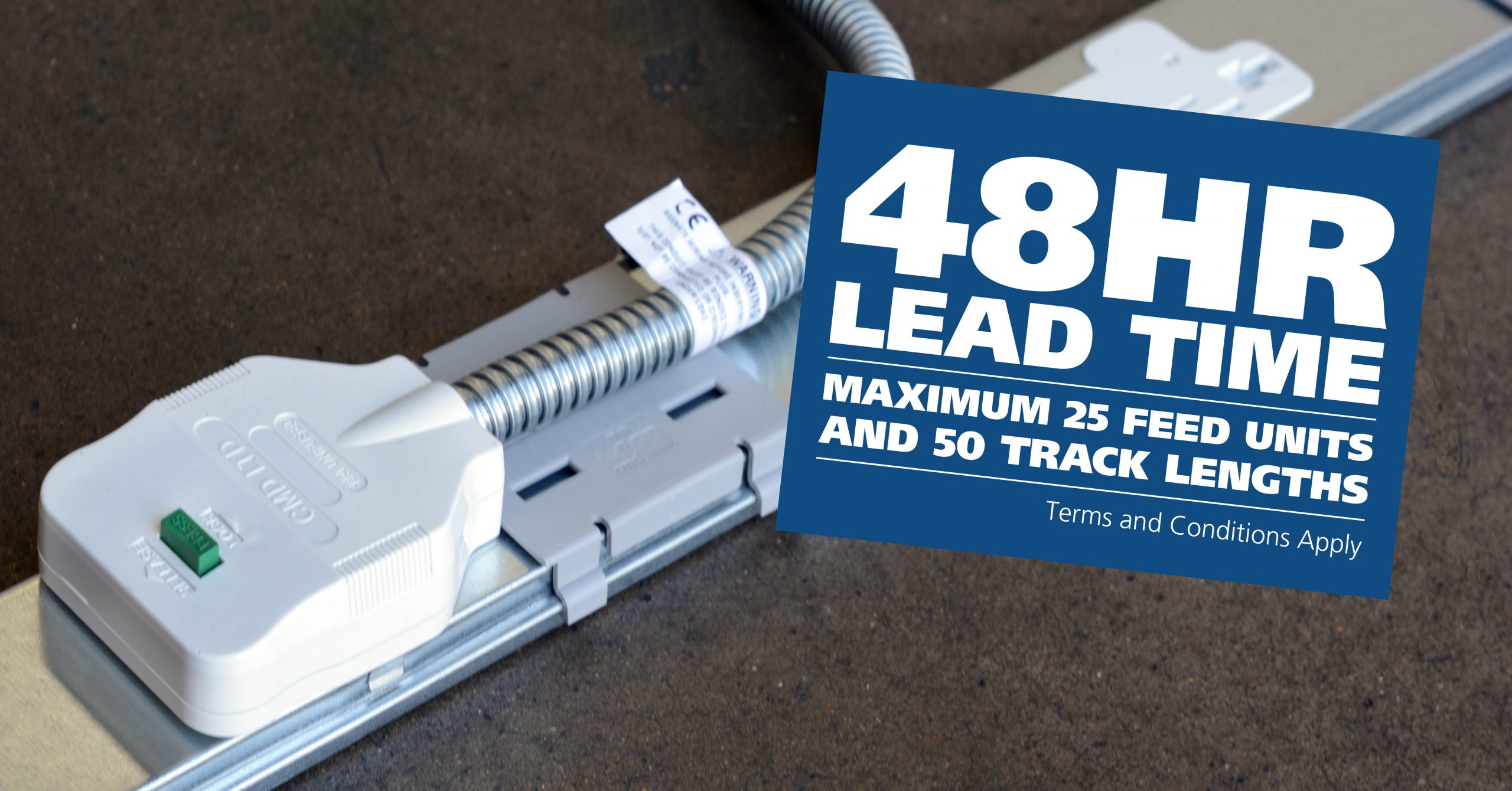
CMD Ltd, the specialist in power distribution systems, workstation power and monitor arms, has launched a rapid ordering service for its Betatrak® underfloor powertrack distribution systems and accessories, with a commitment to delivering within 48-hours of an approved purchase order*. The service enables customers to order up to 50 lengths of Standard or Clean Earth (C/E) low noise Betatrak, along with up to 25 feed...

Read more
CMD INVESTS £1/4 MILLION IN NEW MACHINE AS PART OF FACTORY UPGRADE

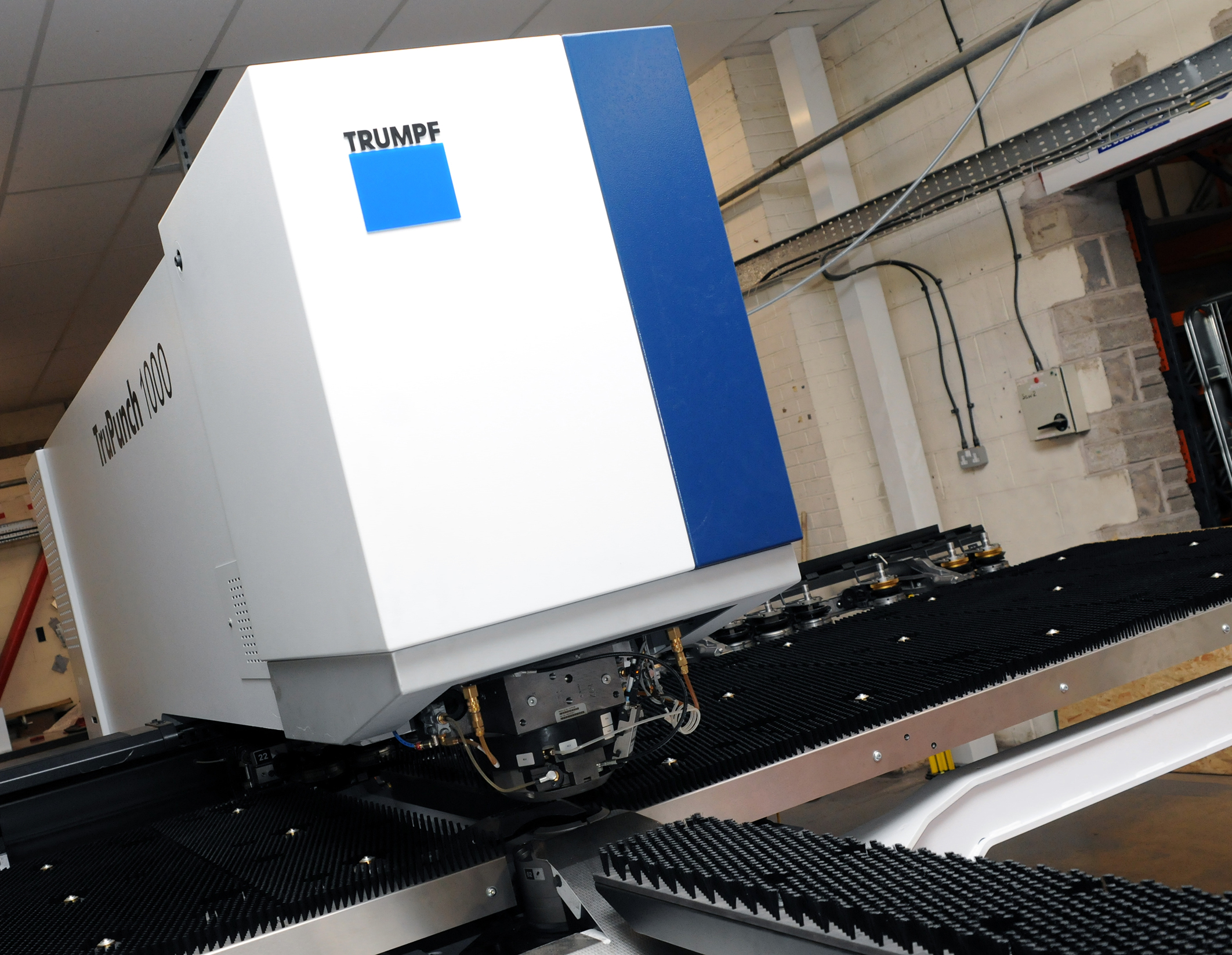
We have invested in a new £1/4m TRUMPF CNC metal punch as part of an asset renewal strategy for our UK manufacturing capability. The new machine will be used in the production of a wide variety of our power distribution systems and workstation power products at our Rotherham factory. Suitable for handling sheet metal between 0.9mm and 3.0mm thick, the new machine will replace one...

Read more
CMD CATALOGUE PROVIDES TECHNICAL POWER DISTRIBUTION GUIDE

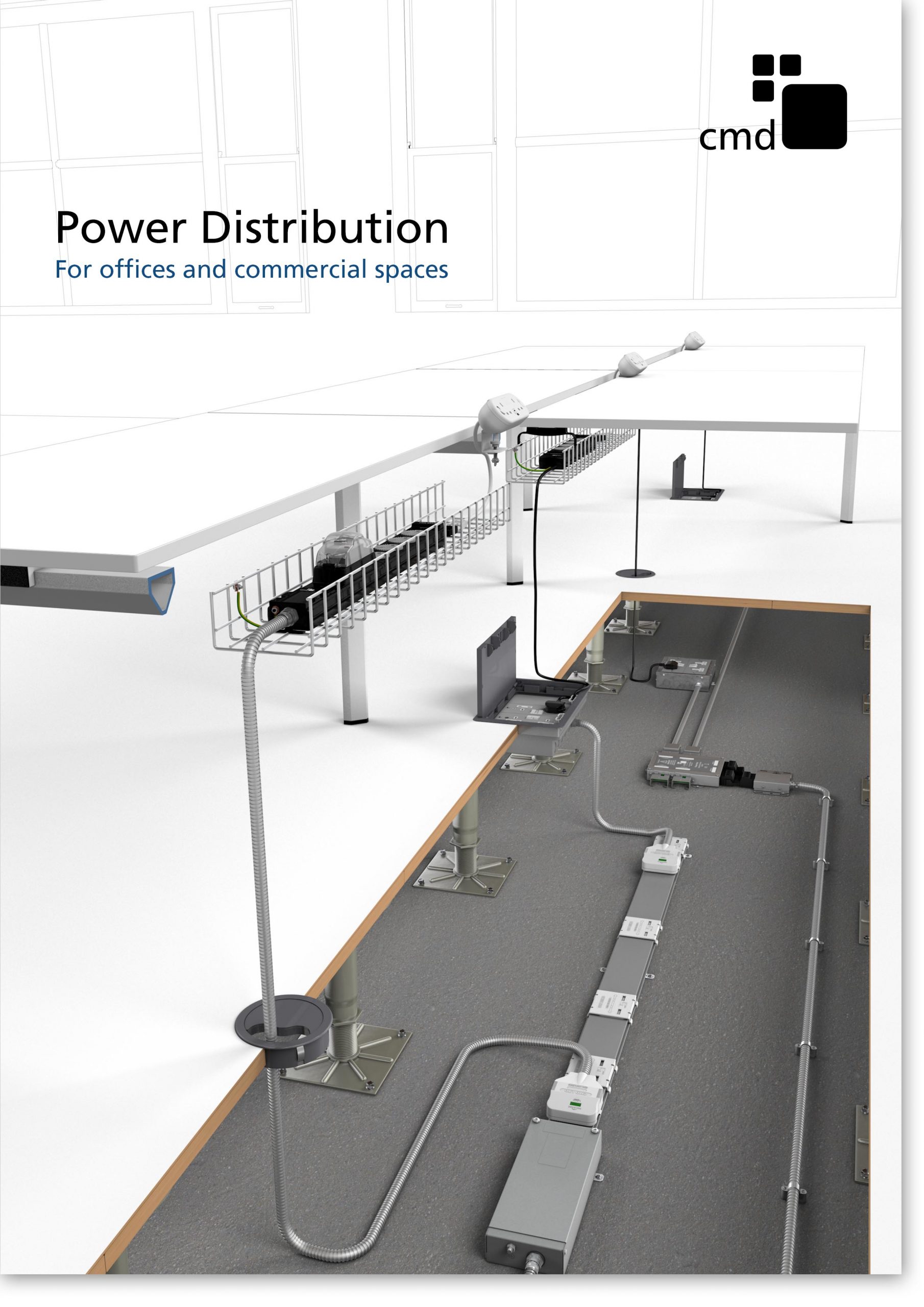
CMD Ltd has released a new catalogue, providing an easy to follow technical guide to our power distribution systems and plug and play desk modules. Detailing CMD’s full range of UK-manufactured power distribution systems and plug and play desk modules, the catalogue will be a helpful source of information to M&E engineers and contractors alike to understand how our power distribution systems connect together and...

Read more
Power Distribution Catalogue
CMD Ltd PLAYS ESSENTIAL ROLE IN ELECTRICAL FIT OUT AT LONDON’S PRESTIGIOUS OFFICE DEVELOPMENT

CMD Ltd, specialist in workplace connectivity and ergonomic solutions, has provided a flexible and high-quality power distribution network for The Ray, a prestigious office development in London’s Farringdon. Well-known for being the former site of The Guardian newspaper, The Ray now stands as an 83,000ft² office development characterised by a modernised warehouse aesthetic, with level two now occupied by a global social media company. The...

Read more

The Ray
CMD plugs in to european opportunity with Schuko Capsule unit launch

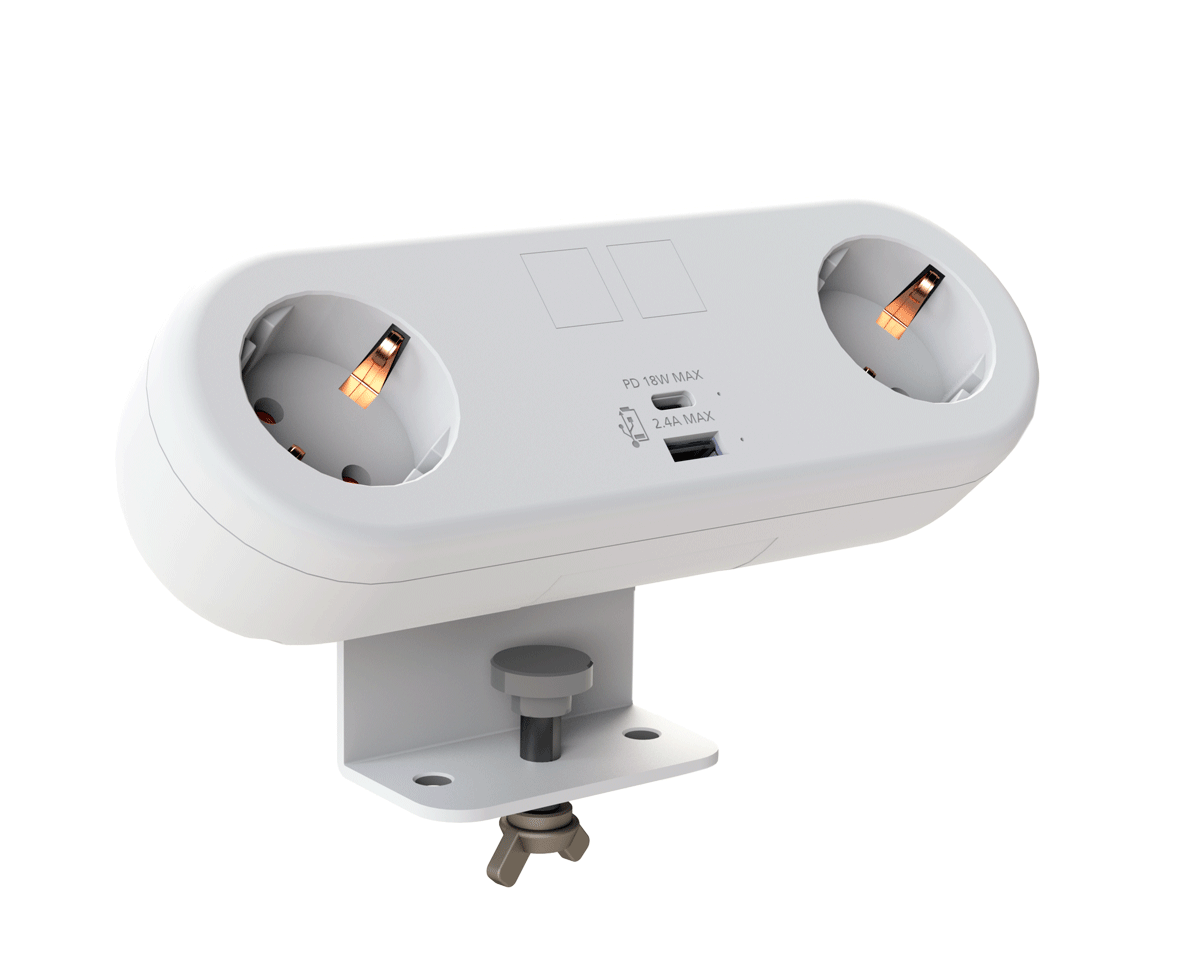
CMD Ltd, the specialist in power and connectivity solutions for commercial environments, has launched a Schuko version of its popular fixed format Capsule workstation power module for export to mainland Europe and beyond. A popular on desk power module comprising two sockets and dual USB (type A and C) chargers, CMD’s Capsule unit is already widely specified in the UK as an off-the-shelf workstation power...

Read more
CMD White Schuko Capsule Desk Power Module
CMD LTD EXTENDS MONITOR ARM RANGE WITH THE LAUNCH OF REACH PLUS

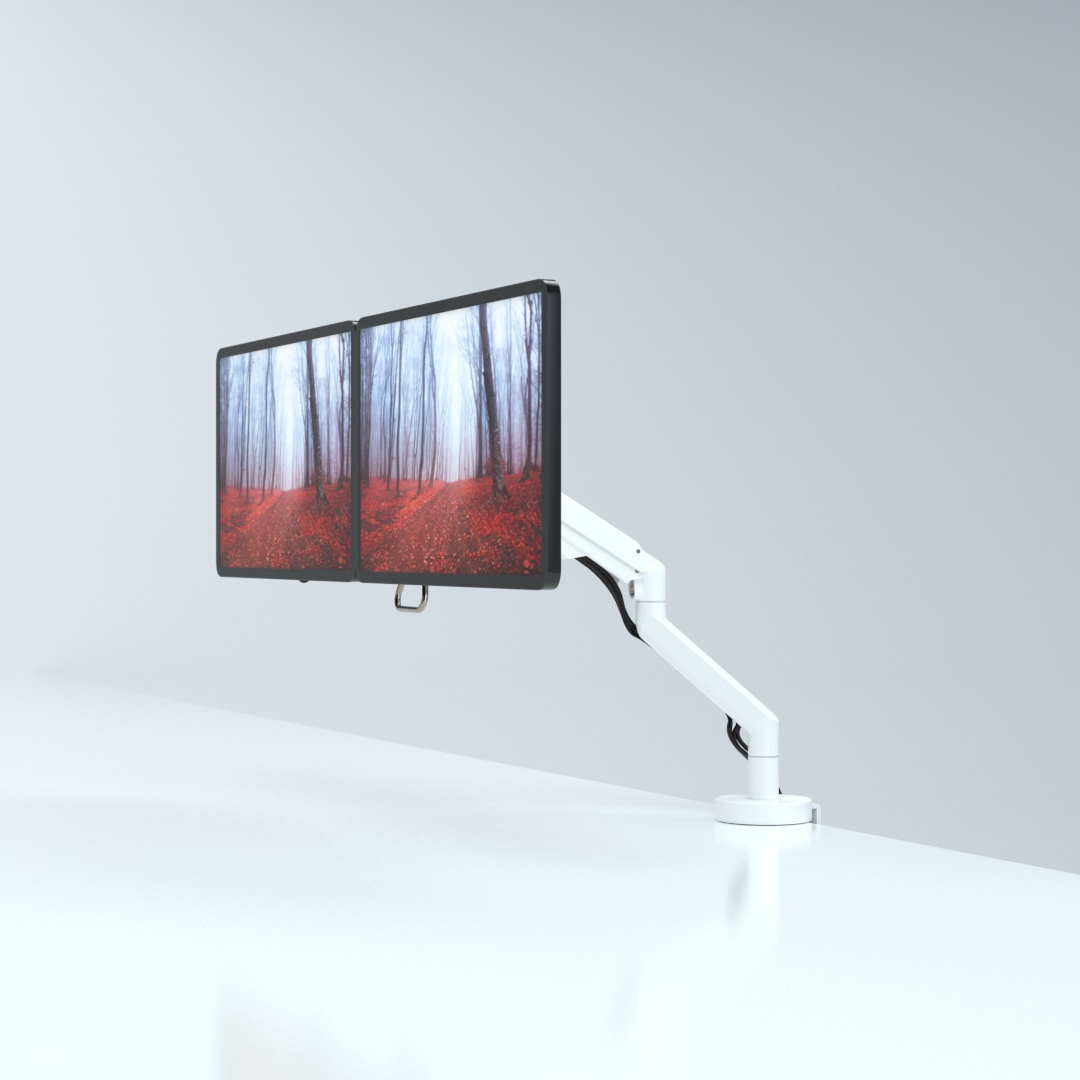
CMD Ltd, the specialist in ergonomic and connectivity solutions for commercial interiors, has completed its Reach monitor arm range with the launch of the Reach Plus. Available in single or dual screen options, the Reach Plus has been designed to provide an ideal solution for both single and dual screen workstation configurations, or can be used with next generation of large format curved screens. Suitable...

Read more
CMD Ltd DEMONSTRATES THE ART OF POWER DISTRIBUTION AT THE UNIVERSITY OF WARWICK

CMD Ltd, the specialist in workplace connectivity and ergonomic solutions, has provided Betatrak busbar power distribution and a range of electrical accessories for two major capital investment projects at the University of Warwick. Designed by Fielden Clegg Bradley Studios, the £33 million Faculty of Arts building is a showpiece development comprising four interconnected structures set around a central atrium, which will enable inter-disciplinary collaboration across...

Read more

University of Warwick
CMD BRINGS HARMONY TO COVENTRY UNIVERSITY RESEARCH FACILITIES

CMD Ltd, the specialist in power distribution solutions and workstation power and ergonomics, has provided under desk and on desk power modules for the refurbishment of three Coventry University research buildings. Located on Coventry University Technology Park, a business park designed to encourage collaboration between the university and knowledge-based businesses, the three buildings are being repurposed as office accommodation for university research teams. The refurbishment...

Read more

Coventry University

China Best Conical Burr Hand Grinder Manufacturer?

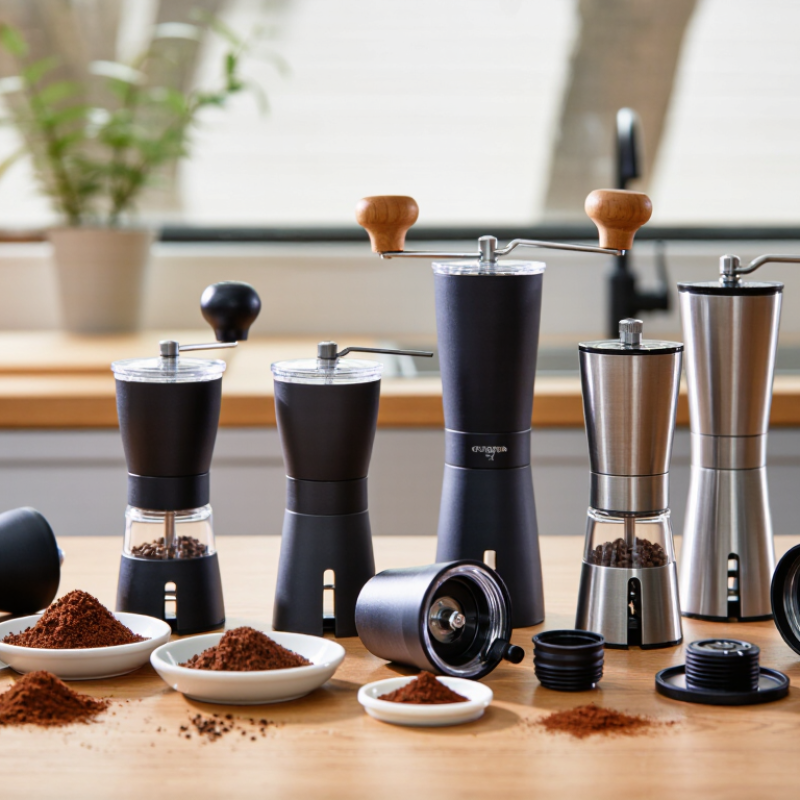
Choosing the right Conical Burr Hand Grinder manufacturer is about more than comparing prices or polished product photos. A good grinder should feel steady in the hand, turn smoothly, and produce grounds suited to the brewing method. Small details matter: burr alignment, adjustment steps, handle comfort, and how easily coffee residue can be cleaned away. A sample can reveal more than a catalog.

This guide explores what buyers can examine when assessing manufacturers in China, including materials, production capabilities, quality checks, customization, and communication. Useful evidence may include clear specifications, inspection records, sample testing, and consistent answers to practical questions. Ask how the burrs are made and checked, whether replacement parts are available, and how the grinder performs across different settings. Details count.

No single supplier is automatically the best fit for every brand or buyer. A compact model may suit travel, while a heavier body can feel more stable on a kitchen counter. Even then, weight alone proves little. I would compare samples and test them with the same beans before making a decision; that takes time, but it can expose uneven adjustment or an uncomfortable grip. Supplier claims deserve verification. By focusing on observable product performance and transparent manufacturing information, readers can make a more grounded shortlist and avoid choosing on appearance alone.

China Best Conical Burr Hand Grinder Manufacturer?

What Defines a Conical Burr Hand Grinder?

What Defines a Conical Burr Hand Grinder?

A conical burr hand grinder uses two cone-shaped burrs to crush coffee beans into smaller particles. One burr usually sits inside the other. As you turn the handle, the beans travel through the narrowing gap and are ground. The gap setting controls particle size: a wider space suits many French press brews, while a tighter one supports espresso-style preparation. Results also depend on burr alignment, bean condition, and how steadily you turn the handle. No grinder setting works perfectly for every coffee.

Good grinders feel stable in the hand and allow repeatable adjustments. Look for a handle that turns without wobbling, clear grind settings, and burrs that are easy to clean. A few coarse particles may remain, especially with light-roasted beans. That can be frustrating. Still, grind consistency is only one part of a good cup; water temperature and brewing time matter too.

Tips: Change one setting at a time, then brew and taste. Keep notes on the setting and brew time. Brush away loose grounds after use, and avoid washing burrs unless the maker’s care instructions allow it. Small changes reveal more than guesswork.

How Conical Burr Grinders Are Designed and Manufactured

How Conical Burr Grinders Are Designed and Manufactured

A conical burr grinder uses a cone-shaped inner burr and a surrounding ring burr to break coffee beans into particles. Their geometry, spacing, and surface pattern influence grind consistency and how easily beans feed through the grinder. Designers consider the intended brewing methods, adjustment range, and expected user effort before choosing dimensions.

Manufacturing begins with selecting burr material, then shaping and finishing each cutting surface. Machining tolerances matter: uneven burr alignment can create inconsistent particle sizes. Parts are assembled around a stable central shaft, with bearings and adjustment components fitted to control movement. Each grinder should be checked for burr alignment, adjustment repeatability, and smooth operation. A few test grinds can reveal rubbing, excess play, or a setting that shifts under pressure. Still, no grinder produces perfectly uniform particles; bean type and user technique also affect results.

Tips: Turn the adjustment slowly and note the setting. Brush away trapped grounds before testing a new grind. If the handle feels rough, inspect alignment rather than forcing it. Small differences between units can occur, so final checks should include real grinding, not just visual inspection.

China Best Conical Burr Hand Grinder Manufacturer? - How Conical Burr Grinders Are Designed and Manufactured

Design or Manufacturing Stage Key Components and Considerations Typical Specifications or Process Details Quality Control Checks
Product requirements and layout Define intended use, grind adjustment, capacity, portability, and cleaning access before selecting materials and dimensions. Hand grinders commonly use a compact body, a removable grounds cup, and a manual crank. Capacity varies by model and intended use. Review the assembly layout, user access, and compatibility of the burr, shaft, bearings, and adjustment mechanism.
Conical burr design A rotating inner cone works against a stationary outer ring. Tooth geometry and alignment influence cutting action and particle-size distribution. Burr diameter, tooth profile, material, and surface finish are selected for the target grinder size and use; there is no single standard burr geometry. Inspect tooth surfaces for defects and verify burr concentricity, mounting fit, and contact alignment.
Burr material and heat treatment Burrs are commonly made from hardened stainless steel or tool steel. Material choice affects corrosion resistance, wear resistance, and manufacturing cost. Heat treatment and finishing are specified for the selected steel grade and burr design. Stainless grades differ in composition and properties. Check material documentation, hardness against the approved specification, and finished surfaces for cracks or damage.
Burr machining CNC machining, milling, turning, or specialized cutting processes produce the burr body, teeth, and locating surfaces. Machining sequence depends on burr geometry and production volume. Burrs may receive deburring and cleaning after cutting. Measure critical diameters and mounting features; inspect tooth geometry and remove chips or sharp burrs.
Body and structural parts The housing supports the burr set and shaft. Aluminum alloys, stainless steel, and engineering polymers may be used in different components. Material and wall thickness depend on load, weight, cost, corrosion requirements, and the chosen manufacturing process. Inspect dimensions, thread quality, surface finish, and fit between the housing and internal components.
Shaft, bearings, and crank The shaft transfers hand force to the inner burr. Bearings or bushings help control shaft movement; the crank and handle provide leverage. Design aims to limit unwanted radial play while allowing smooth rotation. Bearing type and crank length vary by product design. Check shaft runout, bearing seating, crank attachment, and rotation for binding or abnormal noise.
Grind adjustment mechanism A threaded adjuster, detents, or another indexing feature changes the burr spacing to vary grind size. Adjustment increments and total range are design-specific. The mechanism should remain secure during grinding and be repeatable after reassembly. Test adjustment travel, detent engagement where applicable, and repeatability at selected settings.
Surface finishing and assembly Components are cleaned and assembled in a controlled sequence. External parts may be anodized, coated, polished, or left with a machined finish. Finishing must suit the base material and avoid interfering with threads, bearing seats, or burr alignment surfaces. Inspect coating coverage, cleanliness, fastener security, burr alignment, and overall fit and finish.
Functional testing Testing evaluates rotation, grind adjustment, retention of grounds, and the consistency of the assembled mechanism. Test procedures should use defined sample beans, operating conditions, and adjustment settings so results can be compared over time. Record operating feel, abnormal movement, adjustment behavior, and visible burr or component damage.
Packaging and traceability Packaging protects the burrs, shaft, and finish during storage and transport. Production records support process control. Use protective inserts or separators to prevent metal parts from striking one another; maintain batch and inspection records. Check packaging integrity, included components, product identification, and completion of required inspection records.

Specifications and processes vary by design, materials, equipment, and production requirements. The details above are general manufacturing considerations, not a specification for a particular product.

Key Standards for Evaluating Chinese Grinder Manufacturers

A dependable conical burr hand grinder starts with controlled burr geometry, not polished product photos. Ask how the manufacturer checks burr alignment and concentricity across production batches. Small deviations can create uneven grounds, especially at fine settings. Request sample data or inspect several units, rather than judging one sample alone. One sample proves little.

Assess materials and adjustment performance together. The burr material should suit the intended use, while the adjustment mechanism should move predictably and hold its setting during grinding. Turn the dial through several settings and check for clear, repeatable steps. Then grind the same coffee at the same setting more than once. Results may vary slightly, but large changes deserve investigation. I would not rely on a claimed burr life unless the test conditions are explained.

Good manufacturers also document practical quality controls. Look for incoming-material checks, in-process measurements, and final inspection records linked to production batches. Ask how defects are recorded and what happens when a batch falls outside specification. Try the handle with a full load: wobble, sharp edges, or a loose catch cup can make daily use frustrating. Packaging matters too; burrs should arrive protected from impact and moisture. Clear answers are useful, though a tidy document cannot replace hands-on testing.

Comparing Manufacturers by Quality, Capacity, and Customization

When comparing manufacturers of conical burr hand grinders, look beyond polished product photos. Burr alignment, material consistency, and handle stability affect the cup you make. Ask for sample units and inspect the burr gap, adjustment steps, and grounds left inside after grinding. A smooth turn matters, but so does repeatability. One grinder may feel excellent in a showroom and become tiring after several minutes of use.

Production capacity needs evidence. Request a realistic monthly output, current lead time, and details about inspection at each production stage. A supplier’s maximum capacity may not match its usual delivery performance. Check whether spare burrs and adjustment parts can be supplied later. This detail is easy to miss when focusing on the first order. It can matter when a grinder needs servicing.

Tips: Compare samples using the same beans and grind setting. Test adjustment accuracy, handle wobble, and cleaning time. For customization, confirm minimum order quantities, packaging options, logo placement, and sample approval steps in writing. Ask how design changes affect cost and delivery dates. Keep a little room for revision; specifications often look clearer on paper than in hand.

How to Choose a Suitable Chinese Hand Grinder Manufacturer

China Best Conical Burr Hand Grinder Manufacturer?

Choosing a suitable Chinese hand grinder manufacturer takes more than comparing prices. Ask for burr material, adjustment-step details, and product dimensions. A clear specification sheet should identify handle length, body materials, and whether parts can be replaced. Request a sample and grind coffee at several settings. Notice whether the adjustment feels steady and whether grounds collect around the burrs. Small details matter.

Tips: Compare the sample with its written specifications. Ask how burr alignment is checked during production, and request inspection photos or a quality-control checklist. Confirm minimum order quantities, sample lead times, packaging options, and how defects are handled. Get answers in writing. It helps.

A factory visit or live video walkthrough can show assembly and testing more clearly than polished product photos. Ask to see a finished unit being adjusted and disassembled. Still, one sample cannot prove every production batch will be consistent. That uncertainty is easy to overlook. Discuss acceptable tolerances, inspection methods, and spare-part availability before placing an order. A reliable supplier should answer practical questions without making performance claims it cannot support.