
News

Miro: A New Standard in Responsible Innovation

Miro: A New Standard in Responsible Innovation The Miro monitor arm is setting new benchmarks in sustainability. It offers a high-performance solution without compromising on environmental responsibility. Designed with careful material selection, local sourcing, and longevity in mind, Miro’s responsible approach to design and unique manoeuvrability set it apart from the competition. Sustainable Choices Miro is crafted from energy-efficient materials with a lower carbon impact....

Read more
HSE Advisor

Role Purpose Support in the development, implementation and maintenance of the company’s Health, Safety & Environmental policies, processes, operational procedures, and standards.  Ensuring best practice and championing a continually improving HSE culture within the business. Key Responsibilities Liaise with and provide support to all areas of the business to eliminate, mitigate or reduce identified HSE exposures. Partner with the production management team and team leaders,...

Read more
CMD Ltd LAUNCHES 48-HOUR TURNAROUND ON BETATRAK® RAPID ORDERING SERVICE

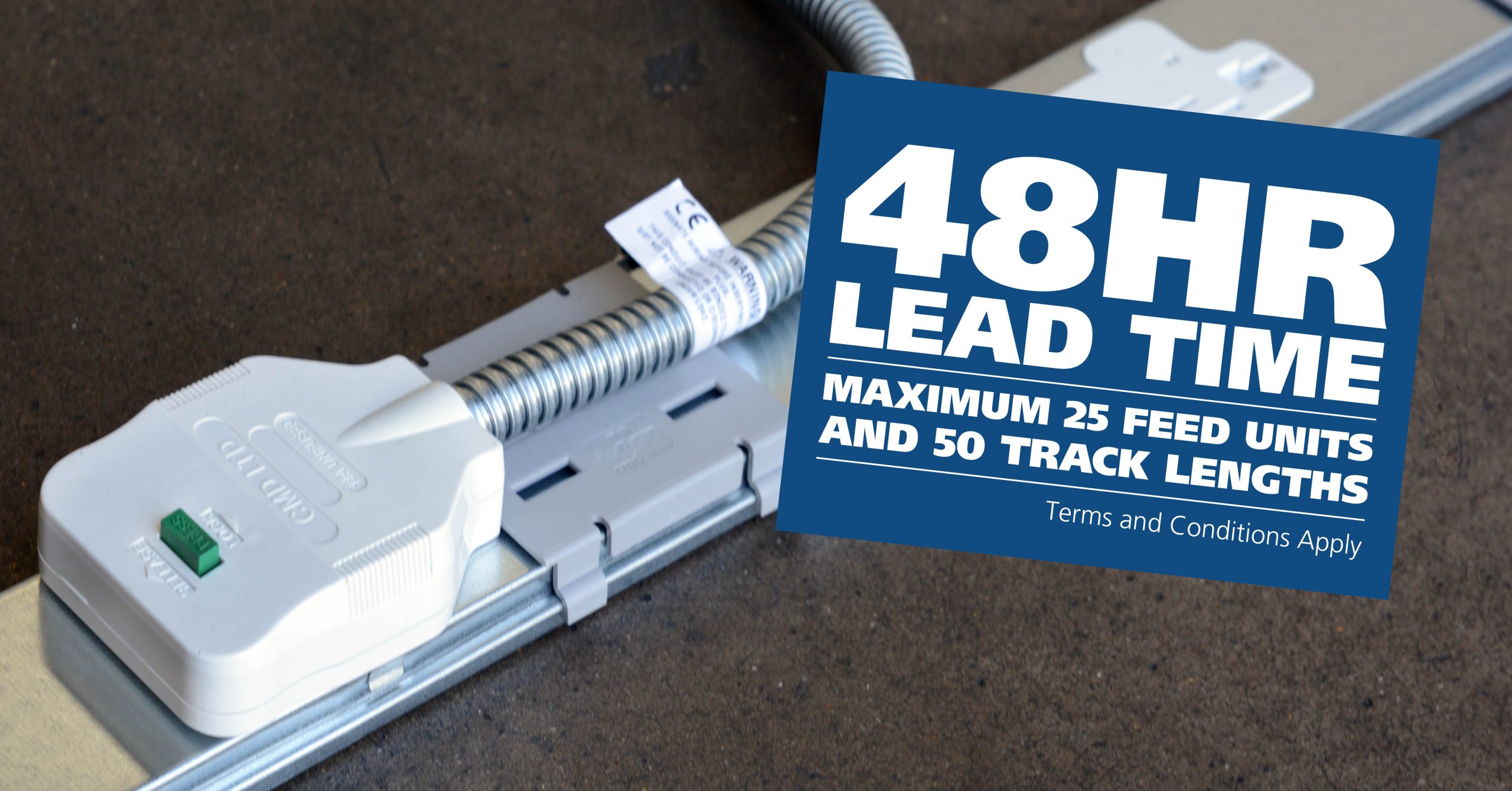
CMD Ltd, the specialist in power distribution systems, workstation power and monitor arms, has launched a rapid ordering service for its Betatrak® underfloor powertrack distribution systems and accessories, with a commitment to delivering within 48-hours of an approved purchase order*. The service enables customers to order up to 50 lengths of Standard or Clean Earth (C/E) low noise Betatrak, along with up to 25 feed...

Read more
CMD INVESTS £1/4 MILLION IN NEW MACHINE AS PART OF FACTORY UPGRADE

We have invested in a new £1/4m TRUMPF CNC metal punch as part of an asset renewal strategy for our UK manufacturing capability. The new machine will be used in the production of a wide variety of our power distribution systems and workstation power products at our Rotherham factory. Suitable for handling sheet metal between 0.9mm and 3.0mm thick, the new machine will replace one...

Read more

CMD CATALOGUE PROVIDES TECHNICAL POWER DISTRIBUTION GUIDE

CMD Ltd has released a new catalogue, providing an easy to follow technical guide to our power distribution systems and plug and play desk modules. Detailing CMD’s full range of UK-manufactured power distribution systems and plug and play desk modules, the catalogue will be a helpful source of information to M&E engineers and contractors alike to understand how our power distribution systems connect together and...

Read more
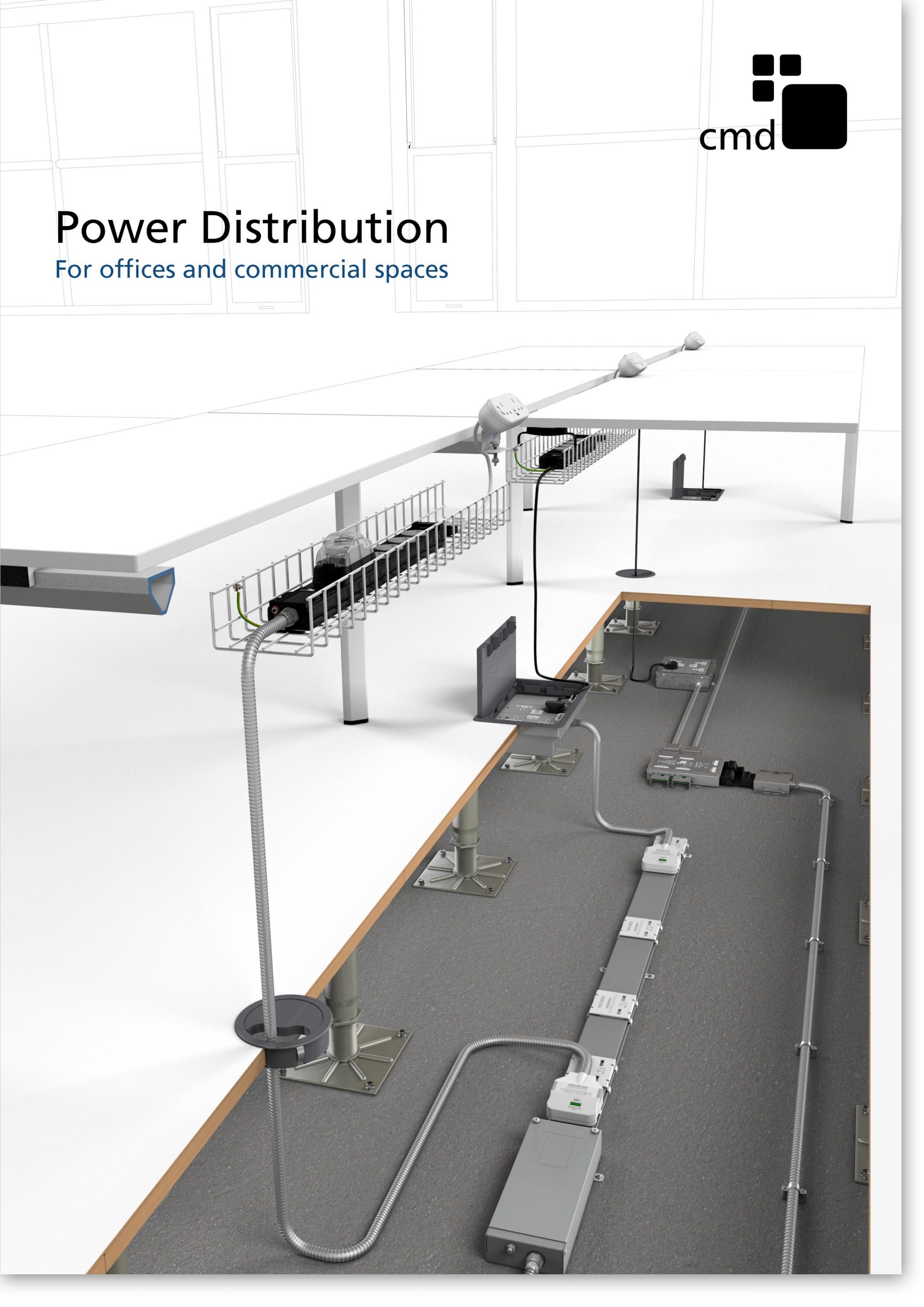
Power Distribution Catalogue
CMD Ltd PLAYS ESSENTIAL ROLE IN ELECTRICAL FIT OUT AT LONDON’S PRESTIGIOUS OFFICE DEVELOPMENT

CMD Ltd, specialist in workplace connectivity and ergonomic solutions, has provided a flexible and high-quality power distribution network for The Ray, a prestigious office development in London’s Farringdon. Well-known for being the former site of The Guardian newspaper, The Ray now stands as an 83,000ft² office development characterised by a modernised warehouse aesthetic, with level two now occupied by a global social media company. The...

Read more

The Ray
CMD plugs in to european opportunity with Schuko Capsule unit launch

CMD Ltd, the specialist in power and connectivity solutions for commercial environments, has launched a Schuko version of its popular fixed format Capsule workstation power module for export to mainland Europe and beyond. A popular on desk power module comprising two sockets and dual USB (type A and C) chargers, CMD’s Capsule unit is already widely specified in the UK as an off-the-shelf workstation power...

Read more
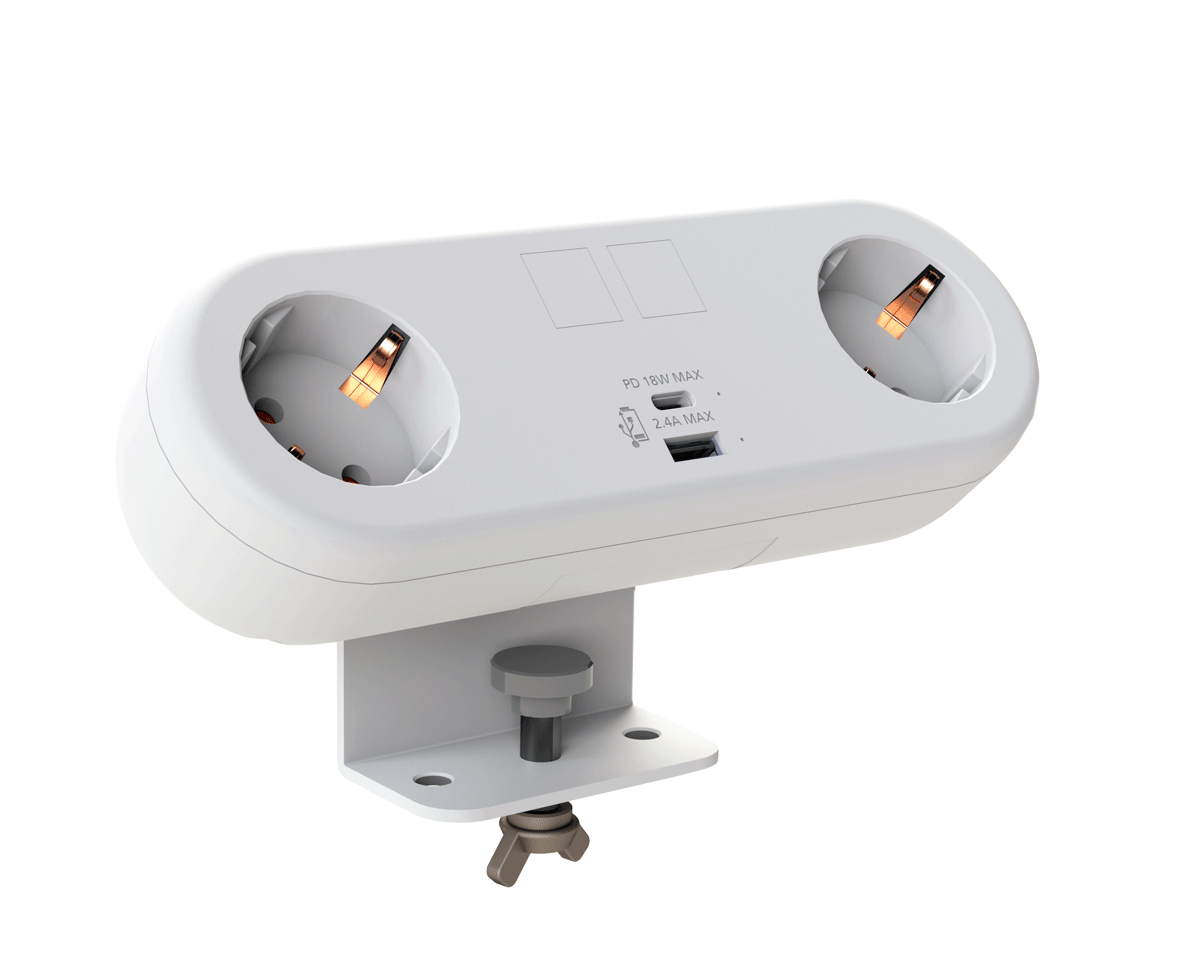
CMD White Schuko Capsule Desk Power Module
CMD LTD EXTENDS MONITOR ARM RANGE WITH THE LAUNCH OF REACH PLUS

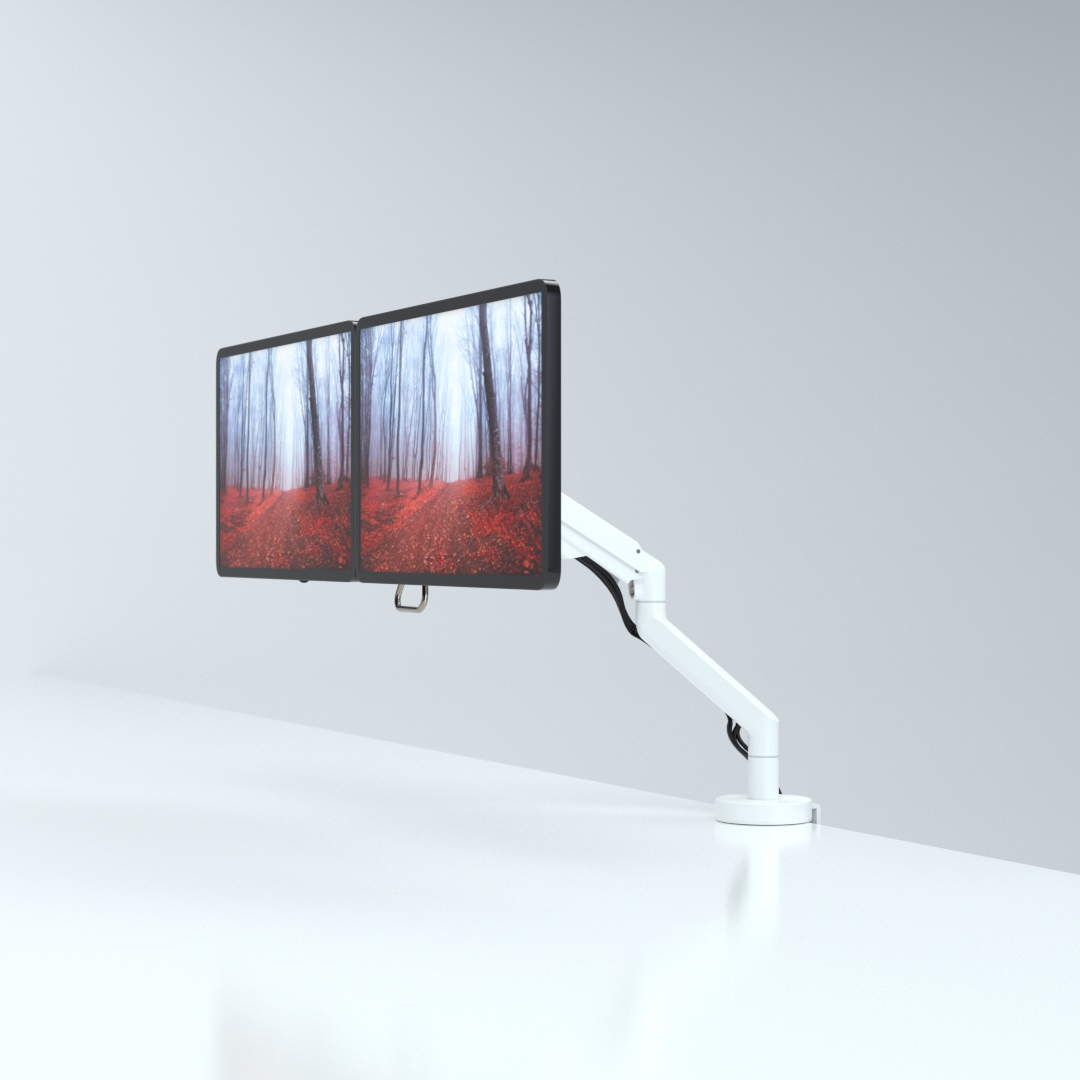
CMD Ltd, the specialist in ergonomic and connectivity solutions for commercial interiors, has completed its Reach monitor arm range with the launch of the Reach Plus. Available in single or dual screen options, the Reach Plus has been designed to provide an ideal solution for both single and dual screen workstation configurations, or can be used with next generation of large format curved screens. Suitable...

Read more
CMD Ltd DEMONSTRATES THE ART OF POWER DISTRIBUTION AT THE UNIVERSITY OF WARWICK

CMD Ltd, the specialist in workplace connectivity and ergonomic solutions, has provided Betatrak busbar power distribution and a range of electrical accessories for two major capital investment projects at the University of Warwick. Designed by Fielden Clegg Bradley Studios, the £33 million Faculty of Arts building is a showpiece development comprising four interconnected structures set around a central atrium, which will enable inter-disciplinary collaboration across...

Read more

University of Warwick
CMD BRINGS HARMONY TO COVENTRY UNIVERSITY RESEARCH FACILITIES

CMD Ltd, the specialist in power distribution solutions and workstation power and ergonomics, has provided under desk and on desk power modules for the refurbishment of three Coventry University research buildings. Located on Coventry University Technology Park, a business park designed to encourage collaboration between the university and knowledge-based businesses, the three buildings are being repurposed as office accommodation for university research teams. The refurbishment...

Read more


Coventry University

China Best Type C Charging Port Suppliers?

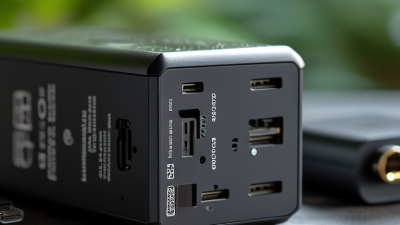
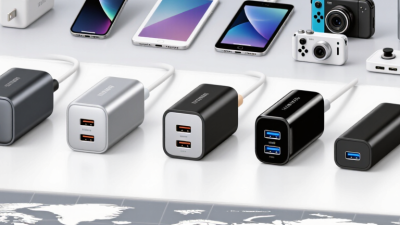
Choosing the best type c charging port suppliers in China requires more than comparing unit prices. The market is expanding quickly, but quality levels remain uneven. The USB Implementers Forum (USB-IF) continues to promote certified USB Type-C products, while market studies from Grand View Research and Fortune Business Insights forecast strong growth for USB-C hardware and related charging equipment. Those reports point to rising demand, but they do not guarantee supplier reliability.

Jeff Ravencraft, USB-IF President and COO, described USB Type-C as “the connector of the future.” That statement still matters on a factory floor. A dependable type c charging port should support stable current flow, repeated insertion cycles, accurate pin alignment, and controlled heat. Buyers should request USB-IF documentation, RoHS and REACH declarations, inspection records, and samples from current production batches. IEC 62680 specifications also deserve careful review.

China offers deep manufacturing capacity, from precision stamping to automated assembly. Shenzhen, Dongguan, and Kunshan remain important sourcing locations. Yet a polished product page can hide weak plating, loose tolerances, or inconsistent solder joints. This is where supplier audits and third-party testing become essential. No ranking is perfect. A supplier with the lowest quote may create higher warranty costs later. For this reason, the following guide compares Chinese type c charging port suppliers through certification evidence, engineering support, production control, customization ability, and after-sales responsiveness. Real samples will always reveal more than impressive promises.

China Best Type C Charging Port Suppliers?

What Makes a Type-C Charging Port Supplier Reliable?

A reliable Type-C charging port supplier proves performance with details, not polished promises. In practical sourcing, inspect the supplier’s production records, testing process, and response to technical questions. Ask for drawings showing dimensions, plating thickness, contact materials, and insertion-force limits. Vague answers deserve caution.

Quality control should cover more than appearance. A dependable factory tests mating cycles, charging current, temperature rise, salt spray, and solderability. It should also control tolerances during stamping, molding, and assembly. Request sample reports with batch numbers and test dates. Traceability matters when a port fails inside a finished device.

Supplier experience becomes visible during sampling. Can the engineering team review your board layout? Can it identify weak support structures or poor solder-pad spacing? Reliable teams discuss risks before mass production. They also provide clear inspection standards and stable lead times. Certifications can support credibility, but certificates alone are not enough. Verify their scope and validity.

No factory gets every batch perfect. That matters. A serious supplier admits defects, explains the cause, and offers corrective action with deadlines. I would also compare pilot samples with later batches, because early samples may receive extra attention. Small differences in shell alignment, connector retention, or contact resistance can become expensive field problems. Keep written records, test independently when possible, and avoid choosing only by the lowest quotation.

China Best Type-C Charging Port Suppliers? - What Makes a Type-C Charging Port Supplier Reliable?

A practical supplier evaluation framework based on USB Type-C standards, quality control, testing capability, and production reliability.

Evaluation Dimension Reliable Supplier Benchmark Recommended Evidence Buyer Verification Method Weight
USB Type-C Specification Knowledge Understands that a USB Type-C receptacle normally uses a 24-contact design and can correctly distinguish connector shape from USB data speed, charging power, and alternate-mode capability. Technical datasheet Pin assignment Application drawing Request a complete product specification and confirm that power, data, and video functions are separately defined. 12%
Charging Power Compliance Provides designs compatible with the required USB Power Delivery profile. USB Power Delivery 3.1 defines power levels up to 240 W when supported by the complete system, cable, charger, and device. PD test report Power profile table Thermal data Test the exact device configuration at the required voltage and current. Do not treat the 240 W maximum as a default capability of every Type-C port. 15%
Data Transfer Capability Clearly identifies whether the port supports USB 2.0, USB 3.2, USB4, or charging-only operation. USB 2.0 signaling has a maximum theoretical rate of 480 Mbps; higher rates require compatible host, device, cable, and layout. Signal-integrity report Eye diagram Compatibility list Verify the claimed speed using the target host controller, cable, operating system, and end device rather than testing the connector alone. 10%
Mechanical Durability Uses controlled dimensions, suitable contact materials, and stable retention structures. The supplier should provide a defined mating-cycle target and test conditions instead of an unsupported lifetime claim. Mating-cycle test Dimensional report Retention-force data Review test samples after repeated insertion and removal, checking contact resistance, shell deformation, latch retention, and intermittent connection. 13%
Electrical Safety and Protection Supports appropriate protection against overcurrent, overvoltage, short circuit, overheating, and electrostatic discharge at the product-system level. Safety test records Protection schematic Failure analysis Confirm protection behavior under short-circuit, abnormal-load, hot-plug, and thermal-rise tests using the final PCB and power-management design. 14%
Material and Plating Control Maintains traceable control of terminals, housings, shielding parts, plating thickness, solderability, and corrosion resistance. Material declarations should match the supplied part. Material certificates Plating inspection RoHS/REACH documents Compare incoming materials with approved samples and request periodic laboratory or in-house verification for plating and environmental compliance. 10%
Manufacturing Process Control Uses documented controls for stamping, molding, assembly, solderability, automated optical inspection, and final electrical inspection. Process flow Control plan Inspection records Conduct a process audit and confirm that critical dimensions, contact resistance, insulation resistance, and short-circuit checks are recorded by lot. 12%
Quality Management System Maintains a documented quality system with controlled procedures, corrective-action records, calibration management, traceability, and change control. Quality certificate CAPA records Calibration list Check certificate validity, audit recent corrective actions, and verify that inspection equipment is calibrated and linked to production records. 9%
Customization and Engineering Support Can support vertical, horizontal, mid-mount, waterproof, high-temperature, or custom-footprint designs while providing controlled drawings and engineering-change procedures. 2D/3D drawings DFM feedback Engineering samples Evaluate prototype quality, dimensional consistency, response time, tooling ownership, and the supplier's ability to manage approved design revisions. 8%
Supply Continuity and Delivery Provides stable capacity, controlled lead times, lot traceability, backup arrangements for critical materials, and clear notification of process or material changes. Capacity plan Lead-time history Change-notice procedure Review delivery performance over several purchase cycles and ask for a documented response plan for material shortages, equipment failure, and quality incidents. 7%

Important: USB Type-C describes the connector and interface family, not one guaranteed charging speed or data rate. Actual performance depends on the receptacle, cable, power source, host controller, firmware, PCB layout, thermal design, and applicable USB specifications.

How China’s Type-C Charging Port Suppliers Are Classified

China Best Type C Charging Port Suppliers?

China’s Type-C charging port suppliers are commonly classified by their production role. Original equipment manufacturers build ports to a buyer’s drawings and test requirements. Original design manufacturers offer reference designs, tooling, and customization. They suit products with unusual shapes or mounting positions.

Specialized connector factories focus on shells, terminals, tongue structures, and surface plating. Their strength is process control and stable high-volume output. Some suppliers are cable or accessory manufacturers adding charging ports to complete assemblies. Others are module integrators, combining ports with protection circuits, power delivery components, or small boards.

There is another group: trading companies. They may provide faster sourcing and several factory options. However, their technical control can be limited. Classification is useful, but never perfect. A supplier may appear to be a factory while outsourcing key processes. That matters.

A professional evaluation should inspect production lines, incoming-material records, mold ownership, and test reports. Ask whether the port supports data transfer, charging current, or only physical connection. These functions are not identical. Check mating-cycle tests, contact resistance, temperature rise, and salt-spray results for the intended environment. During audits, sample parts from different batches. One attractive sample proves little. Reliable suppliers explain failures without hiding them. Even experienced buyers can misclassify a supplier when sales documents look stronger than factory evidence.

How China’s Type-C Charging Port Suppliers Are Classified

Type-C suppliers can be compared by the maximum USB data-transfer standard supported by their ports. The figures shown are USB-IF defined maximum transfer rates, not company market shares. A Type-C connector alone does not determine charging power or data speed; these capabilities depend on the port design, controller, cable, and certification.

Key Standards for Evaluating Type-C Charging Port Quality

China Best Type C Charging Port Suppliers?

Key Standards for Evaluating Type-C Charging Port Quality

A reliable Type-C charging port must meet electrical, mechanical, and thermal requirements. IEC 62680-1-3 defines key USB Type-C connector and cable interfaces. USB Power Delivery 3.1 supports power levels up to 240 watts, using suitable voltage, current, and protection controls. Higher power makes insulation, contact resistance, and heat management critical.

During supplier evaluation, request test records for insertion cycles, pull strength, salt-mist resistance, and temperature rise. Contact resistance should remain stable after repeated use. Inspect the tongue, shell, solder joints, and sealing structure under magnification. A port may charge correctly during a short test, then loosen after months. That is the difficult part. European Commission impact assessments estimated that common charging requirements could reduce about 11,000 tonnes of annual electronic waste and save consumers roughly €250 million each year. These figures show why compatibility and durability matter beyond factory output.

Tips: Ask for IEC and USB-IF-related compliance evidence, not only a supplier’s internal report. Compare samples from three production batches. Test charging at low and high temperatures. Check whether the port survives angled cable insertion. Small details matter. A perfect checklist still misses real-world abuse, so field feedback should influence the final supplier decision.

Leading Types of Chinese Type-C Charging Port Manufacturers

China’s Type-C charging port manufacturers serve different production needs. High-volume factories focus on stamped metal shells, molded insulators, and automated assembly. Their strength is stable output at competitive prices. They suit consumer electronics, cables, and charging accessories.

OEM and ODM manufacturers offer more design flexibility. They can adjust pin layouts, housing dimensions, plating thickness, and mounting structures. Some support waterproof ports for industrial equipment. Others produce low-profile connectors for compact devices. Precision machining suppliers are useful when a project needs custom brackets or reinforced shells. Small-batch manufacturers may provide faster prototyping, but their unit costs can be higher.

Reliable sourcing requires more than comparing quotations. Ask for material specifications, insertion-cycle test results, contact resistance data, and production samples. A factory should explain its inspection points clearly. Check whether it controls stamping, plating, molding, and final testing internally. This can reduce delays between suppliers. I would also request samples from different production lots. One sample proves very little. A polished catalog photo is not evidence of long-term reliability. Some suppliers communicate well before payment, then respond slowly during revisions. That risk deserves attention. Factory audits, traceable batch records, and documented corrective actions provide stronger confidence. Verify applicable USB Type-C requirements for your product and market before mass production. Even experienced buyers can overlook tolerance problems around solder joints. Careful testing remains necessary.

How to Select, Test, and Order From a Chinese Supplier

China Best Type C Charging Port Suppliers?

How to Select, Test, and Order From a Chinese Supplier

China remains a major sourcing base for USB Type-C charging ports. Grand View Research estimated the global USB devices market at about USD 35 billion in 2023, with continued growth through 2030. That demand increases supplier choices, but also creates uneven quality. Check the supplier’s factory address, production scope, inspection records, and response time. Request drawings, material specifications, plating thickness, rated current, and sample traceability. A low quotation means little if the port overheats or loosens after repeated insertion.

Test samples under realistic conditions. Use the required voltage and current, then measure temperature rise with a calibrated thermal probe. Check contact resistance, insulation resistance, pull strength, and insertion cycles. The USB Implementers Forum Type-C specification defines mechanical and electrical requirements, while IEC 62680 standards support interface evaluation. Ask for third-party laboratory reports, but verify the report number directly. Reports can be outdated.

Order a small pilot batch first. Include acceptable quality limits, packaging details, change-control duties, and replacement terms in the purchase contract. Inspect incoming goods with sampling plans based on ISO 2859-1. Keep golden samples from the approved batch. A supplier may pass the first inspection and still change plating later. That weakness is easy to miss. Re-test after any tooling, material, or subcontractor change. A factory audit helps, but it cannot replace independent testing.