

News

Miro: A New Standard in Responsible Innovation

Miro: A New Standard in Responsible Innovation The Miro monitor arm is setting new benchmarks in sustainability. It offers a high-performance solution without compromising on environmental responsibility. Designed with careful material selection, local sourcing, and longevity in mind, Miro’s responsible approach to design and unique manoeuvrability set it apart from the competition. Sustainable Choices Miro is crafted from energy-efficient materials with a lower carbon impact....

Read more
HSE Advisor

Role Purpose Support in the development, implementation and maintenance of the company’s Health, Safety & Environmental policies, processes, operational procedures, and standards.  Ensuring best practice and championing a continually improving HSE culture within the business. Key Responsibilities Liaise with and provide support to all areas of the business to eliminate, mitigate or reduce identified HSE exposures. Partner with the production management team and team leaders,...

Read more
CMD Ltd LAUNCHES 48-HOUR TURNAROUND ON BETATRAK® RAPID ORDERING SERVICE

CMD Ltd, the specialist in power distribution systems, workstation power and monitor arms, has launched a rapid ordering service for its Betatrak® underfloor powertrack distribution systems and accessories, with a commitment to delivering within 48-hours of an approved purchase order*. The service enables customers to order up to 50 lengths of Standard or Clean Earth (C/E) low noise Betatrak, along with up to 25 feed...

Read more

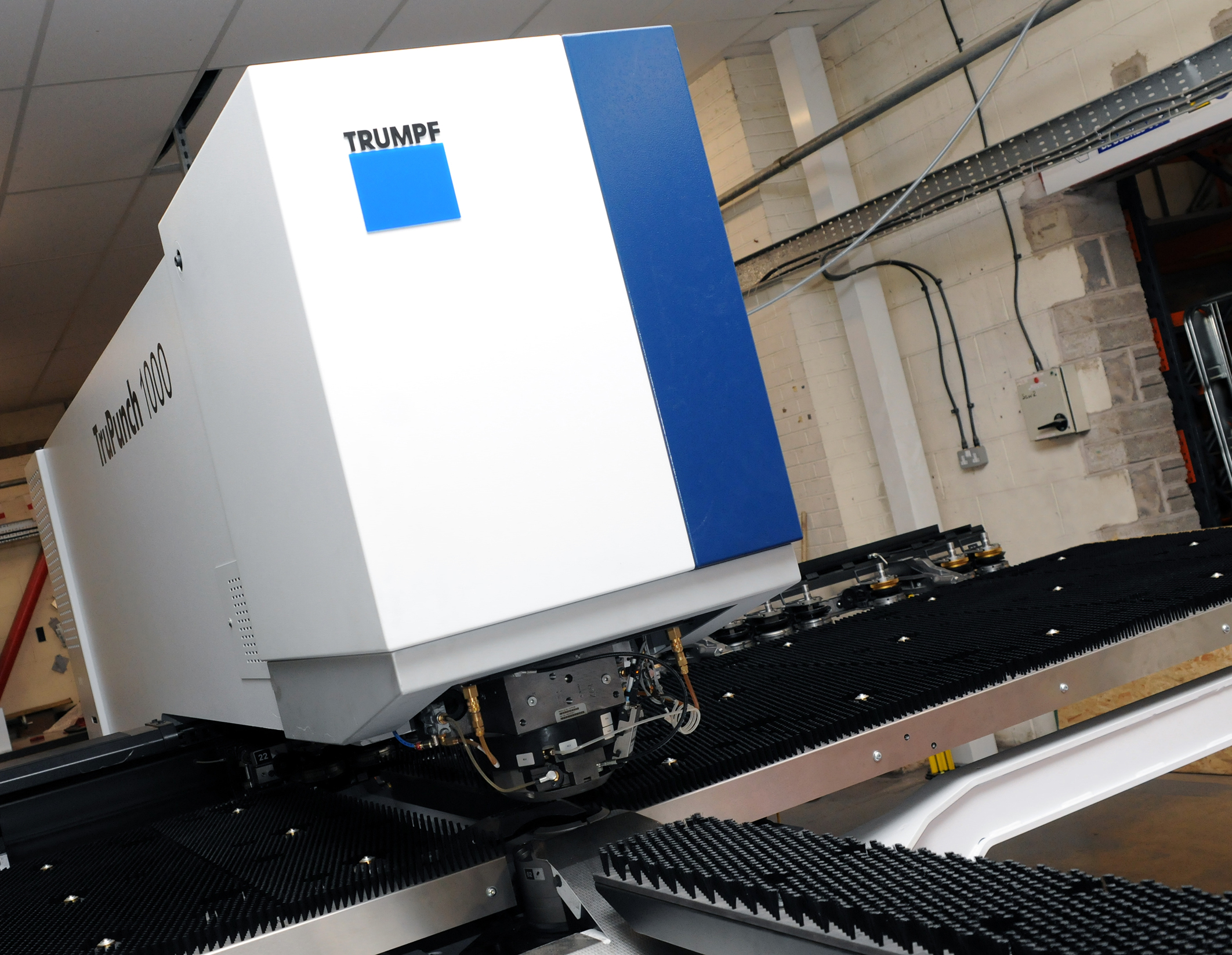
CMD INVESTS £1/4 MILLION IN NEW MACHINE AS PART OF FACTORY UPGRADE

We have invested in a new £1/4m TRUMPF CNC metal punch as part of an asset renewal strategy for our UK manufacturing capability. The new machine will be used in the production of a wide variety of our power distribution systems and workstation power products at our Rotherham factory. Suitable for handling sheet metal between 0.9mm and 3.0mm thick, the new machine will replace one...

Read more
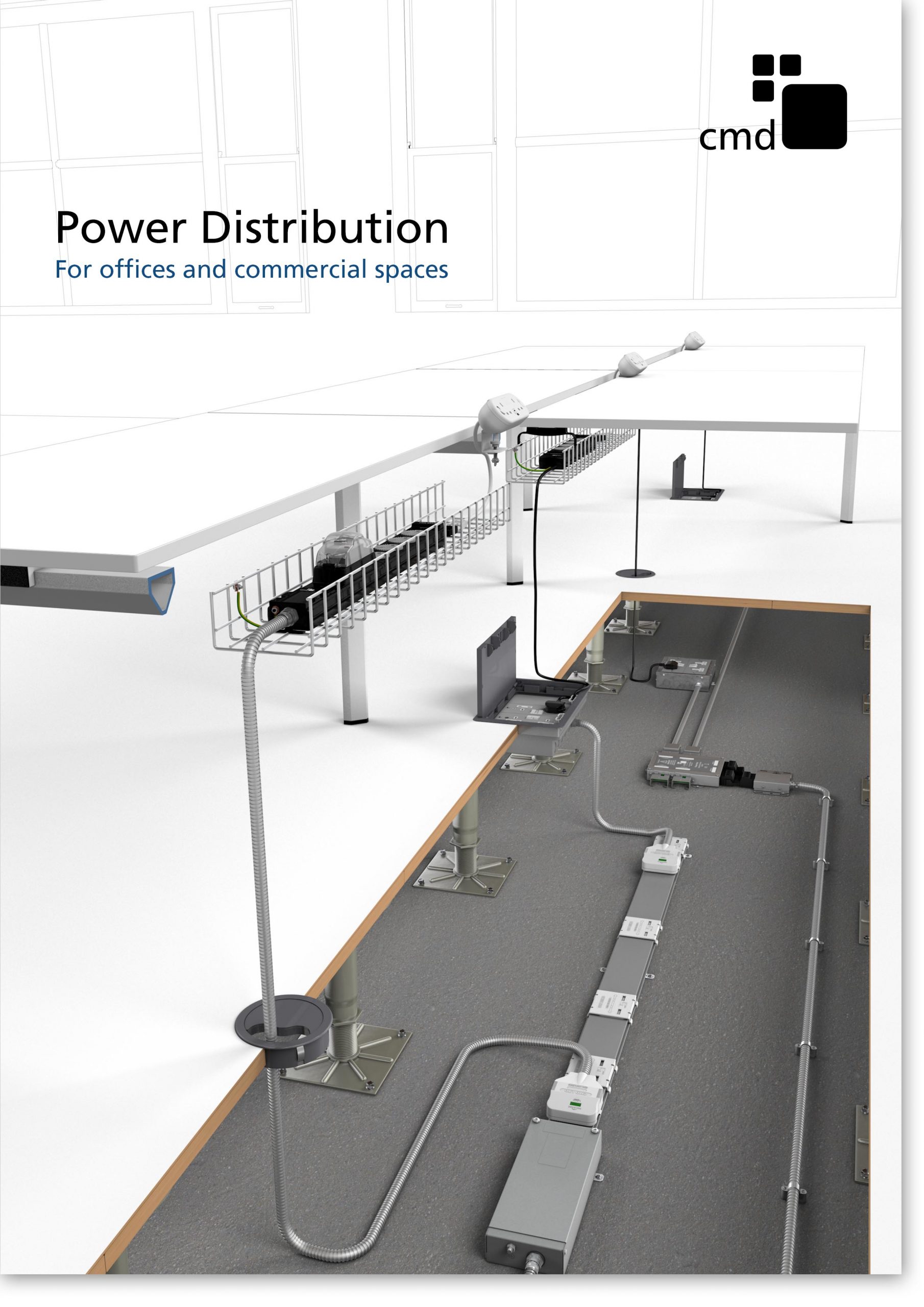
CMD CATALOGUE PROVIDES TECHNICAL POWER DISTRIBUTION GUIDE

CMD Ltd has released a new catalogue, providing an easy to follow technical guide to our power distribution systems and plug and play desk modules. Detailing CMD’s full range of UK-manufactured power distribution systems and plug and play desk modules, the catalogue will be a helpful source of information to M&E engineers and contractors alike to understand how our power distribution systems connect together and...

Read more
Power Distribution Catalogue
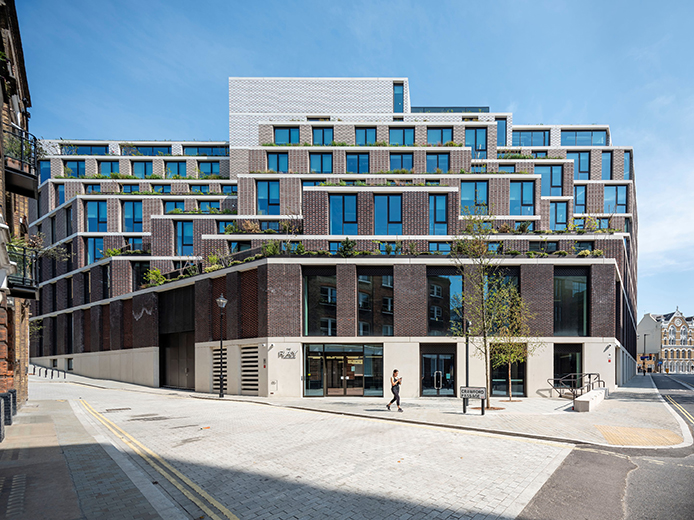
CMD Ltd PLAYS ESSENTIAL ROLE IN ELECTRICAL FIT OUT AT LONDON’S PRESTIGIOUS OFFICE DEVELOPMENT

CMD Ltd, specialist in workplace connectivity and ergonomic solutions, has provided a flexible and high-quality power distribution network for The Ray, a prestigious office development in London’s Farringdon. Well-known for being the former site of The Guardian newspaper, The Ray now stands as an 83,000ft² office development characterised by a modernised warehouse aesthetic, with level two now occupied by a global social media company. The...

Read more
The Ray
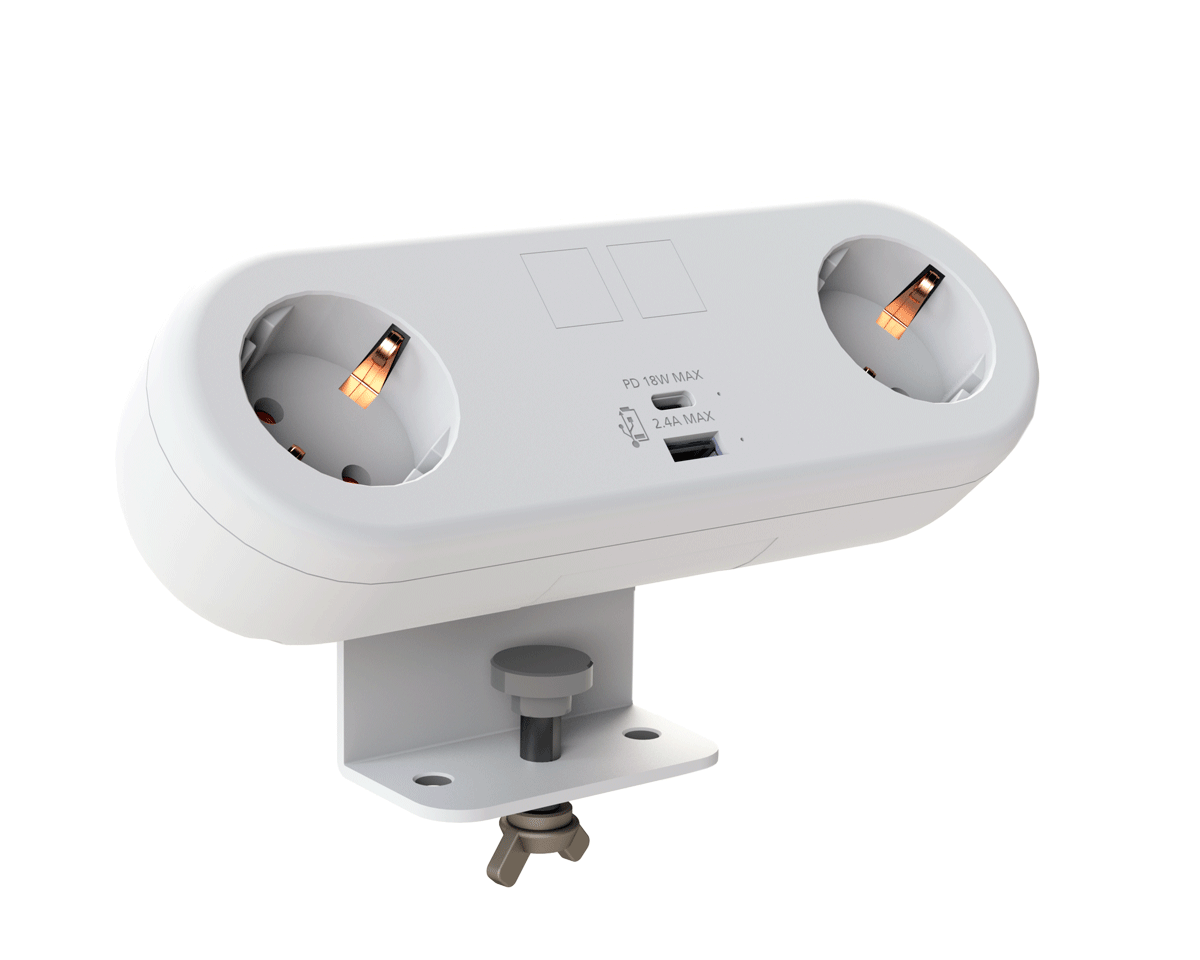
CMD plugs in to european opportunity with Schuko Capsule unit launch

CMD Ltd, the specialist in power and connectivity solutions for commercial environments, has launched a Schuko version of its popular fixed format Capsule workstation power module for export to mainland Europe and beyond. A popular on desk power module comprising two sockets and dual USB (type A and C) chargers, CMD’s Capsule unit is already widely specified in the UK as an off-the-shelf workstation power...

Read more
CMD White Schuko Capsule Desk Power Module
CMD LTD EXTENDS MONITOR ARM RANGE WITH THE LAUNCH OF REACH PLUS

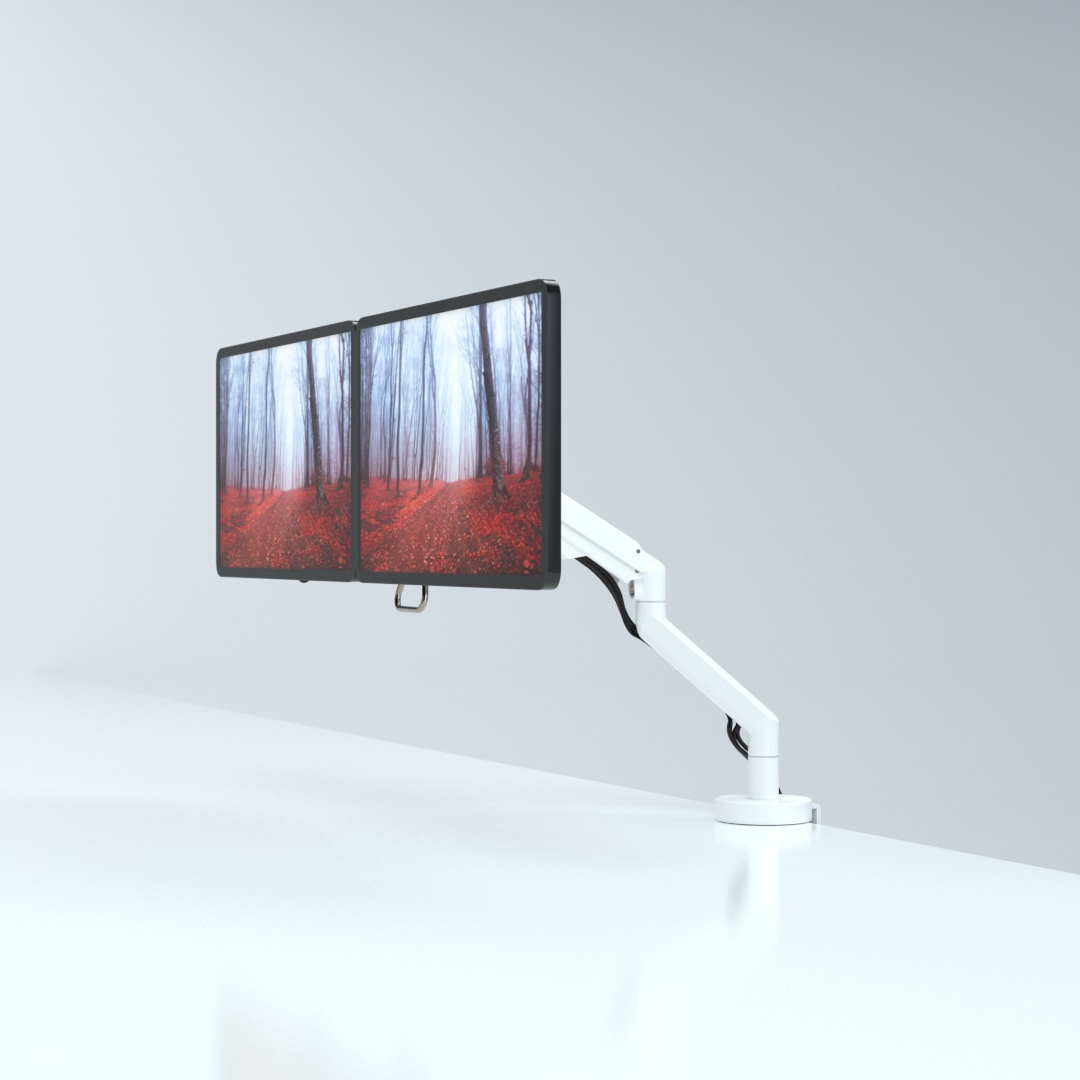
CMD Ltd, the specialist in ergonomic and connectivity solutions for commercial interiors, has completed its Reach monitor arm range with the launch of the Reach Plus. Available in single or dual screen options, the Reach Plus has been designed to provide an ideal solution for both single and dual screen workstation configurations, or can be used with next generation of large format curved screens. Suitable...

Read more
CMD Ltd DEMONSTRATES THE ART OF POWER DISTRIBUTION AT THE UNIVERSITY OF WARWICK

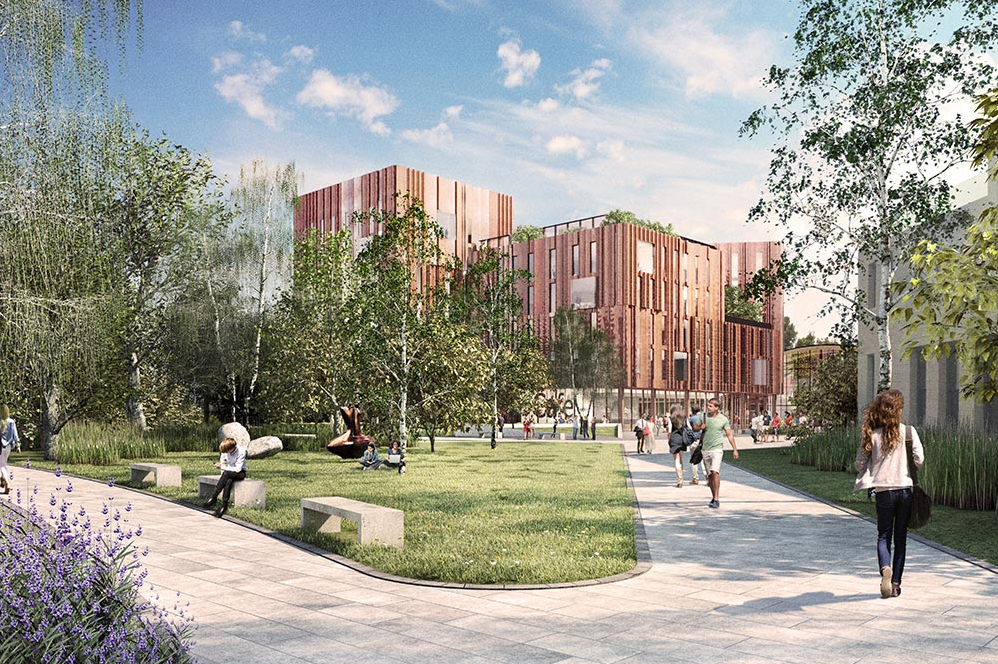
CMD Ltd, the specialist in workplace connectivity and ergonomic solutions, has provided Betatrak busbar power distribution and a range of electrical accessories for two major capital investment projects at the University of Warwick. Designed by Fielden Clegg Bradley Studios, the £33 million Faculty of Arts building is a showpiece development comprising four interconnected structures set around a central atrium, which will enable inter-disciplinary collaboration across...

Read more
University of Warwick
CMD BRINGS HARMONY TO COVENTRY UNIVERSITY RESEARCH FACILITIES

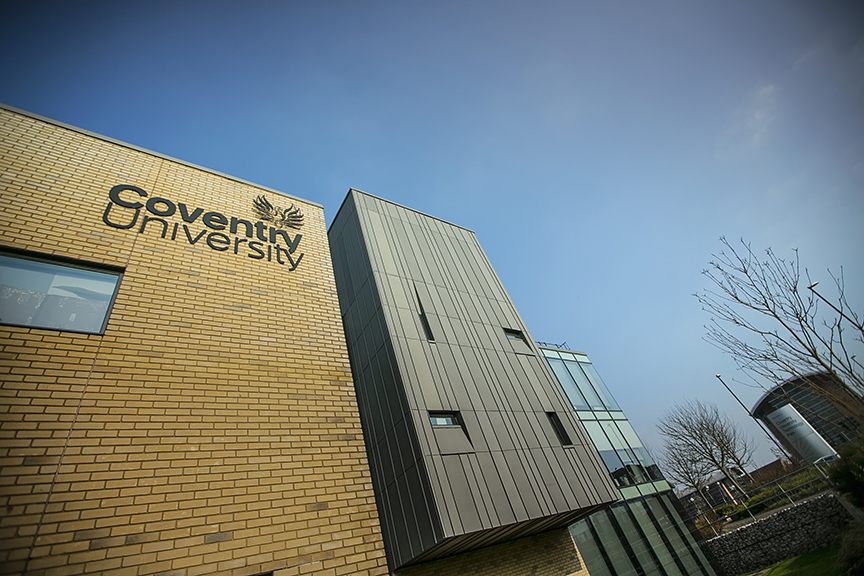
CMD Ltd, the specialist in power distribution solutions and workstation power and ergonomics, has provided under desk and on desk power modules for the refurbishment of three Coventry University research buildings. Located on Coventry University Technology Park, a business park designed to encourage collaboration between the university and knowledge-based businesses, the three buildings are being repurposed as office accommodation for university research teams. The refurbishment...

Read more
Coventry University

Best Building Exterior Renderings for Global Buyers Needs?

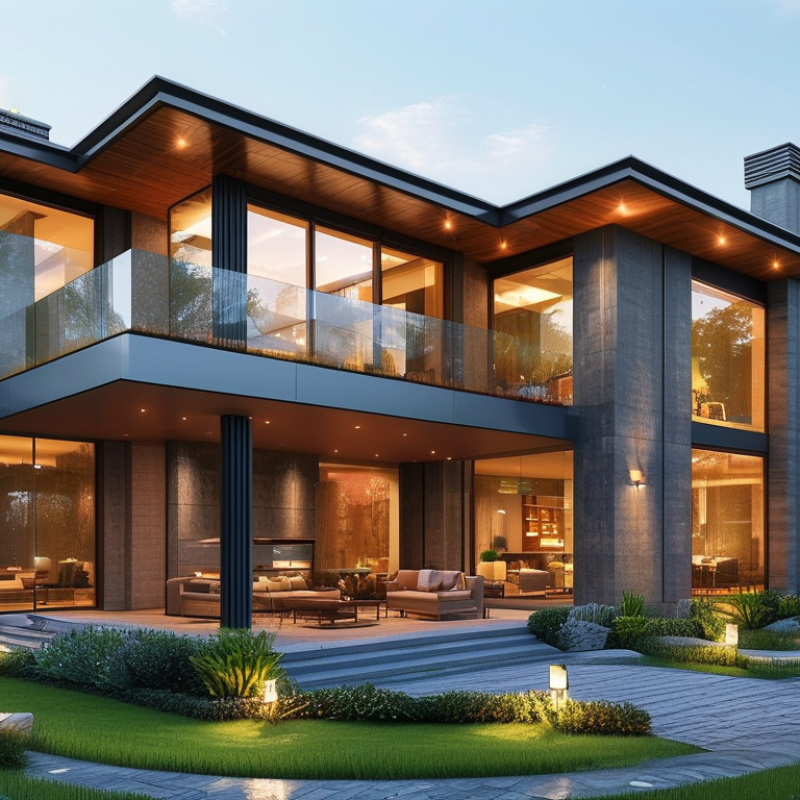
Building Exterior Renderings play a crucial role in today's real estate market. For global buyers, these visual presentations provide insight into architectural designs and aesthetics. They help buyers envision homes before construction begins. High-quality renderings can attract potential clients and showcase a developer's vision effectively.

The demand for compelling building exterior renderings has grown significantly. Buyers want to feel connected to their future homes. Effective renderings communicate style, materials, and landscaping details, creating an emotional response. Yet, not all renderings achieve this goal. Some lack clarity or fail to represent real-life aspects. This can lead to misinterpretation and disappointment.

Creating impactful building exterior renderings requires expertise and attention to detail. Artists must consider lighting, textures, and surroundings. Achieving realism is essential. However, over-stylization may mislead buyers. Striking a balance between creativity and authenticity is vital for success. Reflecting on these challenges can lead to improved practices in the industry and ultimately benefit everyone involved.

Best Building Exterior Renderings for Global Buyers Needs?

Understanding the Importance of Building Exterior Renderings

Building exterior renderings play a crucial role in modern architecture and real estate marketing. They provide a visual representation of a project before construction begins. According to the National Association of Realtors, listings with high-quality renderings receive 45% more inquiries than those without. This statistic highlights the importance of detailed visual previews for potential buyers.

In a study published by the American Institute of Architects, 78% of architects believe that 3D renderings enhance client understanding of the vision. Yet, many projects fail to push creative boundaries. Relying too heavily on templates can limit unique designs. Crafting tailored renderings that align with the project's purpose is essential.

High-quality exterior renderings can also reveal design flaws early. By inviting feedback from stakeholders, architects can refine their designs. However, some still overlook this step, leading to costly revisions later. Balancing artistic creativity with practical functionality can enhance the final outcome. By understanding these dynamics, professionals can better meet global buyer needs in today’s competitive market.

Key Features That Attract Global Buyers to Exterior Renderings

When it comes to exterior renderings, global buyers are drawn to specific features. High-quality visuals play a crucial role. They must capture the building's character and integrate well with its surroundings. This connection helps buyers visualize their potential new homes.

Color schemes are also significant. Buyers often favor palettes that reflect local culture. The right hues can evoke emotions, enhancing attraction. Material representation is key too. Accurate textures and finishes convey quality and craftsmanship.

Another aspect is the scale and proportion. Renderings need to showcase features in a relatable way. Buyers appreciate when they can perceive the size and layout accurately. However, achieving this is not always straightforward. Balancing artistic expression with realism can be challenging. It requires careful consideration and skilled execution.

Top Trends in Exterior Rendering for Modern Architecture

In modern architecture, exterior renderings play a pivotal role in appealing to global buyers. These images showcase design intent, material choices, and overall aesthetics. A few notable trends have emerged in this field, reflecting the needs of contemporary buyers.

Sustainable materials are gaining traction. Buyers seek renderings that highlight eco-friendly options. This shift encourages architects to incorporate elements like green roofs or recycled materials. Showcasing these features can attract environmentally conscious clients. A well-executed rendering can bring these ideas to life, allowing buyers to visualize them in everyday settings.

Embracing cultural diversity is another trend. Renderings that reflect local culture or relate to buyers' backgrounds create a personal connection. These images should incorporate colors, patterns, and architectural styles relevant to the target audience. This approach may improve engagement but requires careful research. A rendering that misses the mark can alienate potential buyers.

Tips: Always consider local preferences when creating a rendering. Incorporating feedback from diverse focus groups can enhance the design process. Regularly updating renderings to include the latest trends will also ensure they remain relevant. Pay attention to critiques to improve future projects.

Top Trends in Exterior Rendering for Modern Architecture

Technological Advancements in 3D Rendering for Building Designs

Technological advancements in 3D rendering have transformed building design. Today, architects utilize powerful software to create stunning visualizations. These renderings help clients understand a project’s true potential. With lifelike details, vivid colors, and realistic lighting, the digital representations are more compelling than ever.

Real-time rendering is a game changer. It allows for immediate adjustments during the design process. Architects can experiment with different materials, textures, and colors on the fly. This dynamic approach saves time and fosters creativity. Yet, there are challenges. Achieving hyper-realism often requires significant computational power. Not every firm can afford the latest technology.

Augmented reality (AR) and virtual reality (VR) are also shaping the future. These technologies provide immersive experiences that traditional renderings cannot offer. Clients can walk through their designs before construction begins. However, integrating AR and VR into workflows can be complex. Some teams struggle with the learning curve. The balance between innovation and practicality is an ongoing conversation in the industry.

Best Building Exterior Renderings for Global Buyers Needs

Render Type Quality Approx. Cost ($) Average Production Time (Days) Usage Scenario
Photorealistic Rendering High 3000 10 Marketing & Presentations
Conceptual Rendering Medium 1500 5 Initial Design Proposals
3D Animation High 5000 20 Virtual Tours
Virtual Reality (VR) Rendering Very High 8000 30 Client Experience
Architectural Visualization High 2500 15 Detailed Project Approval

Comparative Analysis of Rendering Techniques for International Markets

Rendering techniques play a crucial role in the perception of building exteriors, especially for global markets. A study revealed that 78% of buyers prioritize high-quality renderings. Competitive markets, like Asia and Europe, exhibit varying demands for style and realism in renderings. Techniques such as photorealistic rendering dominate in regions where buyers favor intricate details and realistic presentations.

However, not all techniques meet every buyer's needs. For instance, 3D visualization allows for flexibility, yet may lack the depth of traditional artistic renderings. A report indicated that 65% of international clients prefer a mix of both styles to bridge gaps in expectations. Moreover, cultural aesthetics play a significant role. In some areas, vibrant colors can enhance appeal, while in others, minimalistic designs are favored.

Incorporating user experience into renderings shows potential for improvement. Engaging buyers through interactive elements or virtual reality can shift perceptions. Recent surveys highlight that 40% of clients would revisit a project with enhanced interactive renderings. Thus, as technology evolves, the rendering field must adapt, continuously reflecting buyer preferences and regional distinctions. This evolving landscape of expectations and techniques requires ongoing reflection to ensure relevance in the global market.