

News

Miro: A New Standard in Responsible Innovation

Miro: A New Standard in Responsible Innovation The Miro monitor arm is setting new benchmarks in sustainability. It offers a high-performance solution without compromising on environmental responsibility. Designed with careful material selection, local sourcing, and longevity in mind, Miro’s responsible approach to design and unique manoeuvrability set it apart from the competition. Sustainable Choices Miro is crafted from energy-efficient materials with a lower carbon impact....

Read more
HSE Advisor

Role Purpose Support in the development, implementation and maintenance of the company’s Health, Safety & Environmental policies, processes, operational procedures, and standards.  Ensuring best practice and championing a continually improving HSE culture within the business. Key Responsibilities Liaise with and provide support to all areas of the business to eliminate, mitigate or reduce identified HSE exposures. Partner with the production management team and team leaders,...

Read more
CMD Ltd LAUNCHES 48-HOUR TURNAROUND ON BETATRAK® RAPID ORDERING SERVICE

CMD Ltd, the specialist in power distribution systems, workstation power and monitor arms, has launched a rapid ordering service for its Betatrak® underfloor powertrack distribution systems and accessories, with a commitment to delivering within 48-hours of an approved purchase order*. The service enables customers to order up to 50 lengths of Standard or Clean Earth (C/E) low noise Betatrak, along with up to 25 feed...

Read more

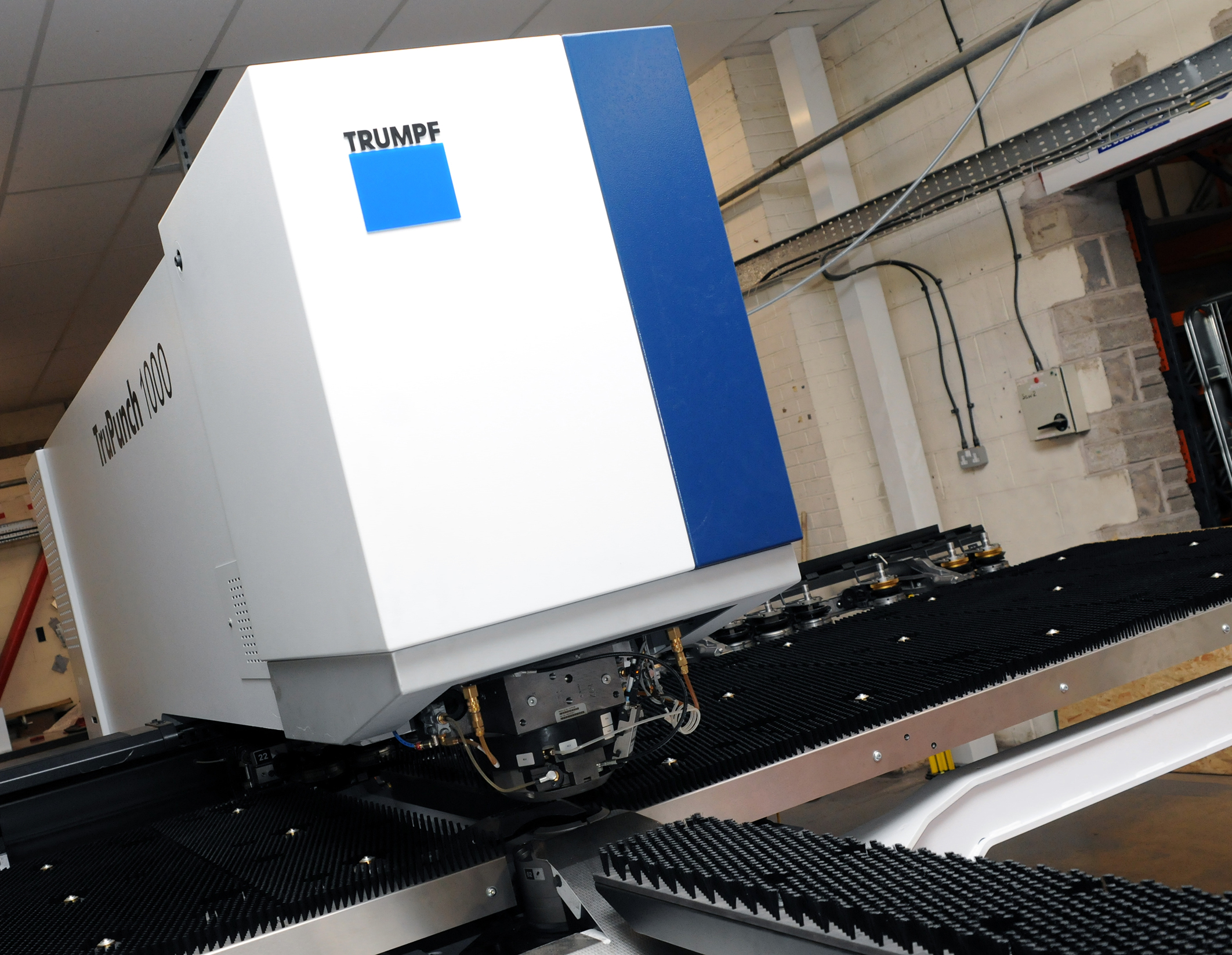
CMD INVESTS £1/4 MILLION IN NEW MACHINE AS PART OF FACTORY UPGRADE

We have invested in a new £1/4m TRUMPF CNC metal punch as part of an asset renewal strategy for our UK manufacturing capability. The new machine will be used in the production of a wide variety of our power distribution systems and workstation power products at our Rotherham factory. Suitable for handling sheet metal between 0.9mm and 3.0mm thick, the new machine will replace one...

Read more
CMD CATALOGUE PROVIDES TECHNICAL POWER DISTRIBUTION GUIDE

CMD Ltd has released a new catalogue, providing an easy to follow technical guide to our power distribution systems and plug and play desk modules. Detailing CMD’s full range of UK-manufactured power distribution systems and plug and play desk modules, the catalogue will be a helpful source of information to M&E engineers and contractors alike to understand how our power distribution systems connect together and...

Read more
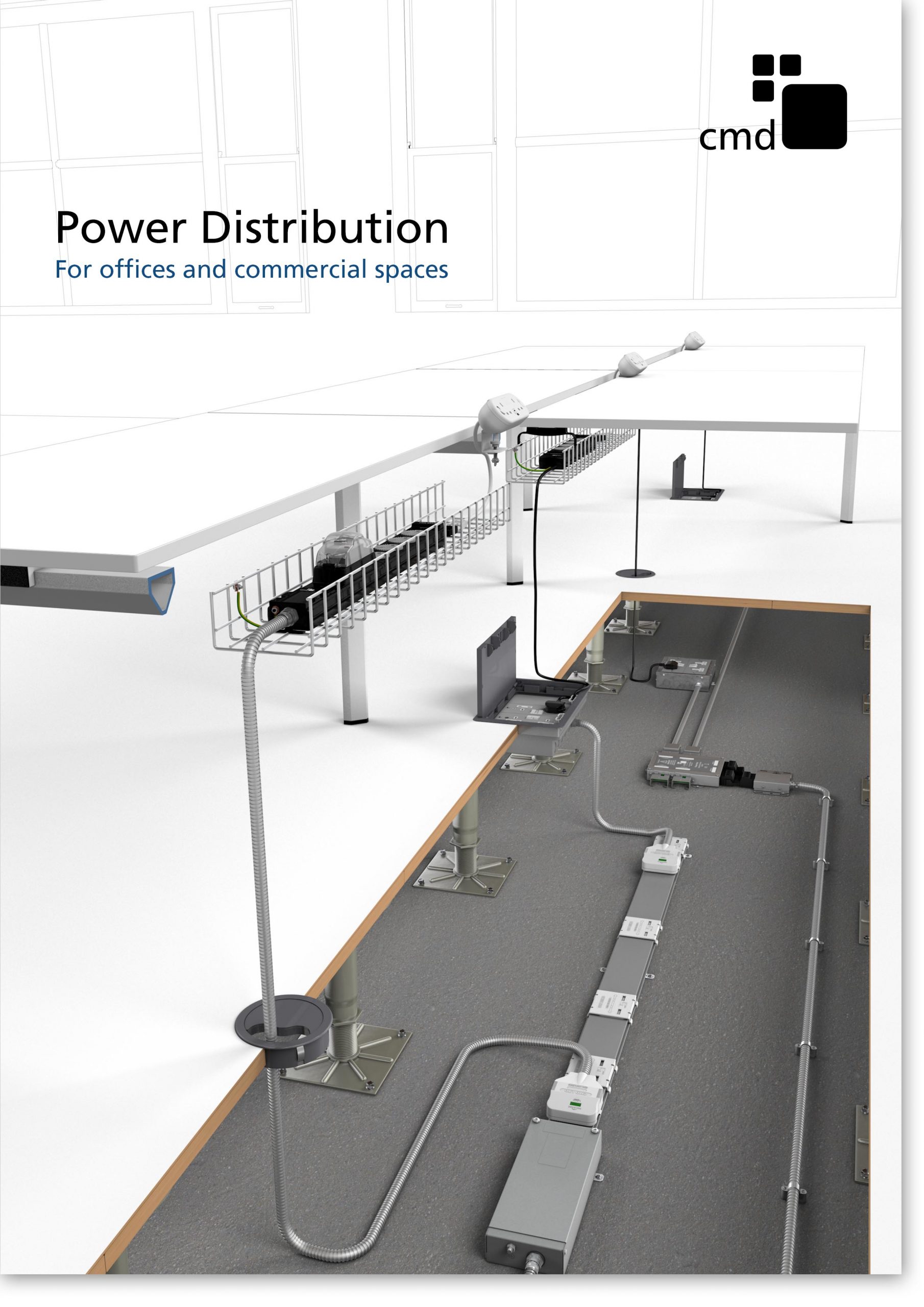
Power Distribution Catalogue
CMD Ltd PLAYS ESSENTIAL ROLE IN ELECTRICAL FIT OUT AT LONDON’S PRESTIGIOUS OFFICE DEVELOPMENT

CMD Ltd, specialist in workplace connectivity and ergonomic solutions, has provided a flexible and high-quality power distribution network for The Ray, a prestigious office development in London’s Farringdon. Well-known for being the former site of The Guardian newspaper, The Ray now stands as an 83,000ft² office development characterised by a modernised warehouse aesthetic, with level two now occupied by a global social media company. The...

Read more
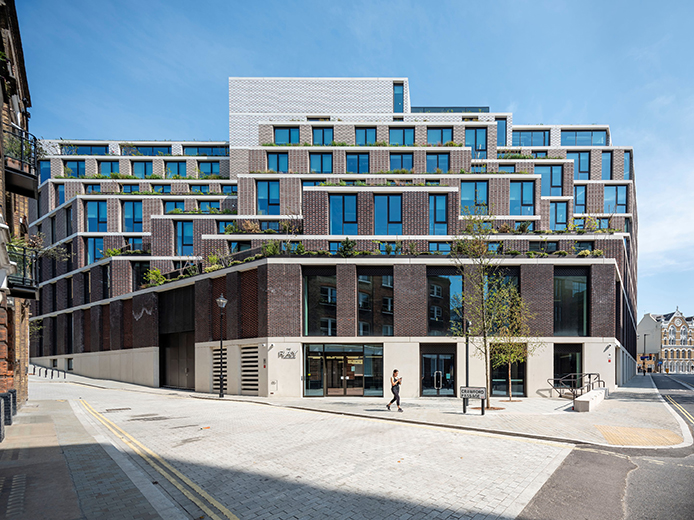
The Ray
CMD plugs in to european opportunity with Schuko Capsule unit launch

CMD Ltd, the specialist in power and connectivity solutions for commercial environments, has launched a Schuko version of its popular fixed format Capsule workstation power module for export to mainland Europe and beyond. A popular on desk power module comprising two sockets and dual USB (type A and C) chargers, CMD’s Capsule unit is already widely specified in the UK as an off-the-shelf workstation power...

Read more
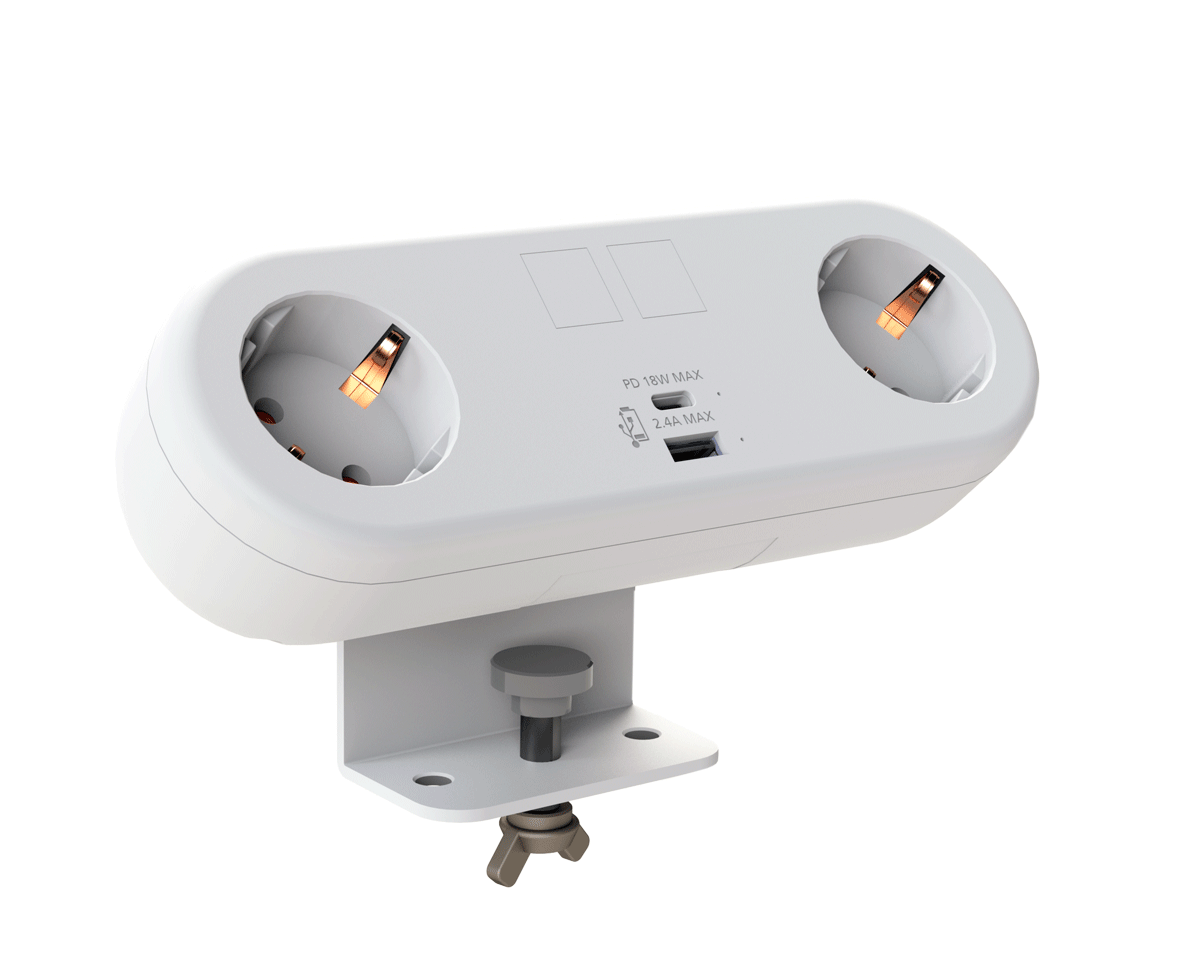
CMD White Schuko Capsule Desk Power Module
CMD LTD EXTENDS MONITOR ARM RANGE WITH THE LAUNCH OF REACH PLUS

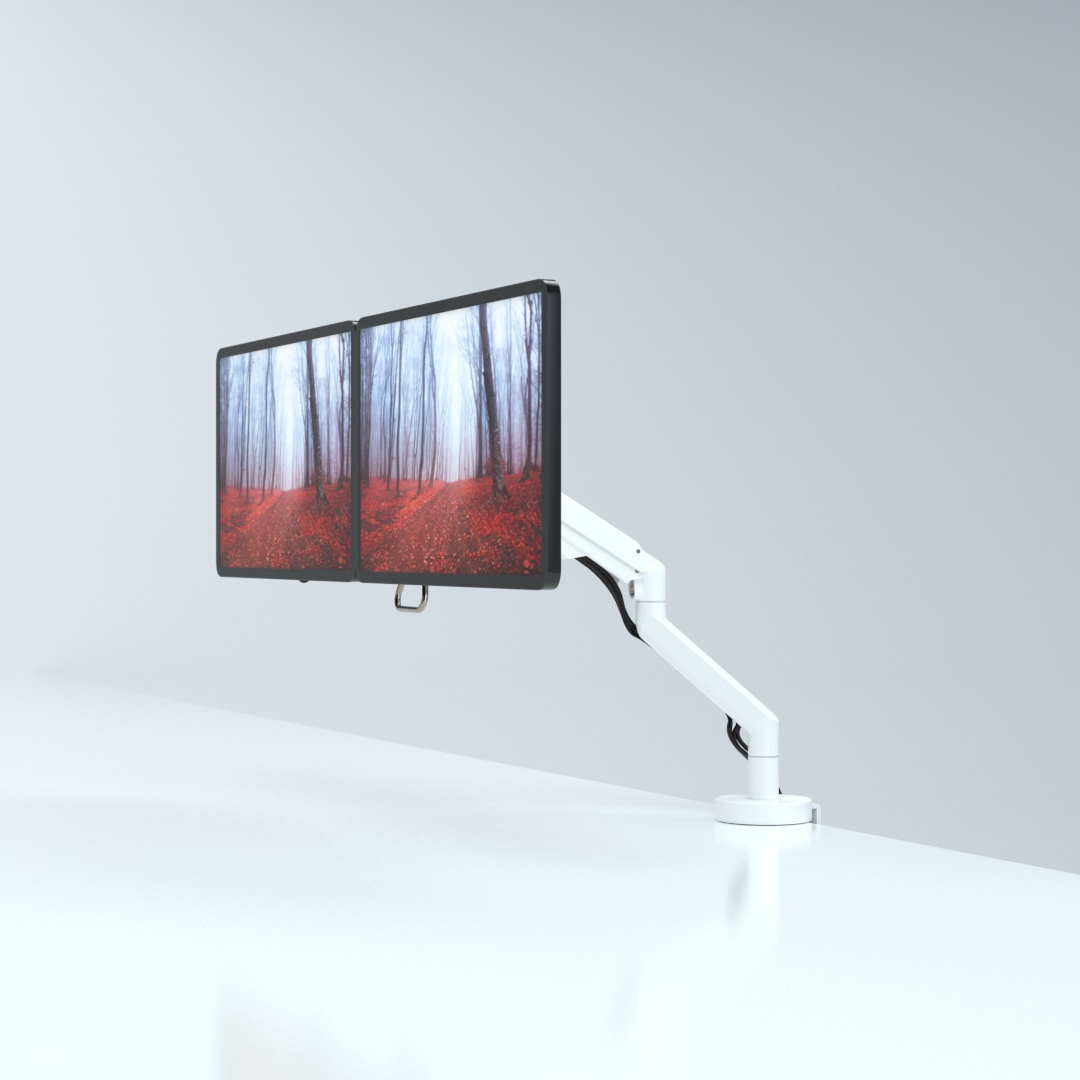
CMD Ltd, the specialist in ergonomic and connectivity solutions for commercial interiors, has completed its Reach monitor arm range with the launch of the Reach Plus. Available in single or dual screen options, the Reach Plus has been designed to provide an ideal solution for both single and dual screen workstation configurations, or can be used with next generation of large format curved screens. Suitable...

Read more
CMD Ltd DEMONSTRATES THE ART OF POWER DISTRIBUTION AT THE UNIVERSITY OF WARWICK

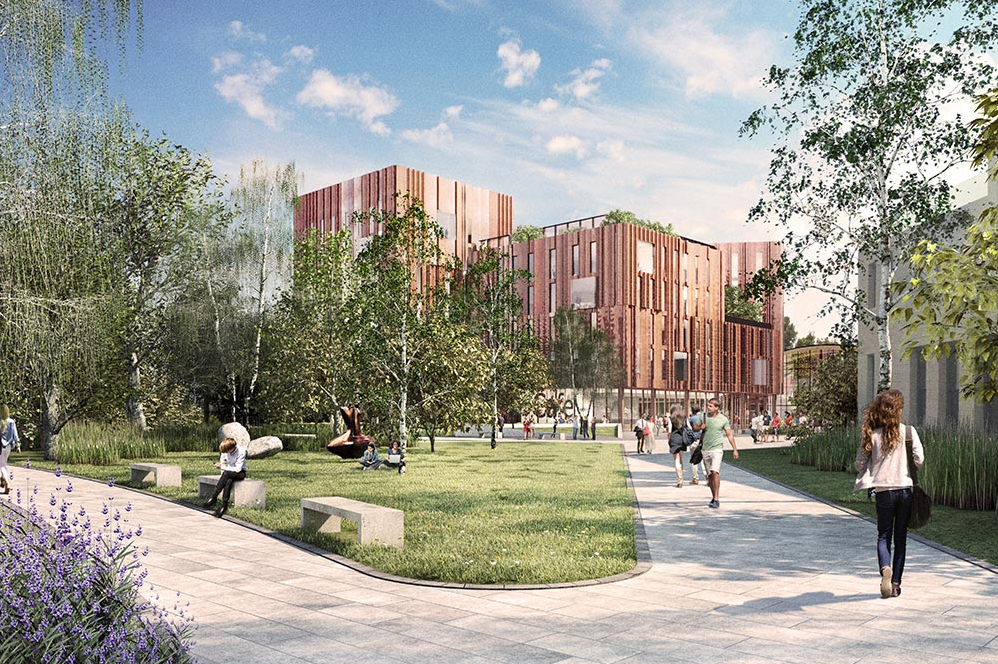
CMD Ltd, the specialist in workplace connectivity and ergonomic solutions, has provided Betatrak busbar power distribution and a range of electrical accessories for two major capital investment projects at the University of Warwick. Designed by Fielden Clegg Bradley Studios, the £33 million Faculty of Arts building is a showpiece development comprising four interconnected structures set around a central atrium, which will enable inter-disciplinary collaboration across...

Read more
University of Warwick
CMD BRINGS HARMONY TO COVENTRY UNIVERSITY RESEARCH FACILITIES

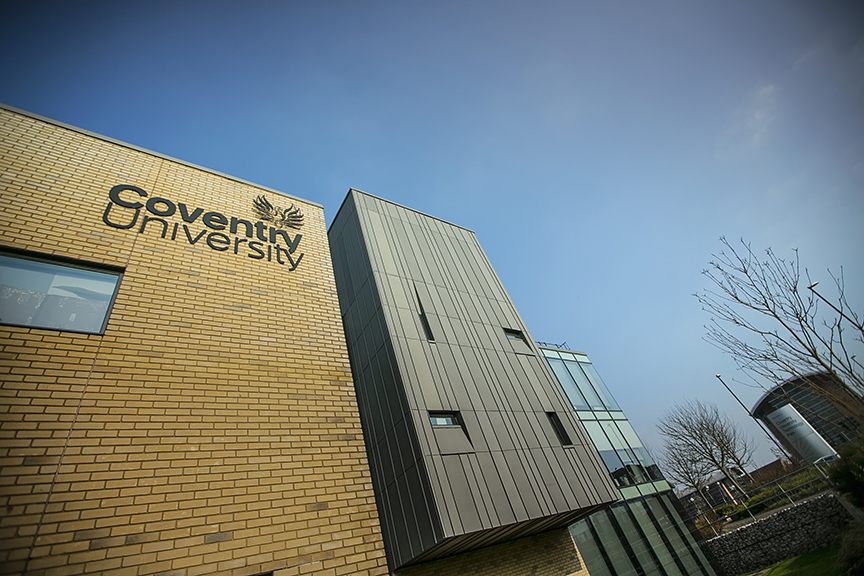
CMD Ltd, the specialist in power distribution solutions and workstation power and ergonomics, has provided under desk and on desk power modules for the refurbishment of three Coventry University research buildings. Located on Coventry University Technology Park, a business park designed to encourage collaboration between the university and knowledge-based businesses, the three buildings are being repurposed as office accommodation for university research teams. The refurbishment...

Read more

Coventry University

Discover the Best Blender Architecture Renders for Your Projects?

In the world of architecture, visual representation is crucial. Blender, an open-source 3D creation suite, excels in producing stunning architecture renders. Renowned expert and architect John Doe has said, "Blender Architecture Renders bring designs to life in ways that static images cannot." His words capture the essence of this transformative tool.

Blender Architecture Renders are not just about aesthetics. They can convey a building's purpose. A well-crafted render can evoke emotions, making clients envision their future spaces. However, achieving this level of quality demands skill. Even experienced artists face challenges. Lighting, materials, and composition can make or break a render.

Moreover, while Blender offers immense potential, it also requires dedication. New users may feel overwhelmed by its capabilities. Learning curves exist, and mistakes are part of the journey. Reflecting on these experiences only fuels growth. Ultimately, embracing the imperfections leads to creating extraordinary architectural visualizations. With practice, anyone can harness the true power of Blender Architecture Renders.

Discover the Best Blender Architecture Renders for Your Projects?

Exploring the Role of Blender in Architectural Visualization

Blender has revolutionized architectural visualization. It offers architects and designers powerful tools to bring their ideas to life. The software enables high-quality renders that accurately represent design concepts. Whether you are creating residential homes or commercial buildings, Blender provides a platform for creativity and precision.

When working with Blender, consider the importance of lighting. Proper lighting can enhance your render significantly. Experiment with different light sources to find what works best for your scene. Soft shadows and highlights can add realism. Don’t hesitate to tweak settings multiple times. This trial-and-error approach can lead to unexpected, beautiful results.

Texture mapping is another critical aspect. Realistic textures breathe life into your models. Use high-resolution images for surfaces like brick, wood, or glass. Try layering textures for complexity. Pay attention to details; uneven surfaces can add character. Remember, imperfections often tell a story in design. Embrace these moments for authenticity in your projects.

Top Features of Blender for Producing High-Quality Renders

Blender stands out for its versatility in creating stunning architectural renders. The software's advanced rendering features allow architects to visualize their designs in realistic ways. One key element is its powerful ray tracing capabilities. This technology simulates light behavior, providing lifelike shadows and reflections. Users can experiment with different light sources to achieve various atmospheres.


Material creation in Blender offers great flexibility. The node-based system enables artists to craft complex surfaces like glass or concrete with precision. However, this complexity can be overwhelming for beginners. It's essential to understand the basics before diving into intricate textures. Additionally, utilizing proper rendering settings can significantly impact the final output. Balancing quality and render time remains a challenge, demanding ongoing adjustments and patience.


Another feature worth noting is the extensive library of add-ons. They enhance the workflow and provide additional tools for modeling and rendering. While this can boost productivity, it may also lead to decision fatigue. Users often find themselves lost in choices, which can hinder the creative process. Mastery of Blender requires exploration and experimentation, fostering growth in one's skills over time.

Analyzing Industry Standards for Render Quality in Architecture

In the architectural visualization industry, render quality is paramount. According to the Architectural Institute of America, over 70% of clients prefer high-quality visuals for project approvals. This statistic underscores the importance of investing in top-notch rendering techniques.

Common industry standards highlight the significance of realism in architectural renders. Studies show that images with proper lighting and textures lead to a 40% increase in client engagement. Many firms still struggle with achieving this level of detail. They often overlook the importance of setting realistic materials, which can compromise the overall perception of a design.

However, the quest for perfection can lead to challenges. High-quality renders require substantial time and resources. A report from the International Association of Architects notes that 68% of architects express frustrations regarding tight deadlines. The pressure can sometimes result in compromises on render quality, raising questions about the balance between speed and excellence. The continuous push for innovation makes examining these standards crucial for advancing effective visualization techniques in architecture.

Discover the Best Blender Architecture Renders for Your Projects

Render Style Quality Rating (Out of 10) Common Use Cases Software Used
Photorealistic 9 Residential Designs, Interior Visualization Blender, V-Ray
Sketch Style 7 Conceptual Designs, Presentations Blender, SketchUp
Stylized 8 Marketing Materials, Media Production Blender, Octane Render
Minimalist 8 Urban Planning, Landscape Design Blender, Lumion
Aerial View 9 Site Analysis, Large Developments Blender, Enscape

Case Studies: Successful Projects Utilizing Blender Architecture Renders

The use of Blender for architectural renders has transformed project presentations. Many architects and designers now turn to this software for its versatility and robust rendering capabilities. One remarkable case study features a residential project where the team used Blender to create detailed visualizations of a modern home. This approach allowed them to effectively communicate their vision to clients. The 3D models showcased realistic lighting and textures, bridging the gap between concept and reality.

In another instance, a commercial space utilized Blender to design an immersive environment. The project team faced challenges in rendering materials that appeared lifelike. They experimented with different settings to achieve realism. This trial and error process ultimately enhanced their skillset. The final renders not only impressed the clients but also served as a useful portfolio piece for future work. These case studies illustrate that while Blender can produce stunning visuals, the journey often involves critical reflection and adaptation. Each project presents unique challenges that require thoughtful solutions.

Blender Architecture Render Projects Analysis

This bar chart illustrates the distribution of successful projects utilizing Blender architecture renders across different categories. Each category represents the number of projects completed, showcasing the versatility and application of Blender in various architectural fields.

Future Trends in Blender Architecture Rendering Techniques

Architecture rendering is evolving rapidly, influenced by advancements in technology and user needs. Recent studies indicate that over 73% of architects now rely on 3D rendering to visualize projects. These tools enhance client presentations and improve design accuracy. One emerging trend is the use of real-time rendering, allowing architects to make instant design adjustments. This technology can save time and reduce costs during the design phase.

Another significant trend is the integration of virtual reality (VR) with Blender architecture rendering. Reports show that about 59% of clients prefer immersive experiences before making decisions. Virtual tours provide a realistic feel for spaces, increasing engagement. However, challenges remain. Many architects lack the skills to utilize VR effectively, creating a gap in delivery. Additionally, high-quality renders often require substantial computational resources, which can be a barrier for small firms.

Photorealistic rendering also remains a hot topic. Today’s tools mimic real-world materials and lighting. Yet, the line between reality and rendering may blur too much. Some clients struggle to differentiate between actual photographs and computer-generated images. This confusion can lead to unrealistic expectations. As the industry progresses, it will be essential to address these issues while fostering innovation.