

News

Miro: A New Standard in Responsible Innovation

Miro: A New Standard in Responsible Innovation The Miro monitor arm is setting new benchmarks in sustainability. It offers a high-performance solution without compromising on environmental responsibility. Designed with careful material selection, local sourcing, and longevity in mind, Miro’s responsible approach to design and unique manoeuvrability set it apart from the competition. Sustainable Choices Miro is crafted from energy-efficient materials with a lower carbon impact....

Read more
HSE Advisor

Role Purpose Support in the development, implementation and maintenance of the company’s Health, Safety & Environmental policies, processes, operational procedures, and standards.  Ensuring best practice and championing a continually improving HSE culture within the business. Key Responsibilities Liaise with and provide support to all areas of the business to eliminate, mitigate or reduce identified HSE exposures. Partner with the production management team and team leaders,...

Read more
CMD Ltd LAUNCHES 48-HOUR TURNAROUND ON BETATRAK® RAPID ORDERING SERVICE

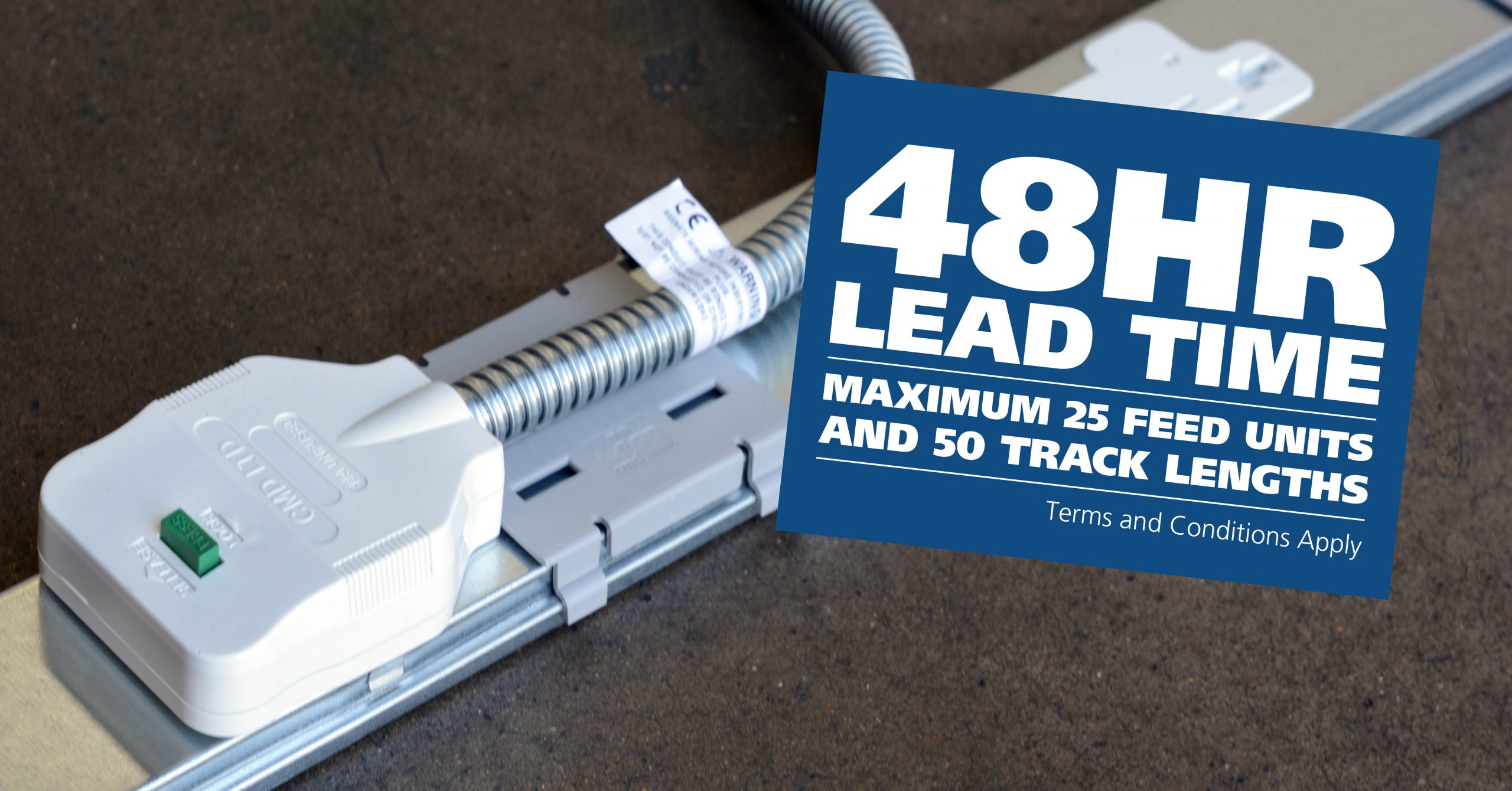
CMD Ltd, the specialist in power distribution systems, workstation power and monitor arms, has launched a rapid ordering service for its Betatrak® underfloor powertrack distribution systems and accessories, with a commitment to delivering within 48-hours of an approved purchase order*. The service enables customers to order up to 50 lengths of Standard or Clean Earth (C/E) low noise Betatrak, along with up to 25 feed...

Read more
CMD INVESTS £1/4 MILLION IN NEW MACHINE AS PART OF FACTORY UPGRADE

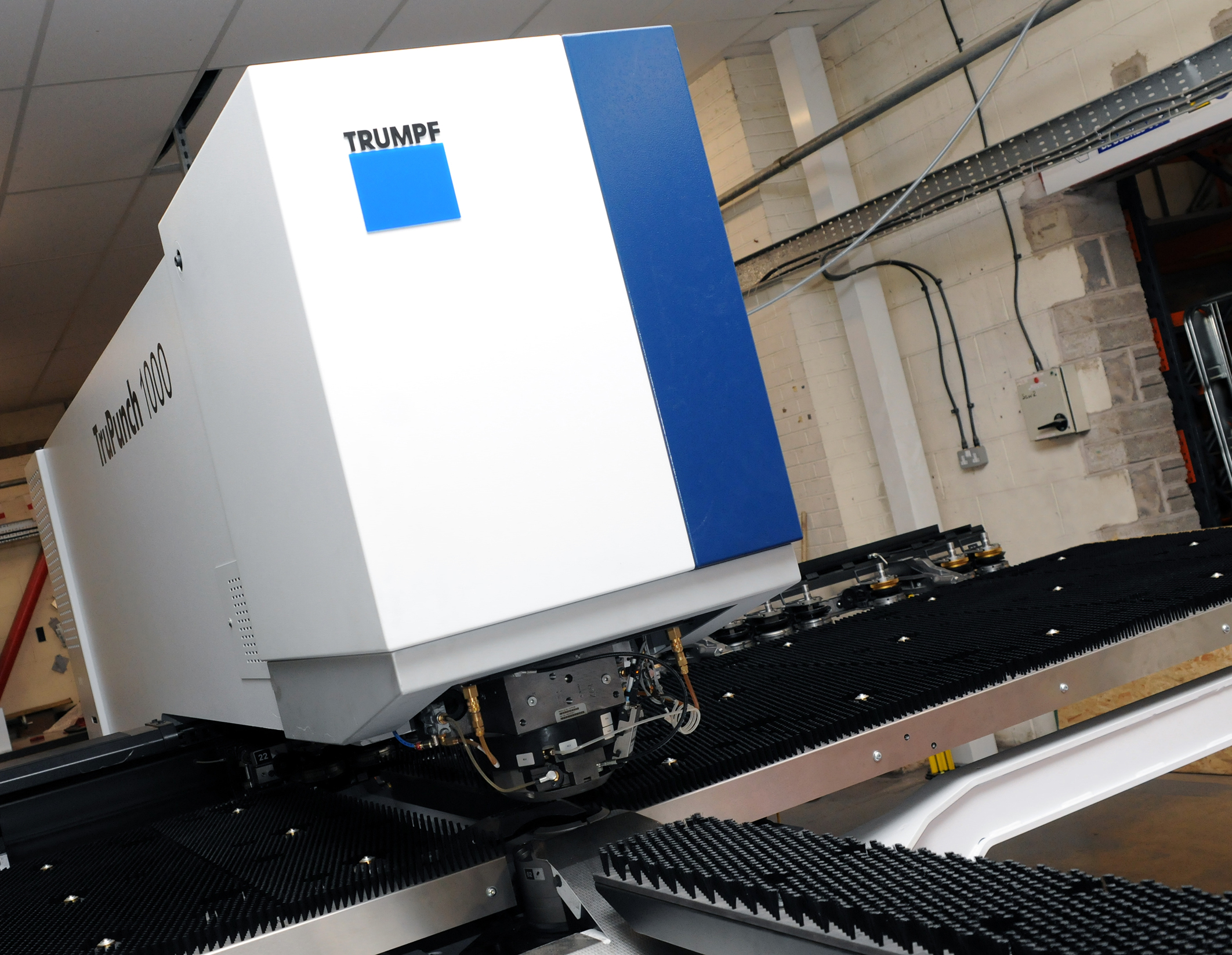
We have invested in a new £1/4m TRUMPF CNC metal punch as part of an asset renewal strategy for our UK manufacturing capability. The new machine will be used in the production of a wide variety of our power distribution systems and workstation power products at our Rotherham factory. Suitable for handling sheet metal between 0.9mm and 3.0mm thick, the new machine will replace one...

Read more
CMD CATALOGUE PROVIDES TECHNICAL POWER DISTRIBUTION GUIDE

CMD Ltd has released a new catalogue, providing an easy to follow technical guide to our power distribution systems and plug and play desk modules. Detailing CMD’s full range of UK-manufactured power distribution systems and plug and play desk modules, the catalogue will be a helpful source of information to M&E engineers and contractors alike to understand how our power distribution systems connect together and...

Read more
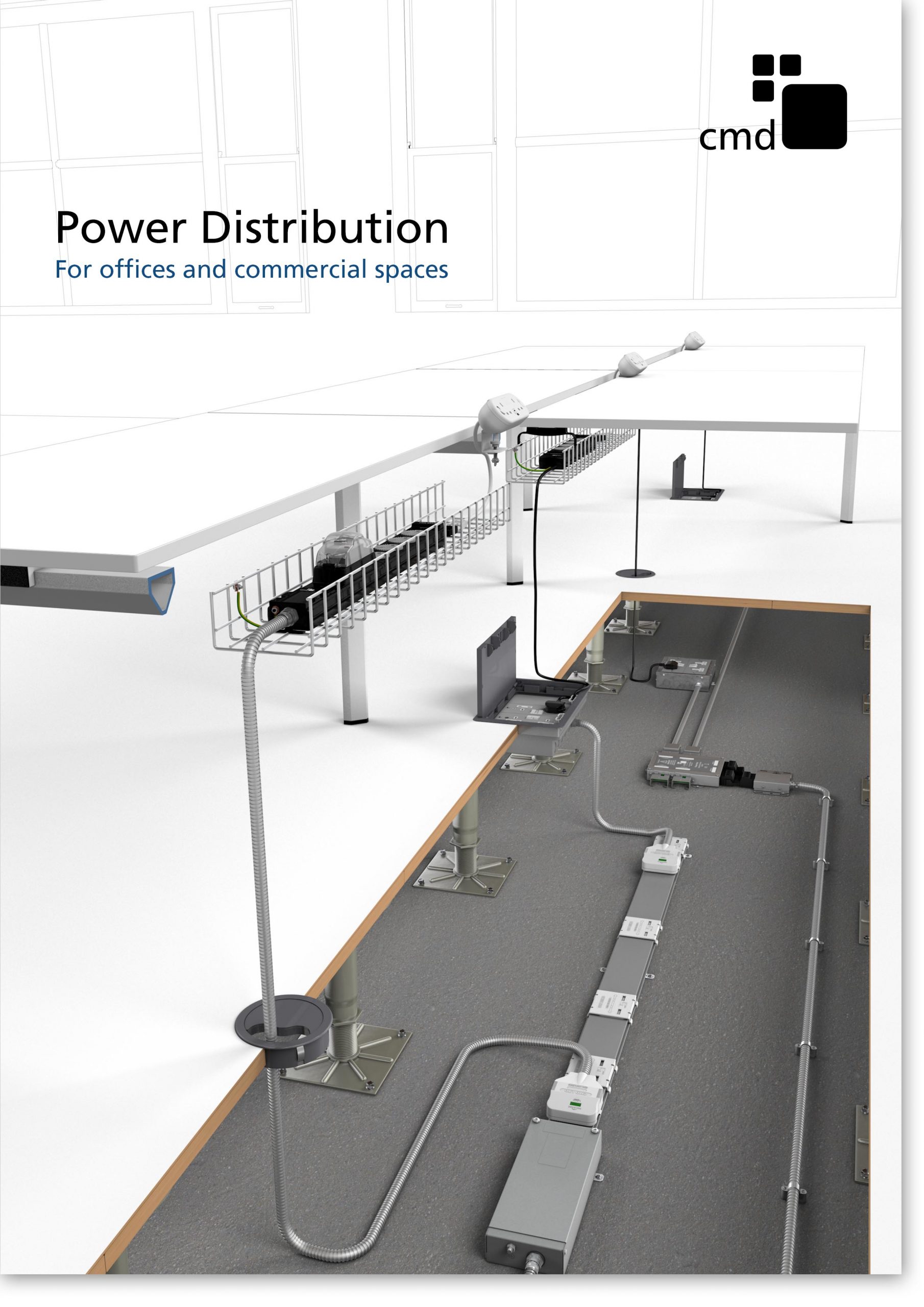
Power Distribution Catalogue
CMD Ltd PLAYS ESSENTIAL ROLE IN ELECTRICAL FIT OUT AT LONDON’S PRESTIGIOUS OFFICE DEVELOPMENT

CMD Ltd, specialist in workplace connectivity and ergonomic solutions, has provided a flexible and high-quality power distribution network for The Ray, a prestigious office development in London’s Farringdon. Well-known for being the former site of The Guardian newspaper, The Ray now stands as an 83,000ft² office development characterised by a modernised warehouse aesthetic, with level two now occupied by a global social media company. The...

Read more

The Ray
CMD plugs in to european opportunity with Schuko Capsule unit launch

CMD Ltd, the specialist in power and connectivity solutions for commercial environments, has launched a Schuko version of its popular fixed format Capsule workstation power module for export to mainland Europe and beyond. A popular on desk power module comprising two sockets and dual USB (type A and C) chargers, CMD’s Capsule unit is already widely specified in the UK as an off-the-shelf workstation power...

Read more
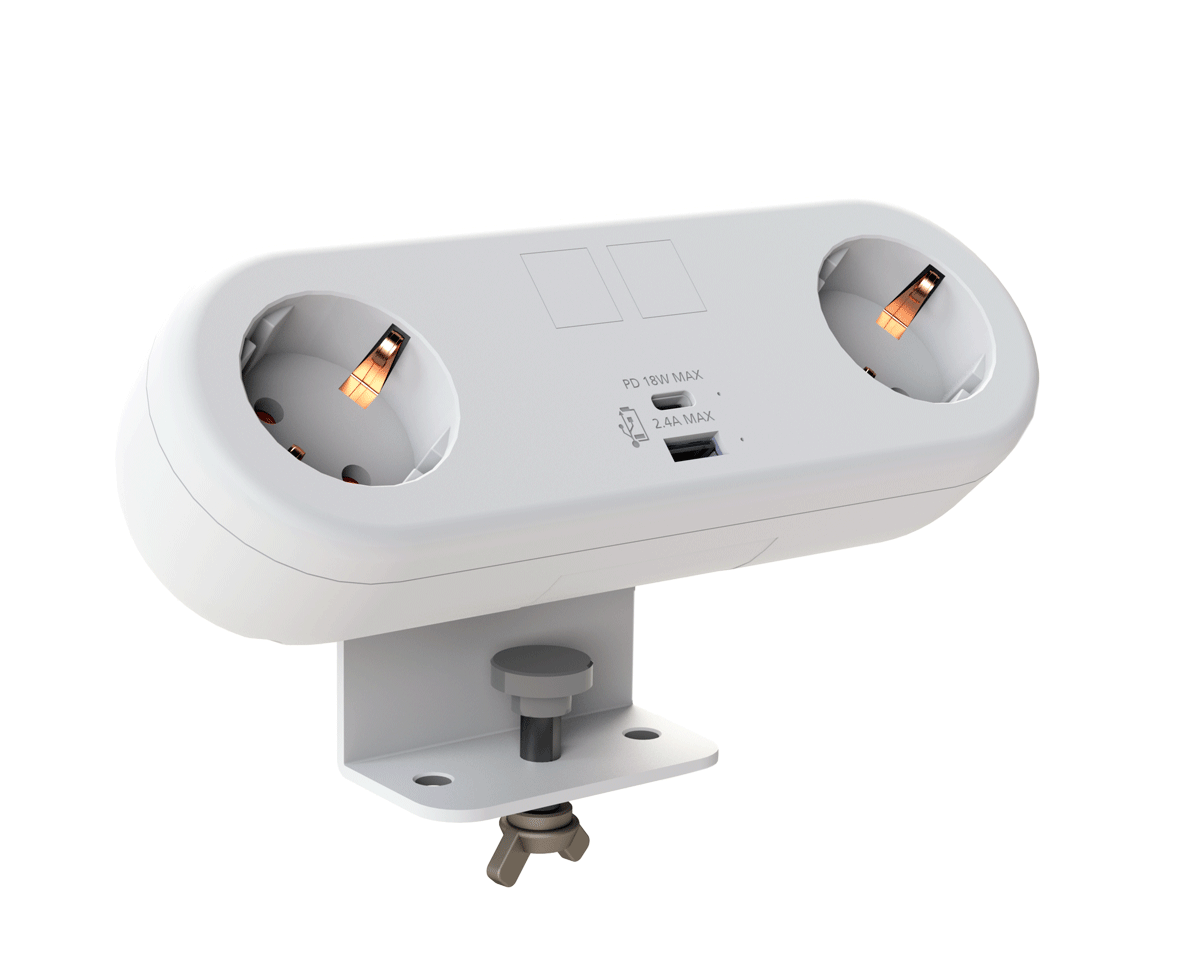
CMD White Schuko Capsule Desk Power Module
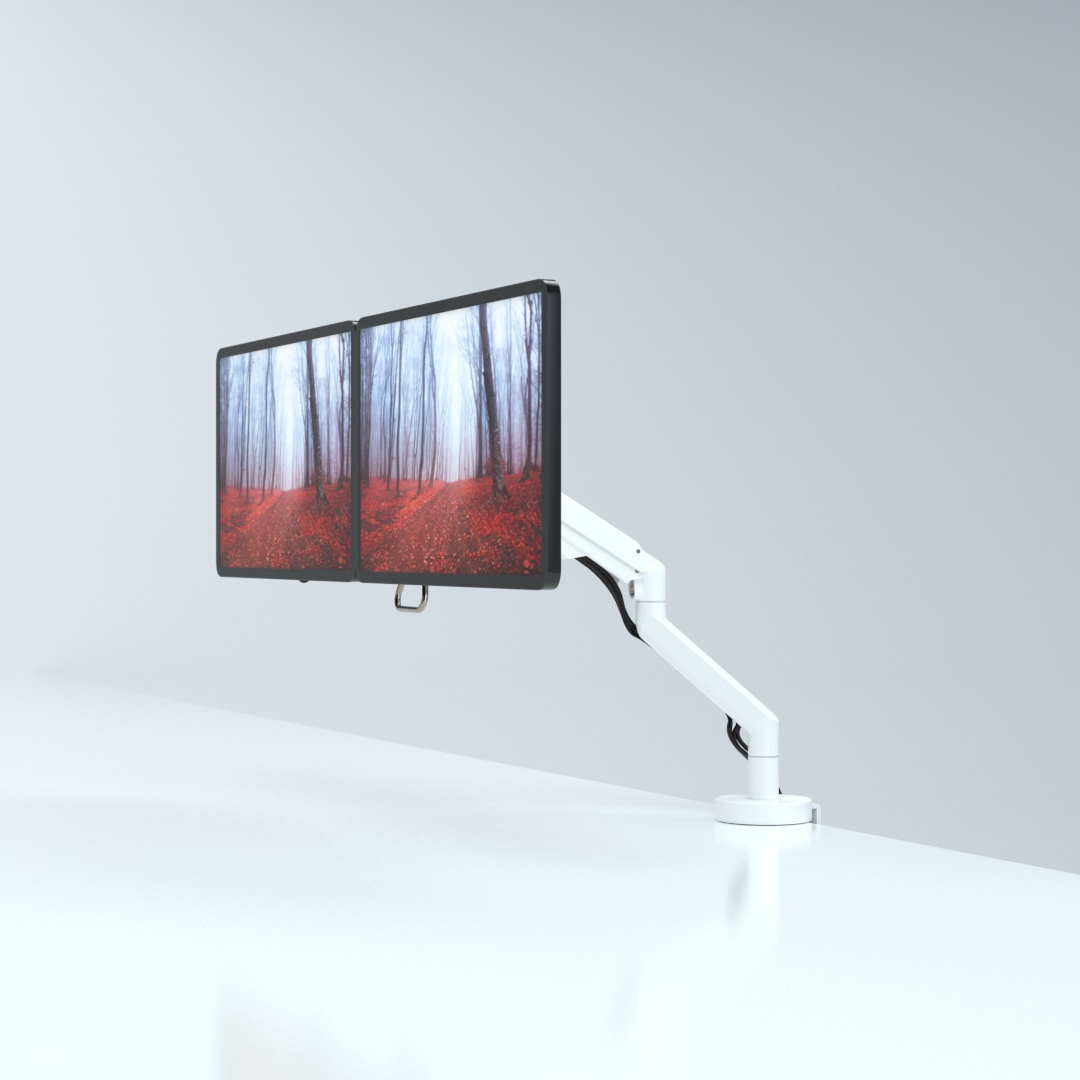
CMD LTD EXTENDS MONITOR ARM RANGE WITH THE LAUNCH OF REACH PLUS

CMD Ltd, the specialist in ergonomic and connectivity solutions for commercial interiors, has completed its Reach monitor arm range with the launch of the Reach Plus. Available in single or dual screen options, the Reach Plus has been designed to provide an ideal solution for both single and dual screen workstation configurations, or can be used with next generation of large format curved screens. Suitable...

Read more
CMD Ltd DEMONSTRATES THE ART OF POWER DISTRIBUTION AT THE UNIVERSITY OF WARWICK

CMD Ltd, the specialist in workplace connectivity and ergonomic solutions, has provided Betatrak busbar power distribution and a range of electrical accessories for two major capital investment projects at the University of Warwick. Designed by Fielden Clegg Bradley Studios, the £33 million Faculty of Arts building is a showpiece development comprising four interconnected structures set around a central atrium, which will enable inter-disciplinary collaboration across...

Read more

University of Warwick
CMD BRINGS HARMONY TO COVENTRY UNIVERSITY RESEARCH FACILITIES

CMD Ltd, the specialist in power distribution solutions and workstation power and ergonomics, has provided under desk and on desk power modules for the refurbishment of three Coventry University research buildings. Located on Coventry University Technology Park, a business park designed to encourage collaboration between the university and knowledge-based businesses, the three buildings are being repurposed as office accommodation for university research teams. The refurbishment...

Read more

Coventry University

2026 Best Automatic Soil Resilient Modulus Tester Guide?

In the world of geotechnical engineering, the need for accuracy is paramount. The Automatic Soil Resilient Modulus Tester is a vital tool for measuring soil stiffness. This device plays a crucial role in the assessment of soil properties. It helps engineers determine how soil behaves under various loads.

Understanding the characteristics of soil is essential for construction projects. The right testing equipment can make a difference. Choosing the best Automatic Soil Resilient Modulus Tester requires careful consideration. It is not just about features, but also about reliability and precision.

Recommendations may vary, and some options might not meet expectations. Users often face challenges in finding the ideal tester. Experience and expertise in this field are critical for making informed decisions. With the right guidelines, selecting a quality tester can become easier. However, it is essential to reflect on the limitations of each model. Being aware of potential shortcomings can lead to better outcomes.

2026 Best Automatic Soil Resilient Modulus Tester Guide?

Overview of Soil Resilient Modulus and Its Importance

Soil resilient modulus is a key parameter in geotechnical engineering. It measures the ability of soil to recover after being subjected to repeated loading. This characteristic is crucial for understanding how soil behaves under traffic loads. Engineers use resilient modulus to design robust pavement structures.

The importance of resilient modulus extends beyond mere measurements. It provides insights into soil stability and durability. Understanding this modulus helps engineers predict long-term performance. However, many factors can influence these measurements. Variations in moisture content, temperature, and soil composition play a significant role. Sometimes, these factors lead to inconsistent results, which can be challenging to interpret.

Research in this field highlights the need for accurate testing methods. As soil mechanics evolve, so do testing techniques. Engineers must adapt and refine their approaches. Identifying reliable testing equipment is essential. The right tools can significantly improve the accuracy of resilient modulus measurements. Nonetheless, even with the best methods, human error can occur. Continuous learning and adaptation are vital for ongoing improvement.

Key Features to Look for in an Automatic Soil Resilient Modulus Tester

When searching for an automatic soil resilient modulus tester, certain key features are essential. These features can significantly impact test results and efficiency. One vital aspect is the tester's precision. According to industry reports, testing equipment should provide a margin of error within +/- 5%. This level of precision ensures reliable data for engineering applications.

Another critical feature is the automation level. An effective tester should integrate user-friendly software that simplifies data collection and analysis. Automation reduces human error, making data more trustworthy. Moreover, fast processing times can enhance productivity in laboratory settings.

Durability is often overlooked. Testers must withstand the rigors of frequent use. A reliable instrument can last several years, provided it is maintained properly. However, some models may show signs of wear after only a year. Regular calibration is necessary. The cost of frequent repairs can outweigh initial savings. Being attentive to these aspects can lead to better decision-making, ultimately supporting quality control in soil testing practices.

2026 Best Automatic Soil Resilient Modulus Tester Guide

Feature Description Importance
Automated Testing Ability to perform tests without manual intervention, improving efficiency. High
Data Logging Automatically records test results for analysis and reporting. High
User-Friendly Interface Intuitive controls and display for easy operation. Medium
Calibration Features Built-in calibration options to ensure accurate results. High
Portability Compact and lightweight design for easy transport to testing sites. Medium
Test Speed Quick test cycle times to increase throughput. High
Software Compatibility Compatible with various data analysis and reporting software. Medium

Top Brands and Models of Soil Resilient Modulus Testers for 2026

In the realm of geotechnical engineering, soil resilient modulus testers play a pivotal role. They measure how soil behaves under repeated loads, providing essential data for road and pavement design. The latest reports indicate an increasing demand for accurate testing. According to a 2023 industry survey, about 75% of civil engineers prefer equipment that ensures precision in measuring soil properties.

Current models incorporate advanced technology that enhances user experience and reliability. Key features often include digital display, automatic data logging, and integration with software for comprehensive analysis. There's a notable trend toward compact designs, allowing easy transport and field application. However, some testers still fall short on certain features, leading to inconsistencies in results. Users express the need for improved calibration processes in these devices to ensure robustness.

Experts suggest keeping an eye on emerging brands that focus on innovation. Some lesser-known models have begun incorporating artificial intelligence, enhancing prediction accuracy. Yet, seasoned professionals caution that reliance solely on technology can obscure traditional testing techniques. Balancing modern advancements with established methods remains crucial for comprehensive soil analysis.

Step-by-Step Guide to Using an Automatic Soil Resilient Modulus Tester

Using an Automatic Soil Resilient Modulus Tester requires careful attention. This guide will enhance your testing process. Begin by familiarizing yourself with the device's components. Understand the control panel and different settings. Each button and display serves a purpose.

Ensure proper sample preparation. The soil must be compacted to the desired density. This step influences the test results significantly. If the sample is inconsistent, the readings may vary. Pay attention to moisture content as it affects soil behavior.

Tips: Always calibrate the tester before use. This step may seem minor but is crucial for accurate readings. Regular calibration enhances reliability. Take notes during the testing process. Document any irregularities you observe. This practice will help you reflect on potential improvements and adjustments needed for future tests.

Maintenance and Calibration Tips for Optimal Tester Performance

Maintaining an automatic soil resilient modulus tester is crucial for accurate results. Regular calibration ensures that your measurements reflect true soil properties. Check the calibration frequently, especially after heavy use or environmental changes. Calibration should align with industry standards to guarantee reliability.

Proper maintenance goes beyond calibration. Clean the tester components regularly to prevent dust and dirt from affecting performance. Lubricate moving parts as recommended by the manufacturer. A well-maintained device reduces wear and tear, prolonging its lifespan. Check for any signs of damage or malfunction periodically. Addressing minor issues early can prevent larger problems.

User feedback is essential in refining your maintenance practices. Sometimes, the simplest adjustments can significantly improve performance. Track any anomalies in results and assess your tester's condition. This reflection leads to better understanding and more effective maintenance strategies. Testing accuracy hinges on diligence in care and upkeep.

Soil Resilient Modulus Performance Analysis