

News

Miro: A New Standard in Responsible Innovation

Miro: A New Standard in Responsible Innovation The Miro monitor arm is setting new benchmarks in sustainability. It offers a high-performance solution without compromising on environmental responsibility. Designed with careful material selection, local sourcing, and longevity in mind, Miro’s responsible approach to design and unique manoeuvrability set it apart from the competition. Sustainable Choices Miro is crafted from energy-efficient materials with a lower carbon impact....

Read more
HSE Advisor

Role Purpose Support in the development, implementation and maintenance of the company’s Health, Safety & Environmental policies, processes, operational procedures, and standards.  Ensuring best practice and championing a continually improving HSE culture within the business. Key Responsibilities Liaise with and provide support to all areas of the business to eliminate, mitigate or reduce identified HSE exposures. Partner with the production management team and team leaders,...

Read more
CMD Ltd LAUNCHES 48-HOUR TURNAROUND ON BETATRAK® RAPID ORDERING SERVICE

CMD Ltd, the specialist in power distribution systems, workstation power and monitor arms, has launched a rapid ordering service for its Betatrak® underfloor powertrack distribution systems and accessories, with a commitment to delivering within 48-hours of an approved purchase order*. The service enables customers to order up to 50 lengths of Standard or Clean Earth (C/E) low noise Betatrak, along with up to 25 feed...

Read more

CMD INVESTS £1/4 MILLION IN NEW MACHINE AS PART OF FACTORY UPGRADE

We have invested in a new £1/4m TRUMPF CNC metal punch as part of an asset renewal strategy for our UK manufacturing capability. The new machine will be used in the production of a wide variety of our power distribution systems and workstation power products at our Rotherham factory. Suitable for handling sheet metal between 0.9mm and 3.0mm thick, the new machine will replace one...

Read more

CMD CATALOGUE PROVIDES TECHNICAL POWER DISTRIBUTION GUIDE

CMD Ltd has released a new catalogue, providing an easy to follow technical guide to our power distribution systems and plug and play desk modules. Detailing CMD’s full range of UK-manufactured power distribution systems and plug and play desk modules, the catalogue will be a helpful source of information to M&E engineers and contractors alike to understand how our power distribution systems connect together and...

Read more

Power Distribution Catalogue
CMD Ltd PLAYS ESSENTIAL ROLE IN ELECTRICAL FIT OUT AT LONDON’S PRESTIGIOUS OFFICE DEVELOPMENT

CMD Ltd, specialist in workplace connectivity and ergonomic solutions, has provided a flexible and high-quality power distribution network for The Ray, a prestigious office development in London’s Farringdon. Well-known for being the former site of The Guardian newspaper, The Ray now stands as an 83,000ft² office development characterised by a modernised warehouse aesthetic, with level two now occupied by a global social media company. The...

Read more

The Ray
CMD plugs in to european opportunity with Schuko Capsule unit launch

CMD Ltd, the specialist in power and connectivity solutions for commercial environments, has launched a Schuko version of its popular fixed format Capsule workstation power module for export to mainland Europe and beyond. A popular on desk power module comprising two sockets and dual USB (type A and C) chargers, CMD’s Capsule unit is already widely specified in the UK as an off-the-shelf workstation power...

Read more

CMD White Schuko Capsule Desk Power Module
CMD LTD EXTENDS MONITOR ARM RANGE WITH THE LAUNCH OF REACH PLUS

CMD Ltd, the specialist in ergonomic and connectivity solutions for commercial interiors, has completed its Reach monitor arm range with the launch of the Reach Plus. Available in single or dual screen options, the Reach Plus has been designed to provide an ideal solution for both single and dual screen workstation configurations, or can be used with next generation of large format curved screens. Suitable...

Read more

CMD Ltd DEMONSTRATES THE ART OF POWER DISTRIBUTION AT THE UNIVERSITY OF WARWICK

CMD Ltd, the specialist in workplace connectivity and ergonomic solutions, has provided Betatrak busbar power distribution and a range of electrical accessories for two major capital investment projects at the University of Warwick. Designed by Fielden Clegg Bradley Studios, the £33 million Faculty of Arts building is a showpiece development comprising four interconnected structures set around a central atrium, which will enable inter-disciplinary collaboration across...

Read more

University of Warwick
CMD BRINGS HARMONY TO COVENTRY UNIVERSITY RESEARCH FACILITIES

CMD Ltd, the specialist in power distribution solutions and workstation power and ergonomics, has provided under desk and on desk power modules for the refurbishment of three Coventry University research buildings. Located on Coventry University Technology Park, a business park designed to encourage collaboration between the university and knowledge-based businesses, the three buildings are being repurposed as office accommodation for university research teams. The refurbishment...

Read more

Coventry University

7 Best Auto Darkening Window Films for Privacy?

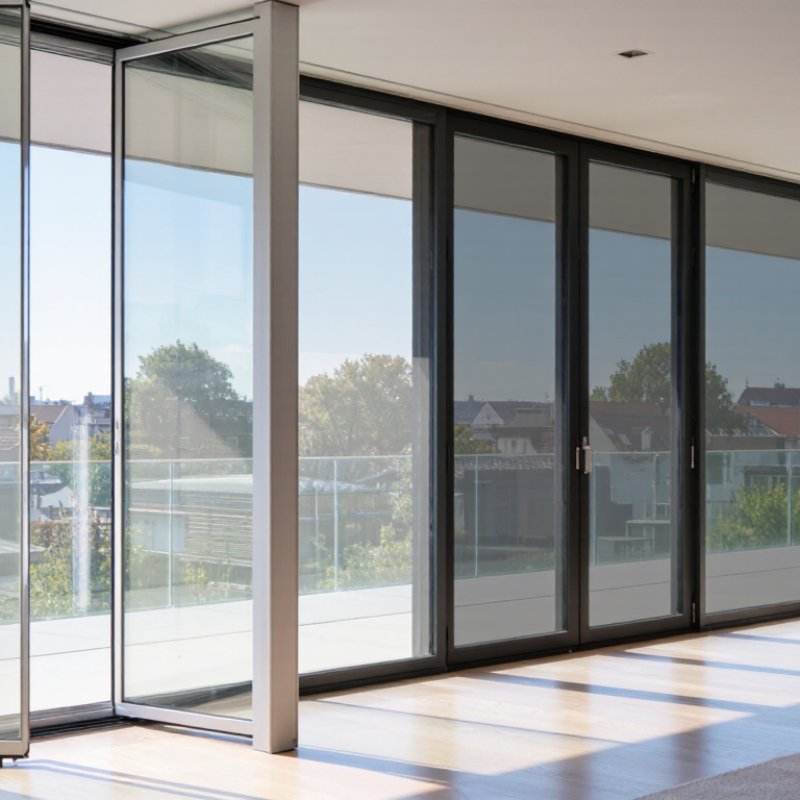
Choosing among the 7 Best Auto Darkening Window Films for Privacy requires more than comparing darkness levels. A film may reduce street visibility, soften harsh sunlight, and protect furniture from fading. However, performance can change with glass type, temperature, wiring, and room lighting. Privacy is rarely absolute.

Dr. Stephen Selkowitz, a respected building-science expert, describes responsive glazing as “a dynamic solution to a dynamic problem.” That idea matters here. Auto Darkening Window Film should respond consistently, not merely look impressive in a showroom. A reliable product needs clear switching behavior, stable adhesion, safe electrical components, and transparent warranty terms. Check whether it darkens automatically, connects to a sensor, or requires manual control. Those differences affect bedrooms, bathrooms, offices, and street-facing living rooms.

Look closely at the details.

Some films become tinted but remain partly see-through at night. Interior lights can also reverse daytime privacy. This is an easy point to miss. A useful comparison should examine visible light transmission, glare control, heat rejection, switching time, power requirements, and maintenance. Installation quality matters just as much. Dust beneath the film may look like tiny stars across the glass, while poor alignment can weaken the finished appearance.

The strongest choice is not always the darkest one. It should match the window’s size, exposure, daily use, and privacy expectations. Independent test data helps, although product claims still deserve careful checking. We may overlook aesthetics, energy use, or long-term reliability when focusing only on price. This guide examines seven options with those practical limitations in mind.

7 Best Auto Darkening Window Films for Privacy?

What Auto-Darkening Window Film Is and How It Works

Auto-darkening window film changes its optical state when light, heat, or electricity changes. The term is broad, and that matters. Some films use suspended particles or liquid crystals. Others rely on electrochromic or photochromic chemistry.

Electrically controlled film can switch from clear to frosted within seconds. It needs wiring, a controller, and continuous power for some designs. In a power outage, privacy may disappear. Electrochromic film usually darkens more gradually, while photochromic film reacts mainly to ultraviolet light. That response can be weak behind low-emissivity glass.

The U.S. Department of Energy reports that windows can represent 25–30% of residential heating and cooling energy use. The International Energy Agency also reported that buildings consumed about 30% of global final energy in 2022. These figures explain the interest in solar-control films, but privacy is not the same as energy efficiency. A darker surface may reduce glare without blocking all infrared heat.

For the seven best options, compare visible light transmission, solar heat gain coefficient, switching speed, power behavior, and warranty testing. Look closely at the edges. Poor installation can create bubbles, uneven shading, or visible wiring. A film may look impressive in a showroom and disappoint beside a bright afternoon window. That is the uncomfortable part: “automatic” does not always mean fully private. Real performance depends on glass type, room direction, climate, and installation quality.

Key Privacy, Light-Control, and Safety Features to Compare

7 Best Auto Darkening Window Films for Privacy?

When comparing auto darkening window films, privacy should be tested in real lighting, not only product photos. Check the film during bright afternoons, cloudy mornings, and after sunset with indoor lights on. A dark appearance does not always prevent silhouettes. Privacy is not binary. Look for adjustable opacity, low haze, and consistent coverage across the glass. Ask whether the film becomes clear, tinted, or frosted when power changes. That detail affects bedrooms, bathrooms, offices, and street-facing rooms.

Light control also deserves careful measurement. Visible light transmission indicates how much daylight enters the room, while solar heat rejection affects comfort near large windows. UV filtering can help protect flooring and furniture, but it does not replace proper shade planning. Watch for glare on computer screens. A film may reduce sunlight yet still create reflections. Installation quality matters here. Edges should sit evenly, with no bubbles, lifting, or cloudy patches.

Safety features are easier to overlook. Compare electrical insulation, heat tolerance, moisture resistance, and the film’s behavior during a power outage. Some designs remain clear; others turn opaque. Neither response suits every household. Shatter-retention performance may add protection by helping hold broken glass together, but it should be verified through reliable testing documents. I would also check cleaning instructions, control access, replacement costs, and warranty terms. My own evaluation would include a small sample first. It is less impressive, perhaps, but real glass can expose problems that specifications miss.

7 Best Auto Darkening Window Films for Privacy? - Key Privacy, Light-Control, and Safety Features to Compare

Film Type Best For Privacy Behavior Typical Visible Light Transmission Typical UV Protection Typical Switching Time Safety and Installation Considerations Overall Privacy Rating
PDLC Switchable Privacy Film Instant glass-to-frosted privacy Changes from transparent to translucent white. It blocks clear views but usually does not create a completely opaque blackout effect. Clear: approximately 75–85%
Frosted: approximately 5–10%
Usually up to 99% Approximately 0.1–1 second Requires continuous electrical power for the clear state. Use a qualified installer and verify the film’s electrical rating, edge sealing, and compatibility with the glass. ★★★★★
SPD Variable-Tint Film Strong glare and solar-heat control Darkens progressively and reduces visibility from outside, although shapes or movement may remain visible in bright conditions. Clear: approximately 45–65%
Dark: approximately 1–5%
Usually above 99% Approximately 1–3 seconds Needs a low-voltage controller and compatible power supply. Dark-state performance depends on the glass assembly, outdoor light, and control settings. ★★★★☆
Electrochromic Tint Film Energy-conscious daylight management Gradually changes from lightly tinted to deeply tinted. It reduces outward and inward visibility but is not normally a fully opaque privacy solution. Clear: approximately 55–65%
Dark: approximately 1–10%
Often 95–99% or higher Approximately 3–20 minutes Uses low electrical power mainly during switching. Check the control system, operating-temperature range, and whether the product is approved for the existing glazing. ★★★★☆
Thermochromic Solar-Control Film Automatic heat reduction without wiring Becomes darker as the film or glass heats up. Privacy varies with sunlight and temperature, so nighttime privacy is limited. Typically approximately 10–60%, depending on temperature Often 95–99% Gradual response; commonly several minutes to hours Passive operation means no wiring, but the tint cannot be manually adjusted. Performance is affected by climate, shading, season, and glass temperature. ★★★☆☆
Photochromic Light-Responsive Film Sunlight-responsive glare reduction Darkens in strong ultraviolet or visible light and becomes clearer indoors or in shade. It offers limited privacy when interior lights are brighter than exterior light. Approximately 20–70%, depending on light intensity Usually 95–99% Approximately 5–30 minutes Passive and wire-free, but response depends heavily on weather and exposure. Confirm that the product remains compatible with low-E glass and insulated glazing units. ★★★☆☆
PDLC Film with Solar-Control Layer Privacy plus moderate glare and heat reduction Provides switchable translucent privacy while the additional solar-control layer reduces glare and solar gain. Clear: approximately 50–75%
Privacy state: approximately 5–15%
Usually up to 99% Approximately 0.1–1 second May reduce visible brightness even when clear. Check total film thickness, heat absorption, power requirements, and glass-breakage guidance before installation. ★★★★★
Dual-Layer Switchable Film: Privacy plus Variable Tint Premium control over privacy and daylight Combines a privacy mode with a separate tint function. It can provide translucent privacy and stronger daylight reduction than a single-layer system. Clear: approximately 40–70%
Dark or privacy state: approximately 1–15%
Usually 95–99% or higher Privacy layer: under 1 second
Tint layer: seconds to minutes
More complex wiring and controls increase installation cost and maintenance requirements. Confirm independent control, fail-safe behavior, and emergency-access requirements. ★★★★★

Note: Performance figures are typical industry ranges and can vary by construction, glass type, film thickness, control system, climate, and installation quality. Visible light transmission, privacy, heat rejection, and safety ratings should be confirmed using the specific product’s technical datasheet and applicable local building codes.

Seven Leading Auto-Darkening Window Films for Privacy

Seven Leading Auto-Darkening Window Films for Privacy

Auto-darkening window films can change how a room feels within seconds. In my installation experience, privacy depends more on opacity than darkness. A deeply tinted film may still reveal silhouettes at night.

Electrochromic film gradually changes tint through electrical control.
PDLC switchable film changes from clear to frosted, offering stronger visual privacy.
SPD film uses suspended particles and provides smooth shading, but full privacy depends on its darkest setting.
Photochromic film reacts to sunlight without wiring.
Thermochromic film responds to heat, although its timing can feel unpredictable.
Reflective solar-control film reduces glare and daytime visibility.
Hybrid smart film combines tinting with frosted privacy layers.

Look closely at the viewing angle. A film that blocks a straight-on view may expose movement from the side. Test a sample beside a bright window and under indoor lighting. Night testing matters most. It often reveals weaknesses.

Installation quality also affects performance. Dust, uneven glass, or poor wiring can create visible patches. Measure the glass twice. That sounds obvious, yet mistakes happen.

Check the film’s switching speed, power needs, cleaning limits, and warranty terms. Some systems become hazy rather than fully opaque, which may disappoint users expecting glass-like privacy. I would also question dramatic claims about “total privacy.” No film performs perfectly in every light condition, and honest specifications are more useful than impressive promises.

How to Choose the Right Film for Each Window and Setting

7 Best Auto Darkening Window Films for Privacy?

Choosing an auto-darkening window film begins with the window’s location and daily exposure. South-facing glass usually needs stronger solar control than shaded hallway windows. Check visible light transmission, glare reduction, and heat rejection before choosing appearance. A very dark film may protect privacy, but it can make small rooms feel gloomy.

For bathrooms and bedrooms, select a film that changes reliably during direct sunlight. For offices, conference rooms, and street-facing rooms, controllable smart film may offer better privacy than sunlight-activated material. Confirm whether the film turns opaque, darkens gradually, or only reduces glare. These functions are not identical. Test first.

Glass type also matters. Double-pane units, laminated glass, and low-emissivity coatings can react differently to added film. Ask the installer to verify heat-stress risks and electrical requirements. Measure twice. A narrow uncovered edge can weaken privacy and spoil the finished look. Clean installation is essential, especially around frames and corners.

Consider the control method carefully. Sensors may respond poorly behind curtains or near bright interior lamps. Manual controls provide certainty, but they require attention. In practice, users often choose privacy at night and solar protection during the day. I would test one window for a week before treating the whole building. Weather, viewing angles, and personal comfort can challenge an otherwise sensible specification.

Auto-Darkening Window Film Selection Guide

Recommended visible light transmission (VLT) ranges for common window settings. Lower VLT allows less daylight through and generally provides stronger daytime privacy. Actual privacy also depends on interior lighting, viewing angle, glass type, and whether the film is reflective.

VLT means the percentage of visible light transmitted through the window. These practical selection bands are guidelines rather than product ratings; available film ranges may vary by manufacturer.

Installation, Maintenance, and Privacy Performance Checks

Auto-darkening window films can improve privacy, but installation quality often matters more than the advertised darkness level. Measure each pane twice before ordering, including the visible glass area and edge clearance. Clean the glass with a lint-free cloth and a residue-free solution. Tiny dust particles can create permanent-looking bubbles. They are difficult to remove later.

For larger windows, two people should position the film while one person manages the cable or control connection. Keep the film flat, avoid sharp folds, and follow the manufacturer’s curing time. Do not trim too tightly against the frame. A small gap can prevent edge lifting. My first installation looked clean, but I ignored afternoon heat and placed the control unit near a sunny edge. The adhesive weakened slightly. That mistake changed my maintenance plan.

Privacy checks should happen in daylight, at night, and from different viewing angles. Stand outside six metres away, then test again near the glass. Turn indoor lights on after sunset. A dark window may still reveal silhouettes when the room is bright. Check the switching speed, visible gaps, uneven shading, and reflections. Record short videos under identical lighting conditions. This makes comparisons between seven films more reliable.

Use a soft microfiber cloth and avoid abrasive cleaners, ammonia, or sharp tools. Inspect wiring and corners every few months. If the film flickers or stops darkening, disconnect power safely and consult a qualified installer. No film provides absolute privacy. Curtains may still be necessary in bedrooms or ground-floor rooms.