

News

Miro: A New Standard in Responsible Innovation

Miro: A New Standard in Responsible Innovation The Miro monitor arm is setting new benchmarks in sustainability. It offers a high-performance solution without compromising on environmental responsibility. Designed with careful material selection, local sourcing, and longevity in mind, Miro’s responsible approach to design and unique manoeuvrability set it apart from the competition. Sustainable Choices Miro is crafted from energy-efficient materials with a lower carbon impact....

Read more
HSE Advisor

Role Purpose Support in the development, implementation and maintenance of the company’s Health, Safety & Environmental policies, processes, operational procedures, and standards.  Ensuring best practice and championing a continually improving HSE culture within the business. Key Responsibilities Liaise with and provide support to all areas of the business to eliminate, mitigate or reduce identified HSE exposures. Partner with the production management team and team leaders,...

Read more
CMD Ltd LAUNCHES 48-HOUR TURNAROUND ON BETATRAK® RAPID ORDERING SERVICE

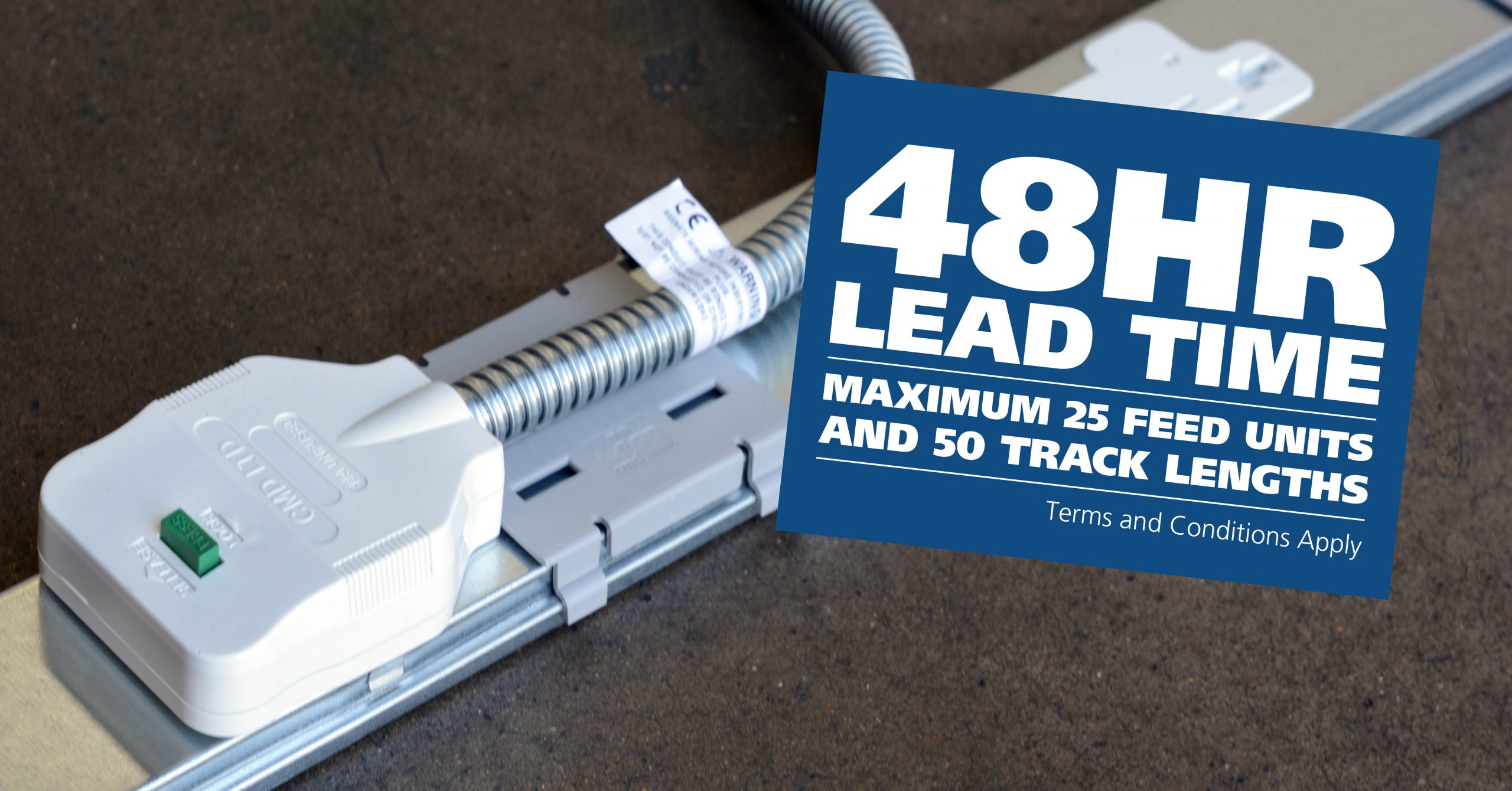
CMD Ltd, the specialist in power distribution systems, workstation power and monitor arms, has launched a rapid ordering service for its Betatrak® underfloor powertrack distribution systems and accessories, with a commitment to delivering within 48-hours of an approved purchase order*. The service enables customers to order up to 50 lengths of Standard or Clean Earth (C/E) low noise Betatrak, along with up to 25 feed...

Read more
CMD INVESTS £1/4 MILLION IN NEW MACHINE AS PART OF FACTORY UPGRADE

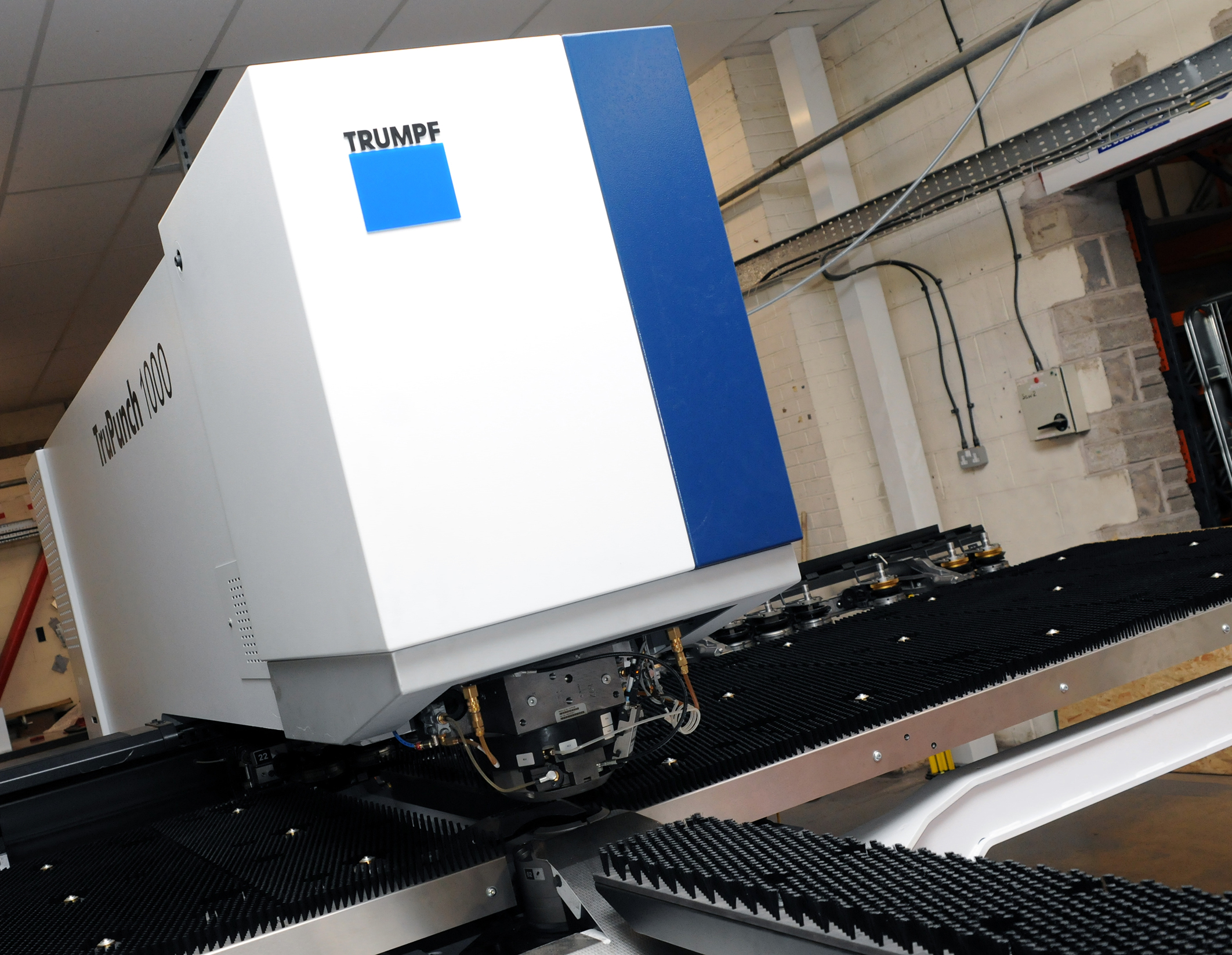
We have invested in a new £1/4m TRUMPF CNC metal punch as part of an asset renewal strategy for our UK manufacturing capability. The new machine will be used in the production of a wide variety of our power distribution systems and workstation power products at our Rotherham factory. Suitable for handling sheet metal between 0.9mm and 3.0mm thick, the new machine will replace one...

Read more
CMD CATALOGUE PROVIDES TECHNICAL POWER DISTRIBUTION GUIDE

CMD Ltd has released a new catalogue, providing an easy to follow technical guide to our power distribution systems and plug and play desk modules. Detailing CMD’s full range of UK-manufactured power distribution systems and plug and play desk modules, the catalogue will be a helpful source of information to M&E engineers and contractors alike to understand how our power distribution systems connect together and...

Read more
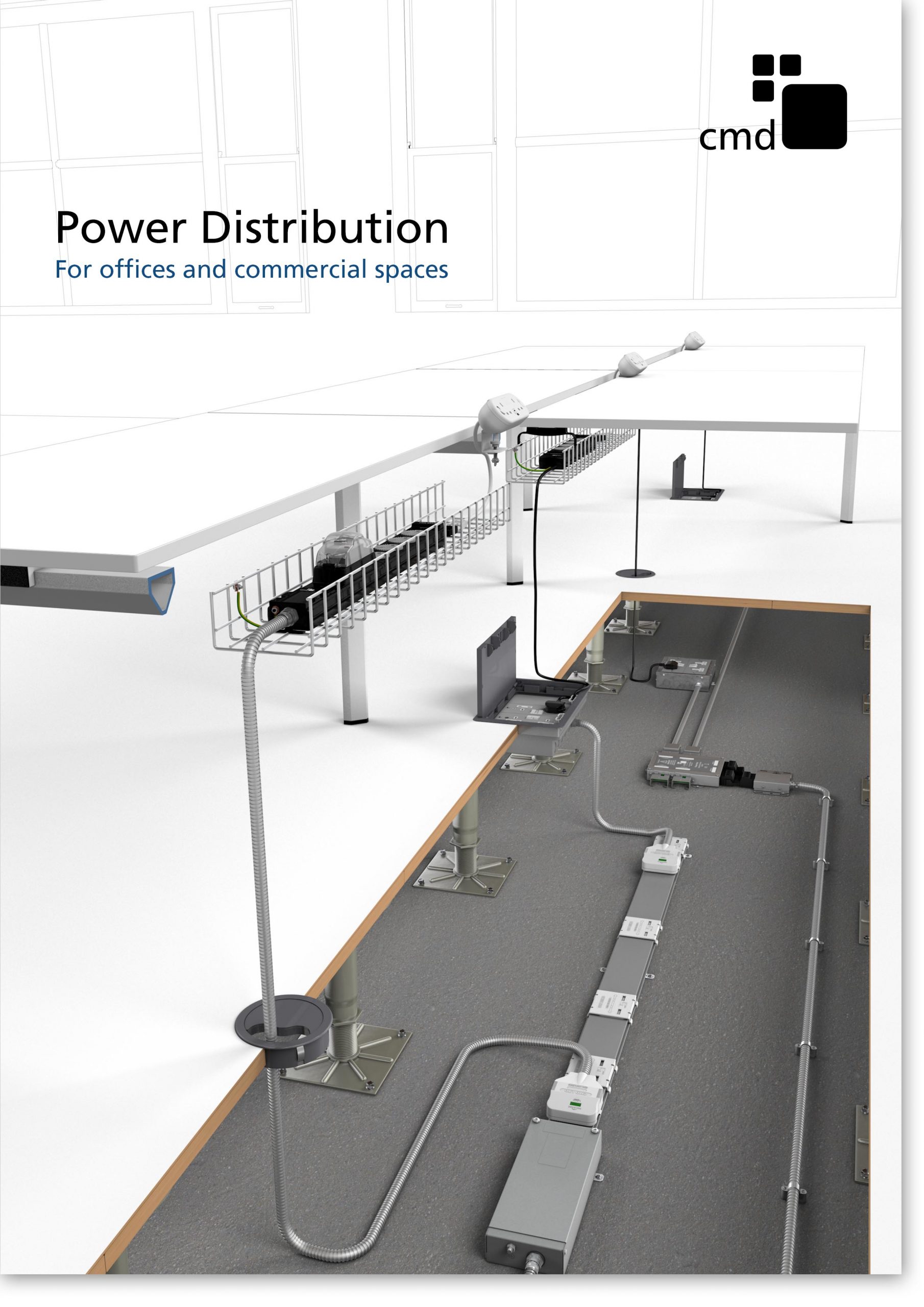
Power Distribution Catalogue
CMD Ltd PLAYS ESSENTIAL ROLE IN ELECTRICAL FIT OUT AT LONDON’S PRESTIGIOUS OFFICE DEVELOPMENT

CMD Ltd, specialist in workplace connectivity and ergonomic solutions, has provided a flexible and high-quality power distribution network for The Ray, a prestigious office development in London’s Farringdon. Well-known for being the former site of The Guardian newspaper, The Ray now stands as an 83,000ft² office development characterised by a modernised warehouse aesthetic, with level two now occupied by a global social media company. The...

Read more

The Ray
CMD plugs in to european opportunity with Schuko Capsule unit launch

CMD Ltd, the specialist in power and connectivity solutions for commercial environments, has launched a Schuko version of its popular fixed format Capsule workstation power module for export to mainland Europe and beyond. A popular on desk power module comprising two sockets and dual USB (type A and C) chargers, CMD’s Capsule unit is already widely specified in the UK as an off-the-shelf workstation power...

Read more
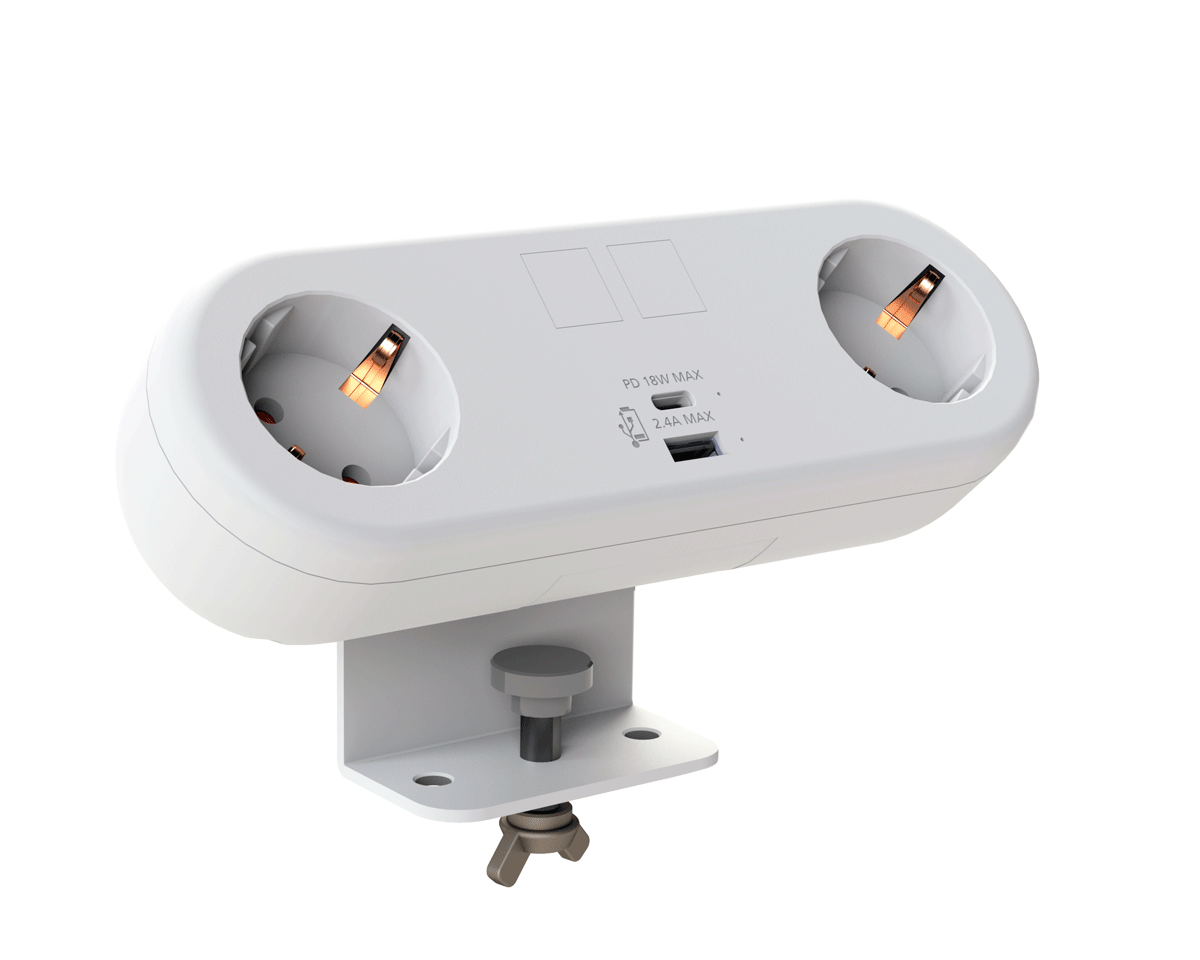
CMD White Schuko Capsule Desk Power Module
CMD LTD EXTENDS MONITOR ARM RANGE WITH THE LAUNCH OF REACH PLUS

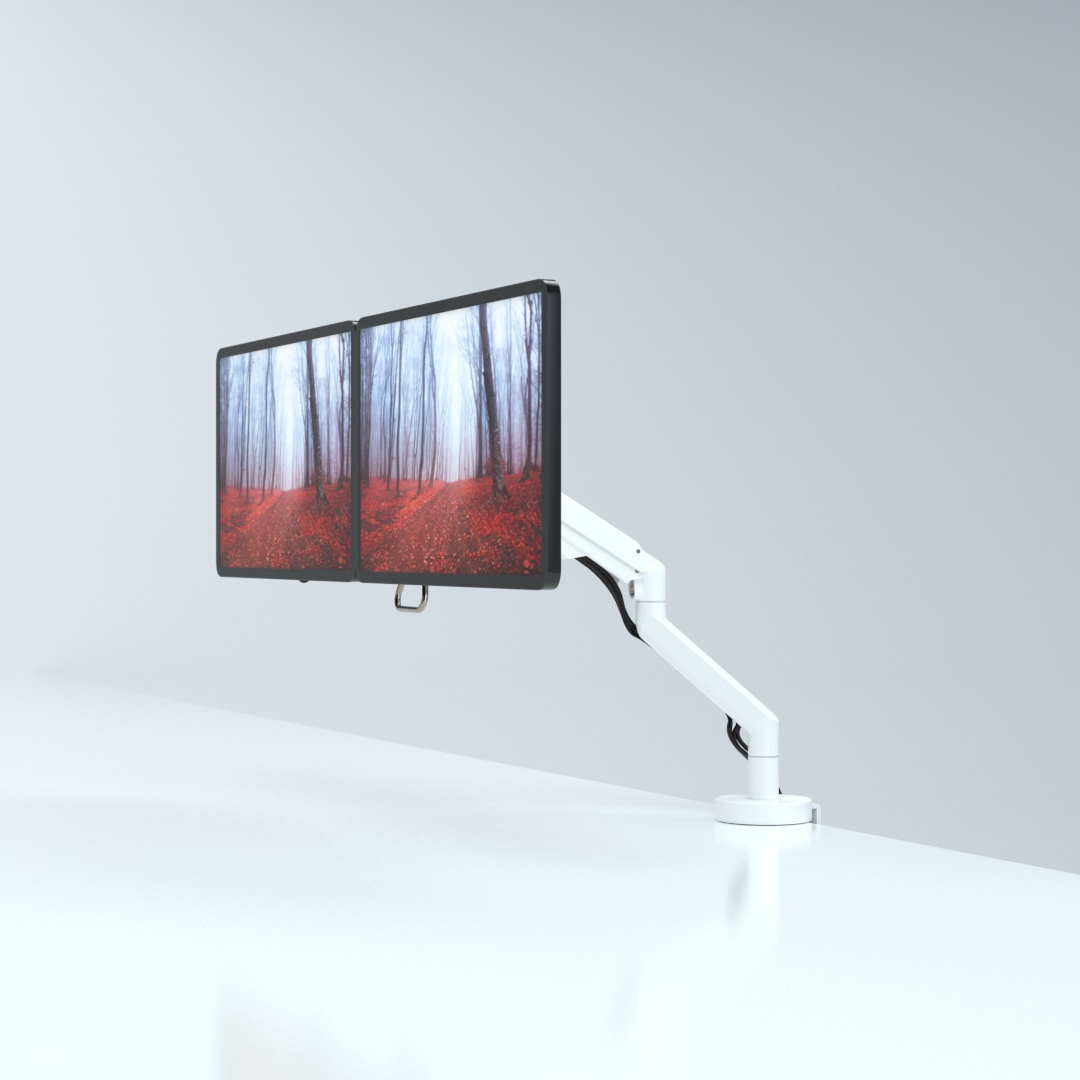
CMD Ltd, the specialist in ergonomic and connectivity solutions for commercial interiors, has completed its Reach monitor arm range with the launch of the Reach Plus. Available in single or dual screen options, the Reach Plus has been designed to provide an ideal solution for both single and dual screen workstation configurations, or can be used with next generation of large format curved screens. Suitable...

Read more
CMD Ltd DEMONSTRATES THE ART OF POWER DISTRIBUTION AT THE UNIVERSITY OF WARWICK

CMD Ltd, the specialist in workplace connectivity and ergonomic solutions, has provided Betatrak busbar power distribution and a range of electrical accessories for two major capital investment projects at the University of Warwick. Designed by Fielden Clegg Bradley Studios, the £33 million Faculty of Arts building is a showpiece development comprising four interconnected structures set around a central atrium, which will enable inter-disciplinary collaboration across...

Read more

University of Warwick
CMD BRINGS HARMONY TO COVENTRY UNIVERSITY RESEARCH FACILITIES

CMD Ltd, the specialist in power distribution solutions and workstation power and ergonomics, has provided under desk and on desk power modules for the refurbishment of three Coventry University research buildings. Located on Coventry University Technology Park, a business park designed to encourage collaboration between the university and knowledge-based businesses, the three buildings are being repurposed as office accommodation for university research teams. The refurbishment...

Read more

Coventry University

Top 10 Benefits of Using Polymeric Insulators for Electrical Systems?

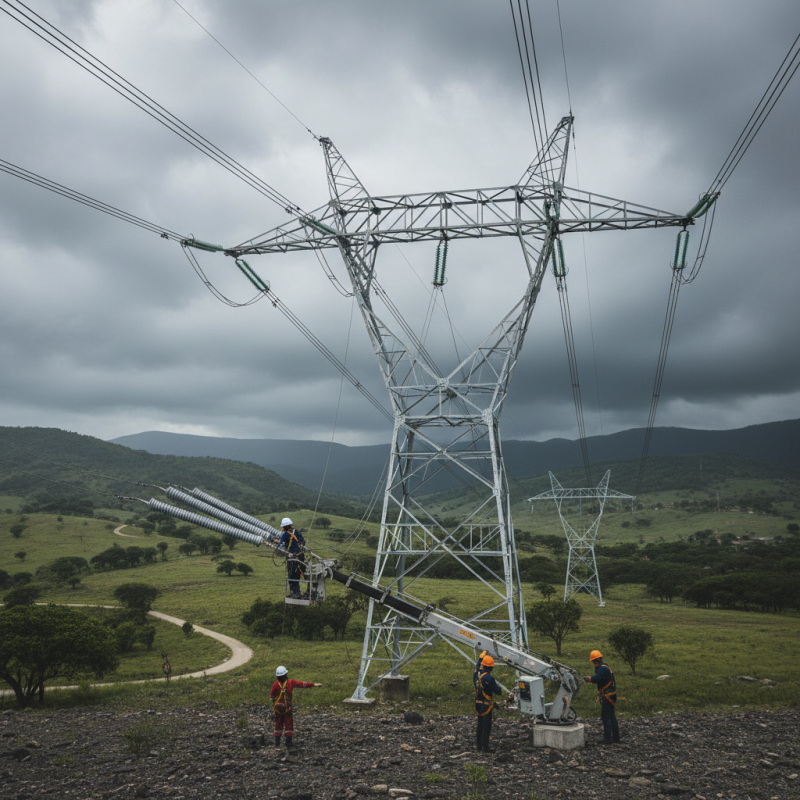
Polymeric Insulators have revolutionized electrical systems across the globe. According to a report by the International Electrotechnical Commission (IEC), polymeric insulators account for over 40% of the global insulator market as of 2023. These materials offer a range of benefits that traditional ceramic insulators cannot match. Experts highlight their resilience, lightweight nature, and superior performance under harsh environmental conditions.

Dr. Emily Carter, a leading researcher in electrical engineering, states, "Polymeric insulators are pivotal for enhancing the reliability of electrical grids." This insight reflects the growing reliance on polymeric materials in modern infrastructure. With the increasing demand for durable and efficient electrical systems, the industry is shifting towards these innovative solutions. The advantages of polymeric insulators include reduced maintenance costs, enhanced safety measures, and improved performance metrics. However, challenges remain. Not all polymeric insulators are created equal, and quality control is essential. Some models have faced durability issues, particularly in extreme weather. Hence, careful selection and thorough testing become vital for ensuring optimal performance and longevity.

Top 10 Benefits of Using Polymeric Insulators for Electrical Systems?

Advantages of Polymeric Insulators Over Traditional Materials

Polymeric insulators are transforming electrical systems. Unlike traditional materials, they offer unique advantages. They are lightweight, making installation easier. This reduces labor costs and time. Additionally, their resistance to corrosion enhances their lifespan.

These insulators excel in performance under extreme weather conditions. They can withstand harsh UV exposure and variable temperatures. Traditional materials often degrade under such stress, leading to potential failures. Emphasizing durability, polymeric insulators require less frequent maintenance. This reliability can significantly cut down operational costs over time.

However, some might question their long-term impact on the environment. While polymeric materials are important for modern systems, they require thoughtful disposal. Balancing efficiency with sustainability is crucial. It's vital to seek ongoing improvements in manufacturing processes. Overall, the shift toward polymeric insulators represents a promising direction in electrical engineering.

Enhanced Durability and Weather Resistance in Harsh Environments

Polymeric insulators offer significant advantages in terms of durability and weather resistance. In harsh environments, traditional insulators often fail due to extreme temperatures and moisture. Polymeric materials, however, withstand these conditions better. They resist cracking and can maintain their performance over time. Additionally, their lightweight nature makes installation easier, reducing labor costs.

Maintaining insulators is essential for ensuring long-term reliability. Inspect them regularly, especially after severe weather events. Look for signs of wear, such as surface degradation or discoloration. If you notice these issues, it might be time to replace the insulators.

When selecting polymeric insulators, consider their environmental exposure. Insulators used in coastal areas should resist salt and humidity. Those in deserts need to endure high temperatures and UV exposure. Effective selection minimizes the risk of failures due to environmental stress. This proactive approach can significantly enhance the longevity of your electrical systems.

Reduced Electrical Leakage and Improved Insulation Performance

Polymeric insulators are increasingly favored for electrical systems due to their superior performance. One of the standout benefits is the significant reduction in electrical leakage. Traditional materials often struggle to keep electrical currents contained, leading to energy loss and potential hazards. In contrast, polymeric insulators create a more efficient barrier against leakage. This efficiency translates into reduced operational costs and enhanced safety for infrastructure.

Improved insulation performance is another critical advantage. Polymeric materials can withstand harsh environmental conditions. They resist moisture, UV radiation, and extreme temperatures better than many conventional insulators. This robustness ensures a longer lifespan and less maintenance. Additionally, polymeric insulators offer lightweight options, making installation easier and more flexible. These materials, while effective, can experience wear over time, necessitating careful monitoring and occasional replacements to ensure ongoing performance.

Using polymeric insulators isn’t without challenges. They may require specialized installation techniques. Analyses often reveal that material degradation can occur in specific environments. This factor emphasizes the need for thorough evaluations before deployment. Effective use of polymeric insulators demands a thoughtful approach to electrical engineering and maintenance protocols. Continual education and adaptation are key to maximizing their benefits. As technology evolves, enhancing their properties may lead to even better applications in the future.

Top 10 Benefits of Using Polymeric Insulators for Electrical Systems

Lightweight Design and Easy Installation of Polymeric Insulators

Polymeric insulators are becoming a preferred choice in electrical systems for several compelling reasons. One major advantage is their lightweight design. Traditional insulators, often made of ceramic or glass, can be heavy and cumbersome. In contrast, polymeric insulators weigh significantly less, making them easier to handle and install. This reduction in weight not only simplifies logistics but also decreases the load on supporting structures.

The easy installation of polymeric insulators is another remarkable benefit. Their lightweight nature allows for quicker setup times, reducing labor costs. Workers can maneuver these insulators with minimal tools and effort. However, this ease of installation does come with its own set of challenges. Proper training is necessary to ensure that technicians understand how to install them correctly. Rushing through the installation to save time can lead to mistakes. When improperly installed, insulators can become less reliable. Hence, while they offer advantages, a lack of thorough training can cause potential issues down the line, making it essential to balance speed with caution.

Cost-Effectiveness and Longevity of Polymeric Solutions in Electrical Systems

Polymeric insulators are shaping the future of electrical systems with their cost-effectiveness and impressive longevity. According to a 2022 report by the International Energy Agency, these insulators can reduce maintenance costs by up to 50%. This reduction is primarily due to their superior resistance to environmental factors, such as moisture and pollution. Unlike traditional ceramic insulators, polymeric alternatives show enhanced performance under varying weather conditions.

Longevity is another critical advantage. Studies indicate that polymeric insulators can last 30 years or more. In contrast, ceramic insulators often require replacement within 20 years. This extended lifespan means lower replacement rates, ultimately reducing overall costs for utility providers. Cost savings from decreased installation frequency can be substantial.

Tips: When considering materials for electrical systems, assess the local environment. Areas with high pollution may benefit more from polymeric solutions. Regular maintenance schedules should be evaluated, keeping in mind the unique characteristics of materials used. Not all polymeric insulators perform identically; selecting the right type is essential for maximizing benefits.