

News

Miro: A New Standard in Responsible Innovation

Miro: A New Standard in Responsible Innovation The Miro monitor arm is setting new benchmarks in sustainability. It offers a high-performance solution without compromising on environmental responsibility. Designed with careful material selection, local sourcing, and longevity in mind, Miro’s responsible approach to design and unique manoeuvrability set it apart from the competition. Sustainable Choices Miro is crafted from energy-efficient materials with a lower carbon impact....

Read more
HSE Advisor

Role Purpose Support in the development, implementation and maintenance of the company’s Health, Safety & Environmental policies, processes, operational procedures, and standards.  Ensuring best practice and championing a continually improving HSE culture within the business. Key Responsibilities Liaise with and provide support to all areas of the business to eliminate, mitigate or reduce identified HSE exposures. Partner with the production management team and team leaders,...

Read more
CMD Ltd LAUNCHES 48-HOUR TURNAROUND ON BETATRAK® RAPID ORDERING SERVICE

CMD Ltd, the specialist in power distribution systems, workstation power and monitor arms, has launched a rapid ordering service for its Betatrak® underfloor powertrack distribution systems and accessories, with a commitment to delivering within 48-hours of an approved purchase order*. The service enables customers to order up to 50 lengths of Standard or Clean Earth (C/E) low noise Betatrak, along with up to 25 feed...

Read more

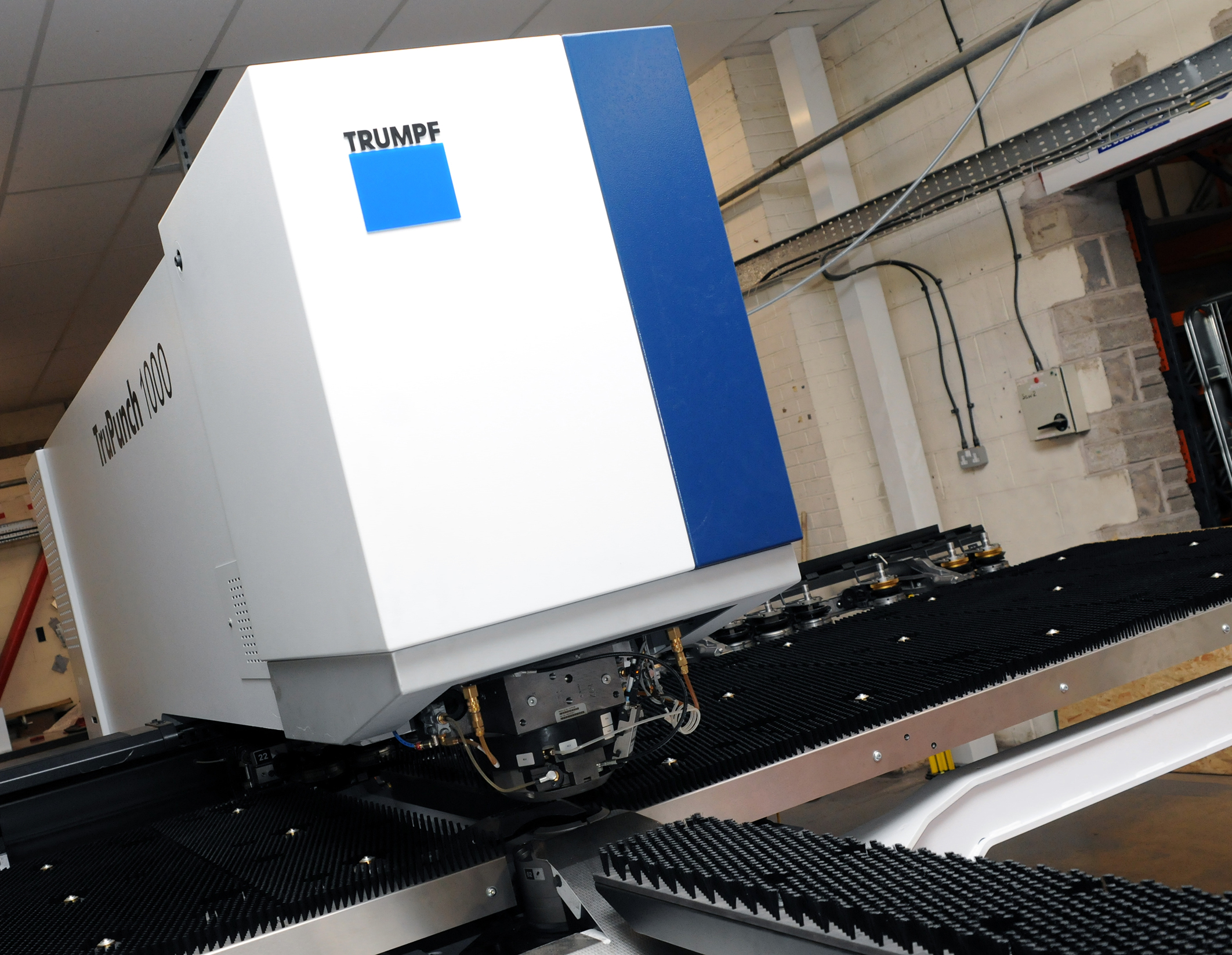
CMD INVESTS £1/4 MILLION IN NEW MACHINE AS PART OF FACTORY UPGRADE

We have invested in a new £1/4m TRUMPF CNC metal punch as part of an asset renewal strategy for our UK manufacturing capability. The new machine will be used in the production of a wide variety of our power distribution systems and workstation power products at our Rotherham factory. Suitable for handling sheet metal between 0.9mm and 3.0mm thick, the new machine will replace one...

Read more
CMD CATALOGUE PROVIDES TECHNICAL POWER DISTRIBUTION GUIDE

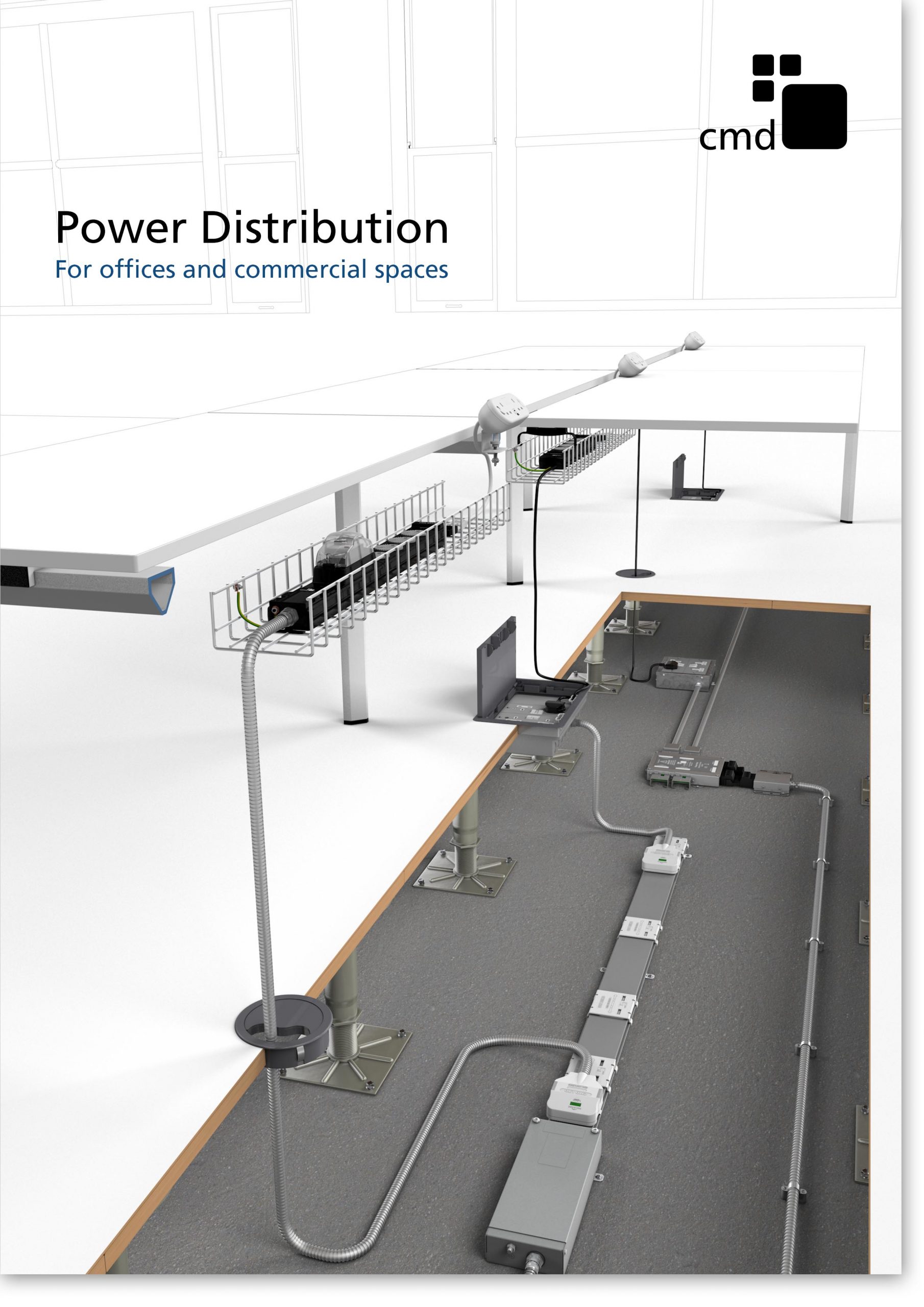
CMD Ltd has released a new catalogue, providing an easy to follow technical guide to our power distribution systems and plug and play desk modules. Detailing CMD’s full range of UK-manufactured power distribution systems and plug and play desk modules, the catalogue will be a helpful source of information to M&E engineers and contractors alike to understand how our power distribution systems connect together and...

Read more
Power Distribution Catalogue
CMD Ltd PLAYS ESSENTIAL ROLE IN ELECTRICAL FIT OUT AT LONDON’S PRESTIGIOUS OFFICE DEVELOPMENT

CMD Ltd, specialist in workplace connectivity and ergonomic solutions, has provided a flexible and high-quality power distribution network for The Ray, a prestigious office development in London’s Farringdon. Well-known for being the former site of The Guardian newspaper, The Ray now stands as an 83,000ft² office development characterised by a modernised warehouse aesthetic, with level two now occupied by a global social media company. The...

Read more

The Ray
CMD plugs in to european opportunity with Schuko Capsule unit launch

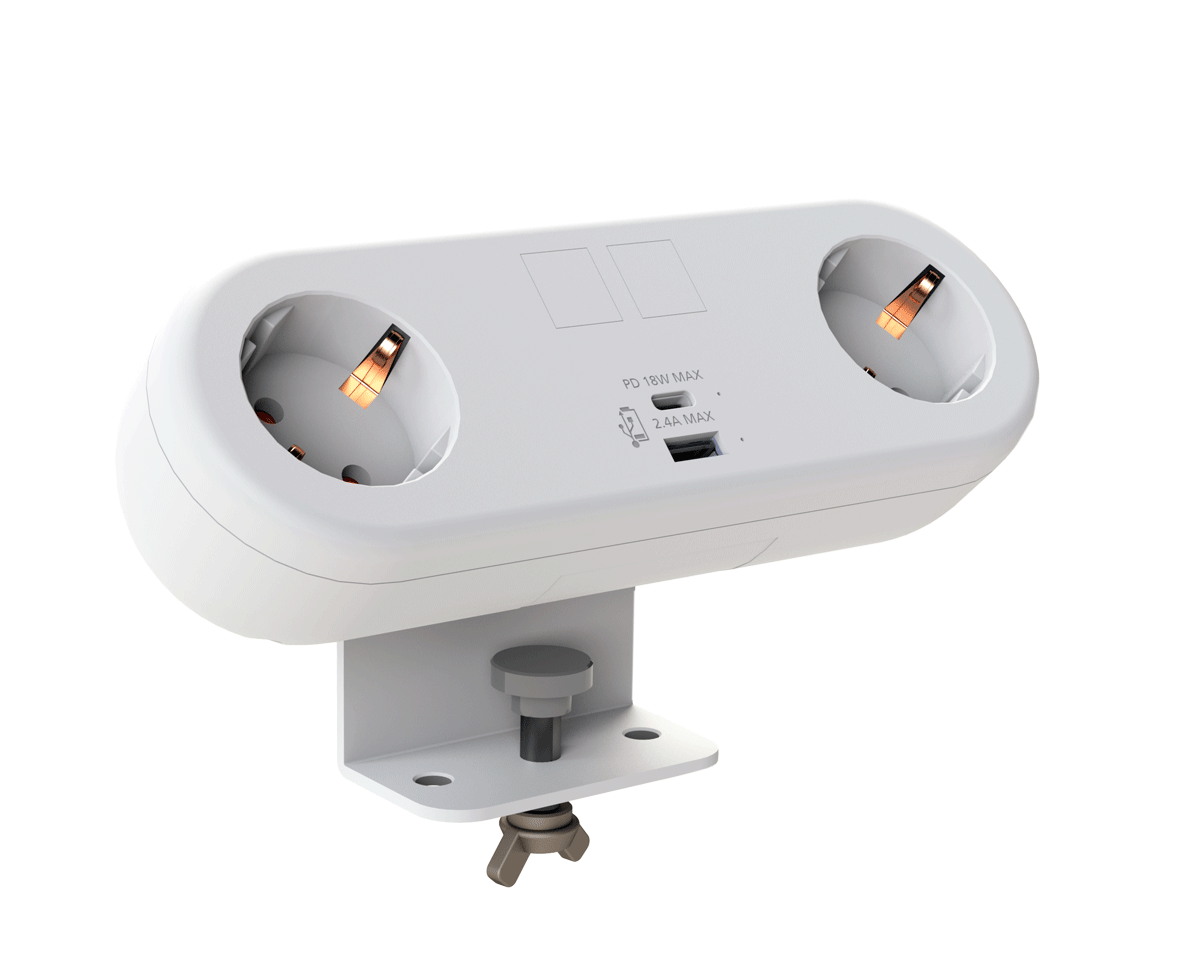
CMD Ltd, the specialist in power and connectivity solutions for commercial environments, has launched a Schuko version of its popular fixed format Capsule workstation power module for export to mainland Europe and beyond. A popular on desk power module comprising two sockets and dual USB (type A and C) chargers, CMD’s Capsule unit is already widely specified in the UK as an off-the-shelf workstation power...

Read more
CMD White Schuko Capsule Desk Power Module
CMD LTD EXTENDS MONITOR ARM RANGE WITH THE LAUNCH OF REACH PLUS

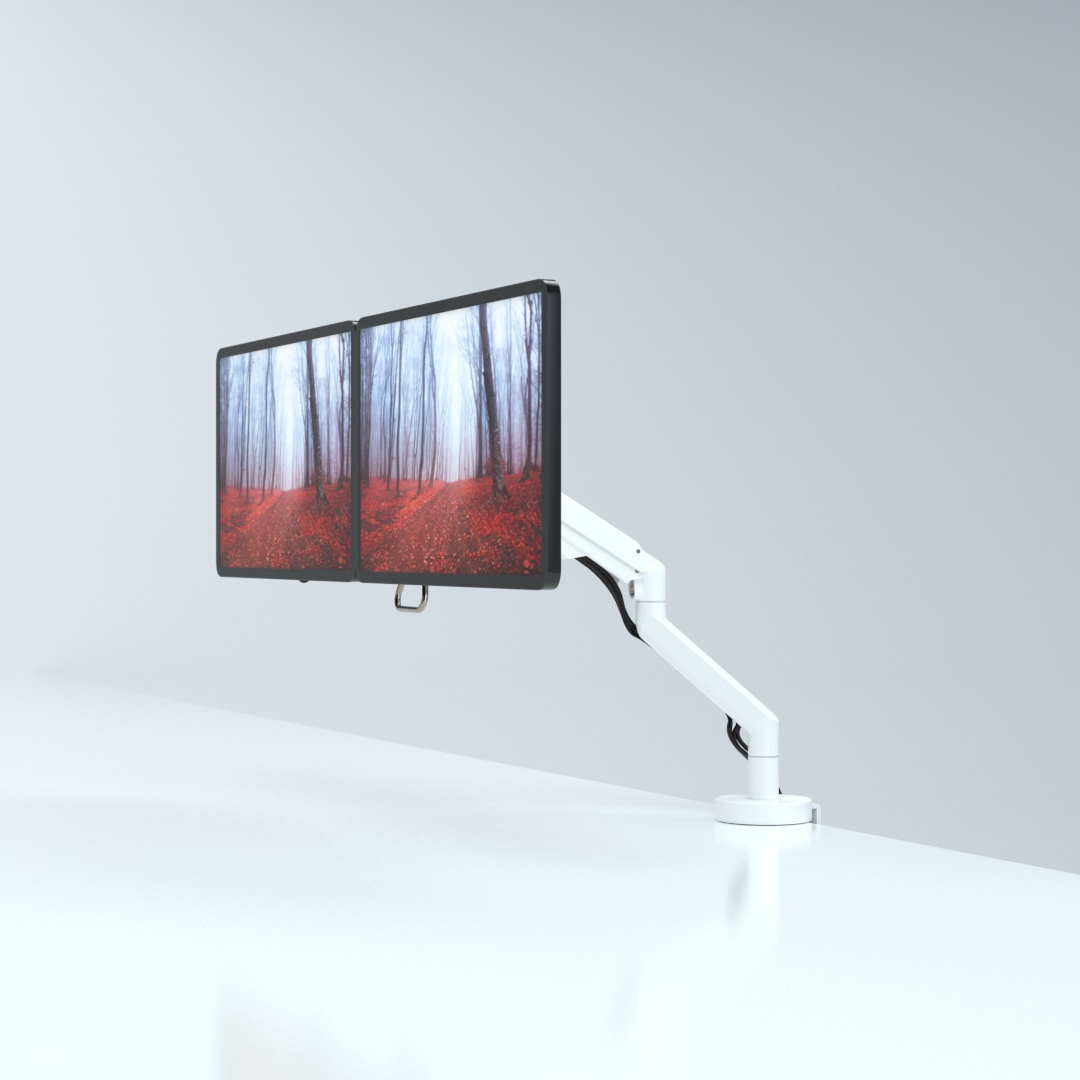
CMD Ltd, the specialist in ergonomic and connectivity solutions for commercial interiors, has completed its Reach monitor arm range with the launch of the Reach Plus. Available in single or dual screen options, the Reach Plus has been designed to provide an ideal solution for both single and dual screen workstation configurations, or can be used with next generation of large format curved screens. Suitable...

Read more
CMD Ltd DEMONSTRATES THE ART OF POWER DISTRIBUTION AT THE UNIVERSITY OF WARWICK

CMD Ltd, the specialist in workplace connectivity and ergonomic solutions, has provided Betatrak busbar power distribution and a range of electrical accessories for two major capital investment projects at the University of Warwick. Designed by Fielden Clegg Bradley Studios, the £33 million Faculty of Arts building is a showpiece development comprising four interconnected structures set around a central atrium, which will enable inter-disciplinary collaboration across...

Read more

University of Warwick
CMD BRINGS HARMONY TO COVENTRY UNIVERSITY RESEARCH FACILITIES

CMD Ltd, the specialist in power distribution solutions and workstation power and ergonomics, has provided under desk and on desk power modules for the refurbishment of three Coventry University research buildings. Located on Coventry University Technology Park, a business park designed to encourage collaboration between the university and knowledge-based businesses, the three buildings are being repurposed as office accommodation for university research teams. The refurbishment...

Read more


Coventry University

Top 10 Benefits of Smart Battery Charging Systems for Industries?

In today's rapidly evolving industrial landscape, the significance of a Smart Battery Charging System cannot be overstated. According to Dr. Emily Carter, a renowned energy storage expert, "Smart Battery Charging Systems are transforming how industries manage energy and resources." This innovative technology offers remarkable benefits for sectors reliant on battery power.

Efficient energy use is essential. Smart Battery Charging Systems enhance efficiency by optimizing the charging process. Traditionally, charging methods can lead to unnecessary energy waste. However, smart systems adapt to the needs of the battery, prolonging its lifespan while reducing costs. Industries implementing these systems often see substantial savings over time.

Moreover, manufacturing environments often face challenges with downtime. A Smart Battery Charging System minimizes such occurrences. Real-time monitoring allows for proactive maintenance, decreasing unplanned interruptions. However, the adoption of these systems requires an upfront investment and training. Companies must weigh potential gains against initial costs. Overall, the advantages of Smart Battery Charging Systems are compelling, yet careful planning and assessment are needed for successful implementation.

Top 10 Benefits of Smart Battery Charging Systems for Industries?

Introduction to Smart Battery Charging Systems

Smart battery charging systems are revolutionizing energy management in various industries. These systems optimize charging processes to ensure efficiency and longevity of batteries. According to a report by the International Energy Agency, smart charging can improve battery life by up to 40%. This capability reduces replacement costs and enhances productivity.

In addition to extending battery life, these systems offer real-time data analysis. They monitor usage patterns and adjust charging cycles accordingly. A recent study revealed that industries using smart charging have seen a reduction in energy costs by 20% to 30%. This not only boosts profitability but also supports sustainable practices.

While many companies benefit from these advancements, there are challenges to consider. Integration with existing infrastructure can be complicated. Industries must account for the learning curve and potential initial investment. Despite these hurdles, the long-term gains from smart battery charging systems can be significant.

Top 10 Benefits of Smart Battery Charging Systems for Industries

Enhanced Energy Efficiency and Cost Savings

Smart battery charging systems are transforming industrial energy efficiency. These systems optimize charging cycles, reducing wasted energy. According to the International Energy Agency (IEA), efficient battery management can decrease energy consumption by up to 30%. This leads to significant cost savings for companies relying on heavy machinery and electric vehicles.

Improved charging efficiency translates into lower electricity bills. For instance, a factory that employs smart charging can save around $30,000 annually. Also, integrating these systems results in longer battery life. Studies show that smart charging can extend battery life by 20% to 50%. This decreases the need for frequent replacements, further cutting costs.

However, the implementation of smart charging may come with challenges. Initial setup and integration costs can be high. Some facilities might struggle with training staff to use these advanced systems effectively. Ensuring a seamless integration can be complex and requires careful planning. Despite these hurdles, the long-term benefits of enhanced energy efficiency and cost savings present a compelling case for industries to adopt smart battery charging technologies.

Extended Battery Life and Improved Performance

Smart battery charging systems significantly extend battery life and enhance performance across various industries. According to a recent report by the International Energy Agency, companies utilizing advanced charging technologies can increase their battery lifespan by up to 40%. This statistic reveals the profound impact these systems have on operational efficiency.

Improved charging strategies also boost performance metrics. Research from the Battery University indicates that optimized charging processes can result in a 20% increase in energy efficiency. Industries reliant on heavy machinery benefit the most. Even a slight increase in efficiency can translate to substantial cost savings and reduced downtime.

However, challenges remain. Many industries still rely on outdated charging systems, leading to inefficient energy use. Transitioning to smarter systems requires upfront investment. Companies must reflect on long-term costs versus immediate savings. Understanding this trade-off is crucial to maximizing the benefits of smart battery charging systems.

Increased Safety and Reliability in Industrial Applications

Smart battery charging systems have become essential in industrial applications. Safety is a primary concern in environments where heavy machinery operates. According to a report by the National Safety Council, improper charging can lead to hazardous incidents. Smart systems monitor charge levels and temperature, reducing the risk of overcharging. This feature enhances safety and promotes better equipment longevity.

Reliability is another significant advantage. Data from the International Energy Agency indicates that industries relying on traditional charging methods face increased downtime. Smart systems provide real-time diagnostics. This innovation allows for proactive maintenance. Reports suggest that a proactive approach can decrease unplanned downtimes by up to 20%.

However, it’s crucial to acknowledge that not all systems operate seamlessly. Some users reported compatibility issues. The transition from traditional to smart systems can be challenging. Careful evaluation and proper training are critical for maximizing the benefits. Ongoing refinement in technology is necessary to address these concerns fully. Industries must remain vigilant when choosing the right charging solutions.

Integration with Renewable Energy Sources and IoT Solutions

The integration of smart battery charging systems with renewable energy sources offers remarkable potential for many industries. Using solar panels or wind turbines, businesses can generate electricity sustainably. These renewable sources reduce dependence on fossil fuels. They also lower operational costs over time. However, successful integration can be complex. It requires careful planning and adaptable technological setups.


IoT (Internet of Things) solutions further enhance the efficiency of smart battery systems. By using IoT sensors, industries can monitor energy consumption in real-time. This data helps optimize when to charge batteries, avoiding peak energy costs. Yet, not all IoT systems are user-friendly. Some may require extensive training to manage effectively. Adjustments may be needed as technology evolves.


Embracing these advancements can lead to significant benefits. However, industries must remain cautious. Over-reliance on technology could lead to disruptions. A balance between human oversight and automation is critical. Continuous evaluation of systems ensures they meet current and future needs.