

News

Miro: A New Standard in Responsible Innovation

Miro: A New Standard in Responsible Innovation The Miro monitor arm is setting new benchmarks in sustainability. It offers a high-performance solution without compromising on environmental responsibility. Designed with careful material selection, local sourcing, and longevity in mind, Miro’s responsible approach to design and unique manoeuvrability set it apart from the competition. Sustainable Choices Miro is crafted from energy-efficient materials with a lower carbon impact....

Read more
HSE Advisor

Role Purpose Support in the development, implementation and maintenance of the company’s Health, Safety & Environmental policies, processes, operational procedures, and standards.  Ensuring best practice and championing a continually improving HSE culture within the business. Key Responsibilities Liaise with and provide support to all areas of the business to eliminate, mitigate or reduce identified HSE exposures. Partner with the production management team and team leaders,...

Read more
CMD Ltd LAUNCHES 48-HOUR TURNAROUND ON BETATRAK® RAPID ORDERING SERVICE

CMD Ltd, the specialist in power distribution systems, workstation power and monitor arms, has launched a rapid ordering service for its Betatrak® underfloor powertrack distribution systems and accessories, with a commitment to delivering within 48-hours of an approved purchase order*. The service enables customers to order up to 50 lengths of Standard or Clean Earth (C/E) low noise Betatrak, along with up to 25 feed...

Read more

CMD INVESTS £1/4 MILLION IN NEW MACHINE AS PART OF FACTORY UPGRADE

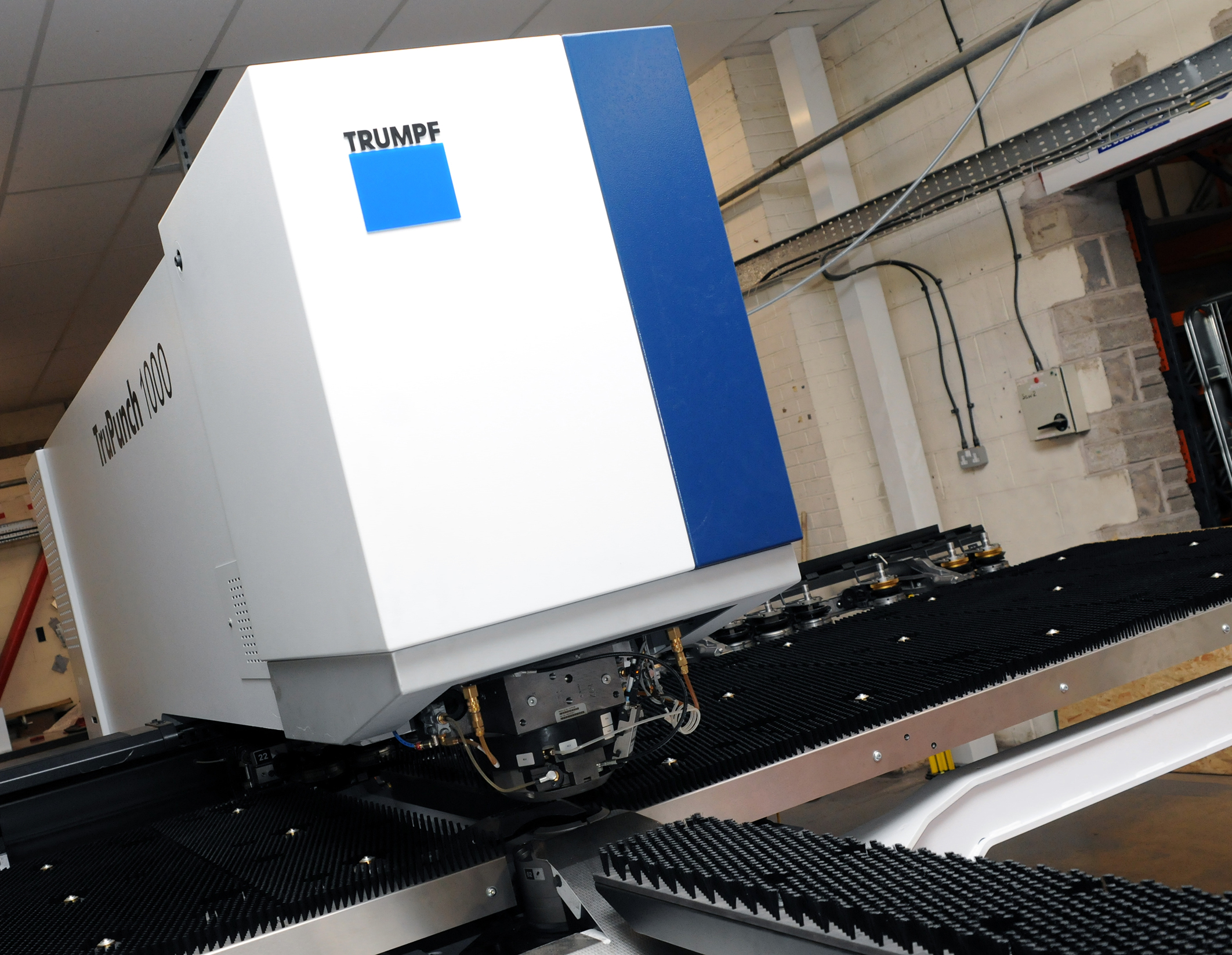
We have invested in a new £1/4m TRUMPF CNC metal punch as part of an asset renewal strategy for our UK manufacturing capability. The new machine will be used in the production of a wide variety of our power distribution systems and workstation power products at our Rotherham factory. Suitable for handling sheet metal between 0.9mm and 3.0mm thick, the new machine will replace one...

Read more
CMD CATALOGUE PROVIDES TECHNICAL POWER DISTRIBUTION GUIDE

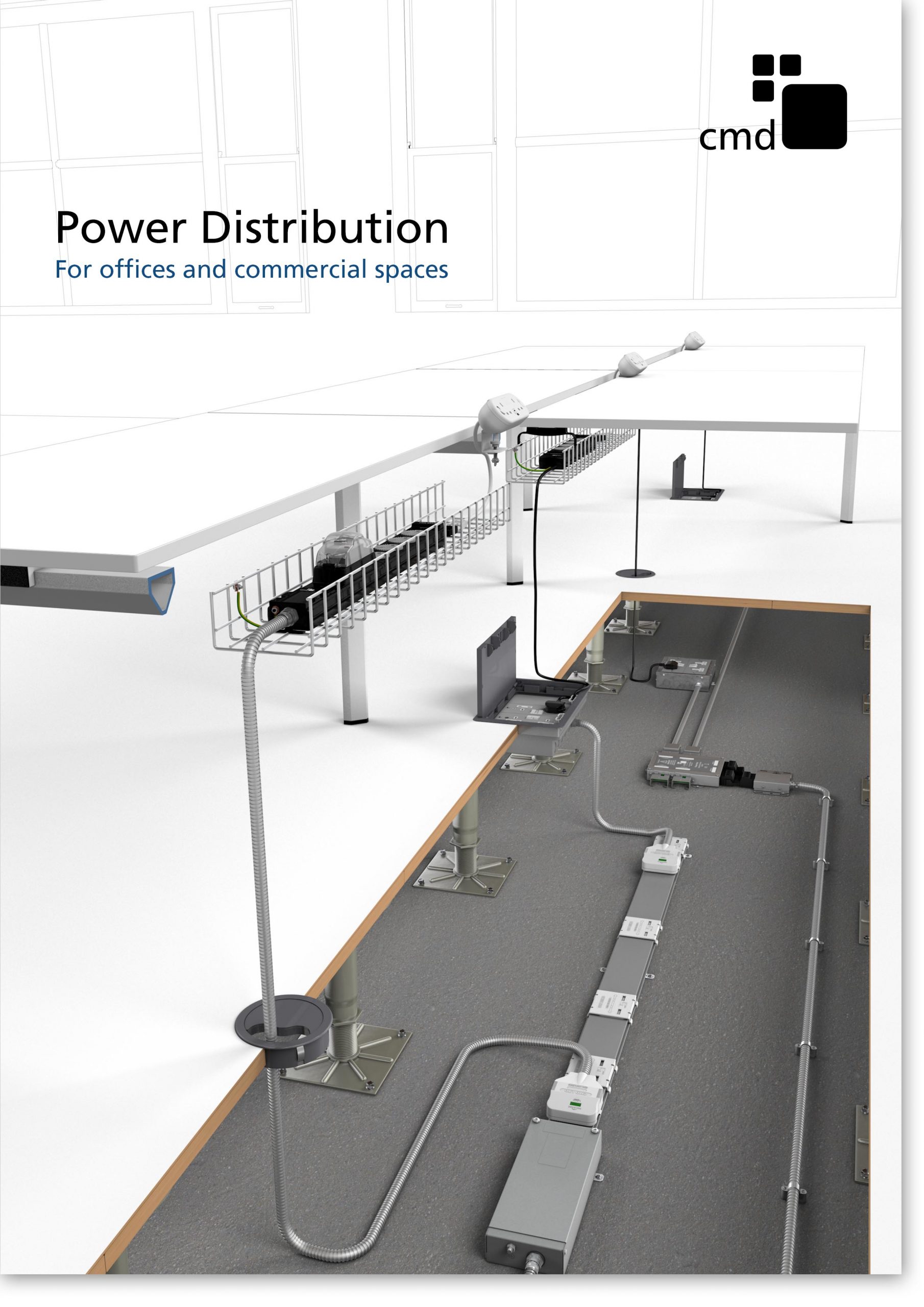
CMD Ltd has released a new catalogue, providing an easy to follow technical guide to our power distribution systems and plug and play desk modules. Detailing CMD’s full range of UK-manufactured power distribution systems and plug and play desk modules, the catalogue will be a helpful source of information to M&E engineers and contractors alike to understand how our power distribution systems connect together and...

Read more
Power Distribution Catalogue
CMD Ltd PLAYS ESSENTIAL ROLE IN ELECTRICAL FIT OUT AT LONDON’S PRESTIGIOUS OFFICE DEVELOPMENT

CMD Ltd, specialist in workplace connectivity and ergonomic solutions, has provided a flexible and high-quality power distribution network for The Ray, a prestigious office development in London’s Farringdon. Well-known for being the former site of The Guardian newspaper, The Ray now stands as an 83,000ft² office development characterised by a modernised warehouse aesthetic, with level two now occupied by a global social media company. The...

Read more

The Ray
CMD plugs in to european opportunity with Schuko Capsule unit launch

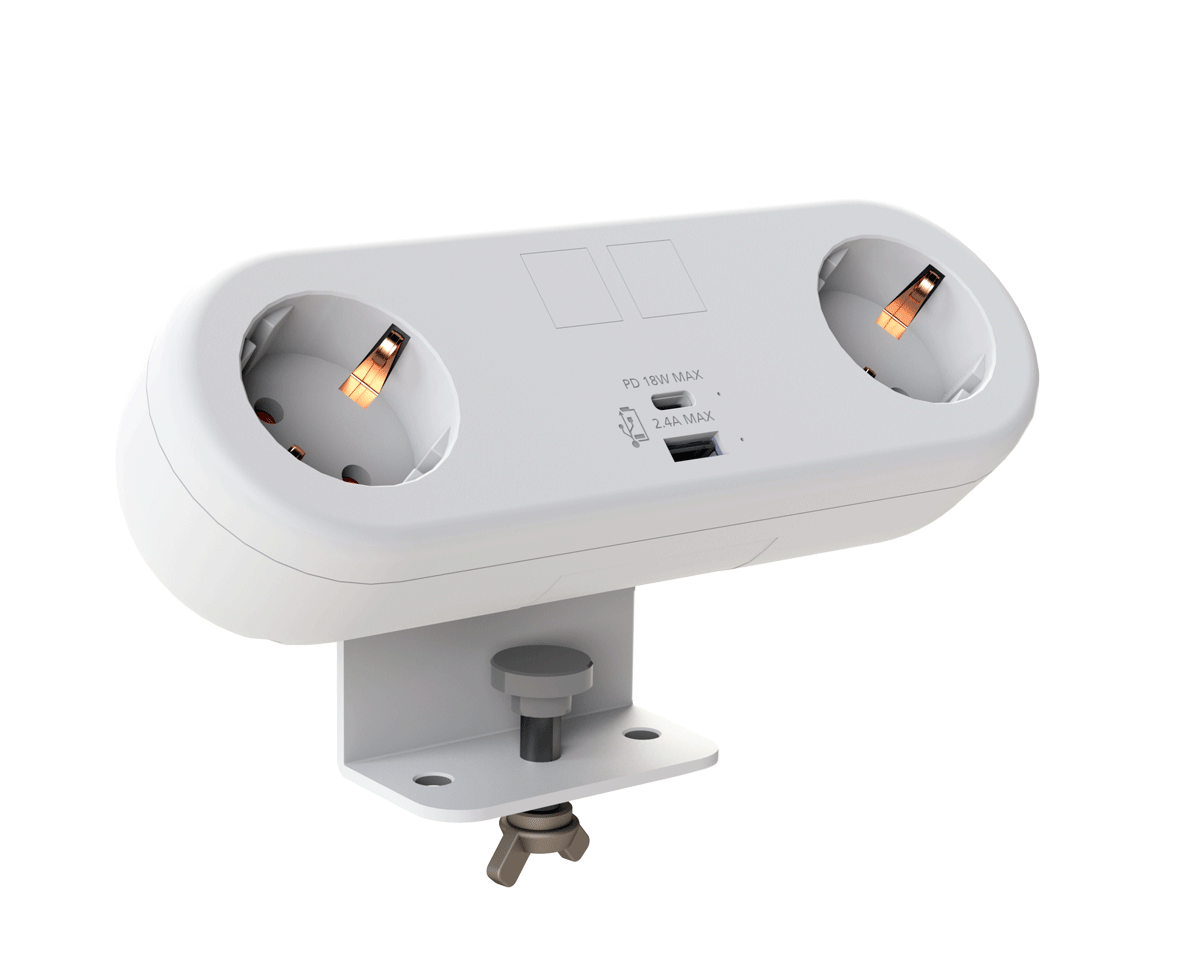
CMD Ltd, the specialist in power and connectivity solutions for commercial environments, has launched a Schuko version of its popular fixed format Capsule workstation power module for export to mainland Europe and beyond. A popular on desk power module comprising two sockets and dual USB (type A and C) chargers, CMD’s Capsule unit is already widely specified in the UK as an off-the-shelf workstation power...

Read more
CMD White Schuko Capsule Desk Power Module
CMD LTD EXTENDS MONITOR ARM RANGE WITH THE LAUNCH OF REACH PLUS

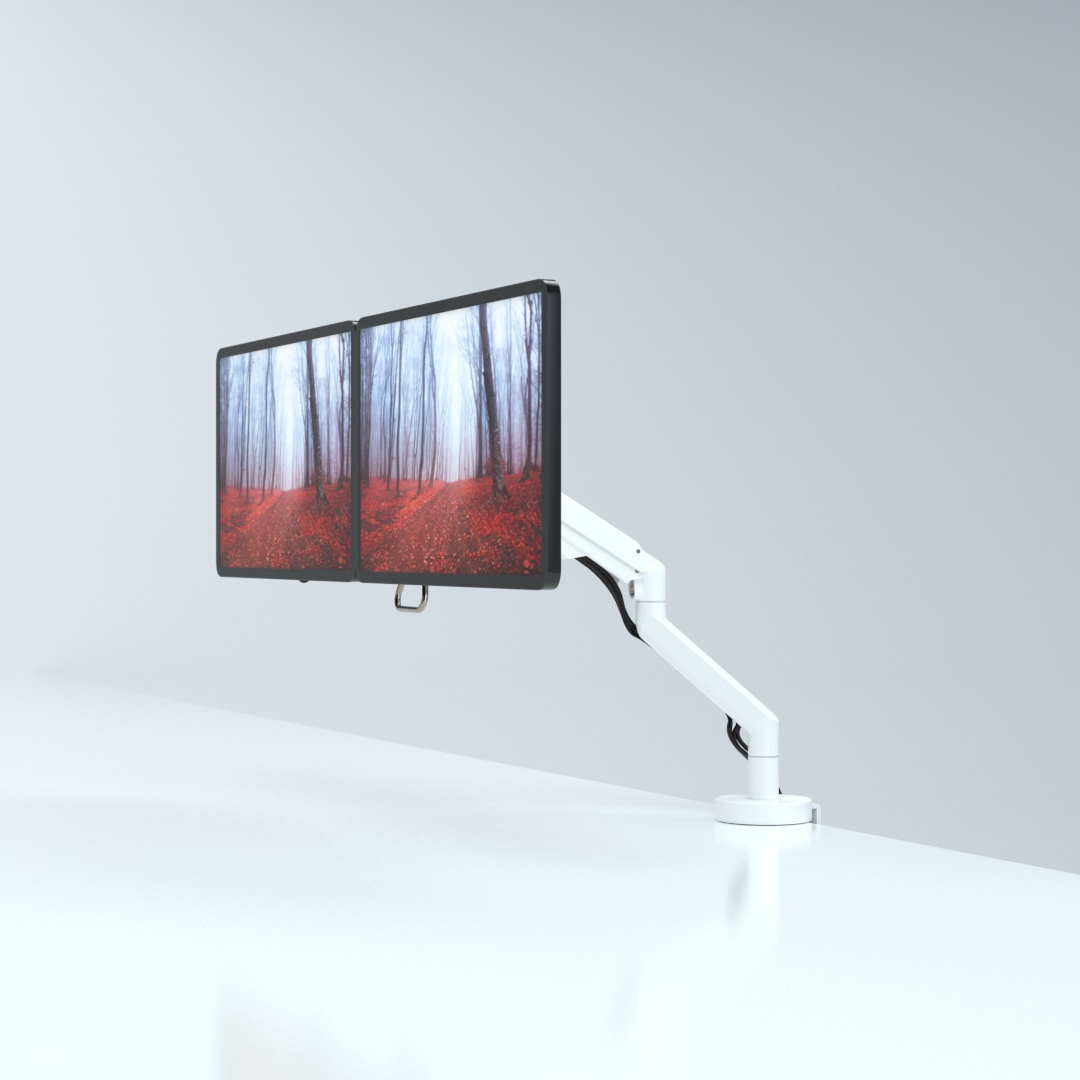
CMD Ltd, the specialist in ergonomic and connectivity solutions for commercial interiors, has completed its Reach monitor arm range with the launch of the Reach Plus. Available in single or dual screen options, the Reach Plus has been designed to provide an ideal solution for both single and dual screen workstation configurations, or can be used with next generation of large format curved screens. Suitable...

Read more
CMD Ltd DEMONSTRATES THE ART OF POWER DISTRIBUTION AT THE UNIVERSITY OF WARWICK

CMD Ltd, the specialist in workplace connectivity and ergonomic solutions, has provided Betatrak busbar power distribution and a range of electrical accessories for two major capital investment projects at the University of Warwick. Designed by Fielden Clegg Bradley Studios, the £33 million Faculty of Arts building is a showpiece development comprising four interconnected structures set around a central atrium, which will enable inter-disciplinary collaboration across...

Read more

University of Warwick
CMD BRINGS HARMONY TO COVENTRY UNIVERSITY RESEARCH FACILITIES

CMD Ltd, the specialist in power distribution solutions and workstation power and ergonomics, has provided under desk and on desk power modules for the refurbishment of three Coventry University research buildings. Located on Coventry University Technology Park, a business park designed to encourage collaboration between the university and knowledge-based businesses, the three buildings are being repurposed as office accommodation for university research teams. The refurbishment...

Read more
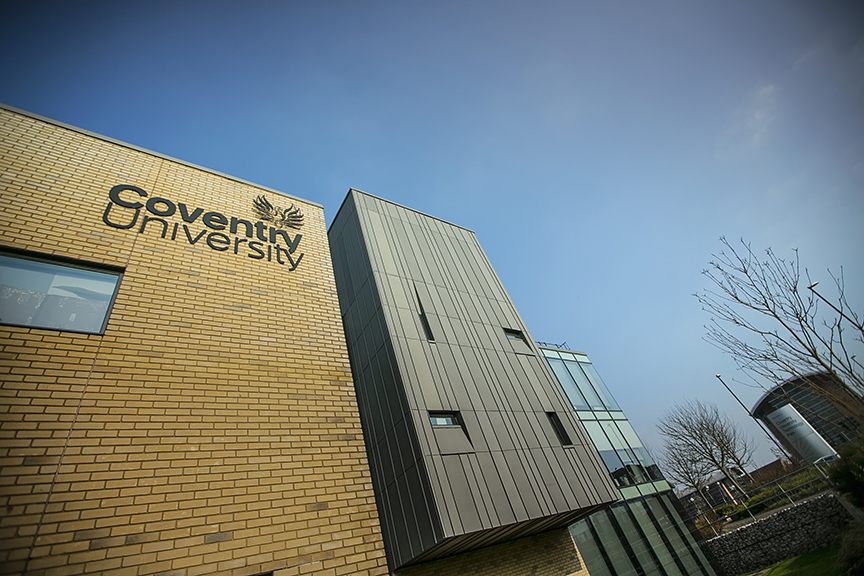

Coventry University

What are the Benefits of a Natural Gas CCHP System?

In today's energy landscape, the Natural Gas Cchp System presents a compelling solution for efficiency and sustainability. This technology combines heat and power generation, offering numerous benefits to businesses and communities. By harnessing natural gas, it not only reduces energy costs but also lowers greenhouse gas emissions.

Natural Gas CCHP Systems can significantly improve overall energy efficiency. They convert the energy normally lost as waste heat in traditional systems into usable power. This process provides both electricity and thermal energy simultaneously, which is particularly beneficial for facilities with high heating demands. However, it is important to note that the initial investment can be substantial, potentially raising concerns for some organizations.

Adopting a Natural Gas CCHP System also requires careful consideration of site-specific factors. While it can lead to long-term savings, understanding the local regulations and energy markets is crucial. In summary, the advantages of this system are clear, yet implementation needs strategic planning and due diligence, ensuring it aligns with broader sustainability goals.

What are the Benefits of a Natural Gas CCHP System?

Benefits of Natural Gas CCHP Systems in Energy Efficiency

Natural gas combined cooling, heating, and power (CCHP) systems offer significant gains in energy efficiency. These systems convert natural gas into electricity while simultaneously providing heating and cooling. This dual functionality reduces energy waste and promotes sustainability. With CCHP, facilities can achieve energy savings of 20-50% compared to conventional power generation methods.

Implementing a natural gas CCHP system can also enhance reliability. Traditional power grids are susceptible to outages. However, CCHP systems operate independently, ensuring consistent energy supply. Additionally, they can help stabilize energy costs by utilizing locally sourced natural gas. This adds a layer of predictability to long-term operational expenses, a valuable asset in fluctuating energy markets.

While the advantages are compelling, CCHP systems require careful analysis before installation. Initial costs may deter some businesses. Furthermore, not all sites are suitable for their implementation. Space limitations can also pose challenges. Each facility must evaluate its unique circumstances and energy needs before jumping into this investment. This reflection can guide better decision-making and optimize energy management strategies.

Reduction in Greenhouse Gas Emissions with CCHP Technology

Natural gas combined cooling, heating, and power (CCHP) systems offer significant benefits for reducing greenhouse gas emissions. These systems capture waste heat from electricity generation. This heat is then utilized for heating and cooling, thereby enhancing overall energy efficiency. By using natural gas, CCHP systems produce fewer emissions than conventional fuel sources. This transition can greatly lower the carbon footprint of buildings and industrial processes.

Implementing a CCHP system can lead to a substantial decrease in CO2 emissions. These systems often produce up to 50% less CO2 compared to separate heat and power systems. Moreover, they can minimize nitrogen oxides and particulate matter, contributing to better air quality. This is critical in urban areas, where emissions can have serious health impacts.

When considering a CCHP system, it's essential to evaluate your specific energy needs. Understand your building's heating and cooling requirements. This can help in designing a system tailored to your consumption patterns. Regular maintenance also plays a vital role in system efficiency. Keep in mind that integrating new technology takes time and effort. Engaging with energy experts can provide insights into optimal implementation strategies.

Cost Savings from Implementing Natural Gas CCHP Systems

Natural gas combined cooling, heating, and power (CCHP) systems provide notable cost savings for businesses and organizations. By generating electricity on-site, these systems reduce dependency on the grid. This leads to lower electricity bills and less vulnerability to price fluctuations. Using natural gas is often cheaper than traditional energy sources, which can significantly cut energy expenses.

Implementing a natural gas CCHP system can lead to substantial efficiency gains. These systems capture waste heat from electricity generation and utilize it for heating or cooling. This process increases overall energy efficiency, often exceeding 80%. Such improvements not only lower energy costs but also decrease greenhouse gas emissions, contributing to more sustainable operations.

For those interested in exploring this technology, understanding the initial investment is essential. While the upfront costs may be high, the long-term savings are worth considering. Analyze your organization’s energy needs carefully to determine the right system size. Overestimating capacity can lead to inefficiencies and wasted resources. Adjusting your system as your needs evolve is crucial.

What are the Benefits of a Natural Gas CCHP System? - Cost Savings from Implementing Natural Gas CCHP Systems

Benefit Description Estimated Annual Savings ($) Payback Period (Years)
Reduced Energy Costs Lower energy costs compared to traditional systems. $15,000 3
Increased Efficiency CCHP systems utilize waste heat for additional energy production. $10,000 4
Lower Greenhouse Gas Emissions Natural gas has lower emissions than traditional fossil fuels. N/A N/A
Energy Independence Reduces reliance on external energy sources. $7,000 5
Incentives and Rebates Possible financial incentives from government or energy providers. $5,000 2

Enhanced Reliability of Power Supply through CCHP

A natural gas combined cooling, heating, and power (CCHP) system offers enhanced reliability for power supply. This technology generates electricity while simultaneously providing cooling and heating. The result is a more effective energy use, which subsequently reduces costs.

Reliability stems from the system’s ability to operate independently. During grid failures, a CCHP system can continue to supply energy. This autonomous operation ensures that critical facilities, like hospitals or data centers, maintain their functions without interruption. For instance, imagine a hospital needing constant power for life-saving equipment. A CCHP unit can ensure this, even when external power sources fail.

Yet, the shift to a CCHP system isn’t without challenges. Initial installation costs can be significant, and expertise is required to maintain these systems. Facilities must weigh these factors against the long-term benefits. After all, an unreliable setup can lead to more significant losses than the savings achieved. Balancing cost and reliability is essential for making an informed decision.

Benefits of a Natural Gas CCHP System

Applications and Case Studies Demonstrating CCHP Effectiveness

Combined Cooling, Heating, and Power (CCHP) systems using natural gas have proven effective across various applications. In commercial buildings, these systems generate electricity while providing heating and cooling. According to the U.S. Department of Energy, CCHP can achieve energy efficiency rates of up to 90%, considerably higher than traditional energy systems. This substantial efficiency translates into reduced operational costs and a lowered carbon footprint.

Case studies highlight the effectiveness of CCHP technology in diverse settings. A university in New York adopted a natural gas CCHP system, leading to a 30% reduction in energy costs. These systems not only supply energy but also impact campus infrastructure positively. Similarly, a hospitality chain implemented CCHP technology, generating electricity on-site and improving energy reliability. The result was a marked increase in guest satisfaction due to consistent heating and cooling.

However, some challenges remain. The initial investment in CCHP systems can be high. In addition, understanding local regulations and energy needs is crucial for their successful implementation. Energy managers must assess these factors carefully to fully leverage the potential benefits of CCHP systems. Despite these hurdles, case studies affirm that the CCHP approach can significantly enhance energy efficiency and sustainability.