

News

Miro: A New Standard in Responsible Innovation

Miro: A New Standard in Responsible Innovation The Miro monitor arm is setting new benchmarks in sustainability. It offers a high-performance solution without compromising on environmental responsibility. Designed with careful material selection, local sourcing, and longevity in mind, Miro’s responsible approach to design and unique manoeuvrability set it apart from the competition. Sustainable Choices Miro is crafted from energy-efficient materials with a lower carbon impact....

Read more
HSE Advisor

Role Purpose Support in the development, implementation and maintenance of the company’s Health, Safety & Environmental policies, processes, operational procedures, and standards.  Ensuring best practice and championing a continually improving HSE culture within the business. Key Responsibilities Liaise with and provide support to all areas of the business to eliminate, mitigate or reduce identified HSE exposures. Partner with the production management team and team leaders,...

Read more
CMD Ltd LAUNCHES 48-HOUR TURNAROUND ON BETATRAK® RAPID ORDERING SERVICE

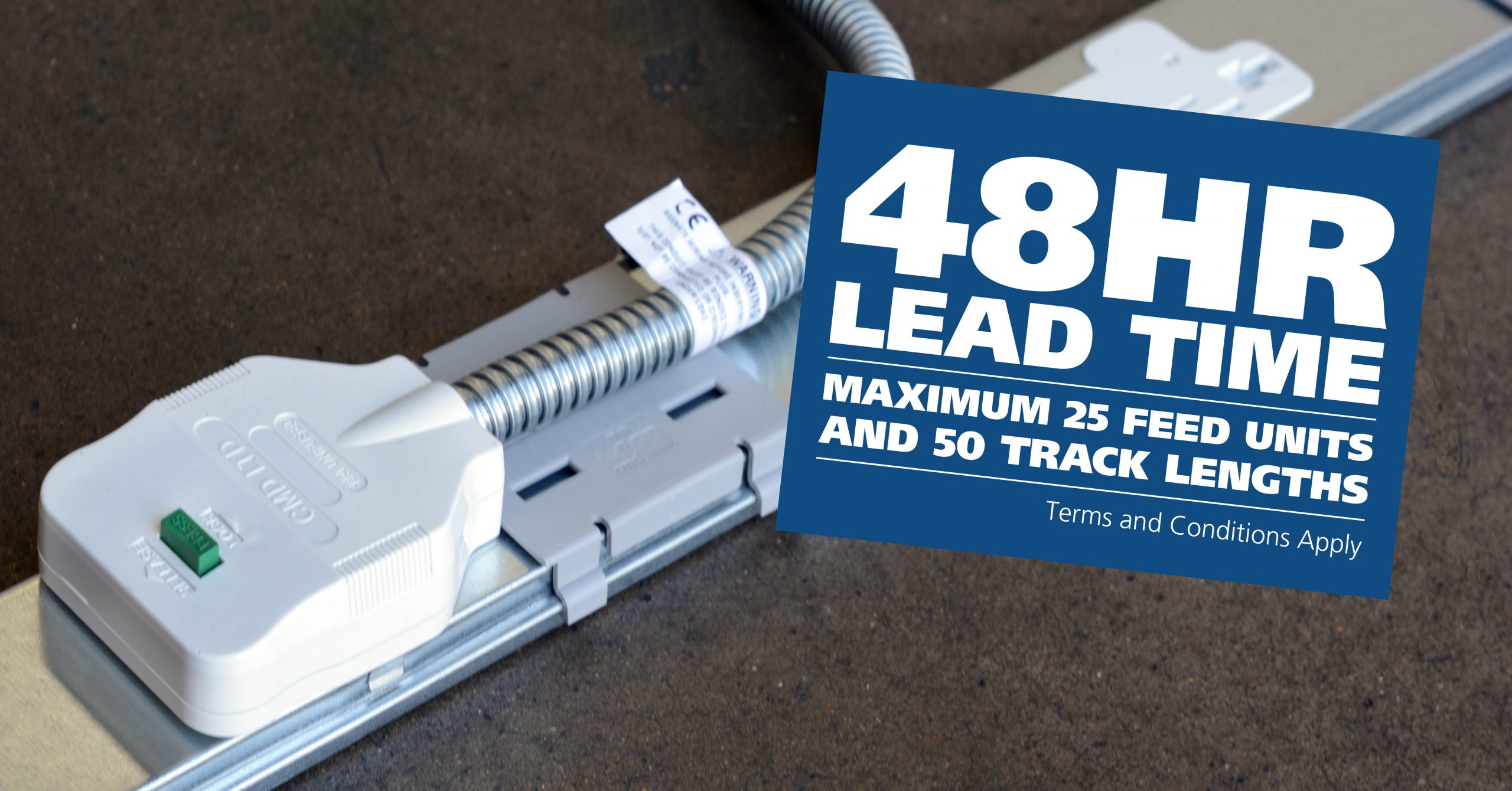
CMD Ltd, the specialist in power distribution systems, workstation power and monitor arms, has launched a rapid ordering service for its Betatrak® underfloor powertrack distribution systems and accessories, with a commitment to delivering within 48-hours of an approved purchase order*. The service enables customers to order up to 50 lengths of Standard or Clean Earth (C/E) low noise Betatrak, along with up to 25 feed...

Read more
CMD INVESTS £1/4 MILLION IN NEW MACHINE AS PART OF FACTORY UPGRADE

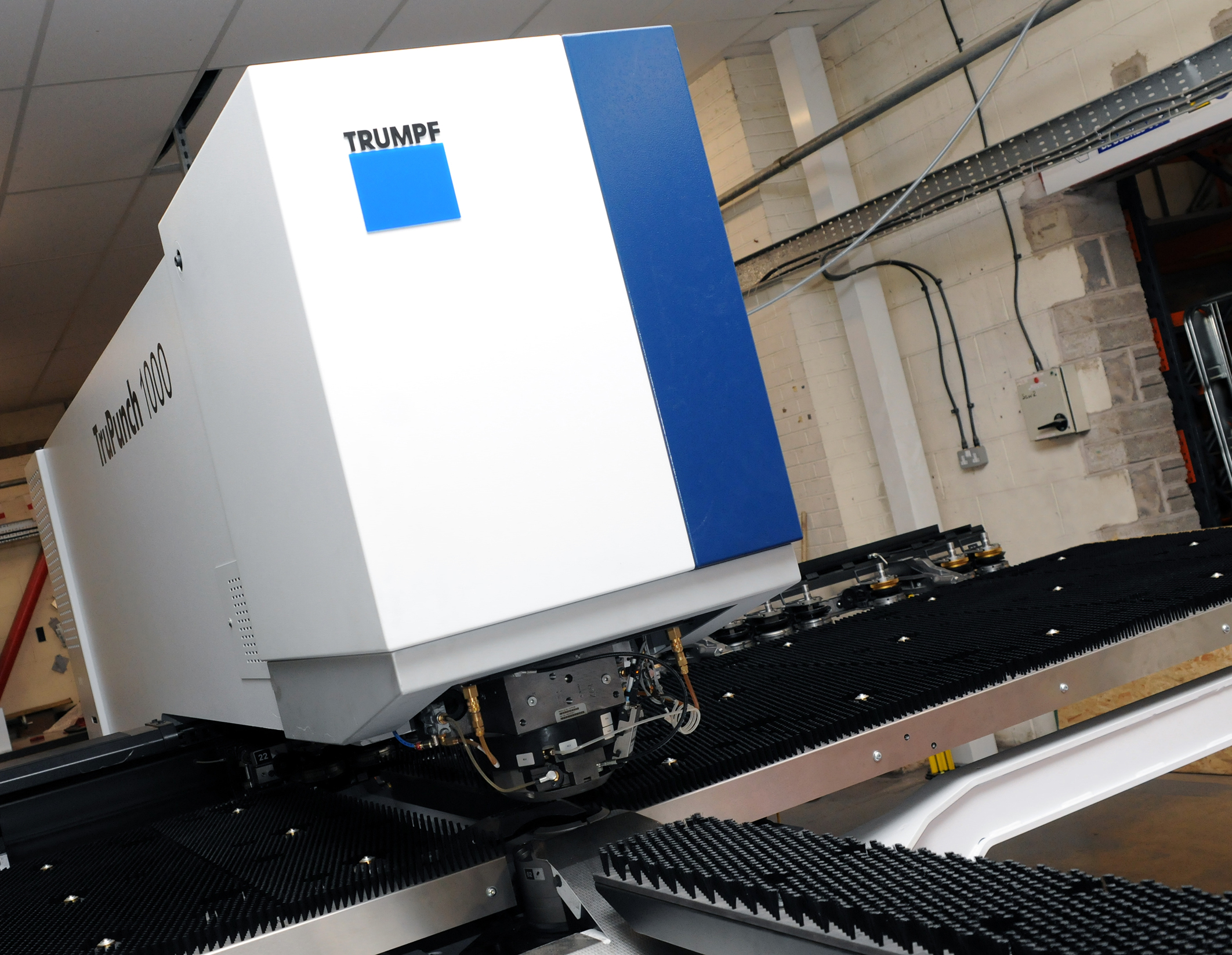
We have invested in a new £1/4m TRUMPF CNC metal punch as part of an asset renewal strategy for our UK manufacturing capability. The new machine will be used in the production of a wide variety of our power distribution systems and workstation power products at our Rotherham factory. Suitable for handling sheet metal between 0.9mm and 3.0mm thick, the new machine will replace one...

Read more
CMD CATALOGUE PROVIDES TECHNICAL POWER DISTRIBUTION GUIDE

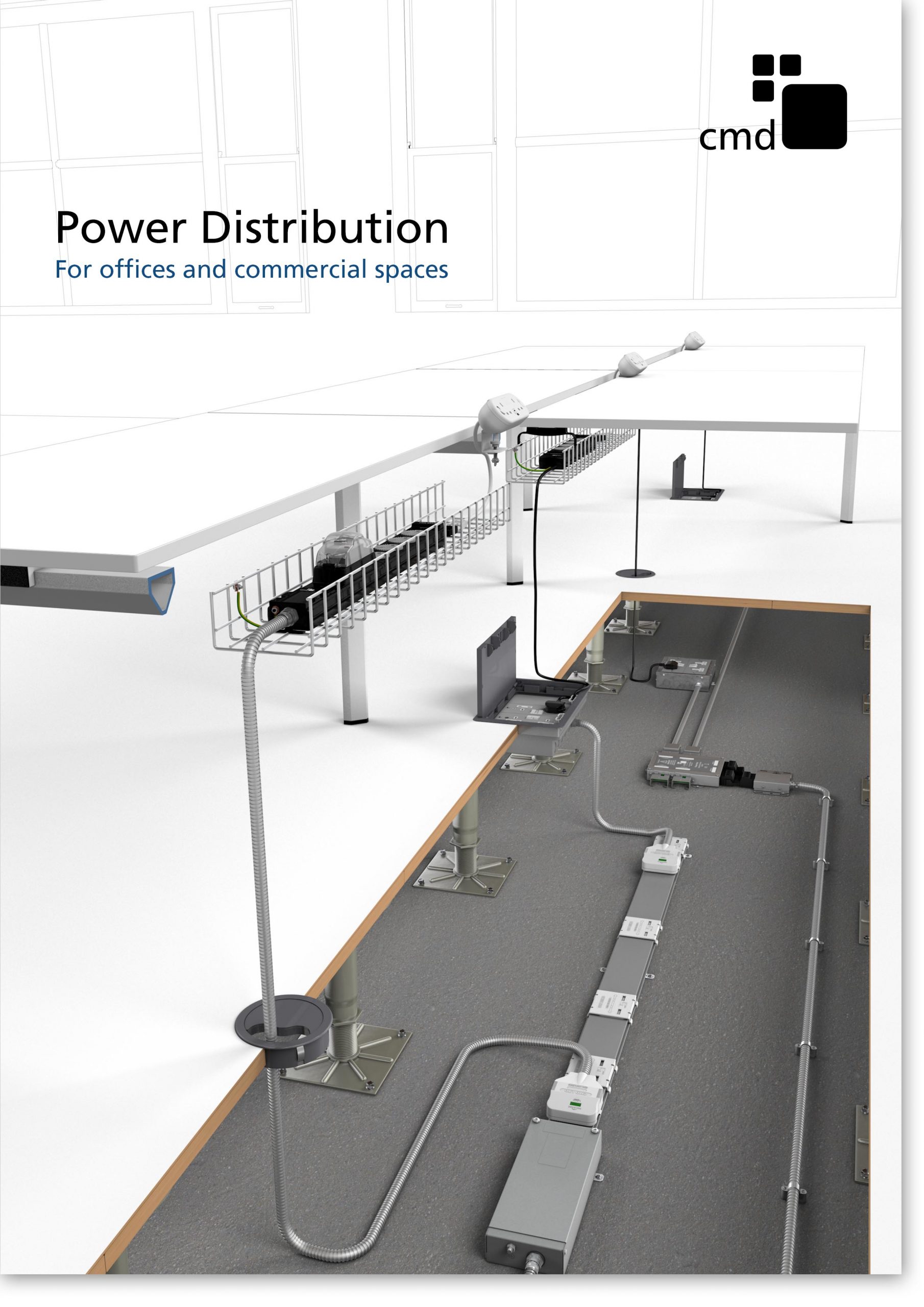
CMD Ltd has released a new catalogue, providing an easy to follow technical guide to our power distribution systems and plug and play desk modules. Detailing CMD’s full range of UK-manufactured power distribution systems and plug and play desk modules, the catalogue will be a helpful source of information to M&E engineers and contractors alike to understand how our power distribution systems connect together and...

Read more
Power Distribution Catalogue
CMD Ltd PLAYS ESSENTIAL ROLE IN ELECTRICAL FIT OUT AT LONDON’S PRESTIGIOUS OFFICE DEVELOPMENT

CMD Ltd, specialist in workplace connectivity and ergonomic solutions, has provided a flexible and high-quality power distribution network for The Ray, a prestigious office development in London’s Farringdon. Well-known for being the former site of The Guardian newspaper, The Ray now stands as an 83,000ft² office development characterised by a modernised warehouse aesthetic, with level two now occupied by a global social media company. The...

Read more

The Ray
CMD plugs in to european opportunity with Schuko Capsule unit launch

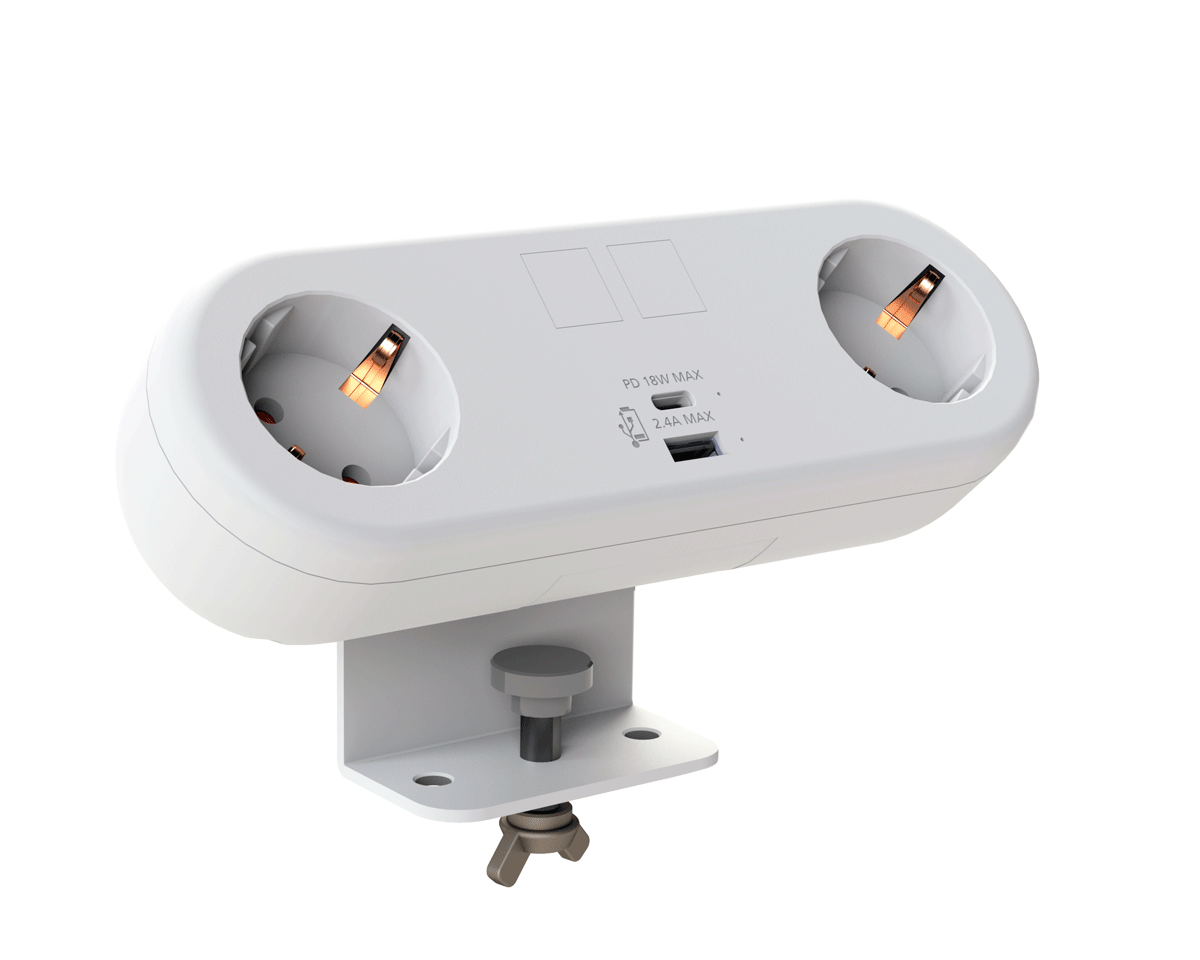
CMD Ltd, the specialist in power and connectivity solutions for commercial environments, has launched a Schuko version of its popular fixed format Capsule workstation power module for export to mainland Europe and beyond. A popular on desk power module comprising two sockets and dual USB (type A and C) chargers, CMD’s Capsule unit is already widely specified in the UK as an off-the-shelf workstation power...

Read more
CMD White Schuko Capsule Desk Power Module
CMD LTD EXTENDS MONITOR ARM RANGE WITH THE LAUNCH OF REACH PLUS

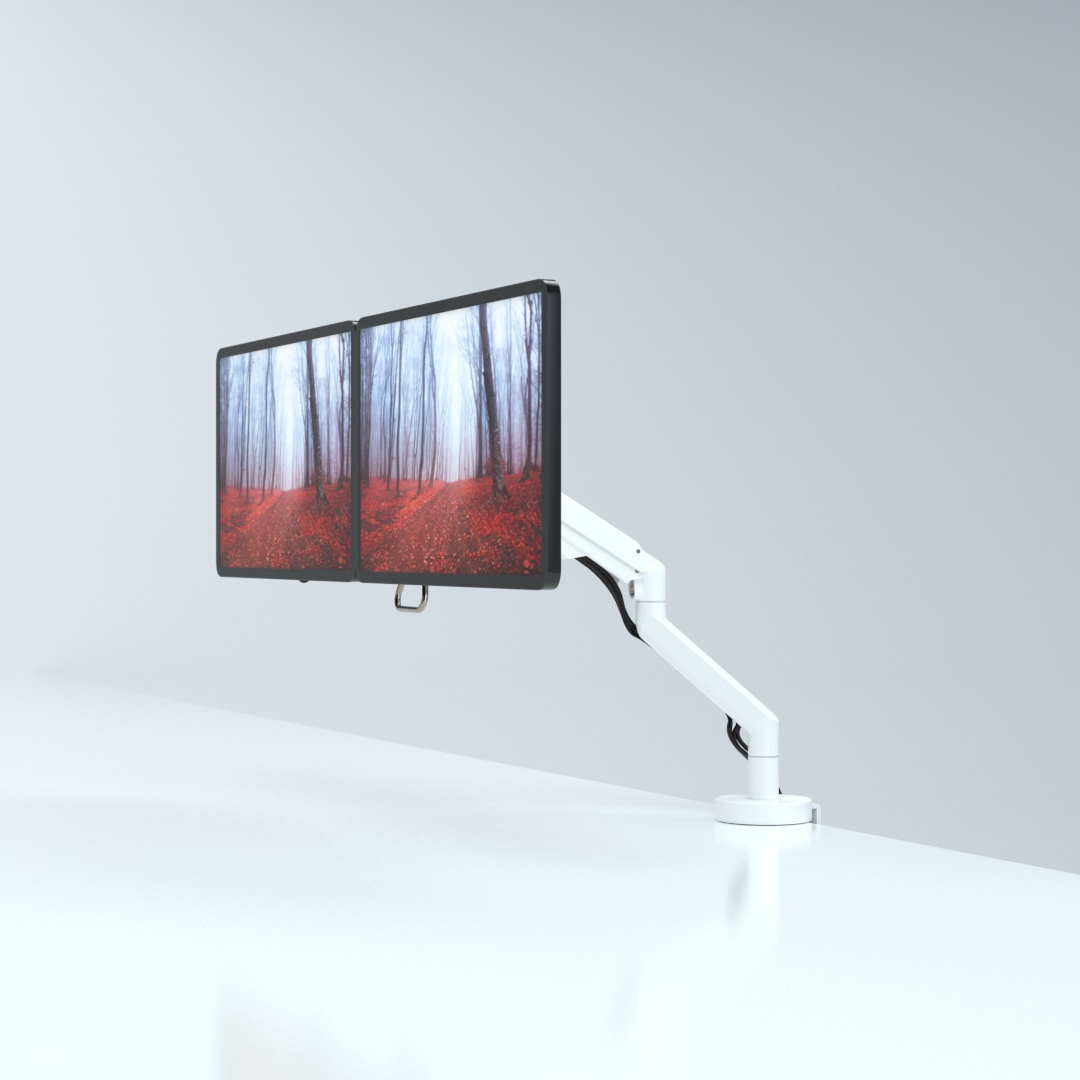
CMD Ltd, the specialist in ergonomic and connectivity solutions for commercial interiors, has completed its Reach monitor arm range with the launch of the Reach Plus. Available in single or dual screen options, the Reach Plus has been designed to provide an ideal solution for both single and dual screen workstation configurations, or can be used with next generation of large format curved screens. Suitable...

Read more
CMD Ltd DEMONSTRATES THE ART OF POWER DISTRIBUTION AT THE UNIVERSITY OF WARWICK

CMD Ltd, the specialist in workplace connectivity and ergonomic solutions, has provided Betatrak busbar power distribution and a range of electrical accessories for two major capital investment projects at the University of Warwick. Designed by Fielden Clegg Bradley Studios, the £33 million Faculty of Arts building is a showpiece development comprising four interconnected structures set around a central atrium, which will enable inter-disciplinary collaboration across...

Read more

University of Warwick
CMD BRINGS HARMONY TO COVENTRY UNIVERSITY RESEARCH FACILITIES

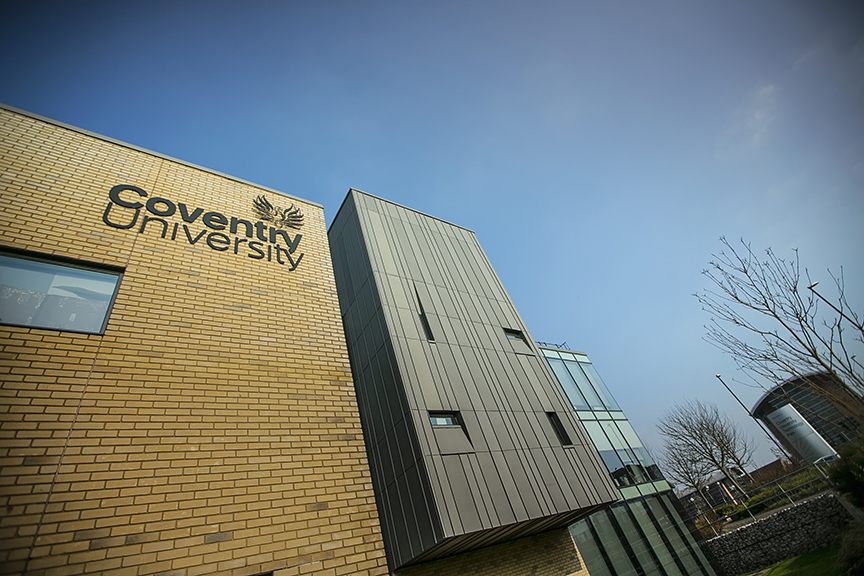
CMD Ltd, the specialist in power distribution solutions and workstation power and ergonomics, has provided under desk and on desk power modules for the refurbishment of three Coventry University research buildings. Located on Coventry University Technology Park, a business park designed to encourage collaboration between the university and knowledge-based businesses, the three buildings are being repurposed as office accommodation for university research teams. The refurbishment...

Read more
Coventry University

What Are the Benefits of Using Infrared Lights for Safety?

Infrared Lights have become essential tools in various security and safety applications. According to a report by the Security Industry Association, the global market for infrared technology has grown significantly, driven by the demand for advanced safety solutions. Infrared lights offer unique advantages, such as enhancing visibility in low-light conditions and detecting heat signatures. These features make them valuable in surveillance applications, where traditional lighting may fall short.

Beyond visibility, infrared lights can improve safety in various environments. They can be used in perimeter security and automated monitoring systems, providing real-time alerts. For example, a recent study highlighted that integrating infrared technology can reduce false alarms by up to 30%. However, the effectiveness of infrared lights depends on proper installation and maintenance. Even with advanced technology, challenges such as environmental interference can affect performance.

As industries continue to prioritize safety, understanding the benefits of infrared lights is crucial. Not only do they enhance security measures, but they also provide reliable solutions tailored to specific needs. The ongoing evolution of infrared technology holds potential for even greater advancements in safety systems. Embracing these innovations will require careful consideration and adaptive strategies to maximize their effectiveness.

What Are the Benefits of Using Infrared Lights for Safety?

Understanding Infrared Lights: Definition and Technology

Infrared lights utilize electromagnetic radiation within the infrared spectrum to enhance safety. They provide various benefits, particularly in security and surveillance. According to recent industry reports, infrared technology increases detection capabilities by 30% compared to standard visual systems. This improvement in visibility is invaluable in low-light environments.

Many professionals recommend using infrared lights for outdoor security. They work effectively during night or adverse weather conditions. The heat emitted can identify movement, making intruders easier to detect. Additionally, infrared technology can penetrate fog and rain, which often limits traditional cameras. It is crucial to align these lights optimally to achieve the best results.

When incorporating infrared lighting, consider placement and intensity. Properly positioned lights can reduce blind spots. Overexposure can cause glare, diminishing effectiveness. Keep in mind that while infrared offers advantages, it is essential to regularly assess and update your system. Regular maintenance ensures optimal performance and enhances safety measures. By adopting these methods, organizations can improve their security infrastructure effectively.

Benefits of Using Infrared Lights for Safety

Benefit Description Applications
Enhanced Night Vision Infrared lights emit wavelengths that are invisible to the naked eye, allowing for clearer visibility in darkness. Security surveillance, wildlife monitoring
Thermal Imaging Infrared technology can detect temperature variations, making it useful for identifying heat sources. Search and rescue operations, building inspections
Low Power Consumption Infrared lights consume less energy compared to traditional lighting, promoting sustainability. Industrial lighting, outdoor safety applications
Non-Intrusive Monitoring Infrared lights provide a way to monitor areas without being obtrusive, increasing comfort and privacy. Home security systems, public surveillance
Versatility Infrared lights can be used in various environmental conditions, remaining effective in fog, smoke, or darkness. Marine navigation, border security

Enhancing Safety: How Infrared Lights Improve Visibility and Detection

Infrared lights play a crucial role in enhancing safety, particularly in low-visibility environments. They provide improved detection capabilities for both people and objects, effectively cutting through darkness and fog. A study by the National Highway Traffic Safety Administration found that visibility can be increased by up to 90% with infrared technology. This significant improvement can help prevent accidents and dangers in various settings.

During nighttime or adverse weather conditions, infrared lights can see through obstacles that regular lights struggle with. They work by detecting heat signatures emitted by living beings. This feature is invaluable for security surveillance, search and rescue operations, and even monitoring wildlife. According to the International Journal of Safety Research, integrating infrared technology can reduce incident rates by nearly 30%.

Tip: Regularly check your infrared systems to ensure optimal functioning. Install in areas where visibility issues are frequent. For locations with high pedestrian traffic, consider additional infrared lighting to enhance safety measures. Focused use of this technology can minimize blind spots, thus creating a more secure environment for everyone involved.

Applications of Infrared Lights in Various Safety Scenarios

Infrared lighting technology serves a vital role in various safety applications. It enhances visibility in low-light conditions. For example, infrared lights are widely used in industrial settings, improving worker safety by enabling better monitoring of machinery. According to a recent study, proper lighting can reduce workplace accidents by up to 25%. This statistic emphasizes the need for effective safety measures in environments where visibility is often compromised.

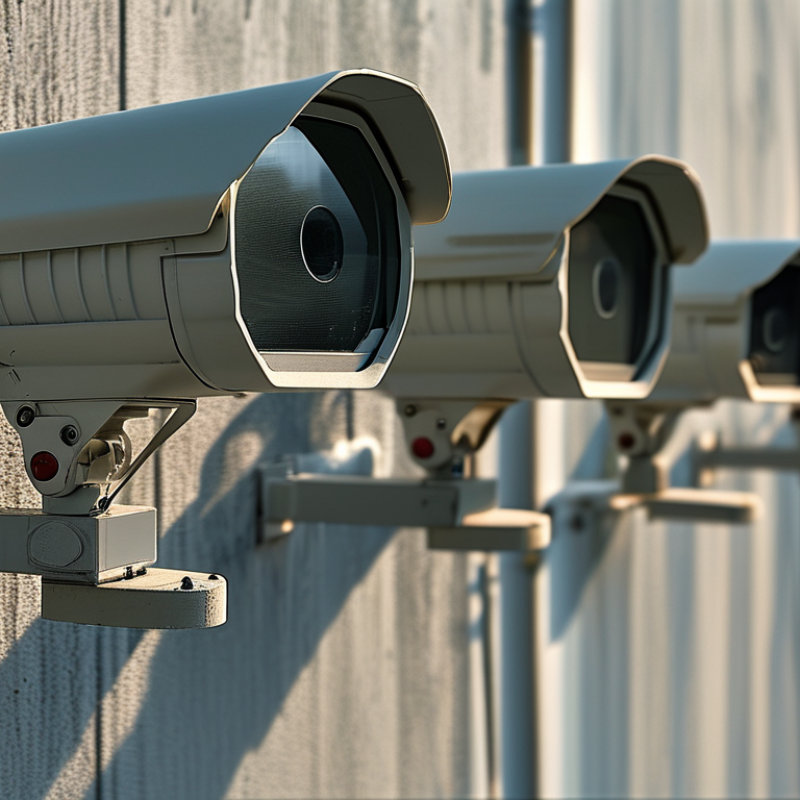
In security applications, infrared technology allows surveillance systems to capture clear images in complete darkness. Many police departments utilize infrared cameras to monitor key areas. One report indicated that the implementation of such systems led to a 30% decrease in criminal incidents. These systems work by detecting heat emitted from objects or individuals, making them invaluable for nighttime safety.

However, reliance on infrared technology is not without its challenges. While infrared lights enhance safety, they are not infallible. There can be issues with detection accuracy, sometimes leading to false alarms. Organizations must continually assess and refine their systems. This iterative process is necessary to ensure that infrared lighting serves its intended purpose effectively.

Advantages of Infrared Lights: Cost-Efficiency and Low Maintenance

Infrared lights have become a popular choice for safety applications due to their cost-efficiency and low maintenance needs. According to a recent report from the International Energy Agency (IEA), infrared lights can save up to 60% more energy compared to traditional lighting options. This not only reduces operational costs but also minimizes environmental impact. Organizations can allocate their budget to other essential safety measures, making infrared lights a smart investment.

Maintenance is another critical advantage. Infrared lights typically last longer than incandescent or fluorescent lights, often exceeding 25,000 hours of use. This longevity translates into less frequent replacements and lower maintenance costs. Many facilities report reduced labor costs associated with lighting upkeep, as fewer outages mean fewer service calls are necessary. Companies often find that this reliability enhances compliance with safety regulations.

Tips for implementing infrared lights effectively include choosing the right wattage based on the area size. Over-illumination can lead to wasted energy. Also, consider placing infrared sensors to optimize energy use, turning lights on only when necessary. Regularly reviewing your lighting setup may reveal imperfect areas, allowing for thoughtful adjustments to maximize efficiency. By reflecting on your current usage patterns, you can further enhance both safety and cost savings.

Benefits of Using Infrared Lights for Safety

Comparing Infrared Lights with Other Safety Lighting Solutions

Infrared lights serve as a versatile safety tool. They provide clear benefits compared to traditional safety lighting solutions. Unlike visible lights, infrared lights remain unobtrusive and less distracting, making them ideal for various environments. A 2021 report by the National Safety Council highlighted that infrared systems reduce glare, enhancing visibility for drivers and pedestrians. This is crucial in high-traffic areas.

When measuring effectiveness, infrared lights excel in low-light conditions. According to a study by the International Association of Chiefs of Police, approximately 70% of nighttime accidents occur in poorly lit areas. Infrared lights enhance nighttime visibility without causing light pollution. In contrast, standard lighting can create blind spots and visual confusion. Their use has shown a reduction in accident rates by nearly 30%, highlighting their impact on safety.

Nonetheless, reliance solely on infrared lighting isn’t practical. There are scenarios where their effectiveness diminishes, such as in extreme weather. Challenges such as fog or heavy rain can affect visibility. This requires a balanced approach, combining infrared with other lighting solutions for maximum safety. Emphasizing adaptability within safety infrastructure remains key for all stakeholders involved.