

News

Miro: A New Standard in Responsible Innovation

Miro: A New Standard in Responsible Innovation The Miro monitor arm is setting new benchmarks in sustainability. It offers a high-performance solution without compromising on environmental responsibility. Designed with careful material selection, local sourcing, and longevity in mind, Miro’s responsible approach to design and unique manoeuvrability set it apart from the competition. Sustainable Choices Miro is crafted from energy-efficient materials with a lower carbon impact....

Read more
HSE Advisor

Role Purpose Support in the development, implementation and maintenance of the company’s Health, Safety & Environmental policies, processes, operational procedures, and standards.  Ensuring best practice and championing a continually improving HSE culture within the business. Key Responsibilities Liaise with and provide support to all areas of the business to eliminate, mitigate or reduce identified HSE exposures. Partner with the production management team and team leaders,...

Read more
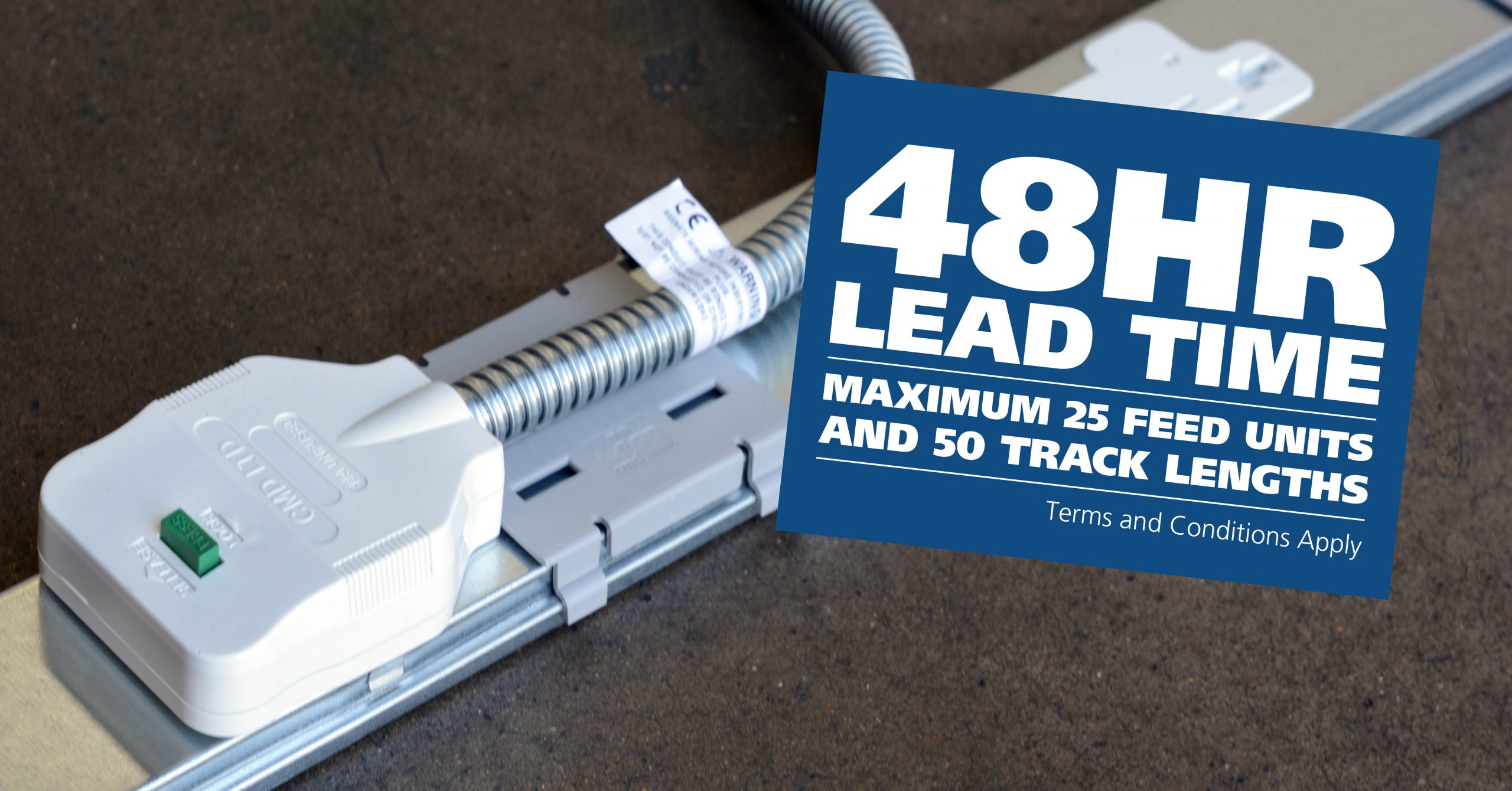
CMD Ltd LAUNCHES 48-HOUR TURNAROUND ON BETATRAK® RAPID ORDERING SERVICE

CMD Ltd, the specialist in power distribution systems, workstation power and monitor arms, has launched a rapid ordering service for its Betatrak® underfloor powertrack distribution systems and accessories, with a commitment to delivering within 48-hours of an approved purchase order*. The service enables customers to order up to 50 lengths of Standard or Clean Earth (C/E) low noise Betatrak, along with up to 25 feed...

Read more
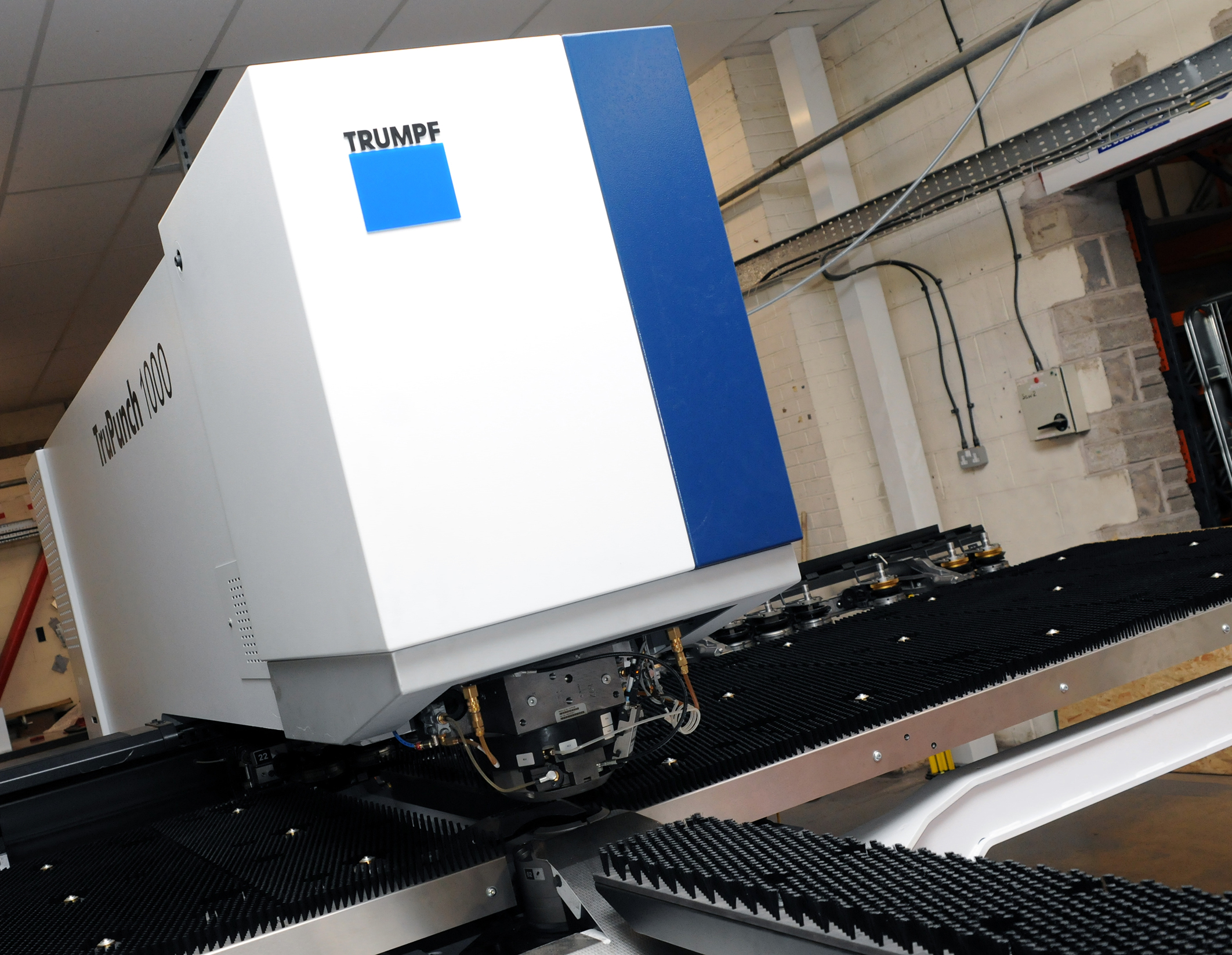
CMD INVESTS £1/4 MILLION IN NEW MACHINE AS PART OF FACTORY UPGRADE

We have invested in a new £1/4m TRUMPF CNC metal punch as part of an asset renewal strategy for our UK manufacturing capability. The new machine will be used in the production of a wide variety of our power distribution systems and workstation power products at our Rotherham factory. Suitable for handling sheet metal between 0.9mm and 3.0mm thick, the new machine will replace one...

Read more
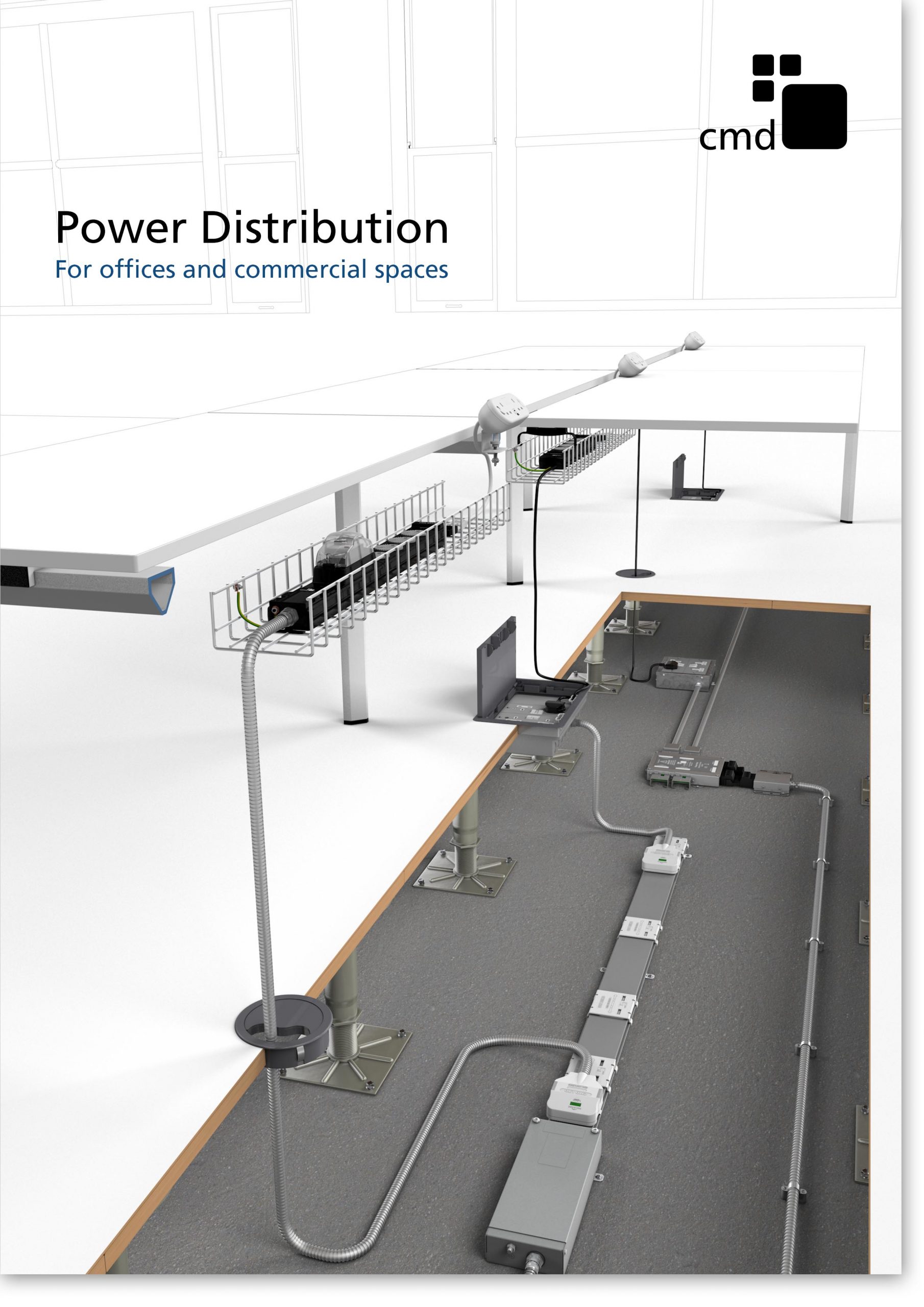
CMD CATALOGUE PROVIDES TECHNICAL POWER DISTRIBUTION GUIDE

CMD Ltd has released a new catalogue, providing an easy to follow technical guide to our power distribution systems and plug and play desk modules. Detailing CMD’s full range of UK-manufactured power distribution systems and plug and play desk modules, the catalogue will be a helpful source of information to M&E engineers and contractors alike to understand how our power distribution systems connect together and...

Read more
Power Distribution Catalogue
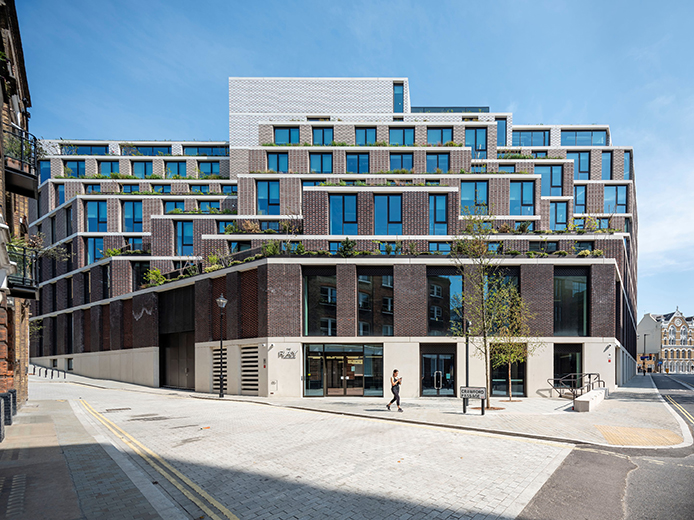
CMD Ltd PLAYS ESSENTIAL ROLE IN ELECTRICAL FIT OUT AT LONDON’S PRESTIGIOUS OFFICE DEVELOPMENT

CMD Ltd, specialist in workplace connectivity and ergonomic solutions, has provided a flexible and high-quality power distribution network for The Ray, a prestigious office development in London’s Farringdon. Well-known for being the former site of The Guardian newspaper, The Ray now stands as an 83,000ft² office development characterised by a modernised warehouse aesthetic, with level two now occupied by a global social media company. The...

Read more
The Ray
CMD plugs in to european opportunity with Schuko Capsule unit launch

CMD Ltd, the specialist in power and connectivity solutions for commercial environments, has launched a Schuko version of its popular fixed format Capsule workstation power module for export to mainland Europe and beyond. A popular on desk power module comprising two sockets and dual USB (type A and C) chargers, CMD’s Capsule unit is already widely specified in the UK as an off-the-shelf workstation power...

Read more
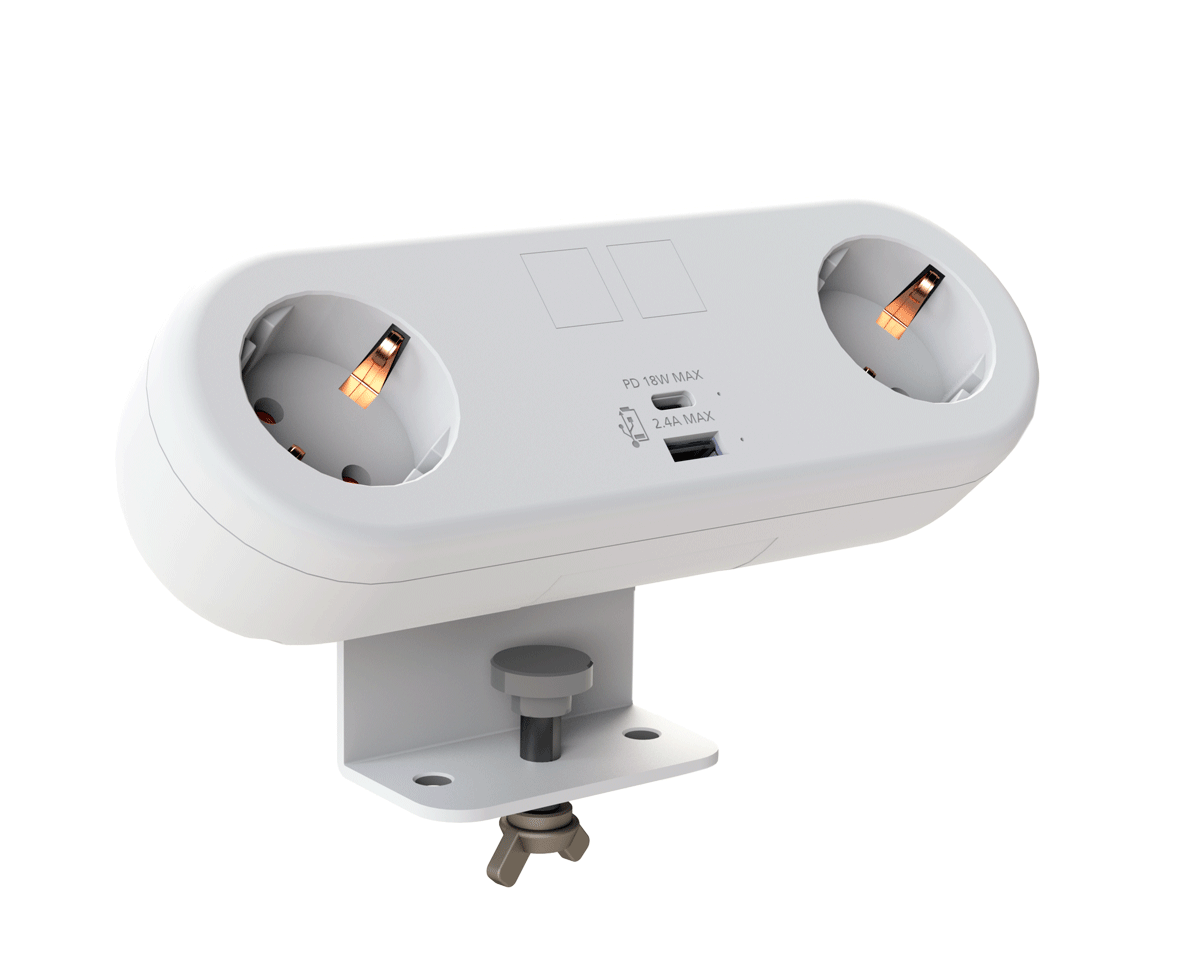
CMD White Schuko Capsule Desk Power Module
CMD LTD EXTENDS MONITOR ARM RANGE WITH THE LAUNCH OF REACH PLUS

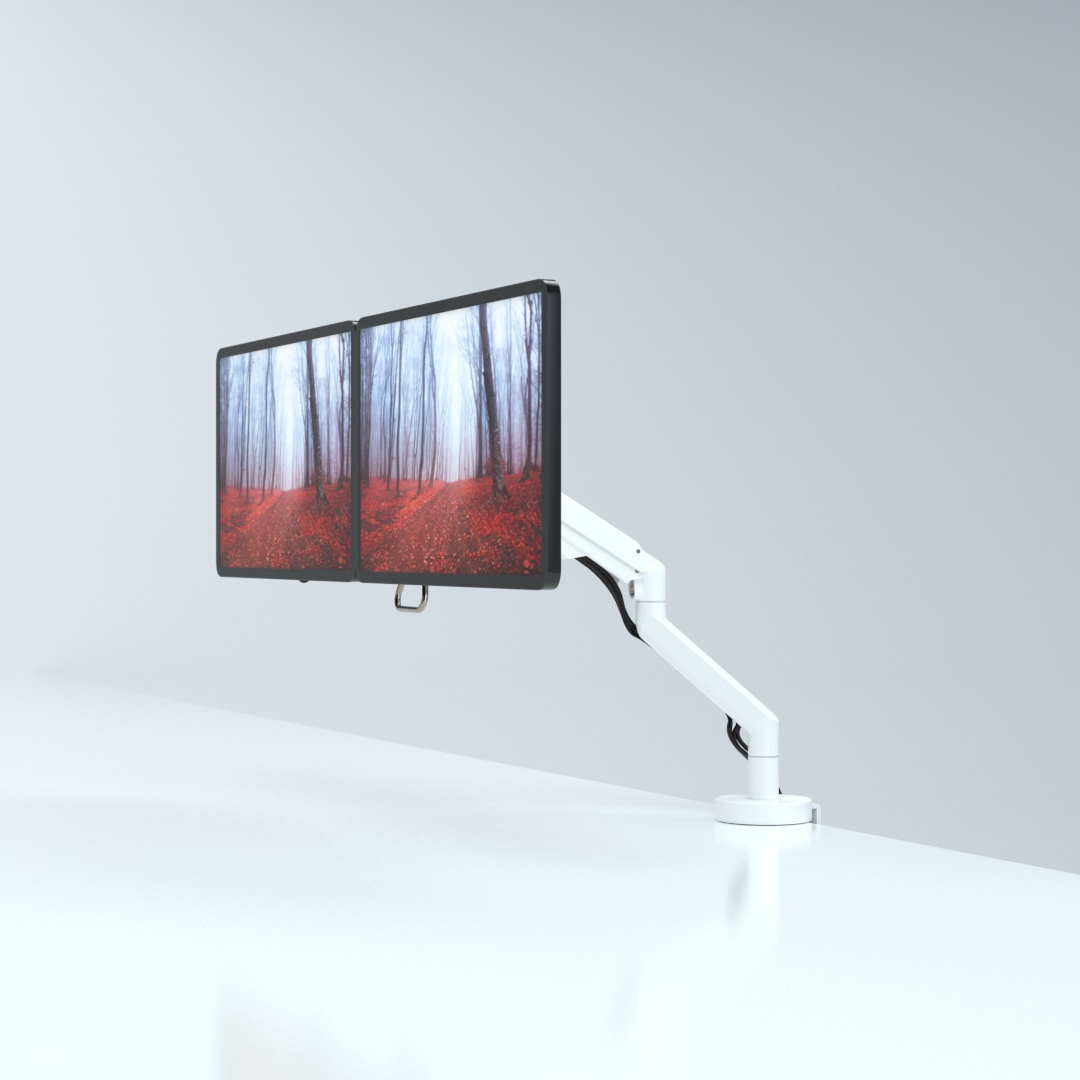
CMD Ltd, the specialist in ergonomic and connectivity solutions for commercial interiors, has completed its Reach monitor arm range with the launch of the Reach Plus. Available in single or dual screen options, the Reach Plus has been designed to provide an ideal solution for both single and dual screen workstation configurations, or can be used with next generation of large format curved screens. Suitable...

Read more
CMD Ltd DEMONSTRATES THE ART OF POWER DISTRIBUTION AT THE UNIVERSITY OF WARWICK

CMD Ltd, the specialist in workplace connectivity and ergonomic solutions, has provided Betatrak busbar power distribution and a range of electrical accessories for two major capital investment projects at the University of Warwick. Designed by Fielden Clegg Bradley Studios, the £33 million Faculty of Arts building is a showpiece development comprising four interconnected structures set around a central atrium, which will enable inter-disciplinary collaboration across...

Read more

University of Warwick
CMD BRINGS HARMONY TO COVENTRY UNIVERSITY RESEARCH FACILITIES

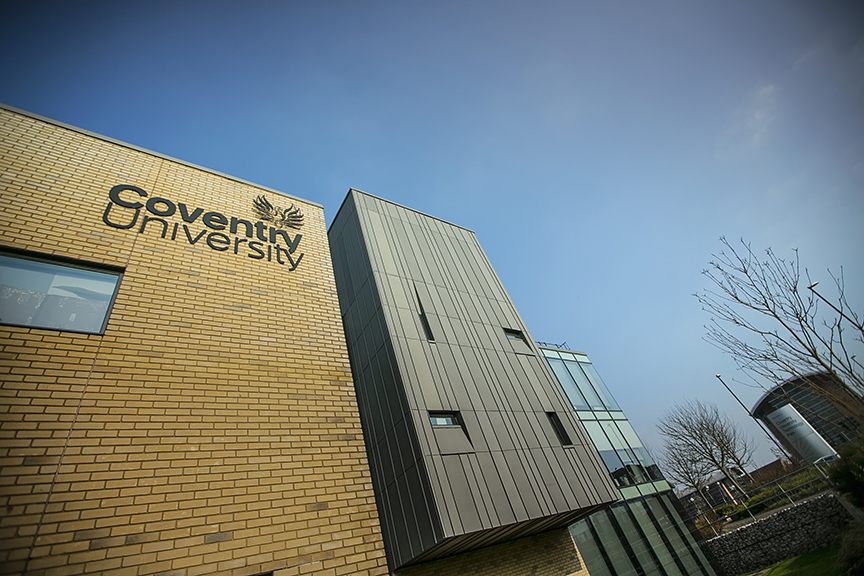
CMD Ltd, the specialist in power distribution solutions and workstation power and ergonomics, has provided under desk and on desk power modules for the refurbishment of three Coventry University research buildings. Located on Coventry University Technology Park, a business park designed to encourage collaboration between the university and knowledge-based businesses, the three buildings are being repurposed as office accommodation for university research teams. The refurbishment...

Read more

Coventry University

What Are the Benefits of Formaldehyde Reduction Projects?

Formaldehyde reduction projects play a vital role in improving indoor air quality and public health. Dr. Emily Rosen, a leading expert in environmental science, noted, “Managing formaldehyde levels is essential for safe living spaces.” Her insight highlights the urgency of addressing this common indoor pollutant.

These projects focus on decreasing formaldehyde emissions from construction materials and household products. Effective implementation can lead to healthier environments, particularly in schools and homes. Many individuals do not realize how prevalent formaldehyde is in everyday items, such as furniture and adhesives.

However, the challenges in executing Formaldehyde Projects include costs and public awareness. While many understand the importance of cleaner air, few appreciate the depth of the issue. Education is critical for fostering community support. More discussions are needed about how to balance practical solutions with economic factors. Overall, the benefits far outweigh the difficulties, as cleaner air promotes better overall health.

What Are the Benefits of Formaldehyde Reduction Projects?

Benefits of Formaldehyde Reduction Projects for Public Health

Formaldehyde reduction projects play a crucial role in enhancing public health. These initiatives aim to lower the levels of formaldehyde exposure in homes, schools, and workplaces. High levels of this chemical can cause respiratory problems and allergic reactions. By reducing formaldehyde, we can create safer environments for everyone.

One notable impact of these projects is the decrease in respiratory illnesses. Children are particularly vulnerable. Prolonged exposure to formaldehyde can lead to serious health issues. Implementing effective reduction techniques not only protects children but also improves overall air quality. Communities report fewer health complaints after such initiatives.

However, challenges remain. Some projects may lack consistent funding or community awareness. Addressing these gaps is essential for success. Public involvement and education are key in driving these efforts forward. It’s a collective responsibility to advocate for cleaner indoor air.

Impact on Reducing Respiratory Issues Linked to Formaldehyde Exposure

Formaldehyde is a common chemical found in many household products. Prolonged exposure can lead to serious respiratory issues. These issues include asthma, throat irritation, and other chronic conditions. Reducing formaldehyde levels is crucial for improving indoor air quality. Projects aimed at formaldehyde reduction significantly help vulnerable populations, such as children and the elderly.

Effective formaldehyde reduction requires specific strategies. Improved ventilation systems can lower indoor concentrations. Additionally, using low-emission materials in construction plays an important role. Unfortunately, not all projects implement these measures effectively. Some solutions may be too costly or complex for widespread adoption. This raises questions about accessibility and efficiency in reducing formaldehyde risk.

The impact of reducing formaldehyde exposure extends beyond respiratory relief. Healthier air can boost overall well-being and productivity. Communities can benefit from less sick days and improved mental health. Yet, awareness of formaldehyde sources remains low. Continued education and advocacy are vital for lasting change. Addressing these challenges requires collective effort from stakeholders involved in public health and environmental safety.

Economic Advantages of Implementing Formaldehyde Reduction Strategies

Formaldehyde reduction projects offer significant economic advantages. Implementing these strategies can lower healthcare costs linked to formaldehyde exposure. This often results in fewer missed workdays and lower insurance premiums. Businesses face fewer liabilities when they prioritize safer environments.

Investing in formaldehyde reduction can enhance a company's reputation. Clients appreciate businesses that care about health and safety. This improved image can lead to increased customer loyalty and higher sales.

**Tips:** Regularly assess indoor air quality. Frequent testing helps identify formaldehyde levels in your space. Engage employees in creating a safer work environment. Their input can result in practical changes. Small adjustments can lead to big savings.

Economic Advantages of Implementing Formaldehyde Reduction Strategies

Regulatory Compliance and Its Importance in Formaldehyde Reduction Efforts

Formaldehyde reduction projects play a vital role in ensuring regulatory compliance. Companies must adhere to strict guidelines regarding this chemical. Non-compliance can lead to hefty fines and legal challenges. Regulatory frameworks, such as those from health organizations, require regular monitoring of formaldehyde levels. By prioritizing compliance, organizations can avoid significant pitfalls.

Moreover, compliance promotes a safer workplace. Employees exposed to excessive formaldehyde may face health risks, including respiratory issues. Reducing formaldehyde levels safeguards employee well-being. A study illustrated that lower exposure leads to fewer sick days. This not only boosts productivity but also enhances company morale. Importantly, adhering to regulations establishes trust with consumers and regulatory bodies.

However, achieving compliance can be challenging. Organizations often struggle with outdated equipment or improper practices. This reality necessitates ongoing assessments and improvements. Regular training programs can keep staff informed about best practices. While pursuing compliance, businesses may inadvertently overlook other important safety measures. A holistic approach is essential for long-term success in formaldehyde reduction.

Long-Term Environmental Benefits of Reduced Formaldehyde Emissions

Reducing formaldehyde emissions presents significant long-term environmental benefits. Formaldehyde is a common indoor pollutant. It can contribute to various health issues and ecological challenges. Lowering its levels can improve air quality. This can lead to healthier living conditions for communities.

One major benefit is the reduction in respiratory problems. Studies show that long-term exposure can irritate the eyes, nose, and throat. With lower emissions, the risk of these issues decreases. Healthier environments foster productivity and well-being. Schools and workplaces see improved performance and attendance.

Furthermore, less formaldehyde means improved ecosystems. It helps protect plant and animal life. Cleaner air supports biodiversity, crucial for a balanced environment. While the progress is evident, ongoing efforts are necessary. We must continue to monitor and adapt our strategies. The journey towards a healthier planet is ongoing and requires constant reflection and adjustment.