

News

Miro: A New Standard in Responsible Innovation

Miro: A New Standard in Responsible Innovation The Miro monitor arm is setting new benchmarks in sustainability. It offers a high-performance solution without compromising on environmental responsibility. Designed with careful material selection, local sourcing, and longevity in mind, Miro’s responsible approach to design and unique manoeuvrability set it apart from the competition. Sustainable Choices Miro is crafted from energy-efficient materials with a lower carbon impact....

Read more
HSE Advisor

Role Purpose Support in the development, implementation and maintenance of the company’s Health, Safety & Environmental policies, processes, operational procedures, and standards.  Ensuring best practice and championing a continually improving HSE culture within the business. Key Responsibilities Liaise with and provide support to all areas of the business to eliminate, mitigate or reduce identified HSE exposures. Partner with the production management team and team leaders,...

Read more
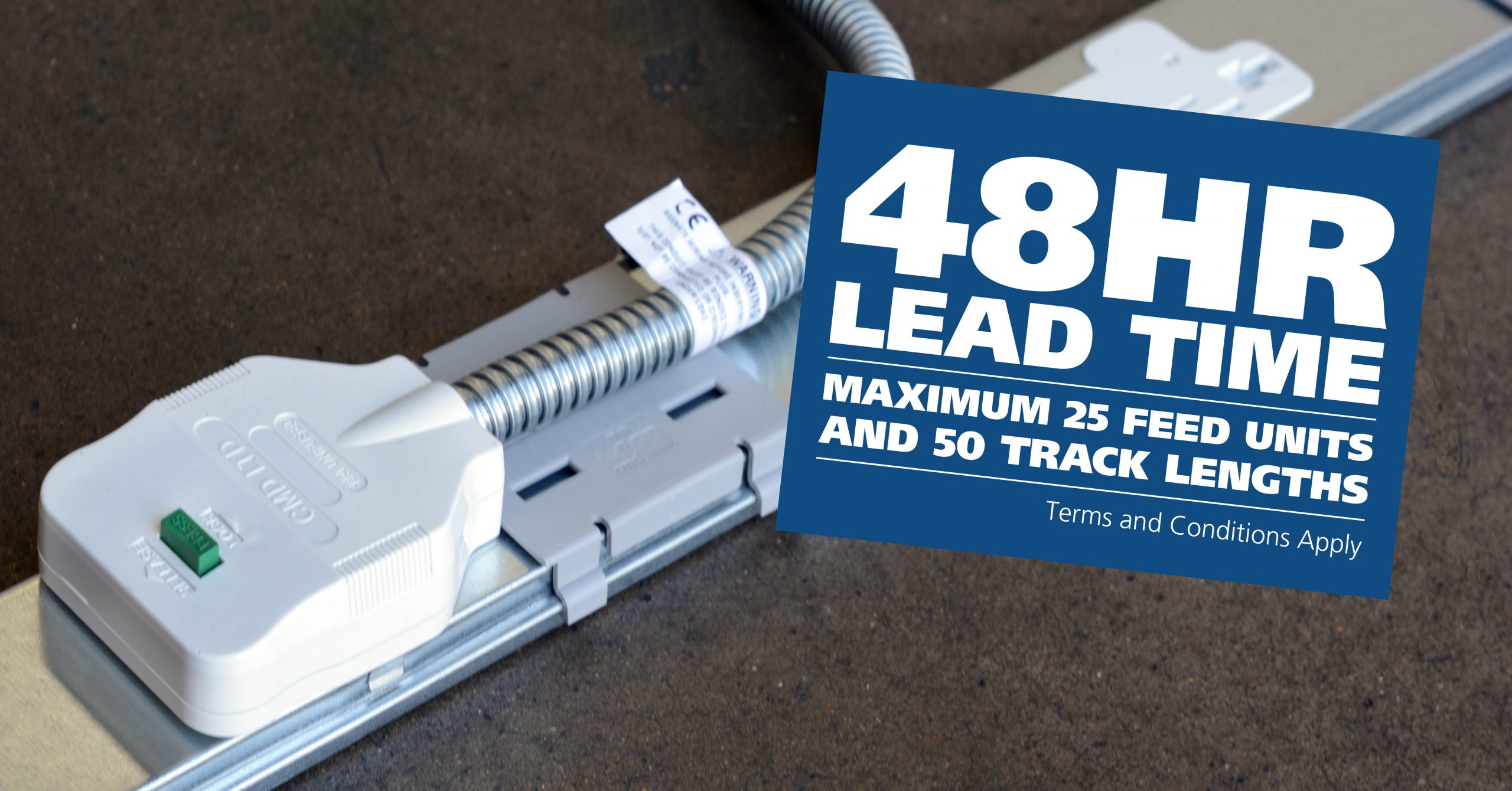
CMD Ltd LAUNCHES 48-HOUR TURNAROUND ON BETATRAK® RAPID ORDERING SERVICE

CMD Ltd, the specialist in power distribution systems, workstation power and monitor arms, has launched a rapid ordering service for its Betatrak® underfloor powertrack distribution systems and accessories, with a commitment to delivering within 48-hours of an approved purchase order*. The service enables customers to order up to 50 lengths of Standard or Clean Earth (C/E) low noise Betatrak, along with up to 25 feed...

Read more
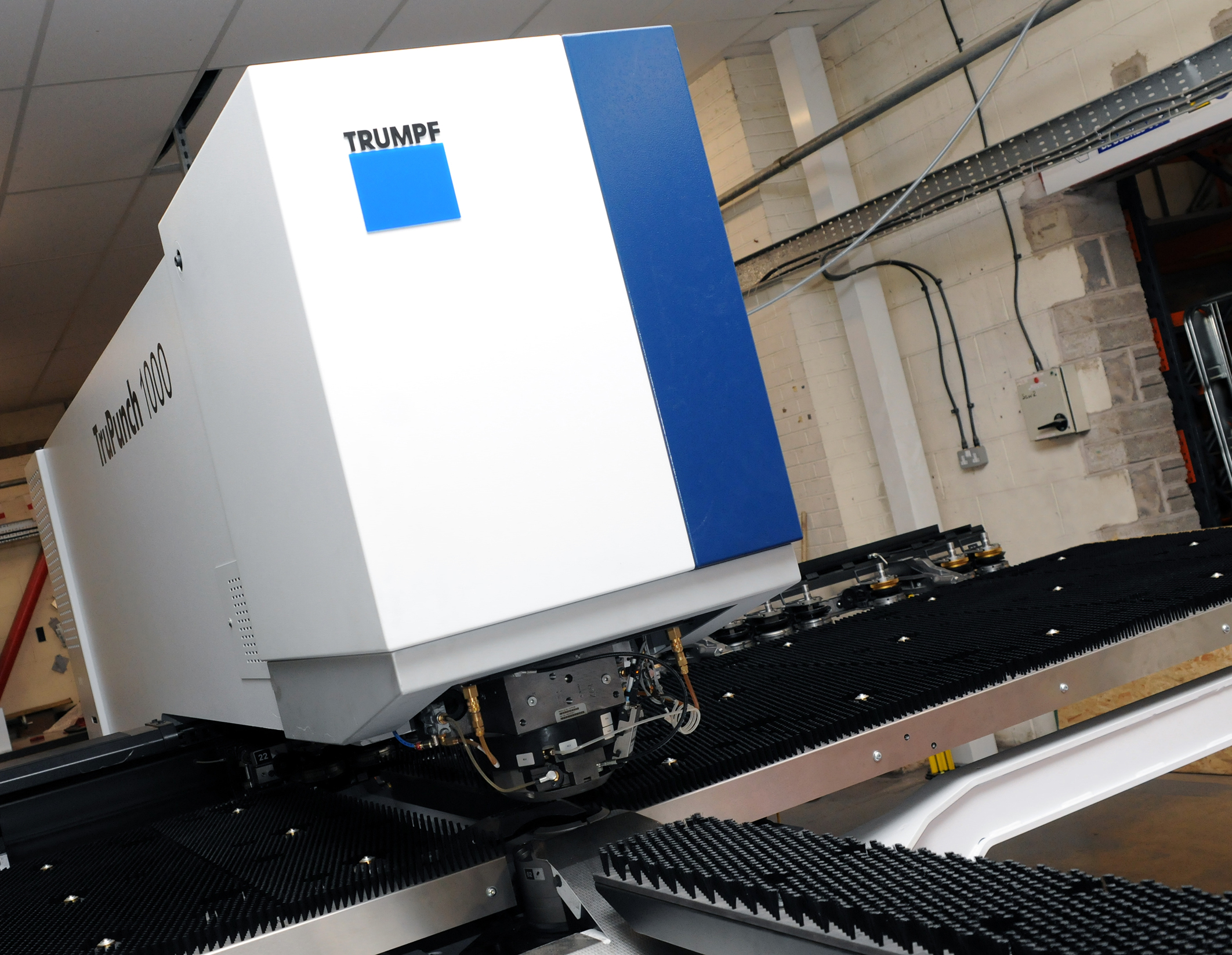
CMD INVESTS £1/4 MILLION IN NEW MACHINE AS PART OF FACTORY UPGRADE

We have invested in a new £1/4m TRUMPF CNC metal punch as part of an asset renewal strategy for our UK manufacturing capability. The new machine will be used in the production of a wide variety of our power distribution systems and workstation power products at our Rotherham factory. Suitable for handling sheet metal between 0.9mm and 3.0mm thick, the new machine will replace one...

Read more
CMD CATALOGUE PROVIDES TECHNICAL POWER DISTRIBUTION GUIDE

CMD Ltd has released a new catalogue, providing an easy to follow technical guide to our power distribution systems and plug and play desk modules. Detailing CMD’s full range of UK-manufactured power distribution systems and plug and play desk modules, the catalogue will be a helpful source of information to M&E engineers and contractors alike to understand how our power distribution systems connect together and...

Read more
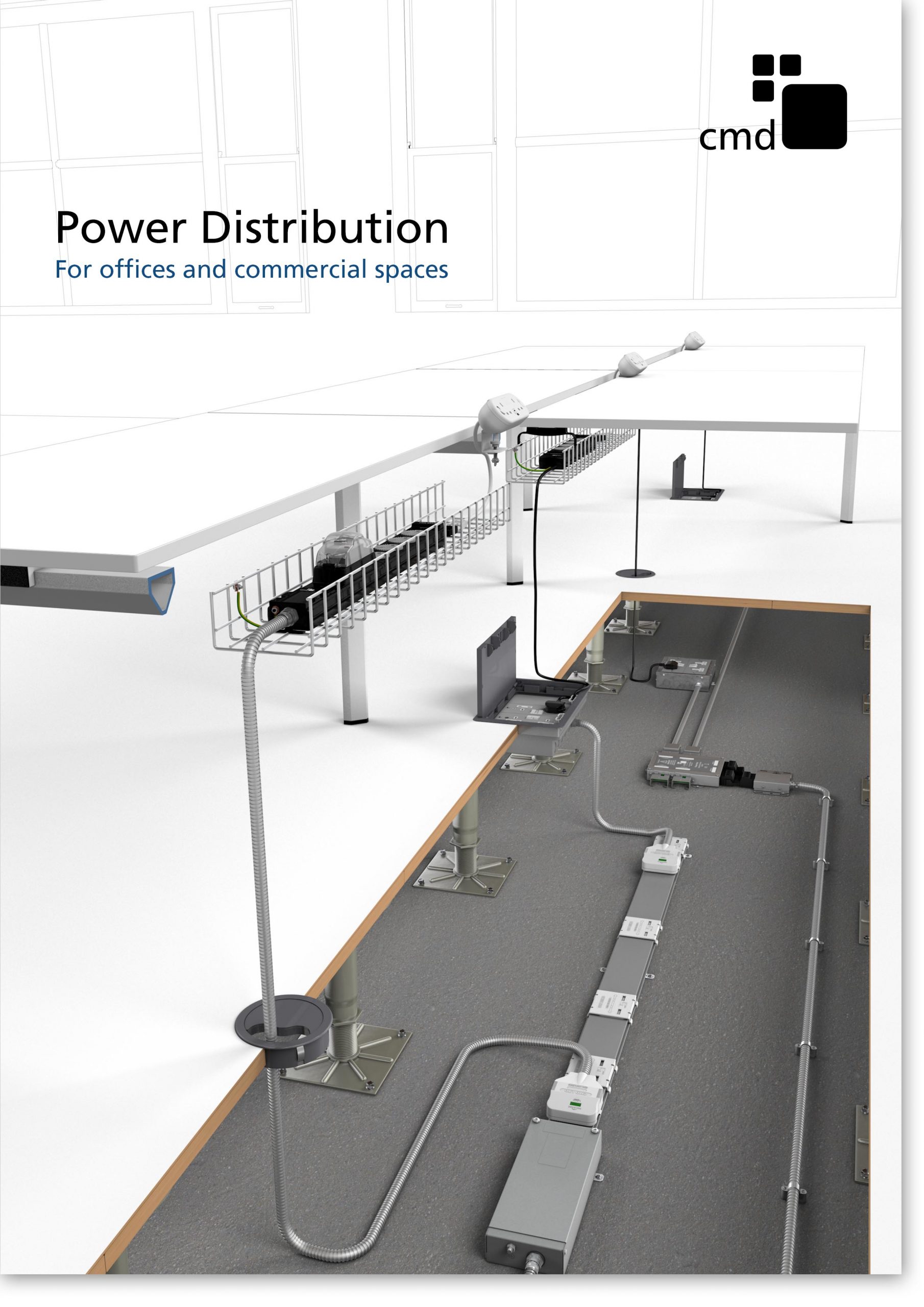
Power Distribution Catalogue
CMD Ltd PLAYS ESSENTIAL ROLE IN ELECTRICAL FIT OUT AT LONDON’S PRESTIGIOUS OFFICE DEVELOPMENT

CMD Ltd, specialist in workplace connectivity and ergonomic solutions, has provided a flexible and high-quality power distribution network for The Ray, a prestigious office development in London’s Farringdon. Well-known for being the former site of The Guardian newspaper, The Ray now stands as an 83,000ft² office development characterised by a modernised warehouse aesthetic, with level two now occupied by a global social media company. The...

Read more

The Ray
CMD plugs in to european opportunity with Schuko Capsule unit launch

CMD Ltd, the specialist in power and connectivity solutions for commercial environments, has launched a Schuko version of its popular fixed format Capsule workstation power module for export to mainland Europe and beyond. A popular on desk power module comprising two sockets and dual USB (type A and C) chargers, CMD’s Capsule unit is already widely specified in the UK as an off-the-shelf workstation power...

Read more
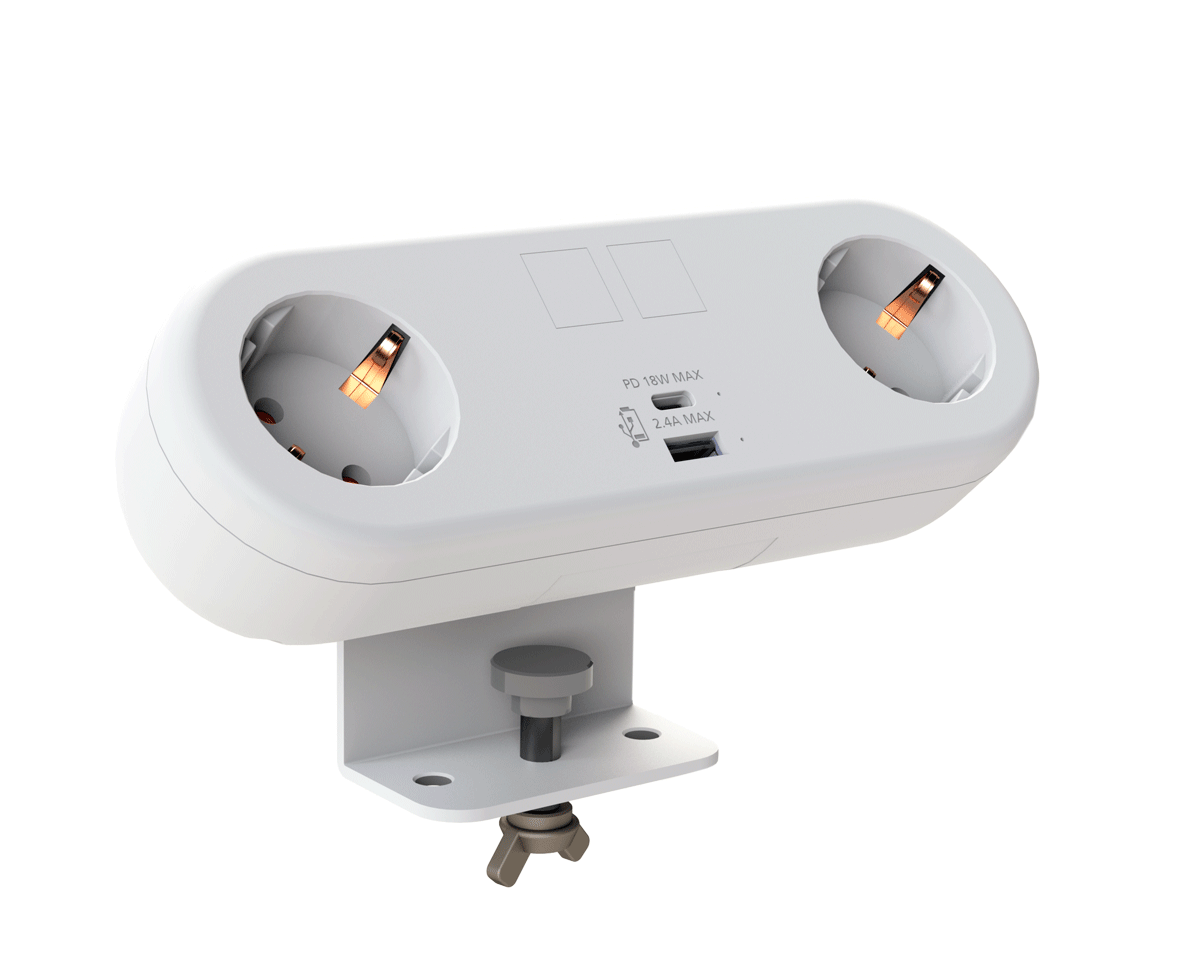
CMD White Schuko Capsule Desk Power Module
CMD LTD EXTENDS MONITOR ARM RANGE WITH THE LAUNCH OF REACH PLUS

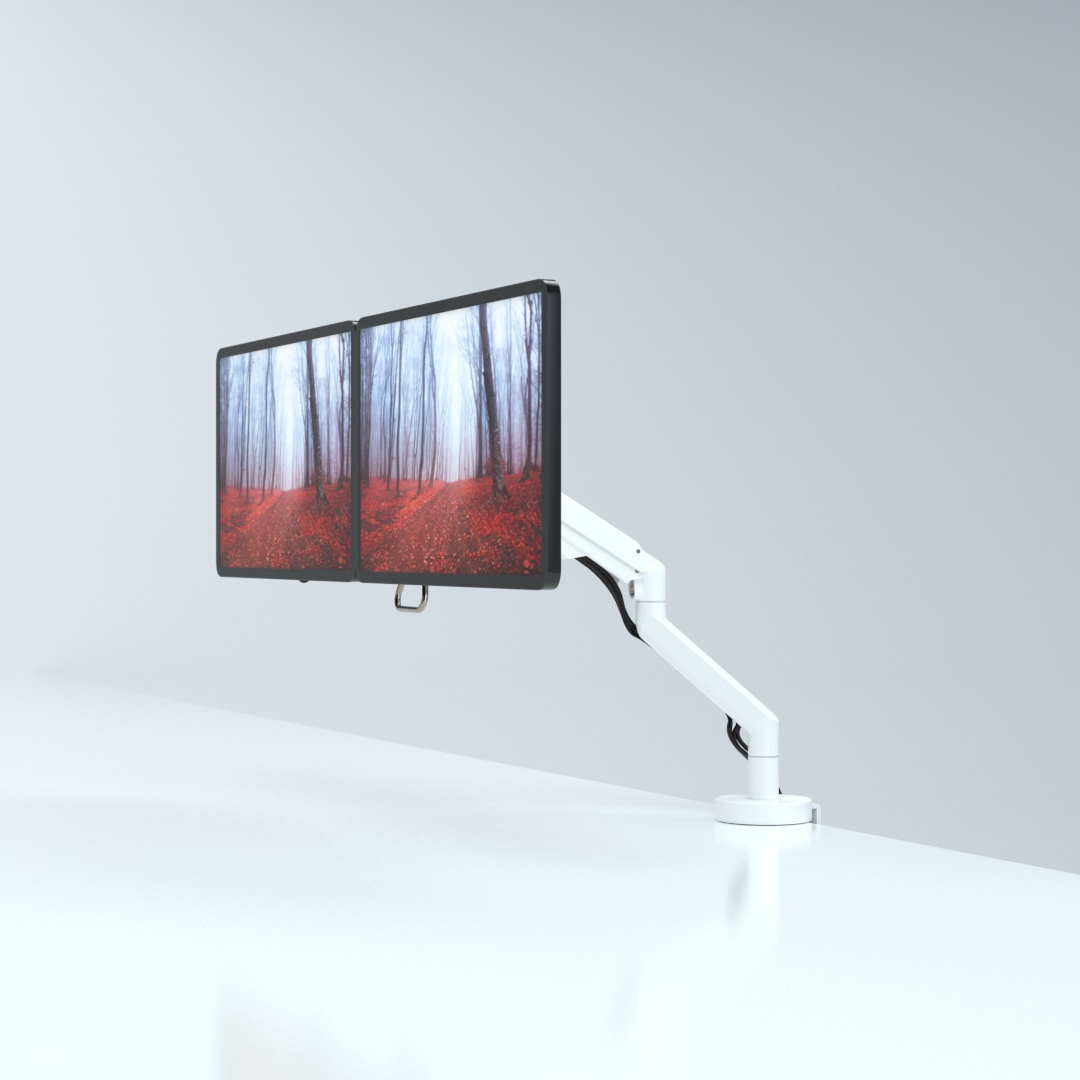
CMD Ltd, the specialist in ergonomic and connectivity solutions for commercial interiors, has completed its Reach monitor arm range with the launch of the Reach Plus. Available in single or dual screen options, the Reach Plus has been designed to provide an ideal solution for both single and dual screen workstation configurations, or can be used with next generation of large format curved screens. Suitable...

Read more
CMD Ltd DEMONSTRATES THE ART OF POWER DISTRIBUTION AT THE UNIVERSITY OF WARWICK

CMD Ltd, the specialist in workplace connectivity and ergonomic solutions, has provided Betatrak busbar power distribution and a range of electrical accessories for two major capital investment projects at the University of Warwick. Designed by Fielden Clegg Bradley Studios, the £33 million Faculty of Arts building is a showpiece development comprising four interconnected structures set around a central atrium, which will enable inter-disciplinary collaboration across...

Read more

University of Warwick
CMD BRINGS HARMONY TO COVENTRY UNIVERSITY RESEARCH FACILITIES

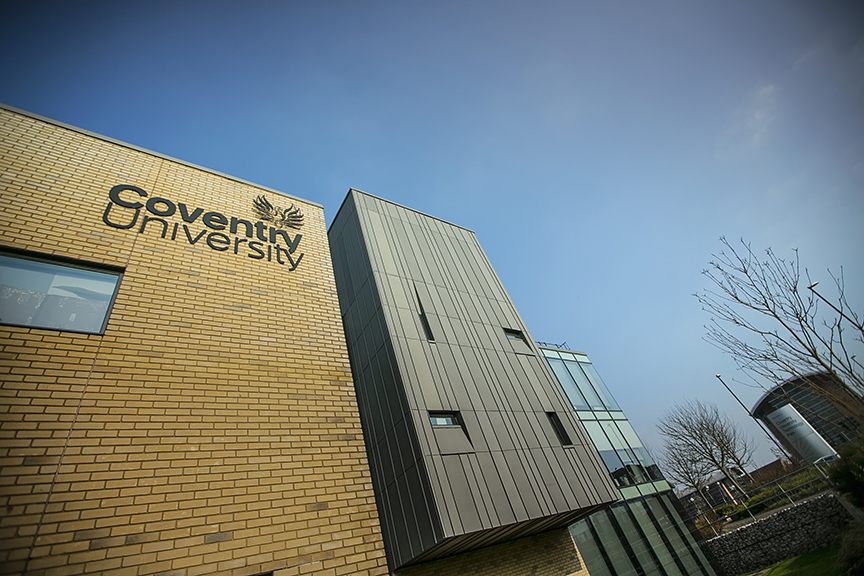
CMD Ltd, the specialist in power distribution solutions and workstation power and ergonomics, has provided under desk and on desk power modules for the refurbishment of three Coventry University research buildings. Located on Coventry University Technology Park, a business park designed to encourage collaboration between the university and knowledge-based businesses, the three buildings are being repurposed as office accommodation for university research teams. The refurbishment...

Read more

Coventry University

Why Choose Cast Stainless Steel for Your Projects?

When considering materials for your projects, cast stainless steel stands out as an ideal choice. Renowned industry expert Dr. James O'Brien states, "Cast stainless steel provides unmatched durability and corrosion resistance." This unique material combines strength with flexibility, making it suitable for various applications. Its versatility caters to industries ranging from aerospace to culinary design.

Many engineers rely on cast stainless steel for its ability to withstand extreme conditions. For instance, components made from this material perform exceptionally well in harsh environments. However, achieving the right balance between aesthetics and functionality can be challenging. Designers must often reflect on how their choices impact both appearance and performance.

While cast stainless steel is known for its advantages, it isn’t without its flaws. High initial costs and the complexities of fabrication require careful consideration. Despite these hurdles, the long-term benefits often outweigh the drawbacks. Investing in cast stainless steel can lead to superior project outcomes, encouraging professionals to rethink their material choices.

Why Choose Cast Stainless Steel for Your Projects?

Advantages of Cast Stainless Steel in Industrial Applications

Cast stainless steel offers substantial benefits for various industrial applications. Its resistance to corrosion makes it ideal for environments exposed to moisture and harsh chemicals. According to a report from the International Stainless Steel Forum, cast stainless steel can withstand corrosion in over 90% of applications. This property significantly increases the lifespan of equipment while reducing maintenance costs.

Durability is another significant advantage. Cast stainless steel exhibits high strength, which allows it to hold up under extreme pressure and temperature. A study published by the American Society of Mechanical Engineers indicates that parts made from this material can last up to 50% longer compared to those made from conventional steels. However, there are limitations. For instance, the initial processing costs can be higher. This factor may deter some projects due to budget constraints.

The versatility of cast stainless steel is noteworthy. It can be molded into complex shapes, providing design flexibility in manufacturing. This adaptability can lead to innovative solutions—a key consideration in product development. Still, some designers may overlook its potential, sticking to traditional materials. Exploring this overlooked option could yield significant long-term benefits in performance and sustainability.

Key Properties of Cast Stainless Steel for Design Considerations

Cast stainless steel is becoming a popular choice for various projects. Its durability is one of the standout properties. According to a report from the American Society of Mechanical Engineers, cast stainless steel exhibits remarkable resistance to corrosion. This makes it suitable for harsh environments. Environments like marine settings or chemical processing plants often demand such material.


Another key property is its strength. Cast stainless steel has a tensile strength ranging from 70,000 to 120,000 psi. This ensures structural integrity for heavy loads. Designers must consider this strength when planning projects. A failure to do so may lead to costly errors.


Manufacturers have reported that cast stainless steel also offers design flexibility. It can be molded into intricate shapes. However, this can sometimes result in unevenness or imperfections. Such issues require careful inspection during production. Proper evaluation of these factors is essential for achieving the desired outcome.

Comparing Cast Stainless Steel with Other Materials

Cast stainless steel often stands out when comparing materials for various projects. Its unique composition provides resistance to rust and corrosion. This makes it suitable for outdoor applications and marine environments. Unlike regular stainless steel, cast versions can be shaped into complex designs. This flexibility reduces the need for additional machining.

However, cast stainless steel has drawbacks. The casting process itself can introduce imperfections. These can affect overall strength and aesthetic appeal. Moreover, while it offers good resistance, it might not perform as well in extreme conditions compared to other metals. For instance, titanium or certain high-carbon steels can outperform it in specific applications.

In many scenarios, cost is a critical factor. Cast stainless steel tends to be more expensive than alternative materials. This cost factor must be weighed against the long-term benefits. Ultimately, choosing the right material requires careful consideration of project requirements. Each project has unique challenges, and every material has its own pros and cons.

Material Strength Comparison: Cast Stainless Steel vs Other Materials

Common Uses and Industries for Cast Stainless Steel

Cast stainless steel is widely used across various industries. It has properties that make it suitable for demanding applications. From automotive parts to medical devices, the versatility is impressive. According to a recent market report, the global demand for cast stainless steel is projected to reach 18 million tons by 2026. This reflects the material's reliability and performance in critical environments.

In the food processing industry, cast stainless steel is vital. Its corrosion resistance ensures safety and hygiene. Studies highlight that industries utilizing stainless steel components reduce contamination risks significantly. Meanwhile, in the aerospace sector, components made from this material withstand extreme conditions. However, challenges exist, such as fabrication costs and the need for skilled labor.

The architectural sector also benefits from cast stainless steel. It offers aesthetic appeal along with durability. Yet, the environmental impact of production processes warrants consideration. An analysis reveals that the energy required for casting can be substantial. Addressing these factors is crucial for future advancements in sustainability within the industry.

Why Choose Cast Stainless Steel for Your Projects? - Common Uses and Industries
Industry Common Applications Benefits of Cast Stainless Steel
Aerospace Engine components, structural parts High strength, corrosion resistance
Marine Boat fittings, propellers Durability in harsh environments
Oil & Gas Piping, valves Excellent resistance to pitting and crevice corrosion
Food Processing Equipment, processing tanks Non-reactive, easy to clean
Construction Structural beams, frameworks Strength and longevity
Automotive Exhaust systems, engine parts Thermal resistance, strength

Maintenance and Durability of Cast Stainless Steel Products

Cast stainless steel is a popular choice for numerous projects, especially in industries requiring durability. Its corrosion resistance is a significant advantage. A study by the International Stainless Steel Forum indicates that cast stainless steel can last over 30 years in harsh environments. This durability reduces the need for frequent replacements.

Maintenance is notably low for cast stainless steel products. They require minimal cleaning and can often be maintained with simple soap and water. However, some users overlook the need for occasional inspections. Minor wear and tear can affect the longevity of these products. Regular checks help identify issues before they become major problems.

Interestingly, the cost-effectiveness of cast stainless steel emerges from its long life cycle. According to a report from the American Iron and Steel Institute, reduced maintenance costs can lead to savings exceeding 20% over time. Yet, despite its advantages, some projects might not maximize this potential, often due to lack of awareness or improper choices. Investing in cast stainless steel is a decision that can genuinely pay off, but it requires thoughtful consideration.