

News

Miro: A New Standard in Responsible Innovation

Miro: A New Standard in Responsible Innovation The Miro monitor arm is setting new benchmarks in sustainability. It offers a high-performance solution without compromising on environmental responsibility. Designed with careful material selection, local sourcing, and longevity in mind, Miro’s responsible approach to design and unique manoeuvrability set it apart from the competition. Sustainable Choices Miro is crafted from energy-efficient materials with a lower carbon impact....

Read more
HSE Advisor

Role Purpose Support in the development, implementation and maintenance of the company’s Health, Safety & Environmental policies, processes, operational procedures, and standards.  Ensuring best practice and championing a continually improving HSE culture within the business. Key Responsibilities Liaise with and provide support to all areas of the business to eliminate, mitigate or reduce identified HSE exposures. Partner with the production management team and team leaders,...

Read more
CMD Ltd LAUNCHES 48-HOUR TURNAROUND ON BETATRAK® RAPID ORDERING SERVICE

CMD Ltd, the specialist in power distribution systems, workstation power and monitor arms, has launched a rapid ordering service for its Betatrak® underfloor powertrack distribution systems and accessories, with a commitment to delivering within 48-hours of an approved purchase order*. The service enables customers to order up to 50 lengths of Standard or Clean Earth (C/E) low noise Betatrak, along with up to 25 feed...

Read more

CMD INVESTS £1/4 MILLION IN NEW MACHINE AS PART OF FACTORY UPGRADE

We have invested in a new £1/4m TRUMPF CNC metal punch as part of an asset renewal strategy for our UK manufacturing capability. The new machine will be used in the production of a wide variety of our power distribution systems and workstation power products at our Rotherham factory. Suitable for handling sheet metal between 0.9mm and 3.0mm thick, the new machine will replace one...

Read more

CMD CATALOGUE PROVIDES TECHNICAL POWER DISTRIBUTION GUIDE

CMD Ltd has released a new catalogue, providing an easy to follow technical guide to our power distribution systems and plug and play desk modules. Detailing CMD’s full range of UK-manufactured power distribution systems and plug and play desk modules, the catalogue will be a helpful source of information to M&E engineers and contractors alike to understand how our power distribution systems connect together and...

Read more

Power Distribution Catalogue
CMD Ltd PLAYS ESSENTIAL ROLE IN ELECTRICAL FIT OUT AT LONDON’S PRESTIGIOUS OFFICE DEVELOPMENT

CMD Ltd, specialist in workplace connectivity and ergonomic solutions, has provided a flexible and high-quality power distribution network for The Ray, a prestigious office development in London’s Farringdon. Well-known for being the former site of The Guardian newspaper, The Ray now stands as an 83,000ft² office development characterised by a modernised warehouse aesthetic, with level two now occupied by a global social media company. The...

Read more
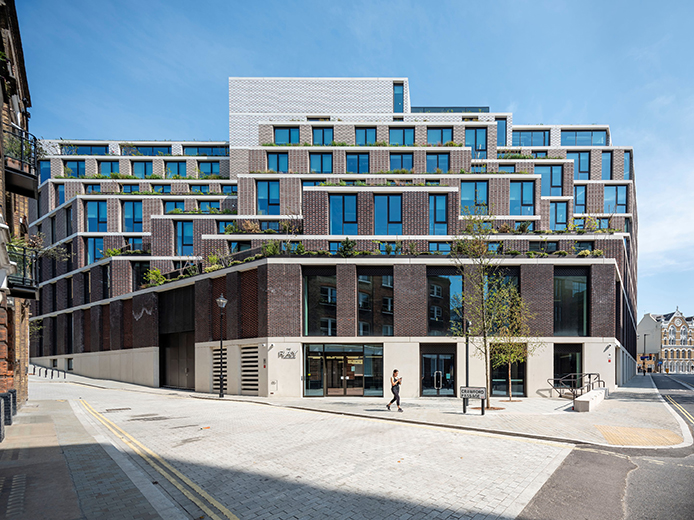
The Ray
CMD plugs in to european opportunity with Schuko Capsule unit launch

CMD Ltd, the specialist in power and connectivity solutions for commercial environments, has launched a Schuko version of its popular fixed format Capsule workstation power module for export to mainland Europe and beyond. A popular on desk power module comprising two sockets and dual USB (type A and C) chargers, CMD’s Capsule unit is already widely specified in the UK as an off-the-shelf workstation power...

Read more

CMD White Schuko Capsule Desk Power Module
CMD LTD EXTENDS MONITOR ARM RANGE WITH THE LAUNCH OF REACH PLUS

CMD Ltd, the specialist in ergonomic and connectivity solutions for commercial interiors, has completed its Reach monitor arm range with the launch of the Reach Plus. Available in single or dual screen options, the Reach Plus has been designed to provide an ideal solution for both single and dual screen workstation configurations, or can be used with next generation of large format curved screens. Suitable...

Read more

CMD Ltd DEMONSTRATES THE ART OF POWER DISTRIBUTION AT THE UNIVERSITY OF WARWICK

CMD Ltd, the specialist in workplace connectivity and ergonomic solutions, has provided Betatrak busbar power distribution and a range of electrical accessories for two major capital investment projects at the University of Warwick. Designed by Fielden Clegg Bradley Studios, the £33 million Faculty of Arts building is a showpiece development comprising four interconnected structures set around a central atrium, which will enable inter-disciplinary collaboration across...

Read more
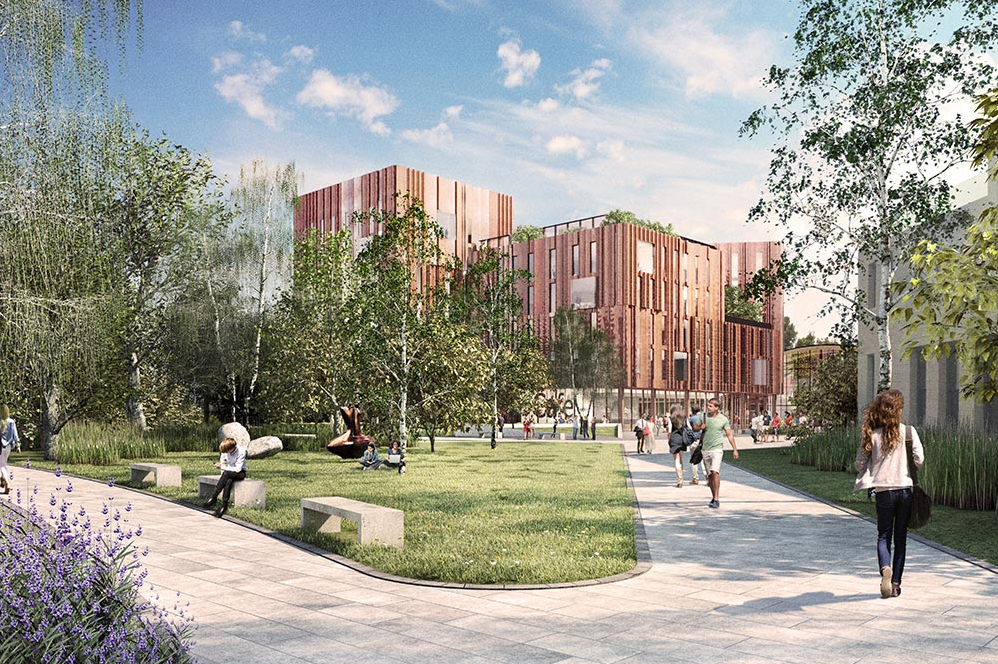
University of Warwick
CMD BRINGS HARMONY TO COVENTRY UNIVERSITY RESEARCH FACILITIES

CMD Ltd, the specialist in power distribution solutions and workstation power and ergonomics, has provided under desk and on desk power modules for the refurbishment of three Coventry University research buildings. Located on Coventry University Technology Park, a business park designed to encourage collaboration between the university and knowledge-based businesses, the three buildings are being repurposed as office accommodation for university research teams. The refurbishment...

Read more
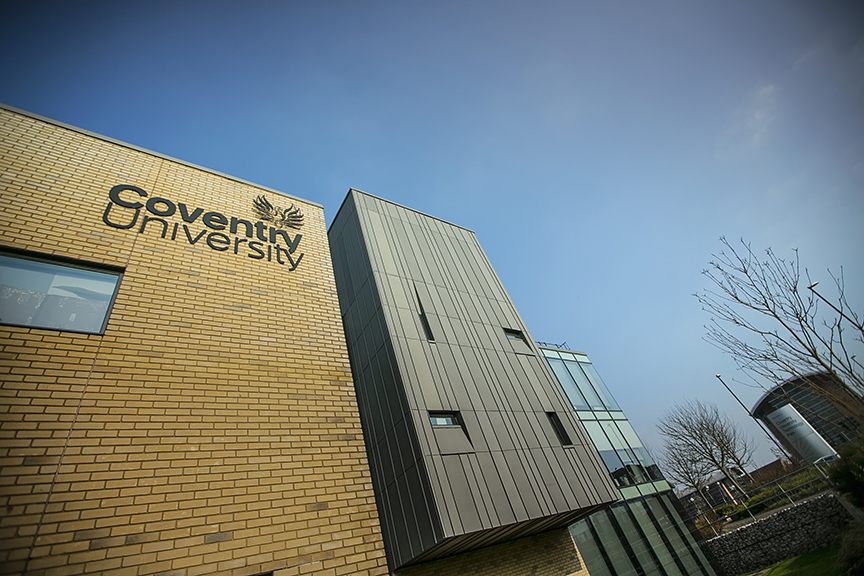

Coventry University

Is Bamboo Forever the Future of Sustainable Products?

Bamboo Forever has emerged as a vital player in sustainable products. With its fast growth and biodegradability, bamboo offers a promising alternative to traditional materials. Renowned sustainability expert Dr. Lisa Chalmers notes, “Bamboo Forever represents a shift towards a more responsible consumption model.” Her insights reflect a growing recognition of bamboo's potential impact.

The versatility of bamboo is impressive. From textiles to construction, it adapts well to various industries. However, challenges remain. Sustainable harvesting methods are crucial to ensure long-term viability. Without proper management, bamboo could face over-exploitation. This calls for a balanced approach to maintain its role as a sustainable resource.

While Bamboo Forever has transformed consumer choices, it's essential to question the scalability of this movement. Can industries fully transition to bamboo without compromising efficiency? As the conversation around sustainability grows, the commitment to responsible practices will define the future. Addressing these issues is vital to truly embrace the promise of bamboo.

Is Bamboo Forever the Future of Sustainable Products?

The Rise of Bamboo as a Sustainable Material

Bamboo has surged in popularity as a sustainable material. Its rapid growth rate, reaching up to three feet daily, makes it an appealing choice for various products. The World Wildlife Fund reports that bamboo can yield 20 times more wood than traditional hardwood trees. This efficiency aligns well with the growing demand for eco-friendly materials.

The versatility of bamboo is also noteworthy. It's utilized in furniture, textiles, and even construction. Research from the International Bamboo and Rattan Organization indicates that bamboo requires less water and no pesticides during cultivation, drastically reducing its environmental impact. However, challenges remain. Sourcing bamboo responsibly is essential to ensure it doesn't contribute to deforestation or habitat loss.

Consumer awareness is rising, yet misconceptions about bamboo's durability persist. While some bamboo products are exceptionally strong, others may not meet quality expectations. Industry reports highlight a 15% return rate for bamboo products, emphasizing the need for careful sourcing and quality checks. The future of bamboo as a sustainable material has potential, yet it requires ongoing commitment to responsible practices.

Environmental Benefits of Using Bamboo in Products

Bamboo is gaining attention as a sustainable product. Its rapid growth and renewability set it apart from traditional materials. In just a few years, bamboo can reach maturity, making it an excellent resource. It absorbs more carbon dioxide than most trees, helping to combat climate change. Its natural antimicrobial properties also contribute to healthier products.

When using bamboo, consumers often appreciate its aesthetic appeal. Bamboo products can be both functional and visually pleasing. However, sourcing bamboo responsibly remains crucial. Not all bamboo products are created equal. Some may come from unsustainable practices or lead to habitat destruction. Awareness of the source is vital for making eco-friendly choices.

Mind the details when selecting bamboo items. Check for certifications that indicate sustainable harvesting. Homeowners can explore bamboo alternatives for flooring or kitchenware. Additionally, small lifestyle changes can make a significant impact. Choosing bamboo toothbrushes or straws can contribute to reducing plastic waste. As we embrace bamboo, we must stay informed and conscientious about its ecological footprint.

Is Bamboo Forever the Future of Sustainable Products? - Environmental Benefits of Using Bamboo in Products

Dimension Bamboo Traditional Materials (e.g., Wood, Plastic)
Growth Rate Up to 3 feet per day Years to decades
Carbon Sequestration Absorbs 35% more CO2 Standard carbon absorption
Sustainability Highly sustainable Varies widely
Biodegradability Completely biodegradable Varies, plastics take centuries
Water Usage Requires less water to grow Higher water consumption
Durability Very durable when treated Durability varies by type

Comparative Analysis: Bamboo vs. Traditional Materials

Bamboo has gained attention as a sustainable alternative to traditional materials. Its rapid growth and minimal resource requirements make it an appealing choice. Bamboo can grow up to three feet in a single day. This means it’s a renewable resource that can be harvested frequently without causing harm to the environment. On the other hand, traditional materials like wood often require years to mature, leading to deforestation and habitat loss.

One area where bamboo excels is in manufacturing. Products made from bamboo are often lighter and more durable than their wooden counterparts. Bamboo fibers are strong, making them ideal for various applications, from textiles to construction. However, the processing of bamboo can sometimes involve chemicals that may not be eco-friendly. This is a point worth considering when evaluating its overall sustainability.

For those looking to incorporate sustainable materials into their lives, here are a few points to think about. Explore local sources of bamboo products to reduce transportation emissions. Always check the processing methods used to ensure they align with your sustainability values. Be mindful of the potential for overharvesting in certain regions. Balancing these factors is crucial for making informed choices about sustainability.

Innovative Applications of Bamboo in Modern Industries

Bamboo is gaining traction as a versatile and sustainable material across various industries. Its rapid growth rate, often exceeding three feet a day, makes it an excellent renewable resource. According to a report by the World Wildlife Fund, bamboo can grow in diverse climates, showcasing its adaptability. This resilience allows it to thrive even in less-than-ideal conditions, making it a reliable choice for sustainable production.

The construction sector is increasingly incorporating bamboo into their projects. It is not only lightweight but also possesses high tensile strength, comparable to steel. A study published in the Journal of Construction and Building Materials revealed that bamboo can reduce a building's carbon footprint significantly. Moreover, the natural insulating properties of bamboo contribute to energy efficiency, providing long-term benefits.

In addition to construction, bamboo is emerging in textiles and packaging. Companies are using bamboo fibers to create soft, durable fabrics that require fewer chemicals than traditional cotton production. Nevertheless, there are concerns. The rapid popularity of bamboo might lead to monoculture farming practices. This shift could threaten biodiversity, posing risks to ecosystems. Thoughtful management is essential to harness bamboo's potential without compromising environmental integrity.

Challenges and Limitations of Bamboo in Sustainable Practices

Bamboo is often celebrated for its sustainability. Yet, its role in sustainable practices isn’t without challenges. While bamboo grows rapidly and absorbs carbon, the cultivation process can lead to deforestation. In some cases, the transformation from forest land to bamboo plantations disrupts local ecosystems. It’s essential to consider this impact when promoting bamboo as a “green” product.

Additionally, bamboo’s durability and usability vary. Not all bamboo products meet high-quality standards. Some may not withstand daily use, leading to increased waste. Moreover, the processing methods can involve chemicals that undermine its eco-friendliness. This contradiction raises questions about bamboo’s true sustainability.

When evaluating bamboo's potential, it’s crucial to address these limitations. Promoting bamboo must include a discussion about responsible sourcing and ethical farming practices. Future sustainable products should balance benefits with environmental costs. Only then can bamboo be truly recognized as a sustainable alternative.

Article Source: