

News

Miro: A New Standard in Responsible Innovation

Miro: A New Standard in Responsible Innovation The Miro monitor arm is setting new benchmarks in sustainability. It offers a high-performance solution without compromising on environmental responsibility. Designed with careful material selection, local sourcing, and longevity in mind, Miro’s responsible approach to design and unique manoeuvrability set it apart from the competition. Sustainable Choices Miro is crafted from energy-efficient materials with a lower carbon impact....

Read more
HSE Advisor

Role Purpose Support in the development, implementation and maintenance of the company’s Health, Safety & Environmental policies, processes, operational procedures, and standards.  Ensuring best practice and championing a continually improving HSE culture within the business. Key Responsibilities Liaise with and provide support to all areas of the business to eliminate, mitigate or reduce identified HSE exposures. Partner with the production management team and team leaders,...

Read more
CMD Ltd LAUNCHES 48-HOUR TURNAROUND ON BETATRAK® RAPID ORDERING SERVICE

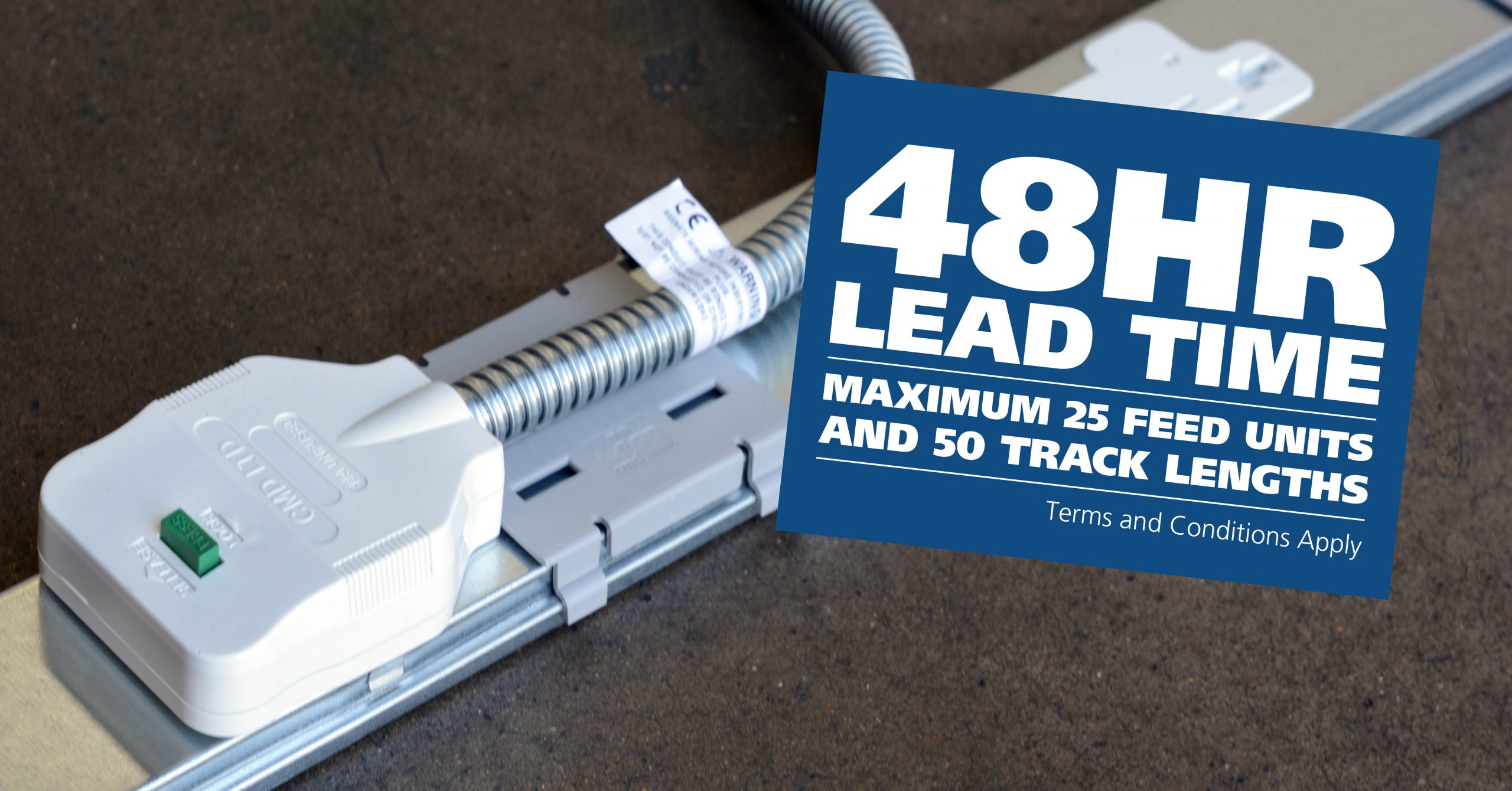
CMD Ltd, the specialist in power distribution systems, workstation power and monitor arms, has launched a rapid ordering service for its Betatrak® underfloor powertrack distribution systems and accessories, with a commitment to delivering within 48-hours of an approved purchase order*. The service enables customers to order up to 50 lengths of Standard or Clean Earth (C/E) low noise Betatrak, along with up to 25 feed...

Read more
CMD INVESTS £1/4 MILLION IN NEW MACHINE AS PART OF FACTORY UPGRADE

We have invested in a new £1/4m TRUMPF CNC metal punch as part of an asset renewal strategy for our UK manufacturing capability. The new machine will be used in the production of a wide variety of our power distribution systems and workstation power products at our Rotherham factory. Suitable for handling sheet metal between 0.9mm and 3.0mm thick, the new machine will replace one...

Read more

CMD CATALOGUE PROVIDES TECHNICAL POWER DISTRIBUTION GUIDE

CMD Ltd has released a new catalogue, providing an easy to follow technical guide to our power distribution systems and plug and play desk modules. Detailing CMD’s full range of UK-manufactured power distribution systems and plug and play desk modules, the catalogue will be a helpful source of information to M&E engineers and contractors alike to understand how our power distribution systems connect together and...

Read more
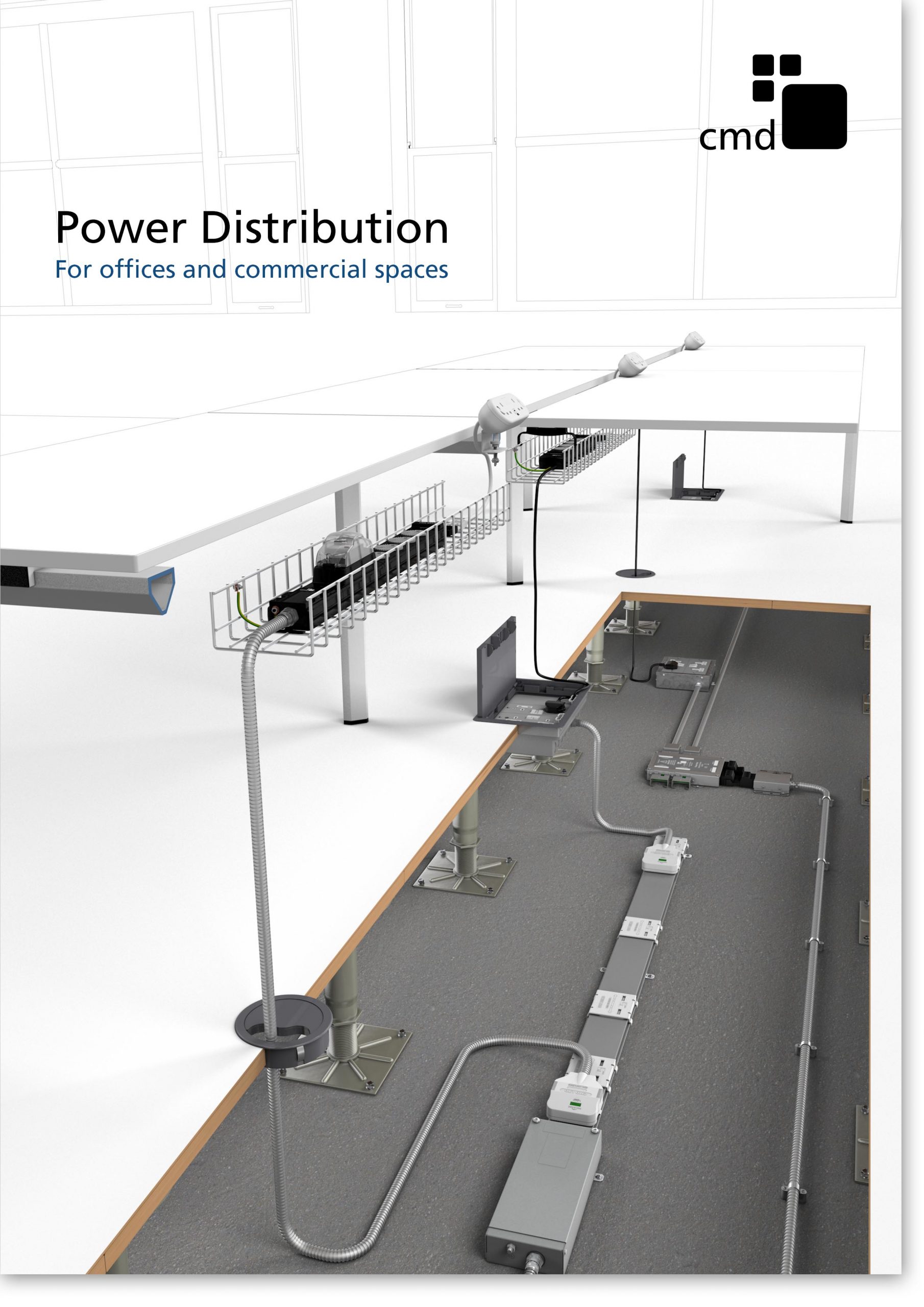
Power Distribution Catalogue
CMD Ltd PLAYS ESSENTIAL ROLE IN ELECTRICAL FIT OUT AT LONDON’S PRESTIGIOUS OFFICE DEVELOPMENT

CMD Ltd, specialist in workplace connectivity and ergonomic solutions, has provided a flexible and high-quality power distribution network for The Ray, a prestigious office development in London’s Farringdon. Well-known for being the former site of The Guardian newspaper, The Ray now stands as an 83,000ft² office development characterised by a modernised warehouse aesthetic, with level two now occupied by a global social media company. The...

Read more

The Ray
CMD plugs in to european opportunity with Schuko Capsule unit launch

CMD Ltd, the specialist in power and connectivity solutions for commercial environments, has launched a Schuko version of its popular fixed format Capsule workstation power module for export to mainland Europe and beyond. A popular on desk power module comprising two sockets and dual USB (type A and C) chargers, CMD’s Capsule unit is already widely specified in the UK as an off-the-shelf workstation power...

Read more
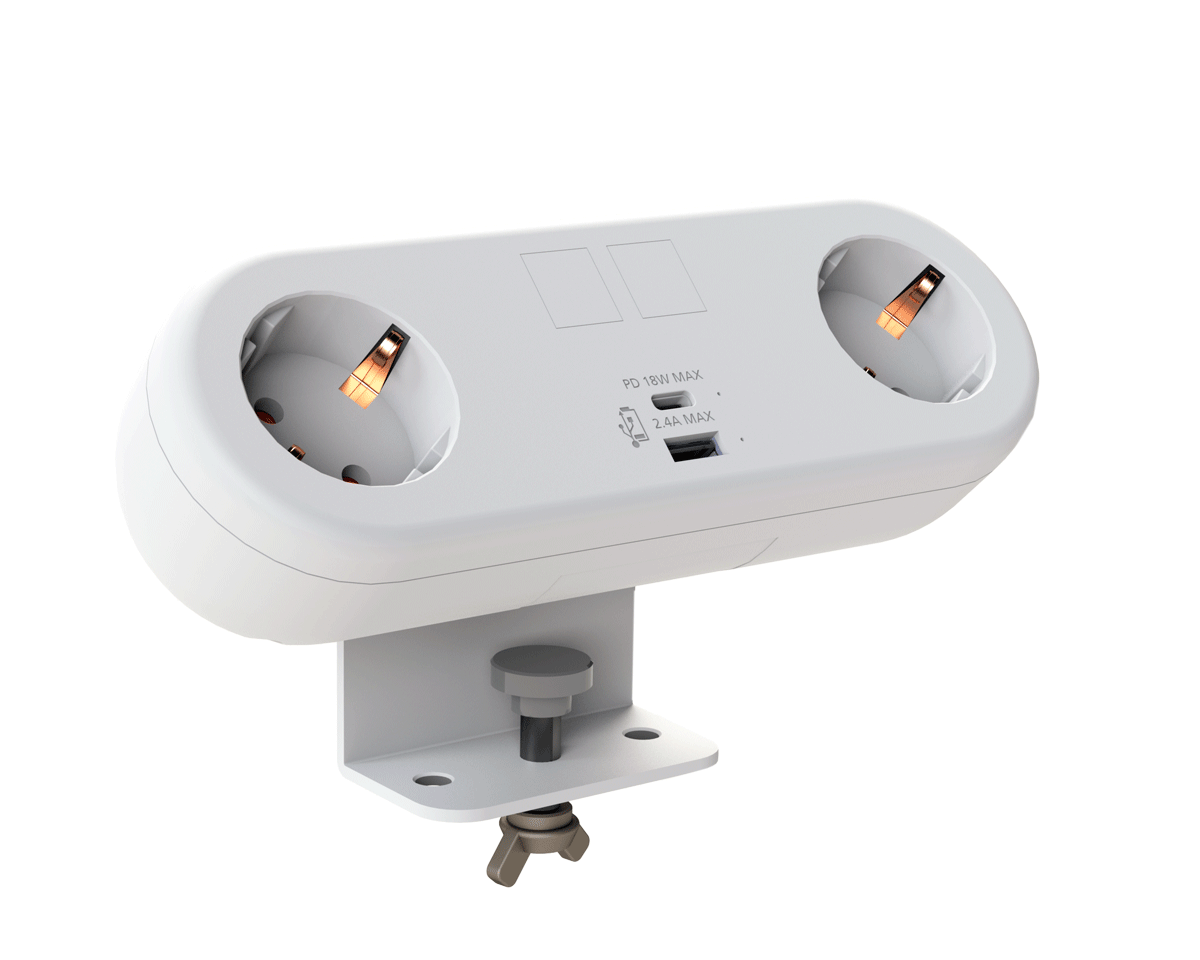
CMD White Schuko Capsule Desk Power Module
CMD LTD EXTENDS MONITOR ARM RANGE WITH THE LAUNCH OF REACH PLUS

CMD Ltd, the specialist in ergonomic and connectivity solutions for commercial interiors, has completed its Reach monitor arm range with the launch of the Reach Plus. Available in single or dual screen options, the Reach Plus has been designed to provide an ideal solution for both single and dual screen workstation configurations, or can be used with next generation of large format curved screens. Suitable...

Read more

CMD Ltd DEMONSTRATES THE ART OF POWER DISTRIBUTION AT THE UNIVERSITY OF WARWICK

CMD Ltd, the specialist in workplace connectivity and ergonomic solutions, has provided Betatrak busbar power distribution and a range of electrical accessories for two major capital investment projects at the University of Warwick. Designed by Fielden Clegg Bradley Studios, the £33 million Faculty of Arts building is a showpiece development comprising four interconnected structures set around a central atrium, which will enable inter-disciplinary collaboration across...

Read more

University of Warwick
CMD BRINGS HARMONY TO COVENTRY UNIVERSITY RESEARCH FACILITIES

CMD Ltd, the specialist in power distribution solutions and workstation power and ergonomics, has provided under desk and on desk power modules for the refurbishment of three Coventry University research buildings. Located on Coventry University Technology Park, a business park designed to encourage collaboration between the university and knowledge-based businesses, the three buildings are being repurposed as office accommodation for university research teams. The refurbishment...

Read more

Coventry University

What is a Ball Valve and How Does it Work?

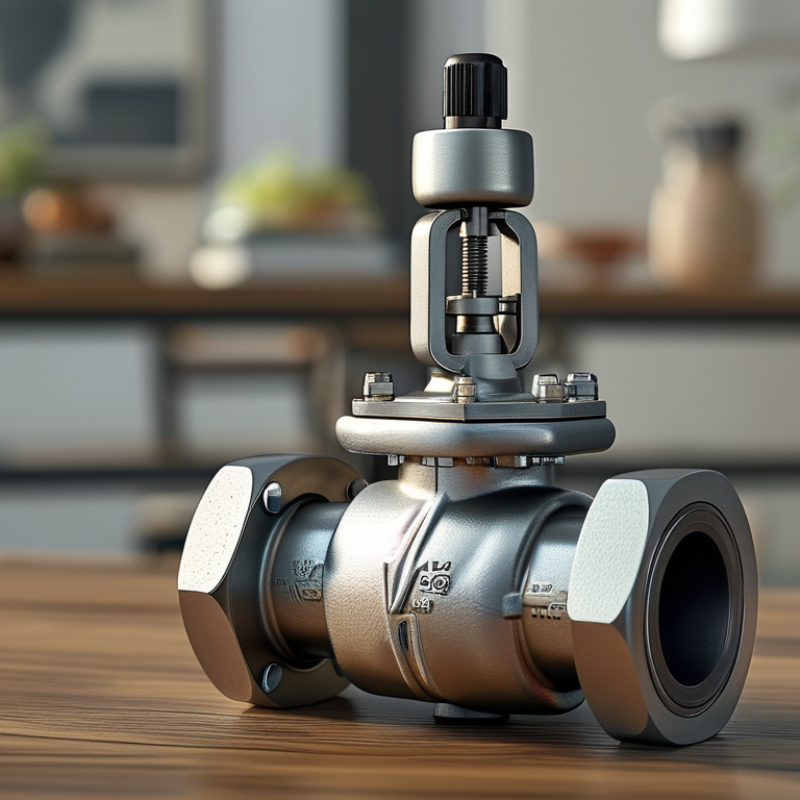
A Ball Valve is a common device in various industries, known for its reliability and efficiency. It controls fluid flow through a hollow, spherical ball that rotates around an axis. This simple yet effective design makes ball valves popular for both residential and industrial applications.

Understanding how a ball valve operates is crucial. The ball’s position determines whether the flow is on or off. When the valve is open, the hole in the ball aligns with the pipe, allowing fluid to pass. Conversely, when closed, the ball blocks flow completely, ensuring safety and control.

Despite its straightforward mechanism, users often overlook the importance of quality maintenance. A malfunctioning ball valve can lead to serious issues. Regular inspections are necessary to prevent leaks or blockages. Users must be aware of how their specific ball valves function, as this knowledge can influence performance and longevity. Understanding these details can empower users to make informed decisions regarding their fluid control systems.

What is a Ball Valve and How Does it Work?

What is a Ball Valve?

A ball valve is a type of flow control device. It regulates fluid flow using a spherical obstruction known as a ball. The ball has a bore that aligns with the pipe when opened. This design allows for easy operation and effective sealing. Ball valves can be made from various materials, including brass, stainless steel, and plastic. Each material has its unique properties, suitable for different environments.

These valves are favored for their simplicity and reliability. They function well in high-pressure systems. The smooth surface of the ball helps reduce friction and wear over time. Installation is typically straightforward, but some nuances exist based on the fluid type and pressure conditions. It's crucial to understand these factors for optimal performance.

While ball valves are efficient, they do have limitations. For instance, they are not ideal for throttling applications. The quick on-off capability can lead to water hammer in certain scenarios. Users should consider these factors carefully. Regular maintenance is also essential to ensure their longevity and effectiveness.

Ball Valve Performance Characteristics

Components of a Ball Valve and Their Functions

A ball valve is a simple yet effective device used to control fluid flow. Its efficiency comes from its design, which includes a spherical ball with a bored hole. Understanding the components of a ball valve is crucial for its effective use.

The most important component is the ball itself. It rotates within the valve body to either open or close the flow. The sealing mechanisms, often made of rubber or PTFE, ensure no leaks occur. The stem connects to the ball and provides a means to rotate it. Together, these elements work seamlessly for reliable operation.

Tip: Always check for wear and tear on the seals. Damaged seals can lead to leaks, affecting overall functionality.

Another critical aspect is the valve body. It encloses all components and withstands the pressure of the flow. The handle is also vital; it's how operators control the ball. Some designs may include a locking mechanism for added safety.

Tip: Consider the environment when selecting materials. Different fluids can corrode or damage components. This awareness can prevent costly mistakes.

How a Ball Valve Operates Mechanically

A ball valve is a type of valve that controls fluid flow using a spherical disc, known as a ball. This design allows for quick opening and closing of the flow path. When the valve is open, the ball turns so that the hole is aligned with the flow direction. Conversely, when it closes, the ball rotates to block the flow.

Mechanically, a ball valve operates with a simple yet effective mechanism. A handle or actuator connected to the ball allows for smooth rotation. The ball is often made from durable materials like stainless steel or plastic. This ensures longevity and resistance to wear and corrosion. Seals around the ball prevent leaks, which enhances the reliability of the valve.

Despite its straightforward design, ball valves can present challenges. Installation must be precise; otherwise, the valve may not function properly. Misalignment can lead to wear, reducing its lifespan. Regular maintenance checks are crucial to ensure optimal performance. With careful attention, ball valves can efficiently manage fluid flow for various applications.

What is a Ball Valve and How Does it Work?

Dimension Description
Type Quarter Turn Valve
Operation Rotating Ball
Material Brass, Stainless Steel, PVC
Sealing Type Soft or Metal Seals
Applications Water Supply, Oil & Gas, Chemical Processing
Advantages Low pressure drop, Tight sealing, Quick operation
Disadvantages Not suitable for throttling
Sizes Available From 1/4 inch to 48 inches

Applications of Ball Valves in Various Industries

Ball valves are critical components in numerous industries due to their simple design and reliable operation. They are widely used in oil and gas, water treatment, and chemical processing. The quarter-turn operation allows for quick valve closure or opening, making them efficient in systems where time and safety are paramount. For example, in oil and gas extraction, rapid shut-off is crucial to prevent spills.

In water treatment plants, ball valves help control flow rates and pressure. They enable operators to manage water without causing disruptions. Chemical industries benefit from these valves as well, as they can handle a variety of substances without leakage. However, it's essential to select the right materials to prevent corrosion and ensure longevity. Missteps in valve selection can lead to costly repairs or safety hazards.

Challenges remain in maintaining ball valves, especially under extreme pressure or temperature. Regular inspections are necessary to detect wear and prevent failures. Some may overlook this routine maintenance, which could lead to devastating consequences. Understanding the specific application requirements is vital. This knowledge ensures operational efficiency and safety in critical environments.

Advantages and Disadvantages of Using Ball Valves

Ball valves are commonly used in various industries due to their unique design and functionality. They can efficiently manage the flow of liquids and gases. One significant advantage of ball valves is their ability to provide a tight seal. This feature minimizes leaks and ensures a reliable shut-off. The simple quarter-turn operation makes them user-friendly.

However, not everything is perfect. Ball valves can be costly compared to other valve types. Their mechanism may require periodic maintenance to ensure optimal performance. Additionally, they are not always suitable for throttling applications. This limitation can restrict their versatility in some situations. Users must carefully consider their needs before choosing ball valves.

In summary, the decision to use ball valves should be based on specific applications. Weighing both advantages and disadvantages is essential. While ball valves excel in sealing and ease of use, the potential drawbacks warrant reflection. Choices should align with operational requirements and maintenance capabilities.

Article Source: