

News

Miro: A New Standard in Responsible Innovation

Miro: A New Standard in Responsible Innovation The Miro monitor arm is setting new benchmarks in sustainability. It offers a high-performance solution without compromising on environmental responsibility. Designed with careful material selection, local sourcing, and longevity in mind, Miro’s responsible approach to design and unique manoeuvrability set it apart from the competition. Sustainable Choices Miro is crafted from energy-efficient materials with a lower carbon impact....

Read more
HSE Advisor

Role Purpose Support in the development, implementation and maintenance of the company’s Health, Safety & Environmental policies, processes, operational procedures, and standards.  Ensuring best practice and championing a continually improving HSE culture within the business. Key Responsibilities Liaise with and provide support to all areas of the business to eliminate, mitigate or reduce identified HSE exposures. Partner with the production management team and team leaders,...

Read more
CMD Ltd LAUNCHES 48-HOUR TURNAROUND ON BETATRAK® RAPID ORDERING SERVICE

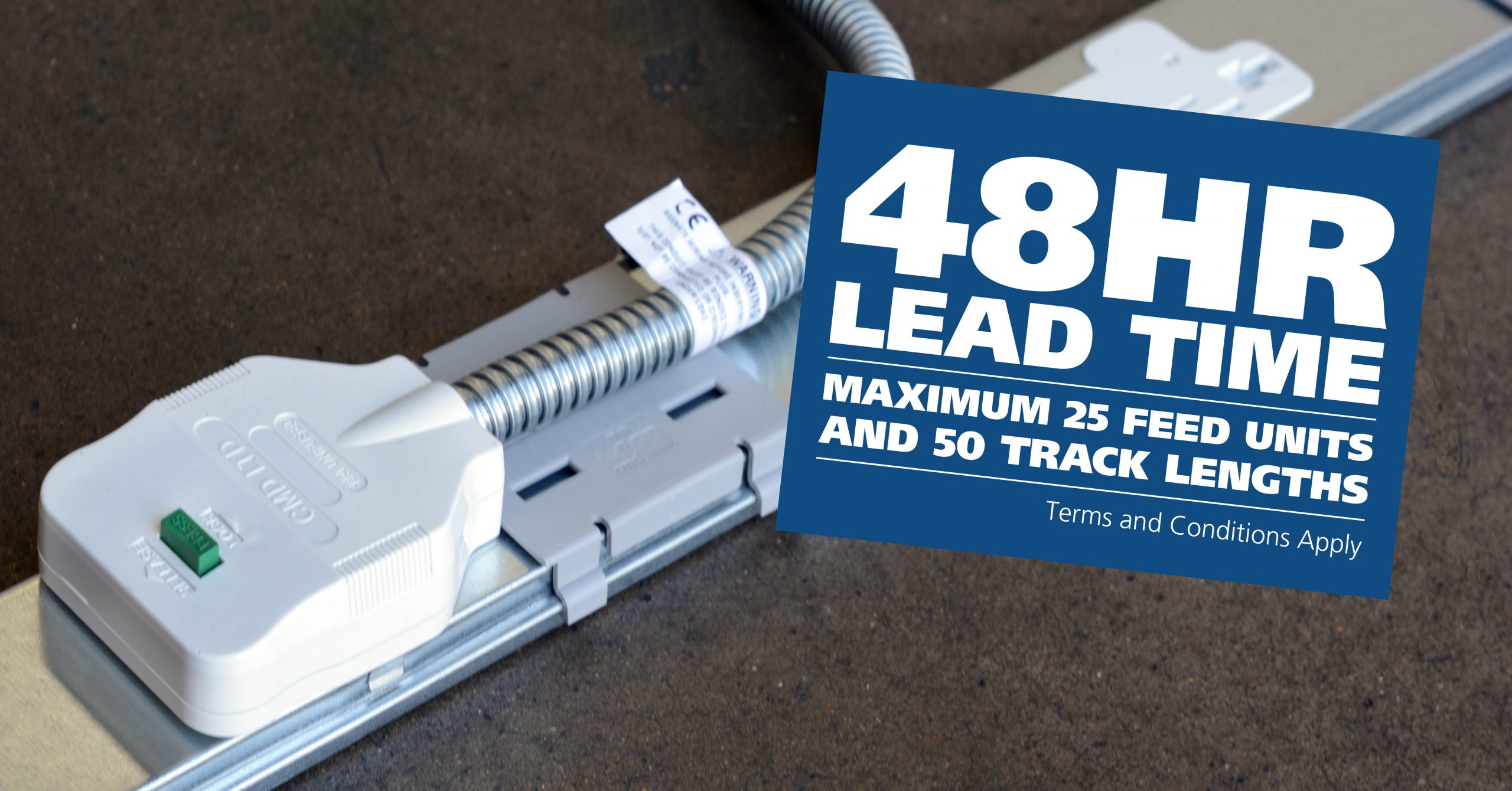
CMD Ltd, the specialist in power distribution systems, workstation power and monitor arms, has launched a rapid ordering service for its Betatrak® underfloor powertrack distribution systems and accessories, with a commitment to delivering within 48-hours of an approved purchase order*. The service enables customers to order up to 50 lengths of Standard or Clean Earth (C/E) low noise Betatrak, along with up to 25 feed...

Read more
CMD INVESTS £1/4 MILLION IN NEW MACHINE AS PART OF FACTORY UPGRADE

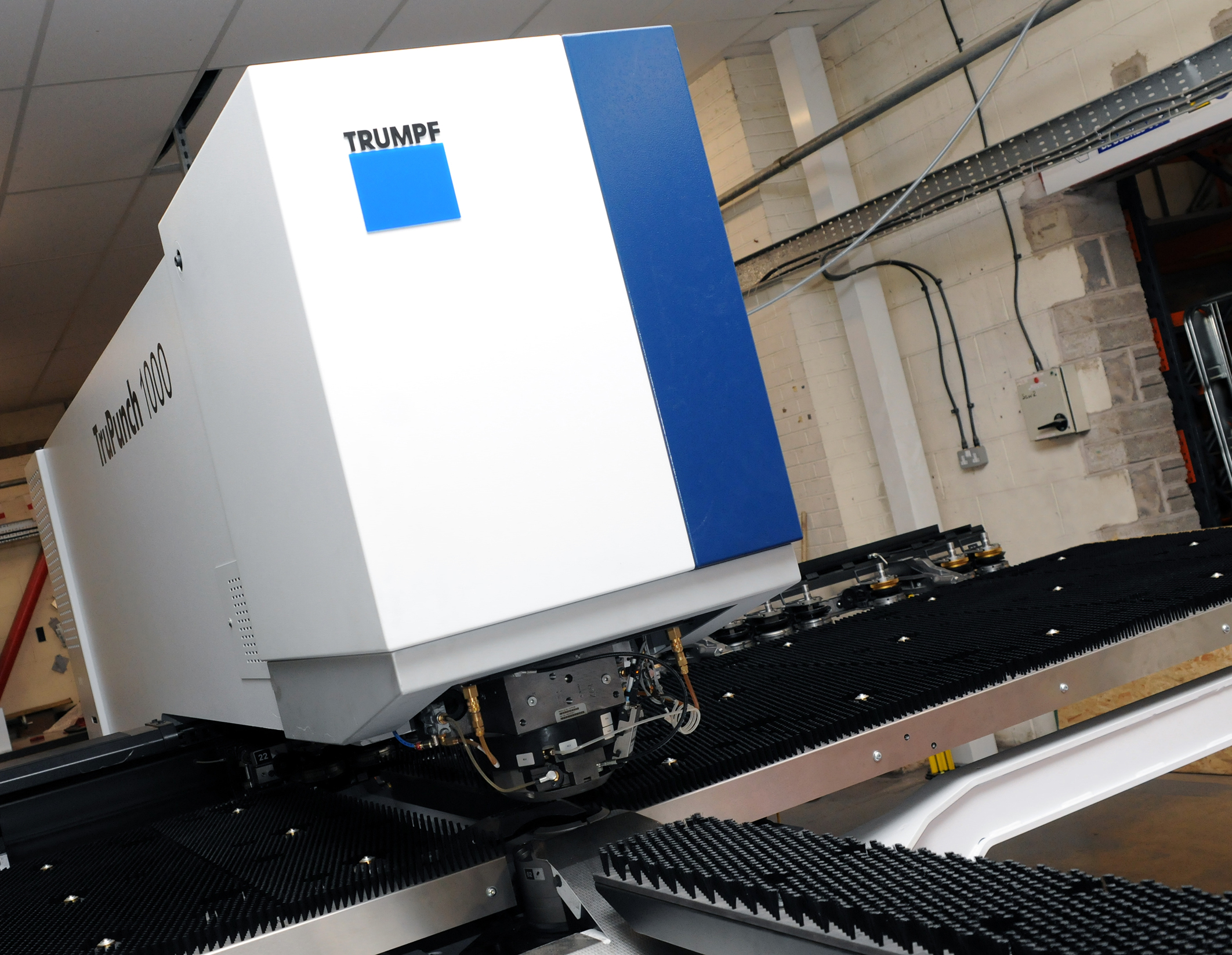
We have invested in a new £1/4m TRUMPF CNC metal punch as part of an asset renewal strategy for our UK manufacturing capability. The new machine will be used in the production of a wide variety of our power distribution systems and workstation power products at our Rotherham factory. Suitable for handling sheet metal between 0.9mm and 3.0mm thick, the new machine will replace one...

Read more
CMD CATALOGUE PROVIDES TECHNICAL POWER DISTRIBUTION GUIDE

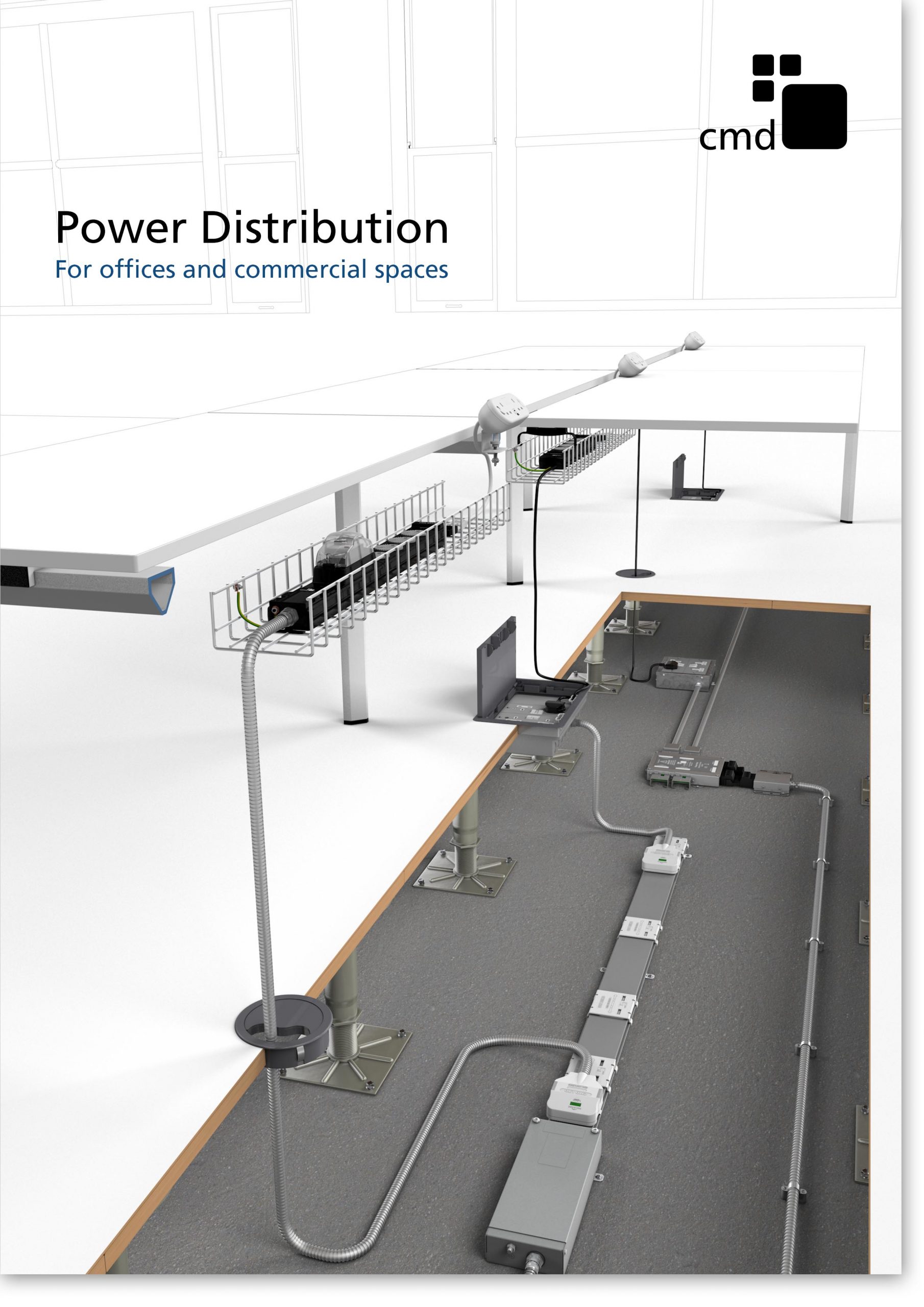
CMD Ltd has released a new catalogue, providing an easy to follow technical guide to our power distribution systems and plug and play desk modules. Detailing CMD’s full range of UK-manufactured power distribution systems and plug and play desk modules, the catalogue will be a helpful source of information to M&E engineers and contractors alike to understand how our power distribution systems connect together and...

Read more
Power Distribution Catalogue
CMD Ltd PLAYS ESSENTIAL ROLE IN ELECTRICAL FIT OUT AT LONDON’S PRESTIGIOUS OFFICE DEVELOPMENT

CMD Ltd, specialist in workplace connectivity and ergonomic solutions, has provided a flexible and high-quality power distribution network for The Ray, a prestigious office development in London’s Farringdon. Well-known for being the former site of The Guardian newspaper, The Ray now stands as an 83,000ft² office development characterised by a modernised warehouse aesthetic, with level two now occupied by a global social media company. The...

Read more

The Ray
CMD plugs in to european opportunity with Schuko Capsule unit launch

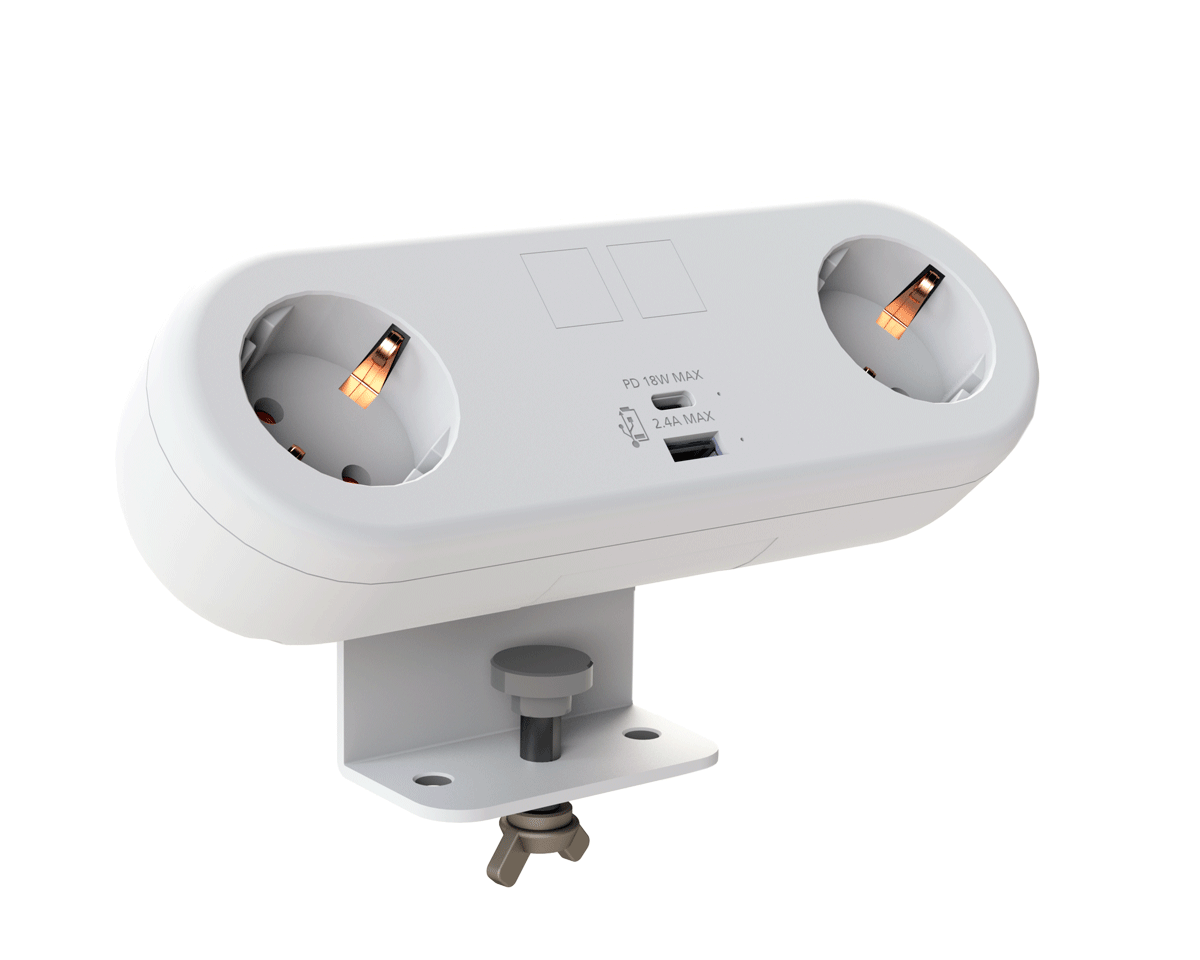
CMD Ltd, the specialist in power and connectivity solutions for commercial environments, has launched a Schuko version of its popular fixed format Capsule workstation power module for export to mainland Europe and beyond. A popular on desk power module comprising two sockets and dual USB (type A and C) chargers, CMD’s Capsule unit is already widely specified in the UK as an off-the-shelf workstation power...

Read more
CMD White Schuko Capsule Desk Power Module
CMD LTD EXTENDS MONITOR ARM RANGE WITH THE LAUNCH OF REACH PLUS

CMD Ltd, the specialist in ergonomic and connectivity solutions for commercial interiors, has completed its Reach monitor arm range with the launch of the Reach Plus. Available in single or dual screen options, the Reach Plus has been designed to provide an ideal solution for both single and dual screen workstation configurations, or can be used with next generation of large format curved screens. Suitable...

Read more

CMD Ltd DEMONSTRATES THE ART OF POWER DISTRIBUTION AT THE UNIVERSITY OF WARWICK

CMD Ltd, the specialist in workplace connectivity and ergonomic solutions, has provided Betatrak busbar power distribution and a range of electrical accessories for two major capital investment projects at the University of Warwick. Designed by Fielden Clegg Bradley Studios, the £33 million Faculty of Arts building is a showpiece development comprising four interconnected structures set around a central atrium, which will enable inter-disciplinary collaboration across...

Read more

University of Warwick
CMD BRINGS HARMONY TO COVENTRY UNIVERSITY RESEARCH FACILITIES

CMD Ltd, the specialist in power distribution solutions and workstation power and ergonomics, has provided under desk and on desk power modules for the refurbishment of three Coventry University research buildings. Located on Coventry University Technology Park, a business park designed to encourage collaboration between the university and knowledge-based businesses, the three buildings are being repurposed as office accommodation for university research teams. The refurbishment...

Read more


Coventry University

How to Implement an Automated Line for Efficient Procurement?

In today's fast-paced business landscape, efficiency is paramount. The concept of an "Automated Line" has transformed procurement processes. Experts emphasize its importance. John Smith, a renowned automation specialist, states, "Implementing an Automated Line can drastically reduce costs and enhance productivity."

The automated line integrates technology into procurement. It streamlines operations, minimizes human error, and increases speed. Yet, it's not without challenges. For instance, system integration can be complex. Teams must adapt to new protocols, which may lead to initial resistance. Companies must consider training staff thoroughly to ensure smooth transitions.

Despite the hurdles, the benefits of an Automated Line are compelling. Organizations that embrace this technology can achieve significant efficiency gains. However, careful planning and execution are essential. Neglecting these aspects can result in a setback rather than progress. Thoughtful implementation can pave the way for success in procurement, setting companies apart in competitive markets.

How to Implement an Automated Line for Efficient Procurement?

Understanding the Basics of Automated Procurement Systems

Automated procurement systems are transforming how businesses manage their supply chains. These systems streamline processes, reduce human error, and ultimately cut costs. For instance, a recent report by McKinsey indicates that companies can save up to 30% on procurement spending by leveraging automation. This is significant, especially in competitive markets where margins are thin.

Understanding how these systems function is crucial. They utilize algorithms to analyze purchasing data, predict needs, and manage supplier relationships. A study from Deloitte highlights that 83% of organizations believe automation can enhance procurement performance. However, implementation is not without its challenges. Many companies struggle with employee resistance and the initial cost of technology investment.

Data security is another critical concern. Many firms are unsure about protecting sensitive information when automating procurement processes. A survey conducted by the Hackett Group revealed that 35% of companies experienced data breaches related to procurement systems. These issues underscore the importance of careful consideration and planning before making the shift to automated solutions.

Identifying Key Technologies for Automated Procurement Implementation

In the realm of procurement, identifying key technologies is crucial for successful automation. Cloud-based platforms offer scalable solutions to streamline purchasing processes. These platforms enable real-time collaboration, improving decision-making. However, integrating such systems requires careful planning and adjustment. Not every organization is prepared for this shift.

Artificial intelligence plays a vital role in automating procurement tasks. Machine learning algorithms analyze vendor performance and cost trends. These insights enhance supplier selection and reduce risks. Yet, relying solely on technology can overlook human insights, which remain valuable. Balancing automation with human expertise is essential for effective outcomes.

Robotic process automation (RPA) can take over repetitive tasks. It minimizes errors and accelerates buying cycles. Despite its benefits, companies often face challenges in implementation. Resistance from employees or inadequate training can stall progress. Acknowledging these hurdles is important. Continuous feedback can refine processes, ensuring that the automation journey remains adaptable and relevant.

How to Implement an Automated Line for Efficient Procurement? - Identifying Key Technologies for Automated Procurement Implementation

Technology Description Benefits Implementation Challenges
E-Procurement Software Digital solutions for managing procurement processes. Increased efficiency, reduced costs. Integration with existing systems.
AI and Machine Learning Analyze procurement data to predict needs. Improved decision-making, demand forecasting. Data quality and training models.
Blockchain Technology Secure and transparent record of transactions. Enhanced security, fraud reduction. Complex implementation and scalability.
Robotic Process Automation (RPA) Automate repetitive procurement tasks. Time savings, error reduction. Initial setup cost and management of bots.
Supply Chain Management Software Manage end-to-end supply chain processes. Improved coordination and efficiency. System integration challenges.

Designing a Workflow for Automated Procurement Processes

Designing an efficient workflow for automated procurement is crucial for modern businesses. In a survey by McKinsey, 70% of procurement leaders reported that digital transformation improved their efficiency. However, only 33% felt fully prepared to implement automation. This gap highlights the need for businesses to carefully strategize their workflows.

A well-structured automated procurement process involves several key components. First, integration with existing systems is vital. Many organizations still face challenges when linking automated tools to legacy systems. Streamlining this integration can enhance real-time data visibility. This leads to faster decision-making. Additionally, companies should prioritize user training. Lack of proper understanding may hinder efficiency.

Regularly reviewing and refining the workflow can identify bottlenecks. A 2021 report from Deloitte indicated that companies who adapt their processes regularly achieved a 35% improvement in procurement response times. Continuous assessment allows businesses to remain agile in a changing marketplace. Experiences shared by industry experts reinforce that automation is not a one-and-done process; rather, it requires ongoing attention and adjustment.

Establishing Metrics to Evaluate Procurement Efficiency

Establishing metrics is essential for evaluating procurement efficiency. Key performance indicators (KPIs) can provide insight into processes. Common metrics include order cycle time, cost savings, and supplier performance. Tracking these can reveal inefficiencies that may be overlooked. Regular assessment is necessary to ensure these metrics remain relevant.

Incorporating technology can enhance your metrics. Automated tools can streamline data collection and analysis. However, reliance on technology should be balanced with human insight. Over-automation may obscure the nuances of procurement challenges. Continuous feedback loops help refine these metrics and improve decision-making.

Conventional metrics may not suit every organization. Customizing them to align with specific goals is vital. Some businesses may find that focusing solely on cost savings limits broader strategic objectives. Reflecting on what metrics truly drive performance can transform procurement strategies. Finding that balance takes time and experimentation.

Procurement Efficiency Metrics

This chart demonstrates various metrics to evaluate procurement efficiency including cost reduction, supplier performance, order fulfillment rates, lead time, and procurement cycle time. Monitoring these metrics can significantly enhance the effectiveness of an automated procurement line.

Training and Change Management for Successful Automation Adoption

Implementing an automated line for procurement requires more than just technology. Training and change management play crucial roles in successful adoption. Organizations often struggle with resistance to change. A recent study revealed that 70% of transformation initiatives fail due to poor management of change.

Training programs need to be comprehensive. They should cover not only system functionalities but also user engagement. Employees must feel confident using new tools. Inadequate training can lead to underutilization of automated systems. Research indicates that organizations investing in effective change management see a 6.5% increase in operational efficiency.

Creating a culture of ongoing learning is vital. Automation is not a one-time event; it evolves with time. Regular workshops and feedback loops help identify gaps. Additionally, management should recognize achievements and address concerns promptly. Even with advanced technology, the human element remains critical for success.