

News

Miro: A New Standard in Responsible Innovation

Miro: A New Standard in Responsible Innovation The Miro monitor arm is setting new benchmarks in sustainability. It offers a high-performance solution without compromising on environmental responsibility. Designed with careful material selection, local sourcing, and longevity in mind, Miro’s responsible approach to design and unique manoeuvrability set it apart from the competition. Sustainable Choices Miro is crafted from energy-efficient materials with a lower carbon impact....

Read more
HSE Advisor

Role Purpose Support in the development, implementation and maintenance of the company’s Health, Safety & Environmental policies, processes, operational procedures, and standards.  Ensuring best practice and championing a continually improving HSE culture within the business. Key Responsibilities Liaise with and provide support to all areas of the business to eliminate, mitigate or reduce identified HSE exposures. Partner with the production management team and team leaders,...

Read more
CMD Ltd LAUNCHES 48-HOUR TURNAROUND ON BETATRAK® RAPID ORDERING SERVICE

CMD Ltd, the specialist in power distribution systems, workstation power and monitor arms, has launched a rapid ordering service for its Betatrak® underfloor powertrack distribution systems and accessories, with a commitment to delivering within 48-hours of an approved purchase order*. The service enables customers to order up to 50 lengths of Standard or Clean Earth (C/E) low noise Betatrak, along with up to 25 feed...

Read more

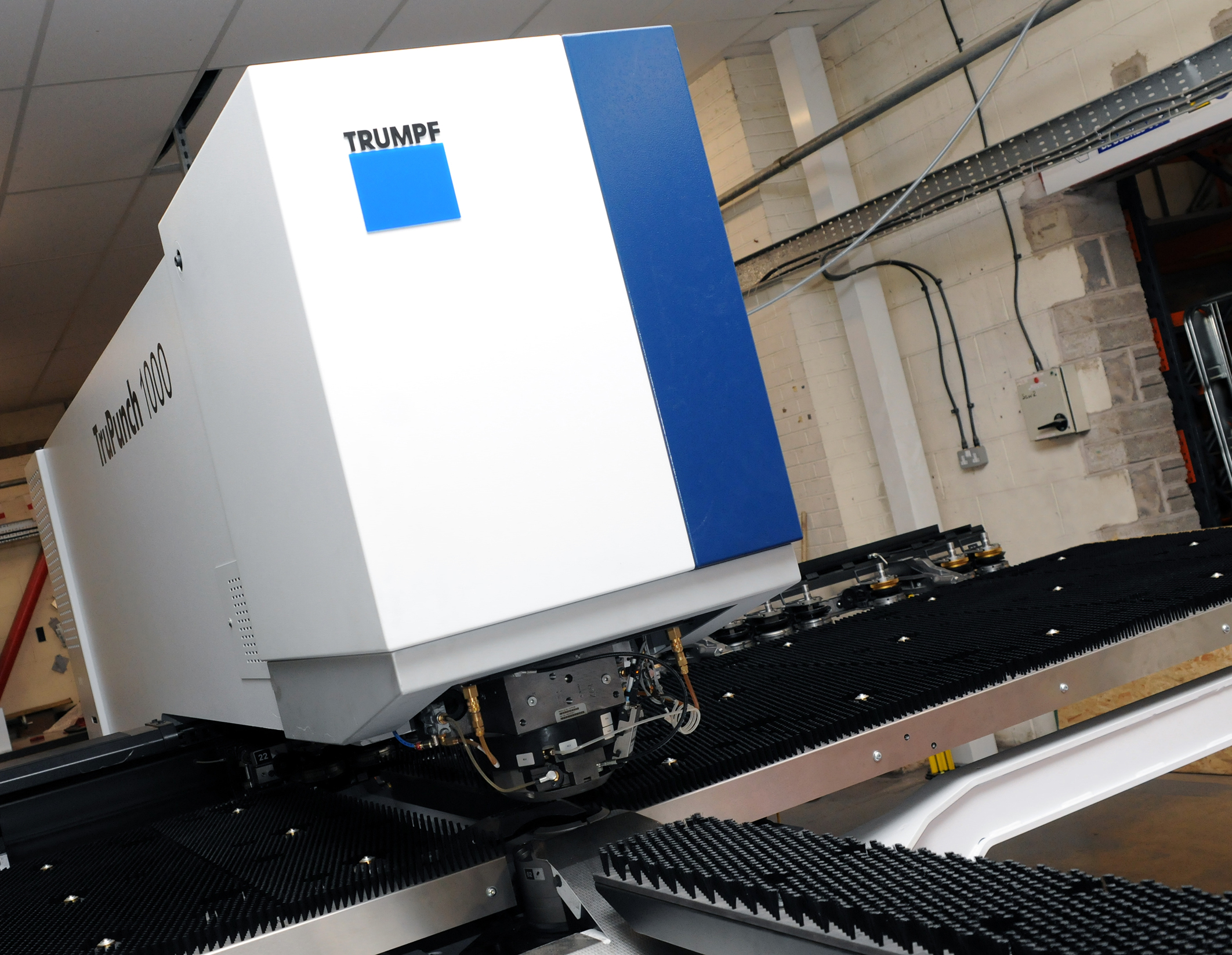
CMD INVESTS £1/4 MILLION IN NEW MACHINE AS PART OF FACTORY UPGRADE

We have invested in a new £1/4m TRUMPF CNC metal punch as part of an asset renewal strategy for our UK manufacturing capability. The new machine will be used in the production of a wide variety of our power distribution systems and workstation power products at our Rotherham factory. Suitable for handling sheet metal between 0.9mm and 3.0mm thick, the new machine will replace one...

Read more
CMD CATALOGUE PROVIDES TECHNICAL POWER DISTRIBUTION GUIDE

CMD Ltd has released a new catalogue, providing an easy to follow technical guide to our power distribution systems and plug and play desk modules. Detailing CMD’s full range of UK-manufactured power distribution systems and plug and play desk modules, the catalogue will be a helpful source of information to M&E engineers and contractors alike to understand how our power distribution systems connect together and...

Read more
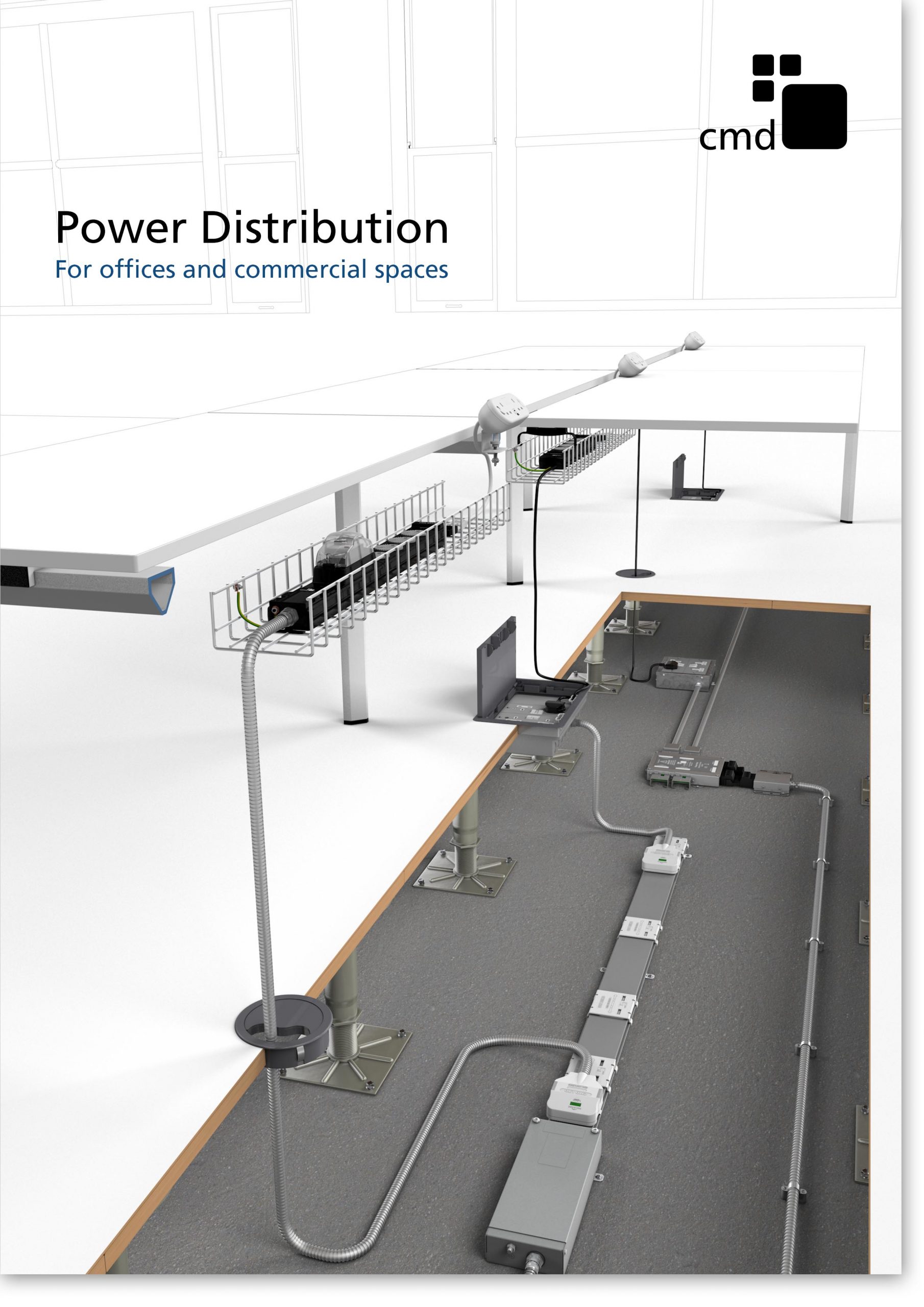
Power Distribution Catalogue
CMD Ltd PLAYS ESSENTIAL ROLE IN ELECTRICAL FIT OUT AT LONDON’S PRESTIGIOUS OFFICE DEVELOPMENT

CMD Ltd, specialist in workplace connectivity and ergonomic solutions, has provided a flexible and high-quality power distribution network for The Ray, a prestigious office development in London’s Farringdon. Well-known for being the former site of The Guardian newspaper, The Ray now stands as an 83,000ft² office development characterised by a modernised warehouse aesthetic, with level two now occupied by a global social media company. The...

Read more
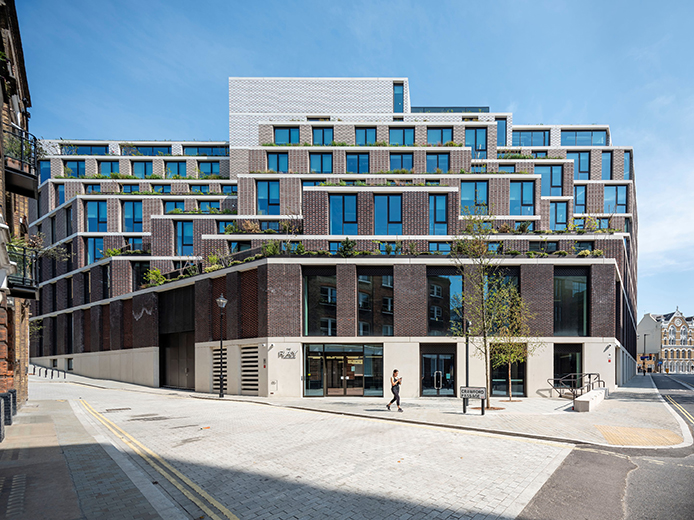
The Ray
CMD plugs in to european opportunity with Schuko Capsule unit launch

CMD Ltd, the specialist in power and connectivity solutions for commercial environments, has launched a Schuko version of its popular fixed format Capsule workstation power module for export to mainland Europe and beyond. A popular on desk power module comprising two sockets and dual USB (type A and C) chargers, CMD’s Capsule unit is already widely specified in the UK as an off-the-shelf workstation power...

Read more
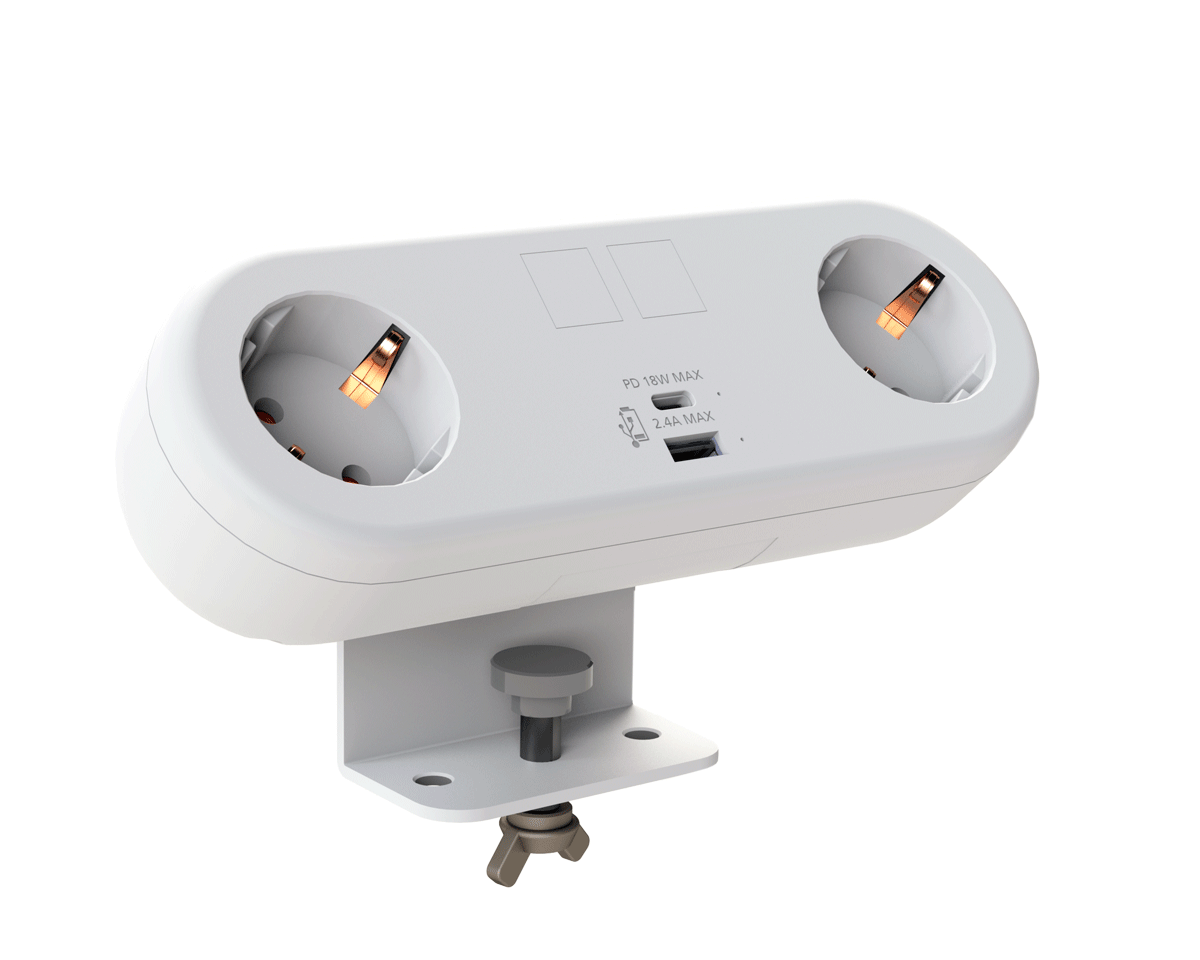
CMD White Schuko Capsule Desk Power Module
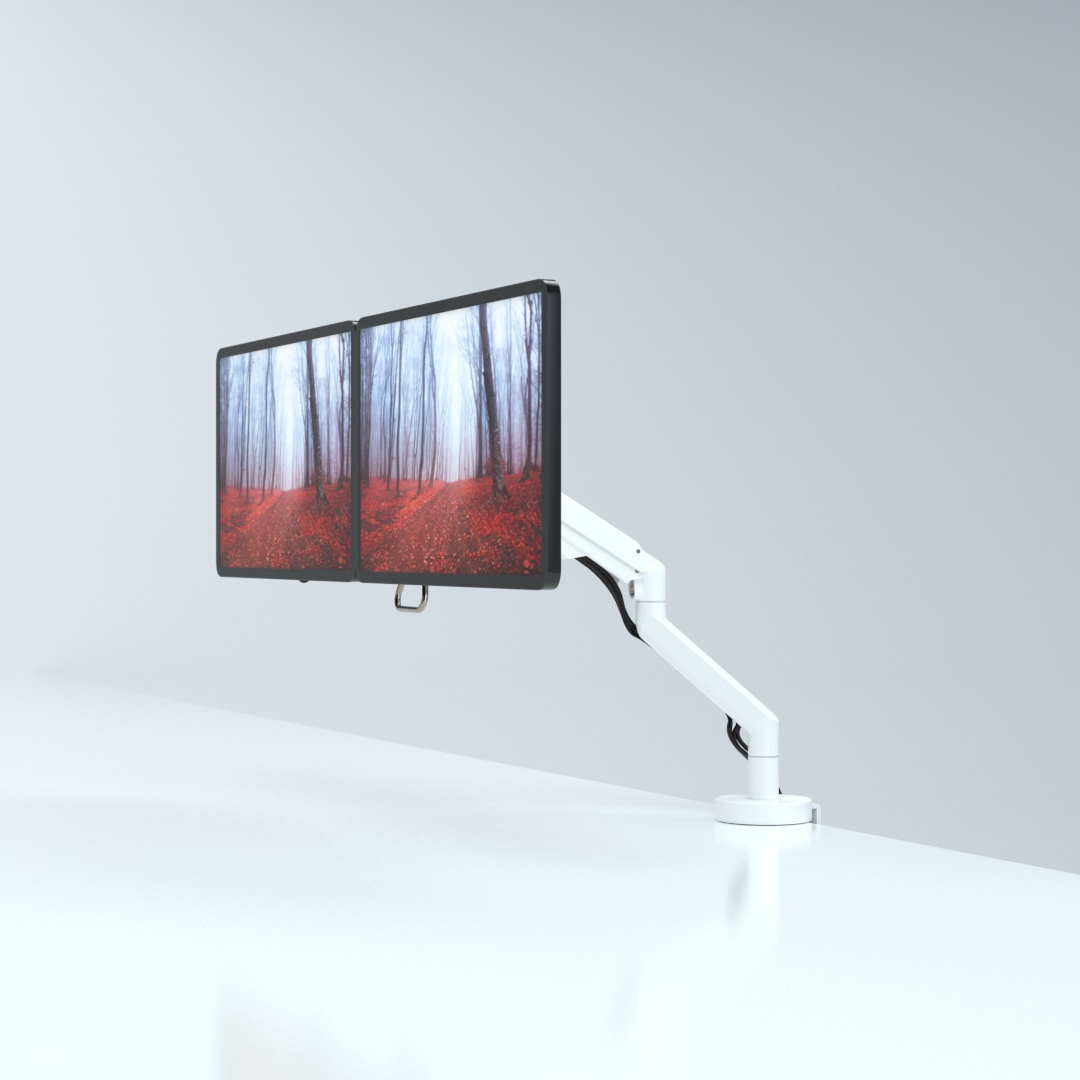
CMD LTD EXTENDS MONITOR ARM RANGE WITH THE LAUNCH OF REACH PLUS

CMD Ltd, the specialist in ergonomic and connectivity solutions for commercial interiors, has completed its Reach monitor arm range with the launch of the Reach Plus. Available in single or dual screen options, the Reach Plus has been designed to provide an ideal solution for both single and dual screen workstation configurations, or can be used with next generation of large format curved screens. Suitable...

Read more
CMD Ltd DEMONSTRATES THE ART OF POWER DISTRIBUTION AT THE UNIVERSITY OF WARWICK

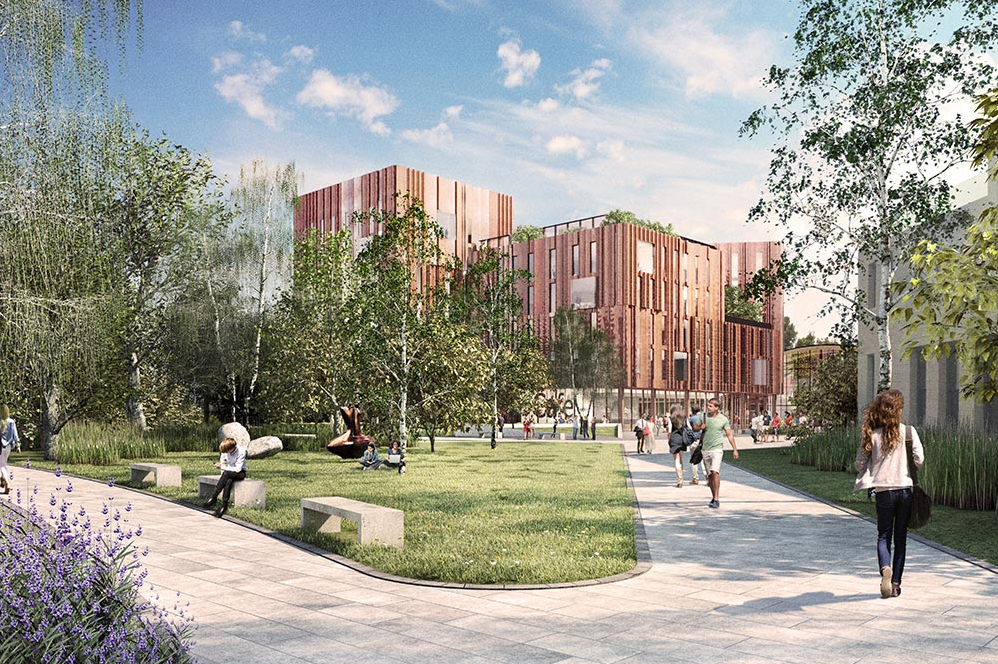
CMD Ltd, the specialist in workplace connectivity and ergonomic solutions, has provided Betatrak busbar power distribution and a range of electrical accessories for two major capital investment projects at the University of Warwick. Designed by Fielden Clegg Bradley Studios, the £33 million Faculty of Arts building is a showpiece development comprising four interconnected structures set around a central atrium, which will enable inter-disciplinary collaboration across...

Read more
University of Warwick
CMD BRINGS HARMONY TO COVENTRY UNIVERSITY RESEARCH FACILITIES

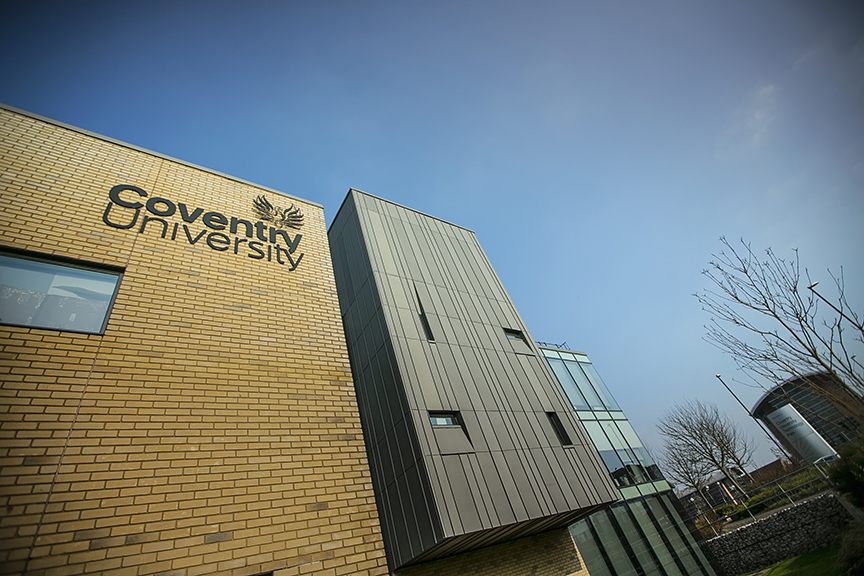
CMD Ltd, the specialist in power distribution solutions and workstation power and ergonomics, has provided under desk and on desk power modules for the refurbishment of three Coventry University research buildings. Located on Coventry University Technology Park, a business park designed to encourage collaboration between the university and knowledge-based businesses, the three buildings are being repurposed as office accommodation for university research teams. The refurbishment...

Read more

Coventry University

What is Architectural House Rendering and Why You Need It?

Architectural House Rendering is transforming the way we visualize spaces. This technology allows clients to see detailed 3D representations of homes. According to a report by Grand View Research, the architectural visualization market is expected to reach $2.4 billion by 2027. This growth highlights the demand for precise and appealing designs.

Experts emphasize the importance of Architectural House Rendering in the decision-making process. John Smith, a leading architect in the field, asserts, "Renderings provide clarity that sketches cannot match." This statement underscores how visual tools can bridge gaps in understanding for clients.

However, not all renderings are flawless. Some may misrepresent dimensions or materials, leading to misunderstandings. Ensuring accuracy is crucial for effective communication. Clients benefit from clear visuals. Yet, they should remain aware of the limitations of these representations.

What is Architectural House Rendering and Why You Need It?

What is Architectural House Rendering?

Architectural house rendering is a crucial process in design and construction. It involves creating detailed visual representations of a building before it is constructed. These visuals can be 2D drawings or 3D models. They help architects, clients, and builders understand the final product. By using renderings, one can visualize the aesthetics and functionality of a space.


These renderings provide a realistic perspective. They show materials, colors, and textures, making it easier to make decisions. For instance, choosing between brick or stone is more straightforward when visualized. Moreover, these images serve as effective marketing tools. Real estate agents often use them to attract potential buyers. However, creating accurate and appealing renderings requires expertise and attention to detail. It's common for initial drafts to miss the mark. This can spark discussions among designers and clients, leading to improvements.


Architectural rendering also incorporates the surrounding environment. Trees, cars, and people can be included to enhance realism. This integration helps clients envision how their home fits into the neighborhood. Yet, it can be challenging to balance detail with clarity. Overly complicated images might confuse the viewer. In these moments, reflection and revision become essential to achieve desired outcomes.

The Purpose and Importance of Architectural Rendering

Architectural rendering plays a crucial role in visualizing a project before it becomes a reality. It allows architects and clients to see a realistic representation of their ideas. By using advanced 3D modeling techniques, these renderings can showcase intricate details, textures, and lighting effects that bring designs to life. This process not only captivates potential buyers but also serves as a marketing tool for developers.

The importance of architectural rendering lies in its ability to communicate design intentions clearly. Clients often struggle to understand blueprints or technical drawings. Rendered images provide clarity, enabling better feedback and decision-making. A well-crafted rendering can highlight potential design flaws that might go unnoticed in traditional plans. This iterative process improves the final outcome, ensuring that the vision aligns with reality.

However, not all renderings are perfect. They can sometimes gloss over critical details that might not translate well into the physical space. An over-reliance on computer-generated imagery may lead clients to have unrealistic expectations. Continuous refinement of the rendering process is essential to maintain authenticity. Thus, while architectural rendering is invaluable, it demands ongoing reflection and improvement to provide clear, effective communication.

Types of Architectural Rendering Techniques

Architectural rendering is crucial for visualizing designs before construction. Various techniques are used in the industry to achieve realistic visuals. Three primary types are 2D rendering, 3D rendering, and virtual reality (VR) rendering. According to recent industry reports, 3D rendering accounts for over 70% of all architectural visuals. This popularity stems from its ability to create detailed representations.

2D rendering offers a flat, yet informative perspective. It is often used in initial stages to convey layout and spatial relationships. However, it lacks the depth that many clients desire. On the other hand, 3D rendering brings models to life. It illustrates textures, colors, and lighting effectively. Clients see a more vivid and engaging portrayal. VR rendering takes this a step further, allowing immersive exploration of spaces, enhancing user engagement.

One crucial aspect to remember is the importance of choosing the right technique for your project. Not every project requires the high detail of 3D or VR rendering. Sometimes, simpler methods suffice for budget-conscious clients. Being aware of your target audience's needs can help guide this decision. Engaging with architectural visuals is an evolving trend. Adapting to advancements can enhance communication with clients and stakeholders. This not only builds trust but also ensures clearer project expectations.

Benefits of Using House Renderings in Real Estate

House renderings have become a staple in real estate. They bridge the gap between imagination and reality. These visual aids help buyers visualize their dream homes. High-quality renderings illustrate details that photos cannot capture. From textures to lighting, they breathe life into architectural plans.

Using renderings can significantly enhance marketing strategies. They attract potential buyers and generate interest. Eye-catching visuals stand out in crowded markets. Renderings can also help clients engage emotionally with the property. When buyers can see and imagine living in a space, it fosters a connection. This emotional pull can lead to faster sales.

While house renderings are powerful tools, they are not without challenges. Over-promising on visuals can lead to disappointment. It's essential for real estate agents to manage expectations. Transparency about the rendering process builds trust. Some may also struggle with the cost of high-quality renderings. However, the investment often pays off in increased sales and client satisfaction. Balancing cost and quality is crucial for long-term success in the market.

How to Choose the Right Rendering Service for Your Project

Choosing the right architectural rendering service for your project is crucial. A professional rendering can turn your ideas into realistic visualizations. Many factors come into play when selecting a provider. Experience is one key aspect. Look for firms with a solid portfolio and a history of completed projects. Their past work gives insight into their style and capabilities.

Tip: Consider reviewing client testimonials. They can provide valuable feedback on the service quality and project turnaround times. This feedback can help gauge reliability. Don’t hesitate to ask for case studies that highlight their previous successes and challenges.

Communication is another vital factor. A good rendering service should be willing to engage in discussions about your vision. They should understand your goals and provide constructive suggestions. Sometimes, the initial ideas may need adjustment. This reflects a collaborative approach. Remember, your project may evolve during the process.

Tip: Be clear about your budget and timeline. This will help eliminate misunderstandings later. Timely communication can keep the project on track. Be prepared for a few revisions along the way, as achieving the perfect rendering might take time.

Architectural House Rendering Overview