

News

Miro: A New Standard in Responsible Innovation

Miro: A New Standard in Responsible Innovation The Miro monitor arm is setting new benchmarks in sustainability. It offers a high-performance solution without compromising on environmental responsibility. Designed with careful material selection, local sourcing, and longevity in mind, Miro’s responsible approach to design and unique manoeuvrability set it apart from the competition. Sustainable Choices Miro is crafted from energy-efficient materials with a lower carbon impact....

Read more
HSE Advisor

Role Purpose Support in the development, implementation and maintenance of the company’s Health, Safety & Environmental policies, processes, operational procedures, and standards.  Ensuring best practice and championing a continually improving HSE culture within the business. Key Responsibilities Liaise with and provide support to all areas of the business to eliminate, mitigate or reduce identified HSE exposures. Partner with the production management team and team leaders,...

Read more
CMD Ltd LAUNCHES 48-HOUR TURNAROUND ON BETATRAK® RAPID ORDERING SERVICE

CMD Ltd, the specialist in power distribution systems, workstation power and monitor arms, has launched a rapid ordering service for its Betatrak® underfloor powertrack distribution systems and accessories, with a commitment to delivering within 48-hours of an approved purchase order*. The service enables customers to order up to 50 lengths of Standard or Clean Earth (C/E) low noise Betatrak, along with up to 25 feed...

Read more

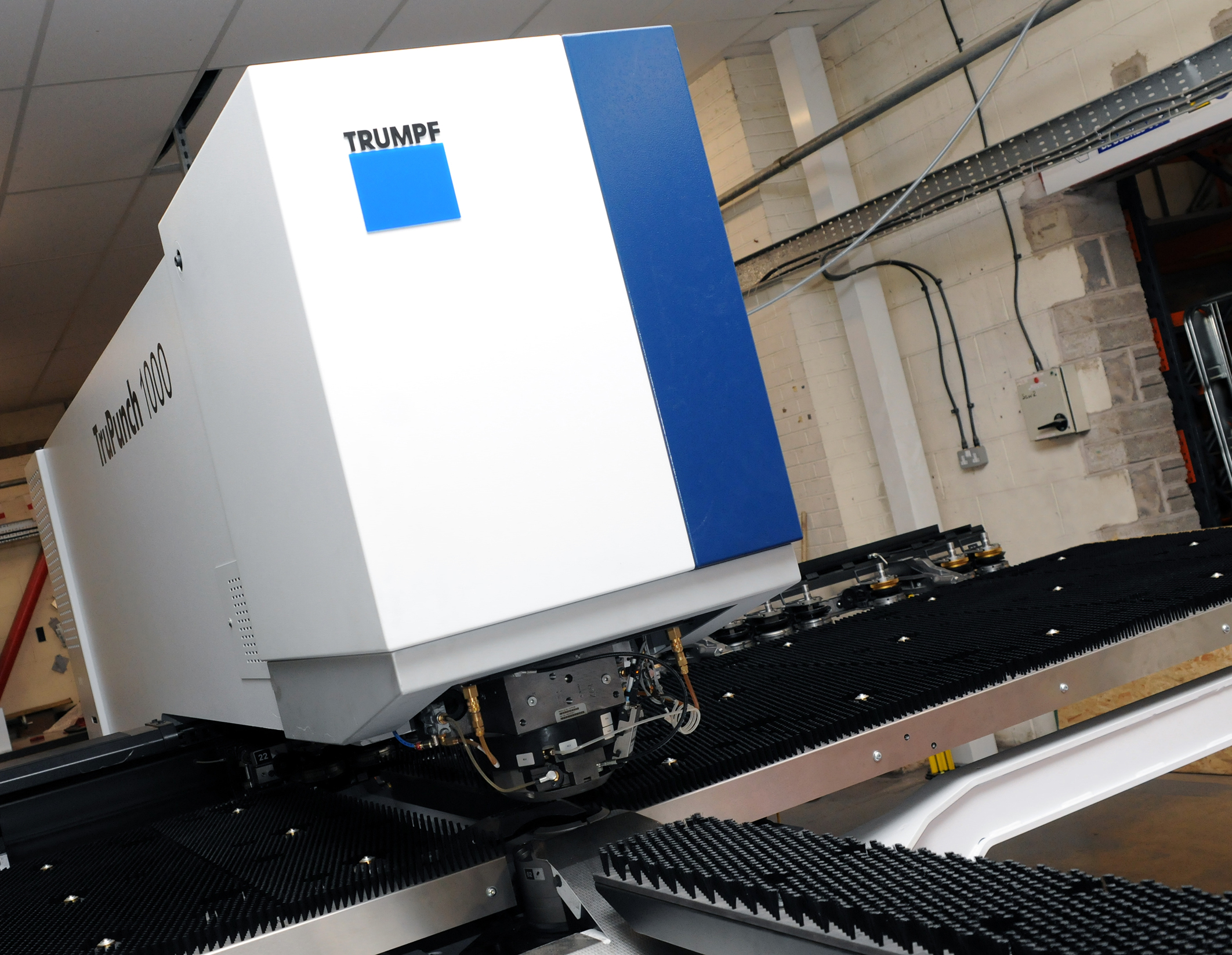
CMD INVESTS £1/4 MILLION IN NEW MACHINE AS PART OF FACTORY UPGRADE

We have invested in a new £1/4m TRUMPF CNC metal punch as part of an asset renewal strategy for our UK manufacturing capability. The new machine will be used in the production of a wide variety of our power distribution systems and workstation power products at our Rotherham factory. Suitable for handling sheet metal between 0.9mm and 3.0mm thick, the new machine will replace one...

Read more
CMD CATALOGUE PROVIDES TECHNICAL POWER DISTRIBUTION GUIDE

CMD Ltd has released a new catalogue, providing an easy to follow technical guide to our power distribution systems and plug and play desk modules. Detailing CMD’s full range of UK-manufactured power distribution systems and plug and play desk modules, the catalogue will be a helpful source of information to M&E engineers and contractors alike to understand how our power distribution systems connect together and...

Read more
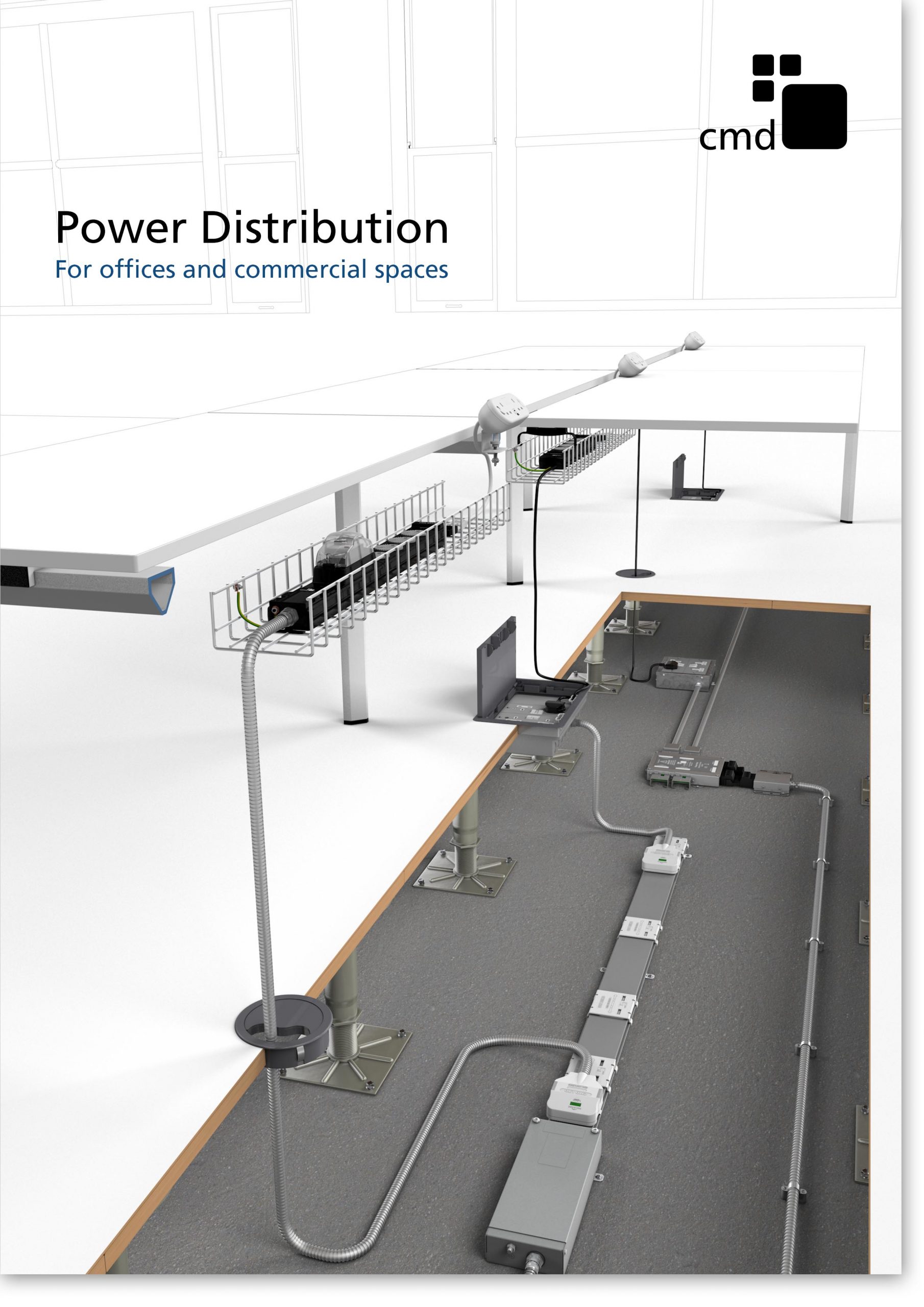
Power Distribution Catalogue
CMD Ltd PLAYS ESSENTIAL ROLE IN ELECTRICAL FIT OUT AT LONDON’S PRESTIGIOUS OFFICE DEVELOPMENT

CMD Ltd, specialist in workplace connectivity and ergonomic solutions, has provided a flexible and high-quality power distribution network for The Ray, a prestigious office development in London’s Farringdon. Well-known for being the former site of The Guardian newspaper, The Ray now stands as an 83,000ft² office development characterised by a modernised warehouse aesthetic, with level two now occupied by a global social media company. The...

Read more

The Ray
CMD plugs in to european opportunity with Schuko Capsule unit launch

CMD Ltd, the specialist in power and connectivity solutions for commercial environments, has launched a Schuko version of its popular fixed format Capsule workstation power module for export to mainland Europe and beyond. A popular on desk power module comprising two sockets and dual USB (type A and C) chargers, CMD’s Capsule unit is already widely specified in the UK as an off-the-shelf workstation power...

Read more
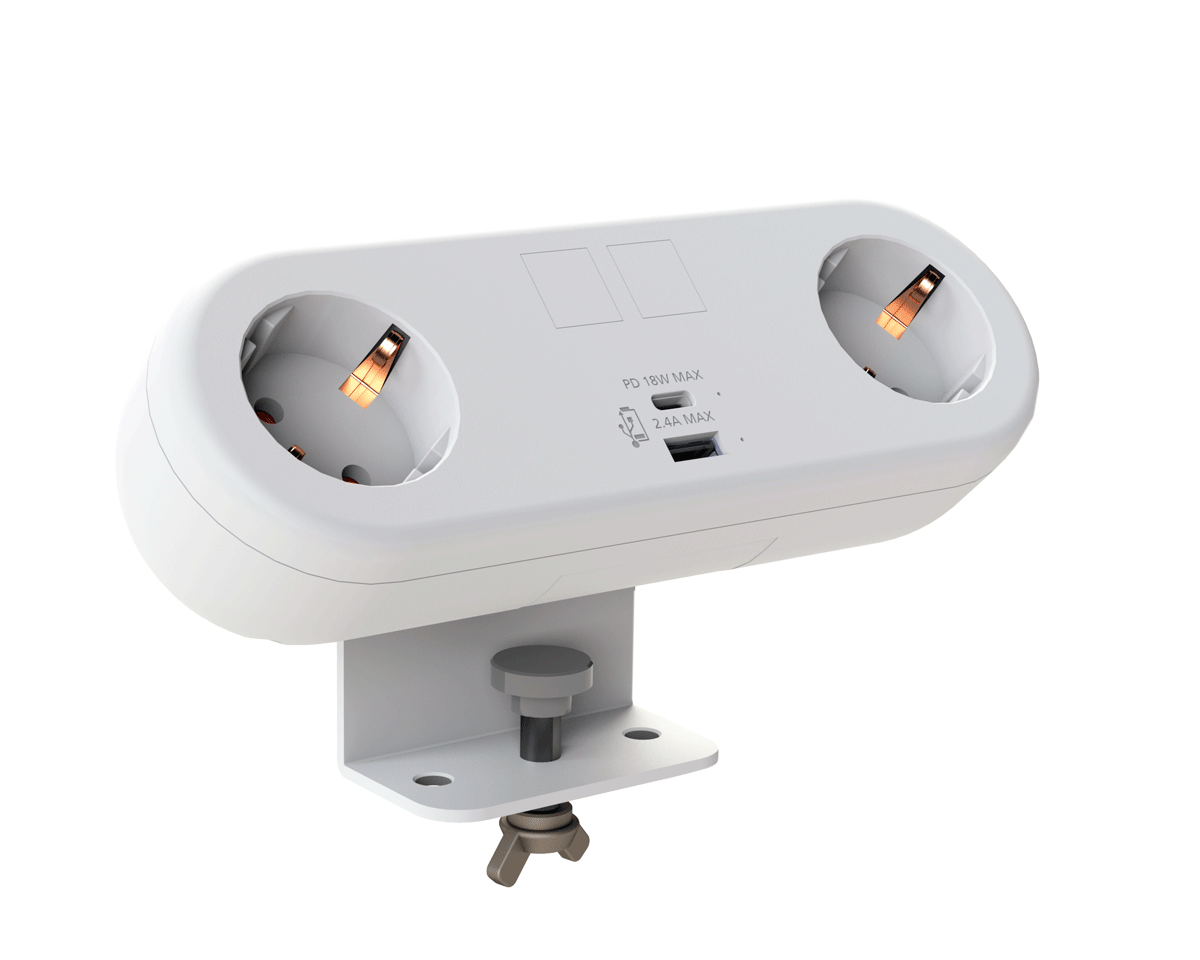
CMD White Schuko Capsule Desk Power Module
CMD LTD EXTENDS MONITOR ARM RANGE WITH THE LAUNCH OF REACH PLUS

CMD Ltd, the specialist in ergonomic and connectivity solutions for commercial interiors, has completed its Reach monitor arm range with the launch of the Reach Plus. Available in single or dual screen options, the Reach Plus has been designed to provide an ideal solution for both single and dual screen workstation configurations, or can be used with next generation of large format curved screens. Suitable...

Read more

CMD Ltd DEMONSTRATES THE ART OF POWER DISTRIBUTION AT THE UNIVERSITY OF WARWICK

CMD Ltd, the specialist in workplace connectivity and ergonomic solutions, has provided Betatrak busbar power distribution and a range of electrical accessories for two major capital investment projects at the University of Warwick. Designed by Fielden Clegg Bradley Studios, the £33 million Faculty of Arts building is a showpiece development comprising four interconnected structures set around a central atrium, which will enable inter-disciplinary collaboration across...

Read more

University of Warwick
CMD BRINGS HARMONY TO COVENTRY UNIVERSITY RESEARCH FACILITIES

CMD Ltd, the specialist in power distribution solutions and workstation power and ergonomics, has provided under desk and on desk power modules for the refurbishment of three Coventry University research buildings. Located on Coventry University Technology Park, a business park designed to encourage collaboration between the university and knowledge-based businesses, the three buildings are being repurposed as office accommodation for university research teams. The refurbishment...

Read more

Coventry University

What is Aluminum Stock Material for Your Procurement Needs?

Aluminum Stock Material plays a crucial role in various industries. It serves as a versatile choice due to its strength and lightweight properties. Industries such as aerospace, automotive, and construction rely on it for a wide range of applications. The demand for aluminum stock continues to rise, driven by innovations and sustainability goals.

When considering aluminum stock material for procurement, understanding specific needs is essential. Factors like alloy type, dimensions, and surface finish impact overall performance. Proper selection affects not only product quality but also cost efficiency. It is vital to choose reputable suppliers who provide reliable aluminum stock materials.

Assessing options requires careful thought. Not all aluminum stock is created equal, and some may not meet project requirements. Evaluating the source of aluminum can prevent future issues. Transparency in material specifications ensures durability and compliance with industry standards. Thus, making informed decisions about aluminum stock material can greatly influence project success.

What is Aluminum Stock Material for Your Procurement Needs?

Understanding Aluminum as a Stock Material for Various Applications

Aluminum serves as an essential stock material across various industries. Its lightweight nature makes it ideal for applications in aerospace, automotive, and construction. Manufacturers appreciate its strength-to-weight ratio, which enhances efficiency. Used in everything from aircraft frames to packaging, aluminum's versatility is unmatched.

Applications vary widely, demanding different aluminum grades. For example, 6061 aluminum is popular for structural components due to its excellent corrosion resistance. In contrast, 7075 aluminum is favored in high-stress applications for its superior strength. Understanding these differences is crucial for procurement needs.

While aluminum offers many benefits, it is not without drawbacks. Fabrication can be challenging, and care must be taken to prevent oxidation. Sourcing high-quality aluminum is vital to ensure performance and longevity. Buyers should be aware of potential quality variability in the market. This knowledge can lead to more informed decisions and better overall results in procurement.

Types of Aluminum Alloys: Characteristics and Uses in Procurement

Aluminum alloys are popular choices in various industries due to their unique characteristics. These materials offer excellent strength-to-weight ratios, making them ideal for applications in aerospace, automotive, and construction. According to the Aluminum Association, the global aluminum market is projected to grow by 5% annually, highlighting the increasing demand for aluminum stock materials.

There are several types of aluminum alloys, categorized primarily into wrought and cast alloys. Wrought alloys, such as 6061 and 7075, are known for their versatility and strength. They are often used in structural applications and high-stress environments. Cast alloys, like A356 and A380, provide excellent fluidity for complex shapes and are ideal for applications like automotive parts and machinery. Each alloy exhibits distinct properties, making it essential to select the right type based on specific procurement needs.

Inspect your supplier's certification for quality assurance. Look for materials that meet industry standards, such as ASTM and ISO certifications. Familiarize yourself with the properties of each alloy to ensure you choose the most suitable one for your project. Understanding the typical applications and limitations of these alloys will help make informed procurement decisions. Regularly revisit your materials' specifications as industry standards evolve and new technologies emerge.

Factors to Consider When Sourcing Aluminum Stock Material

When sourcing aluminum stock material, several critical factors come into play. The first is alloy selection. Aluminum comes in various alloys, each with unique properties. For instance, 6061 offers good mechanical properties and weldability. Conversely, 2024 is famous for its strength but is less corrosion-resistant. Understanding these differences is crucial for project specifications.

Cost is another vital consideration. Raw aluminum prices fluctuate based on market demand and can impact your procurement budget. According to the Aluminum Association, the global aluminum market is projected to grow at a CAGR of 4.1% from 2021 to 2026. This growth could lead to price increases, so being aware of market trends is essential.

Lead times can often be an overlooked factor in the sourcing process. Local suppliers might offer faster delivery times compared to international sources, but they may have limitations on variety. Suppliers' reliability is also crucial. Data shows that the failure to meet deadlines can lead to increased costs and project delays. Balancing these factors requires careful consideration to ensure you meet both quality and time constraints for your project.

What is Aluminum Stock Material for Your Procurement Needs?

Material Type Temper Thickness (inches) Width (inches) Length (inches) Application
6061 Aluminum T6 0.125 48 120 Structural Components
5052 Aluminum H32 0.090 36 144 Marine Applications
6063 Aluminum T5 0.075 24 96 Architectural Extrusions
2024 Aluminum T3 0.200 12 60 Aerospace Components
3003 Aluminum H14 0.050 36 120 Chemical Equipment

Cost Comparison: Aluminum Stock vs Other Materials in Procurement

When considering procurement, the cost of materials is a critical factor. Aluminum stock is often compared to other commonly used materials like steel or plastic. While aluminum tends to have a higher initial cost, it often proves more economical in the long run. Its lightweight nature can lead to reduced shipping costs. Plus, aluminum is highly corrosion-resistant, extending its lifespan and minimizing replacement costs.

However, the choice isn’t always straightforward. In some applications, steel may present a cheaper upfront option, especially for heavy-duty uses. Yet, steel is heavier and can require additional handling and support. Understanding these nuances is essential for procurement professionals. It’s crucial to evaluate the specific needs of each project. Sometimes, a higher quality material like aluminum may save headaches down the line, despite its initial price tag.

Cost comparison isn't solely about price; it’s about value. Each material comes with its trade-offs. Seek advice from industry experts. They can offer insights based on experience. Assessing the right choice can lead to both short-term savings and long-term benefits.

Best Practices for Handling and Storing Aluminum Stock Materials

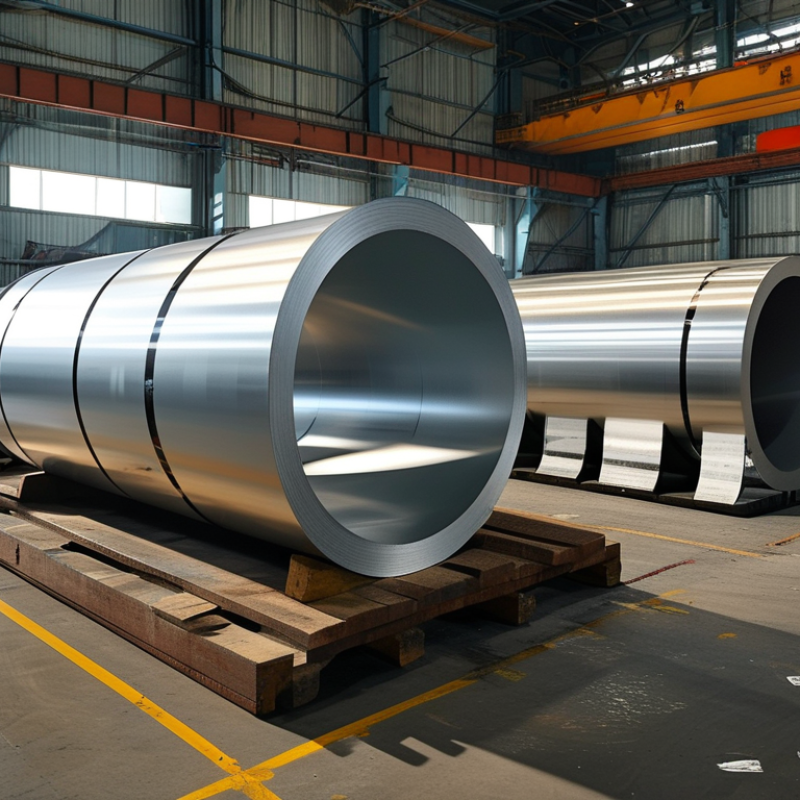
Handling and storing aluminum stock materials requires careful attention. Optimal storage conditions are essential to prevent corrosion and contamination. Ensure that aluminum sheets and profiles are stored in a dry location, away from moisture. This helps maintain their integrity and extends usability.

Labeling storage areas properly is vital. It aids in quick identification and minimizes handling errors. Use pallets or racks to avoid direct contact with the ground, as this reduces the risk of rust. Employees should be trained on the correct handling techniques to avoid bending or misplacing the materials.

Despite these precautions, accidents can happen. Regular inspection of stock conditions is necessary to catch any issues early. Maintaining a clean storage environment is important, as dirt and debris can lead to surface damage. Reflection on storage practices can lead to improvements in efficiency and safety for everyone involved.