

News

Miro: A New Standard in Responsible Innovation

Miro: A New Standard in Responsible Innovation The Miro monitor arm is setting new benchmarks in sustainability. It offers a high-performance solution without compromising on environmental responsibility. Designed with careful material selection, local sourcing, and longevity in mind, Miro’s responsible approach to design and unique manoeuvrability set it apart from the competition. Sustainable Choices Miro is crafted from energy-efficient materials with a lower carbon impact....

Read more
HSE Advisor

Role Purpose Support in the development, implementation and maintenance of the company’s Health, Safety & Environmental policies, processes, operational procedures, and standards.  Ensuring best practice and championing a continually improving HSE culture within the business. Key Responsibilities Liaise with and provide support to all areas of the business to eliminate, mitigate or reduce identified HSE exposures. Partner with the production management team and team leaders,...

Read more
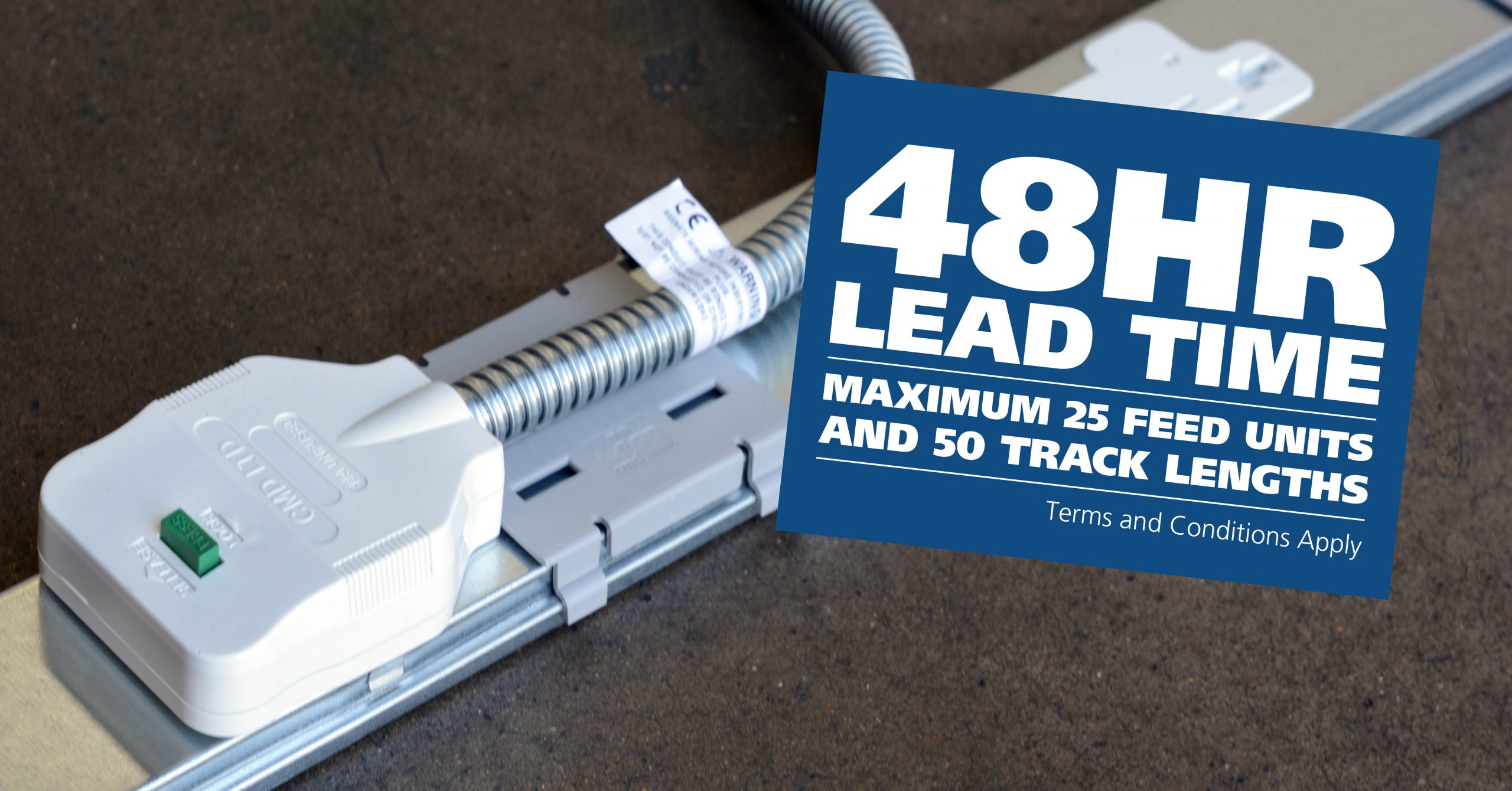
CMD Ltd LAUNCHES 48-HOUR TURNAROUND ON BETATRAK® RAPID ORDERING SERVICE

CMD Ltd, the specialist in power distribution systems, workstation power and monitor arms, has launched a rapid ordering service for its Betatrak® underfloor powertrack distribution systems and accessories, with a commitment to delivering within 48-hours of an approved purchase order*. The service enables customers to order up to 50 lengths of Standard or Clean Earth (C/E) low noise Betatrak, along with up to 25 feed...

Read more
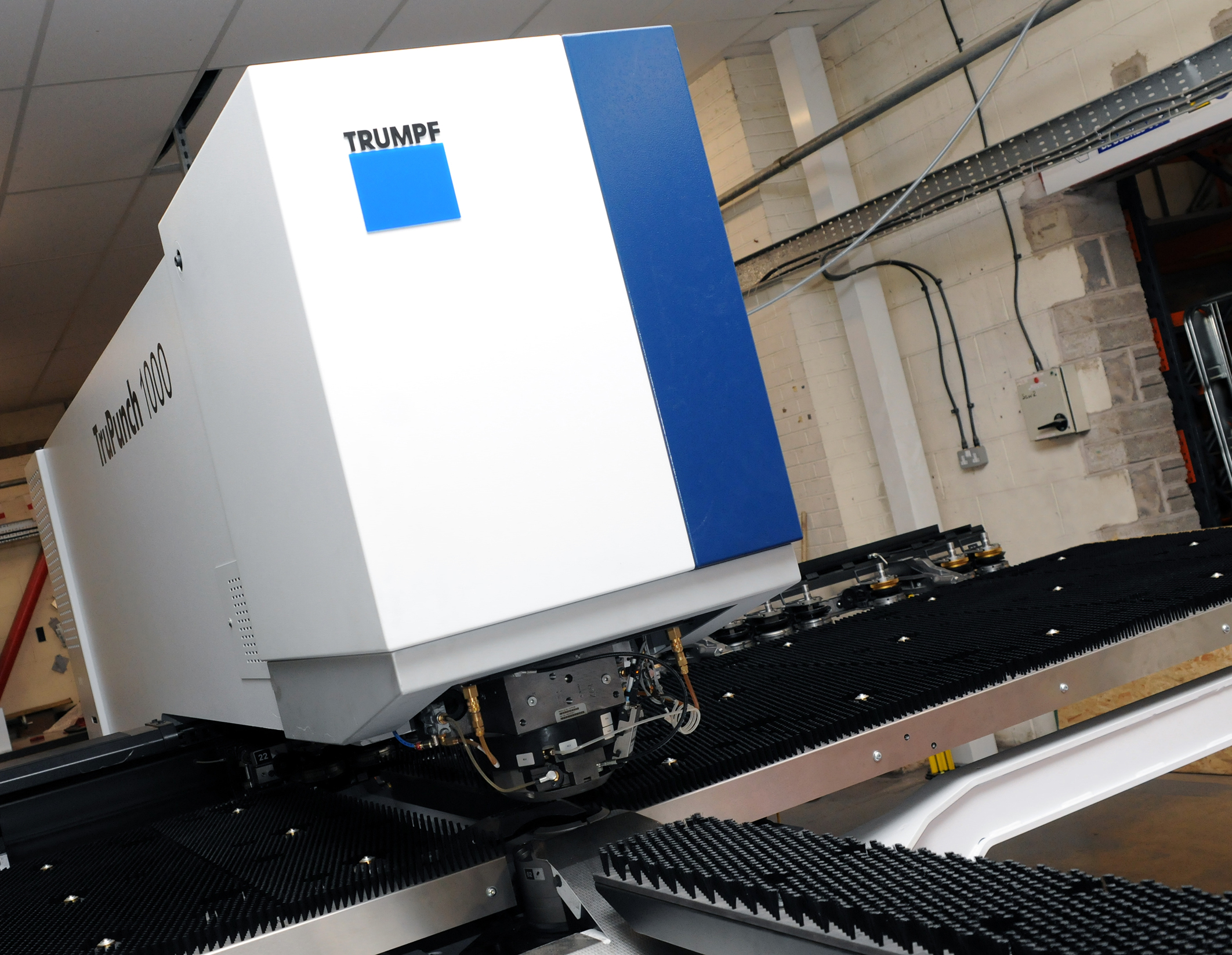
CMD INVESTS £1/4 MILLION IN NEW MACHINE AS PART OF FACTORY UPGRADE

We have invested in a new £1/4m TRUMPF CNC metal punch as part of an asset renewal strategy for our UK manufacturing capability. The new machine will be used in the production of a wide variety of our power distribution systems and workstation power products at our Rotherham factory. Suitable for handling sheet metal between 0.9mm and 3.0mm thick, the new machine will replace one...

Read more
CMD CATALOGUE PROVIDES TECHNICAL POWER DISTRIBUTION GUIDE

CMD Ltd has released a new catalogue, providing an easy to follow technical guide to our power distribution systems and plug and play desk modules. Detailing CMD’s full range of UK-manufactured power distribution systems and plug and play desk modules, the catalogue will be a helpful source of information to M&E engineers and contractors alike to understand how our power distribution systems connect together and...

Read more
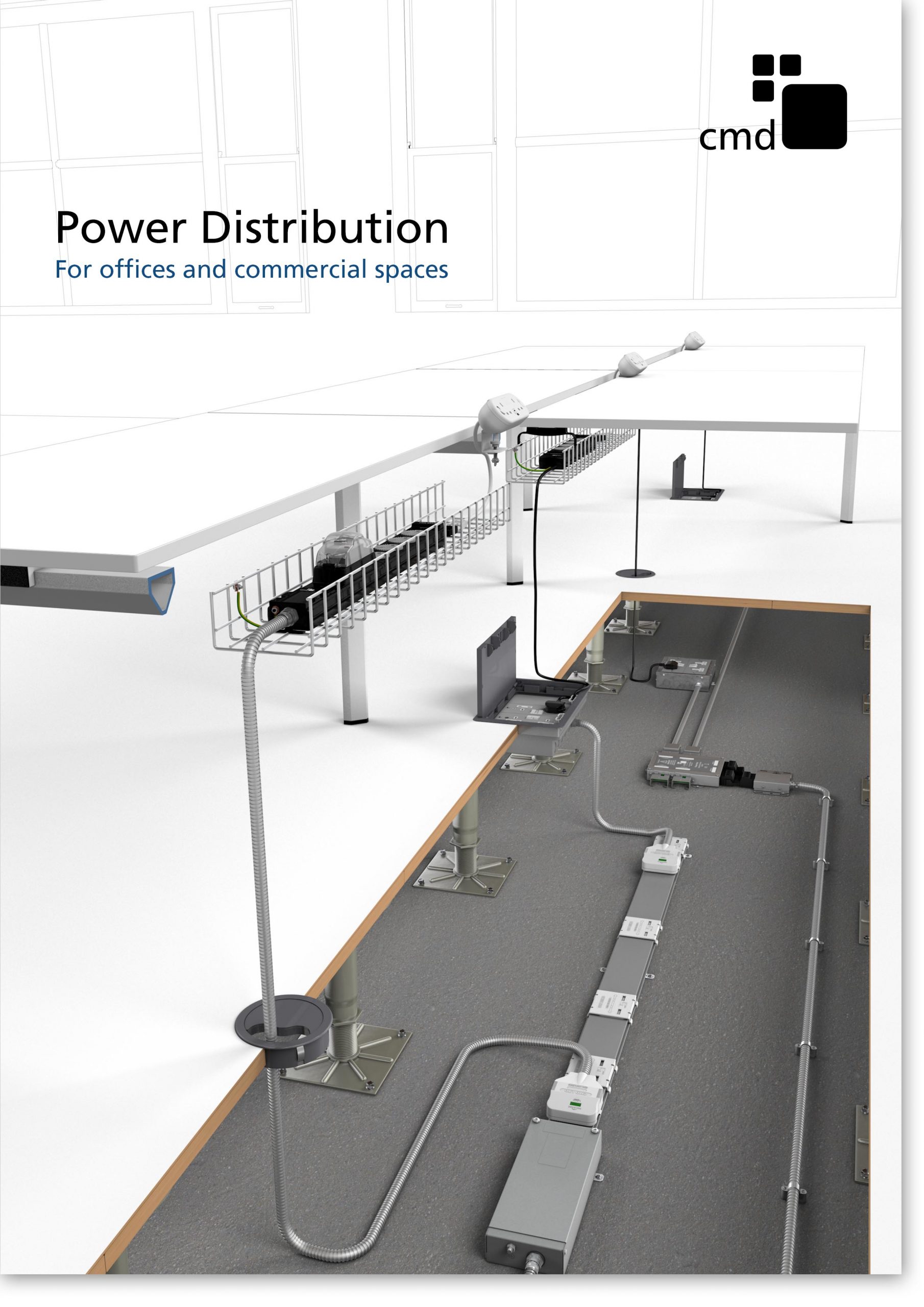
Power Distribution Catalogue
CMD Ltd PLAYS ESSENTIAL ROLE IN ELECTRICAL FIT OUT AT LONDON’S PRESTIGIOUS OFFICE DEVELOPMENT

CMD Ltd, specialist in workplace connectivity and ergonomic solutions, has provided a flexible and high-quality power distribution network for The Ray, a prestigious office development in London’s Farringdon. Well-known for being the former site of The Guardian newspaper, The Ray now stands as an 83,000ft² office development characterised by a modernised warehouse aesthetic, with level two now occupied by a global social media company. The...

Read more

The Ray
CMD plugs in to european opportunity with Schuko Capsule unit launch

CMD Ltd, the specialist in power and connectivity solutions for commercial environments, has launched a Schuko version of its popular fixed format Capsule workstation power module for export to mainland Europe and beyond. A popular on desk power module comprising two sockets and dual USB (type A and C) chargers, CMD’s Capsule unit is already widely specified in the UK as an off-the-shelf workstation power...

Read more
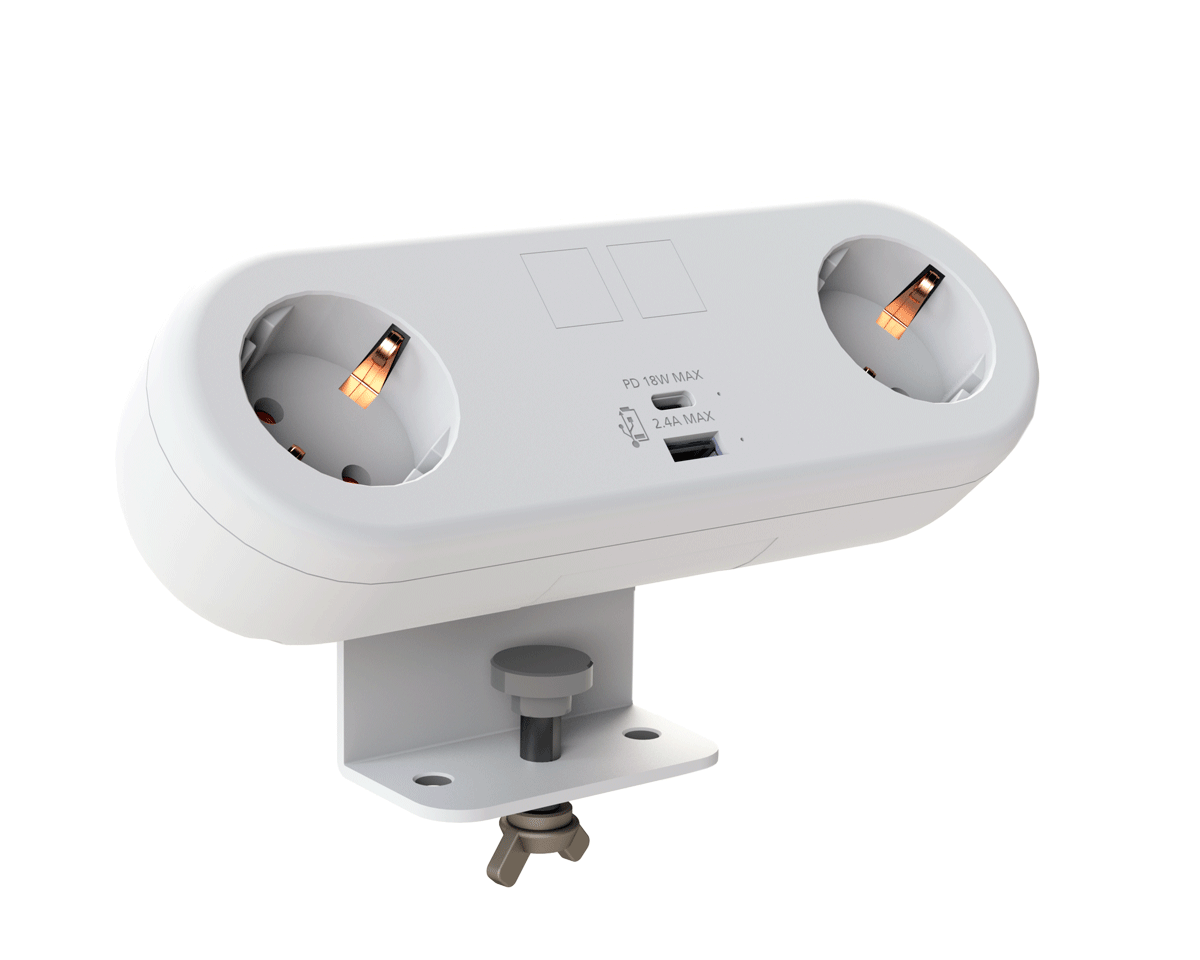
CMD White Schuko Capsule Desk Power Module
CMD LTD EXTENDS MONITOR ARM RANGE WITH THE LAUNCH OF REACH PLUS

CMD Ltd, the specialist in ergonomic and connectivity solutions for commercial interiors, has completed its Reach monitor arm range with the launch of the Reach Plus. Available in single or dual screen options, the Reach Plus has been designed to provide an ideal solution for both single and dual screen workstation configurations, or can be used with next generation of large format curved screens. Suitable...

Read more

CMD Ltd DEMONSTRATES THE ART OF POWER DISTRIBUTION AT THE UNIVERSITY OF WARWICK

CMD Ltd, the specialist in workplace connectivity and ergonomic solutions, has provided Betatrak busbar power distribution and a range of electrical accessories for two major capital investment projects at the University of Warwick. Designed by Fielden Clegg Bradley Studios, the £33 million Faculty of Arts building is a showpiece development comprising four interconnected structures set around a central atrium, which will enable inter-disciplinary collaboration across...

Read more

University of Warwick
CMD BRINGS HARMONY TO COVENTRY UNIVERSITY RESEARCH FACILITIES

CMD Ltd, the specialist in power distribution solutions and workstation power and ergonomics, has provided under desk and on desk power modules for the refurbishment of three Coventry University research buildings. Located on Coventry University Technology Park, a business park designed to encourage collaboration between the university and knowledge-based businesses, the three buildings are being repurposed as office accommodation for university research teams. The refurbishment...

Read more


Coventry University

What Is Airless Packaging and Why Do Buyers Choose It?

Airless Packaging is changing how brands protect and dispense creams, serums, lotions, and other sensitive formulations. Unlike a conventional jar, an airless container uses a piston or flexible inner system. The product moves upward as the package is pressed. Less air enters the chamber. That matters.

Grand View Research identifies rising demand for airless formats across cosmetics, personal care, and pharmaceutical applications. Its market analysis links this growth to product protection, controlled dispensing, and premium brand positioning. PMMI’s Beauty and Personal Care Packaging Trends report also highlights consumer interest in hygiene, convenience, sustainability, and packaging performance. Buyers increasingly expect one package to address all four.

In practical evaluations, purchasing teams examine more than appearance. They test pump consistency, leakage, transport durability, formula compatibility, and residual product. A serum should dispense smoothly on the first press, even after storage in a warm warehouse. The actuator should not clog. The container should also protect sensitive ingredients from repeated exposure to air, light, and fingers.

The choice is not automatic. Airless Packaging may improve product evacuation, but its components can complicate recycling. Material structure, refill options, and local recycling systems require careful review. This is where supplier documentation becomes important. Technical drawings, compatibility data, stability results, and quality certifications support more reliable decisions.

Some claims remain too broad. Not every formula needs airless protection, and not every airless pack delivers the same performance. Buyers should compare tested results, not attractive promises. The best solution balances formula safety, user experience, manufacturing efficiency, and end-of-life expectations. That balance is still evolving.

What Is Airless Packaging and Why Do Buyers Choose It?

What Is Airless Packaging?

Airless packaging is a dispensing system designed to limit air contact with the product. Unlike a traditional bottle with a dip tube, it uses a moving piston or flexible inner pouch. When you press the pump, the product rises from the bottom. The container gradually collapses.

This structure helps protect creams, serums, lotions, and other sensitive formulas from oxygen, dust, and repeated finger contact. It can also deliver controlled doses, which makes daily use cleaner and more consistent.

In practical packaging evaluations, I often notice less product left around the container walls. That sounds minor, but it affects customer satisfaction.

Airless systems are not completely air-free. A small amount of air may remain during filling or after opening. Packaging compatibility still matters, especially with thick formulas or unusual ingredients. Some containers may also be harder to recycle because they combine several materials. Buyers should examine performance, material choices, and end-of-life handling instead of trusting the word “airless” alone.

Tips: Test the pump with the actual formula. Check whether one press delivers the right amount. Store a sample upright and observe leakage, clogging, or changes in texture. Leave room for improvement; early testing can reveal problems that attractive packaging hides.

How Does Airless Packaging Work?

What Is Airless Packaging and Why Do Buyers Choose It?

How Does Airless Packaging Work?

Airless packaging uses a sealed container, a movable piston, and a pump mechanism. When you press the actuator, the pump creates pressure inside the dispensing chamber. A small valve opens, pushing cream, lotion, or serum through the nozzle. The piston then moves upward as the product leaves. This action replaces the empty space without pulling outside air into the container.

The sealed design can help reduce oxidation, contamination, and product drying. It also supports more controlled dosing, which is useful when applying a measured amount each time. In practical testing, the first pump may need several presses before the product appears. That detail is easy to overlook. Formula thickness, temperature, and filling accuracy can also affect performance. Airless does not mean waste-free. A small amount may remain near the piston or inside the pump path.

Tips: Store the package upright and keep the nozzle clean. Avoid using sharp tools to open it, because they may damage the sealed mechanism. Test the formula with the complete package before production. A thick product may need a wider outlet, while a thin formula may require tighter valve control. Small adjustments matter.

What Is Airless Packaging and Why Do Buyers Choose It? - How Does Airless Packaging Work?

Data Dimension Airless Packaging Data Why Buyers Choose It
Definition A dispensing system that delivers product without requiring air to enter the main product chamber during normal use. Helps protect formulas from repeated exposure to air and supports controlled dispensing.
Core working mechanism A pump creates pressure, while a piston or flexible inner pouch moves upward as the product is dispensed. The product is pushed toward the actuator instead of being lifted through a conventional dip tube.
Air intake The main product chamber is designed to remain substantially closed; air may enter the outer container or surrounding cavity in some designs. Reduces direct contact between the formula and external air compared with open-jar packaging.
Typical dispensing output Many cosmetic and personal-care pumps dispense approximately 0.2–1.5 mL per actuation, depending on pump design and product viscosity. Supports repeatable dosing and can help reduce over-dispensing.
Product evacuation Well-designed systems can typically dispense a high percentage of the filled product, although actual results depend on viscosity, geometry, and formulation. Can reduce residual product left in the package and improve perceived value.
Formula compatibility Commonly used for creams, lotions, gels, serums, foundations, and other medium- to high-viscosity products; compatibility testing is required. Suitable for formulas that may be sensitive to oxygen, contamination, evaporation, or repeated user contact.
Preservative requirements Airless packaging can reduce contamination opportunities but does not automatically make a product preservative-free or sterile. May support a preservation strategy, but the final formula still requires microbiological and stability testing.
Protection from oxidation Limits repeated air exchange compared with an open container; light protection depends on the material, color, and secondary packaging. Can help maintain color, fragrance, texture, and performance in oxygen-sensitive formulas.
Hygiene and user contact The actuator or nozzle dispenses the formula without requiring fingers to enter the product chamber. Offers a cleaner user experience and may reduce direct contact-related contamination.
Priming requirement The pump may require several initial actuations to fill the dispensing pathway before the first dose appears. A properly designed system provides reliable dispensing after initial priming.
Orientation during use Many airless packs can work in multiple orientations, but the recommended position depends on the pump, formula, and container design. Can improve convenience for travel, storage, and daily use when the design is tested for the intended orientation.
Refill and reuse potential Refillability varies. Some systems use replaceable inner cartridges, while others are sealed single-use assemblies. Refillable designs may reduce packaging waste, provided cleaning, compatibility, and dispensing performance are validated.
Material options Common components include plastics, elastomers, metals, and multilayer structures; the exact material combination depends on barrier and compatibility needs. Allows designers to balance chemical resistance, appearance, barrier performance, weight, and cost.
Sustainability considerations Environmental performance depends on recycled content, material quantity, refillability, component separation, and local recycling infrastructure. Buyers can reduce product waste, but “airless” alone does not guarantee recyclability or a lower total environmental impact.
Key purchase criteria Dose accuracy, evacuation rate, formula compatibility, barrier performance, leakage resistance, priming behavior, recyclability, and total cost. These factors help buyers select a system that protects the formula while meeting user, regulatory, manufacturing, and sustainability requirements.

What Are the Main Types and Components?

Airless packaging uses pressure, not a traditional dip tube, to move a formula upward. Its main types include piston bottles, bag-in-bottle systems, airless tubes, and airless jars. A piston bottle has a movable base that rises after each pump. A bag-in-bottle design compresses a flexible inner pouch. Airless tubes usually combine a collapsible body with a one-way dispensing valve. Airless jars often hide a piston beneath the product chamber. The distinction is not always clean. Some packages combine these structures.

The core components are practical and closely linked. They include the outer container, product reservoir, piston or pouch, pump, actuator, valve, gasket, and protective overcap. Most designs avoid a long dip tube, which helps reduce leftover product. A sealed chamber also limits repeated air exposure, supporting formula stability. According to Grand View Research’s Airless Packaging Market report, the global market was valued at more than US$5 billion in 2022, with steady growth projected through 2030. Smithers’ packaging outlook also identifies material reduction and recyclability as major development priorities. Yet an airless pump is not automatically sustainable. Mixed materials can complicate recycling, and some mechanisms use more plastic than simple jars. McKinsey’s 2023 packaging research found that roughly 60–70% of consumers consider sustainable packaging important, but convenience still influences purchase decisions. Buyers therefore compare dose control, protection, residue, and disposal options. A neat package can still create waste.

Why Do Buyers Choose Airless Packaging?

Buyers often choose airless packaging because it helps protect product performance during daily use. A movable piston or flexible inner bag pushes the formula upward without drawing air back into the container. This can reduce oxidation, drying, and contamination from repeated finger contact. It matters for creams, serums, and formulas containing sensitive oils or active ingredients. The protection is practical, not magical.

A controlled dose is another strong reason. Each pump can deliver a consistent amount, helping users avoid dispensing too much product. This supports cleaner routines and more predictable use over time. In practical packaging evaluations, buyers also examine the pump near the end. Good systems leave little residue, though “little” does not mean zero. Customers notice smooth action, a quiet reset, and a clean nozzle after several weeks. Small details often build trust better than decorative claims.

Airless formats can improve convenience during travel and shared use. The closed dispensing path limits direct exposure to hands and bathroom humidity. However, buyers should test viscosity, material compatibility, dispensing speed, and recycling instructions before committing. Some thick formulas may move slowly, while poorly matched components can clog or stop early. The system also may not suit every product. That trade-off deserves honest testing.

What Are Its Limitations and Best Applications?

Airless packaging uses a pump to move product upward without a traditional dip tube. As the container empties, an internal piston rises. This design limits contact with air, fingers, and repeated opening. In practical packaging evaluations, it can help protect oxidation-sensitive creams, serums, and lotions. It also dispenses measured portions, reducing messy overuse. Yet “airless” does not mean completely airtight. Seals can weaken, and formulas still need proper preservation and stability testing. That distinction matters when buyers compare performance claims.

Its limitations deserve equal attention. Airless packs often cost more than simple jars or squeeze tubes. Some viscous formulas may dispense slowly, especially in cooler rooms. Granules, powders, and products with large particles can block the pump. The package may also be harder to inspect because users cannot easily see the remaining amount. Recycling can become complicated when several materials are bonded together. Poorly matched pumps create waste, too. A few final doses may stay trapped inside. That is frustrating, and it can influence repeat purchases. Airless packaging suits high-value, sensitive formulas used in small, consistent doses. It works well for facial care, eye products, and professional treatment creams. It is less suitable when users need wide access, visual checking, or complete emptying.

Tips: Test the formula and package together under heat, cold, and repeated pumping. Check dose accuracy after storage. Ask whether users can remove the final portion safely and conveniently. Measure actual product loss, not just the advertised fill volume. If the package feels premium but wastes product, the design needs another review. Buyers should compare protection, usability, cost, and disposal—not appearance alone.

Airless Packaging: Best Applications and Key Limitations

Relative suitability guide based on airless packaging mechanics. Airless systems reduce repeated air exchange and product backflow, making them especially suitable for oxygen-sensitive, preservative-reduced, or premium leave-on formulas. They are less suitable for products that require aerosolization, very large-volume dispensing, or unrestricted access to the entire container.

Score: 1 = limited fit, 5 = strong fit. Scores represent a technical suitability assessment rather than market-share or laboratory test data.

Article Source: