

News

Miro: A New Standard in Responsible Innovation

Miro: A New Standard in Responsible Innovation The Miro monitor arm is setting new benchmarks in sustainability. It offers a high-performance solution without compromising on environmental responsibility. Designed with careful material selection, local sourcing, and longevity in mind, Miro’s responsible approach to design and unique manoeuvrability set it apart from the competition. Sustainable Choices Miro is crafted from energy-efficient materials with a lower carbon impact....

Read more
HSE Advisor

Role Purpose Support in the development, implementation and maintenance of the company’s Health, Safety & Environmental policies, processes, operational procedures, and standards.  Ensuring best practice and championing a continually improving HSE culture within the business. Key Responsibilities Liaise with and provide support to all areas of the business to eliminate, mitigate or reduce identified HSE exposures. Partner with the production management team and team leaders,...

Read more
CMD Ltd LAUNCHES 48-HOUR TURNAROUND ON BETATRAK® RAPID ORDERING SERVICE

CMD Ltd, the specialist in power distribution systems, workstation power and monitor arms, has launched a rapid ordering service for its Betatrak® underfloor powertrack distribution systems and accessories, with a commitment to delivering within 48-hours of an approved purchase order*. The service enables customers to order up to 50 lengths of Standard or Clean Earth (C/E) low noise Betatrak, along with up to 25 feed...

Read more

CMD INVESTS £1/4 MILLION IN NEW MACHINE AS PART OF FACTORY UPGRADE

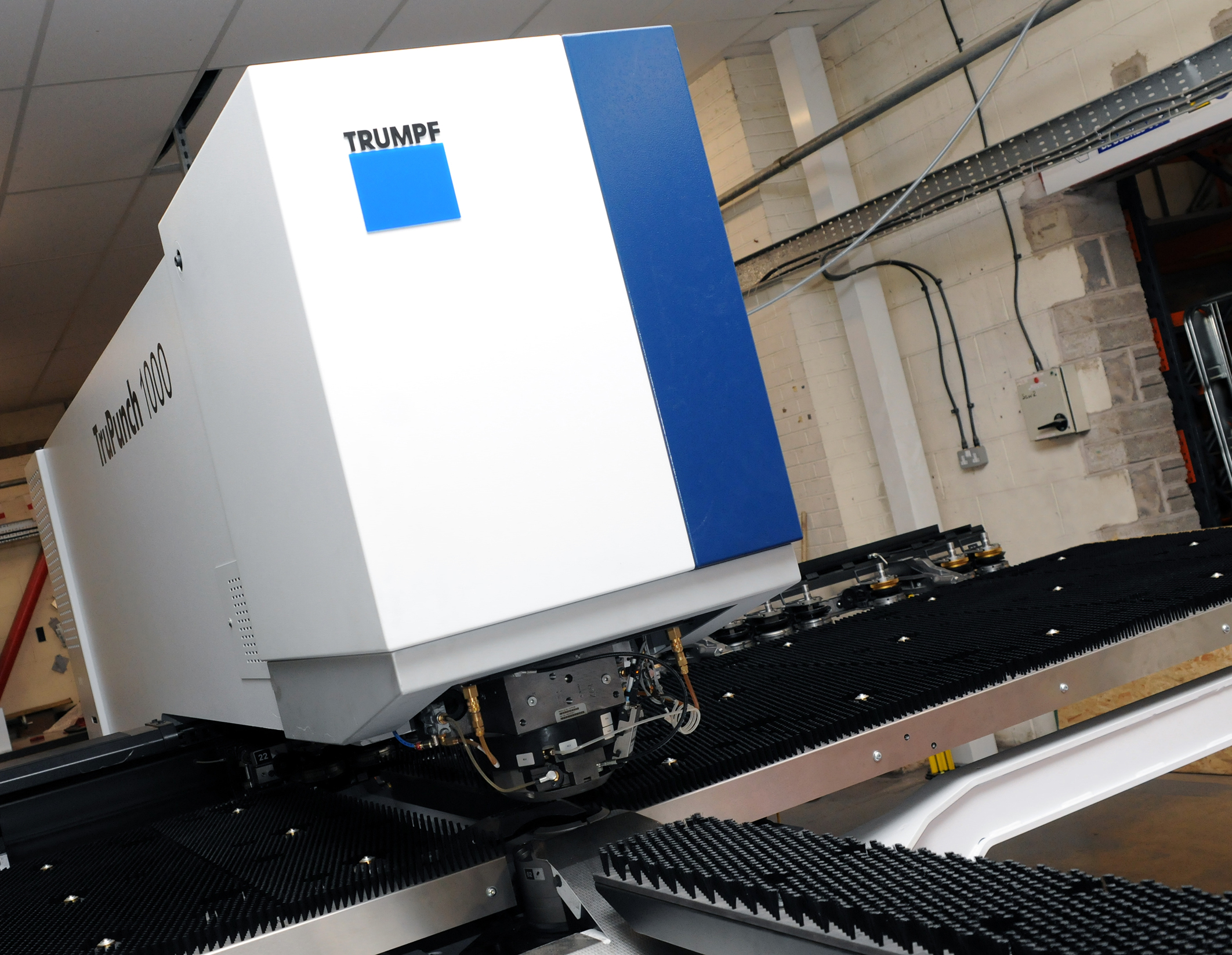
We have invested in a new £1/4m TRUMPF CNC metal punch as part of an asset renewal strategy for our UK manufacturing capability. The new machine will be used in the production of a wide variety of our power distribution systems and workstation power products at our Rotherham factory. Suitable for handling sheet metal between 0.9mm and 3.0mm thick, the new machine will replace one...

Read more
CMD CATALOGUE PROVIDES TECHNICAL POWER DISTRIBUTION GUIDE

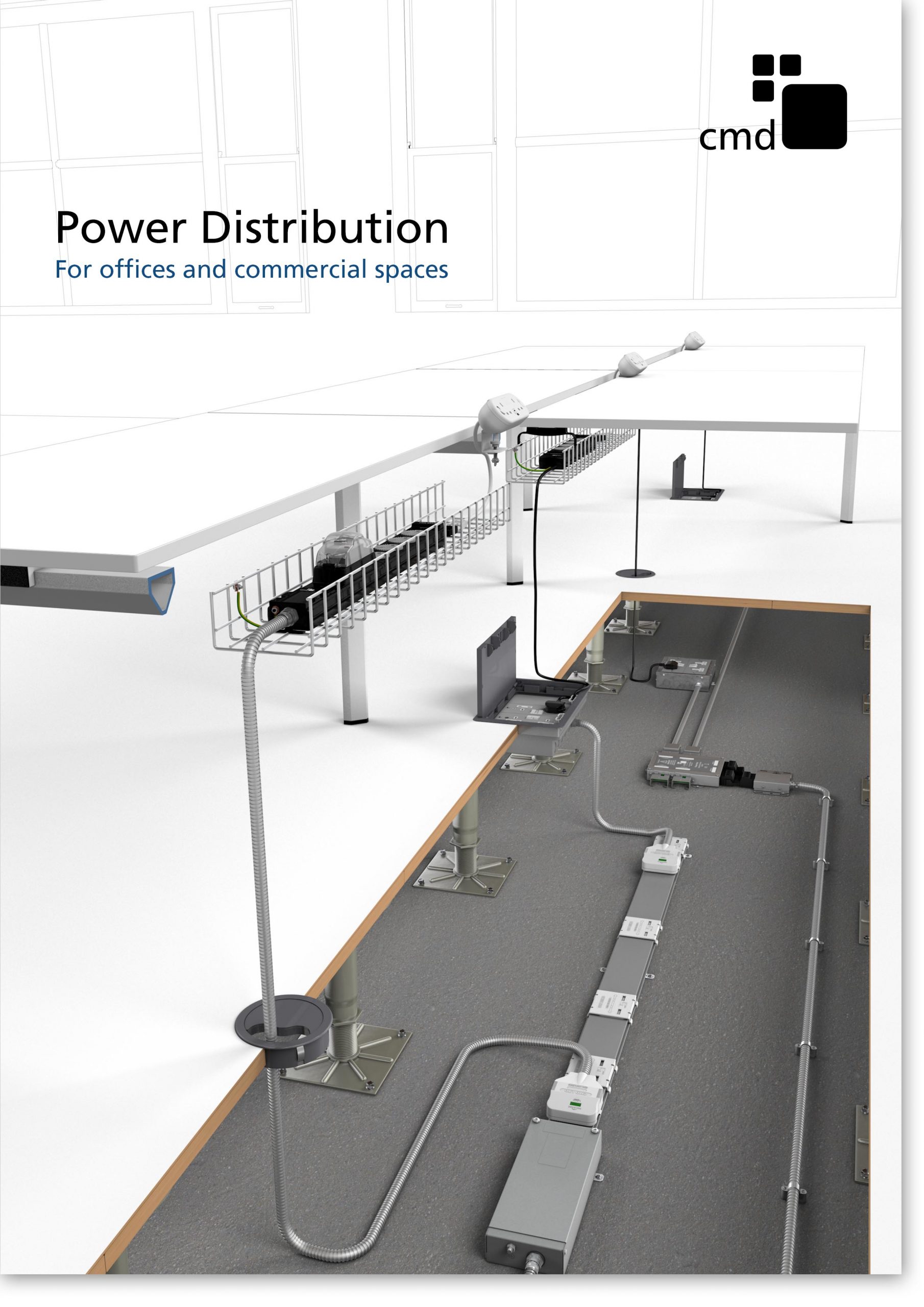
CMD Ltd has released a new catalogue, providing an easy to follow technical guide to our power distribution systems and plug and play desk modules. Detailing CMD’s full range of UK-manufactured power distribution systems and plug and play desk modules, the catalogue will be a helpful source of information to M&E engineers and contractors alike to understand how our power distribution systems connect together and...

Read more
Power Distribution Catalogue
CMD Ltd PLAYS ESSENTIAL ROLE IN ELECTRICAL FIT OUT AT LONDON’S PRESTIGIOUS OFFICE DEVELOPMENT

CMD Ltd, specialist in workplace connectivity and ergonomic solutions, has provided a flexible and high-quality power distribution network for The Ray, a prestigious office development in London’s Farringdon. Well-known for being the former site of The Guardian newspaper, The Ray now stands as an 83,000ft² office development characterised by a modernised warehouse aesthetic, with level two now occupied by a global social media company. The...

Read more

The Ray
CMD plugs in to european opportunity with Schuko Capsule unit launch

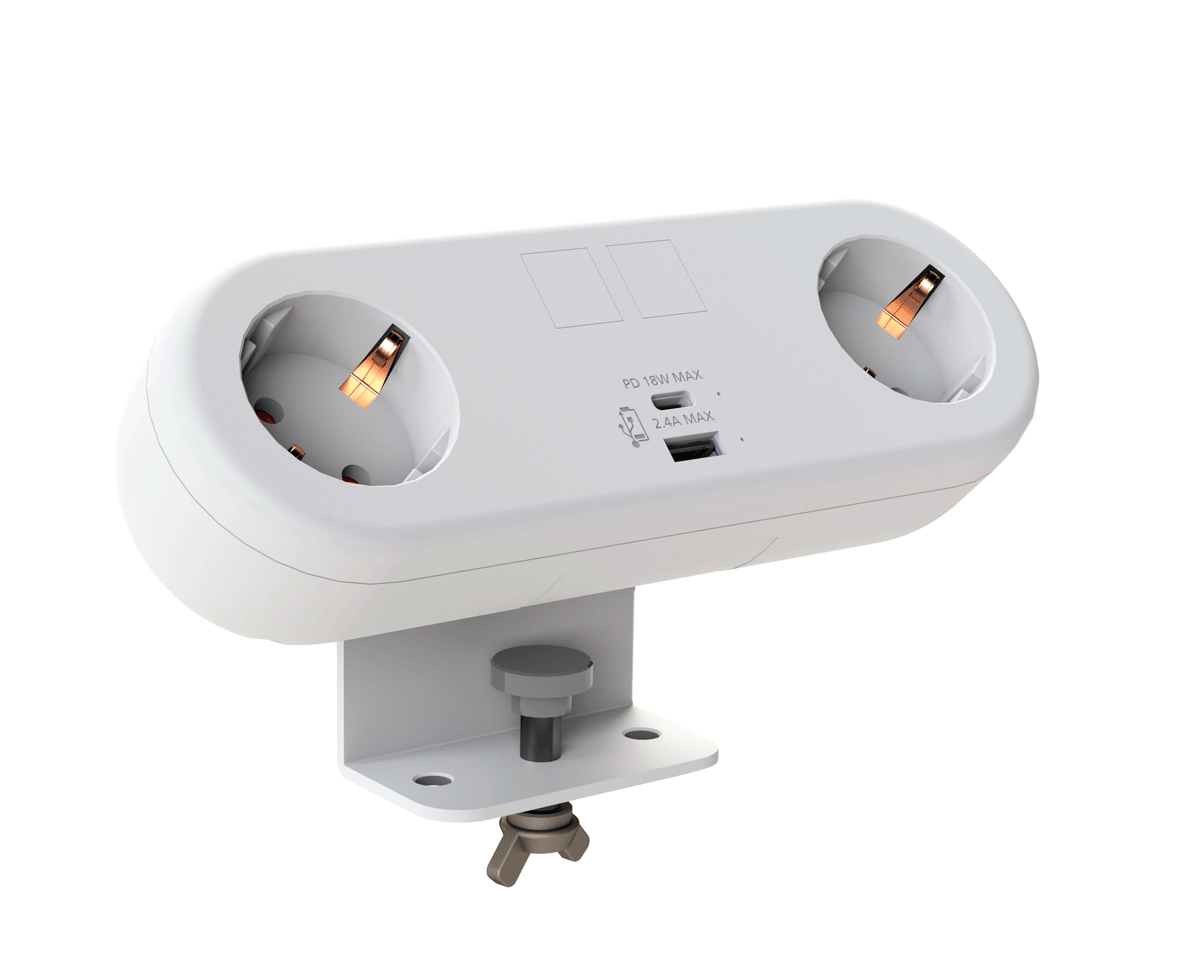
CMD Ltd, the specialist in power and connectivity solutions for commercial environments, has launched a Schuko version of its popular fixed format Capsule workstation power module for export to mainland Europe and beyond. A popular on desk power module comprising two sockets and dual USB (type A and C) chargers, CMD’s Capsule unit is already widely specified in the UK as an off-the-shelf workstation power...

Read more
CMD White Schuko Capsule Desk Power Module
CMD LTD EXTENDS MONITOR ARM RANGE WITH THE LAUNCH OF REACH PLUS

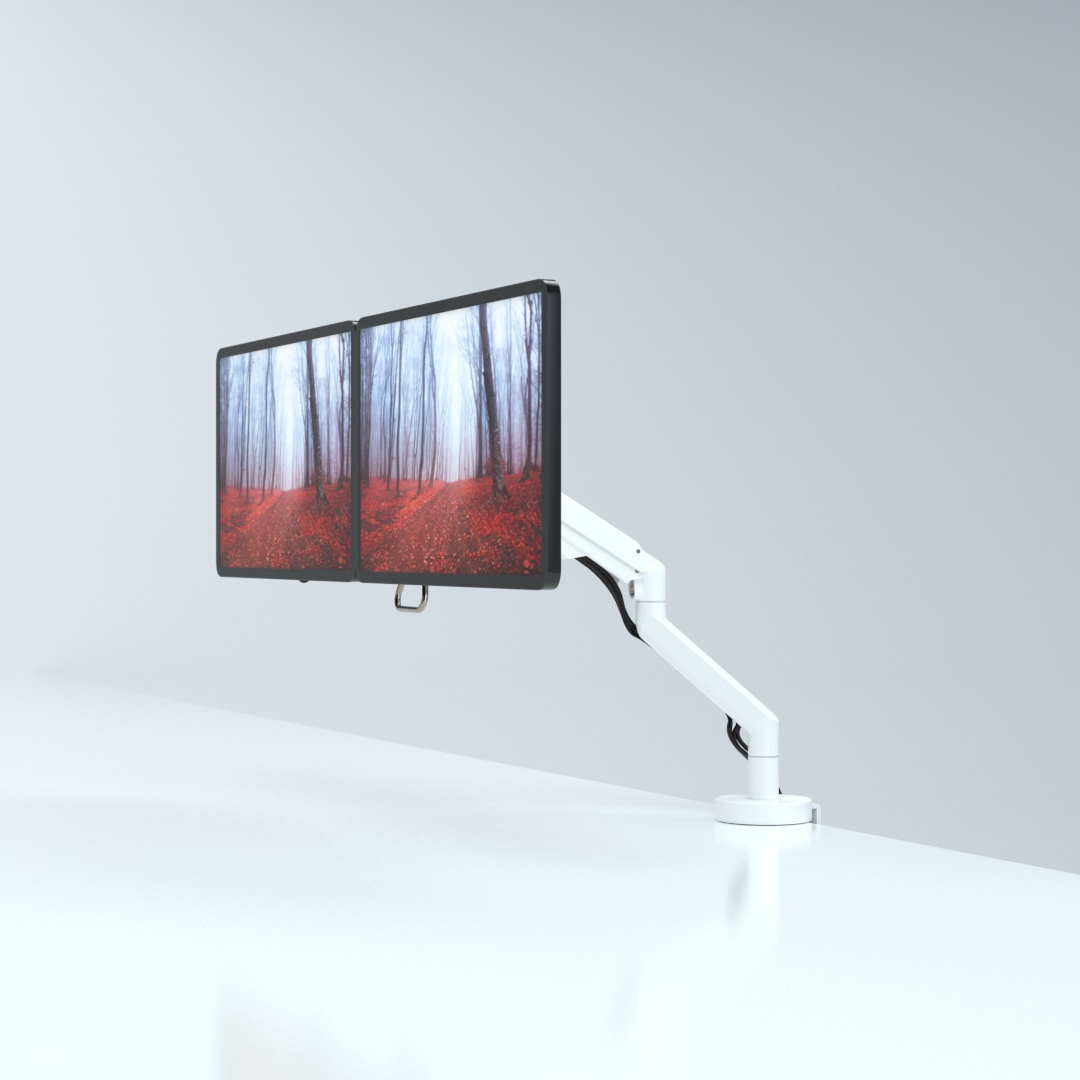
CMD Ltd, the specialist in ergonomic and connectivity solutions for commercial interiors, has completed its Reach monitor arm range with the launch of the Reach Plus. Available in single or dual screen options, the Reach Plus has been designed to provide an ideal solution for both single and dual screen workstation configurations, or can be used with next generation of large format curved screens. Suitable...

Read more
CMD Ltd DEMONSTRATES THE ART OF POWER DISTRIBUTION AT THE UNIVERSITY OF WARWICK

CMD Ltd, the specialist in workplace connectivity and ergonomic solutions, has provided Betatrak busbar power distribution and a range of electrical accessories for two major capital investment projects at the University of Warwick. Designed by Fielden Clegg Bradley Studios, the £33 million Faculty of Arts building is a showpiece development comprising four interconnected structures set around a central atrium, which will enable inter-disciplinary collaboration across...

Read more

University of Warwick
CMD BRINGS HARMONY TO COVENTRY UNIVERSITY RESEARCH FACILITIES

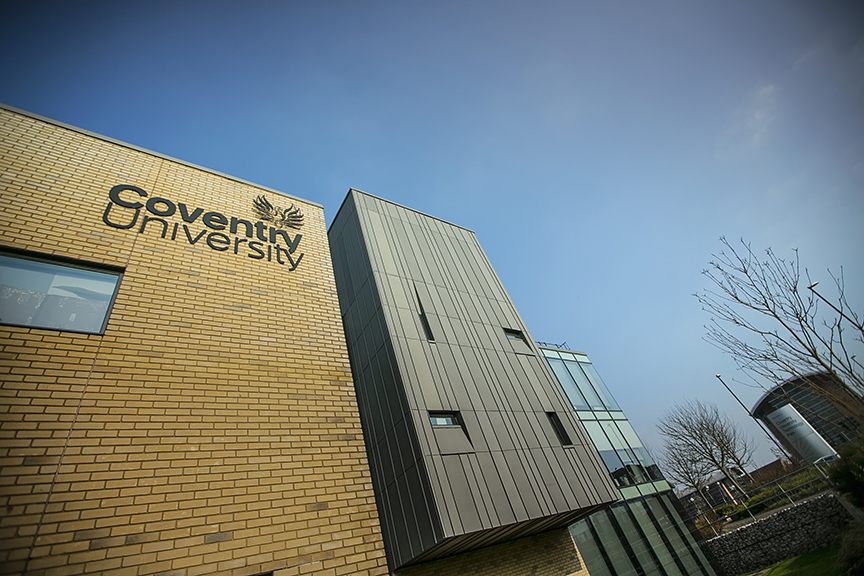
CMD Ltd, the specialist in power distribution solutions and workstation power and ergonomics, has provided under desk and on desk power modules for the refurbishment of three Coventry University research buildings. Located on Coventry University Technology Park, a business park designed to encourage collaboration between the university and knowledge-based businesses, the three buildings are being repurposed as office accommodation for university research teams. The refurbishment...

Read more
Coventry University

2026 Top Wind Turbine Trends for Global Buyers Insights?

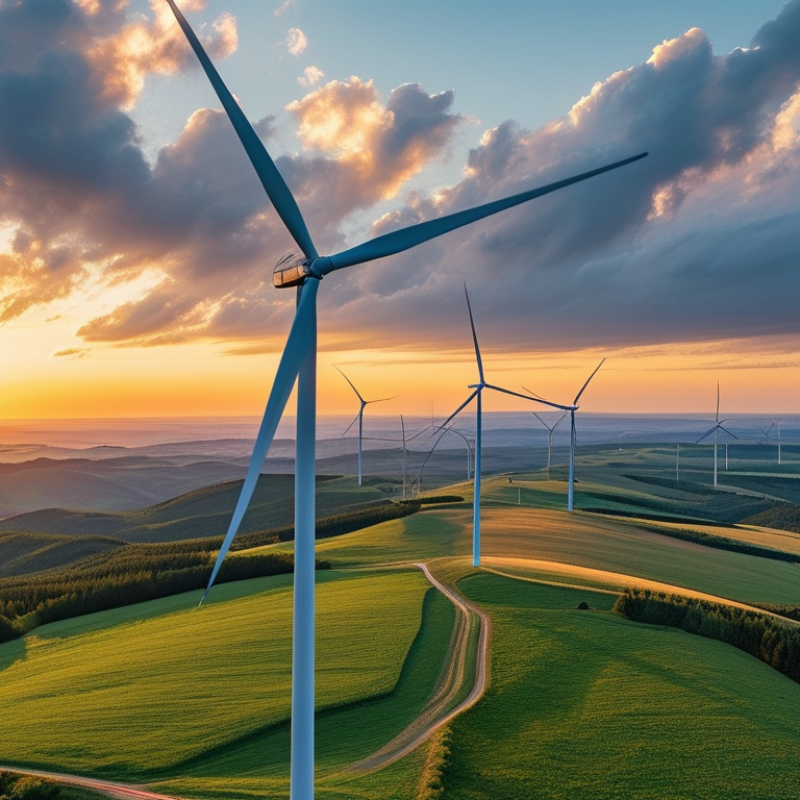
As the world shifts towards renewable energy, the role of wind turbines becomes increasingly significant. The market for wind turbines is rapidly evolving. Buyers must understand the latest trends to make informed decisions.

In 2026, new technologies are reshaping the wind turbine landscape. Innovations include larger blade designs and enhanced materials. These developments improve efficiency and cost-effectiveness. Moreover, sustainability is a growing focus. Wind turbine manufacturers are adopting greener practices. However, challenges in the supply chain persist.

Buyers need insights into these trends to navigate a complex market. Understanding the implications of advancements can lead to better investments. The wind turbine industry will continue to grow, providing opportunities and potential pitfalls. Awareness of these factors is crucial for making reliable purchasing choices.

2026 Top Wind Turbine Trends for Global Buyers Insights?

Emerging Technologies in Wind Turbine Design and Efficiency Improvement

The wind energy sector is rapidly evolving, with new technologies reshaping turbine design and efficiency. Current research from the Global Wind Energy Council (GWEC) indicates that the implementation of advanced composite materials can enhance turbine performance by 15%. These materials reduce weight and improve durability, thus extending the operational lifespan of turbines.

Innovations in aerodynamics are also a significant focus. Studies reveal that new blade designs with optimized profiles can increase energy capture by up to 20%. This improvement translates directly into more efficient energy generation. Moreover, digital technologies like IoT sensors enable real-time monitoring of turbine performance, allowing for predictive maintenance. According to a recent report by BloombergNEF, these technologies could reduce operational costs by roughly 10%.

However, challenges remain in integrating these new technologies effectively. Installation and maintenance costs often deter broader adoption. Furthermore, reliance on cutting-edge materials may lead to supply chain vulnerabilities. The industry needs to address these obstacles while maintaining a focus on sustainability. As we move toward 2026, the balance between innovation and reliability will define the next phase of wind turbine development.

Market Forecast: Projected Growth of the Wind Energy Sector by 2026

The wind energy sector is poised for significant growth by 2026, driven by technological advancements and increasing demand for renewable sources. According to a recent report from the Global Wind Energy Council, global installed wind power capacity is projected to surpass 1,200 gigawatts by 2026. This reflects an annual growth rate of around 10%, demonstrating strong momentum in the industry.

Investment in wind energy projects is expected to hit over $100 billion globally by 2026. Emerging markets, particularly in Asia and Africa, are leading this charge. Countries like India and China are ramping up efforts to expand their renewable energy capacities. The global shift towards net-zero emissions policies also plays a pivotal role in this growth.

However, challenges remain. Supply chain disruptions affect equipment availability for new projects. Regulatory uncertainties may hinder investment in some regions. Addressing these obstacles is crucial for sustaining growth. Industry experts emphasize the need for innovation and collaboration across sectors. Wind energy’s evolution will rely not only on technology but also on resilient infrastructure and sound policies.

2026 Top Wind Turbine Trends for Global Buyers Insights

Trend Category Description Projected Growth (%) Key Markets
Technological Advancements Integration of AI and IoT for improved efficiency. 15% North America, Europe
Offshore Wind Farms Expansion of offshore facilities for higher capacity generation. 20% Asia-Pacific, Europe
Sustainability Focus Increasing demand for eco-friendly materials and designs. 25% Global
Grid Integration Improved grid infrastructure to support wind energy. 18% North America, Europe, Asia
Community-Based Projects Engagement of local communities in wind energy projects. 22% Local Markets, Europe, North America

Sustainability Trends Driving Wind Turbine Material Innovations

The push for sustainability is reshaping the wind turbine industry in exciting ways. Material innovations are at the forefront of this transformation. Manufacturers are now focusing on lighter, stronger composites that enhance efficiency while reducing environmental impact. This shift is essential in meeting rising energy demands with less carbon footprint.

Recyclability is another key factor driving material choices. Turbines that can be easily dismantled and restored are gaining traction. This process not only minimizes waste but also promotes a circular economy. Yet, some challenges persist. The durability of these new materials in harsh conditions is still under scrutiny. Ongoing research is crucial to address these concerns and ensure reliability.

Additionally, the sourcing of raw materials raises ethical questions. Responsible mining practices are necessary to avoid damaging ecosystems. Transparency in supply chains is becoming a standard expectation among consumers and investors alike. As the industry evolves, balancing innovation with environmental stewardship remains a complicated but vital endeavor.

2026 Top Wind Turbine Trends for Global Buyers Insights

The Role of Digitalization and IoT in Optimizing Wind Farm Operations

The integration of digitalization and IoT technologies is reshaping the wind energy sector. According to the Global Wind Energy Council, the sector is expected to reach 1,000 GW of installed capacity by 2026. This shift enhances operational efficiency and addresses maintenance challenges in wind farms. Smart sensors collect real-time data to predict machinery failures, ultimately reducing downtime.

Tip: Embrace an IoT platform. It can streamline data management and improve decision-making.

Remote monitoring systems allow operators to access performance metrics from anywhere. This not only boosts operational efficiency but also leads to cost savings. A 2021 report highlighted that predictive maintenance could cut costs by 30% and extend turbine life. Adopting these technologies offers a competitive edge.

Tip: Regularly review your data analytics tools. Keep them upgraded to match industry standards.

Despite these advancements, challenges remain. Ensuring cybersecurity is crucial, as increasing connectivity can lead to vulnerabilities. Companies must be vigilant about protecting sensitive information. Staying proactive in addressing these challenges will ensure a sustainable and efficient future in wind energy.

Global Policy Influences on Wind Energy Adoption and Investment Strategies

Global policies significantly shape wind energy adoption. Many countries are setting ambitious renewable energy targets. Incentives like tax credits encourage investments. As a result, developers are more willing to take risks. Governments also create regulations that promote sustainability. These regulations can involve emission targets and renewable energy portfolios.

Investment strategies are evolving alongside policies. Investors now prioritize environmental, social, and governance (ESG) factors. This shift influences funding allocation in wind projects. However, not all policies are well-implemented. Bureaucratic red tape can delay projects, making swift action difficult. Stakeholders must navigate these challenges while remaining committed to their goals.

Market dynamics introduce added complexity. The supply chain faces obstacles from fluctuating raw material prices. Companies may struggle to maintain profitability amid these changes. Encouragingly, innovation in turbine technology can offset costs. Yet, developers need to stay vigilant about policy shifts and market trends. Adaptability will be crucial for long-term success in wind energy.