
News

Miro: A New Standard in Responsible Innovation

Miro: A New Standard in Responsible Innovation The Miro monitor arm is setting new benchmarks in sustainability. It offers a high-performance solution without compromising on environmental responsibility. Designed with careful material selection, local sourcing, and longevity in mind, Miro’s responsible approach to design and unique manoeuvrability set it apart from the competition. Sustainable Choices Miro is crafted from energy-efficient materials with a lower carbon impact....

Read more
HSE Advisor

Role Purpose Support in the development, implementation and maintenance of the company’s Health, Safety & Environmental policies, processes, operational procedures, and standards.  Ensuring best practice and championing a continually improving HSE culture within the business. Key Responsibilities Liaise with and provide support to all areas of the business to eliminate, mitigate or reduce identified HSE exposures. Partner with the production management team and team leaders,...

Read more
CMD Ltd LAUNCHES 48-HOUR TURNAROUND ON BETATRAK® RAPID ORDERING SERVICE

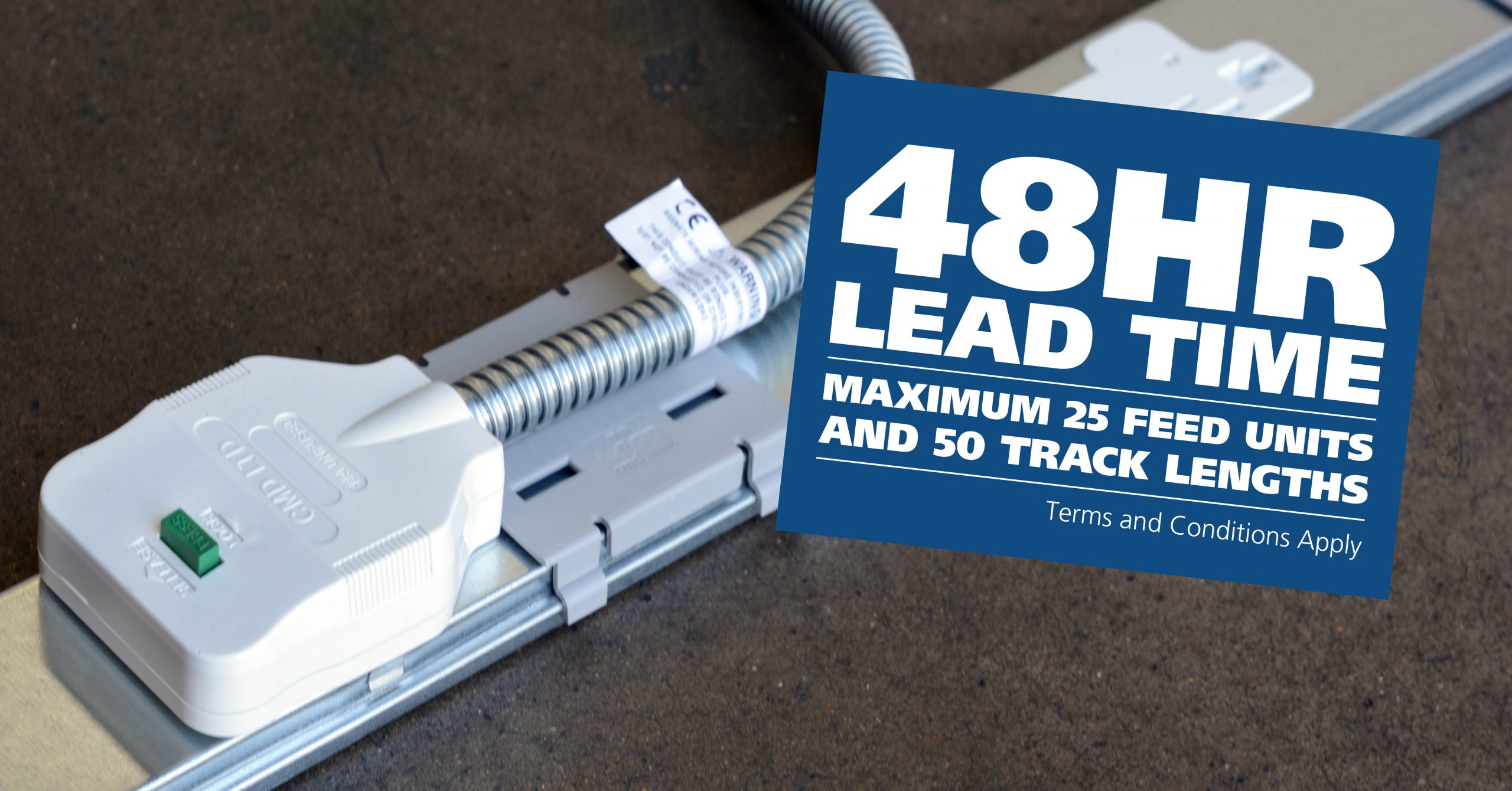
CMD Ltd, the specialist in power distribution systems, workstation power and monitor arms, has launched a rapid ordering service for its Betatrak® underfloor powertrack distribution systems and accessories, with a commitment to delivering within 48-hours of an approved purchase order*. The service enables customers to order up to 50 lengths of Standard or Clean Earth (C/E) low noise Betatrak, along with up to 25 feed...

Read more
CMD INVESTS £1/4 MILLION IN NEW MACHINE AS PART OF FACTORY UPGRADE

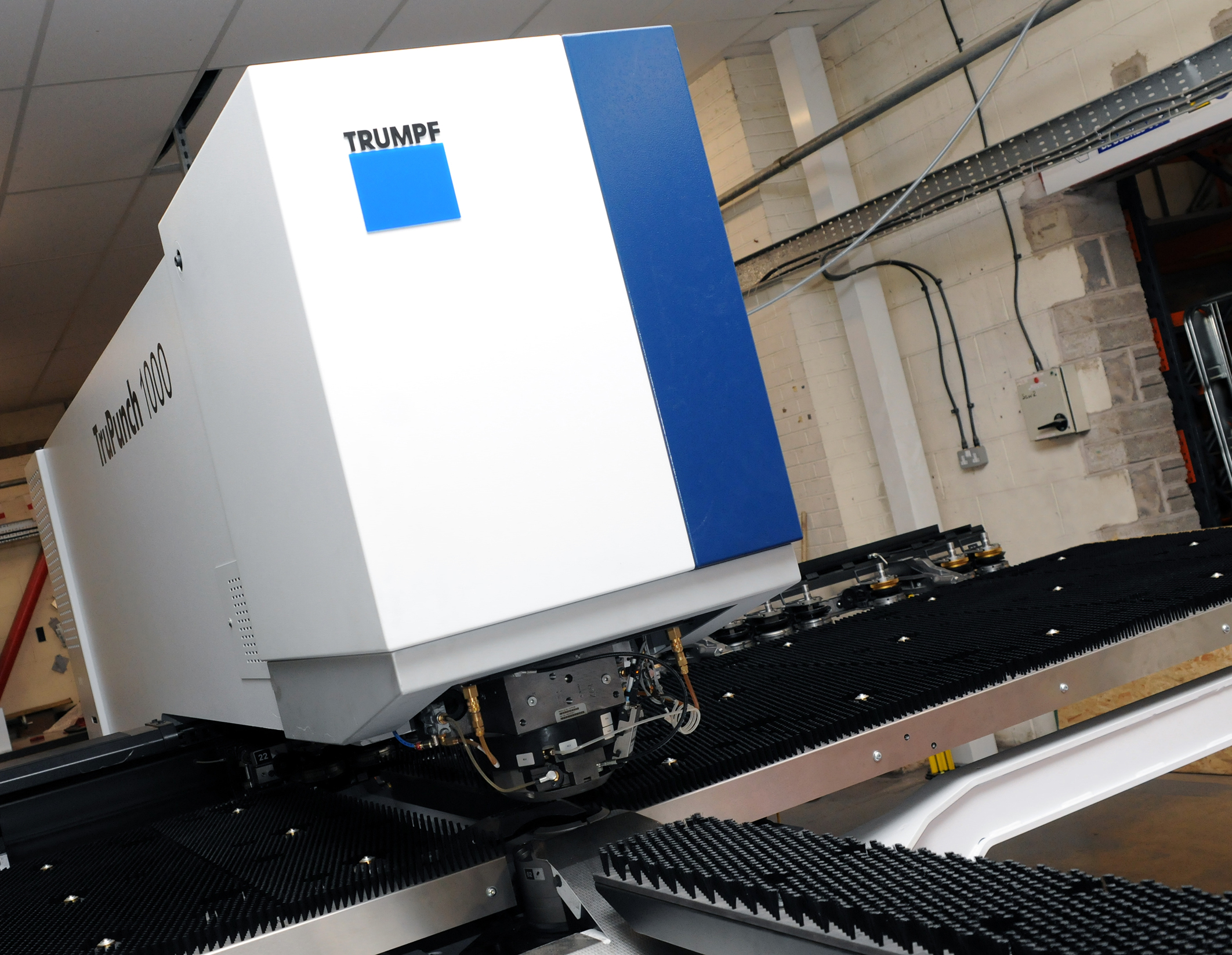
We have invested in a new £1/4m TRUMPF CNC metal punch as part of an asset renewal strategy for our UK manufacturing capability. The new machine will be used in the production of a wide variety of our power distribution systems and workstation power products at our Rotherham factory. Suitable for handling sheet metal between 0.9mm and 3.0mm thick, the new machine will replace one...

Read more
CMD CATALOGUE PROVIDES TECHNICAL POWER DISTRIBUTION GUIDE

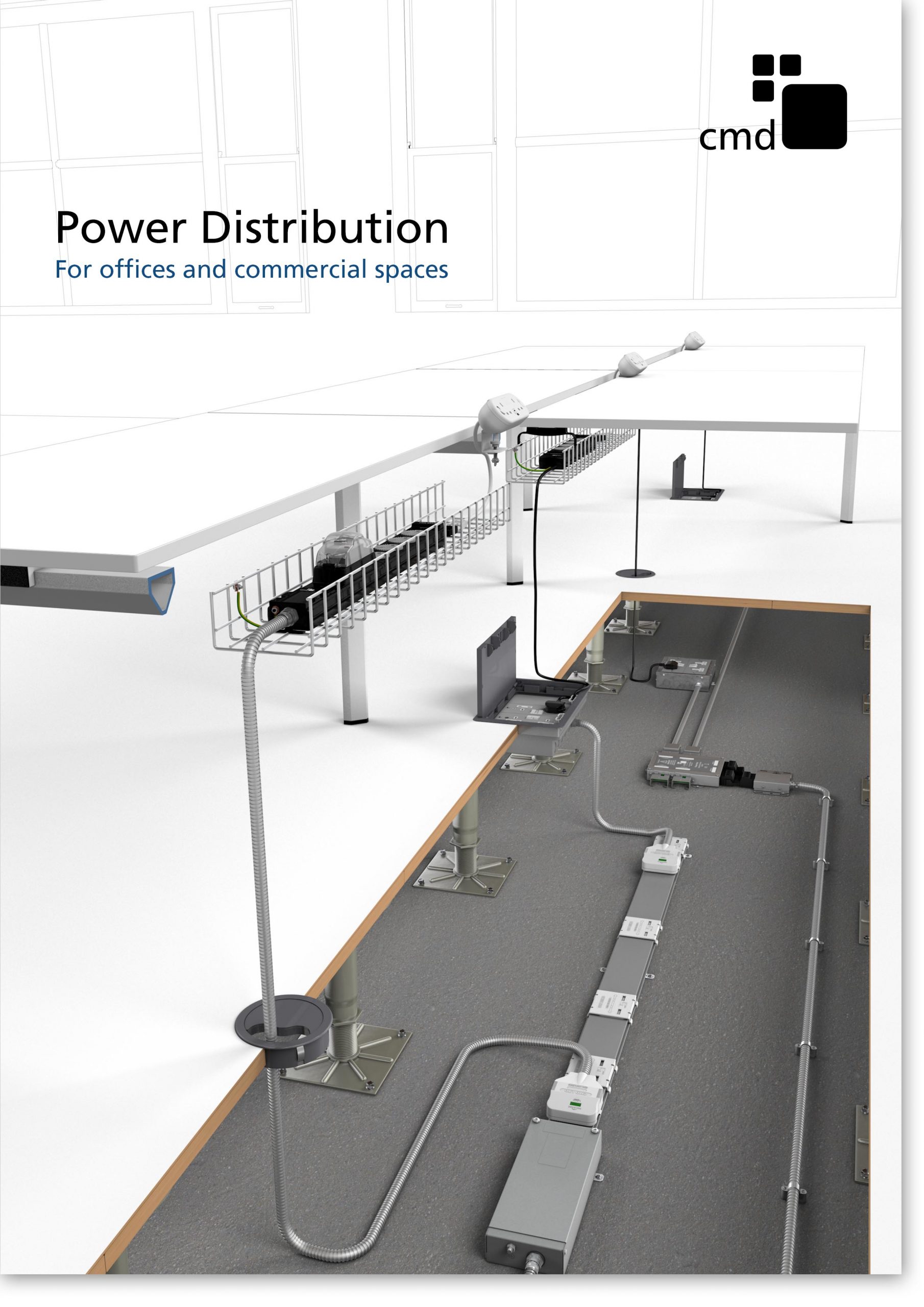
CMD Ltd has released a new catalogue, providing an easy to follow technical guide to our power distribution systems and plug and play desk modules. Detailing CMD’s full range of UK-manufactured power distribution systems and plug and play desk modules, the catalogue will be a helpful source of information to M&E engineers and contractors alike to understand how our power distribution systems connect together and...

Read more
Power Distribution Catalogue
CMD Ltd PLAYS ESSENTIAL ROLE IN ELECTRICAL FIT OUT AT LONDON’S PRESTIGIOUS OFFICE DEVELOPMENT

CMD Ltd, specialist in workplace connectivity and ergonomic solutions, has provided a flexible and high-quality power distribution network for The Ray, a prestigious office development in London’s Farringdon. Well-known for being the former site of The Guardian newspaper, The Ray now stands as an 83,000ft² office development characterised by a modernised warehouse aesthetic, with level two now occupied by a global social media company. The...

Read more

The Ray
CMD plugs in to european opportunity with Schuko Capsule unit launch

CMD Ltd, the specialist in power and connectivity solutions for commercial environments, has launched a Schuko version of its popular fixed format Capsule workstation power module for export to mainland Europe and beyond. A popular on desk power module comprising two sockets and dual USB (type A and C) chargers, CMD’s Capsule unit is already widely specified in the UK as an off-the-shelf workstation power...

Read more
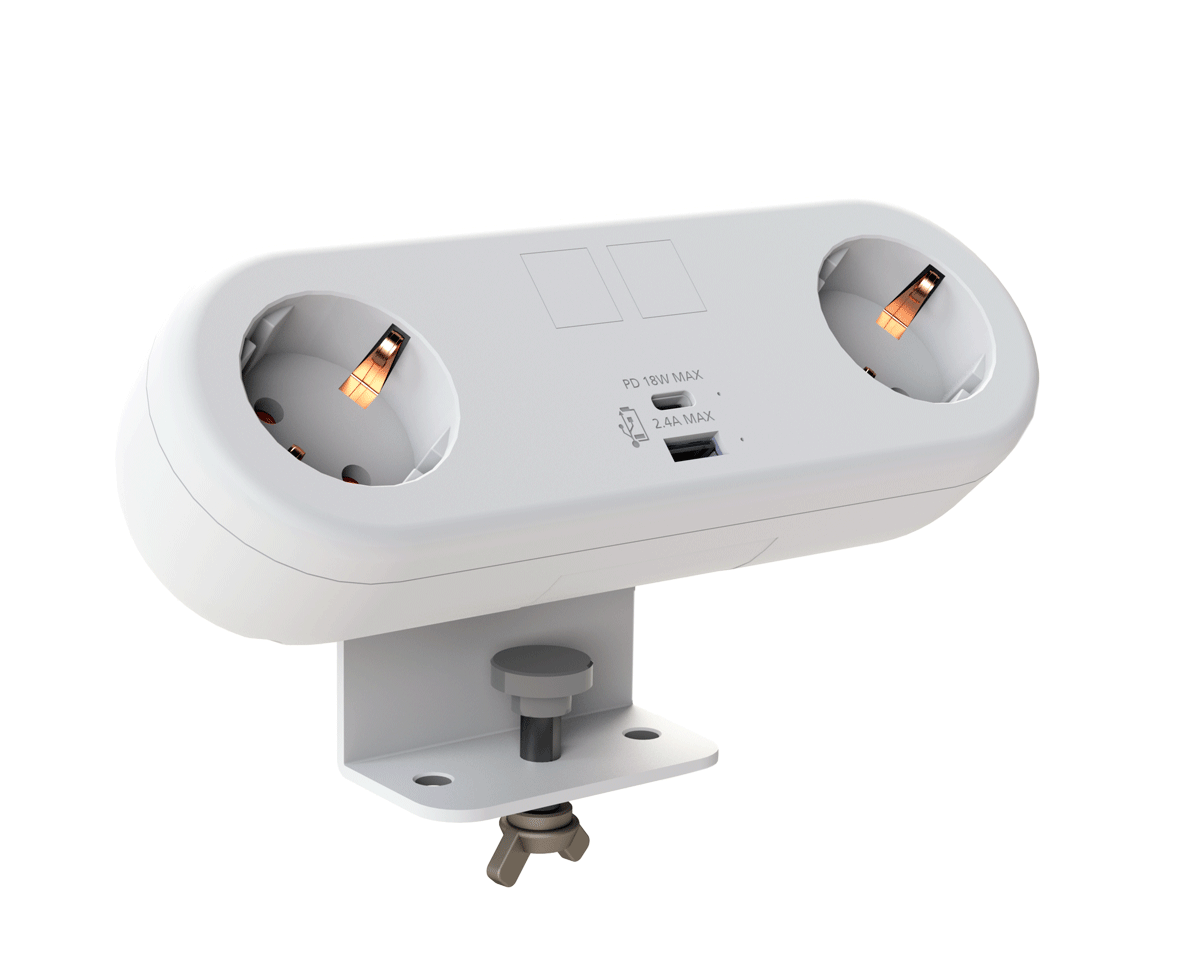
CMD White Schuko Capsule Desk Power Module
CMD LTD EXTENDS MONITOR ARM RANGE WITH THE LAUNCH OF REACH PLUS

CMD Ltd, the specialist in ergonomic and connectivity solutions for commercial interiors, has completed its Reach monitor arm range with the launch of the Reach Plus. Available in single or dual screen options, the Reach Plus has been designed to provide an ideal solution for both single and dual screen workstation configurations, or can be used with next generation of large format curved screens. Suitable...

Read more
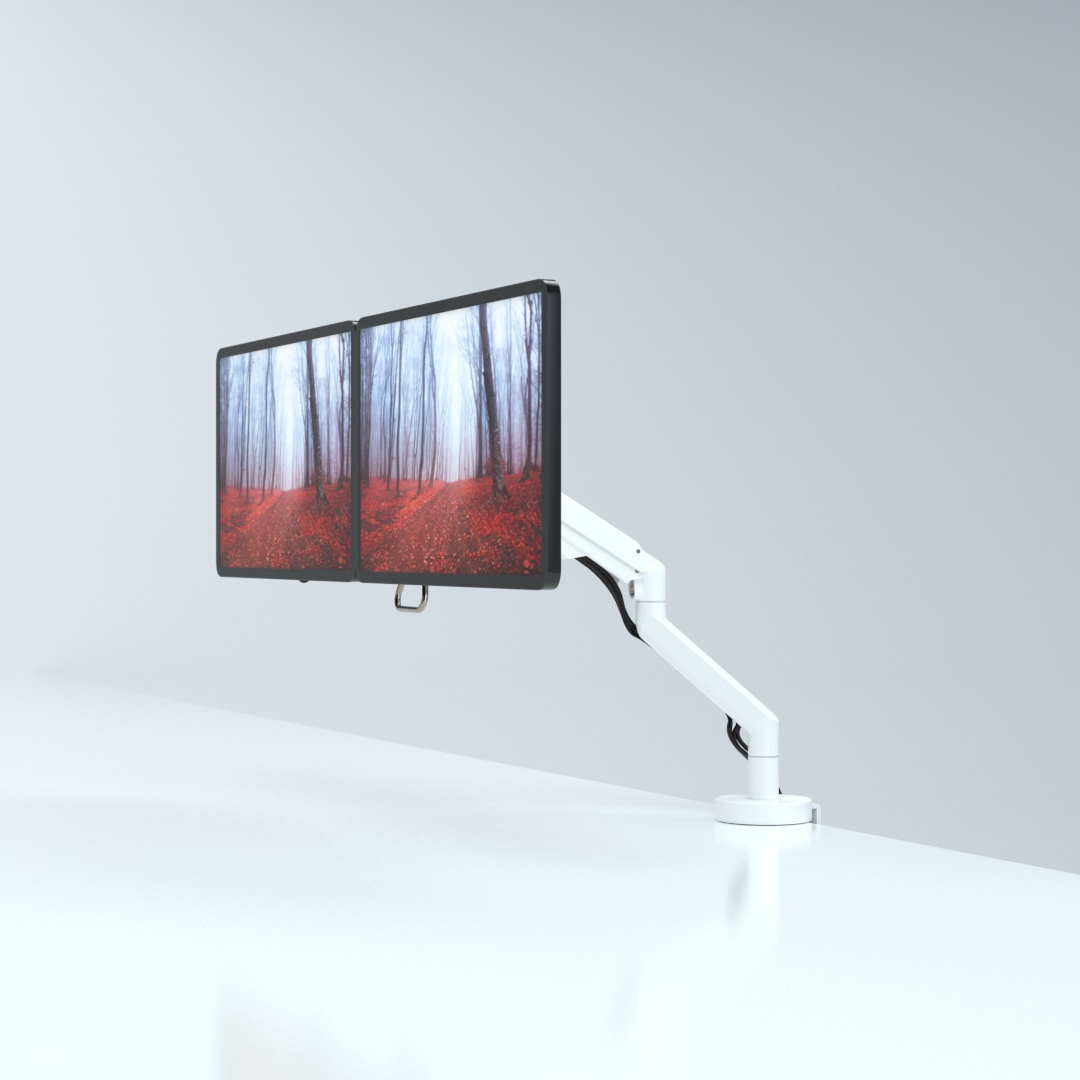
CMD Ltd DEMONSTRATES THE ART OF POWER DISTRIBUTION AT THE UNIVERSITY OF WARWICK

CMD Ltd, the specialist in workplace connectivity and ergonomic solutions, has provided Betatrak busbar power distribution and a range of electrical accessories for two major capital investment projects at the University of Warwick. Designed by Fielden Clegg Bradley Studios, the £33 million Faculty of Arts building is a showpiece development comprising four interconnected structures set around a central atrium, which will enable inter-disciplinary collaboration across...

Read more

University of Warwick
CMD BRINGS HARMONY TO COVENTRY UNIVERSITY RESEARCH FACILITIES

CMD Ltd, the specialist in power distribution solutions and workstation power and ergonomics, has provided under desk and on desk power modules for the refurbishment of three Coventry University research buildings. Located on Coventry University Technology Park, a business park designed to encourage collaboration between the university and knowledge-based businesses, the three buildings are being repurposed as office accommodation for university research teams. The refurbishment...

Read more

Coventry University

What Are the 2026 Top Electrical Socket Types?

Choosing the right electrical socket in 2026 involves more than matching a wall plate to a plug. Homes now combine traditional outlets, USB-C charging ports, smart controls, and safety-focused designs. However, “top” does not mean identical everywhere. Regional voltage, frequency, plug standards, and installation rules still shape the best choice.

This guide examines widely used socket types, including Type A and B outlets, European Type C, E, and F designs, British Type G sockets, and Australian Type I models. It also considers tamper-resistant, weather-resistant, RCD or GFCI-protected, and smart electrical socket options. A kitchen outlet may need splash protection and strong charging capacity. A bedroom outlet may benefit more from quiet control and dependable USB-C power.

Real-world use matters.

A socket can look modern yet perform poorly with loose terminals, weak shutters, or limited heat management. Product labels may also hide important differences in grounding, maximum load, and certification. For that reason, this review focuses on verified specifications, practical installation experience, and safety guidance from recognized standards organizations. Certified electricians should confirm compatibility before replacement, especially in older buildings or locations with unfamiliar wiring.

The 2026 market is promising, but it is not flawless. Smart sockets can lose connectivity, while integrated chargers may age faster than the wall hardware. Some designs also prioritize appearance over repairability. Comparing these trade-offs helps homeowners, designers, and facility managers choose outlets that remain safe, useful, and reasonably future-ready. There may be no single winner. The best option depends on the room, the local electrical system, and the devices connected every day.

What Are the 2026 Top Electrical Socket Types?

Electrical Socket Types and Their Basic Functions in 2026

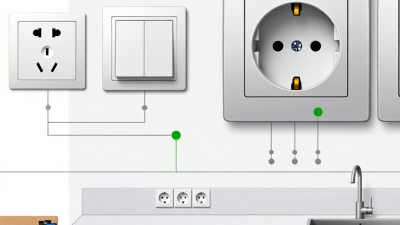
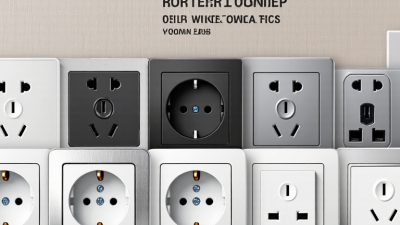
In 2026, electrical socket types still reflect regional voltage, frequency, and safety rules. Their basic function is simple: provide a controlled connection between a plug and a fixed circuit. Type A uses two flat pins in many 100–127-volt systems. Type B adds a grounding pin for compatible appliances. Small difference. Big consequence.

Type C sockets use two round pins and support many low-power devices. Type E and Type F designs add grounding in different ways, often for 220–240-volt systems. Type G uses three rectangular pins and commonly includes a fuse in the plug. Shutters, child-resistant features, and clear earth paths can reduce accidental contact. However, socket shape alone does not confirm compatibility. Check voltage and frequency carefully.

A practical inspection should examine terminal tightness, heat marks, cover stability, and grounding continuity. Residual-current protection may add safety against leakage, especially in damp areas. Adapters can solve a shape mismatch, but they cannot convert voltage. A quick visual check is not enough. Regional exceptions exist, and this framework is not perfect. Replacement decisions should follow local electrical codes and qualified inspection. Older guidance may also need verification.

Standard, USB, and Smart Socket Designs Compared

What Are the 2026 Top Electrical Socket Types?

Standard sockets remain the dependable choice for homes, offices, and workshops. Their simple construction supports heating devices, lamps, and kitchen equipment without extra electronics. A grounded design improves safety when paired with suitable wiring and protective devices. In damp areas, local electrical rules may require additional protection. Simple works. Yet, a plain socket can feel limiting beside newer charging needs.

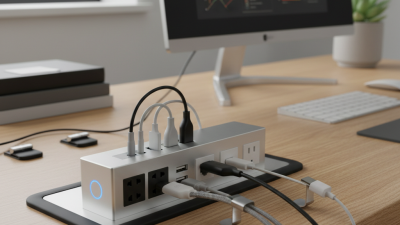
USB sockets reduce clutter around bedsides, desks, and kitchen counters. Current designs often include USB-C ports with faster charging than older USB connections. However, charging speed depends on the socket’s output, cable quality, and device requirements. Heat management also matters during repeated high-power charging. I have found that one powerful port can be more useful than several weak ones. That is not always obvious from the product label. Check the stated wattage before installation.

Smart sockets add schedules, remote control, energy readings, and sometimes voice operation. They suit lamps, appliances, and rooms where access is inconvenient. Some models need a neutral wire, which older wiring may not provide. They also depend on software, wireless networks, and secure account settings. Convenience is real, but reliability can drop after network changes. A qualified electrician should verify circuit capacity, grounding, and local compliance before fitting any type. The smartest option is not automatically the best one.

What Are the 2026 Top Electrical Socket Types? — Standard, USB, and Smart Socket Designs Compared
Socket Type Primary Function Typical Electrical Rating USB Charging Capability Smart-Home Connectivity Installation Requirements Energy Monitoring Safety Considerations Best Use Cases Relative Cost
Standard AC Socket Supplies mains power to plugs and permanently connected appliances. Commonly 100–250 V AC and 10–20 A, depending on the country, wiring system, and local code. None built in. None; operation is controlled manually. Usually the simplest option. Requires a compatible wall box, correctly sized conductors, grounding where required, and circuit protection. Not available without an external meter or smart device. Reliable when correctly grounded and protected. Child shutters, tamper resistance, and ingress protection vary by design and jurisdiction. General household outlets, offices, workshops, and high-load appliances when a matching rated outlet is selected. Low
Standard Socket with Mechanical Shutters Provides ordinary AC power while helping prevent accidental contact with live contacts. Typically follows the rating of the associated standard socket, often 10–20 A at the applicable local voltage. None built in. None. Comparable to a standard socket, but the product must be approved for the intended wall box and wiring configuration. Not available. Shutters can improve protection against insertion of objects, but they do not replace circuit breakers, residual-current protection, or supervision. Homes, childcare areas, hotels, and other locations where additional contact protection is desirable. Low
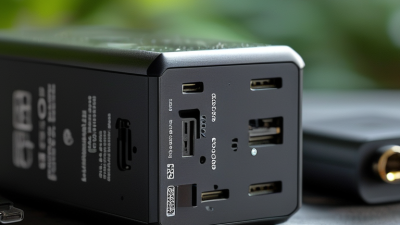
AC Socket with USB-A Charging Combines mains power with charging ports for legacy USB devices. AC section commonly rated around 10–20 A at the local mains voltage. Usually 5 V DC with approximately 1–2.4 A per port; charging speed depends on the installed USB controller and device. Normally none. Needs a neutral conductor in addition to line and ground where required. The wall box must have adequate depth for the integrated electronics. Usually unavailable. USB output is low voltage but remains an electronic power supply. Look for overload, short-circuit, thermal, and overvoltage protection. Bedrooms, guest rooms, and retrofit locations that still use USB-A cables. Medium
AC Socket with USB-C Charging Provides mains power and faster charging for modern phones, tablets, and selected laptops. AC section commonly rated around 10–20 A at the local mains voltage. USB-C output may range from basic 5 V charging to USB Power Delivery levels such as 20–65 W. The exact output must be checked on the socket label. Usually none unless specifically described as a connected product. Requires sufficient wall-box space, correct neutral wiring, and compatibility with the local electrical standard. Usually unavailable. Higher-power USB-C units need thermal management and certified power-delivery control. Total output may be reduced when multiple ports are used. Home offices, kitchens, bedside areas, and workspaces with USB-C devices. Medium
Smart On/Off Socket Switches power remotely or automatically through a connected control system. Often rated up to 10–16 A resistive load, but motor, heating, and other inductive loads may require lower limits. May include USB-A or USB-C, but USB features and AC switching may have separate limits. May use Wi-Fi, Thread, Zigbee, Z-Wave, Bluetooth, or another control protocol, depending on the model. Typically needs line and neutral conductors, a compatible wall box, network commissioning, and local electrical-code compliance. Some models provide real-time and cumulative consumption data; others only provide switching. Use only with loads within the stated rating. Network security, firmware support, manual override, and safe failure behavior are important. Lighting schedules, standby-power control, occupancy automation, and remote operation of suitable appliances. Medium
Smart Socket with Energy Monitoring Controls a load while measuring electrical consumption for tracking and automation. Commonly up to 10–16 A, with allowable current depending on the device and load type. Optional; USB charging ports may have a separate combined wattage limit. Usually supports an app and one or more protocols such as Wi-Fi, Thread, Zigbee, or Z-Wave. Requires compatible wiring, network setup, calibration or configuration, and adequate space for the monitoring electronics. May report voltage, current, instantaneous power, cumulative energy, and estimated cost; measurement accuracy varies by product. Monitoring data should not be treated as a substitute for certified test equipment. Confirm overload, thermal, and short-circuit protections. Home energy audits, appliance scheduling, solar-consumption tracking, and reducing standby loads. Medium–High
Smart Socket with Dimming or Scene Control Provides connected control for compatible lighting circuits or predefined scenes. Load limits vary considerably. LED and electronic loads may require a compatible dimmer and a minimum load specification. Usually not included; if present, USB output is independent of dimming performance. May support app control, schedules, scenes, voice-assistant integration, or local automation through a compatible hub. Requires a compatible lighting circuit, appropriate neutral availability where required, and installation by a qualified person when local rules demand it. Usually not available unless separately specified. Do not connect motors, heaters, or non-dimmable lamps unless explicitly permitted. Incorrect LED compatibility can cause flicker, noise, or overheating. Living rooms, bedrooms, hospitality spaces, and lighting scenes requiring centralized control. Medium–High
Weather-Resistant Outdoor Socket Supplies power in exposed or damp locations with protection against environmental conditions. Often 10–16 A, subject to the local voltage, enclosure rating, wiring method, and circuit protection. Optional; outdoor USB ports should have appropriate moisture protection and a clearly specified output rating. May be conventional or smart, but wireless range and weather exposure must be considered. Requires a suitable enclosure, correctly sealed cable entry, grounding where applicable, and installation according to outdoor-zone rules. Optional on connected versions. Look for a suitable IP rating, protective cover, residual-current protection, and resistance to UV, moisture, dust, and impact. Gardens, balconies, patios, garages, outdoor lighting, and powered equipment rated for outdoor use. Medium
Electrical ratings, plug formats, grounding rules, IP classifications, and installation requirements differ by country and product. Always verify the socket’s certification, datasheet, maximum load, USB output, and compatibility with local electrical regulations before installation or use.

Safety Features Shaping Modern Electrical Sockets

What Are the 2026 Top Electrical Socket Types?

Safety Features Shaping Modern Electrical Sockets

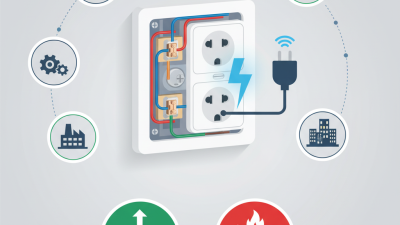
Modern electrical sockets are becoming safer, not merely smarter. Tamper-resistant sockets use internal shutters that block curious fingers and loose objects. They are especially valuable in homes with young children. Residual-current protection can disconnect power when it detects leakage, helping reduce shock risks near sinks, laundry areas, and outdoor walls. Some sockets also include overload protection and clear status indicators.

USB-C charging sockets are increasingly practical, but safety still matters more than charging speed. A well-designed unit should manage heat, regulate output, and stop charging during abnormal conditions. Moisture-resistant sockets suit garages and covered patios, although “weather-resistant” does not mean waterproof. Installation quality remains critical. A loose terminal can create heat behind the wall, where damage may stay invisible for months.

Tips: Switch off the circuit before inspection, then verify it with a proper tester. Do not rely on a wall switch alone. Check for warmth, buzzing, discoloration, or a burning smell. Replace damaged covers promptly. Ask a qualified electrician to confirm grounding, protection devices, and local installation requirements. Older wiring may need more than a new socket. That part is easy to underestimate. A sleek outlet cannot correct unsafe cables, poor connections, or an overloaded circuit.

How to Choose the Right Socket for Each Application

What Are the 2026 Top Electrical Socket Types?

How to Choose the Right Socket for Each Application

In 2026, common socket types include Type A, B, C, F, G, and industrial IEC sockets. The right choice depends on voltage, current, grounding, and installation conditions. Type A and B sockets suit many North American applications. Type C and F designs are widely used in European systems. Type G sockets are common in the United Kingdom and several other regions. Industrial sockets usually offer stronger housings and better protection against dust, moisture, and impact.

I have seen installations fail because people chose by appearance alone. A grounded socket is essential for appliances with exposed metal parts. Check the equipment label before selecting a socket. Confirm its rated voltage and current. Never assume an adapter changes voltage. For kitchens, workshops, and laundry areas, choose protection suited to moisture and accidental splashes. Outdoor installations need weather-resistant enclosures and secure covers. Local electrical standards still control the final decision.

Tips: Match the socket to the circuit, not just the appliance plug. Measure the wall box before buying a replacement. Use child-protection features where needed. For high-load equipment, ask a qualified electrician to verify cable size, breaker rating, and grounding. A compact socket may look convenient, but its terminals can be difficult to inspect. I sometimes prefer a less attractive design when it provides clearer wiring access and stronger strain relief. Safety is rarely the most decorative option.

Installation Standards and Emerging Socket Trends for 2026

By 2026, selecting an electrical socket requires more than matching a wall plate. Installation standards remain different across countries and regions. Local rules matter.

During site inspections, I check conductor size, grounding, circuit protection, and box depth before approving a socket. Residual-current protection is essential in many residential installations. Ground-fault protection may also be required near water. Child-resistant shutters, secure terminals, and correct polarity improve everyday safety. A qualified electrician should verify the final installation and testing records.

Emerging socket designs are becoming more practical. USB-C charging ports may reduce loose adapters beside beds and kitchen counters. Some sockets can monitor energy use or connect with home automation systems. However, electronic features increase heat, wiring, and maintenance considerations. Simpler units may remain more reliable in dusty workshops or rental properties. In damp areas, installers should check the required ingress protection rating instead of guessing from appearance. That detail is often missed.

I once underestimated the space needed behind a socket with built-in charging. The faceplate fitted, but the wiring became cramped. It passed a basic visual check, yet the installation needed adjustment. This experience changed my inspection routine. I now confirm terminal temperature, screw tightness, and load behavior after installation. Standards offer a foundation, but careful workmanship still decides whether a socket performs safely for years.