

News

Miro: A New Standard in Responsible Innovation

Miro: A New Standard in Responsible Innovation The Miro monitor arm is setting new benchmarks in sustainability. It offers a high-performance solution without compromising on environmental responsibility. Designed with careful material selection, local sourcing, and longevity in mind, Miro’s responsible approach to design and unique manoeuvrability set it apart from the competition. Sustainable Choices Miro is crafted from energy-efficient materials with a lower carbon impact....

Read more
HSE Advisor

Role Purpose Support in the development, implementation and maintenance of the company’s Health, Safety & Environmental policies, processes, operational procedures, and standards.  Ensuring best practice and championing a continually improving HSE culture within the business. Key Responsibilities Liaise with and provide support to all areas of the business to eliminate, mitigate or reduce identified HSE exposures. Partner with the production management team and team leaders,...

Read more
CMD Ltd LAUNCHES 48-HOUR TURNAROUND ON BETATRAK® RAPID ORDERING SERVICE

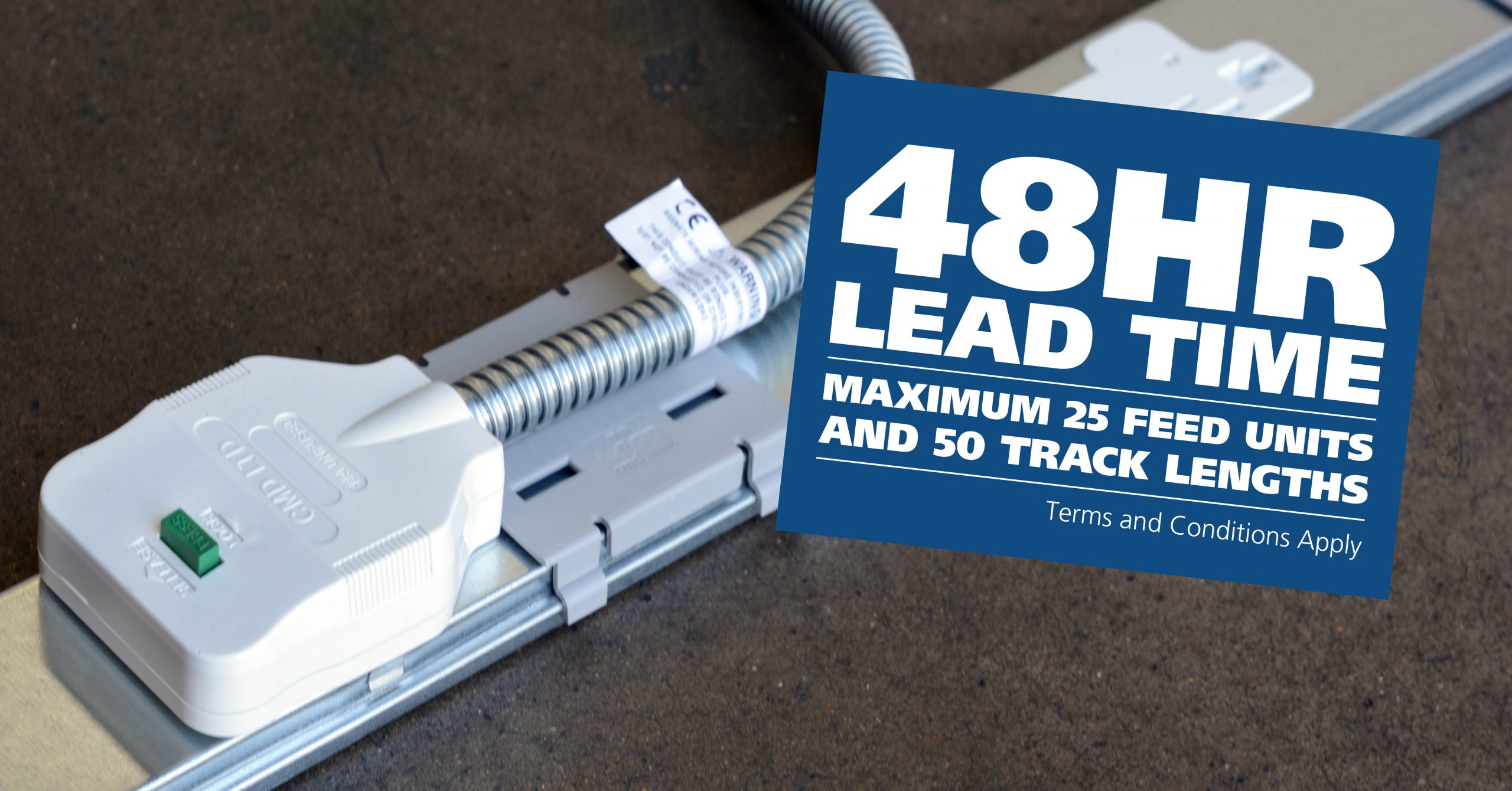
CMD Ltd, the specialist in power distribution systems, workstation power and monitor arms, has launched a rapid ordering service for its Betatrak® underfloor powertrack distribution systems and accessories, with a commitment to delivering within 48-hours of an approved purchase order*. The service enables customers to order up to 50 lengths of Standard or Clean Earth (C/E) low noise Betatrak, along with up to 25 feed...

Read more
CMD INVESTS £1/4 MILLION IN NEW MACHINE AS PART OF FACTORY UPGRADE

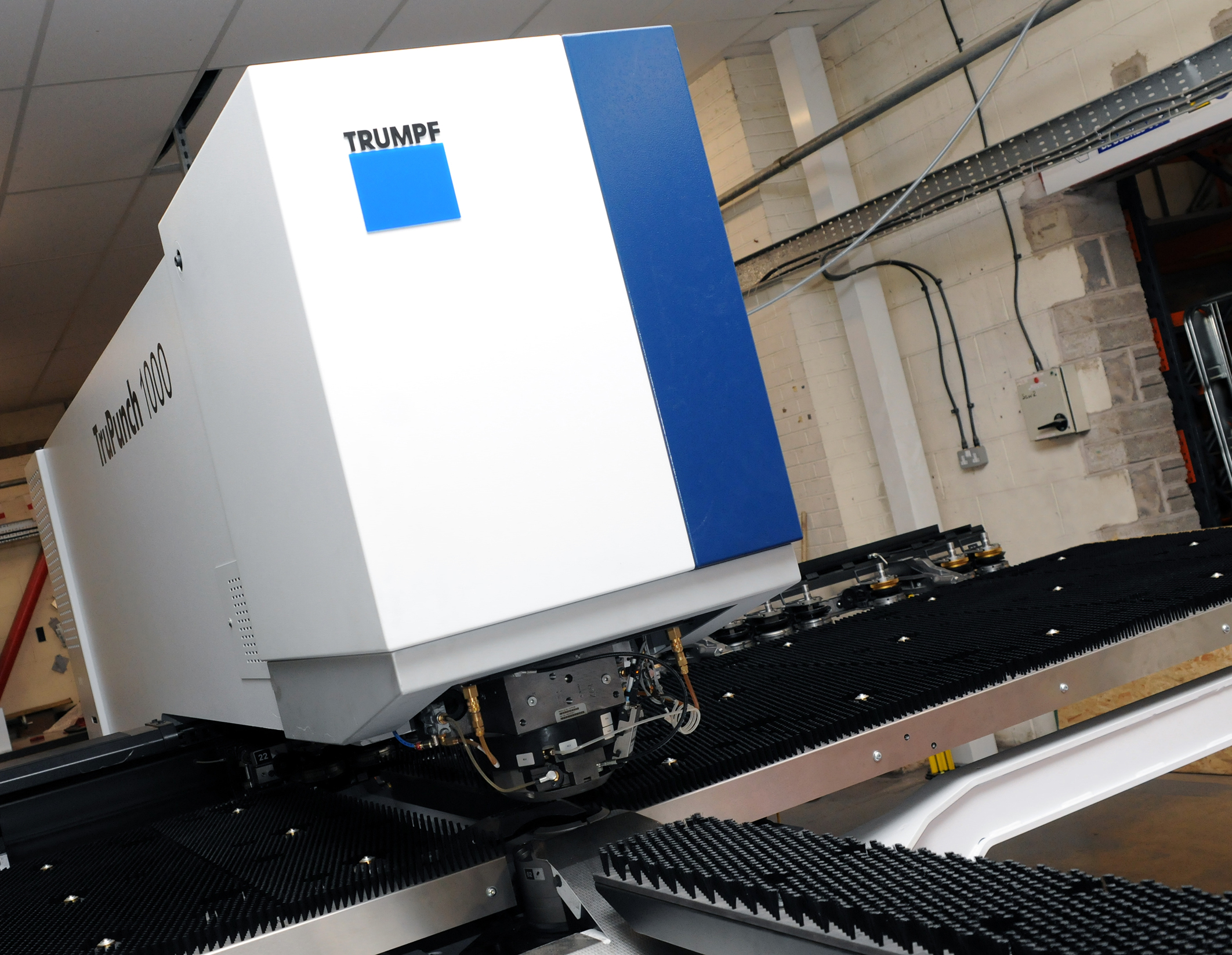
We have invested in a new £1/4m TRUMPF CNC metal punch as part of an asset renewal strategy for our UK manufacturing capability. The new machine will be used in the production of a wide variety of our power distribution systems and workstation power products at our Rotherham factory. Suitable for handling sheet metal between 0.9mm and 3.0mm thick, the new machine will replace one...

Read more
CMD CATALOGUE PROVIDES TECHNICAL POWER DISTRIBUTION GUIDE

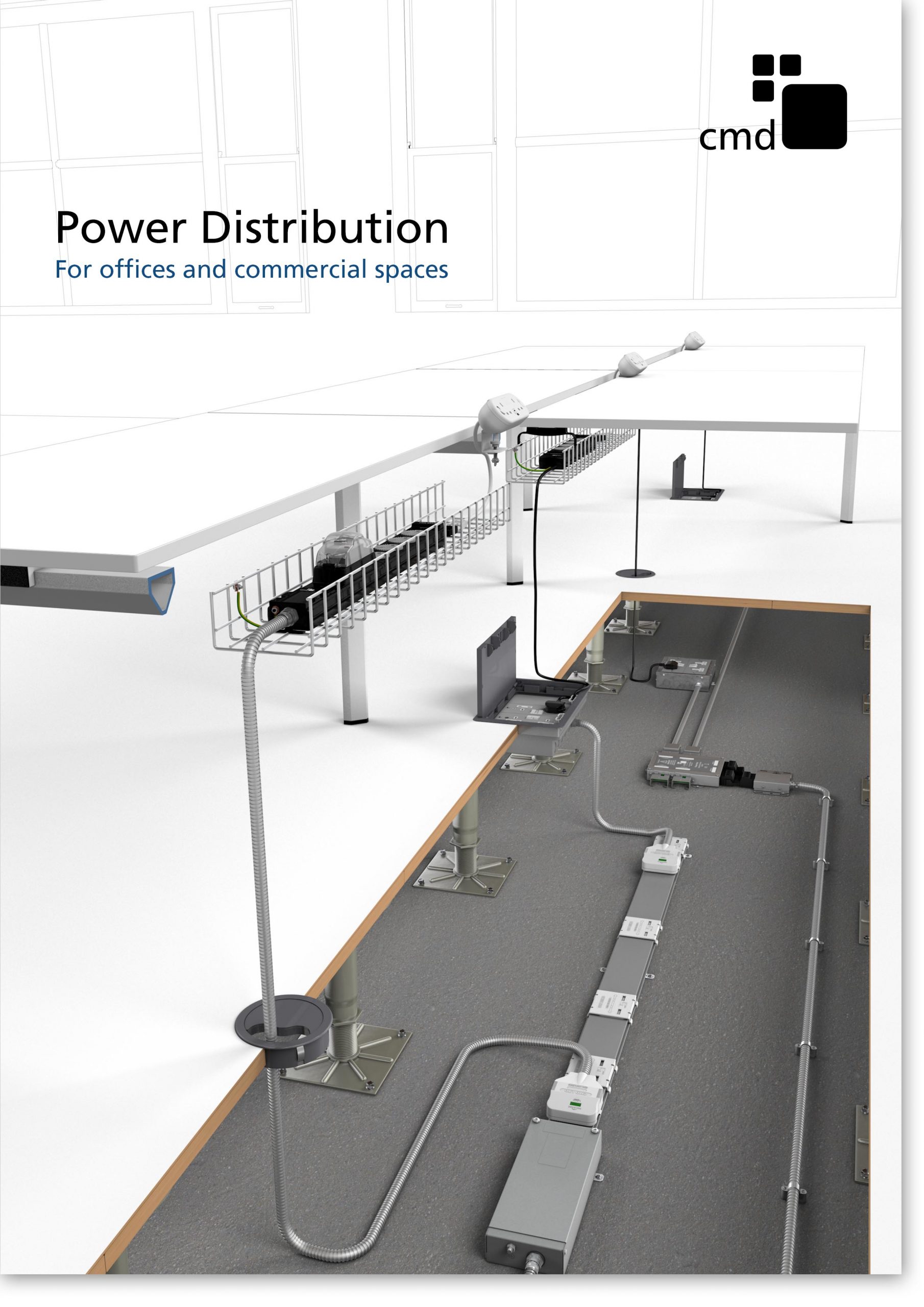
CMD Ltd has released a new catalogue, providing an easy to follow technical guide to our power distribution systems and plug and play desk modules. Detailing CMD’s full range of UK-manufactured power distribution systems and plug and play desk modules, the catalogue will be a helpful source of information to M&E engineers and contractors alike to understand how our power distribution systems connect together and...

Read more
Power Distribution Catalogue
CMD Ltd PLAYS ESSENTIAL ROLE IN ELECTRICAL FIT OUT AT LONDON’S PRESTIGIOUS OFFICE DEVELOPMENT

CMD Ltd, specialist in workplace connectivity and ergonomic solutions, has provided a flexible and high-quality power distribution network for The Ray, a prestigious office development in London’s Farringdon. Well-known for being the former site of The Guardian newspaper, The Ray now stands as an 83,000ft² office development characterised by a modernised warehouse aesthetic, with level two now occupied by a global social media company. The...

Read more

The Ray
CMD plugs in to european opportunity with Schuko Capsule unit launch

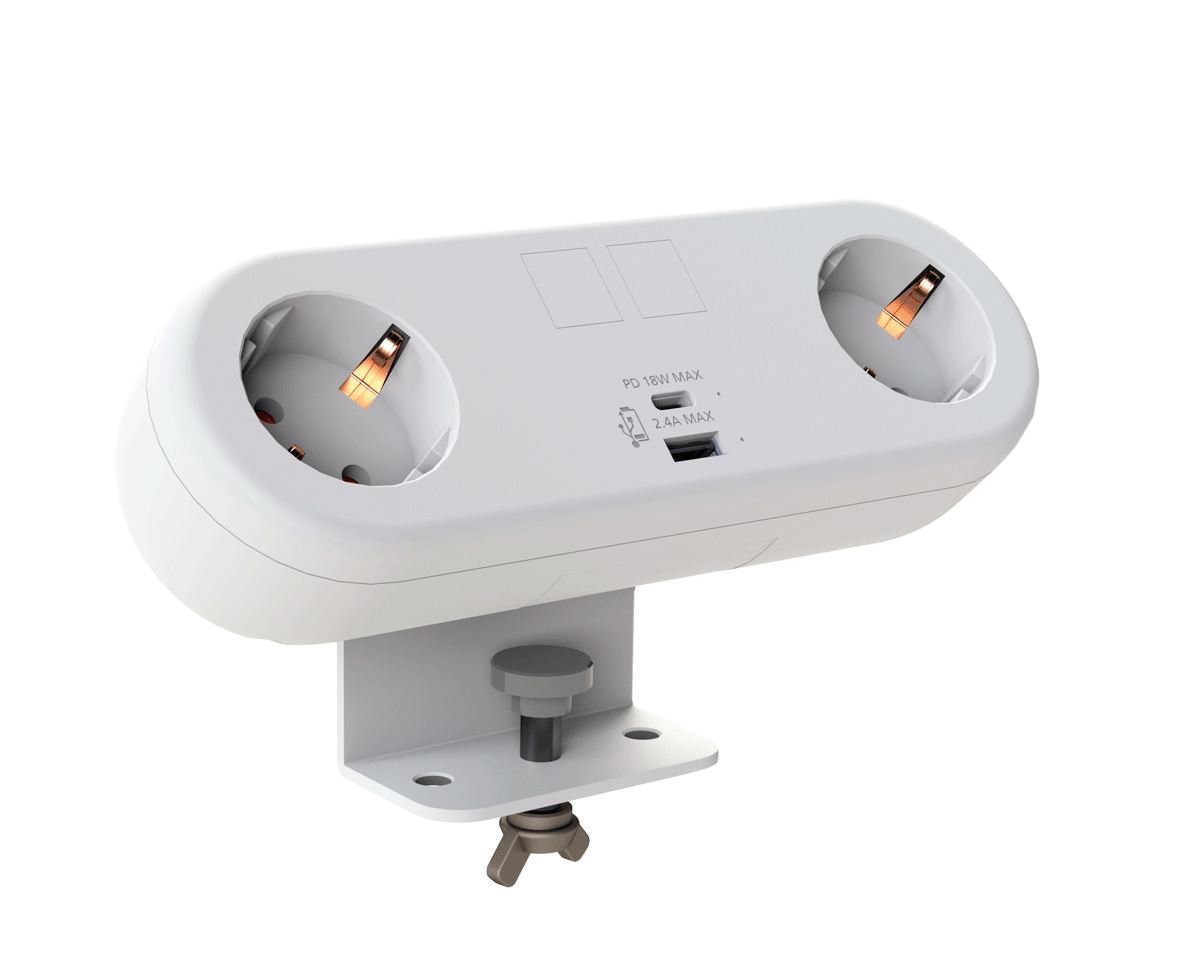
CMD Ltd, the specialist in power and connectivity solutions for commercial environments, has launched a Schuko version of its popular fixed format Capsule workstation power module for export to mainland Europe and beyond. A popular on desk power module comprising two sockets and dual USB (type A and C) chargers, CMD’s Capsule unit is already widely specified in the UK as an off-the-shelf workstation power...

Read more
CMD White Schuko Capsule Desk Power Module
CMD LTD EXTENDS MONITOR ARM RANGE WITH THE LAUNCH OF REACH PLUS

CMD Ltd, the specialist in ergonomic and connectivity solutions for commercial interiors, has completed its Reach monitor arm range with the launch of the Reach Plus. Available in single or dual screen options, the Reach Plus has been designed to provide an ideal solution for both single and dual screen workstation configurations, or can be used with next generation of large format curved screens. Suitable...

Read more

CMD Ltd DEMONSTRATES THE ART OF POWER DISTRIBUTION AT THE UNIVERSITY OF WARWICK

CMD Ltd, the specialist in workplace connectivity and ergonomic solutions, has provided Betatrak busbar power distribution and a range of electrical accessories for two major capital investment projects at the University of Warwick. Designed by Fielden Clegg Bradley Studios, the £33 million Faculty of Arts building is a showpiece development comprising four interconnected structures set around a central atrium, which will enable inter-disciplinary collaboration across...

Read more

University of Warwick
CMD BRINGS HARMONY TO COVENTRY UNIVERSITY RESEARCH FACILITIES

CMD Ltd, the specialist in power distribution solutions and workstation power and ergonomics, has provided under desk and on desk power modules for the refurbishment of three Coventry University research buildings. Located on Coventry University Technology Park, a business park designed to encourage collaboration between the university and knowledge-based businesses, the three buildings are being repurposed as office accommodation for university research teams. The refurbishment...

Read more

Coventry University

2026 Top Rotomolding Machines for Global Buyers

In 2026, global manufacturers are demanding more from modern Rotomolding Machines. Energy efficiency, repeatable wall thickness, flexible mold handling, and dependable automation now influence purchasing decisions. A machine may look impressive in a showroom, yet perform differently beside a busy production line. Practical evaluation matters.

This guide examines leading Rotomolding Machines for buyers across multiple manufacturing regions. It considers heating methods, cooling performance, arm configuration, mold capacity, cycle control, safety systems, and after-sales support. It also reviews supplier experience, maintenance access, spare-parts availability, and operator training. These details affect production stability more than attractive specifications alone. A well-designed machine should support consistent parts, clear process monitoring, and manageable operating costs.

No single model suits every factory. Not even close. Product size, resin selection, annual volume, available floor space, and local service conditions can change the final choice. Supplier claims also require careful verification through factory visits, test runs, customer references, and documented performance data. Some published figures may reflect ideal conditions rather than daily production. That deserves attention. This overview therefore offers a practical comparison, not an absolute verdict. It highlights machines with strong potential while recognizing limitations, regional differences, and information gaps. Buyers can use these findings to build a more reliable shortlist and ask better questions before making a major investment.

2026 Top Rotomolding Machines for Global Buyers

What Rotomolding Machines Are and How They Work

2026 Top Rotomolding Machines for Global Buyers

Rotomolding machines create hollow plastic products without high-pressure injection. Operators place measured polymer powder inside a hollow mold. The mold then heats and rotates around two axes. The powder melts, coats the inner surface, and forms a seamless shell. Cooling follows, often with air or controlled water mist. The finished part is removed after the mold opens.

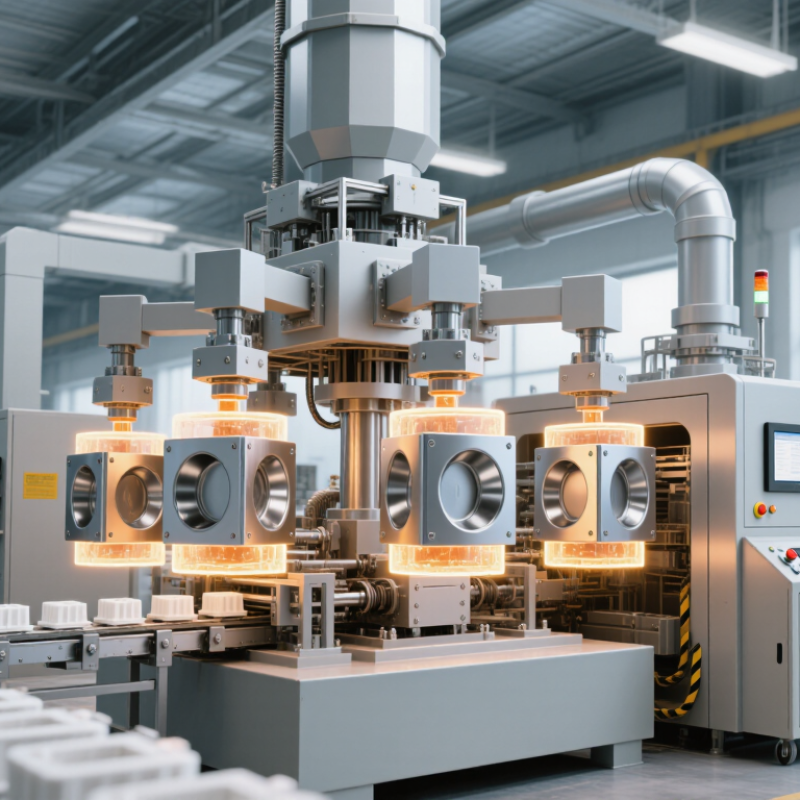
Common machine designs include carousel, shuttle, clamshell, and rock-and-roll systems. Carousel machines suit repeated production with several stations. Shuttle machines offer flexible mold changes and practical floor use. Each system needs accurate temperature control, balanced rotation, and reliable cooling.

Small errors can cause warping, air pockets, or uneven wall thickness.

It is not a perfect process.

The OECD’s Global Plastics Outlook reported about 460 million tonnes of plastic production in 2019. That figure strengthens interest in durable, repairable products and more efficient processing. A 2024 market outlook from Grand View Research also identified rotational molding as a growing plastics manufacturing segment, supported by demand for tanks, containers, and infrastructure components.

Buyers should check cycle time, mold capacity, energy consumption, and control-system records. A high output claim means little without evidence from comparable molds. In practice, material loading and cooling discipline often decide product quality. I would also question machines that hide maintenance data or provide vague energy figures.

Key Machine Types and Their Main Manufacturing Applications

For global buyers, rotomolding machine selection should begin with the product, not the machine catalog.

Shuttle machines suit medium-volume parts, such as storage tanks, playground panels, and agricultural containers. They move molds between heating and cooling stations. This layout supports steady loading and easier operator access. However, floor space and cycle timing can limit output.

Carousel machines fit high-volume production with several arms rotating around one heating chamber. They manufacture kayaks, road barriers, large bins, and automotive ducts with repeatable wall thickness. Independent arms allow different molds and cooling times in one cycle.

Rock-and-roll machines handle long, narrow products, including pipes, canoes, and construction floats. Their controlled rocking motion reduces material movement problems in elongated cavities.

Clamshell systems are useful for compact parts and shorter runs. They can be practical for prototypes, but changeover work may be underestimated.

Tips: Ask for cycle data using your resin, mold weight, and target wall thickness. Check oven temperature uniformity at several points, not only the display. Verify control records, cooling capacity, mold clearance, and operator safety features. Request a factory test with representative tooling when possible. A machine that looks inexpensive may consume more energy during slow heating. Leave room for learning; real factory conditions often expose assumptions.

Essential Specifications for Comparing Global Machine Suppliers

2026 Top Rotomolding Machines for Global Buyers

When comparing global machine suppliers, start with measurable specifications, not polished photographs. Check maximum mold diameter, payload, arm reach, oven temperature range, and cooling capacity. These figures reveal whether a machine fits your actual production plan.

Ask for cycle-time data from similar parts. A supplier should explain heating, rotation, cooling, and unloading times clearly. Review the control system, data logging, recipe storage, and remote diagnostic options. A stable PLC matters when operators run multiple molds during a long shift. Energy consumption deserves equal attention. Compare gas, electric, or hybrid systems using the same production conditions.

Do not overlook factory support. Confirm installation training, spare-part availability, response times, and local service coverage. Request safety documents and evidence of compliance with applicable regional requirements. I have found that a detailed acceptance test often exposes weak cooling performance or uneven temperature control. Small details matter, such as door seals, burner access, and how easily an operator can clean the oven.

No comparison sheet is perfect. Supplier data may use ideal conditions. Ask for production videos, reference contacts, and a live test with your material and mold. Also check whether the quoted machine includes molds, software updates, commissioning, and shipping preparation. A lower purchase price can become expensive when these items appear later. Shortlist suppliers that explain limitations openly. That honesty is useful.

Automation, Energy Efficiency, and Safety Features to Evaluate

2026 Top Rotomolding Machines for Global Buyers

Automation should improve repeatability, not merely add screens. Evaluate machines with recipe control, automatic arm movement, mold-position feedback, and alarm histories. These features reduce timing errors during heating, rotation, cooling, and unloading. The International Federation of Robotics reported 541,302 industrial robots installed worldwide in 2023. Rotomolding is less robotic than many sectors, but this trend shows why scalable automation deserves attention. A fully automated cell is not automatically better. Poorly tuned sensors can create expensive defects.

Energy efficiency deserves equal weight. The International Energy Agency reported that industry used about 37% of global final energy in 2022. Compare burner efficiency, insulation quality, oven heat recovery, servo drives, and standby consumption. Ask suppliers for measured energy data per kilogram of finished product. Marketing estimates are not enough. ISO 50001 guidance also supports continuous measurement, rather than one-time improvements. In practice, a machine with lower peak output may deliver better economics if it wastes less heat.

Tips: Request a safety validation file before purchase. Check guarding, emergency stops, interlocks, lockout procedures, and safe access around the oven. Review compliance with ISO 12100 and relevant local requirements. Train operators using real fault scenarios, not only manuals. Keep spare sensors and critical controls available. Safety checks can slow commissioning, but skipping them creates larger delays. One uncomfortable question remains: can your maintenance team repair the system without outside support?

2026 Top Rotomolding Machines for Global Buyers

Automation, energy efficiency, and safety features to evaluate

The chart presents a transparent 100-point buyer evaluation framework for comparing rotomolding machines. Automation and process control cover recipe management, temperature monitoring, and repeatability; energy efficiency includes heating, cooling, insulation, and standby performance; safety includes guarding, emergency stops, interlocks, and risk-reduction measures aligned with recognized machinery-safety practices. The percentages are evaluation weights, not brand or machine performance claims.

How to Select, Purchase, Install, and Maintain a 2026 Machine

Selecting a 2026 rotomolding machine starts with the part, not the brochure.

Record mold dimensions, resin type, wall thickness, cycle time, and expected annual output. Check arm reach, oven volume, cooling capacity, and loading limits against real molds. Ask for cycle data from a comparable application.

Numbers matter.

During purchasing, request a complete utility list and a written acceptance standard. Confirm power requirements, compressed-air quality, ventilation, controls, spare parts, training, and delivery responsibilities. Review factory test records, safety documentation, and service response times before signing. Check local electrical and workplace requirements.

Do not judge price alone. An inexpensive machine can become costly when one sensor stops production.

Yet my earlier checklists sometimes ignored operator comfort. That was a mistake. Reachable controls and safe access affect every shift.

Installation needs a measured site plan. Verify floor strength, machine clearance, exhaust routing, drainage, and forklift access. Keep the oven and cooling area separated where heat could disturb nearby controls. Use qualified technicians for electrical connections and safety checks.

Run dry cycles before adding molds or resin. Then test heating uniformity, arm movement, cooling airflow, and emergency stops. Record actual cycle temperatures.

Maintenance should follow hours, not memory.

Inspect burners or heaters, bearings, seals, thermocouples, fans, and hydraulic lines at scheduled intervals. Clean vents weekly in dusty facilities. Keep calibration records and photograph unusual wear.

Small deviations become rejected parts.

Leave room to improve. Real production often exposes assumptions that looked correct on paper.